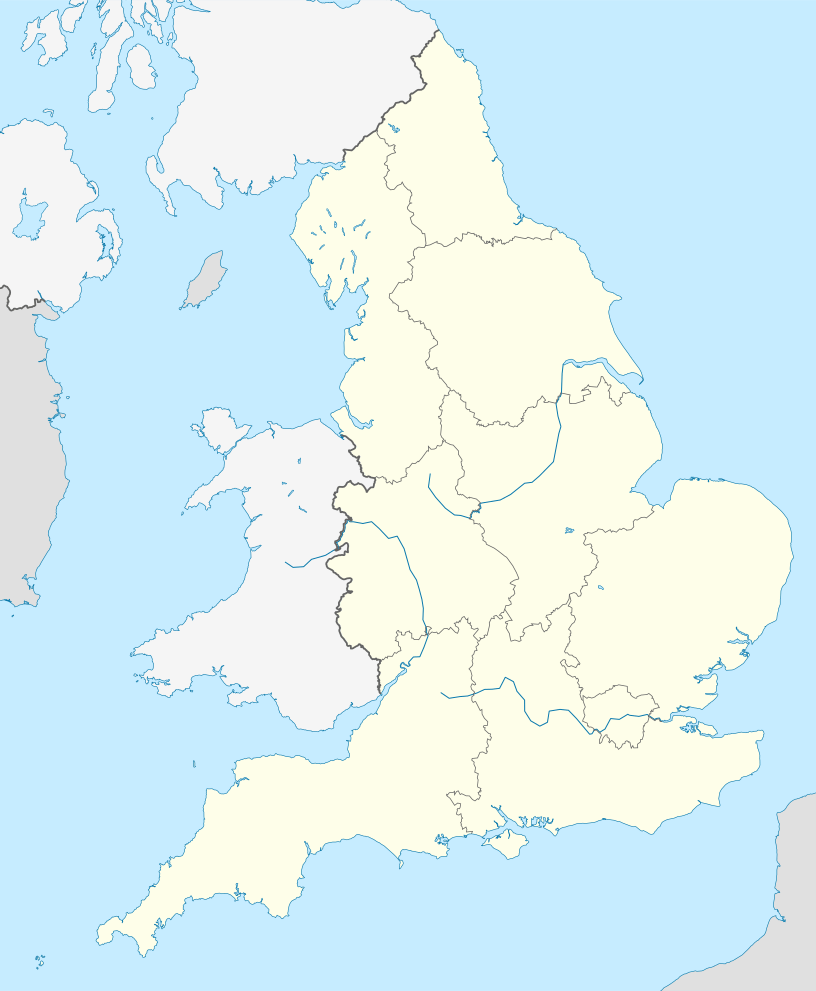

Short entry1.9 miles away
Horsey Windpump and Mere
Horsey · wetland · grassland
 the ai birderBirding near me
The AI Birder · one-page field sheet
Hickling, Norfolk, England · NR12 0BW · NR12 0BW

Access notice: Reserve and visitor centre closed on Sunday 25 October 2026 because of forecast high winds. Check the operator before travelling; an intended reopening is not confirmation.
Bittern · Bearded Tit · Crane · Marsh Harrier · Reed Bunting · Teal
Cadbury Hide · Secker’s Hide · Bittern Hide · Observation Hut · Broad viewpoint — public walking loop · Whiteslea Track — public Brendan’s Marsh outlook · Stubb Mill — official public lookout platform · Tree tower — official guided boat trip only
Check current access, hide closures and operator notices before travelling. Seasonal birds are possibilities, not promised sightings. Keep to authorised routes and give wildlife space.
Opening and charges checked 2026-10-18. Operator: https://www.norfolkwildlifetrust.org.uk/HicklingBroad
Full guide and current source links: https://aibirder.co.uk/reserves/nwt-hickling-broad-and-marshes
EN 33 · Norfolk Wildlife Trust reserve guide
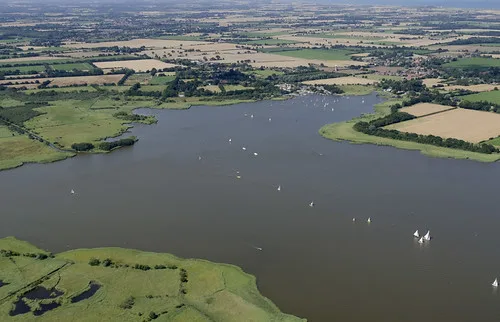
Hickling, Norfolk, England · NR12 0BW
Common cranes, marsh harriers and the winter Stubb Mill roost
Decide if the visit fits.
Last checked 18 October 2026.
Opening and charges information · checked .
Stay nearby →Reserve overview
Common cranes, marsh harriers and the winter Stubb Mill roost
Eight checks for a smoother visit.
Conditions change: check the operator and transport notices before travelling.
January: January usually rewards Teal and Gadwall from Secker’s Hide, with Coot and Goldeneye on the broad from its public viewpoint. Cadbury Hide adds Reed Bunting and a possible Water Pipit. Use the official Stubb Mill platform only if choosing an evening watch, keeping well away from sensitive birds.
February: In February, scan the broad from the public viewpoint for Goldeneye, Coot and Mute Swan, then compare Teal and Gadwall from Secker’s Hide. Bearded Tit can be heard from Bittern Hide in calm conditions. The operator’s winter account supports these reserve birds, without promising that every hide has them simultaneously.
March: March typically makes Cadbury Hide worthwhile for Water Pipit before spring departure. The operator records repeated March observations there, rather than merely a one-off rarity. Great Crested Grebe becomes a useful broad-viewpoint target. Keep any prolonged hide watch comfortable and do not enter wet marsh to follow a departing pipit.
April: April usually brings stronger Bittern activity audible from the appropriately named public hide, with Bearded Tit in the surrounding reeds. Spoonbill is a flooded-pool possibility from a public marsh outlook. Watch with patience; the first warm week is not a guaranteed arrival date, and all birds retain the choice to stay concealed.
May: May is our choice for Bittern and Bearded Tit from the official hides, Spoonbill from suitable visible pools and Great Crested Grebe from the broad viewpoint. A guided boat trip offers a different perspective where its current itinerary permits. It is not permission to make an independent landing at remote hides.
June: In June, give Bittern Hide a long quiet watch and use the public broad viewpoint for Great Crested Grebe. Spoonbill may feed on visible marsh pools. The boat-only tree tower belongs only to an expressly offered guided itinerary. Stay clear of all breeding activity and never follow an adult towards young.
July: July usually combines Bearded Tit around Bittern Hide with Coot and Great Crested Grebe on the broad. Secker’s Hide offers another view across managed water and possible Spoonbill. Bring drinking water and choose a shaded break rather than continuing a long open walk when heat makes concentration difficult.
August: August typically favours checking visible pool conditions: Spoonbill from a public marsh outlook, Gadwall at Secker’s Hide and Bearded Tit near Bittern Hide. The operator identifies Brendan’s Marsh as a staging area for migrants, but a generic wader statement does not justify inventing a species checklist or entering resting habitat.
September: September usually brings returning Teal into the public hide plan, with Gadwall at Secker’s and Reed Bunting around Cadbury. Watch Coot and Mute Swan from the broad viewpoint. Scan the public marsh outlooks for current birds, allowing the sightings board and actual water levels to shape the sequence.
October: In October, look for Pink-footed Goose from the official Stubb Mill lookout and returning Teal from Secker’s Hide. Cadbury may add Reed Bunting or Bearded Tit moving through nearby reeds. Watch cranes and raptors from the official hides and viewpoints without seeking a roost destination or approaching the birds.
November: November usually suits Secker’s Hide for Teal and Gadwall, Cadbury for a possible Water Pipit and the public broad viewpoint for Coot or Goldeneye. A scope helps with distant open-water birds. Reserve access and staffed visitor-centre hours differ, so arrange the return and any mobility parking with the operator.
December: December is a good month for a short daylight hide circuit: Reed Bunting at Cadbury, Teal at Secker’s and Bearded Tit around Bittern Hide. The official Stubb Mill platform offers a permitted evening outlook, but do not wander across marshes or beyond the public route to find a closer sensitive bird.
Best conditions: A calm clear morning is our choice for listening to reedbed birds and keeping binoculars steady. A scope is useful over open water and essential for a sustained distant watch from the official Stubb Mill platform. Use public hide windows to keep glare to one side where possible rather than moving into reedbeds. Broadland wind can be tiring, and boat trips remain exposed; take layers, waterproofs and suitable footwear, and allow extra return time after an evening outing.
Prices checked 18 October 2026: Norfolk Wildlife Trust lists standard non-member admission at £5, or £5.50 with Gift Aid. Members and children aged sixteen and under enter free. The official NWT boat-trip FAQ, additionally checked 19 October, explicitly describes the entrance car park as free; this clarifies the reserve page’s blank parking tariff. Boat trips and events have their own booking arrangements, and a daily boat ticket generally does not include non-member reserve entry. Use the actual operator booking information for your date rather than assuming a seasonal summary guarantees a sailing. Contact the visitor centre before travelling if you need closer mobility parking or want to discuss boarding steps, ramps and the tree-tower climb. Read current notices because flooding and particular activities can change the practical visit.
Access times: Reserve: NWT publishes dawn–dusk, every day all year. Visitor centre10am–5pm March–last Sunday October, 10am–4pm from last Monday October–February; closed Christmas Eve/Christmas Day. · Hides: Public walking hides within reserve access, subject to current conditions. Remote hides and tree tower only on an offered guided boat itinerary. No separate all-hide gate timetable verified. · Car park: Official entrance car park is free according to NWTboatFAQ; no separate gate/overnight timetable verified. Contact staff for dawn or mobility parking arrangements. · Dawn access: partly. Operator opening information.
Hickling is a landscape for linking quiet watching places with generous pauses, rather than ticking off a long-distance circuit. The Trust's map names Cadbury Hide, Secker's Hide and Bittern Hide, with signposted paths, raised banks and viewpoints towards the broad. Brendan's Marsh on the eastern side is particularly useful for migrating waders in late summer and autumn. Use the current map to distinguish the reserve routes from the public footpath towards Stubb Mill. For the roost, follow the permitted route to the viewing platform and remain there as birds arrive. Do not approach reeds holding resting harriers or cranes, and resist the temptation to follow birds after they drop out of sight. Open views make distant activity conspicuous, but a hidden bird may be resting or feeding undisturbed. Watching from one place with binoculars is usually more productive than repeated movement along the bank. Two-hour plan, editorial suggestion: start at the visitor centre, follow the hardened route towards Cadbury and Secker's hides, then continue to a broad viewpoint if conditions suit. Spend a proper spell scanning water, reed margins and sky before returning. On a winter visit made specifically for the roost, use the two hours around the approach to sunset instead, allowing enough light for the outward walk and following the team's instructions for leaving. Full-day plan, editorial suggestion: begin with the hide circuit and open-water watching, take lunch at the centre or picnic area, then spend the afternoon exploring the permitted eastern routes and Brendan's Marsh. In winter, make Stubb Mill the final watching session; in warmer months, reserve the afternoon for insects and a slower woodland-edge walk. Guided wildlife boats can provide a different perspective, but a booked departure should replace part of this plan rather than being squeezed into a tightly timed walking day.
Use the linked reserve map and directions with current access notices. Species are typical seasonal targets. Light and telescope advice reflects our choice of viewpoint.
Managed marsh pools and reedbed margins
Hardened approach from visitor centre; ask staff about waterlogged sections and current doorway arrangements.
Winter: Water Pipit, Reed Bunting, Teal, Crane, Marsh Harrier, Barn Owl
Spring: Water Pipit, Bittern, Reed Bunting, Crane, Marsh Harrier, Barn Owl
Summer: Bittern, Spoonbill, Crane, Marsh Harrier, Barn Owl
Autumn: Bearded Tit, Reed Bunting, Teal, Crane, Marsh Harrier, Barn Owl
Light: either. Scope: useful.
The reserve’s managed pools and reed-fringed water
Official mapped hide on hardened route; remain inside public viewing areas.
Winter: Teal, Gadwall
Spring: Teal, Gadwall, Spoonbill
Summer: Gadwall, Spoonbill
Autumn: Teal, Gadwall
Light: either. Scope: useful.
Bygrave’s Marsh and surrounding reedbed
Operator says ramp access and limited closer parking can be arranged; contact staff rather than driving through without permission.
Winter: Bittern, Bearded Tit
Spring: Bittern, Bearded Tit
Summer: Bittern, Bearded Tit
Autumn: Bittern, Bearded Tit
Light: either. Scope: useful.
Broad-side water and reedbed edges by the mapped public loop
Official mapped hut; no independently verified step count, doorway width or guarantee of step-free entry.
Winter: Coot, Gadwall, Goldeneye
Spring: Great Crested Grebe, Gadwall
Summer: Great Crested Grebe, Coot
Autumn: Coot, Gadwall
Light: either. Scope: useful.
Hickling Broad open water and adjoining margins
Use the official broad-side public viewpoint and signed loop; no boat landing or access to private Whiteslea Lodge.
Winter: Mute Swan, Coot, Goldeneye
Spring: Great Crested Grebe, Mute Swan
Summer: Great Crested Grebe, Coot
Autumn: Mute Swan, Gadwall
Light: either. Scope: useful.
Brendan’s Marsh pools viewed from the established track
Stay on the signed public/permissive route; no entry to feeding or resting areas. Exact migrant wader species are not invented from the operator’s generic description.
Winter: Teal, Gadwall
Spring: Spoonbill, Gadwall
Summer: Spoonbill, Teal
Autumn: Teal, Gadwall
Light: either. Scope: useful.
Open marsh and sky visible from the designated visitor platform
Use only the official operator-designated platform. Ramp and limited closer parking by arrangement; torch for the return, with no roaming towards roosting birds.
Winter: Pink-footed Goose, Merlin
Spring: Pink-footed Goose, Merlin
Autumn: Pink-footed Goose, Merlin
Light: either. Scope: essential.
Broadland water and reedbed landscape from the operator’s boat-only visit
Only where included in the currently offered guided NWT boat trip.60-foot tower requires a climb; two steep boarding steps and variable jetty levels. Confirm itinerary and ability with operator.
Spring: Great Crested Grebe, Bittern
Summer: Great Crested Grebe, Bittern
Autumn: Great Crested Grebe
Light: either. Scope: useful.
| Spot | Overlooks | Key species by season | Best light | Scope | Tide |
|---|---|---|---|---|---|
| Cadbury HideHardened approach from visitor centre; ask staff about waterlogged sections and current doorway arrangements. | Managed marsh pools and reedbed margins | Winter: Water Pipit, Reed Bunting, Teal, Crane, Marsh Harrier, Barn Owl Spring: Water Pipit, Bittern, Reed Bunting, Crane, Marsh Harrier, Barn Owl Summer: Bittern, Spoonbill, Crane, Marsh Harrier, Barn Owl Autumn: Bearded Tit, Reed Bunting, Teal, Crane, Marsh Harrier, Barn Owl | either | useful | — |
| Secker’s HideOfficial mapped hide on hardened route; remain inside public viewing areas. | The reserve’s managed pools and reed-fringed water | Winter: Teal, Gadwall Spring: Teal, Gadwall, Spoonbill Summer: Gadwall, Spoonbill Autumn: Teal, Gadwall | either | useful | — |
| Bittern HideOperator says ramp access and limited closer parking can be arranged; contact staff rather than driving through without permission. | Bygrave’s Marsh and surrounding reedbed | Winter: Bittern, Bearded Tit Spring: Bittern, Bearded Tit Summer: Bittern, Bearded Tit Autumn: Bittern, Bearded Tit | either | useful | — |
| Observation HutOfficial mapped hut; no independently verified step count, doorway width or guarantee of step-free entry. | Broad-side water and reedbed edges by the mapped public loop | Winter: Coot, Gadwall, Goldeneye Spring: Great Crested Grebe, Gadwall Summer: Great Crested Grebe, Coot Autumn: Coot, Gadwall | either | useful | — |
| Broad viewpoint — public walking loopUse the official broad-side public viewpoint and signed loop; no boat landing or access to private Whiteslea Lodge. | Hickling Broad open water and adjoining margins | Winter: Mute Swan, Coot, Goldeneye Spring: Great Crested Grebe, Mute Swan Summer: Great Crested Grebe, Coot Autumn: Mute Swan, Gadwall | either | useful | — |
| Whiteslea Track — public Brendan’s Marsh outlookStay on the signed public/permissive route; no entry to feeding or resting areas. Exact migrant wader species are not invented from the operator’s generic description. | Brendan’s Marsh pools viewed from the established track | Winter: Teal, Gadwall Spring: Spoonbill, Gadwall Summer: Spoonbill, Teal Autumn: Teal, Gadwall | either | useful | — |
| Stubb Mill — official public lookout platformUse only the official operator-designated platform. Ramp and limited closer parking by arrangement; torch for the return, with no roaming towards roosting birds. | Open marsh and sky visible from the designated visitor platform | Winter: Pink-footed Goose, Merlin Spring: Pink-footed Goose, Merlin Autumn: Pink-footed Goose, Merlin | either | essential | — |
| Tree tower — official guided boat trip onlyOnly where included in the currently offered guided NWT boat trip.60-foot tower requires a climb; two steep boarding steps and variable jetty levels. Confirm itinerary and ability with operator. | Broadland water and reedbed landscape from the operator’s boat-only visit | Spring: Great Crested Grebe, Bittern Summer: Great Crested Grebe, Bittern Autumn: Great Crested Grebe | either | useful | — |
Month chips show typical presence or our preferred viewing season. Choose birds that suit the time of your visit.
NWT confirms Hickling is tidal, affecting boat boarding levels. No birdwatching tide optimum or local prediction datum was found. Ask the operator about local water and boarding conditions; do not transfer an open-coast tide time or height to the broad. Wind and upstream water also matter to a safe visit.
UKHO EasyTide: Winterton-on-Sea — nearest catalogue coastal station, not a Hickling Broad datum · RNLI tide safety
Season: Winter twilight: the Trust confirms harriers, merlin and cranes at Stubb Mill.. Arrival time: Editorial suggestion: arrive while it is light and settle before sunset; there is no fixed feed or display time.. Use the reserve entrance car park and the permitted approach to the platform. Arrange limited closer access with the Trust if required; avoid stopping on village lanes.
The Trust grades Hickling's paths at level two, meaning some rougher tracks, rather than promising that the whole reserve has uniform access. Its dedicated access page identifies hardened paths from the visitor centre to Cadbury and Secker's hides and to the broad viewpoint. Other routes mix boardwalk, grass and gravel. Raised banks, wet surfaces and exposed positions deserve consideration when selecting a route for your equipment and stamina. Disabled parking bays lead across a rough surface towards the centre. Adapted picnic benches and an accessible toilet are available there; the visitor-centre page says the toilets remain accessible when the centre is closed. Perch benches offer places to rest along the trails. Gates on some routes need opening and closing, so a companion may be helpful if manipulating gates is difficult. Limited parking can be arranged close to Bittern Hide and the raptor-roost watch point, both reached by ramps. This requires an advance conversation with the Trust; do not assume the restricted approach is available without arrangement. Its accessibility guidance says wildlife boats do not take wheelchair users, although staff can assist passengers with limited mobility aboard. Explain transfer and balance needs before paying for a sailing.
The visitor centre has a gift shop, wildlife films and interactive displays, with hot and cold drinks, sandwiches, snacks and sweet treats. It advertises gluten-free, vegetarian and vegan choices. A picnic area gives an alternative for your own lunch, and baby-changing provision is available. Pack an extra warm layer for a roost watch: standing still in an exposed landscape feels very different from walking there. A torch is useful for finding belongings after twilight, but keep its beam away from roosting birds and other observers.
The reserve and visitor centre admit assistance dogs only. The official page also permits dogs on the public right of way and requires leads on other permitted paths. Follow the signs separating these routes; permission on a public footpath does not extend to the reserve hide circuit.
There is no railway station at the reserve. A workable car-free visit uses a rail arrival followed by a pre-booked taxi, with the return arranged before leaving town. Norwich or Great Yarmouth can serve as starting points depending on your rail itinerary; give the driver the visitor-centre destination on Stubb Road and postcode NR12 0BW, rather than simply naming the broad. Sanders Coaches lists Hickling Methodist Chapel in its combined 6/6A/834/X6 timetable, but the Hickling journeys are sparse and do not represent an all-day reserve shuttle. Read the exact journey's day and service restrictions before relying on it, and allow for the further walk through the village to the reserve. The more regular Stalham connection still leaves a separate final transfer. For a winter roost visit, a bus timetable that works at lunchtime may fail after sunset, making the booked return taxi particularly important. Drivers approaching from the A149 should follow Hickling village signs into Stubb Road and the Trust's brown-badger signs. Keep village lanes and entrances clear when meeting your lift.
Useful bases for an early start.
Booking.com links are affiliate links: we may earn a commission at no extra cost to you. How these links work.
About 4.2 miles by road, roughly 7 minutes' drive (OSRM estimate, measured 18 October 2026; not live traffic).
Measured driving route · 18 October 2026. Map estimates exclude live traffic.
A nearby small-town base for an early hide visit.Find places to stay in Stalham on Booking.comAbout 4.8 miles by road, roughly 8 minutes' drive (OSRM estimate, measured 18 October 2026; not live traffic).
Measured driving route · 18 October 2026. Map estimates exclude live traffic.
A Broads village for combining wetland walks with the river landscape.Find places to stay in Potter Heigham on Booking.comAbout 15.7 miles by road, roughly 26 minutes' drive (OSRM estimate, measured 18 October 2026; not live traffic).
Measured driving route · 18 October 2026. Map estimates exclude live traffic.
A coastal base with a rail arrival and a wider choice of seaside stays.Find places to stay in Great Yarmouth on Booking.comExplore Norfolk’s full guides and smaller birding sites
Telephone Hickling's visitor centre on 01692 598276 for reserve-specific enquiries. Norfolk Wildlife Trust's main office is on 01603 625540, with general enquiries at info@norfolkwildlifetrust.org.uk. Explain whether your priority is a hide visit, an arranged access route, a boat trip or the winter roost, because these need different plans. The reserve homepage and linked visitor-centre, access and boat pages give the operator's current arrangements and its illustrated map.
Check Wensum Valley Birdwatching Society — Norfolk regional sightings. irregular dated regional submissions Reports show what has been seen, not what will be.
Follow the BTO Birders’ Code and give wildlife space.
NWT Hickling Broad and Marshes: Adult £5 standard / £5.50 Gift Aid; NWT members and under-17s free; entrance parking free.
NWT Hickling Broad and Marshes: The reserve and visitor centre admit assistance dogs only.
NWT Hickling Broad and Marshes: Spring reedbed birds · winter wildfowl.
NWT Hickling Broad and Marshes: The Trust grades Hickling's paths at level two, meaning some rougher tracks, rather than promising that the whole reserve has uniform access.
NWT Hickling Broad and Marshes: There is no railway station at the reserve.
Shorter stops within 15 miles in a straight line. Use the operator’s arrival directions for the journey.
Horsey · wetland · grassland
West Somerton, near Winterton-on-Sea · Lakes · Reedbeds · Grassland
Near Ludham and the River Thurne · wetland · grassland
Ludham · Wetland and woodland
Winterton-on-Sea · coast · heathland · grassland
Irstead and Neatishead, near Hoveton · Lakes · Woodland · Reedbeds
Near Hoveton, Norfolk Broads · Reedbeds · Woodland · Lakes
Filby and Rollesby, north of Great Yarmouth · Lakes · Reedbeds · Woodland
Happisburgh, Cart Gap and Walcott · coast · grassland
Between Upton and South Walsham, near Acle · Reedbeds · Woodland · Grassland
Ranworth village, Norfolk Broads · Lakes · Woodland · Reedbeds
South of Ridlington · heathland · woodland
Bure Marshes, near Wroxham · wetland · woodland
Near North Walsham · woodland
North Walsham · wetland · woodland · scrub
North Walsham · Woodland
Paston and Stow Hill · coast · grassland
Knapton, northeast of North Walsham · Woodland · Reedbeds · Heathland
Brundall · Meadow, pond and scrub
Skeyton, near North Walsham · grassland · woodland
Brundall · Wet woodland and fen
Mundesley · coast
Brundall · Young woodland, orchard and flower-rich grassland
Brundall · Young woodland and farmland edges
Felmingham · woodland · grassland
The Covey, Surlingham · Open fen, reedbed, wet woodland and broads
Surlingham · Reedbeds, fen, pools and grazing marsh
Rockland St Mary · Reedbeds, grazing marsh, wet woodland and open water
Suffield · woodland
Lower Southrepps, near Gunton station · Reedbeds · Woodland · Grassland
Burgh-next-Aylsham, Brampton, Oxnead and Buxton · wetland · grassland · woodland
Thorpe St Andrew, eastern Norwich · Lakes · Reedbeds · Grassland
Norwich · Woodland and heathland
Thorpe Hamlet, Norwich · Woodland
Trowse, Norwich · Open water and woodland
Nearby complete guides.
Stops with a purpose: use one as a contrasting habitat or weather-proof Plan B. Distances are straight-line estimates, not road journeys.