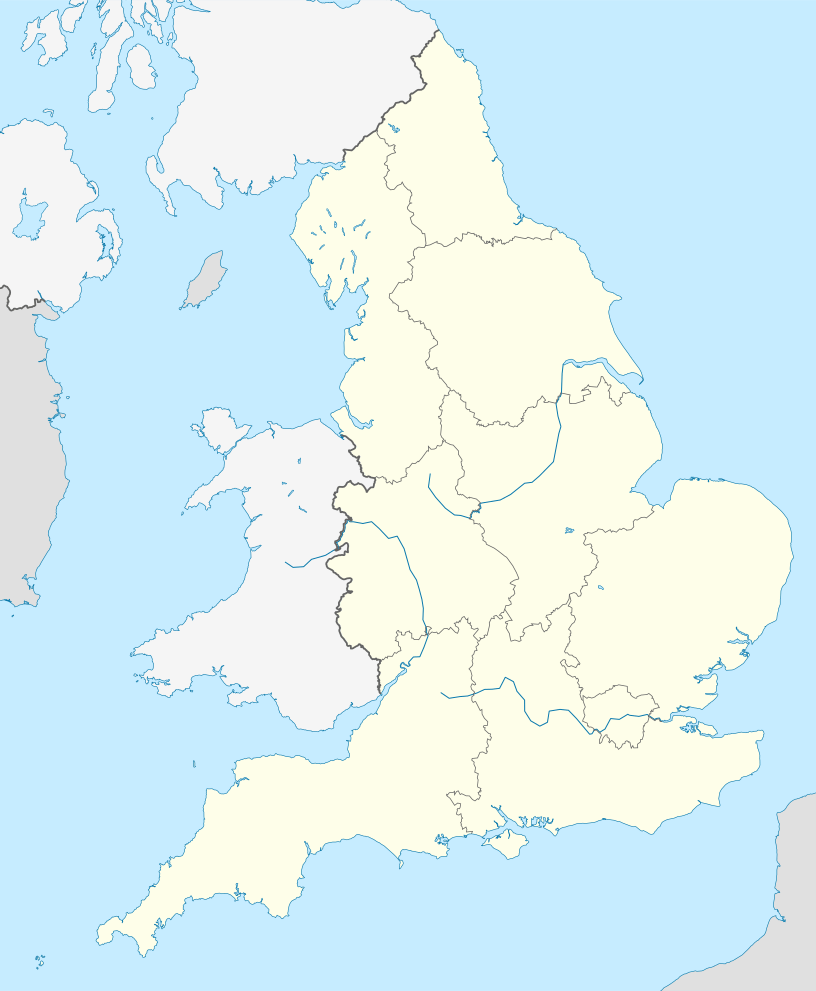
Short entry5.5 miles away
Trinity Broads
Filby and Rollesby, north of Great Yarmouth · Lakes · Reedbeds · Woodland
 the ai birderBirding near me
The AI Birder · one-page field sheet
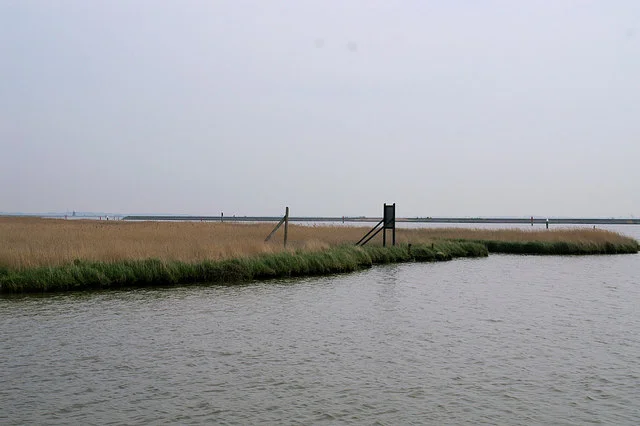
Berney Arms and Breydon Water, Norfolk · NR31 9PZ

Pink-footed Goose · Wigeon · Lapwing · Black-tailed Godwit · Redshank · Avocet
Berney Arms station–mill public footpath · North-bank public estuary path · Breydon east-end hide
Check current access, hide closures and operator notices before travelling. Seasonal birds are possibilities, not promised sightings. Keep to authorised routes and give wildlife space.
Opening and charges checked 2026-10-18. Operator: https://www.rspb.org.uk/days-out/reserves/berney-marshes-and-breydon-water
Full guide and current source links: https://aibirder.co.uk/reserves/rspb-berney-marshes-and-breydon-water
EN 72 · RSPB reserve guide
Berney Arms and Breydon Water, Norfolk
Winter pink-footed geese, wigeon and lapwings; estuary waders
Decide if the visit fits.
Last checked 18 October 2026.
Opening and charges information · checked .
Stay nearby →Reserve overview
Winter pink-footed geese, wigeon and lapwings; estuary waders
Eight checks for a smoother visit.
Conditions change: check the operator and transport notices before travelling.
January: Typically check Teal from Breydon east-end hide, using the public approach only; historic county evidence supports the winter pattern rather than a present-day count. typically begin with Wigeon and Pink-footed Goose from Berney Arms station–mill public footpath if a confirmed train allows the visit. A separate east-end hide outing suits Grey Plover and Bar-tailed Godwit.
February: usually give Black-tailed Godwits and Golden Plovers time from North-bank public estuary path. The scope view can be distant; do not cross mud or try a shortcut onto the saltings.
March: typically compare Lapwings on grazing marsh from Berney Arms station–mill public footpath with Redshanks along North-bank public estuary path. Goose departures can change the mix through the month.
April: usually the wetland watch shifts towards Lapwing and Redshank from Berney Arms station–mill public footpath. Avocets can be watched from Breydon east-end hide; no breeding-island approach is implied.
May: typically choose an unhurried Black-tailed Godwit session along North-bank public estuary path, with Avocet at Breydon east-end hide as another aim. A sunny day can make distance and glare more limiting than the number of birds.
June: usually watch Redshank from North-bank public estuary path and Lapwing on the marsh from Berney Arms station–mill public footpath. Keep a long walk optional when exposed banks become hot or windy.
July: typically the wider estuary is worth scanning for Avocet and Black-tailed Godwit from Breydon east-end hide and North-bank public estuary path. The birds’ feeding position changes with the tide.
August: usually check dated county news before choosing a passage-wader outing. Curlew Sandpiper is a scarce seasonal possibility from Breydon east-end hide; Avocets and Black-tailed Godwits offer more ordinary watching.
September: typically returning Wigeon can be watched from Berney Arms station–mill public footpath, while Golden Plover and passage Curlew Sandpiper add interest to North-bank public estuary path and Breydon east-end hide respectively.
October: usually start with Black-tailed Godwit and Golden Plover along North-bank public estuary path, then compare Wigeon across the marsh. A long through-walk needs a confirmed return connection rather than an assumed service.
November: typically Wigeon and Pink-footed Goose make Berney Arms station–mill public footpath rewarding, while Grey Plover and Bar-tailed Godwit can be scanned from Breydon east-end hide when weather permits distant identification.
December: Typically check Teal from Breydon east-end hide, using the public approach only; historic county evidence supports the winter pattern rather than a present-day count. usually choose a short daylight route: Lapwing and Wigeon from Berney Arms station–mill public footpath, or Black-tailed Godwit from North-bank public estuary path. The long marsh walk is an option only with suitable weather and transport.
Best conditions: Our choice is a calm daylight bank watch with the tide changing, using a telescope to compare feeding groups across the estuary. Typically strong wind, haze and glare can defeat identification even when many birds are present. Leave enough time for a safe return along the known public route, especially with limited Berney Arms trains. Light and scope ratings are editorial. Do not walk onto mudflats or approach resting birds as the water rises.
Reserve admission is free for adults and children, both members and non-members, in the RSPB charges table checked on 18 October 2026. The opening calendar lists 24-hour access, but a first visit should use daylight and a realistic route back to transport. There is no public vehicle access and no reserve car park; do not drive along private farm or flood-management tracks to shorten the walk. The published postal/location address is Berney Marshes, Burgh Castle, Norfolk, NR31 9PZ. It is not a drive-to visitor centre. The stay-route estimates below end at Reedham as a mainland rail/walking gateway, with the marsh leg still to come. Check current reserve notices, river conditions and the day's train service before leaving. The charges-page generic visitor-centre payment sentence is inconsistent with the explicit lack of a centre here; it does not override the free table.
Access times: Reserve: Open24hours on the operator calendar; public-path access depends on safe conditions and current closures. · Hides: The eastern Breydon hide is documented by current visitor information and2026 county news; no separate locking or accessible-entry schedule was verified. · Car park: No public car park or vehicle access at Berney Marshes. Do not drive to the reserve postcode. Choose a separately checked Great Yarmouth approach or a confirmed Berney Arms train. · Dawn access: partly. Operator opening information.
There are two distinct outings to consider. Berney Marshes can be reached from Berney Arms station or by public footpaths from Reedham and Halvergate. Breydon Water can be approached from Great Yarmouth station, following the Wherryman's Way on the northern side of the estuary. The RSPB describes public footpaths rather than a managed hide circuit, so carry a proper walking map and choose the gateway before travelling. From Berney Arms, take time over the open grassland views and the meeting of river and estuary. The large flocks can be spread widely, making a telescope particularly useful. A basic uncovered reed-screen viewing platform is listed, but there is no sheltered hide network. The riverbank offers the principal observation line; keep the walkway passable for other walkers. Two-hour plan: use a confirmed train to Berney Arms only when the timetable genuinely leaves a suitable return. Make a short public-path outing around the station and riverbank, with a clear turning point and time to regain the platform. Alternatively, choose a two-hour out-and-back along the northern Breydon path from Great Yarmouth. Two hours is not a promise that a complete crossing of the marshes fits between any pair of trains. Full-day plan: select either a mapped walk from Reedham to Berney Arms and back, or a longer Breydon Water bank outing from Great Yarmouth. Give the first part of the day to feeding wildfowl and retain time for a second estuary watch as the tide changes. Take a substantial food and drink break and shorten the route if the ground is wet. A through-walk needs a separately confirmed transport connection at its far end.
Use the linked reserve map and directions with current access notices. Species are typical seasonal targets. Light and telescope advice reflects our choice of viewpoint.
Grazing marsh viewed from the permitted station approach
Unsurfaced and uneven, with gates and muddy sections. No road access or on-site public parking.
Winter: Pink-footed Goose, Wigeon, Lapwing
Spring: Lapwing, Redshank
Summer: Lapwing, Redshank
Autumn: Wigeon, Lapwing
Light: either. Scope: essential.
Breydon mudflats, saltmarsh and tidal water
Follow the Wherryman’s Way public bank route. Keep clear of tidal mud, grazing fields and any signed closure.
Winter: Black-tailed Godwit, Golden Plover, Wigeon
Spring: Black-tailed Godwit, Redshank
Summer: Avocet, Redshank
Autumn: Black-tailed Godwit, Golden Plover
Light: either. Scope: essential.
Tide: The feeding edge and dry resting ground move with the tide; do not leave the bank to follow birds.
Eastern estuary and the remaining dry margins
The official visitor page and May2026 NOA report confirm this hide. No separate current locking or step-free-entry schedule was verified.
Winter: Grey Plover, Bar-tailed Godwit, Avocet, Teal
Spring: Avocet, Black-tailed Godwit
Summer: Avocet
Autumn: Curlew Sandpiper, Black-tailed Godwit
Light: either. Scope: essential.
Tide: Watch changing water and feeding areas from the hide; very high water can remove much of the dry ground.
| Spot | Overlooks | Key species by season | Best light | Scope | Tide |
|---|---|---|---|---|---|
| Berney Arms station–mill public footpathUnsurfaced and uneven, with gates and muddy sections. No road access or on-site public parking. | Grazing marsh viewed from the permitted station approach | Winter: Pink-footed Goose, Wigeon, Lapwing Spring: Lapwing, Redshank Summer: Lapwing, Redshank Autumn: Wigeon, Lapwing | either | essential | — |
| North-bank public estuary pathFollow the Wherryman’s Way public bank route. Keep clear of tidal mud, grazing fields and any signed closure. | Breydon mudflats, saltmarsh and tidal water | Winter: Black-tailed Godwit, Golden Plover, Wigeon Spring: Black-tailed Godwit, Redshank Summer: Avocet, Redshank Autumn: Black-tailed Godwit, Golden Plover | either | essential | The feeding edge and dry resting ground move with the tide; do not leave the bank to follow birds. |
| Breydon east-end hideThe official visitor page and May2026 NOA report confirm this hide. No separate current locking or step-free-entry schedule was verified. | Eastern estuary and the remaining dry margins | Winter: Grey Plover, Bar-tailed Godwit, Avocet, Teal Spring: Avocet, Black-tailed Godwit Summer: Avocet Autumn: Curlew Sandpiper, Black-tailed Godwit | either | essential | Watch changing water and feeding areas from the hide; very high water can remove much of the dry ground. |
Month chips show typical presence or our preferred viewing season. Choose birds that suit the time of your visit.
Watch the feeding edge as water rises or falls from official public banks and the eastern hide. A county-club high-tide visit found little remaining dry ground before birds dispersed as the water fell. No operator minimum height or fixed hours-before-high-water rule was verified. Gorleston predictions do not supply an exact inland Breydon high-water time.
UKHO EasyTide: Great Yarmouth (Gorleston-on-Sea) · RNLI tide safety
The RSPB describes the footpaths as unsurfaced, uneven and potentially very muddy. There is no car access to a sheltered watch and no accessible reserve trail advertised. Reaching an isolated station does not remove the physical demands of the onward path, and the bank's exposed setting can add considerably to fatigue. Anyone using a wheelchair, mobility scooter or walking aid should discuss the precise route with the RSPB and the rail operator before booking the journey. Assess train boarding separately from the marsh path: success on one does not establish that the other is suitable. A shorter view from a more accessible Great Yarmouth location may be preferable, depending on individual requirements, but its actual surface should still be confirmed. There are no toilets on the reserve. The RSPB lists facilities elsewhere, so arrange a reliable stop at the chosen mainland gateway before beginning the walk. Carry supplies that can be managed comfortably and keep the outing within the distance the slowest person can retrace without pressure from a train deadline.
Berney Marshes has no visitor centre, café, shop, toilets or public car park. Do not rely on a pub, windmill building or other nearby structure being open merely because it appears on a map. Bring all food and drinking water for the planned walk, with a warm drink useful for a long winter scan. Carry a bag for rubbish, spare layers and a waterproof cover for optics. The listed reed-screen platform is uncovered, so it is a viewing aid rather than weather shelter.
Dogs are restricted to public footpaths and bridleways. Keep them under effective control beside you, away from livestock and the feeding or resting flocks. Assistance dogs are welcome under the RSPB's arrangements. On the bank, give other walkers room and remove waste rather than leaving bags along the route.
Greater Anglia's Wherry Lines serve Berney Arms on selected journeys between Norwich and Great Yarmouth via Reedham. The operator's timetable valid from 17 May 2026 includes the station, but calls are limited: use the actual travel-day timetable and confirm how the return will work. A convenient outward train is insufficient if the last usable return leaves before the walk can finish. For Breydon Water, the RSPB recommends Great Yarmouth station followed by the northern-side Wherryman's Way. Reedham provides another rail gateway for the public-footpath approach to Berney Marshes. These are genuine walking connections, not road drop-offs at the reserve. No numbered bus is necessary for the station-to-footpath version of either outing. The RSPB also permits arrival by boat from the River Yare, mooring near Berney Arms Windmill; that requires the visitor's own lawful boating arrangements. Independent boat arrivals require their own lawful vessel, mooring and return arrangements; a visitor needing passenger transport should use the railway or public walking approaches. Road-route measurements for the stays end at Reedham, after which the published public access route or rail connection must be followed.
Useful bases for an early start.
Booking.com links are affiliate links: we may earn a commission at no extra cost to you. How these links work.
About 12.4 miles by road, roughly 20 minutes’ drive to Reedham rail/walking gateway, before the onward public-path or train connection (OSRM, measured 18 October 2026; an estimate without live traffic).
Measured driving route · 18 October 2026. Map estimates exclude live traffic.
A base in Great Yarmouth suits a longer break that includes RSPB Berney Marshes and Breydon Water.Find places to stay in Great Yarmouth on Booking.comAbout 18.1 miles by road, roughly 26 minutes’ drive to Reedham rail/walking gateway, before the onward public-path or train connection (OSRM, measured 18 October 2026; an estimate without live traffic).
Measured driving route · 18 October 2026. Map estimates exclude live traffic.
A base in Norwich suits a longer break that includes RSPB Berney Marshes and Breydon Water.Find places to stay in Norwich on Booking.comAbout 6.0 miles by road, roughly 11 minutes’ drive to Reedham rail/walking gateway, before the onward public-path or train connection (OSRM, measured 18 October 2026; an estimate without live traffic).
Measured driving route · 18 October 2026. Map estimates exclude live traffic.
A base in Acle suits a longer break that includes RSPB Berney Marshes and Breydon Water.Find places to stay in Acle on Booking.comExplore Norfolk’s full guides and smaller birding sites
Use the RSPB Berney Marshes and Breydon Water pages for the current public access instructions. Its location page explicitly says there is strictly no road access, so resolve any uncertainty about a suggested drop-off before travelling. The RSPB's local reserve contact channels can advise on route conditions or an organised group outing; Greater Anglia handles the separate train and assistance arrangements. Carry the map and the planned return connection with you, rather than relying on mobile coverage to reconstruct the journey on the marsh.
Check Norfolk Ornithologists’ Association: dated county bird news. most days Reports show what has been seen, not what will be.
Follow the BTO Birders’ Code and give wildlife space.
RSPB Berney Marshes and Breydon Water: Free entry; no public reserve car park.
RSPB Berney Marshes and Breydon Water: Dogs are restricted to public footpaths and bridleways.
RSPB Berney Marshes and Breydon Water: Winter wildfowl; spring and autumn passage waders.
RSPB Berney Marshes and Breydon Water: There is no car access to a sheltered watch and no accessible reserve trail advertised.
RSPB Berney Marshes and Breydon Water: Greater Anglia's Wherry Lines serve Berney Arms on selected journeys between Norwich and Great Yarmouth via Reedham.
Shorter stops within 15 miles in a straight line. Use the operator’s arrival directions for the journey.
Filby and Rollesby, north of Great Yarmouth · Lakes · Reedbeds · Woodland
Between Upton and South Walsham, near Acle · Reedbeds · Woodland · Grassland
Rockland St Mary · Reedbeds, grazing marsh, wet woodland and open water
Marsh Lane, Worlingham · Grazing marsh, wet woodland, fen, scrub and river
Brundall · Meadow, pond and scrub
The Covey, Surlingham · Open fen, reedbed, wet woodland and broads
Ranworth village, Norfolk Broads · Lakes · Woodland · Reedbeds
Brundall · Wet woodland and fen
Winterton-on-Sea · coast · heathland · grassland
Near Ludham and the River Thurne · wetland · grassland
West Somerton, near Winterton-on-Sea · Lakes · Reedbeds · Grassland
Surlingham · Reedbeds, fen, pools and grazing marsh
Brundall · Young woodland, orchard and flower-rich grassland
Brundall · Young woodland and farmland edges
Ludham · Wetland and woodland
Horsey · wetland · grassland
Bure Marshes, near Wroxham · wetland · woodland
Near Hoveton, Norfolk Broads · Reedbeds · Woodland · Lakes
Irstead and Neatishead, near Hoveton · Lakes · Woodland · Reedbeds
Thorpe St Andrew, eastern Norwich · Lakes · Reedbeds · Grassland
Trowse, Norwich · Open water and woodland
Thorpe Hamlet, Norwich · Woodland
Norwich · Woodland and heathland
Nearby complete guides.
Stops with a purpose: use one as a contrasting habitat or weather-proof Plan B. Distances are straight-line estimates, not road journeys.