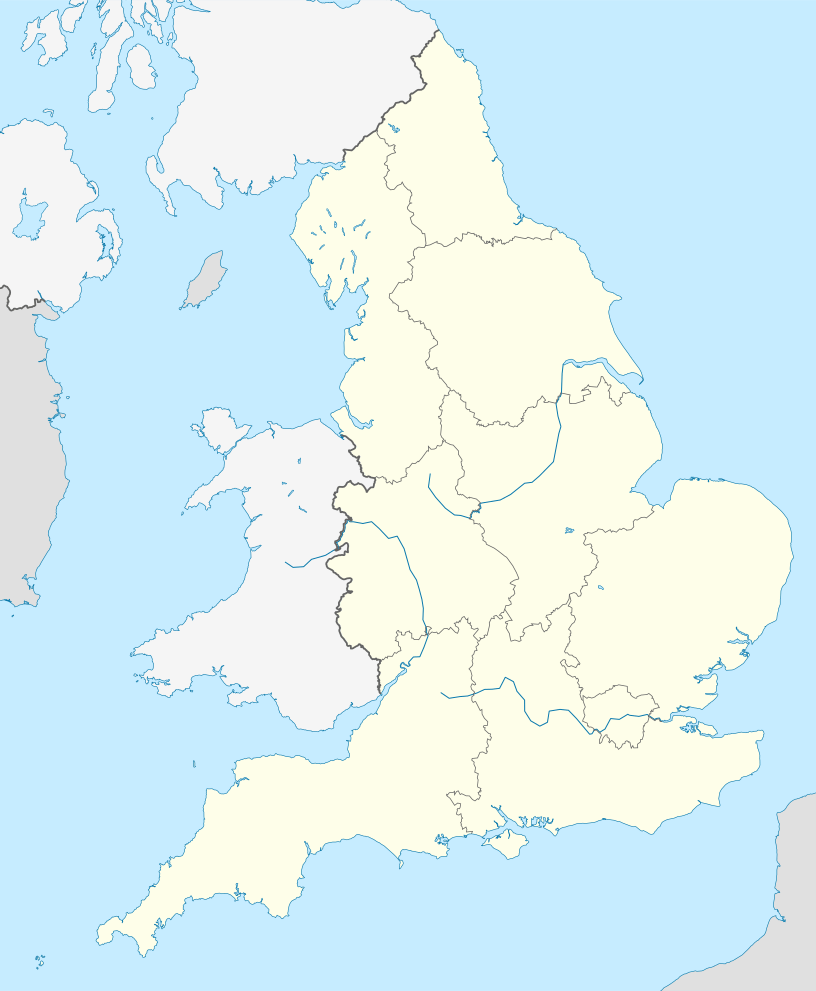

Short entry7.3 miles away
Tetney Marshes
Grimsby · Saltmarsh, mudflats, dunes and saline lagoons
 the ai birderBirding near me
The AI Birder · one-page field sheet
Kilnsea, East Riding of Yorkshire, England · HU12 0UH · HU12 0UH

Current planning alert (2026-10-18): YWT reports erosion beyond the washover and near the Bluebell; check the Discovery Centre for the current safe walking route.
Red-throated Diver · Little Gull · Brent Goose · Dunlin · Knot · Grey Plover
Canal Scrape Hide · Public Seawatch Hide · Numpties (Warren) Watchpoint · Canal Zone public path · Chalk Bank Hide · Spurn Point public paths · Kilnsea Wetlands Hide · Beacon Ponds Hide · Beacon Ponds viewing screen
Check current access, hide closures and operator notices before travelling. Seasonal birds are possibilities, not promised sightings. Keep to authorised routes and give wildlife space.
Opening and charges checked 2026-10-18. Operator: https://www.ywt.org.uk/nature-reserves/spurn-national-nature-reserve
Full guide and current source links: https://aibirder.co.uk/reserves/spurn-national-nature-reserve
EN 22 · Yorkshire Wildlife Trust reserve guide

Kilnsea, East Riding of Yorkshire, England · HU12 0UH
A narrow, weather-shaped peninsula between the North Sea and Humber Estuary where migrant birds are funnelled past dunes, scrub, wetlands and seawatching points. Spring brings Wheatears, Whimbrels and Ring Ouzels; autumn can produce Woodcocks, Whinchats, Wrynecks and Yellow-browed Warblers; winter adds Brent Geese, Shelducks, Snow Buntings, Merlins and large wader gatherings on the internationally important estuary.
Alongside a Spurn migration visit, compare the Peregrine watching guide, which explains the bird’s outline and responsible public watching.
Decide if the visit fits.
Last checked 18 October 2026.
YWT reports erosion beyond the washover and near the Bluebell; check the Discovery Centre for the current safe walking route.
Opening and charges information · checked .
Stay nearby →Reserve overview
A narrow, weather-shaped peninsula between the North Sea and Humber Estuary where migrant birds are funnelled past dunes, scrub, wetlands and seawatching points. Spring brings Wheatears, Whimbrels and Ring Ouzels; autumn can produce Woodcocks, Whinchats, Wrynecks and Yellow-browed Warblers; winter adds Brent Geese, Shelducks, Snow Buntings, Merlins and large wader gatherings on the internationally important estuary.
Eight checks for a smoother visit.
Conditions change: check the operator and transport notices before travelling.
January: typically start at Kilnsea Wetlands Hide for winter waders, Wigeon and Teal, then try the Public Seawatch Hide for Red-throated Divers. A landward visit avoids making the day dependent on the point crossing. February: Brent Geese, Black-tailed Godwits and other winter waterbirds remain useful Kilnsea targets. Compare Beacon Ponds from its screened viewpoints and leave the estuary flocks undisturbed. March: Meadow Pipits and Skylarks usually begin making visible migration more interesting from the Warren watchpoint. Check Canal Zone scrub for Chiffchaffs before deciding whether a longer point walk is safe. April: typically combine Wheatears on the permitted point paths with spring warblers in the Canal Zone. At Kilnsea Wetlands, a high-water session can bring waders closer to the official viewing positions. May: Reed and Sedge Warblers usually make the Canal Zone worth an early listen. Watch Greenshanks from Canal Scrape Hide; Little Terns are protected breeding birds and should be enjoyed only through official screened viewing arrangements. June: typically choose the Public Seawatch Hide for Gannets and Common Terns, then watch Reed Warblers along the Canal Zone. Stay outside every breeding cordon, even when the shore looks empty. July: returning waders begin broadening the day. Use Beacon Ponds Hide and Kilnsea Wetlands Hide for Ruff and Dunlin, giving the same pool time rather than continually approaching a flock from another direction. August: typically compare Canal Scrape and the northern wetlands for Greenshanks, Ruff and passage waders. The Public Seawatch Hide can add skuas and Manx Shearwaters when offshore movement is under way. September: migration is usually the principal draw. Begin with Canal Zone scrub for Chiffchaffs and Blackcaps, then compare the sea watch with Kilnsea Wetlands for Little Stints and other passage waders. October: Redwings can arrive over the Canal Zone while Skylarks and Meadow Pipits pass the Warren watchpoint. Read the observatory’s locality labels: a bird north at Beacon Ponds is not evidence that it is on the point. November: typically plan a high-tide wetland watch from Kilnsea Wetlands Hide for Knot, Grey Plover and Dunlin. Red-throated Divers and Common Scoters offer a separate sea-watching session from the public hide. December: keep the itinerary short enough for daylight and the Discovery Centre car-park period. Wigeon and Teal at Beacon Ponds, plus waders at Kilnsea Wetlands Hide, usually justify a visit without crossing the washover.
Best conditions: Our choice is to begin landbird watching soon after dawn, using the landward Canal Zone and Warren viewpoints before committing to the point. Typically migration varies with wind and weather, while sheltered vegetation can hold tired arrivals. For waders, YWT recommends high tide at Kilnsea Wetlands. Strong wind, surge or poor weather can make the point crossing unsafe; a northern wetlands day is a useful alternative. Light and scope ratings are editorial.
Entry to the reserve and Discovery Centre is free. YWT's 2026 parking information, checked on 18 October, gives £5 per car for the day, with members free and eligible Easington parish residents free with a permit. The car park opens at dawn and is locked at dusk; overnight parking is unavailable. The reserve is normally open at all times but may close in bad weather. Published Discovery Centre hours are 10am–4pm daily, café 10am–3.30pm and toilets 9am–5pm. Some events and activities cost extra and require their own booking. Check the operator's current notices, tide guidance, forecast and flood alerts before travelling; the point and the landward visitor facilities have different practical limits.
Access times: Reserve: Normally open at all times; YWT can close routes or the reserve in bad weather. · Hides: Use current signed public access. Kilnsea Wetlands is open at all times; separate hide opening hours were not published in the sources checked. · Car park: Discovery Centre car park: dawn–dusk. This does not establish hours for every northern parking area. · Dawn access: partly. Operator opening information.
Washover safety comes first. The sandy section can flood and cut off the point; YWT says never attempt to cross while water is present. Strong currents, soft sand and weather-driven changes make a tide prediction insufficient on its own. Use the operator's date-specific Do Not Cross table and follow closures or staff instructions. Its published PDF includes 2026 and 2027 pages: check the year as well as the date. Do not convert that advice into a personal rule that a fixed number of hours is always safe. Two-hour plan — an editorial itinerary: stay landward, beginning with a local viewpoint or hide and then watching estuary margins and scrub. Choose a manageable loop around the north end after consulting the current map. Let an interesting flock or migrant determine how long you pause, and return with time for refreshments or transport. A short visit does not need a crossing to the point to be worthwhile. Full-day plan — an editorial itinerary: combine an early landward migration watch with Kilnsea Wetlands, adjusting the wetland visit to the tide and taking a centre break. Add more peninsula walking only if the entire outward and return journey fits the operator's safe access advice and your ability. YWT gives the point walk as three miles each way, without vehicle access; that is a substantial separate undertaking, not an automatic add-on to every birdwatching day. On 18 October 2026, YWT's current page still warned of erosion beyond the washover and near the Bluebell coastal path. The point remained reachable on foot according to that notice, with current route advice available from the Discovery Centre. Keep to the route they recommend. For a migrant in scrub, remain at a respectful distance and allow the bird to feed; avoid surrounding it or pushing it repeatedly between bushes.
Use the linked reserve map and directions with current access notices. Species are typical seasonal targets. Light and telescope advice reflects our choice of viewpoint.
Reed-fringed water, mud and the scrape margin
Use the landward public path and hide; give reed-edge birds space.
Winter: Water Rail, Snipe
Spring: Reed Warbler, Sedge Warbler
Summer: Water Rail, Black-tailed Godwit
Autumn: Snipe, Black-tailed Godwit, Greenshank
Light: either. Scope: useful.
North Sea passage beside the Warren
Use only the current signed safe approach; coastal erosion can alter access.
Winter: Red-throated Diver, Common Scoter
Spring: Gannet, Common Tern
Summer: Gannet, Common Tern
Autumn: Little Gull, Arctic Skua, Great Skua, Manx Shearwater
Light: either. Scope: essential.
Visible migration along the peninsula
Named on the observatory map; allow counters a clear sight line.
Spring: Swallow, Meadow Pipit
Summer: Swallow
Autumn: Meadow Pipit, Skylark, Linnet, Reed Bunting
Light: either. Scope: useful.
Reedbed, scrub and hedges
Watch from established paths rather than entering migrant cover.
Winter: Short-eared Owl, Barn Owl
Spring: Reed Warbler, Sedge Warbler, Whitethroat, Short-eared Owl, Barn Owl
Summer: Reed Warbler, Sedge Warbler, Barn Owl
Autumn: Chiffchaff, Blackcap, Redwing, Short-eared Owl, Barn Owl
Light: either. Scope: not needed.
Humber-side mudflats and the estuary
Current public access is unconfirmed; use the operator’s other signed viewpoints and tidal safety advice.
Light: not applicable. Scope: useful.
Tide: Requires a safe outward and return crossing of the washover; follow YWT’s do-not-cross times.
Dunes, scrub and the estuary mouth
Reach only by a safe permitted route across the washover; no high-water crossing.
Winter: Stonechat
Spring: Wheatear
Autumn: Stonechat, Wheatear, Snow Bunting
Light: either. Scope: useful.
Tide: The washover can isolate the point. Do not cross when water is present.
The separate landward wetland’s pools, islands and wader refuge
A separate YWT reserve north of the point; flat grass paths become muddy.
Winter: Wigeon, Teal, Redshank, Knot, Black-tailed Godwit, Hen Harrier
Spring: Black-tailed Godwit, Greenshank, Hen Harrier
Summer: Little Egret
Autumn: Dunlin, Ruff, Grey Plover, Little Stint, Hen Harrier
Light: either. Scope: useful.
Tide: YWT recommends high tide in autumn and winter, when estuary waders seek the wetland refuge.
Lagoon water, islands and wader margins
New hide opened in April 2026; use established routes and all screening.
Winter: Wigeon, Teal, Shoveler
Spring: Brent Goose, Greenshank, Little Tern
Summer: Ruff, Dunlin, Little Tern
Autumn: Wigeon, Teal, Ruff, Little Stint
Light: either. Scope: useful.
The lagoon margin through operator screening
Stay behind the screen and follow current seasonal protection measures.
Winter: Wigeon, Teal
Spring: Brent Goose
Summer: Dunlin
Autumn: Little Stint, Ruff
Light: either. Scope: useful.
| Spot | Overlooks | Key species by season | Best light | Scope | Tide |
|---|---|---|---|---|---|
| Canal Scrape HideUse the landward public path and hide; give reed-edge birds space. | Reed-fringed water, mud and the scrape margin | Winter: Water Rail, Snipe Spring: Reed Warbler, Sedge Warbler Summer: Water Rail, Black-tailed Godwit Autumn: Snipe, Black-tailed Godwit, Greenshank | either | useful | — |
| Public Seawatch HideUse only the current signed safe approach; coastal erosion can alter access. | North Sea passage beside the Warren | Winter: Red-throated Diver, Common Scoter Spring: Gannet, Common Tern Summer: Gannet, Common Tern Autumn: Little Gull, Arctic Skua, Great Skua, Manx Shearwater | either | essential | — |
| Numpties (Warren) WatchpointNamed on the observatory map; allow counters a clear sight line. | Visible migration along the peninsula | Spring: Swallow, Meadow Pipit Summer: Swallow Autumn: Meadow Pipit, Skylark, Linnet, Reed Bunting | either | useful | — |
| Canal Zone public pathWatch from established paths rather than entering migrant cover. | Reedbed, scrub and hedges | Winter: Short-eared Owl, Barn Owl Spring: Reed Warbler, Sedge Warbler, Whitethroat, Short-eared Owl, Barn Owl Summer: Reed Warbler, Sedge Warbler, Barn Owl Autumn: Chiffchaff, Blackcap, Redwing, Short-eared Owl, Barn Owl | either | not needed | — |
| Chalk Bank HideCurrent public access is unconfirmed; use the operator’s other signed viewpoints and tidal safety advice. | Humber-side mudflats and the estuary | — | not applicable | useful | Requires a safe outward and return crossing of the washover; follow YWT’s do-not-cross times. |
| Spurn Point public pathsReach only by a safe permitted route across the washover; no high-water crossing. | Dunes, scrub and the estuary mouth | Winter: Stonechat Spring: Wheatear Autumn: Stonechat, Wheatear, Snow Bunting | either | useful | The washover can isolate the point. Do not cross when water is present. |
| Kilnsea Wetlands HideA separate YWT reserve north of the point; flat grass paths become muddy. | The separate landward wetland’s pools, islands and wader refuge | Winter: Wigeon, Teal, Redshank, Knot, Black-tailed Godwit, Hen Harrier Spring: Black-tailed Godwit, Greenshank, Hen Harrier Summer: Little Egret Autumn: Dunlin, Ruff, Grey Plover, Little Stint, Hen Harrier | either | useful | YWT recommends high tide in autumn and winter, when estuary waders seek the wetland refuge. |
| Beacon Ponds HideNew hide opened in April 2026; use established routes and all screening. | Lagoon water, islands and wader margins | Winter: Wigeon, Teal, Shoveler Spring: Brent Goose, Greenshank, Little Tern Summer: Ruff, Dunlin, Little Tern Autumn: Wigeon, Teal, Ruff, Little Stint | either | useful | — |
| Beacon Ponds viewing screenStay behind the screen and follow current seasonal protection measures. | The lagoon margin through operator screening | Winter: Wigeon, Teal Spring: Brent Goose Summer: Dunlin Autumn: Little Stint, Ruff | either | useful | — |
Month chips show typical presence or our preferred viewing season. Choose birds that suit the time of your visit.
Use high tide for the separate Kilnsea Wetlands wader refuge. For the point, follow YWT’s dated do-not-cross timetable and weather warnings: the washover may be flooded, and no attempt should be made to cross while water is present. Allow a safe outward and return window; tide predictions alone do not account for surge.
The Discovery Centre has an accessible entrance, café and toilet facilities, with four designated parking bays. YWT identifies wheelchair-suitable routes at the north end of the reserve, giving visitors an alternative to the more demanding peninsula. Discuss which viewpoint and route you want to use, including surface, turning space and resting opportunities, before committing to a visit that depends on particular access. The soft, shifting washover and uneven peninsula ground are not suitable for wheelchair users. A hard-looking remnant of the old road does not establish a continuous accessible route through the landscape. The lighthouse has a steep, narrow staircase and worn surfaces, so it involves a separate mobility decision from visiting the centre or landward paths. For people who tire easily or carry walking aids, choose an outing with a comfortable return distance and a clear break point. An exposed coastal watch can require more effort than the same distance on a sheltered path. Give companions enough information to help without assuming that reaching a viewpoint means every member of the group can complete the longer point walk.
The Discovery Centre provides a café, shop, interpretation and an education space. YWT also lists an electric-vehicle charging point; use the charging provider for its current tariff and availability. Carry water and suitable clothing for the outdoor part of your visit, and pack food if the itinerary extends beyond the centre area. Activities such as guided walks and safaris have individual booking arrangements. Coaches need advance arrangements because parking capacity for them is limited, particularly for a self-led school or group visit.
Pet dogs are excluded from the southern point routes but welcomed in the Discovery Centre and on specified northern walks. YWT describes a lead-only Kilnsea Wetlands circuit and a northward beach option. Follow the operator's route map and signs, keep dogs close and remove waste; do not assume a permitted northern walk grants access across the peninsula.
Hull Interchange is the main public-transport starting point for this coast. For the 2026 season, the operator's Spurn bus leaflet shows service 72 on Saturdays from 28 March to 31 October, linking Hull and Spurn Discovery Centre, with some journeys requiring a connection. On Sundays from 29 March to 1 November, service 71 extends between Withernsea and the Discovery Centre. These seasonal details matter more than a general statement that buses run at weekends. Check the current East Yorkshire timetable for your actual date and the outward and return journeys. No 2027 operation is inferred from the 2026 leaflet. Outside the seasonal centre service, investigate buses towards Easington or Patrington and arrange the remaining transfer in both directions rather than assuming a direct connection. For a taxi, specify Spurn Discovery Centre, Spurn Road, Kilnsea, HU12 0UH. Agree the return collection before setting off on any walk. A bus or taxi day is best built around the landward reserve and nearby wetlands unless the longer point outing fits both safe access and the transport you have booked.
Useful bases for an early start.
Booking.com links are affiliate links: we may earn a commission at no extra cost to you. How these links work.
About 0.5 miles by road, roughly 2 minutes’ drive from Kilnsea centre; OSRM / OpenStreetMap estimate measured 18 October 2026, excluding live traffic.
Measured driving route · 2026-10-18. Map estimates exclude live traffic.
The nearest village base for a flexible migration-watching visit.Find places to stay in Kilnsea on Booking.comAbout 11.4 miles by road, roughly 28 minutes’ drive from Withernsea centre; OSRM / OpenStreetMap estimate measured 18 October 2026, excluding live traffic.
Measured driving route · 2026-10-18. Map estimates exclude live traffic.
A coast-town base with the 2026 seasonal Sunday 71 connection.Find places to stay in Withernsea on Booking.comAbout 25.0 miles by road, roughly 51 minutes’ drive from Hull centre; OSRM / OpenStreetMap estimate measured 18 October 2026, excluding live traffic.
Measured driving route · 2026-10-18. Map estimates exclude live traffic.
A city base for rail arrivals and a wider East Yorkshire break.Find places to stay in Hull on Booking.comExplore East Riding of Yorkshire’s full guides and smaller birding sites
The Discovery Centre contact is 01964 650144 and spurn@ywt.org.uk. Use YWT for access, erosion, activities and visitor-facility questions. Spurn Bird Observatory publishes dated sightings, useful for understanding what is moving through the wider area; identify the actual place and date before treating a report as relevant to your intended walk. Record your own sightings with the viewpoint and weather, since migration may be concentrated in a brief spell. A quiet day can still offer worthwhile study of feeding waders, seabirds or common migrants without requiring a rare-bird sighting to make the trip successful.
Check Spurn Bird Observatory: dated daily locality reports. most days Reports show what has been seen, not what will be.
Follow the BTO Birders’ Code and give wildlife space.
Spurn National Nature Reserve: Free entry; car parking £5/day; YWT members and eligible local permit holders free.
Spurn National Nature Reserve: Pet dogs are excluded from the southern point routes but welcomed in the Discovery Centre and on specified northern walks.
Spurn National Nature Reserve: Peak migration in spring and autumn · winter wildfowl and waders · summer Little Terns.
Spurn National Nature Reserve: The Discovery Centre has an accessible entrance, café and toilet facilities, with four designated parking bays.
Spurn National Nature Reserve: Hull Interchange is the main public-transport starting point for this coast.
Shorter stops within 15 miles in a straight line. Use the operator’s arrival directions for the journey.
Grimsby · Saltmarsh, mudflats, dunes and saline lagoons
Marsh Lane, North Somercotes coast · Dunes, saltmarsh, intertidal flats and coastal pools
Bull Bank, near Covenham St Bartholomew · Raised freshwater reservoir and surrounding farmland
Nearby complete guides.
Stops with a purpose: use one as a contrasting habitat or weather-proof Plan B. Distances are straight-line estimates, not road journeys.