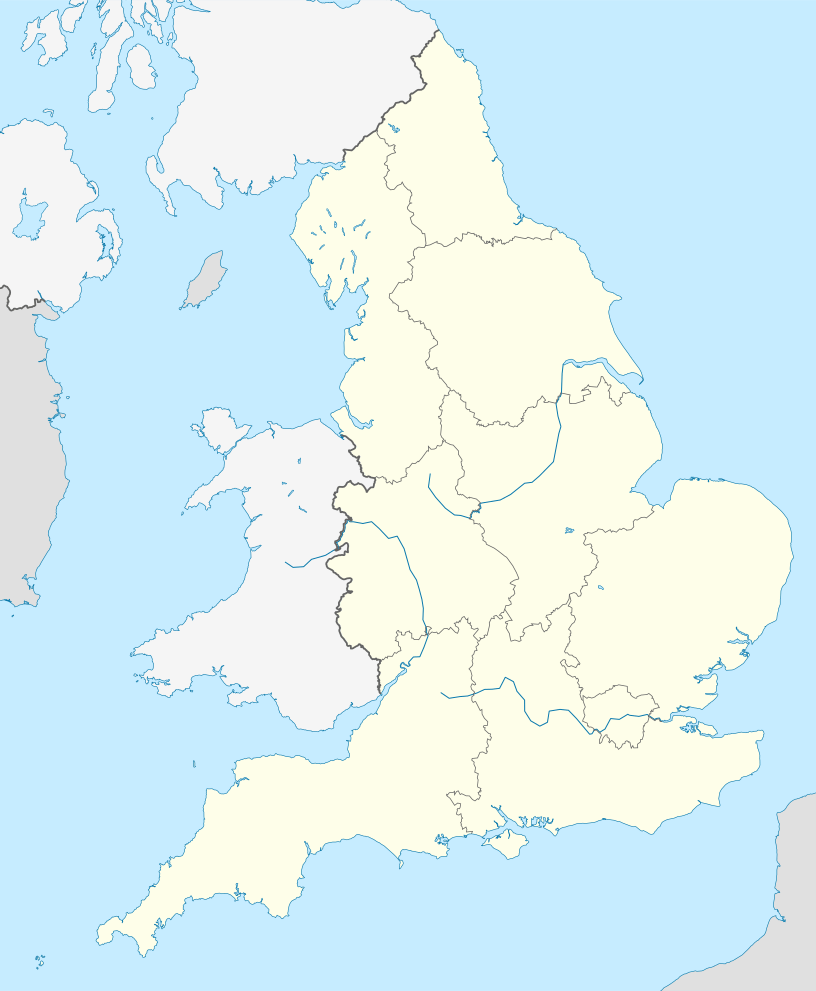

Short entry6.6 miles away
Filey Dams Nature Reserve
Wharfedale, Filey · Freshwater lagoons, marsh, grassland and a small copse
 the ai birderBirding near me
The AI Birder · one-page field sheet
Bempton, East Yorkshire, England · YO15 1JF · YO15 1JF

Tree Sparrow · Linnet · Yellowhammer · Kestrel · Meadow Pipit · Herring Gull
Bartlett Nab · Mosey Downgate · Jubilee Corner · New Roll-up · Staple Newk · The Lookout · Nature Trail · The Dell
Check current access, hide closures and operator notices before travelling. Seasonal birds are possibilities, not promised sightings. Keep to authorised routes and give wildlife space.
Opening and charges checked 2026-10-09. Operator: https://www.rspb.org.uk/days-out/reserves/bempton-cliffs
Full guide and current source links: https://aibirder.co.uk/reserves/rspb-bempton-cliffs
EN 03 · RSPB reserve guide
Bempton, East Yorkshire, England · YO15 1JF
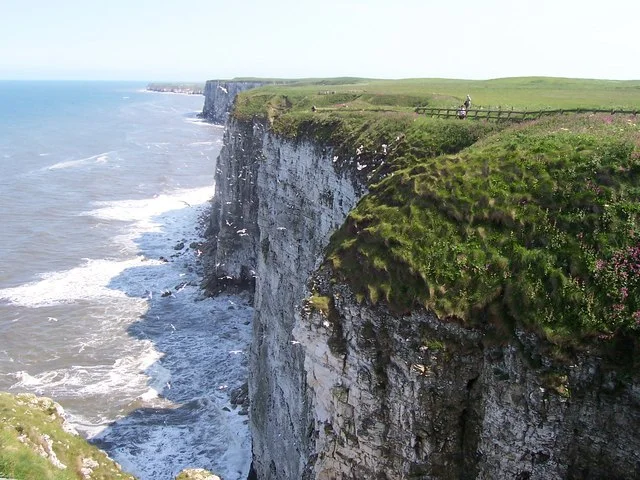
Gannets, Kittiwakes, Guillemots and Razorbills lead the seabird spectacle on the chalk cliffs; Puffins are present in smaller numbers.
Decide if the visit fits.
Last checked 9 October 2026.
Opening and charges information · checked .
Stay nearby →Reserve overview
Gannets, Kittiwakes, Guillemots and Razorbills lead the seabird spectacle on the chalk cliffs; Puffins are present in smaller numbers.
Eight checks for a smoother visit.
Conditions change: check the operator and transport notices before travelling.
January: typically watch Tree Sparrows in The Dell and Linnets along the Nature Trail. Choose a calm morning for the small birds; a short visit can remain close to the hub when the clifftop is exposed. February: small numbers of Gannets can begin returning; scan from Staple Newk and look for Fulmars at Jubilee Corner. Keep the Nature Trail as a sheltered change of pace for Yellowhammers and Tree Sparrows. March: typically compare arriving Gannets and Kittiwakes from Bartlett Nab and Staple Newk. Skylark song adds interest along the Nature Trail, especially early in a quieter day. April: Guillemots, Razorbills and Puffins usually make the cliff watch more varied. Alternate Bartlett Nab with New Roll-up; birds occupy different faces, so settle long enough to follow flight and landing. May: give Gannets a sustained watch at Staple Newk, then compare Kittiwakes and auks from Mosey Downgate. On the Nature Trail, listen for Corn Buntings and Whitethroats without leaving the path. June: typically the fullest colony experience, with Kittiwakes, Guillemots and Razorbills visible from the official platforms. Use Bartlett Nab first, then allow a separate grassland session for Skylark and Linnet. July: Puffins usually leave during the month, while Gannets remain active at Staple Newk. An early visit gives time for a patient auk watch before returning along the Nature Trail. August: Gannets continue to provide cliff interest from Staple Newk after the main auk season. Meadow Pipits and Linnets make the Nature Trail worth a slow circuit. September: typically combine late Gannets at Staple Newk with Chiffchaffs and Goldcrests in The Dell. Sheltered vegetation can be more productive than a long exposed walk. October: Redwings, Goldcrests and Bramblings can arrive with autumn migration. Watch The Dell from the path and inspect Nature Trail scrub; the observatory reports identify which sightings actually concern Bempton. November: typically favour Linnets and Yellowhammers along the Nature Trail, with Tree Sparrows near The Dell. Light wind makes small-bird listening easier than a stormy platform circuit. December: keep the circuit flexible for Tree Sparrows in The Dell and finches along the Nature Trail. Fulmars may add a cliff watch at Jubilee Corner when the weather allows. Hunting owls are watched only from existing public routes, without approaching a roost.
Best conditions: Our choice is a calm or moderately breezy day with good visibility: prolonged cliff watching is exposed. Typically the Dell is the better refuge for small birds in wind. The light and scope ratings are editorial viewing advice; the indented cliffs face several directions, so moving between official platforms can change glare. Bring binoculars for close colony birds and a scope for birds resting farther out at sea.
Use the visitor entrance on Cliff Lane, Bempton, YO15 1JF. The October calendar lists the reserve and car park as dawn to dusk, with the visitor centre, shop and toilets 9.30am–5pm and café 9.30am–3.30pm. Keep opening information separate from the walking plans below, especially for an early or late visit. Published adult non-member admission is £8 in March–October and £4 in November–February; student admission is £6 or £3 respectively. Children aged 5–15 pay £4 or £2, with the first child free. Under-fives, RSPB members, carers and visitors aged 16–24 enter free. Parking is included. Ordinary admission does not require advance booking, but groups of ten or more and externally led groups must arrange their visit. Buy admission at the visitor centre and retain time for a proper orientation before heading to the cliffs.
Access times: Reserve: Dawn–dusk, as listed on the October 2026 RSPB calendar. · Hides: Outdoor platforms follow reserve access; the hub and indoor facilities have shorter seasonal hours. · Car park: Dawn–dusk; overnight parking is not permitted. · Dawn access: yes. Operator opening information.
The latest linked trail map separates the Jubilee Corner Trail, 2.2km with a walking estimate of 45 minutes, the Staple Newk Trail, 2km and 40 minutes, and the Nature Trail, 1km and 20 minutes. Birding stops make those estimates longer. Begin by identifying which arm of the clifftop route suits your interests and mobility rather than treating every platform as an obligatory stop. For a two-hour visit, walk to Bartlett Nab for a broad introduction to the cliff birds, then continue towards Staple Newk if the route suits you. Spend enough time at a platform to follow a bird from the sea to its ledge: flight, landing and interactions often help identification more than repeatedly changing viewpoint. Keep the final part of the visit for a short Nature Trail or Dell watch and an unhurried return to the centre. For a full day, combine both clifftop arms, using Jubilee Corner, New Roll-up, Mosey Downgate and Staple Newk as separate observation stops. Add the Nature Trail for grassland song and scrub birds, with a break at the centre between circuits. In summer, return to a productive platform after the light changes; in autumn, give sheltered vegetation more time than the empty breeding ledges. These are editorial visit plans, not additional marked trails. Stay behind barriers, keep tripods out of passing space, and let people moving along the path pass safely before returning to a long colony watch.
Use the linked reserve map and directions with current access notices. Species are typical seasonal targets. Light and telescope advice reflects our choice of viewpoint.
Chalk cliff ledges and the North Sea
Nearest surfaced approach; stay within the fenced viewing area.
Winter: Peregrine
Spring: Gannet, Kittiwake, Guillemot, Razorbill, Peregrine
Summer: Gannet, Kittiwake, Guillemot, Razorbill, Puffin, Peregrine
Autumn: Peregrine
Light: either. Scope: useful.
The cliff face and flying seabirds
Use the operator access map for the surfaced and grass sections.
Spring: Gannet, Kittiwake, Guillemot, Razorbill
Summer: Gannet, Kittiwake, Guillemot, Razorbill, Puffin
Light: either. Scope: useful.
Cliff ledges, sea and adjoining grassland
The Jubilee Corner route includes grass which can become muddy.
Spring: Gannet, Fulmar, Kittiwake
Summer: Gannet, Kittiwake, Guillemot
Winter: Fulmar
Light: either. Scope: useful.
Cliff ledges and offshore feeding birds
Grassy clifftop approach; remain behind the barrier.
Spring: Gannet, Kittiwake, Guillemot, Razorbill
Summer: Gannet, Kittiwake, Guillemot, Razorbill, Puffin
Light: either. Scope: useful.
Gannet-covered cliffs and the North Sea
Farther clifftop stop; use the access map to judge gradients and surfaces.
Winter: Gannet, Fulmar
Spring: Gannet, Kittiwake
Summer: Gannet, Guillemot, Razorbill, Puffin
Autumn: Gannet
Light: either. Scope: useful.
Meadows and the coastal edge
Named on the current RSPB trail map; follow the permitted path.
Winter: Linnet, Yellowhammer, Barn Owl, Short-eared Owl, Merlin
Spring: Skylark, Linnet, Barn Owl, Short-eared Owl, Merlin
Summer: Skylark, Corn Bunting, Linnet, Barn Owl
Autumn: Barn Owl, Short-eared Owl, Merlin
Light: either. Scope: not needed.
Rough grassland, hedges and scrub
Mixed tarmac and grass with an incline.
Winter: Linnet, Yellowhammer, Tree Sparrow
Spring: Skylark, Corn Bunting, Whitethroat
Summer: Skylark, Corn Bunting, Linnet
Autumn: Redwing, Brambling
Light: either. Scope: not needed.
Sheltered scrub beside the visitor hub
Watch from the public path; leave cover undisturbed.
Winter: Tree Sparrow, Goldcrest
Spring: Chiffchaff, Blackcap
Summer: Whitethroat, Tree Sparrow
Autumn: Goldcrest, Chiffchaff, Redwing, Brambling
Light: either. Scope: not needed.
| Spot | Overlooks | Key species by season | Best light | Scope | Tide |
|---|---|---|---|---|---|
| Bartlett NabNearest surfaced approach; stay within the fenced viewing area. | Chalk cliff ledges and the North Sea | Winter: Peregrine Spring: Gannet, Kittiwake, Guillemot, Razorbill, Peregrine Summer: Gannet, Kittiwake, Guillemot, Razorbill, Puffin, Peregrine Autumn: Peregrine | either | useful | — |
| Mosey DowngateUse the operator access map for the surfaced and grass sections. | The cliff face and flying seabirds | Spring: Gannet, Kittiwake, Guillemot, Razorbill Summer: Gannet, Kittiwake, Guillemot, Razorbill, Puffin | either | useful | — |
| Jubilee CornerThe Jubilee Corner route includes grass which can become muddy. | Cliff ledges, sea and adjoining grassland | Spring: Gannet, Fulmar, Kittiwake Summer: Gannet, Kittiwake, Guillemot Winter: Fulmar | either | useful | — |
| New Roll-upGrassy clifftop approach; remain behind the barrier. | Cliff ledges and offshore feeding birds | Spring: Gannet, Kittiwake, Guillemot, Razorbill Summer: Gannet, Kittiwake, Guillemot, Razorbill, Puffin | either | useful | — |
| Staple NewkFarther clifftop stop; use the access map to judge gradients and surfaces. | Gannet-covered cliffs and the North Sea | Winter: Gannet, Fulmar Spring: Gannet, Kittiwake Summer: Gannet, Guillemot, Razorbill, Puffin Autumn: Gannet | either | useful | — |
| The LookoutNamed on the current RSPB trail map; follow the permitted path. | Meadows and the coastal edge | Winter: Linnet, Yellowhammer, Barn Owl, Short-eared Owl, Merlin Spring: Skylark, Linnet, Barn Owl, Short-eared Owl, Merlin Summer: Skylark, Corn Bunting, Linnet, Barn Owl Autumn: Barn Owl, Short-eared Owl, Merlin | either | not needed | — |
| Nature TrailMixed tarmac and grass with an incline. | Rough grassland, hedges and scrub | Winter: Linnet, Yellowhammer, Tree Sparrow Spring: Skylark, Corn Bunting, Whitethroat Summer: Skylark, Corn Bunting, Linnet Autumn: Redwing, Brambling | either | not needed | — |
| The DellWatch from the public path; leave cover undisturbed. | Sheltered scrub beside the visitor hub | Winter: Tree Sparrow, Goldcrest Spring: Chiffchaff, Blackcap Summer: Whitethroat, Tree Sparrow Autumn: Goldcrest, Chiffchaff, Redwing, Brambling | either | not needed | — |
Month chips show typical presence or our preferred viewing season. Choose birds that suit the time of your visit.
The official cliff platforms remain above the tide, so colony visits need no numerical tide threshold. Check conditions before any separate beach outing; watch from the clifftop when waves or water restrict the shore.
Season: Typically March–August, with the strongest mixed auk and Kittiwake visit in April–July; Puffins usually leave during July.. Arrival time: Our choice is early within the dawn–dusk access window, allowing an unhurried watch at more than one official platform.. The RSPB lists 74 car spaces and no overnight parking. Choose a weekday where possible and arrange groups of ten or more with the reserve.
The visitor centre and shop have level, open-plan access, with Blue Badge parking and a drop-off arrangement close to the building. The three nearest viewpoints include wheelchair viewing bays, allowing a shorter cliff experience without committing to the farther grass sections. Benches near viewpoints are useful for dividing a visit into manageable stages. RSPB offers two Trampers, with advance booking recommended, and push wheelchairs. A Tramper donation is requested rather than a fixed hire charge. Discuss the chosen route before booking equipment: the Jubilee route mixes tarmac and wide grass, while the Staple Newk approach includes grass and stone beyond the surfaced section. The Nature Trail has an incline. A general claim that the reserve is accessible should not be read as identical conditions on every path. For a mobility-dependent visit, start with the nearest platform and judge the surface before extending the circuit. Wind and exposure can make a clifftop stop tiring even where the path is firm. Allow room at viewing bays and keep clear of the cliff barrier. The reserve’s detailed access information is the useful source for equipment and individual requirements.
The centre provides toilets, an accessible toilet, baby changing, a shop and café with indoor, outdoor and takeaway options. Bicycle racks are available; cycling is not permitted on the reserve footpaths, though a bike can be pushed. Bring a warm layer even in summer because a long platform watch is exposed. Binocular hire is available, with the published charge £10. Overnight parking and touring caravans are not permitted, and barbecues are prohibited. Keep food wrappers secured against the coastal wind.
Dogs are allowed on the footpaths and in the visitor centre, on a short lead throughout the visit. Assistance dogs are welcome in all areas. Keep pets close at platforms and away from grassland wildlife; a long extending lead is unsuitable beside busy paths and cliff barriers.
Bempton station is on Northern’s Hull–Scarborough railway line. The RSPB describes the reserve as roughly 1–1.5 miles from the village and station, with a rural-road approach. Work out the final walking route before choosing a train, especially if carrying heavy equipment or travelling with children. A taxi from Bridlington is a practical alternative when the road walk is unsuitable; book both outward and return journeys. The RSPB identifies rail as the car-free approach; allow for the onward walk or arrange a taxi. Train access is the genuine car-free option. A bus into a larger coastal town still requires a separate onward connection. Drivers should follow the visitor-centre signs to Cliff Lane rather than navigating to a cliff-edge map pin. The stay routes below were measured from each settlement to the published RSPB arrival point, with estimated driving durations. A hotel on the far side of a town can add a further local leg.
Useful bases for an early start.
Booking.com links are affiliate links: we may earn a commission at no extra cost to you. How these links work.
About 1.5 miles by road, roughly 5 minutes’ drive from Bempton to the visitor arrival point. Allow extra time around Bempton for traffic.
Measured driving route · 2026-10-09. Map estimates exclude live traffic.
Best for early colony visits and village B&Bs or cottages.Find places to stay in Bempton on Booking.comAbout 5.4 miles by road, roughly 15 minutes’ drive from Bridlington to the visitor arrival point. Allow extra time around Bridlington for traffic.
Measured driving route · 2026-10-09. Map estimates exclude live traffic.
Best for the broadest local mix of seafront hotels, guesthouses and self-catering.Find places to stay in Bridlington on Booking.comAbout 10.2 miles by road, roughly 20 minutes’ drive from Filey to the visitor arrival point. Allow extra time around Filey for traffic.
Measured driving route · 2026-10-09. Map estimates exclude live traffic.
Choose Filey for a multi-day coastal break and larger accommodation choice.Find places to stay in Filey on Booking.comAbout 16.9 miles by road, roughly 30 minutes’ drive from Scarborough to the visitor arrival point. Allow extra time around Scarborough for traffic.
Measured driving route · 2026-10-09. Map estimates exclude live traffic.
Choose Scarborough for a multi-day coastal break and larger accommodation choice.Find places to stay in Scarborough on Booking.comExplore East Riding of Yorkshire’s full guides and smaller birding sites
Contact the reserve on 01262 422212 or bempton.cliffs@rspb.org.uk for group arrangements and access enquiries. The RSPB explicitly links Flamborough Bird Observatory’s daily recent highlights as its sightings source. Those reports cover the wider headland as well as Bempton, so use the locality attached to a record rather than transferring every sighting to this reserve. The official trail map, opening calendar, charges and facilities pages are linked below for planning.
Check Flamborough Bird Observatory: daily headland highlights, including named Bempton records. most days Reports show what has been seen, not what will be.
Follow the BTO Birders’ Code and give wildlife space.
RSPB Bempton Cliffs: Non-member adults £8 Mar–Oct / £4 Nov–Feb; members free; parking included.
RSPB Bempton Cliffs: Dogs are allowed on the footpaths and in the visitor centre, on a short lead throughout the visit.
RSPB Bempton Cliffs: April–mid July.
RSPB Bempton Cliffs: The visitor centre and shop have level, open-plan access, with Blue Badge parking and a drop-off arrangement close to the building.
RSPB Bempton Cliffs: Bempton station is on Northern’s Hull–Scarborough railway line.
Shorter stops within 15 miles in a straight line. Use the operator’s arrival directions for the journey.
Wharfedale, Filey · Freshwater lagoons, marsh, grassland and a small copse
Nearby complete guides.
Stops with a purpose: use one as a contrasting habitat or weather-proof Plan B. Distances are straight-line estimates, not road journeys.