Short entry3.3 miles away
Birsay Moors
Evie · Moorland and blanket bog
 the ai birderBirding near me
The AI Birder · one-page field sheet
Settiscarth, Mainland Orkney · KW17 2PA

Short-eared Owl · Pink-footed Goose
Eddie Balfour hide · Public hide approach path
Check current access, hide closures and operator notices before travelling. Seasonal birds are possibilities, not promised sightings. Keep to authorised routes and give wildlife space.
Opening and charges checked 2026-10-25. Operator: https://www.rspb.org.uk/days-out/reserves/cottascarth-and-rendall-moss
Full guide and current source links: https://aibirder.co.uk/reserves/rspb-cottascarth-and-rendall-moss
SC 37 · RSPB reserve guide
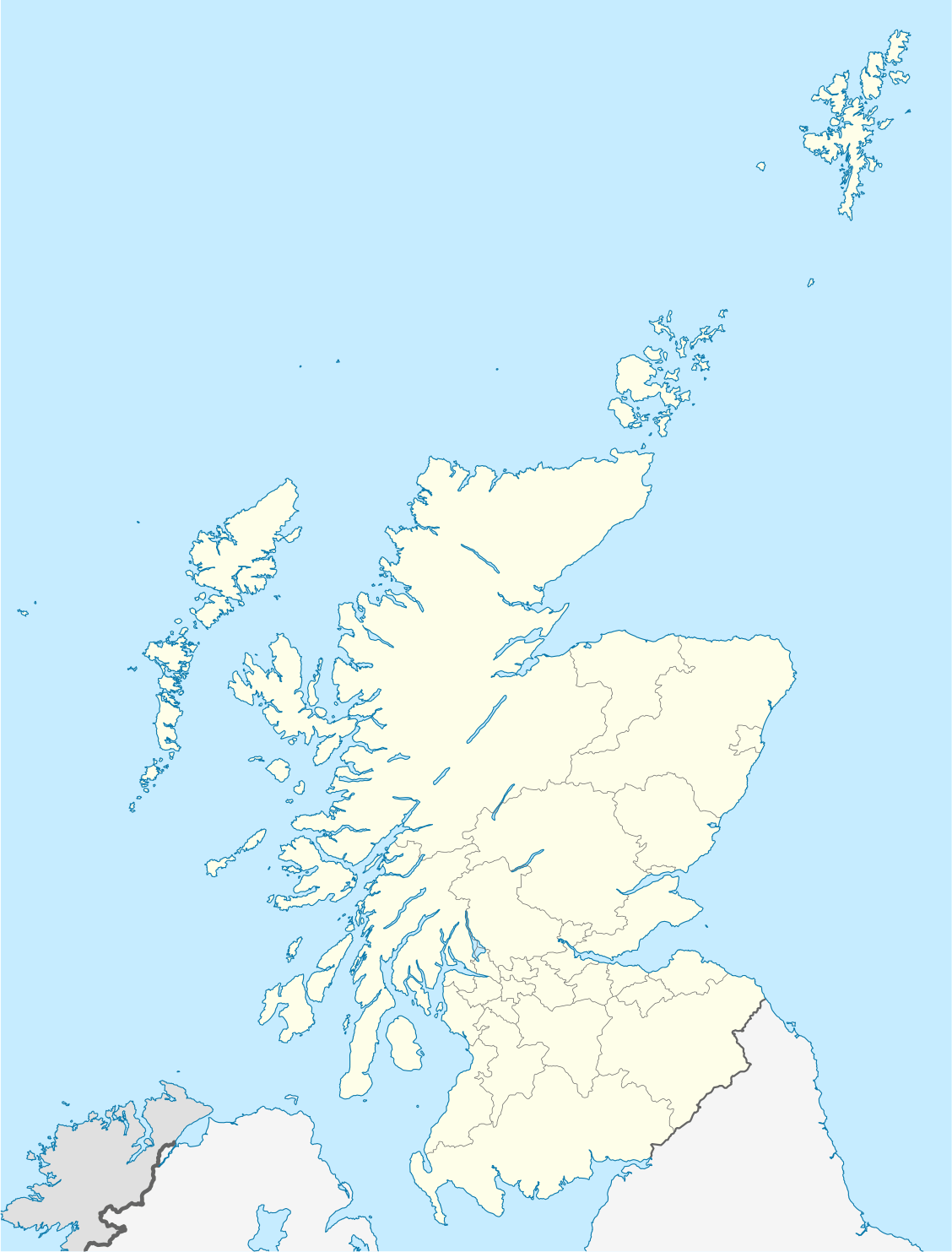
Settiscarth, Mainland Orkney
Hen harriers, Short-eared owls, Curlews, Merlins
Decide if the visit fits.
Last checked 18 October 2026.
Opening and charges information · checked .
Stay nearby →Reserve overview
Hen harriers, Short-eared owls, Curlews, Merlins
Eight checks for a smoother visit.
Conditions change: check the operator and transport notices before travelling.
January: A winter watch should be patient rather than a search through the moor. Use the Eddie Balfour hide as the established public shelter and assess how wind affects visibility. Hen Harrier and Short-eared Owl are seasonal possibilities, with no resting-site directions or promise of an appearance.
February: Keep the outing within the light and weather available. The Eddie Balfour hide offers a broad habitat view while the rough public approach may be muddy. Winter Hen Harrier remains a sensitive target without a published spot; watch Short-eared Owl quietly from Eddie Balfour hide without following a bird into the vegetation.
March: Typically spring Curlew and Lapwing give the hide watch a different character. Listen before raising binoculars, then use movement to narrow the search across the grassland. Snipe is an operator-recommended reserve bird, but its visibility varies; a call can be more informative than a hurried scan.
April: Use the Eddie Balfour hide for Curlew, Lapwing and Skylark, allowing time to connect calls with individual birds. Stay on the established approach when changing position. A display seen from a public facility does not make an off-path search appropriate, especially in breeding habitat.
May: Typically May adds Cuckoo to the listening possibilities along the public approach. From the Eddie Balfour hide, compare Curlew activity with the quieter movements of Meadow Pipit. The operator account also describes diver overflight, but this guide supplies no diver breeding-site direction or specific watching point.
June: Give the public hide approach a slow, quiet walk for Meadow Pipit and Stonechat, then settle in Eddie Balfour hide for the wider landscape. Cuckoo is a seasonal possibility rather than a guaranteed stop. Keep binoculars ready without leaving the permitted route to follow a call.
July: Typically summer Meadow Pipit activity rewards attention to the permitted approach, while Curlew remains part of the seasonal reserve story. Eddie Balfour hide is the place for a longer sheltered assessment. Sensitive divers have no published location here; observe any incidental overflight without trying to trace it back.
August: A quiet August watch can concentrate on Meadow Pipit and Stonechat along the public hide approach. The current operator also highlights Merlin, best treated as an unpredictable moving bird rather than an appointment. Use the hide's broad view and avoid converting a fleeting sighting into an off-path pursuit.
September: Typically autumn introduces Pink-footed Goose passage overhead, described in the operator-authored seasonal account. Eddie Balfour hide gives a settled place to watch the wider sky and habitat. No flock size, precise flight route or resting location is promised; the day's weather determines how much movement is visible.
October: Autumn harrier and owl watching needs patience and restraint. Use the Eddie Balfour hide for the general landscape and keep the public approach clear for others. Pink-footed Goose passage can add interest overhead, but Hen Harrier has no published spot or roost directions in this guide.
November: Shorter daylight makes the approach and return part of the birding decision. The Eddie Balfour hide provides a useful sheltered pause, while winter Hen Harrier and Short-eared Owl remain possible rather than dependable. Leave sensitive birds to choose their own movements and keep every observation within public access.
December: Choose a manageable daylight watch from Eddie Balfour hide and allow extra care on the wet approach. Winter raptor interest should not become a reason to cross the moor or seek a resting place. A quiet visit can still be worthwhile when no harrier or owl appears.
Best conditions: Typically a lighter wind helps hear Curlew, Skylark and Cuckoo; the hide offers shelter for a slower landscape scan. Scope advice is editorial: useful from the hide, with binoculars easier on the approach. Light changes across a broad view, so choose a permitted window with glare to one side. Never seek raptor resting sites.
Our choice here is a patient hide watch, with enough time on the approach to hear the landscape before settling down. Eddie Balfour hide is the established public facility, not the starting point for an independent search across the moor. Its approach is rough and sloping, so the distance alone does not describe the effort in wet weather. Use the current operator notices to judge access, and leave room for other visitors in the small car park. The lane passes through a working farm, where machinery and everyday access take priority over a convenient birdwatching stop. Seasonal raptors make the reserve interesting, but this guide deliberately gives no resting-site directions for harriers or owls. Stay with the broad public view and let birds come into it. A quiet visit without a headline sighting can still teach you how the grassland, heath and open sky fit together.
Access times: Reserve: RSPB opening calendar reviewed 19 October 2026 lists the nature reserve as accessible 24 hours. Daylight and safe weather remain the practical visiting limits. · Hides: One Eddie Balfour hide; no separate opening clock verified. · Car park: Small reserve parking reached through a working farm; no separate gate-hours published in the pages read. · Dawn access: yes. Operator opening information.
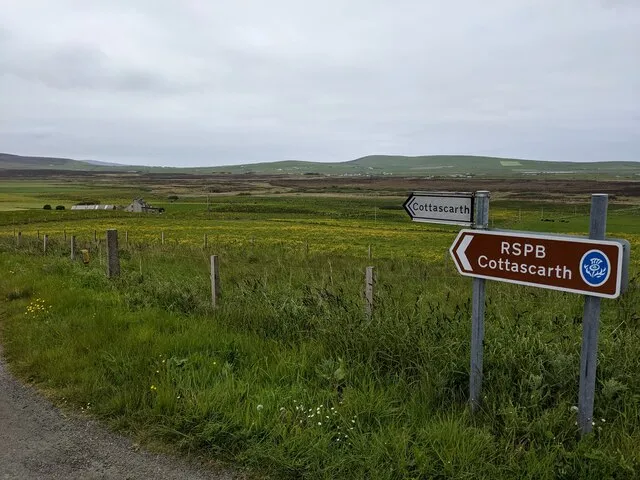
The rewarding part of Cottascarth is the time spent sitting quietly in the Eddie Balfour hide. Follow the signed approach from the public car park and settle into the broad view over heath, grassland and willow scrub. Binoculars make it easier to follow a bird's movement before using a telescope to examine it more closely. Watch the whole landscape, including low passes that are easily missed while looking only at the skyline. Two-hour plan: walk directly to the official hide, allow a substantial uninterrupted watch, and leave enough time for an unhurried return. Start by locating the visible terrain features so that everyone in the party can follow a bird described as crossing a slope or passing beyond a strip of scrub. During quieter periods, listen for curlews and notice how small birds respond to a passing raptor. Record observations from the hide without publishing sensitive breeding locations. Full-day plan: make this a prolonged morning or afternoon watch within a wider Orkney birdwatching day. Take a proper break away from the reserve and return for a second hide session if conditions remain suitable. A changing angle of light can make the same view feel different, and repeated watches are more useful here than inventing a cross-country circuit. Watch Hen Harriers only from the official Eddie Balfour hide, allowing birds to use the surrounding landscape undisturbed. Do not follow flight lines, enter the moss or use tracks beyond the signed visitor route to search for nests. Keep the farm approach clear for people working there. A useful exercise during a quiet spell is to pick a distant reference point and follow every bird crossing it. This builds a sense of scale and makes a later raptor easier to describe to another watcher without anyone needing to move outside the hide.
Use the linked reserve map and directions with current access notices. Species are typical seasonal targets. Light and telescope advice reflects our choice of viewpoint.
Moorland and wet grassland from the established public hide
Rough sloping unsurfaced approach, around 600 metres from parking; can be muddy.
Winter: Short-eared Owl
Spring: Curlew, Lapwing, Skylark, Snipe
Summer: Curlew, Meadow Pipit
Autumn: Pink-footed Goose, Short-eared Owl
Light: either. Scope: useful.
Heath and grassland along the permitted approach
Remain on the hide approach; surrounding breeding habitat is not an invitation to leave the path.
Spring: Cuckoo, Stonechat
Summer: Meadow Pipit, Stonechat
Light: either. Scope: not needed.
| Spot | Overlooks | Key species by season | Best light | Scope | Tide |
|---|---|---|---|---|---|
| Eddie Balfour hideRough sloping unsurfaced approach, around 600 metres from parking; can be muddy. | Moorland and wet grassland from the established public hide | Winter: Short-eared Owl Spring: Curlew, Lapwing, Skylark, Snipe Summer: Curlew, Meadow Pipit Autumn: Pink-footed Goose, Short-eared Owl | either | useful | — |
| Public hide approach pathRemain on the hide approach; surrounding breeding habitat is not an invitation to leave the path. | Heath and grassland along the permitted approach | Spring: Cuckoo, Stonechat Summer: Meadow Pipit, Stonechat | either | not needed | — |
Month chips show typical presence or our preferred viewing season. Choose birds that suit the time of your visit.
The hide approach is 600 m from the car park. The RSPB describes it as sloping and unsurfaced, with rough sections that can be wet and muddy. That is important when judging whether a wheelchair, walking frame or pushchair will be practical: the existence of a hide does not make the route to it a hard-surfaced accessible path. Discuss the present condition with the Orkney reserve team if uneven ground, gradients or the return climb would affect your visit. The approach road passes through a working farmyard. Move carefully around agricultural equipment, give machinery room and follow the signs instead of trying other gates. The designated Blue Badge bay reduces the distance within the parking area but does not remove the rough trail beyond it. Allow time to turn back if the surface proves unsuitable. A companion can help carry optical equipment, but should not be treated as a substitute for an appropriate route assessment. The official hide is the destination; the surrounding moorland is neither an access shortcut nor an alternative viewing area.
A picnic bench is provided outside the hide. There are no reserve toilets, café or shop, so carry the food and drink needed for the watch and make any comfort stop before arriving. The RSPB identifies public toilets in Finstown, including accessible facilities requiring a RADAR key. Bring warm layers for sitting still: a sheltered watch can feel markedly colder than the walk in, especially when attention keeps you motionless for a long period.
The RSPB requests that pet dogs are not brought to this working-farm reserve. If a dog is brought, its published guidance asks that it remain close, preferably on a short lead, and away from livestock. Visitors with assistance dogs are welcome at RSPB Cottascarth and Rendall Moss, including throughout its visitor routes. A dog-free visit is the clearest way to follow the operator's request.
The reserve lies north of Finstown, reached from the A966 via the signed local road. For a car-free visit, the RSPB identifies Norseman village as the nearest bus connection, leaving a substantial walk to the reserve. Its location page calls the route the number 6 Kirkwall–Tingwall service, while Orkney Islands Council's current service listing titles number 6 Tingwall Ferry Terminal–Evie. Use the council's dated timetable and stop information to confirm the actual journey from your base rather than relying on the shortened RSPB route name. The final lanes pass a working farm and require ordinary road-walking care. A pre-booked taxi from Finstown or Kirkwall may make a more practical connection if the walking approach is unsuitable. Coordinate the return pickup before leaving mobile coverage or beginning a long hide session.
Useful bases for an early start.
Booking.com links are affiliate links: we may earn a commission at no extra cost to you. How these links work.
About 11.6 miles by road, roughly 20 minutes’ drive to the reserve approach (OSRM, measured 18 October 2026; estimate without live traffic).
Measured driving route · 18 October 2026. Map estimates exclude live traffic.
A base in Kirkwall suits a longer break that includes RSPB Cottascarth and Rendall Moss.Find places to stay in Kirkwall on Booking.comAbout 13.1 miles by road, roughly 23 minutes’ drive to the reserve approach (OSRM, measured 18 October 2026; estimate without live traffic).
Measured driving route · 18 October 2026. Map estimates exclude live traffic.
A base in Stromness suits a longer break that includes RSPB Cottascarth and Rendall Moss.Find places to stay in Stromness on Booking.comAbout 4.5 miles by road, roughly 9 minutes’ drive to the reserve approach (OSRM, measured 18 October 2026; estimate without live traffic).
Measured driving route · 18 October 2026. Map estimates exclude live traffic.
A base in Finstown suits a longer break that includes RSPB Cottascarth and Rendall Moss.Find places to stay in Finstown on Booking.comExplore Orkney’s full guides and smaller birding sites
The RSPB Orkney office can be reached at orkney@rspb.org.uk or 01856 850176. Ask the team about the current condition of the signed hide approach if mobility or heavy rain could affect the visit. Group organisers should discuss parking and vehicle size in advance. Send general bird observations without attaching sensitive breeding locations to public reports. For bus changes and individual journeys use Orkney Islands Council's transport information rather than the reserve office.
Check RSPB-authored reserve seasonal observations, archived October 2016. historical October 2016 account; not a current feed Reports show what has been seen, not what will be.
Follow the BTO Birders’ Code and give wildlife space.
RSPB Cottascarth and Rendall Moss: Free reserve entry; separate parking tariff not published.
RSPB Cottascarth and Rendall Moss: The RSPB requests that pet dogs are not brought to this working-farm reserve.
RSPB Cottascarth and Rendall Moss: Spring and autumn passage; seasonal breeding and winter birds.
RSPB Cottascarth and Rendall Moss: That is important when judging whether a wheelchair, walking frame or pushchair will be practical: the existence of a hide does not make the route to it a hard-surfaced accessible path.
RSPB Cottascarth and Rendall Moss: The reserve lies north of Finstown, reached from the A966 via the signed local road.
Shorter stops within 15 miles in a straight line. Use the operator’s arrival directions for the journey.
Evie · Moorland and blanket bog
Stennes · Grassland and freshwater lochs
Brinian · Moorland and wet heath
Balfour village · Freshwater wetland and fen
Marwick · Freshwater wetland and marsh
Hobbister · Moorland and coastal shore
Egilsay · Wet grassland and coast
Nearby complete guides.
Stops with a purpose: use one as a contrasting habitat or weather-proof Plan B. Distances are straight-line estimates, not road journeys.