Short entry7.9 miles away
Brodgar
Stennes · Grassland and freshwater lochs
 the ai birderBirding near me
The AI Birder · one-page field sheet
Rackwick and North Hoy, Orkney · KW16 3NJ

Black Guillemot · Stonechat
Old Man of Hoy public path · Rackwick public shore approach · Post Road · Berriedale public woodland detour · Old Man–St John’s Head cliff-top track
Check current access, hide closures and operator notices before travelling. Seasonal birds are possibilities, not promised sightings. Keep to authorised routes and give wildlife space.
Opening and charges checked 2026-10-25. Operator: https://www.rspb.org.uk/days-out/reserves/hoy
Full guide and current source links: https://aibirder.co.uk/reserves/rspb-hoy
SC 35 · RSPB reserve guide
Rackwick and North Hoy, Orkney
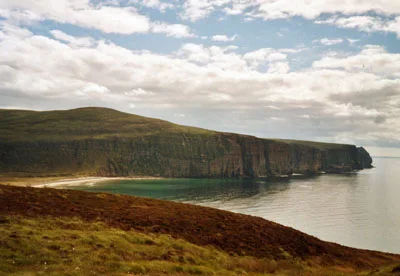
Seabird cliffs around the Old Man of Hoy
Decide if the visit fits.
Last checked 18 October 2026.
Opening and charges information · checked .
Stay nearby →Reserve overview
Seabird cliffs around the Old Man of Hoy
Eight checks for a smoother visit.
Conditions change: check the operator and transport notices before travelling.
January: Usually choose a short Rackwick public shore approach watch for Black Guillemot, or listen for Stonechat from an achievable Post Road section. This is a winter island outing, with a safe weather window and confirmed return transport taking precedence over a long walk. February: Stonechat typically offers a modest target from Post Road, while Fulmar may reward Old Man of Hoy public path only when conditions suit. Do not commit to exposed cliffs simply because the reserve itself is open around the clock. March: Fulmar and returning auks typically change the coastal scene from Old Man of Hoy public path. Stonechat offers a different focus on Post Road. Allow the full walking time and reserve enough daylight and energy for the return. April: Typically watch Fulmar, Razorbill and possible Puffin from Old Man of Hoy public path, then consider a separate Berriedale public woodland detour for Willow Warbler. Keep sensitive raptors as distant chance encounters from public routes, without following them towards breeding ground. May: Our choice is Old Man of Hoy public path for Puffin, Razorbill and Fulmar. A separately planned Post Road walk offers Great Skua and Stonechat. Keep to existing routes and move away promptly if a bird shows defensive behaviour. June: Puffin, Guillemot, Razorbill and Fulmar typically lead the cliff outing. Old Man of Hoy public path is the straightforward choice; Old Man–St John’s Head cliff-top track belongs to experienced walkers with map, compass and suitable conditions. Stay well back from edges. July: Usually give Old Man of Hoy public path time for Puffin and Razorbill before the colony season changes. Berriedale public woodland detour offers Willow Warbler and Reed Bunting on a separate walk. Never approach seabird burrows or attempt an unofficial cliff descent. August: Great Skua and Stonechat typically make Post Road interesting, while Willow Warbler may still reward Berriedale public woodland detour. The main Puffin season is ending, so the cliffs should not be sold as a late-summer guarantee. September: Usually choose Post Road for Stonechat and lingering Great Skua possibilities, shortening the exposed part if conditions deteriorate. Rackwick public shore approach offers Black Guillemot as a coastal comparison. Check the date of reports and keep the return ferry central to planning. October: Stonechat typically remains a possibility along Post Road, with Black Guillemot from Rackwick public shore approach. This is a different visit from the June seabird spectacle. Use a short safe route when weather or daylight limits the island day. November: Usually prioritise Stonechat from Post Road and a brief coastal watch for Black Guillemot from Rackwick public shore approach. Fulmar may be returning to cliff areas, but rough weather is a reason to avoid the longer exposed route. December: Typically make a small Rackwick public shore approach outing for Black Guillemot, or a suitable Post Road section for Stonechat. The birding plan should fit a safe winter visit; no species target justifies continuing into gale, poor visibility or difficult ground.
Best conditions: Our choice is a clear, calm late-spring or early-summer day for the public seabird walk. Typically strong wind, rain and poor visibility make the exposed cliffs and rough moorland much less suitable. Shorten the outing or postpone when necessary; do not treat the St John’s Head track as a routine extension. Light and scope ratings are editorial advice. Keep birdwatching on established paths and leave all protected breeding areas alone.
The RSPB tariff checked on 18 October 2026 lists free adult and child admission for members and non-members. The current calendar shows the reserve open 24 hours. Ordinary visitors should choose a daylight walking window appropriate to conditions rather than reading continuous access as advice for a night-time cliff outing. Parking at Dwarfie Stone and Rackwick beach is not operated by the RSPB. No current parking price for those areas was established from the official reserve pages checked. Ferry fares are separate and depend on which Orkney crossing is used; the passenger and vehicle routes serve different ports. Check the RSPB's current guidance, Orkney Ferries service information and the weather before beginning the journey. Your return booking should leave a substantial margin for the walk and transfer, particularly when travelling without a vehicle.
Access times: Reserve: RSPB lists the nature reserve open 24 hours. Practical access depends on safe conditions, daylight, island transport and any temporary restrictions. · Hides: No hide or formal viewing structure is advertised. The operator warns there is no shelter on these exposed routes. · Car park: Dwarfie Stone and Rackwick beach parking are non-RSPB and described as unlit with no barriers. Check local restrictions rather than assuming staffed facilities. · Dawn access: partly. Operator opening information.
The Old Man of Hoy walk starts at Rackwick and is described by the RSPB as a three-hour return outing. It is the natural choice for a coastal birdwatch, with the sea stack and surrounding cliffs as the main destination. Adding frequent birding pauses makes the trip longer, so do not compress it into a nominal two-hour visit. The Post Road is another published route, around 2.5 miles and two hours in the operator's description. It gives a different experience of the island's moorland and historic connections. Experienced hillwalkers can continue on a rough cliff-top track from the Old Man towards St John's Head, but the RSPB specifically advises a map and compass; it is not a casual extension for every visitor. Two-hour plan: choose a modest Rackwick-area out-and-back with time for coastal watching, or a suitable section of the Post Road. Set the turning point by your own pace and transport deadline. The full Old Man return is not promised within this shorter plan. Full-day plan: arrange an early island arrival and transfer to Rackwick, then devote the best part of the day to the Old Man walk and unhurried seabird watching. Take a meal break away from the cliff edge and return with time to spare for the onward transfer. A second moorland route belongs in the day only if daylight and energy remain ample. Stay on established public paths and do not follow eagles, harriers or divers towards breeding locations.
Use the linked reserve map and directions with current access notices. Species are typical seasonal targets. Light and telescope advice reflects our choice of viewpoint.
Sea stack and surrounding cliffs from the established public route
RSPB allows three hours for the return walk before birding pauses. Steep, rough sections and stone steps; keep well away from cliff edges.
Winter: Fulmar
Spring: Fulmar, Puffin, Razorbill
Summer: Puffin, Razorbill, Fulmar
Light: either. Scope: useful.
Rackwick coastal water and the shore from the public landward approach
Stay clear of rough surf and large slippery boulders; a short outing still needs a safe return.
Winter: Black Guillemot
Spring: Black Guillemot, Fulmar
Summer: Black Guillemot
Autumn: Black Guillemot
Light: either. Scope: useful.
Tide: Check Stromness predictions for any shore outing; observe from land and do not use the beach as a tidal shortcut.
Moorland and valley habitat beside the official public path
Rough rocky sections and boardwalks can be muddy. Stay on the route and do not walk towards birds defending breeding ground.
Winter: Stonechat
Spring: Stonechat, Great Skua
Summer: Great Skua, Stonechat
Autumn: Great Skua, Stonechat
Light: either. Scope: useful.
Native woodland and willow margins on the RSPB-described public detour
A separate rough woodland detour from Post Road, not a level accessible loop. Avoid following birds into cover.
Spring: Willow Warbler, Reed Bunting
Summer: Willow Warbler, Reed Bunting
Autumn: Willow Warbler
Light: either. Scope: not needed.
West-coast cliffs from the experienced-walker continuation
RSPB describes a rough cliff-top track requiring map and compass. Attempt only with suitable hillwalking experience and benign conditions; no cliff-edge approach is necessary.
Winter: Fulmar
Spring: Guillemot, Fulmar
Summer: Guillemot, Fulmar
Light: either. Scope: useful.
| Spot | Overlooks | Key species by season | Best light | Scope | Tide |
|---|---|---|---|---|---|
| Old Man of Hoy public pathRSPB allows three hours for the return walk before birding pauses. Steep, rough sections and stone steps; keep well away from cliff edges. | Sea stack and surrounding cliffs from the established public route | Winter: Fulmar Spring: Fulmar, Puffin, Razorbill Summer: Puffin, Razorbill, Fulmar | either | useful | — |
| Rackwick public shore approachStay clear of rough surf and large slippery boulders; a short outing still needs a safe return. | Rackwick coastal water and the shore from the public landward approach | Winter: Black Guillemot Spring: Black Guillemot, Fulmar Summer: Black Guillemot Autumn: Black Guillemot | either | useful | Check Stromness predictions for any shore outing; observe from land and do not use the beach as a tidal shortcut. |
| Post RoadRough rocky sections and boardwalks can be muddy. Stay on the route and do not walk towards birds defending breeding ground. | Moorland and valley habitat beside the official public path | Winter: Stonechat Spring: Stonechat, Great Skua Summer: Great Skua, Stonechat Autumn: Great Skua, Stonechat | either | useful | — |
| Berriedale public woodland detourA separate rough woodland detour from Post Road, not a level accessible loop. Avoid following birds into cover. | Native woodland and willow margins on the RSPB-described public detour | Spring: Willow Warbler, Reed Bunting Summer: Willow Warbler, Reed Bunting Autumn: Willow Warbler | either | not needed | — |
| Old Man–St John’s Head cliff-top trackRSPB describes a rough cliff-top track requiring map and compass. Attempt only with suitable hillwalking experience and benign conditions; no cliff-edge approach is necessary. | West-coast cliffs from the experienced-walker continuation | Winter: Fulmar Spring: Guillemot, Fulmar Summer: Guillemot, Fulmar | either | useful | — |
Month chips show typical presence or our preferred viewing season. Choose birds that suit the time of your visit.
The established cliff and moorland walks are not tidal crossings. Check Stromness predictions and local conditions before any Rackwick shore watch, remain landward of waves and do not improvise beach shortcuts.
The RSPB describes the Old Man route as moderate terrain with an initially steep climb, rough rocky sections and stone steps. The Post Road also has rough ground and boardwalks and can become very muddy after wet weather. Some paths are narrow, and the coastal routes are exposed. These details make a full walk unsuitable for some wheelchair users, pushchairs and visitors with limited stamina. Use the linked accessibility guide and discuss the specific route with the RSPB before committing to travel. The reserve is a large landscape, so an accessible ferry or vehicle transfer does not make the final walking surface accessible. A shorter visit around an appropriate public stopping place may be more satisfying than a difficult attempt at the sea stack. Ask Orkney Ferries separately about boarding assistance, vessel arrangements and the terminal you will use. Plan the island road transfer with any necessary equipment space confirmed. At an open coastal watch, cold and wind can matter as much as distance, particularly when seated. Choose a turning point that still feels comfortable on the return, and do not rely on the availability of a bench or shelter at the moment you need to rest.
There is no reserve visitor centre, café or on-site staff base. Carry food, water and a bag for rubbish. The RSPB identifies toilets at Rackwick and accessible toilets at Hoy Kirk, with the latter not open continuously. Summer refreshments may be available around Moaness, while Lyness is another separate village stop. These are island facilities rather than services beside every trail. There is no formal shelter on the exposed walking routes, and barbecues are not permitted.
Dogs should be kept on a short lead from 1 April to 15 August and in livestock areas, as requested by RSPB Scotland. Collect waste and prevent a dog approaching birds or the cliff edge. Visitors with assistance dogs are welcome at RSPB Hoy. Discuss carriage and waiting arrangements with the ferry operator before booking the sea journey.
Orkney Ferries operates a passenger route from Stromness to Moaness in North Hoy and a separate vehicle route from Houton to Lyness. Moaness is the relevant northern arrival for many walkers; a vehicle landing at Lyness involves a further road journey on Hoy. Use the operator's current timetable and booking instructions for the chosen route, not an assumed daily pattern from an old leaflet. A car-free visit needs a prearranged island minibus or taxi connection if the walk starts at Rackwick. The RSPB links local transport information at hoyorkney.com/travel; confirm the actual service and return before choosing a ferry. No unverified numbered bus is presented here as a connection to the cliff walk. The three stay-base measurements below end at the Stromness mainland passenger departure point. They exclude the crossing, island transfer and walking time. Travellers coming to Orkney from mainland Scotland must also allow for that separate ferry or flight before the Hoy excursion.
Useful bases for an early start.
Booking.com links are affiliate links: we may earn a commission at no extra cost to you. How these links work.
About 0.8 miles by road, roughly 3 minutes’ drive to Stromness mainland passenger ferry departure (OSRM, measured 18 October 2026; estimate without live traffic). Ferry and island transfer are additional.
Measured driving route · 18 October 2026. Map estimates exclude live traffic.
A stay in Stromness with time for the wider areaFind places to stay in Stromness on Booking.comAbout 15.2 miles by road, roughly 23 minutes’ drive to Stromness mainland passenger ferry departure (OSRM, measured 18 October 2026; estimate without live traffic). Ferry and island transfer are additional.
Measured driving route · 18 October 2026. Map estimates exclude live traffic.
A stay in Kirkwall with time for the wider areaFind places to stay in Kirkwall on Booking.comAbout 9.0 miles by road, roughly 16 minutes’ drive to Stromness mainland passenger ferry departure (OSRM, measured 18 October 2026; estimate without live traffic). Ferry and island transfer are additional.
Measured driving route · 18 October 2026. Map estimates exclude live traffic.
A stay in Finstown with time for the wider areaFind places to stay in Finstown on Booking.comExplore Orkney’s full guides and smaller birding sites
Contact the RSPB Orkney office at orkney@rspb.org.uk or 01856 850176 for reserve questions, organised walks and route suitability. Orkney Ferries provides the authoritative sailing and booking information for Moaness and Lyness. The local Hoy transport page is useful for arranging the remaining transfer, but confirm it with the actual provider. Keep enquiries specific to the route and port you intend to use so that advice does not assume a vehicle or a different arrival point.
Check SOC: spring-arrival records, including Orkney. annual spring records; completed seasonal tables, not daily news Reports show what has been seen, not what will be.
Follow the BTO Birders’ Code and give wildlife space.
RSPB Hoy: Free entry; see operator for parking.
RSPB Hoy: Dogs should be kept on a short lead from 1 April to 15 August and in livestock areas, as requested by RSPB Scotland.
RSPB Hoy: Seasonal wildlife throughout the year.
RSPB Hoy: These details make a full walk unsuitable for some wheelchair users, pushchairs and visitors with limited stamina.
RSPB Hoy: Orkney Ferries operates a passenger route from Stromness to Moaness in North Hoy and a separate vehicle route from Houton to Lyness.
Shorter stops within 15 miles in a straight line. Use the operator’s arrival directions for the journey.
Stennes · Grassland and freshwater lochs
Hobbister · Moorland and coastal shore
Marwick · Freshwater wetland and marsh
Nearby complete guides.
Stops with a purpose: use one as a contrasting habitat or weather-proof Plan B. Distances are straight-line estimates, not road journeys.