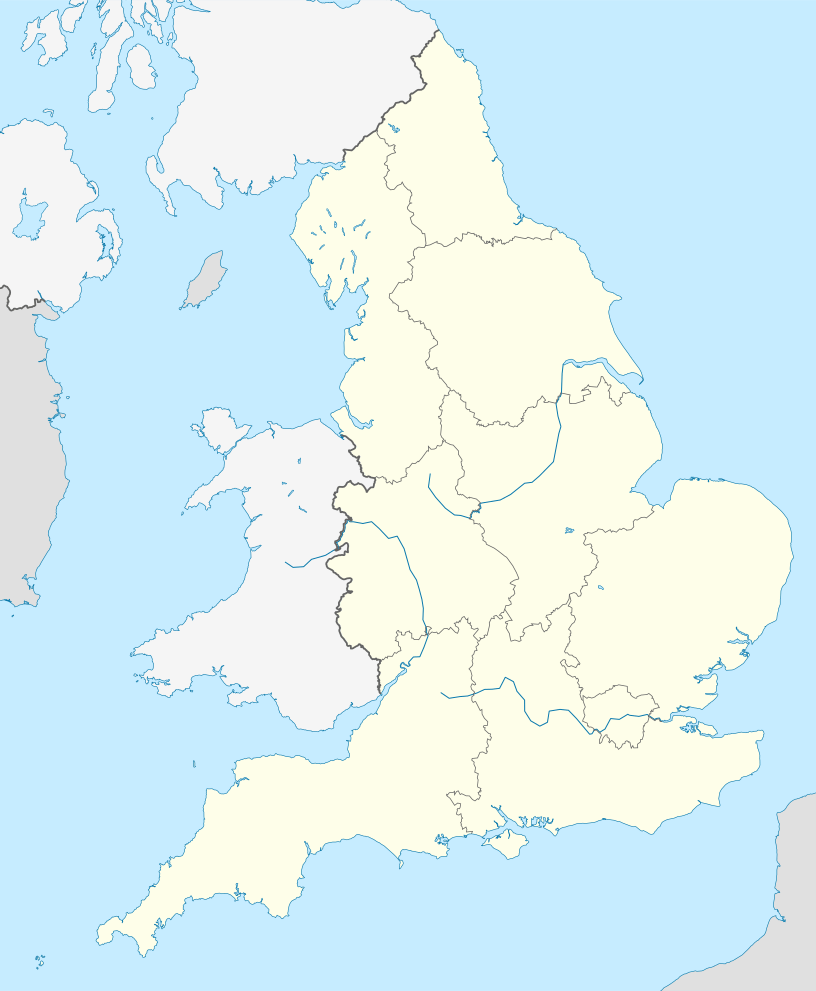
Short entry0.3 miles away
Dearne Valley – Gypsy Marsh
Broomhill, Barnsley · Fen meadow and dry grassland
 the ai birderBirding near me
The AI Birder · one-page field sheet
Wombwell, South Yorkshire, England · S73 0YF · S73 0YF

Bittern · Bearded Tit · Teal · Gadwall · Wigeon · Tufted Duck
Bird Garden Hide · The Lookout · Field Pools West · Field Pools East · Wader Scrape · Wath Ings · Bittern Hide · Bittern Bus Stop · Reedbed Hide
Check current access, hide closures and operator notices before travelling. Seasonal birds are possibilities, not promised sightings. Keep to authorised routes and give wildlife space.
Opening and charges checked 2026-10-18. Operator: https://www.rspb.org.uk/days-out/reserves/dearne-valley-old-moor
Full guide and current source links: https://aibirder.co.uk/reserves/rspb-dearne-valley-old-moor
EN 29 · RSPB reserve guide
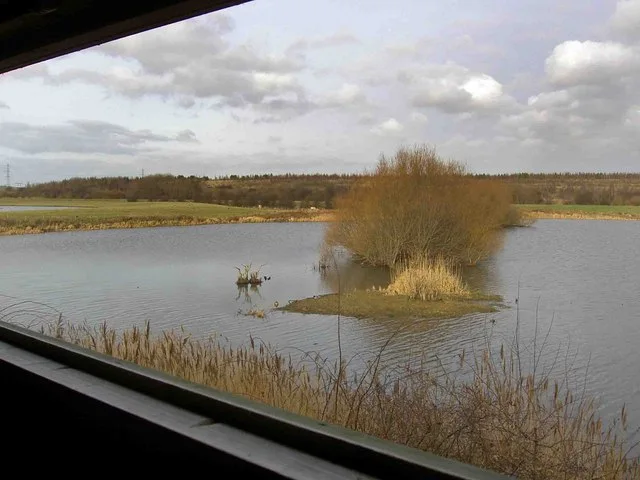
Wombwell, South Yorkshire, England · S73 0YF
Kingfishers, Bitterns, Wigeon and Great Crested Grebes
Decide if the visit fits.
Last checked 18 October 2026.
Opening and charges information · checked .
Stay nearby →Reserve overview
Kingfishers, Bitterns, Wigeon and Great Crested Grebes
Eight checks for a smoother visit.
Conditions change: check the operator and transport notices before travelling.
January: January usually favours a sheltered Wath Ings watch for Lapwing, Black-tailed Godwit and Pintail, with Wigeon and Teal across the Field Pools and Mere. Begin after the reserve opens rather than arriving for dawn; the car park is locked overnight and a pre-opening birding plan needs a different public site. February: In February, try the Bird Garden Hide for Reed Bunting and Great Spotted Woodpecker before working The Lookout and Field Pools for Gadwall and Tufted Duck. A quiet spell at Bittern Hide may reward patient watching. The reedbed is not an invitation to step away from a signed path. March: March typically brings Great Crested Grebe display on the Mere from The Lookout and returning Avocet or Redshank from Wader Scrape and Wath Ings. Compare changing plumage in good light. Dates shift with weather, and the presence of suitable shallow water matters more than reaching every hide in a fixed order. April: April usually combines Avocet from Wader Scrape with Bittern and Bearded Tit possibilities from the public reedbed outlooks. Reed Warbler and Sedge Warbler typically return during spring. Check whether the seasonal Reedbed Path is open; Bittern Hide and Bittern Bus Stop provide alternatives when the farther route is restricted. May: May is our choice for a patient wetland-and-reedbed circuit: Avocet and Redshank from Wath Ings, Great Crested Grebe from The Lookout and Reed Warbler from a public reedbed outlook. Remain within open visitor areas and use no playback, especially when birds are occupied with breeding activity. June: In June, concentrate on Avocet and Redshank from Wader Scrape before listening for Reed Warbler and Sedge Warbler from Bittern Hide or another open reedbed position. Reedbed Hide is conditional on its approach being open. Food-carrying adults should be allowed to continue without photographers moving towards their destination. July: July usually offers a mixture of resident waterbirds and the beginnings of return passage. Scan Wath Ings for Green Sandpiper, then compare Gadwall and Tufted Duck from the Field Pools hides. Keep a longer reedbed watch for Bittern if conditions suit, without expecting a bird to cross an open channel on demand. August: August typically adds Green Sandpiper and Ruff interest from Wader Scrape and Wath Ings, with returning Teal on suitable pools. Check Reed Bunting from Bird Garden Hide on the way back. Fresh mud and water levels decide where birds feed; a previous report is a reason to look, not a promise. Spoonbill and Great White Egret are supported late-summer birds: RSPB’s21 August 2025 announcement identifies them for its managed evening walks. That historical announcement supplies occurrence evidence, not current event dates; this guide gives no roost directions. September: September usually rewards slow comparisons of Lapwing, Ruff and Snipe from the official scrape hides. Bearded Tit can remain an interest from Bittern Bus Stop, with Linnet around the open wetland landscape. Let the current sightings board shape the sequence while retaining time to study ordinary birds rather than rushing after every report. October: In October, Wigeon and Teal increasingly shape the waterbird visit. Use The Lookout and Field Pools before a Wath Ings scan for Lapwing, Snipe or Black-tailed Godwit. Shorter daylight and the change to winter opening mean that the last hide should fit a comfortable return to the entrance. November: November usually favours the sheltered hides: Wath Ings for winter waders and Pintail, Field Pools for Wigeon and Teal, and Bird Garden Hide for Reed Bunting. A scope is useful across larger water. Watch raptors from the public hides without seeking a roost or waiting beyond closing. December: December is a good month for learning winter ducks from The Lookout and the Field Pools hides, then watching Lapwing or Black-tailed Godwit from Wath Ings. The actual December 2025 report supports those latter birds at that hide. It does not guarantee a repeat, and its separate Broomhill Flash birds are excluded.
Best conditions: Choose a calm clear period for Bearded Tit and reedbed listening, then use the enclosed hides when wind makes the open approaches uncomfortable. Binoculars are enough at the garden; a scope helps with ducks and waders across the Mere and Ings. Most wetland hides face broadly north or east on the map, so our preference for light from behind or one side is an editorial map-based judgement. Follow staff advice on seasonal paths and allow for winter closing.
For 2026, the current RSPB charges page lists non-member adults £7, students with valid ID £4.50 and children aged 5–15 £3.50. Members, 16–24-year-olds, under-fives, the first child and carers are free under its published table. Ordinary admission is paid at the visitor centre without advance booking. The RSPB’s March 2026 access guide confirms free parking. Reserve and vehicle access times are listed separately below; make a daytime plan within that period. Café closing information differs across official pages, so plan lunch earlier and ask staff if a late stop matters. Mobility scooters should be booked ahead, and the access map helps identify slopes and seating. Check current reserve notices because weather, nesting birds and maintenance can affect the available paths.
Access times: Reserve: RSPB19 October 2026 calendar lists 9.30am–5pm. Facilities state4pm during winter months; check the actual travel-date calendar. · Hides: Within reserve visitor hours; no separate dawn hide access verified. Reedbed Path can close seasonally. · Car park: Same displayed 9.30am–5pm period, locked overnight. No overnight parking or camping. · Dawn access: no. Operator opening information.
The current RSPB map marks a 1.2km Green Lane Loop, a 500m Reedbed Path and a 500m Discovery Trail. The Green Lane route brings a sequence of pool views, including Field Pools, Wader Scrape and Wath Ings. Varying the hide rather than simply walking farther changes the angle of light and the mix of feeding edges in view. A telescope helps with distant birds, but binoculars are enough to enjoy the nearer ducks. The Reedbed Path leads towards Reedbed Hide, with Bittern Hide and Bittern Bus Stop also marked on the reserve map. It closes seasonally in spring to protect breeding birds. Use the authorised alternatives instead of stepping round a barrier. Bird Garden Hide offers a different kind of close watching, and The Lookout is intended for families. Keep the neighbouring Dearne Valley sites as optional separate visits rather than assuming their entrances and facilities are part of one continuous visitor-centre circuit. Two-hour plan — our recommendation: start with the Green Lane Loop, choosing two contrasting pool hides for sustained watches, then spend the last part of the visit at Bittern Hide or The Lookout. Let the birds’ activity determine which stop gets most of your time. A short, absorbed visit is more rewarding than hurrying through every hide. Full-day plan — our suggestion: explore the Green Lane pool hides in the morning, return for lunch, then spend a quiet afternoon around the authorised reedbed viewpoints. Add Bird Garden Hide and a repeat visit to whichever pool held the best feeding activity. Families can substitute the Discovery Trail and play areas for part of the second session. Keep voices low in hides, share windows fairly, and avoid pointing lenses or binoculars through a viewing opening already occupied by another visitor.
Use the linked reserve map and directions with current access notices. Species are typical seasonal targets. Light and telescope advice reflects our choice of viewpoint.
The visitor-area bird garden and feeding habitat
Ramped hide access; doorway lip may remain. Ask staff which feeding stations are active rather than assuming food is always provided.
Winter: Reed Bunting, Great Spotted Woodpecker
Spring: Reed Bunting
Summer: Reed Bunting
Autumn: Reed Bunting
Light: either. Scope: not needed.
The Mere and its islands
Mapped family hide with ramped access; leave viewing space for children and mobility users.
Winter: Teal, Gadwall, Wigeon, Tufted Duck, Peregrine
Spring: Great Crested Grebe, Gadwall, Teal, Peregrine
Summer: Gadwall, Tufted Duck, Great Crested Grebe, Peregrine
Autumn: Teal, Gadwall, Wigeon, Peregrine
Light: either. Scope: useful.
Western Field Pools water and muddy margins
Ramped access; doorway lips can occur.
Winter: Teal, Gadwall, Wigeon, Tufted Duck
Spring: Great Crested Grebe, Gadwall, Teal
Summer: Gadwall, Tufted Duck, Great Crested Grebe, Barn Owl
Autumn: Teal, Gadwall, Wigeon, Barn Owl
Light: either. Scope: useful.
Eastern Field Pools and wet grassland
Use the public Green Lane Loop and ramped hide approach.
Winter: Teal, Gadwall, Wigeon, Tufted Duck
Spring: Great Crested Grebe, Gadwall, Teal
Summer: Gadwall, Tufted Duck, Great Crested Grebe
Autumn: Teal, Gadwall, Wigeon
Light: either. Scope: useful.
Shallow scrape and exposed margins
Official mapped hide; watch feeding birds without leaving public paths.
Winter: Lapwing, Snipe, Black-tailed Godwit
Spring: Avocet, Redshank, Lapwing
Summer: Avocet, Redshank, Green Sandpiper, Spoonbill, Great White Egret
Autumn: Ruff, Green Sandpiper, Snipe, Lapwing, Spoonbill
Light: either. Scope: useful.
The Ings, wet grassland and open water
Official ramped hide; useful for longer sheltered scans.
Winter: Lapwing, Snipe, Black-tailed Godwit
Spring: Avocet, Redshank, Lapwing
Summer: Avocet, Redshank, Green Sandpiper
Autumn: Ruff, Green Sandpiper, Snipe, Lapwing
Light: either. Scope: useful.
Mere edge and reedbed pools
Public Discovery Trail approach; use the access map to judge slopes and doorway lips.
Winter: Bittern, Bearded Tit, Reed Bunting, Marsh Harrier
Spring: Bittern, Bearded Tit, Reed Warbler, Sedge Warbler, Marsh Harrier
Summer: Bittern, Reed Warbler, Sedge Warbler, Reed Bunting, Marsh Harrier
Autumn: Bearded Tit, Reed Bunting, Marsh Harrier
Light: either. Scope: useful.
Reedbed pools beside the mapped reedbed approach
Official covered viewpoint. Follow current path signs and seasonal barriers.
Winter: Bittern, Bearded Tit, Reed Bunting
Spring: Bittern, Bearded Tit, Reed Warbler, Sedge Warbler
Summer: Bittern, Reed Warbler, Sedge Warbler, Reed Bunting
Autumn: Bearded Tit, Reed Bunting
Light: either. Scope: useful.
Numbered reedbed pools and reed-fringed channels
The connecting Reedbed Path is seasonal and may close to protect breeding birds. A mapped hide does not establish an open route on your date.
Winter: Bittern, Bearded Tit, Reed Bunting
Spring: Bittern, Bearded Tit, Reed Warbler, Sedge Warbler
Summer: Bittern, Reed Warbler, Sedge Warbler, Reed Bunting
Autumn: Bearded Tit, Reed Bunting
Light: either. Scope: useful.
| Spot | Overlooks | Key species by season | Best light | Scope | Tide |
|---|---|---|---|---|---|
| Bird Garden HideRamped hide access; doorway lip may remain. Ask staff which feeding stations are active rather than assuming food is always provided. | The visitor-area bird garden and feeding habitat | Winter: Reed Bunting, Great Spotted Woodpecker Spring: Reed Bunting Summer: Reed Bunting Autumn: Reed Bunting | either | not needed | — |
| The LookoutMapped family hide with ramped access; leave viewing space for children and mobility users. | The Mere and its islands | Winter: Teal, Gadwall, Wigeon, Tufted Duck, Peregrine Spring: Great Crested Grebe, Gadwall, Teal, Peregrine Summer: Gadwall, Tufted Duck, Great Crested Grebe, Peregrine Autumn: Teal, Gadwall, Wigeon, Peregrine | either | useful | — |
| Field Pools WestRamped access; doorway lips can occur. | Western Field Pools water and muddy margins | Winter: Teal, Gadwall, Wigeon, Tufted Duck Spring: Great Crested Grebe, Gadwall, Teal Summer: Gadwall, Tufted Duck, Great Crested Grebe, Barn Owl Autumn: Teal, Gadwall, Wigeon, Barn Owl | either | useful | — |
| Field Pools EastUse the public Green Lane Loop and ramped hide approach. | Eastern Field Pools and wet grassland | Winter: Teal, Gadwall, Wigeon, Tufted Duck Spring: Great Crested Grebe, Gadwall, Teal Summer: Gadwall, Tufted Duck, Great Crested Grebe Autumn: Teal, Gadwall, Wigeon | either | useful | — |
| Wader ScrapeOfficial mapped hide; watch feeding birds without leaving public paths. | Shallow scrape and exposed margins | Winter: Lapwing, Snipe, Black-tailed Godwit Spring: Avocet, Redshank, Lapwing Summer: Avocet, Redshank, Green Sandpiper, Spoonbill, Great White Egret Autumn: Ruff, Green Sandpiper, Snipe, Lapwing, Spoonbill | either | useful | — |
| Wath IngsOfficial ramped hide; useful for longer sheltered scans. | The Ings, wet grassland and open water | Winter: Lapwing, Snipe, Black-tailed Godwit Spring: Avocet, Redshank, Lapwing Summer: Avocet, Redshank, Green Sandpiper Autumn: Ruff, Green Sandpiper, Snipe, Lapwing | either | useful | — |
| Bittern HidePublic Discovery Trail approach; use the access map to judge slopes and doorway lips. | Mere edge and reedbed pools | Winter: Bittern, Bearded Tit, Reed Bunting, Marsh Harrier Spring: Bittern, Bearded Tit, Reed Warbler, Sedge Warbler, Marsh Harrier Summer: Bittern, Reed Warbler, Sedge Warbler, Reed Bunting, Marsh Harrier Autumn: Bearded Tit, Reed Bunting, Marsh Harrier | either | useful | — |
| Bittern Bus StopOfficial covered viewpoint. Follow current path signs and seasonal barriers. | Reedbed pools beside the mapped reedbed approach | Winter: Bittern, Bearded Tit, Reed Bunting Spring: Bittern, Bearded Tit, Reed Warbler, Sedge Warbler Summer: Bittern, Reed Warbler, Sedge Warbler, Reed Bunting Autumn: Bearded Tit, Reed Bunting | either | useful | — |
| Reedbed HideThe connecting Reedbed Path is seasonal and may close to protect breeding birds. A mapped hide does not establish an open route on your date. | Numbered reedbed pools and reed-fringed channels | Winter: Bittern, Bearded Tit, Reed Bunting Spring: Bittern, Bearded Tit, Reed Warbler, Sedge Warbler Summer: Bittern, Reed Warbler, Sedge Warbler, Reed Bunting Autumn: Bearded Tit, Reed Bunting | either | useful | — |
Month chips show typical presence or our preferred viewing season. Choose birds that suit the time of your visit.
The main facilities page describes hard-surfaced paths with inclines, refuge points and seating at roughly 100m intervals. Benches include examples with and without backs. Accessible paper maps show distances, seating and gradients and help visitors choose a route rather than committing to the entire reserve. The hides have ramps, potentially with a lip at the doorway, and fixed or movable seating. Several have low viewing windows for seated visitors. Six Blue Badge spaces and a closer drop-off are listed. The ground-floor visitor centre has step-free entry, although its old stone floor is uneven in places. A lift reaches the upstairs café. Hearing loops are described in the access guide at the welcome area, shop and café. Two accessible toilets are listed beside the visitor centre, including one with a changing table and hoist. Three mobility scooters can be reserved free of charge; book before travelling so the team can arrange training and discuss the route. The access documents use different gradient measurements for the reedbed and Bittern approaches, so anyone for whom a particular slope is decisive should discuss the exact path with staff in advance. The detailed guide also describes charging for powered wheelchairs and scooters. Facilities at the valley’s satellite sites differ from those at Old Moor itself.
There is a shop, café, ordinary toilets and baby-changing provision, along with picnic tables near the playground and wildlife ponds. The café offers sandwiches, soups and other meals, including vegetarian, vegan and gluten-free options; discuss allergies with the team before ordering. Its seating is for customers buying food or drink, while visitors bringing lunch should use the designated picnic places. Binocular hire, family discovery backpacks, pond-dipping equipment and organised events provide alternatives to a day spent entirely in hides.
Dogs on leads are welcome in the courtyard, but pets cannot enter the nature reserve or visitor centre. Visitors with assistance dogs are welcome at RSPB Dearne Valley – Old Moor, including throughout its visitor routes. If combining Old Moor with another walk, consult the separate rules for the satellite sites; permission on a neighbouring public route does not extend into the reserve.
The current Travel South Yorkshire listing identifies Globe Coaches service X20 between Barnsley and Doncaster via Wombwell, Old Moor, Manvers, Mexborough and Conisbrough. Its timetable is valid from 12 April 2026. Use the Old Moor, Manvers Way/Wetlands Centre stop and the signed entrance approach. The RSPB warns that local buses are infrequent, so choose the return service before beginning the walk and check the service-day column rather than assuming Sunday operation. For rail, the operator names Wombwell and Swinton as nearby stations, each about three miles from the reserve. Arrange a taxi connection in advance if the bus or walking link does not suit; the access guide cautions that taxis are not readily available at Wombwell. The Trans Pennine Trail follows the southern reserve edge, with a bridge leading into the car park. Cyclists can secure bikes by the courtyard, but bicycles are not allowed on reserve trails. Drivers should follow the brown RSPB signs to Old Moor Lane, using S73 0YF.
Useful bases for an early start.
Booking.com links are affiliate links: we may earn a commission at no extra cost to you. How these links work.
About 8.3 miles by road, roughly 13 minutes’ drive from the town-centre map point (OSRM estimate measured 18 October 2026; traffic excluded).
Measured driving route · 18 October 2026. Map estimates exclude live traffic.
Combining the reserve with a Dearne Valley visit.Find places to stay in Barnsley on Booking.comAbout 7.6 miles by road, roughly 16 minutes’ drive from the town-centre map point (OSRM estimate measured 18 October 2026; traffic excluded).
Measured driving route · 18 October 2026. Map estimates exclude live traffic.
A town base south of the reserve.Find places to stay in Rotherham on Booking.comAbout 17.3 miles by road, roughly 29 minutes’ drive from the town-centre map point (OSRM estimate measured 18 October 2026; traffic excluded).
Measured driving route · 18 October 2026. Map estimates exclude live traffic.
A larger rail-connected city for a longer break.Find places to stay in Sheffield on Booking.comExplore South Yorkshire’s full guides and smaller birding sites
For reserve questions, contact old.moor@rspb.org.uk or 01226 751593. Tell the team whether you mean Old Moor itself or another Dearne Valley reserve, especially when arranging group visits, equipment or access support. Book organised activities through the linked RSPB events listings and follow the event’s own meeting details. The postal and visitor address is Dearne Valley – Old Moor, Old Moor Lane, Wombwell, Barnsley, S73 0YF. For a first visit, keep the current reserve map available alongside your return transport details.
Check Barnsley Bird Sightings — local recording-area reports. irregular, usually several dated posts a week Reports show what has been seen, not what will be.
Follow the BTO Birders’ Code and give wildlife space.
RSPB Dearne Valley – Old Moor: Adults £7, students £4.50, paying children £3.50; members free; parking free.
RSPB Dearne Valley – Old Moor: Dogs on leads are welcome in the courtyard, but pets cannot enter the nature reserve or visitor centre.
RSPB Dearne Valley – Old Moor: Year-round wetland birds; winter ducks and spring reedbed watching.
RSPB Dearne Valley – Old Moor: Accessible paper maps show distances, seating and gradients and help visitors choose a route rather than committing to the entire reserve.
RSPB Dearne Valley – Old Moor: The current Travel South Yorkshire listing identifies Globe Coaches service X20 between Barnsley and Doncaster via Wombwell, Old Moor, Manvers, Mexborough and Conisbrough.
Shorter stops within 15 miles in a straight line. Use the operator’s arrival directions for the journey.
Broomhill, Barnsley · Fen meadow and dry grassland
Broomhill · Wetland and grassland
RSPB Old Moor and Manvers Lake · Wetland and reedbed
Bolton Upon Dearne, Mexborough · Wetland and grassland
Riverside Way, Rotherham · River · ponds · reedbed · wetland · meadow bank
South Lane, near Midgley, Wakefield · Acid grassland · young woodland · scrub · pond
Netherton, near Wakefield · Ancient oak-and-birch woodland · beck · wet woodland
Nearby complete guides.
Stops with a purpose: use one as a contrasting habitat or weather-proof Plan B. Distances are straight-line estimates, not road journeys.