
Short entry2.4 miles away
Ledston Luck Nature Reserve
Ridge Road, near Kippax and Castleford · Former colliery · ponds · meadow · woodland · scrub
 the ai birderBirding near me
The AI Birder · one-page field sheet
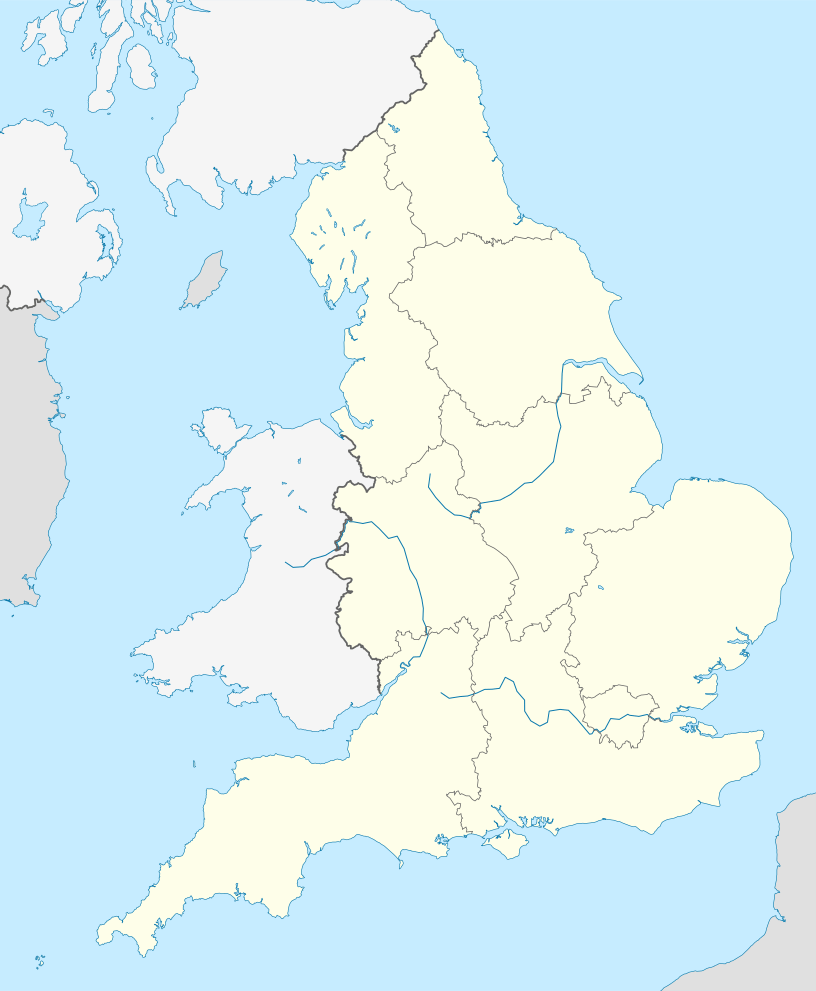
West Yorkshire, England · LS26 8AL · LS26 8AL

Bittern · Marsh Harrier · Little Owl · Tufted Duck · Pochard · Gadwall
Bowers Bimble beside Bowers Lake · Main Lake public path · Reedbed Ramble public causeway · Hillside Hike public viewpoints · Lowther Loop River Aire path · Visitor centre and Little Owl Café public viewing area
Check current access, hide closures and operator notices before travelling. Seasonal birds are possibilities, not promised sightings. Keep to authorised routes and give wildlife space.
Opening and charges checked 2026-10-18. Operator: https://www.rspb.org.uk/days-out/reserves/st-aidans
Full guide and current source links: https://aibirder.co.uk/reserves/rspb-st-aidan-s
EN 31 · RSPB reserve guide
West Yorkshire, England · LS26 8AL
Bitterns, Black-necked Grebes and winter wildfowl across an open former mining landscape.
Decide if the visit fits.
Last checked 18 October 2026.
Opening and charges information · checked .
Stay nearby →Reserve overview
Bitterns, Black-necked Grebes and winter wildfowl across an open former mining landscape.
Eight checks for a smoother visit.
Conditions change: check the operator and transport notices before travelling.
January: typically look for Goldeneye from Main Lake public path. Keep to the mapped public route and compare water bodies with a scope. Watch grebes, Bittern and owls from the public paths and visitor viewing area; follow current staff advice. February: typically look for Wigeon from Main Lake public path. Keep to the mapped public route and compare water bodies with a scope. Watch grebes, Bittern and owls from the public paths and visitor viewing area; follow current staff advice. March: typically look for Skylark from Hillside Hike public viewpoints. Keep to the mapped public route and compare water bodies with a scope. Watch grebes, Bittern and owls from the public paths and visitor viewing area; follow current staff advice. April: typically look for Reed Bunting from Reedbed Ramble public causeway. Keep to the mapped public route and compare water bodies with a scope. Watch grebes, Bittern and owls from the public paths and visitor viewing area; follow current staff advice. May: typically look for Sedge Warbler from Reedbed Ramble public causeway. Keep to the mapped public route and compare water bodies with a scope. Watch grebes, Bittern and owls from the public paths and visitor viewing area; follow current staff advice. June: typically look for Common Tern from Main Lake public path. Keep to the mapped public route and compare water bodies with a scope. Watch grebes, Bittern and owls from the public paths and visitor viewing area; follow current staff advice. July: typically look for Great Crested Grebe from Bowers Bimble beside Bowers Lake. Keep to the mapped public route and compare water bodies with a scope. Watch grebes, Bittern and owls from the public paths and visitor viewing area; follow current staff advice. August: typically look for Reed Warbler from Reedbed Ramble public causeway. Keep to the mapped public route and compare water bodies with a scope. Watch grebes, Bittern and owls from the public paths and visitor viewing area; follow current staff advice. September: typically look for Great White Egret from Reedbed Ramble public causeway. Keep to the mapped public route and compare water bodies with a scope. Watch grebes, Bittern and owls from the public paths and visitor viewing area; follow current staff advice. October: typically look for Shoveler from Bowers Bimble beside Bowers Lake. Keep to the mapped public route and compare water bodies with a scope. Watch grebes, Bittern and owls from the public paths and visitor viewing area; follow current staff advice. November: typically look for Stonechat from Hillside Hike public viewpoints. Keep to the mapped public route and compare water bodies with a scope. Watch grebes, Bittern and owls from the public paths and visitor viewing area; follow current staff advice. December: typically look for Pochard from Bowers Bimble beside Bowers Lake. Keep to the mapped public route and compare water bodies with a scope. Watch grebes, Bittern and owls from the public paths and visitor viewing area; follow current staff advice.
Best conditions: Usually choose calm, clear conditions for distant ducks and early reedbed listening. The hillside offers orientation but is exposed to wind; a lower public path may provide a steadier watch. Lowther Loop can be muddy in winter. Access after dusk is for an authorised operator event, not an extension of an ordinary visit.
Entry and parking checked 18 October 2026: adults and children visit free. The RSPB lists non-member car parking at £4, with free parking for members and Blue Badge holders; coach parking is £20. Its charges page says ordinary visits need no advance booking and directs visitors to pay at the visitor centre. Groups of ten or more should use the RSPB’s group arrangements rather than assuming a casual visit covers their needs. Check the dated calendar and current notices before leaving home, including the gate time for your chosen date. Overnight parking and camping are prohibited. If the car park is full, use an alternative destination rather than obstructing Astley Lane or its verges.
Access times: Reserve: RSPB October 2026 calendar dawn–dusk. Organised after-dark events have separate access arrangements. · Hides: No enclosed public hide circuit advertised; tables use mapped open-air paths. October café/toilets 10:00–17:00; facilities text gives 10:00–16:00 in November–February. · Car park: October 2026 calendar 06:00–20:00; no overnight parking or camping. Check actual winter date. · Dawn access: partly. Operator opening information.
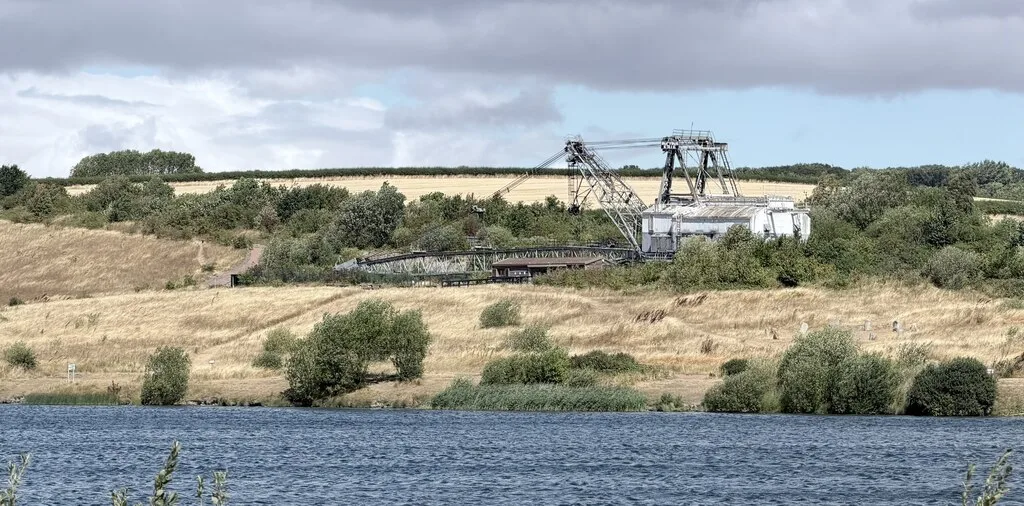
St Aidan’s suits visitors who enjoy scanning a large wetland from paths in the open air. The RSPB map names Bowers Lake, Main Lake, the eastern and western reedbeds, the hillside and the river. Use those features to choose a manageable route and keep the map with you at junctions. A high viewpoint is useful for understanding the layout; a lower waterside pause gives more time to examine a particular flock. Bowers Bimble is shown as 1.1 miles, passing its namesake lake and meadows. The Lowther Loop is 1.7 miles, combining trees with the River Aire. The Hillside Hike is two miles and exchanges close waterside watching for broad views. Reedbed Ramble is three miles around the edges of the reedbeds and back to the main entrance. The operator’s printed walking times are movement estimates: birdwatchers will usually take much longer once they stop to listen or scan. Two-hour plan — our suggestion: orientate yourself from the main entrance, then choose Bowers Bimble and linger over the lake rather than adding every possible extension. If reedbed birds are your priority, spend the visit on a shorter out-and-back section towards the reeds instead. Pause where the view opens and check the same water again after the birds have moved; the second scan often reveals something missed on the first. Full-day plan — our suggestion: begin with Reedbed Ramble while the morning is quiet, making settled listening stops rather than continuously walking. Break near the café, then choose the Hillside Hike for a new perspective or Lowther Loop for riverside variety. Finish at the most promising lake in the afternoon light. This is an editorial sequence, not a timed guided walk; adapt it to your walking pace and the condition of the paths. Stay on the marked rights of way, including where a bird seems only a short distance away across grass or reeds. Keep voices low near other watchers and leave enough space for cyclists, horses and walkers sharing the appropriate routes. The neighbouring Fairburn Ings makes a good separate day, particularly if you want a different mix of wooded paths and wetland viewpoints.
Use the linked reserve map and directions with current access notices. Species are typical seasonal targets. Light and telescope advice reflects our choice of viewpoint.
Bowers Lake and adjoining grassland
Mostly flat signed trail; muddy sections possible.
Winter: Tufted Duck, Pochard, Gadwall
Spring: Gadwall, Great Crested Grebe
Summer: Tufted Duck, Great Crested Grebe
Autumn: Shoveler, Pochard
Light: either. Scope: useful.
Main Lake open water and gull areas
Public waterside paths; no access to spits or islands.
Winter: Wigeon, Goldeneye, Shoveler
Spring: Great Crested Grebe, Black-headed Gull
Summer: Black-headed Gull, Common Tern
Autumn: Wigeon, Teal, Lapwing
Light: either. Scope: essential.
Eastern and western reedbeds and lagoons
Use signed causeway and outer paths only; do not enter reeds or search for nests.
Winter: Little Egret, Gadwall, Bittern
Spring: Reed Bunting, Sedge Warbler, Bittern, Black-necked Grebe
Summer: Reed Warbler, Sedge Warbler, Bittern, Black-necked Grebe
Autumn: Great White Egret, Little Egret, Bittern
Light: either. Scope: essential.
Broad wetland panorama, hillside grass and sky
Steep inclines; exposed to wind, use secure public viewpoints.
Winter: Lapwing, Stonechat, Marsh Harrier
Spring: Skylark, Reed Bunting, Marsh Harrier
Summer: Skylark, Marsh Harrier
Autumn: Lapwing, Stonechat, Marsh Harrier
Light: either. Scope: essential.
River Aire and wooded margins
Flat but wet/muddy riverside trail; operator recommends appropriate footwear.
Winter: Kingfisher, Grey Heron
Spring: Kingfisher
Summer: Kingfisher
Autumn: Kingfisher, Grey Heron
Light: either. Scope: not needed.
The public arrival area, surrounding reserve landscape and open sky
Remain in the public visitor area and follow current reserve signs and staff advice.
Winter: Little Owl
Spring: Little Owl
Summer: Little Owl
Autumn: Little Owl
Light: either. Scope: useful.
| Spot | Overlooks | Key species by season | Best light | Scope | Tide |
|---|---|---|---|---|---|
| Bowers Bimble beside Bowers LakeMostly flat signed trail; muddy sections possible. | Bowers Lake and adjoining grassland | Winter: Tufted Duck, Pochard, Gadwall Spring: Gadwall, Great Crested Grebe Summer: Tufted Duck, Great Crested Grebe Autumn: Shoveler, Pochard | either | useful | — |
| Main Lake public pathPublic waterside paths; no access to spits or islands. | Main Lake open water and gull areas | Winter: Wigeon, Goldeneye, Shoveler Spring: Great Crested Grebe, Black-headed Gull Summer: Black-headed Gull, Common Tern Autumn: Wigeon, Teal, Lapwing | either | essential | — |
| Reedbed Ramble public causewayUse signed causeway and outer paths only; do not enter reeds or search for nests. | Eastern and western reedbeds and lagoons | Winter: Little Egret, Gadwall, Bittern Spring: Reed Bunting, Sedge Warbler, Bittern, Black-necked Grebe Summer: Reed Warbler, Sedge Warbler, Bittern, Black-necked Grebe Autumn: Great White Egret, Little Egret, Bittern | either | essential | — |
| Hillside Hike public viewpointsSteep inclines; exposed to wind, use secure public viewpoints. | Broad wetland panorama, hillside grass and sky | Winter: Lapwing, Stonechat, Marsh Harrier Spring: Skylark, Reed Bunting, Marsh Harrier Summer: Skylark, Marsh Harrier Autumn: Lapwing, Stonechat, Marsh Harrier | either | essential | — |
| Lowther Loop River Aire pathFlat but wet/muddy riverside trail; operator recommends appropriate footwear. | River Aire and wooded margins | Winter: Kingfisher, Grey Heron Spring: Kingfisher Summer: Kingfisher Autumn: Kingfisher, Grey Heron | either | not needed | — |
| Visitor centre and Little Owl Café public viewing areaRemain in the public visitor area and follow current reserve signs and staff advice. | The public arrival area, surrounding reserve landscape and open sky | Winter: Little Owl Spring: Little Owl Summer: Little Owl Autumn: Little Owl | either | useful | — |
Month chips show typical presence or our preferred viewing season. Choose birds that suit the time of your visit.
Access details checked 18 October 2026: the RSPB describes a mixture of flat and undulating paths rather than one uniformly level circuit. Turning left from the visitor centre reaches a 110-metre slope at 1:10, giving the direct route towards Bowers Bimble, Reedbed Ramble and Hillside Hike. Benches are positioned at the top, halfway and bottom. Remember that descending it at the start also commits you to an uphill return by that route. Five Blue Badge spaces are approximately 30 metres from the centre on a tarmac car park. There is no formal drop-off point and no car-park lighting. The accessible toilet has level access, handrails, an alarm cord and a fold-down changing table that can be used from a seated position. Picnic tables include dedicated wheelchair spaces. The operator provides both an access guide and an AccessAble link to help with detailed planning. Choose a route by surface, gradient and length together. A mostly flat path may still become muddy, and the Lowther Loop is specifically presented on the map as a wellington-boot walk in wet winter conditions. Contact the reserve before travelling if you depend on a particular path being firm enough for your wheelchair, mobility aid or pushchair. Carry a route alternative that brings you back without exhausting your available energy.
The Little Owl Café serves hot and cold food, drinks, cakes and ice creams, with indoor seating overlooking the reserve and outdoor tables. A picnic is another way to keep the day flexible. The RSPB advertises binocular hire from the café and a programme of guided walks and other events. Toilets and baby-changing provision are available in the central visitor area. Take a water bottle for the longer circuits and remove your litter. Barbecues are banned, and drone take-off or landing needs reserve-management permission.
Dogs on leads can use the designated public footpaths and bridleways, with a separate recreation area marked on the map. They are excluded from inside the Little Owl Café unless they are assistance dogs; assistance dogs are welcome throughout the reserve. Keep your dog away from waterside vegetation and collect its waste. Bowls for drinking water are available outside the café.
Arriva’s current service 168 links Leeds and Castleford. The RSPB identifies Bowers Row, stop number 45010157, as the nearest stop, about 0.2 miles from the visitor centre. Use the operator’s dated timetable for the exact journey and direction rather than an old PDF found in a search result. Check the return bus before committing to a late afternoon circuit; the stop and the reserve entrance are separate parts of the journey. For rail, the RSPB lists Woodlesford at about three miles and Garforth at about four miles. It notes taxis at Garforth and taxi access to Woodlesford. Book the connecting car in advance if that is your chosen approach, giving St Aidan’s on Astley Lane rather than a general village destination. Cyclists can approach on the Trans Pennine Trail and the Linesway connection from Garforth. The RSPB identifies National Cycle Network routes 67 and 697 beside the site. Cycle racks allow you to turn the onward visit into a slower birdwatching walk. Drivers can follow the reserve directions from M1 junction 46 via the A63, A642 and Astley Lane.
Useful bases for an early start.
Booking.com links are affiliate links: we may earn a commission at no extra cost to you. How these links work.
About 3.6 miles by road, roughly 10 minutes’ drive; OSRM estimate measured 18 October 2026, without live traffic.
Measured driving route · 2026-10-18. Map estimates exclude live traffic.
Suits an Aire Valley outing combining a rail link with a short transfer by road.Find places to stay in Castleford on Booking.comAbout 6.6 miles by road, roughly 17 minutes’ drive; OSRM estimate measured 18 October 2026, without live traffic.
Measured driving route · 2026-10-18. Map estimates exclude live traffic.
A separate town base for combining the wetlands with other local outings.Find places to stay in Pontefract on Booking.comAbout 13.3 miles by road, roughly 24 minutes’ drive; OSRM estimate measured 18 October 2026, without live traffic.
Measured driving route · 2026-10-18. Map estimates exclude live traffic.
Offers a city base, broader rail links and a selection of evening eating places.Find places to stay in Leeds on Booking.comExplore West Yorkshire’s full guides and smaller birding sites
The St Aidan’s team can be reached on 0113 232 0529 or staidans@rspb.org.uk. Use St Aidan’s Nature Park, Astley Lane, Great Preston, Leeds, LS26 8AL for the visitor entrance. The main RSPB page links to trail maps, events and access information. When contacting the team, mention your visit date and any route or equipment requirement that affects the outing. For a longer local stay, compare Fairburn Ings as another wetland visit with a different landscape and watching style.
Check Swillington Ings Bird Group actual 2026 monthly records. completed monthly summaries; latest visible section June 2026 on review, not an October daily feed Reports show what has been seen, not what will be.
Follow the BTO Birders’ Code and give wildlife space.
RSPB St Aidan's: Free entry; non-member car parking £4; members/Blue Badge holders free.
RSPB St Aidan's: Dogs on leads can use the designated public footpaths and bridleways, with a separate recreation area marked on the map.
RSPB St Aidan's: Spring Bitterns · summer grebes · winter wildfowl.
RSPB St Aidan's: Access details checked 18 October 2026: the RSPB describes a mixture of flat and undulating paths rather than one uniformly level circuit.
RSPB St Aidan's: Arriva’s current service 168 links Leeds and Castleford.
Shorter stops within 15 miles in a straight line. Use the operator’s arrival directions for the journey.
Ridge Road, near Kippax and Castleford · Former colliery · ponds · meadow · woodland · scrub
Milner Lane, near Bardsey and Scarcroft · Ancient woodland · beck · meadow
Netherton, near Wakefield · Ancient oak-and-birch woodland · beck · wet woodland
Beside Golden Acre Park, Leeds · Lake · wet woodland · dry woodland · marsh
South Lane, near Midgley, Wakefield · Acid grassland · young woodland · scrub · pond
Barlow, south of Selby · Woodland, ponds, wetland and flower-rich grassland
Nearby complete guides.
Stops with a purpose: use one as a contrasting habitat or weather-proof Plan B. Distances are straight-line estimates, not road journeys.