
Short entry3.8 miles away
West Mersea Hard
Coast Road, West Mersea · Harbour, boats and Blackwater Estuary outlook
 the ai birderBirding near me
The AI Birder · one-page field sheet
Layer-de-la-Haye, Essex · CO2 0EU

Wigeon · Goldeneye · Spoonbill · Teal · Shoveler · Pochard
Hide Bay Hide · Island Hide · Gwen’s Hide · Layer Breton causeway · Layer de la Haye causeway · St Andrew’s Church viewpoint · Billett’s Farm public viewpoint · Wigborough Bay viewing screen · Discovery Trail · Skylark Trail
Check current access, hide closures and operator notices before travelling. Seasonal birds are possibilities, not promised sightings. Keep to authorised routes and give wildlife space.
Opening and charges checked 2026-10-18. Operator: https://www.essexwt.org.uk/nature-reserves/abberton-reservoir
Full guide and current source links: https://aibirder.co.uk/reserves/abberton-reservoir
EN 97 · Essex Wildlife Trust reserve guide
Layer-de-la-Haye, Essex
A major winter-wildfowl reservoir with accessible hides and a welcoming centre.
Decide if the visit fits.
Last checked 18 October 2026.
Opening and charges information · checked .
Stay nearby →Reserve overview
A major winter-wildfowl reservoir with accessible hides and a welcoming centre.
Eight checks for a smoother visit.
Conditions change: check the operator and transport notices before travelling.
January: Usually begin at Hide Bay Hide for Wigeon, Teal and Pochard, then compare the western basin from Layer Breton causeway for Goldeneye and Goosander. Smew is a scarcer winter target there; use the public viewpoint without trying to reach the shoreline. February: Goldeneye and winter ducks typically reward another Layer Breton causeway watch. Island Hide offers Gadwall, Great Crested Grebe and the wider reservoir picture. Great White Egrets can use sheltered margins visible from Wigborough Bay viewing screen; allow time to scan slowly. March: Usually compare Shoveler and Pintail from Hide Bay Hide with Great Crested Grebe activity from Island Hide. Spoonbill is a possible addition to the wetland watch. A cooler, calm morning helps with distant identification before glare becomes troublesome. April: Common Tern and Little Ringed Plover typically bring spring interest to Layer de la Haye causeway. Use the Discovery Trail for Nightingale song, staying on the route, and compare singing Skylark from Skylark Trail rather than entering grassland. May: Our choice is Island Hide for Common Tern, followed by the Discovery Trail for Nightingale and Skylark Trail for Skylark. Yellow Wagtail can reward the public Billett’s Farm viewpoint. Watch all breeding birds from established routes and leave nesting areas undisturbed. June: Typically combine Island Hide for Common Tern and occasional Spoonbill with a quiet Discovery Trail listen for Nightingale. Corn Bunting can add interest from St Andrew’s Church viewpoint. Use binoculars for nearby songbirds and a supported telescope for the broad reservoir. July: Common Tern and Great Crested Grebe usually make Island Hide worthwhile, while moulting ducks change the appearance of the reservoir flocks. Look for Yellow Wagtail from Billett’s Farm public viewpoint and avoid assuming that an unfamiliar duck is necessarily unusual. August: Usually scan Wigborough Bay viewing screen for Ruff and any other passage waders using exposed mud. Cattle Egret can occur around grazing land seen from Billett’s Farm. Island Hide adds Common Tern and Spoonbill possibilities when the water and light suit. September: Typically compare Ruff and scarcer Spotted Redshank from Wigborough Bay viewing screen with returning Teal and Pintail from Hide Bay Hide. Great White Egret is worth a look along wet margins. Water level decides whether a bay supplies feeding mud. October: Wigeon, Teal and Pochard usually rebuild around the reservoir, viewed from Hide Bay Hide. Add Island Hide for Gadwall and Cormorant, or Layer Breton causeway for returning Goldeneye. Cooler conditions often improve the distant view compared with summer heat shimmer. November: Typically concentrate on Wigeon, Shoveler and Pintail at Hide Bay Hide and Goosander from Layer Breton causeway. Check Wigborough Bay viewing screen for Great White Egret and winter waders. Choose fewer settled watches when wind makes a long exposed circuit uncomfortable. December: Usually choose the Trust hides for winter ducks, then make a separate safe causeway stop for Goldeneye and possible Smew. At St Andrew’s Church viewpoint, scan deeper water for Great Crested Grebe. Keep the centre-based route inside the published seasonal visiting window.
Best conditions: Our choice is a calm, clear part of the day with usable light on the reservoir. The county guide warns that the centre faces south, so bright midday sun can impair views. Typically cooler mornings reduce heat shimmer and a sheltered hide is preferable in strong wind. Scope and light ratings are editorial advice; use the causeways for a different angle without approaching the water-company shoreline.
Essex Wildlife Trust does not charge an admission or parking fee at the discovery centre and welcomes donations. Its published suggestion is £2 per adult, £1 per child or £5 per family. The centre’s seasonal timetable and holiday exceptions are listed in Access times. Group visits should be arranged ahead, including coach drop-offs. Use the Nature Discovery Park address on Church Road, Layer-de-la-Haye, CO2 0EU. Check the current centre and reserve pages before travelling because opening arrangements and path conditions can change. The vast reservoir and the smaller Trust visitor reserve are different areas; admission to the latter does not give unrestricted access around the water-company shoreline.
Access times: Reserve: Centre-based planning: 10:00–17:00, 15 February–31 October; 10:00–16:00, 1 November–14 February. Centre closes Christmas and Boxing Day; 14:00 close on Christmas Eve and New Year’s Eve. · Hides: The checked operator pages do not give separate hide locking hours; confirm arrangements for a visit extending beyond centre opening. · Car park: The operator lists free centre parking without a separate gate timetable. Use the centre visit window when planning; public causeways are separate stops. · Dawn access: partly. Operator opening information.
Our two-hour plan starts inside the discovery centre with a look over the reservoir and the current trail map. Use the signed route to Hide Bay Hide or Island Hide, sit down and scan in a consistent direction. Work from the nearest shoreline to the most distant visible flock. If a bird dives, wait for it to surface before moving on; this is a good place to learn the difference between a diving duck’s posture and a coot’s. Continue to another open viewpoint only after giving the first enough time. Finish with a second reservoir scan from the centre, which provides a useful comparison without adding more walking. A full day should alternate the hides and reserve paths with breaks, not aim for an unsupported complete circuit of the reservoir. Spend the first session concentrating on the waterbirds, then use the scrub and grassland edges for a slower middle walk. After lunch, choose a hide with better light for the afternoon and revisit any flock you found difficult. Note how the changing angle alters apparent plumage colours. A telescope helps across open water, but high magnification in wind can be frustrating; steady low-power views are often more productive. Families can combine one hide with the Brambly Hedge sculpture trail, choosing a realistic distance from the centre’s map. Keep the story-trail pace separate from a long stationary birdwatching session so both remain enjoyable. The operator map names Hide Bay Hide, Island Hide and Gwen’s Hide. Gwen’s is on the Skylark Trail and faces the surrounding landscape; the Reservoir View Trail gives the tern-raft view. Layer Breton and Layer de la Haye causeways elsewhere around the reservoir can provide another angle, but require safe legal stopping and careful road awareness. They are optional additions, not a reason to leave the Trust paths or cross barriers. Do not improvise access through grazing land or towards birds resting on the shore. On a first visit we would spend the available time at the main reserve rather than continually moving the car between glimpses of water.
Use the linked reserve map and directions with current access notices. Species are typical seasonal targets. Light and telescope advice reflects our choice of viewpoint.
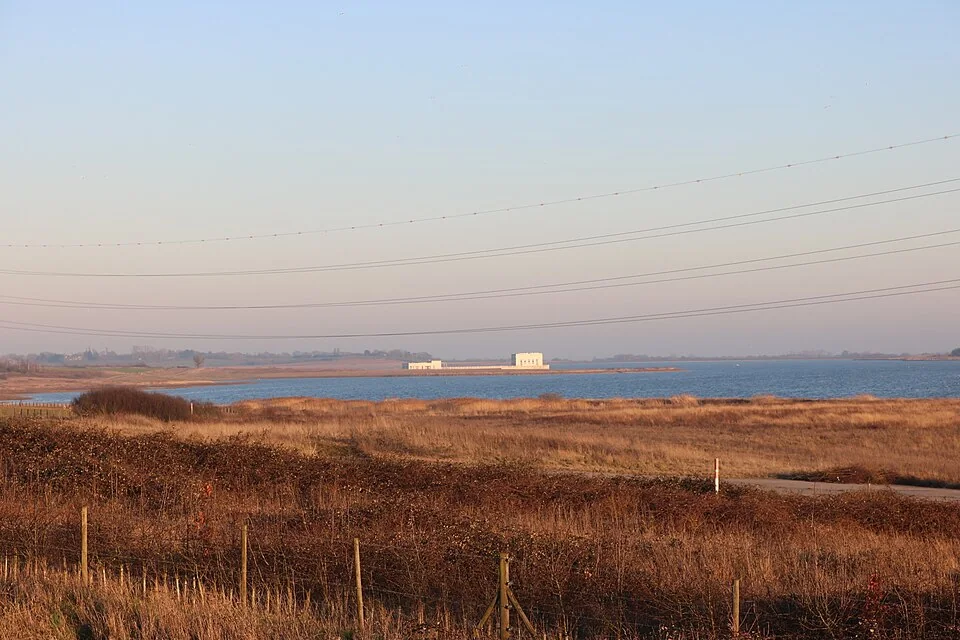
Reservoir bay and open water from the Trust trail
One of three operator-mapped accessible wildlife hides.
Winter: Wigeon, Teal, Shoveler, Pochard, Bittern
Spring: Gadwall, Great Crested Grebe, Bittern
Summer: Common Tern
Autumn: Teal, Pintail
Light: either. Scope: useful.
Reservoir islands, open water and tern raft
Use the signed Reservoir View Trail; view colonies from the hide.
Winter: Gadwall, Cormorant
Spring: Common Tern, Great Crested Grebe
Summer: Common Tern, Spoonbill
Autumn: Little Egret, Great White Egret
Light: either. Scope: useful.
Grassland, scrub and wider landscape from the Skylark Trail
The operator map identifies this as an accessible hide.
Winter: Skylark
Spring: Skylark
Summer: Skylark
Autumn: Skylark
Light: either. Scope: not needed.
Western reservoir basin from the public causeway
Roadside viewing requires safe legal parking and careful traffic awareness.
Winter: Goldeneye, Goosander, Smew
Spring: Great Crested Grebe
Summer: Cormorant
Autumn: Tufted Duck, Pochard
Light: either. Scope: useful.
Middle and eastern reservoir basins from the raised causeway
Use the established public viewpoint; stay off water-company slopes.
Winter: Goldeneye, Tufted Duck
Spring: Little Ringed Plover, Common Tern
Summer: Common Tern, Cormorant
Autumn: Little Ringed Plover, Pintail
Light: either. Scope: essential.
Dam, deeper eastern water and scrub from the public viewpoint
County guide identifies parking at the end of Rectory Lane; do not obstruct church access.
Winter: Great Crested Grebe, Goldeneye
Spring: Corn Bunting
Summer: Corn Bunting
Autumn: Cormorant, Great Crested Grebe
Light: either. Scope: essential.
Seasonal scrape and farmland south of Layer de la Haye causeway
Use the county-described public viewpoint and car park; farmland beyond is private.
Winter: Little Egret
Spring: Yellow Wagtail
Summer: Yellow Wagtail, Cattle Egret
Autumn: Cattle Egret, Little Egret
Light: either. Scope: useful.
Wigborough Bay, exposed mud and sheltered water
Watch from the fixed screen, keeping the shoreline undisturbed.
Winter: Ruff, Great White Egret
Spring: Little Egret
Summer: Little Egret
Autumn: Ruff, Spotted Redshank, Great White Egret
Light: either. Scope: useful.
New woodland and scrub on the operator trail
Spring: Nightingale
Summer: Nightingale
Light: either. Scope: not needed.
Grassland and open scrub on the operator trail
Winter: Skylark
Spring: Skylark
Summer: Skylark
Autumn: Skylark
Light: either. Scope: not needed.
| Spot | Overlooks | Key species by season | Best light | Scope | Tide |
|---|---|---|---|---|---|
| Hide Bay HideOne of three operator-mapped accessible wildlife hides. | Reservoir bay and open water from the Trust trail | Winter: Wigeon, Teal, Shoveler, Pochard, Bittern Spring: Gadwall, Great Crested Grebe, Bittern Summer: Common Tern Autumn: Teal, Pintail | either | useful | — |
| Island HideUse the signed Reservoir View Trail; view colonies from the hide. | Reservoir islands, open water and tern raft | Winter: Gadwall, Cormorant Spring: Common Tern, Great Crested Grebe Summer: Common Tern, Spoonbill Autumn: Little Egret, Great White Egret | either | useful | — |
| Gwen’s HideThe operator map identifies this as an accessible hide. | Grassland, scrub and wider landscape from the Skylark Trail | Winter: Skylark Spring: Skylark Summer: Skylark Autumn: Skylark | either | not needed | — |
| Layer Breton causewayRoadside viewing requires safe legal parking and careful traffic awareness. | Western reservoir basin from the public causeway | Winter: Goldeneye, Goosander, Smew Spring: Great Crested Grebe Summer: Cormorant Autumn: Tufted Duck, Pochard | either | useful | — |
| Layer de la Haye causewayUse the established public viewpoint; stay off water-company slopes. | Middle and eastern reservoir basins from the raised causeway | Winter: Goldeneye, Tufted Duck Spring: Little Ringed Plover, Common Tern Summer: Common Tern, Cormorant Autumn: Little Ringed Plover, Pintail | either | essential | — |
| St Andrew’s Church viewpointCounty guide identifies parking at the end of Rectory Lane; do not obstruct church access. | Dam, deeper eastern water and scrub from the public viewpoint | Winter: Great Crested Grebe, Goldeneye Spring: Corn Bunting Summer: Corn Bunting Autumn: Cormorant, Great Crested Grebe | either | essential | — |
| Billett’s Farm public viewpointUse the county-described public viewpoint and car park; farmland beyond is private. | Seasonal scrape and farmland south of Layer de la Haye causeway | Winter: Little Egret Spring: Yellow Wagtail Summer: Yellow Wagtail, Cattle Egret Autumn: Cattle Egret, Little Egret | either | useful | — |
| Wigborough Bay viewing screenWatch from the fixed screen, keeping the shoreline undisturbed. | Wigborough Bay, exposed mud and sheltered water | Winter: Ruff, Great White Egret Spring: Little Egret Summer: Little Egret Autumn: Ruff, Spotted Redshank, Great White Egret | either | useful | — |
| Discovery Trail | New woodland and scrub on the operator trail | Spring: Nightingale Summer: Nightingale | either | not needed | — |
| Skylark Trail | Grassland and open scrub on the operator trail | Winter: Skylark Spring: Skylark Summer: Skylark Autumn: Skylark | either | not needed | — |
Month chips show typical presence or our preferred viewing season. Choose birds that suit the time of your visit.
The discovery centre is the most useful starting point for a visit with limited mobility. Essex Wildlife Trust lists disabled parking, an accessible toilet and some wheelchair-friendly trails, with a wheelchair and electric buggy available for use. It also describes three accessible hides. Choose a manageable route from the current visitor map and establish the buggy booking arrangements before travelling if you rely on one. “Some trails” is an important qualification: it does not mean every waterside path or external causeway offers an equivalent experience. The indoor reservoir view can make a short visit worthwhile when wind, fatigue or rain limits the distance outside. Ask the centre about the intended hide, current surface, route length and any gate before committing to a circuit. A companion can scout a short section while you remain at a comfortable stopping place. A lightweight scope can improve distant views, but bring a support you can use from your preferred seated position. Allow time for settling at a hide window rather than assuming a quick stop will be comfortable for everyone.
The discovery centre combines a café, shop, indoor seating and reservoir views, with toilets, an accessible toilet and baby changing. Picnic areas are also available. It is a useful all-weather hub for a mixed group: someone can watch from indoors while others explore a longer trail. Carry water and a snack if you expect to stay in a hide for a while. The centre sells nature gifts and birdwatching items, but bring your own binoculars rather than depending on equipment being available. A trail map helps families choose between a short wildlife walk and the sculpture trail.
Assistance dogs may accompany visitors on the reserve; pet dogs are not allowed on its wildlife trails. The discovery centre has designated dog-friendly tables, a different arrangement from access to the reserve itself. Plan around that distinction if one member of your group is bringing a dog.
Colchester is the practical rail gateway for a visit without a car. Use Greater Anglia’s current journey information for the train, then arrange a taxi to Abberton Reservoir Nature Discovery Park on Church Road. Confirm the pickup address and return journey before leaving town; the discovery centre is outside the city, and a walk from a distant bus stop can turn a short reserve visit into a road approach. Choose the train-and-taxi combination if a current bus timetable does not offer a suitable stop and a comfortable final walk. A pre-booked rail-and-taxi visit is a realistic alternative for a group sharing the transfer. Drivers should enter the discovery park address, not a generic reservoir pin which may lead to a causeway. OSRM measurements to Colchester, West Mersea and Maldon below are dated 18 October 2026 and exclude traffic, stops and parking time.
Useful bases for an early start.
Booking.com links are affiliate links: we may earn a commission at no extra cost to you. How these links work.
About 6.3 miles by road, roughly 16 minutes’ drive from the visitor entrance; OSRM estimate measured 18 October 2026, excluding traffic.
Measured driving route · 2026-10-18. Map estimates exclude live traffic.
Rail connections and an Essex city stayFind places to stay in Colchester on Booking.comAbout 7.4 miles by road, roughly 14 minutes’ drive from the visitor entrance; OSRM estimate measured 18 October 2026, excluding traffic.
Measured driving route · 2026-10-18. Map estimates exclude live traffic.
Combining the reserve with the Mersea coastFind places to stay in West Mersea on Booking.comAbout 12.2 miles by road, roughly 21 minutes’ drive from the visitor entrance; OSRM estimate measured 18 October 2026, excluding traffic.
Measured driving route · 2026-10-18. Map estimates exclude live traffic.
A wider Blackwater Estuary breakFind places to stay in Maldon on Booking.comExplore Essex’s full guides and smaller birding sites
Contact the discovery centre on 01206 738172 or abberton@essexwt.org.uk. Essex Wildlife Trust’s centre page covers opening and facilities, while its reserve page explains the birdwatching area and habitats. For mobility equipment, organised groups or a specific trail requirement, contact the centre before choosing your travel arrangements. Essex & Suffolk Water owns the wider reservoir; the Trust manages the visitor nature reserve and centre. Use the linked official pages to choose the correct visitor entrance.
Check Essex Wildlife Trust: sightings archive. irregular; latest visible entries March 2026 Reports show what has been seen, not what will be.
Follow the BTO Birders’ Code and give wildlife space.
Abberton Reservoir: Free entry and centre parking; suggested donation £2 adult / £1 child.
Abberton Reservoir: Assistance dogs may accompany visitors on the reserve; pet dogs are not allowed on its wildlife trails.
Abberton Reservoir: Winter wildfowl; autumn passage and summer moulting ducks.
Abberton Reservoir: Essex Wildlife Trust lists disabled parking, an accessible toilet and some wheelchair-friendly trails, with a wheelchair and electric buggy available for use.
Abberton Reservoir: Colchester is the practical rail gateway for a visit without a car.
Shorter stops within 15 miles in a straight line. Use the operator’s arrival directions for the journey.
Coast Road, West Mersea · Harbour, boats and Blackwater Estuary outlook
Seaview Avenue, West Mersea · Beach-hut seafront and Blackwater Estuary outlook
South Green Road, Fingringhoe, Colchester · Colne Estuary saltmarsh, intertidal lagoon, scrub, woodland and freshwater pools
Heath entrance, Tiptree · Lowland heath, rough grassland, scrub and ponds
Broman’s Lane, East Mersea · Coastal grassland, grazing meadow, pond and estuary views
Public path and seawall beside St Peter’s Chapel, Bradwell-on-Sea · Coastal seawall, saltmarsh outlook, shore and scrub
Chigborough Road, Heybridge; nearest postcode, not the precise entrance · Former gravel pits, lakes, willow carr, marsh and grassland
Back Lane, Braintree · Ancient woodland, ponds and meadows
Near Assington, south-west Suffolk · Ancient woodland, regenerating scrub, wet meadow and fen
Manningtree · Estuary and wet grassland
Bures Road, Great Cornard, near Sudbury · Open water, reedbed, fen and wet scrub
Blue House Farm Chase, North Fambridge · Coastal grazing marsh, wet grassland and estuary
Little Clacton Road, Great Holland · Former gravel pits, ponds, woodland and grassland
Nearby complete guides.
Stops with a purpose: use one as a contrasting habitat or weather-proof Plan B. Distances are straight-line estimates, not road journeys.