

WA 09 · RSPB reserve guide
RSPB Gwenffrwd-Dinas
Ystradffin, Llandovery, Carmarthenshire, Wales · SA20 0PG
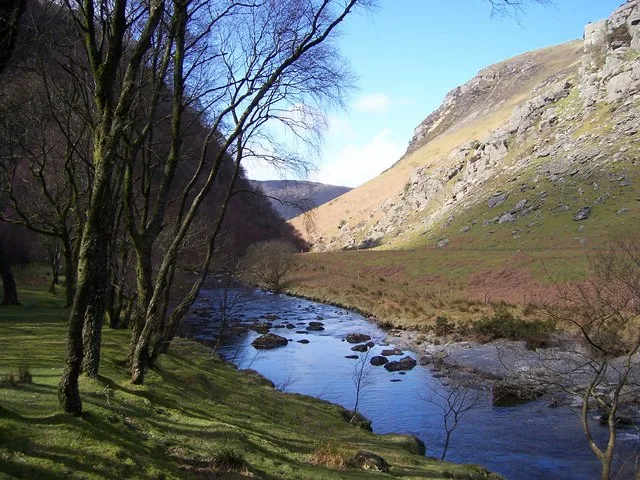
Pied Flycatchers and Redstarts return to the Celtic rainforest in spring, while Dippers, Grey Wagtails and Common Sandpipers work the fast-flowing rivers and Red Kites range above the wooded valleys.
For a spring woodland comparison at Gwenffrwd-Dinas, read about Pied Flycatchers, Redstarts and Wood Warblers and match their listening seasons to the reserve’s public trails.
Decide if the visit fits.
RSPB Gwenffrwd-Dinas at a glance
Last checked 18 October 2026.
- Open
- October calendar: reserve and car park open 24 hoursMore about open
- Price / parking
- Entry free; non-member parking £2, members park freeMore about price / parking
- Best time
- Spring woodland migrants · May Bluebells · rewarding year-roundMore about best time
- Dogs
- RSPB requires dogs to remain on a lead at all times because the…More about dogs
- Toilets
- For ordinary toilets, RSPB points to the Llyn Brianne reservoir…More about toilets
- Step-free
- The opening section includes about three hundred metres of board…More about step-free
Opening and charges information · checked .
Stay nearby →On this page
Reserve overview
Gwenffrwd-Dinas reserve and habitat
Pied Flycatchers and Redstarts return to the Celtic rainforest in spring, while Dippers, Grey Wagtails and Common Sandpipers work the fast-flowing rivers and Red Kites range above the wooded valleys.
Eight checks for a smoother visit.
Planning your visit to Gwenffrwd-Dinas
Conditions change: check the operator and transport notices before travelling.
Gwenffrwd-Dinas best time to visit and seasonal birds
January: typically look for Dipper and Grey Wagtail from River Tywi section of the Dinas circuit. Use the rough river section only when conditions and ability allow. Fast water and wet rock deserve attention before any bird identification; the path sets the safe watching position. February: typically look for Marsh Tit from Dinas woodland circuit. A woodland listen is worthwhile before the canopy fills. Allow a mixed flock to pass through the trees instead of trying to stand beneath it. March: typically look for Goosander from River Tywi section of the Dinas circuit. Watch the water without descending the banks. Use a clear gap in the riverside view and wait for birds to return into sight. April: typically look for Pied Flycatcher and Redstart from Dinas woodland circuit. Do not inspect or wait beside nest boxes. Listen from the established route and leave any repeatedly used patch of cover undisturbed. May: typically look for Wood Warbler from Dinas woodland circuit. Learn the song and listen from the path. Birdsong can carry through the wood without giving a clear view, and that is still a worthwhile encounter. June: typically look for Spotted Flycatcher and Garden Warbler from Dinas boardwalk. Use quiet pauses rather than playback. Stay aware of other walkers when pausing on the boardwalk; leave room for people to pass. July: typically look for Common Sandpiper from River Tywi section of the Dinas circuit. Watch from the route and leave riverside breeding cover alone. A distant view from the route is enough; bank vegetation and the waterline are not public shortcuts. August: typically look for Grey Wagtail from River Tywi section of the Dinas circuit. Summer visitors begin leaving at different times. Choose footing over a photograph and step aside only where the path safely allows it. September: typically look for Red Kite from Dinas boardwalk. Scan open sky from a safe path position. Look above the canopy during a natural break in the trees rather than seeking open ground off-route. October: typically look for Marsh Tit from Dinas woodland circuit. Wet leaf litter can be slippery. A quiet pause can reveal flock calls even when autumn rain makes the longer circuit unappealing. November: typically look for Dipper from River Tywi section of the Dinas circuit. High water can make the river circuit unsuitable. If the river section is unsafe, keep the visit to a suitable woodland section or postpone it. December: typically listen for Marsh Tit from Dinas woodland circuit, adding Goosander only from a safe section of the River Tywi circuit. Keep the plan short when wet leaves and limited daylight make the rough path less inviting. Use the boardwalk and woodland as conditions allow, with a firm turnaround plan before the light fades.
Best conditions: Our choice is a calm May morning for woodland song. In rain or after heavy weather, favour the boardwalk and easier woodland sections over the rough riverbank. Bird activity can be good in overcast light, but footing and river level decide the route.
Gwenffrwd-Dinas opening times, entry and facilities
Reserve admission is free in the RSPB tariff checked 18 October 2026. Parking costs £2 for non-members and is free for RSPB members. The official calendar lists both reserve and car park open around the clock; for the nature trail, plan a daylight visit that allows time for a slow return. The small rolled-stone parking area has fifteen spaces, no lighting and no height restriction. Arrive with the means to follow the payment instructions displayed locally, rather than expecting a staffed reception. Read the RSPB access notices before setting off, especially after severe weather, and follow any work signs at the entrance. A reserve listed as open does not establish that every optional path is suitable in the conditions. Leave enough room for other vehicles to turn, and use the official parking area instead of narrowing the minor road.
Access times: Reserve: October 2026 RSPB calendar lists open 24 hours. Boardwalk works completed and normal car-park access restored. · Hides: No enclosed public hide. Bench areas and boardwalk are outdoors; opening does not make the rough riverside section suitable in darkness. · Car park: Current calendar lists open 24 hours; unlit rolled-stone surface. · Dawn access: yes. Operator opening information.
Gwenffrwd-Dinas trails, hides and visit length
The principal nature trail is an approximately two-mile circular woodland and riverbank route from the car park. It follows a progression from wet woodland towards the river and back among the trees, making it a place to stop often rather than simply finish a loop. Four bench areas provide resting and watching points; there are no bird hides. Begin by listening before raising binoculars: a flycatcher repeatedly returning to a perch is easier to locate when you have first noticed its movement. At a river view, scan exposed stones and the quieter margins, watching how a bird uses the flow rather than moving to the water's edge for a photograph. Keep to the established public route and leave nesting holes and banks undisturbed. Two-hour plan, editorial suggestion: take the first part of the trail at a listening pace, spend a longer pause where the river is safely visible, then return or continue only if the ground and your pace suit the remaining time. A short visit can be rewarding without committing to the complete circuit. Full-day plan, editorial suggestion: begin early with woodland song, walk the circle slowly and take your packed lunch at the designated picnic area. Make a second, shorter pass along the most productive permitted section after a break, comparing feeding activity with the morning rather than pursuing a particular nest. Keep some time for the reserve's lichens, tree structure and river landscape. If wet ground makes progress difficult, shorten the day or choose another activity near your accommodation; a fixed itinerary should never dictate continuing along a route you are not comfortable using.
Where to watch at Gwenffrwd-Dinas
Use the linked reserve map and directions with current access notices. Species are typical seasonal targets. Light and telescope advice reflects our choice of viewpoint.
Dinas boardwalkWinter · Spring · Summer · Autumn
Wet alder woodland and woodland edge
Boardwalk now reopened; approximately 300m with steps and gaps.
Winter: Red Kite
Spring: Garden Warbler, Red Kite
Summer: Garden Warbler, Red Kite
Autumn: Garden Warbler, Red Kite
Light: either. Scope: not needed.
Dinas woodland circuitWinter · Spring · Summer · Autumn
Oak woodland, scrub and canopy
Public circular trail; sturdy boots. Do not inspect nest boxes.
Winter: Marsh Tit, Yellowhammer
Spring: Pied Flycatcher, Redstart, Wood Warbler, Spotted Flycatcher, Marsh Tit, Tree Pipit, Yellowhammer
Summer: Pied Flycatcher, Redstart, Wood Warbler, Spotted Flycatcher, Marsh Tit, Tree Pipit, Yellowhammer
Autumn: Redstart, Spotted Flycatcher, Marsh Tit, Yellowhammer
Light: either. Scope: not needed.
River Tywi section of the Dinas circuitWinter · Spring · Summer · Autumn
Fast-flowing river and wooded banks
Rugged, rocky and slippery with steep drops; experienced rough-ground walkers only.
Winter: Dipper, Grey Wagtail, Goosander
Spring: Dipper, Grey Wagtail, Common Sandpiper, Goosander
Summer: Dipper, Grey Wagtail, Common Sandpiper, Goosander
Autumn: Dipper, Grey Wagtail, Common Sandpiper, Goosander
Light: either. Scope: useful.
Nature-trail bench areas
Views along the public circular trail
Four operator-listed bench areas, not individually named or precisely mapped.
Light: either. Scope: not needed.
| Spot | Overlooks | Key species by season | Best light | Scope | Tide |
|---|---|---|---|---|---|
| Dinas boardwalkBoardwalk now reopened; approximately 300m with steps and gaps. | Wet alder woodland and woodland edge | Winter: Red Kite Spring: Garden Warbler, Red Kite Summer: Garden Warbler, Red Kite Autumn: Garden Warbler, Red Kite | either | not needed | — |
| Dinas woodland circuitPublic circular trail; sturdy boots. Do not inspect nest boxes. | Oak woodland, scrub and canopy | Winter: Marsh Tit, Yellowhammer Spring: Pied Flycatcher, Redstart, Wood Warbler, Spotted Flycatcher, Marsh Tit, Tree Pipit, Yellowhammer Summer: Pied Flycatcher, Redstart, Wood Warbler, Spotted Flycatcher, Marsh Tit, Tree Pipit, Yellowhammer Autumn: Redstart, Spotted Flycatcher, Marsh Tit, Yellowhammer | either | not needed | — |
| River Tywi section of the Dinas circuitRugged, rocky and slippery with steep drops; experienced rough-ground walkers only. | Fast-flowing river and wooded banks | Winter: Dipper, Grey Wagtail, Goosander Spring: Dipper, Grey Wagtail, Common Sandpiper, Goosander Summer: Dipper, Grey Wagtail, Common Sandpiper, Goosander Autumn: Dipper, Grey Wagtail, Common Sandpiper, Goosander | either | useful | — |
| Nature-trail bench areasFour operator-listed bench areas, not individually named or precisely mapped. | Views along the public circular trail | — | either | not needed | — |
Target species at Gwenffrwd-Dinas
Month chips show typical presence or our preferred viewing season. Choose birds that suit the time of your visit.
Headline birds
- AprMayJunJulAug
- AprMayJunJulAugSep
- AprMayJunJulAug
- JanFebMarAprMayJunJulAugSepOctNovDec
Regular birds
- MayJunJulAugSep
- AprMayJunJulAugSep
- JanFebMarAprMayJunJulAugSepOctNovDec
- JanFebMarAprMayJunJulAugSepOctNovDec
- AprMayJunJulAugSep
- JanFebMarAprMayJunJulAugSepOctNovDec
- AprMayJunJulAug
- YellowhammerDinas woodland circuitDinas woodland circuitJanFebMarAprMayJunJulAugSepOctNovDec
- JanFebMarAprMayJunJulAugSepOctNovDec
Gwenffrwd-Dinas accessibility and step-free routes
The opening section includes about three hundred metres of boardwalk with steps and gaps. Beyond it, parts of the path are compacted earth, but much of the riverside route is rocky, uneven and slippery when wet, with steep drops described by RSPB. The operator recommends rough hill-walking experience for that section and strongly advises sturdy walking boots. Do not treat the initial boardwalk as a fully accessible continuous route for a wheelchair or pushchair. Information boards use large print. Two of the benches have backs, but none has armrests, which matters if rising from a low seat is difficult. There is no accessible toilet within the reserve; RSPB identifies accessible facilities in Llandovery requiring a RADAR key. Discuss your intended section and any balance, fatigue or equipment requirements with the reserve team before travelling. A walking companion can help judge a turnaround point, but does not remove the limitations of narrow or exposed ground. Keep your binoculars and camera secured when negotiating awkward surfaces so both hands remain available. The riverbank is a viewing environment to approach carefully, rather than a substitute for a level hide circuit.
Gwenffrwd-Dinas visitor facilities
Three picnic tables sit in a fenced garden beside the car park. There is no visitor centre, resident staff, café or shop, so bring food and sufficient drinking water. For ordinary toilets, RSPB points to the Llyn Brianne reservoir car park roughly a mile north; establish whether that stop fits your journey before beginning the walk. Pack a waterproof layer and protect a phone or map from rain. Carry all litter back out, including food packaging, and leave the tables clear for the next party.
Gwenffrwd-Dinas dog rules
RSPB requires dogs to remain on a lead at all times because the reserve protects breeding birds. Visitors with assistance dogs are welcome at RSPB Gwenffrwd-Dinas, including throughout its visitor routes. Keep a short, manageable lead on narrow trail sections and prevent a dog entering the river margin or approaching nesting vegetation. Collect waste and carry it out; do not leave tied bags beside the path for someone else to remove.
Gwenffrwd-Dinas public transport and getting there
Llandovery is the nearest station identified by RSPB, about ten miles from the reserve. Transport for Wales serves it on the Heart of Wales line, which links Swansea and Shrewsbury through this rural part of Wales. A train arrival needs a separate taxi or other arranged road transfer to Ystradffin; the reserve's official directions do not provide a through bus route to the entrance. Reserve the taxi before committing to a train time and arrange the return collection with the driver. Give the reserve name and postcode, rather than asking simply for a woodland drop-off near Llyn Brianne. For road arrivals, use the minor road north from Llandovery towards the reservoir and follow the reserve directions. Narrow country roads can make progress slower than a map's apparent distance suggests, so allow margin for your first morning watch. Save your route and meeting point before leaving town. If travelling with wet boots or bulky optical equipment, mention that to the taxi firm when booking rather than leaving the arrangement until the end of the walk.
Useful bases for an early start.
Where to stay near Gwenffrwd-Dinas
Booking.com links are affiliate links: we may earn a commission at no extra cost to you. How these links work.
- 01
Llandovery
About 10.6 miles by road, roughly 40 minutes' drive from the measured central base to the reserve; OSRM/OpenStreetMap estimate measured 18 October 2026, excluding live traffic and parking.
Measured driving route · 2026-10-18. Map estimates exclude live traffic.
The principal local rail and supplies base for a planned valley transfer.Find places to stay in Llandovery on Booking.com - 02
Llanwrtyd Wells
About 14.5 miles by road, roughly 42 minutes' drive from the measured central base to the reserve; OSRM/OpenStreetMap estimate measured 18 October 2026, excluding live traffic and parking.
Measured driving route · 2026-10-18. Map estimates exclude live traffic.
A smaller town base for a broader mid-Wales woodland break.Find places to stay in Llanwrtyd Wells on Booking.com - 03
Llandeilo
About 21.4 miles by road, roughly 55 minutes' drive from the measured central base to the reserve; OSRM/OpenStreetMap estimate measured 18 October 2026, excluding live traffic and parking.
Measured driving route · 2026-10-18. Map estimates exclude live traffic.
A longer Carmarthenshire stay combining woodland birding with the Tywi valley.Find places to stay in Llandeilo on Booking.com
Explore Carmarthenshire’s full guides and smaller birding sites
Gwenffrwd-Dinas official sightings, safety and contact
Contact RSPB on 02920 353000 or gwenffrwd.dinas@rspb.org.uk for questions about the reserve. Explain which trail section you hope to walk, the size of your party and any specific access needs so the response addresses the actual outing. The official reserve page is the first place to look for changed access arrangements; a previous report of completed work should not replace reading current notices. There is no staffed visitor desk at the trailhead, which makes advance preparation useful for groups or an unfamiliar route. For birding, take time to watch from the public trail and avoid asking for the precise position of an active nest.
Gwenffrwd-Dinas recent bird sightings
Check Carmarthenshire Bird Club recent sightings. frequent county reports Reports show what has been seen, not what will be.
- Carmarthenshire Bird Club recent sightingscounty club or recorder · updated frequent county reports
- Bird club Dinas visit reportcounty club or recorder · updated dated June 2023 reserve visit archive
Birding sources
- RSPB current reopened boardwalk and local species
- RSPB actual circuit, river hazards and four bench areas
- RSPB October 2026 access calendar
- Glamorgan Bird Club actual June 2023 Dinas visit
- Carmarthenshire current county sightings
- RSPB Marsh Tit account: reserve explicitly recommended; general timing
- RSPB Tree Pipit account: reserve explicitly recommended; general timing
- RSPB Yellowhammer account: reserve explicitly recommended; general timing
- RSPB Goosander account: reserve explicitly recommended; general timing
Follow the BTO Birders’ Code and give wildlife space.
Questions visitors ask
Is RSPB Gwenffrwd-Dinas free to visit?
RSPB Gwenffrwd-Dinas: Entry free; non-member parking £2, members park free.
Can I take my dog to RSPB Gwenffrwd-Dinas?
RSPB Gwenffrwd-Dinas: RSPB requires dogs to remain on a lead at all times because the reserve protects breeding birds.
When is the best time to visit RSPB Gwenffrwd-Dinas?
RSPB Gwenffrwd-Dinas: Spring woodland migrants · May Bluebells · rewarding year-round.
Is RSPB Gwenffrwd-Dinas accessible for wheelchairs?
RSPB Gwenffrwd-Dinas: Do not treat the initial boardwalk as a fully accessible continuous route for a wheelchair or pushchair.
How do I get to RSPB Gwenffrwd-Dinas without a car?
RSPB Gwenffrwd-Dinas: Llandovery is the nearest station identified by RSPB, about ten miles from the reserve.
Best months for this reserve
Nearby complete guides.
Bird reserves near Gwenffrwd-Dinas
Stops with a purpose: use one as a contrasting habitat or weather-proof Plan B. Distances are straight-line estimates, not road journeys.
- About 11 miles away · A familiar habitatCors Caron National Nature ReserveBreeding waders and songbirds in spring · raptors and wildfowl in autumn and winter
- About 15 miles away · A familiar habitatRSPB CarngafalltApril–June woodland migrants and dawn chorus · summer moorland birds · year-round Red Kites and Celtic rainforest
- About 17 miles away · A useful habitat changeGigrin Farm Red Kite Feeding CentreYear-round red kite feeding; winter afternoons are particularly atmospheric