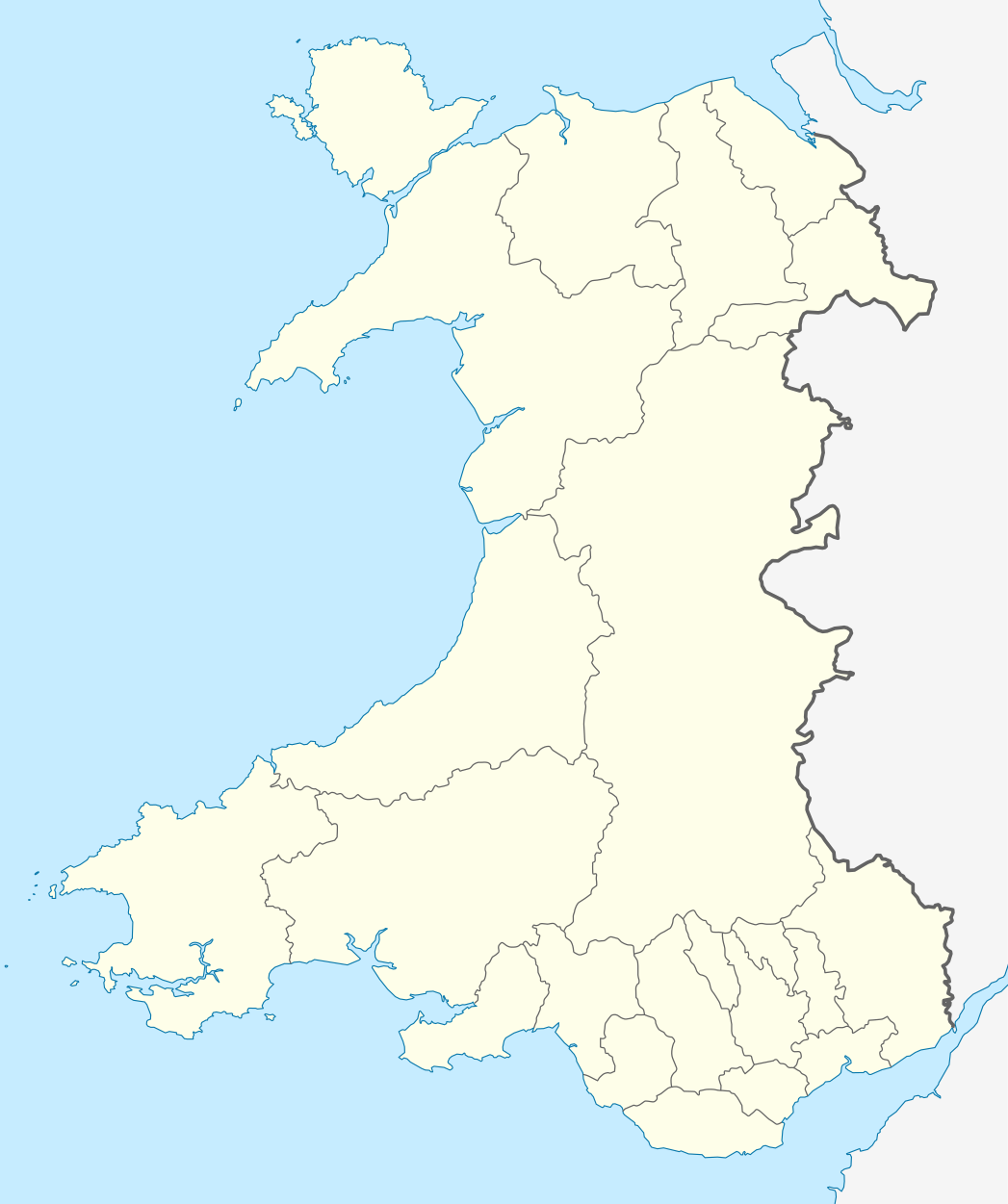
Short entry7.8 miles away
Cors y Llyn National Nature Reserve
Cwm-bach Llechrhyd, near Builth Wells · Bog, fen, meadow and swamp woodland
 the ai birderBirding near me
The AI Birder · one-page field sheet
Elan Village, near Rhayader, Powys, Wales · LD6 5HW · LD6 5HW

Current planning alert (2026-10-09): Carngafallt has narrow earth paths with steep, muddy stretches. The nearby Elan Valley Visitor Centre and toilets have separate opening hours, so plan facilities before setting out.
Stonechat · Linnet · Siskin · Mistle Thrush · Bullfinch · Redwing
Elan Village woodland entrance — public footpath · Reserve woodland trail — oakwood section · Reserve woodland trail — open woodland-edge section
Check current access, hide closures and operator notices before travelling. Seasonal birds are possibilities, not promised sightings. Keep to authorised routes and give wildlife space.
Opening and charges checked 2026-10-25. Operator: https://www.rspb.org.uk/days-out/reserves/carngafallt
Full guide and current source links: https://aibirder.co.uk/reserves/rspb-carngafallt
WA 11 · RSPB reserve guide
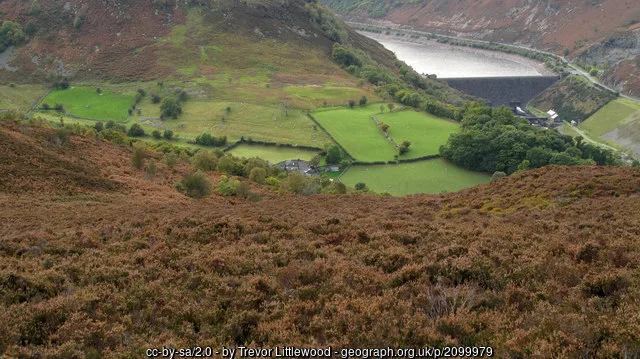
Elan Village, near Rhayader, Powys, Wales · LD6 5HW
An Elan Valley mosaic where Redstarts, Pied Flycatchers and Wood Warblers return to the oakwoods, Whinchats use the open ground and Red Kites range above a Celtic-rainforest community rich in lichens and bryophytes.
Decide if the visit fits.
Last checked 18 October 2026.
Carngafallt has narrow earth paths with steep, muddy stretches. The nearby Elan Valley Visitor Centre and toilets have separate opening hours, so plan facilities before setting out.
Opening and charges information · checked .
Stay nearby →Reserve overview
An Elan Valley mosaic where Redstarts, Pied Flycatchers and Wood Warblers return to the oakwoods, Whinchats use the open ground and Red Kites range above a Celtic-rainforest community rich in lichens and bryophytes.
Eight checks for a smoother visit.
Conditions change: check the operator and transport notices before travelling.
January: January usually favours a short woodland watch: look for Bullfinch and Redwing from the Elan Village woodland entrance public footpath. From the open woodland-edge trail section, scan for Red Kite without leaving the path. The RSPB woodland has no formal hide or shelter to rely on.
February: In February, use the reserve woodland trail’s oakwood section for Bullfinch and Siskin, taking advantage of the leafless canopy. Red Kite may be watched from the open woodland-edge section. Keep the route modest after rain: the operator describes steep, muddy earth paths rather than a level accessible reserve circuit.
March: March usually brings more woodland song, with Mistle Thrush around the oakwood section and Stonechat from the public trail’s open edge. Winter Redwing can linger near the Elan Village woodland entrance. A county March record also supports Woodcock, but do not leave the trail or deliberately flush one.
April: In April, listen along the reserve woodland trail for returning Willow Warbler, Blackcap and, later, Wood Warbler. Pied Flycatcher and Redstart typically return during spring, so use the Elan Village woodland entrance as a patient listening start. Arrival dates vary; an early visit will not reproduce a May species list.
May: May is our first choice for Pied Flycatcher, Redstart and Wood Warbler along the public oakwood trail. Use the Elan Village entrance and woodland section as listening stops. Tree Pipit can add interest where the signed trail reaches an open woodland edge; never follow a bird back to a nest.
June: June usually offers Garden Warbler, Blackcap and Willow Warbler along the reserve woodland trail, with Tree Pipit and Stonechat from its open-edge section. Actual county reserve records support this mix. Keep all watching on the path, and move on if adults are carrying food or showing alarm.
July: In July, watch quietly for Pied Flycatcher and Redstart around the woodland trail and compare feeding behaviour rather than expecting sustained song. Tree Pipit may still be detected from the open woodland edge. Keep the whole party on the signed route; family groups should not become subjects for close pursuit.
August: August typically becomes a quieter listening month. Search for Siskin and Mistle Thrush along the oakwood trail, and Linnet or Stonechat from the open woodland-edge section. Remaining summer migrants can be difficult to locate; a slow examination of moving flocks is more useful than repeatedly changing paths.
September: September usually suits a mix of woodland and open-edge watching: Siskin and Bullfinch from the reserve woodland trail, Stonechat and Linnet from its open section. Redstarts may still pass through, but they are not an all-autumn promise. Check current notices before extending a walk beyond the established route.
October: In October, listen for arriving Redwing from the Elan Village woodland entrance, then work the oakwood trail for Bullfinch and Siskin. Use a public open-edge stop for Red Kite. Choose a dry weather window: falling leaves do not remove the steepness or slippery sections of the woodland approach.
November: November usually rewards a shorter visit concentrated on Bullfinch, Redwing and Siskin from the public woodland trail. Red Kite remains a wider-sky possibility from its open-edge section. There are no formal hides, so a sheltered woodland watch can be preferable to spending a long time exposed at the edge.
December: December is a month for realistic daylight plans: use the Elan Village woodland entrance and oakwood trail for Bullfinch and Redwing, with Red Kite watched from the open woodland edge. Keep a generous return margin on muddy slopes and confirm off-site parking arrangements separately from reserve foot access.
Best conditions: Our choice is a calm May or early-June morning for woodland song, with listening stops before moving into the next patch of canopy. Overcast conditions can make it easier to see birds without strong backlighting. Use binoculars rather than a scope inside the oakwood; a scope is only useful for a broad skyline scan from an open public trail section. In rain or strong wind, shorten the steep woodland walk and leave time for a careful return.
Admission and parking checked on 18 October 2026. The RSPB reserve is free to enter. There is no reserve car park: use the off-site Elan Valley Visitor Centre, LD6 5HP, and continue on foot. The separate reserve postal postcode is not the parking destination. Welsh Water’s published 2026 car tariff is £1.50 for one hour, £2.50 for two hours, £3.50 for three hours and £6 for longer than three hours. The visitor-centre page has overlapping seasonal ranges for October; confirm your date’s arrangements directly with the centre. Parking is managed separately by Welsh Water, rather than included in RSPB membership. Check weather, path notices and the current facilities arrangements before travelling, particularly for a visit extending beyond the staffed part of the day.
Access times: Reserve: RSPB October 2026 calendar lists the reserve open 24 hours; stay on the public trails and obey operational notices. · Hides: No formal hides or viewing structures; this is a public woodland-trail visit. · Car park: No on-site reserve car park. Park at the separate Welsh Water Elan Valley Visitor Centre and check its current gate arrangements; RSPB’s generic 24-hour car-park calendar entry does not resolve that off-site timetable. Welsh Water gives centre hours of 9am–5pm April–October and 10am–4pm October–March, overlapping in October; Christmas Day closed. These are centre hours, not a verified car-park gate timetable. · Dawn access: partly. Operator opening information.
The main reserve entrance is at the eastern end of Elan Village, where the road crosses a cattle grid into woodland. Immediately beyond, the footpath turns into the trees. Another approach starts at the Elan Valley Visitor Centre: its waymarked routes cross Welsh Water land, with one continuing into RSPB Carngafallt. Use the current map to select the connecting route rather than assuming every visitor-centre woodland circuit reaches the reserve. This is a walking and listening reserve rather than a sequence of named hides. Choose woodland stops that let you hear beyond the nearest leaves, and include occasional looks towards open ground for Red Kites. Old trees, deadwood and sheltered edges create different feeding opportunities, so a few varied stops usually reveal more than repeatedly scanning the same canopy. Remain on the public routes and leave moss-covered wood and branches intact. Two-hour plan: walk from the visitor-centre parking area through Elan Village to the reserve entrance, then make a slow woodland out-and-back with several stationary listening sessions. In spring, devote most of the available time to song and moving woodland birds; in winter, follow feeding parties only as far as the path allows. Turn back at a comfortable point rather than extending the route simply because the map shows more woodland. Full-day plan: combine the reserve woodland walk with an Elan Valley visitor-centre break and a separate permitted valley route. Collect the relevant map before leaving the centre, distinguish the Welsh Water routes from the reserve connection and keep enough energy for the return. Revisit a productive woodland section later, when light or bird movement has changed. A full day can include the rainforest’s smaller features as well as birds: examine lichens visually without removing them and watch insects from the path. Keep a waterproof layer and water available, close gates as instructed and allow extra time after rain. The aim is a comfortable series of watches, not completing every possible trail.
Use the linked reserve map and directions with current access notices. Species are typical seasonal targets. Light and telescope advice reflects our choice of viewpoint.
Lower oak woodland just inside the reserve entrance
Official alternative approach through Elan Village, entering the signed woodland footpath; compacted-earth route can be steep and muddy.
Winter: Bullfinch, Redwing
Spring: Pied Flycatcher, Redstart, Wood Warbler
Summer: Pied Flycatcher, Redstart
Autumn: Bullfinch, Mistle Thrush
Light: either. Scope: not needed.
Ancient oak canopy and woodland understorey
Follow the RSPB-linked trail from the Welsh Water route network; ask the visitor centre for its actual map. No nest-box or territory directions.
Winter: Woodcock, Bullfinch
Spring: Wood Warbler, Garden Warbler, Blackcap, Willow Warbler
Summer: Pied Flycatcher, Garden Warbler, Redstart
Autumn: Siskin, Bullfinch, Mistle Thrush
Light: either. Scope: not needed.
Wood pasture, open ground and the wider skyline where visible from the path
A labelled section of the existing public trail, not a new named viewpoint or an instruction to cross moorland. Use only the signed route.
Winter: Red Kite, Stonechat
Spring: Tree Pipit, Stonechat, Linnet
Summer: Tree Pipit, Stonechat, Linnet
Autumn: Red Kite, Siskin, Linnet
Light: either. Scope: useful.
| Spot | Overlooks | Key species by season | Best light | Scope | Tide |
|---|---|---|---|---|---|
| Elan Village woodland entrance — public footpathOfficial alternative approach through Elan Village, entering the signed woodland footpath; compacted-earth route can be steep and muddy. | Lower oak woodland just inside the reserve entrance | Winter: Bullfinch, Redwing Spring: Pied Flycatcher, Redstart, Wood Warbler Summer: Pied Flycatcher, Redstart Autumn: Bullfinch, Mistle Thrush | either | not needed | — |
| Reserve woodland trail — oakwood sectionFollow the RSPB-linked trail from the Welsh Water route network; ask the visitor centre for its actual map. No nest-box or territory directions. | Ancient oak canopy and woodland understorey | Winter: Woodcock, Bullfinch Spring: Wood Warbler, Garden Warbler, Blackcap, Willow Warbler Summer: Pied Flycatcher, Garden Warbler, Redstart Autumn: Siskin, Bullfinch, Mistle Thrush | either | not needed | — |
| Reserve woodland trail — open woodland-edge sectionA labelled section of the existing public trail, not a new named viewpoint or an instruction to cross moorland. Use only the signed route. | Wood pasture, open ground and the wider skyline where visible from the path | Winter: Red Kite, Stonechat Spring: Tree Pipit, Stonechat, Linnet Summer: Tree Pipit, Stonechat, Linnet Autumn: Red Kite, Siskin, Linnet | either | useful | — |
Month chips show typical presence or our preferred viewing season. Choose birds that suit the time of your visit.
Access checked on 18 October 2026. The nearby Welsh Water easy-access circuit uses compacted crushed stone on flat or gently sloping ground, returning along the access road. It provides a shorter surfaced option, but does not establish that the deeper Carngafallt woodland paths are suitable for all mobility aids. The reserve routes include narrow earth sections, steep ground and mud; discuss the intended route before relying on a surfaced approach alone. The off-site visitor centre has step-free internal access, a lowered information counter and seating. External manual doors are heavy. Accessible parking is adjacent to the centre and an accessible toilet is provided there; the RSPB also identifies public accessible facilities in Elan Village outside visitor-centre hours. Confirm any particular toilet or transfer requirement directly with the facility operator before travelling. Choose a turnaround point based on the ground you actually encounter. A short outward descent can be a harder uphill return, especially when wet, so leave a margin for rest stops. When seeking advice, describe the mobility aid, surface tolerance and assistance available rather than asking whether the whole reserve is simply accessible.
Elan Valley Visitor Centre supplies the off-site café, shop, exhibition, bicycle facilities and general toilets for a reserve visit. Bring water and food if planning a longer woodland session, and use the centre for a meal break when it fits the day. Picnic tables occur on the surfaced approach, with benches on the longer nature trail. Baby changing is available at the visitor centre. Keep all litter with you through the reserve, and leave fallen timber and other natural material where wildlife can use it.
Dogs may accompany walks on the main trails, kept on a lead under the RSPB rule. Visitors with assistance dogs are welcome at RSPB Carngafallt, including throughout its visitor routes. Keep the lead short enough to prevent a dog entering vegetation or approaching wildlife, and remove waste rather than leaving a bag beside the path or an entrance gate.
Travel information checked on 18 October 2026. Llandrindod Wells is the rail arrival point identified by the RSPB. Traveline Cymru currently lists X47 between Llandrindod Wells, Rhayader and Llangurig, with weekday and Saturday timetables. Check the actual journey date before combining train and bus tickets; the published route to Rhayader does not make the final reserve approach a through bus journey. Elan Valley’s official directions identify a Taxi Link run by S.P. Cars on 01597 810666, requiring two hours’ notice and described as available to wheelchair users. Arrange the outward and return legs before leaving the town and discuss any vehicle-specific needs when booking. A rural surfaced walking and cycling link runs about three miles from Rhayader to Elan Village. Welsh Water identifies the Elan Valley Trail with National Cycle Network Route 81, connecting at Rhayader with Routes 8 and 825; the RSPB’s older location text names Route 6, so use the current valley operator’s cycle information. Stay-base drive measurements end at the off-site visitor-centre parking area and exclude the onward walk.
Useful bases for an early start.
Booking.com links are affiliate links: we may earn a commission at no extra cost to you. How these links work.
About 3.5 miles by road, roughly 8 minutes’ drive to Elan Valley Visitor Centre parking; the reserve walk is additional. OSRM measured the Rhayader journey for RSPB Carngafallt on 18 October 2026; the estimate excludes live traffic.
Measured driving route · 2026-10-18. Map estimates exclude live traffic.
The nearest town base for the Elan Valley approach.Find places to stay in Rhayader on Booking.comAbout 14.4 miles by road, roughly 24 minutes’ drive to Elan Valley Visitor Centre parking; the reserve walk is additional. OSRM measured the Llandrindod Wells journey for RSPB Carngafallt on 18 October 2026; the estimate excludes live traffic.
Measured driving route · 2026-10-18. Map estimates exclude live traffic.
Rail arrivals and a wider mid-Wales stay.Find places to stay in Llandrindod Wells on Booking.comAbout 16.8 miles by road, roughly 28 minutes’ drive to Elan Valley Visitor Centre parking; the reserve walk is additional. OSRM measured the Builth Wells journey for RSPB Carngafallt on 18 October 2026; the estimate excludes live traffic.
Measured driving route · 2026-10-18. Map estimates exclude live traffic.
A separate Wye Valley base for combining nearby landscapes.Find places to stay in Builth Wells on Booking.comExplore Powys’s full guides and smaller birding sites
Contact the RSPB at carngafallt@rspb.org.uk or 01654 700222 for reserve enquiries. Its postal address is Carngafallt Reserve, Glanrafon, Rhayader, Powys, LD6 5HW. For parking, facilities and route maps from the valley visitor centre, contact Welsh Water on 01597 810880. State which entrance or walking route you intend to use when asking for advice. A wildlife report is more useful with the date, approximate time and a clear landmark along the woodland path.
Check Radnor Bird Blog — current county bird sightings. irregular; county submissions appear on multiple days each month Reports show what has been seen, not what will be.
Follow the BTO Birders’ Code and give wildlife space.
RSPB Carngafallt: Free adult and child entry; separate parking price not published.
RSPB Carngafallt: Dogs may accompany walks on the main trails, kept on a lead under the RSPB rule.
RSPB Carngafallt: April–June woodland migrants and dawn chorus · summer moorland birds · year-round Red Kites and Celtic rainforest.
RSPB Carngafallt: The off-site visitor centre has step-free internal access, a lowered information counter and seating.
RSPB Carngafallt: Travel information checked on 18 October 2026.
Shorter stops within 15 miles in a straight line. Use the operator’s arrival directions for the journey.
Cwm-bach Llechrhyd, near Builth Wells · Bog, fen, meadow and swamp woodland
Nearby complete guides.
Stops with a purpose: use one as a contrasting habitat or weather-proof Plan B. Distances are straight-line estimates, not road journeys.