
Short entry4.6 miles away
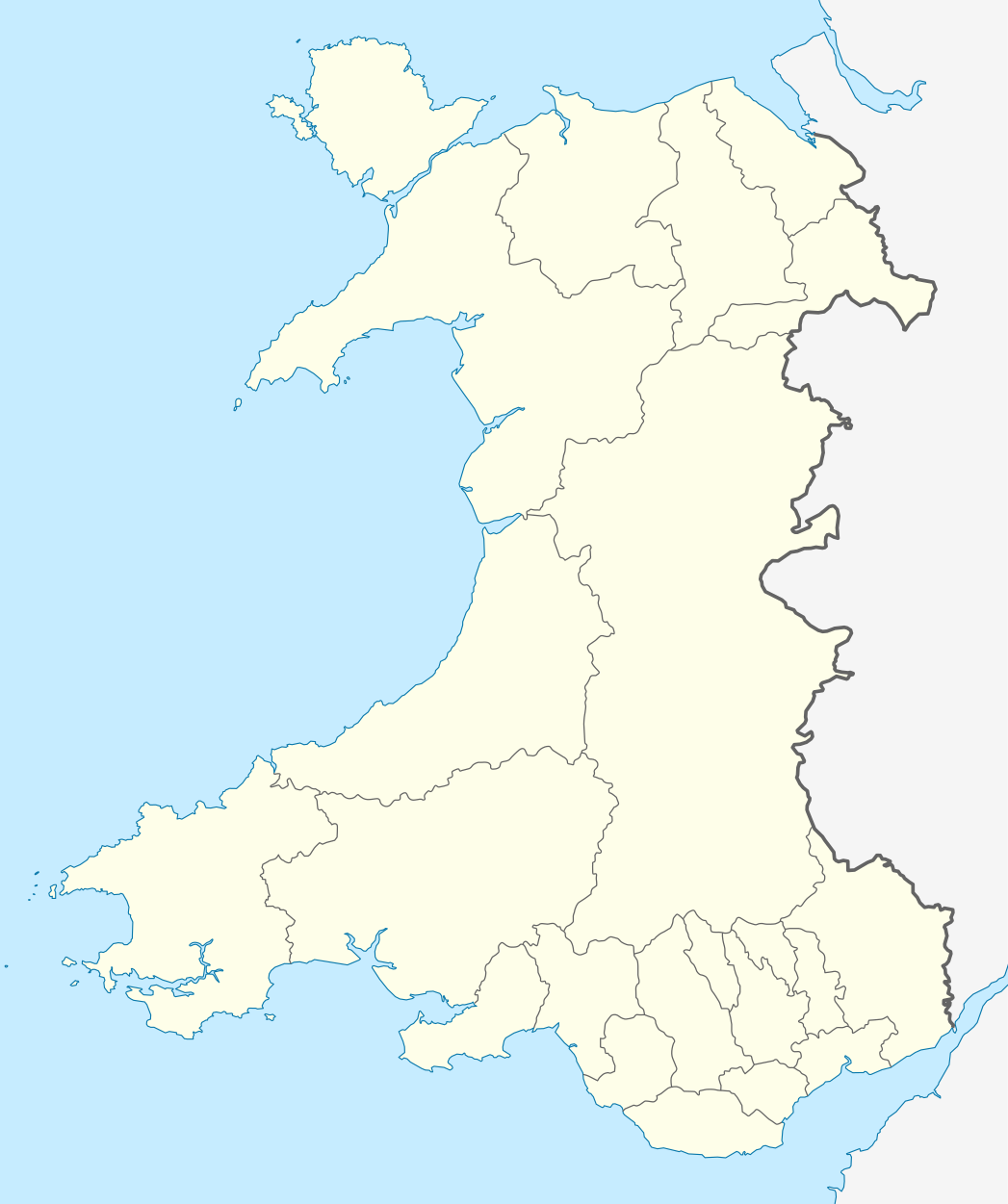
Cors Ian
Near Lledrod · Valley mire, gorse heath and hedgerows
 the ai birderBirding near me
The AI Birder · one-page field sheet
Near Tregaron, Ceredigion, Wales · SY25 6JF · SY25 6JF

Red Kite · Hen Harrier · Willow Tit · Teal · Mute Swan · Great White Egret
Bog Hide · Cors Caron Walk boardwalk · Old Railway Walk · Bird Hide on the northern boardwalk · Mapped viewpoint beside Old Railway Walk
Check current access, hide closures and operator notices before travelling. Seasonal birds are possibilities, not promised sightings. Keep to authorised routes and give wildlife space.
Opening and charges checked 2026-10-25. Operator: https://naturalresources.wales/days-out/places-to-visit/mid-wales/cors-caron-national-nature-reserve/?lang=en
Full guide and current source links: https://aibirder.co.uk/reserves/cors-caron-national-nature-reserve
WA 12 · Natural Resources Wales reserve guide
Near Tregaron, Ceredigion, Wales · SY25 6JF
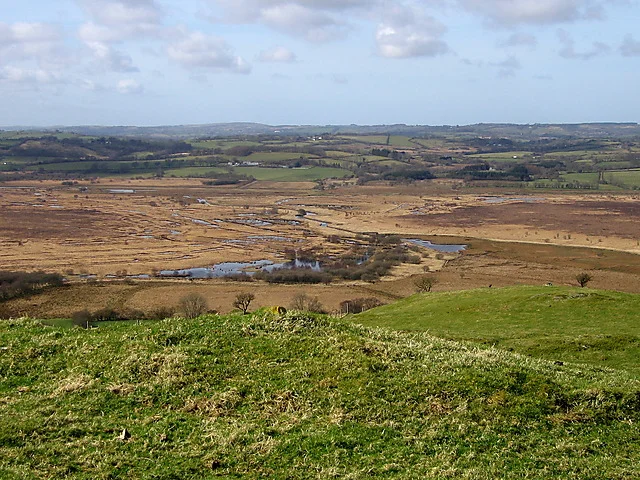
Three exceptionally intact raised bogs fill the broad Teifi valley, surrounded by reedbeds, fen, wet grassland, waterways and woodland. Look and listen for Curlew and Skylark in spring, with Red Kites and Hen Harriers over the reserve and winter wildfowl using the wetland; Otters, dragonflies and lizards add interest beyond the birds.
Decide if the visit fits.
Last checked 18 October 2026.
Opening and charges information · checked .
Stay nearby →Reserve overview
Three exceptionally intact raised bogs fill the broad Teifi valley, surrounded by reedbeds, fen, wet grassland, waterways and woodland. Look and listen for Curlew and Skylark in spring, with Red Kites and Hen Harriers over the reserve and winter wildfowl using the wetland; Otters, dragonflies and lizards add interest beyond the birds.
Eight checks for a smoother visit.
Conditions change: check the operator and transport notices before travelling.
January: Typically begin at Bog Hide for Teal and a broad Red Kite watch, with Wigeon possibilities from Old Railway Walk views. Hen Harriers are a winter speciality of the reserve, but no roost location or approach is published here. Great White Egret is a scarce recurring bird in the county’sCors Caron records across several years. Use open public floodplain views from the Old Railway Walk rather than entering river margins. February: Red Kites usually reward scanning from Bog Hide between patient checks of the water and vegetation. Old Railway Walk offers a different habitat for Willow Tit; listen from the shared path rather than following a calling bird into wet scrub. March: Typically listen for Curlew and Skylark from the Cors Caron Walk boardwalk as spring develops. Wind can obscure calls over this open landscape, so make pauses count rather than assuming a longer walk will always reveal more birds. April: Curlews and Skylarks usually give the Cors Caron Walk boardwalk its spring character, with Sedge Warblers becoming relevant as migrants return. Stay on the constructed route, and let alarm-calling birds settle without investigating where they might be breeding. May: Typically combine Reed and Sedge Warblers from the Cors Caron Walk boardwalk with Whitethroat along the Old Railway Walk. These are listening-and-waiting targets, drawn from actual county breeding-season records, rather than a promise of birds on exposed perches. June: Reed Warblers and Skylarks usually justify an early Cors Caron Walk boardwalk session. Give Old Railway Walk a separate pause for Willow Tit; the different habitats can be more useful than repeatedly scanning one distant pool. July: Typically watch Red Kites from Bog Hide and listen for lingering Sedge Warbler activity from the Cors Caron Walk boardwalk. Song often becomes less obvious later in summer, so judge the visit by patient observation rather than continuous calling. August: Willow Tit remain useful Old Railway Walk targets, with Reed Warblers typically still relevant along fen margins viewed from the Cors Caron Walk boardwalk. Avoid crossing wet ground simply because a bird moves out of sight. September: Typically compare Teal from Bog Hide with Willow Tit along Old Railway Walk as autumn develops. Actual county records establish Teal at Cors Caron in September; water conditions and migration determine which public view is most useful on the day. October: Red Kites usually remain a sound Bog Hide target while Willow Tits add a quieter Old Railway Walk search. Winter raptors can begin becoming more relevant, but use established public views and do not seek or circulate a roost location. November: Typically plan a calm Bog Hide session for Teal and possible Water Rail at the vegetation edge. Wigeon can add an Old Railway Walk water scan; shorter days favour a careful, manageable route over a rushed attempt to cover the reserve. The county’s 2021 report records repeated autumnGreat White Egret presence atCors Caron, and the 2023 report adds further local months. Distribution across the floodplain still changes with water conditions. December: Winter usually makes Bog Hide a useful base for Red Kite and Teal watching. Add Willow Tit along Old Railway Walk if weather allows, keeping enough light for the return; the operator prohibits overnight parking and closures override a familiar route.
Best conditions: Our choice is a calm morning on the accessible boardwalk, followed by Bog Hide and a short Old Railway Walk out-and-back. Typically lighter wind helps distinguish Curlew and warbler calls. The bog remains wet even when paths feel firm; stay on the boardwalk and signed routes. The older leaflet’s Riverside Walk can close for flooding or management and is not treated here as confirmed current access. Light/scope ratings and broad habitat-to-public-view selections are editorial.
October 2026 information checked 18 October: NRW explicitly lists parking as free and does not publish an admission ticket or entry charge for this open nature reserve. Parking overnight is not permitted at Cors Caron National Nature Reserve. NRW lists the toilets as open at all times but gives no separate daily gate hours for the reserve or hide. The main parking area is beside the B4343, with smaller alternatives north of Maesllyn Farm and at Ystrad Meurig Station Yard. Choose your parking point to match the intended walk rather than assuming all entrances lead immediately onto the same circuit. There are no staff at the reserve to arrange a guided visit spontaneously. Organised events and some activities on NRW land may need prior permission; ordinary independent birdwatching should follow the marked visitor routes.
Access times: Reserve: Open countryside reserve; no general gate timetable is published on the current NRW page. Follow current notices and use daylight for safe route finding. · Hides: Accessible Bog Hide is listed; separate hide locking hours are not published. The second mapped Bird Hide has unconfirmed current condition and must only be used if signed open. · Car park: Free parking; overnight parking prohibited. A separate daily gate timetable is not published; toilets are listed as open at all times. · Dawn access: partly. Operator opening information.
The Cors Caron Walk is a 1.6-mile, or 2.6-kilometre, waymarked circuit over the southeast bog and past the large bog hide. NRW gives one hour as a walking time, but birdwatchers should allow longer for repeated stops and a proper hide session. The Old Railway Walk is a separate linear route of 6.3 miles, or 10.2 kilometres, return, following the old railway to Ystrad Meurig Station Yard. Its published three-hour walking time excludes the prolonged scanning that makes a birding day worthwhile. This railway section is shared with cyclists and horse riders. Two-hour plan: take the boardwalk circuit at a quiet pace, spending the middle of the visit in the hide. Scan the pool edges, then lift your binoculars to distant birds over the bog rather than focusing on one patch of water throughout. Return with time to read the habitat interpretation and compare what you heard on the walk. Full-day plan: use the main circuit and hide in the morning, eat a packed lunch at an appropriate picnic spot, then walk a chosen section of the railway route. Set a turnaround time rather than feeling obliged to complete its entire return distance after a long first session. The raised bog is a waterlogged habitat, not an invitation to cross apparently firm grass towards a bird. Stay on boardwalks and established paths, avoid approaching grazing livestock and do not investigate an adder at close quarters. Bird calls across the open landscape can seem nearer than they are; record an uncertain identification and continue watching rather than pursuing it.
Use the linked reserve map and directions with current access notices. Species are typical seasonal targets. Light and telescope advice reflects our choice of viewpoint.
South-east raised bog, pools and wetland beyond the official hide
Accessible hide reached by the all-weather Cors Caron Walk. Bird locations move; do not leave the boardwalk to seek a closer angle.
Winter: Red Kite, Teal, Water Rail, Hen Harrier
Spring: Red Kite, Curlew, Hen Harrier
Summer: Red Kite, Skylark
Autumn: Red Kite, Teal, Hen Harrier
Light: either. Scope: useful.
Bog and fen margins from the signed boardwalk
Current operator gives a2.6km accessible circular walk, with resting/passing places. Keep to the boardwalk.
Winter: Red Kite
Spring: Curlew, Skylark, Sedge Warbler
Summer: Curlew, Skylark, Reed Warbler, Sedge Warbler
Light: either. Scope: not needed.
Scrub, wet woodland and wetland viewed from the former railway
Current operator gives10.2km out-and-back to Ystrad Meurig. Shared with cyclists and horse riders; choose a manageable turnaround.
Winter: Willow Tit, Wigeon, Mute Swan, Great White Egret
Spring: Willow Tit, Whitethroat, Great White Egret
Summer: Willow Tit, Whitethroat
Autumn: Willow Tit, Wigeon, Great White Egret
Light: either. Scope: useful.
Northern wetland from the second hide shown in the official leaflet
The currently linked leaflet labels this only Bird Hide. Current condition, separate hours and view-specific bird records were not confirmed; use only if the route and hide are signed open.
Light: either. Scope: useful.
Wider bog landscape from the viewpoint marked on the official map
Descriptive label for an unnamed mapped viewpoint; do not infer its access from an unmarked shortcut or enter the bog.
Light: either. Scope: essential.
| Spot | Overlooks | Key species by season | Best light | Scope | Tide |
|---|---|---|---|---|---|
| Bog HideAccessible hide reached by the all-weather Cors Caron Walk. Bird locations move; do not leave the boardwalk to seek a closer angle. | South-east raised bog, pools and wetland beyond the official hide | Winter: Red Kite, Teal, Water Rail, Hen Harrier Spring: Red Kite, Curlew, Hen Harrier Summer: Red Kite, Skylark Autumn: Red Kite, Teal, Hen Harrier | either | useful | — |
| Cors Caron Walk boardwalkCurrent operator gives a2.6km accessible circular walk, with resting/passing places. Keep to the boardwalk. | Bog and fen margins from the signed boardwalk | Winter: Red Kite Spring: Curlew, Skylark, Sedge Warbler Summer: Curlew, Skylark, Reed Warbler, Sedge Warbler | either | not needed | — |
| Old Railway WalkCurrent operator gives10.2km out-and-back to Ystrad Meurig. Shared with cyclists and horse riders; choose a manageable turnaround. | Scrub, wet woodland and wetland viewed from the former railway | Winter: Willow Tit, Wigeon, Mute Swan, Great White Egret Spring: Willow Tit, Whitethroat, Great White Egret Summer: Willow Tit, Whitethroat Autumn: Willow Tit, Wigeon, Great White Egret | either | useful | — |
| Bird Hide on the northern boardwalkThe currently linked leaflet labels this only Bird Hide. Current condition, separate hours and view-specific bird records were not confirmed; use only if the route and hide are signed open. | Northern wetland from the second hide shown in the official leaflet | — | either | useful | — |
| Mapped viewpoint beside Old Railway WalkDescriptive label for an unnamed mapped viewpoint; do not infer its access from an unmarked shortcut or enter the bog. | Wider bog landscape from the viewpoint marked on the official map | — | either | essential | — |
Month chips show typical presence or our preferred viewing season. Choose birds that suit the time of your visit.
NRW grades both named walking routes as accessible. The boardwalk circuit has an all-weather surface, passing and resting places, and access into the bog hide. Seating is provided along the boardwalk and inside the hide, with further seating at the start of the railway walk. The former railway has a firm surface suitable for wheelchairs, but its full return distance is substantially greater than the boardwalk outing. An accessible toilet is provided in the main car park. Choose the main parking area if those facilities form part of your access plan; the smaller remote access points should not be assumed to offer equivalent provision. The long, exposed landscape also makes wind and rain relevant to anyone who needs frequent rests. Read the route information panel before committing to the longer option, and leave space at passing places for wheelchairs, cyclists and other visitors. The official information does not give every width, gradient or toilet-equipment detail, so contact NRW in advance if a particular dimension or feature determines whether the visit is possible. General accessibility grading does not replace checking the suitability of a specific mobility aid.
There are toilets and picnic facilities at the main access area, together with visitor interpretation and the bog hide out on the walk. NRW confirms there is no resident staff team at this location. Bring drinking water, lunch and the optical equipment you need; no café, shop or equipment-hire service is advertised on the checked visitor page. The hide provides somewhere to watch, but it should not be treated as a staffed visitor centre. Take litter away and keep food packed while moving through wildlife habitat.
Follow NRW's Dog Walking Code and local signs. Keep your dog with you on the path and under effective control, using a lead near livestock and wherever signs require it. On open-access land, leads are required from 1 March to 31 July. Never allow chasing of wildlife, and leave room for cyclists and horse riders on the railway route.
Aberystwyth is the nearest mainline railway station identified by NRW. A booked taxi to the main car park is the simplest direct rail connection if your party is not cycling. Traveline lists route T21 between Aberystwyth and Tregaron via Pontrhydygroes and Llanafan; confirm the current weekday timetable and then arrange the final transfer rather than assuming a bus stops at the boardwalk entrance. Ceredigion Council also confirmed a Saturday 585 minibus link through Tregaron in August 2026, directing passengers to the timetable under Lewis Taxi. Weekend provision should therefore be checked separately from a weekday T21 plan. Tregaron is two miles south of the reserve; do not add an unverified roadside walk to a car-free itinerary. National Cycle Route 82 reaches Cors Caron as part of the Ystwyth Cycle Trail. Drivers follow the B4343 from Tregaron towards Pontrhydfendigaid and use NRW's pinned location rather than relying on the broad postcode.
Useful bases for an early start.
Booking.com links are affiliate links: we may earn a commission at no extra cost to you. How these links work.
About 2.0 miles by road, roughly 4 minutes’ drive from the mapped settlement centre to the main reserve point; OSRM/OpenStreetMap estimate measured 18 October 2026, excluding live traffic.
Measured driving route · 2026-10-18. Map estimates exclude live traffic.
A local base south of the reserve.Find places to stay in Tregaron on Booking.comAbout 3.6 miles by road, roughly 7 minutes’ drive from the mapped settlement centre to the main reserve point; OSRM/OpenStreetMap estimate measured 18 October 2026, excluding live traffic.
Measured driving route · 2026-10-18. Map estimates exclude live traffic.
A smaller village northeast of the wetland.Find places to stay in Pontrhydfendigaid on Booking.comAbout 18.8 miles by road, roughly 32 minutes’ drive from the mapped settlement centre to the main reserve point; OSRM/OpenStreetMap estimate measured 18 October 2026, excluding live traffic.
Measured driving route · 2026-10-18. Map estimates exclude live traffic.
A rail-connected coast base for a booked road transfer.Find places to stay in Aberystwyth on Booking.comExplore Ceredigion’s full guides and smaller birding sites
NRW's customer team handles general reserve enquiries during Monday-to-Friday office hours. Contact 0300 065 3000 or enquiries@naturalresourceswales.gov.uk and state that your question concerns Cors Caron near Tregaron. Before travelling, check the operator's visitor page and transport arrangements for changes. There was no current temporary closure notice at the top of the page when checked for this review; older restoration announcements should not be presented as live restrictions. If planning an event or a visit that requires special facilities, settle those arrangements before setting out rather than expecting staff at the car park.
Check Ceredigion county bird report2023: completed systematic observations. completed2023annual report Reports show what has been seen, not what will be.
Follow the BTO Birders’ Code and give wildlife space.
Cors Caron National Nature Reserve: Price not published by operator; parking free.
Cors Caron National Nature Reserve: Follow NRW's Dog Walking Code and local signs.
Cors Caron National Nature Reserve: Breeding waders and songbirds in spring · raptors and wildfowl in autumn and winter.
Cors Caron National Nature Reserve: NRW grades both named walking routes as accessible.
Cors Caron National Nature Reserve: Aberystwyth is the nearest mainline railway station identified by NRW.
Shorter stops within 15 miles in a straight line. Use the operator’s arrival directions for the journey.
Near Lledrod · Valley mire, gorse heath and hedgerows
Cross Inn · Wet rhos grassland, hedgerows and scrub
Rheidol Valley · Ancient upland oak woodland and stream
Nearby complete guides.
Stops with a purpose: use one as a contrasting habitat or weather-proof Plan B. Distances are straight-line estimates, not road journeys.