

EN 45 · RSPB reserve guide
Freiston Shore
Freiston, Lincolnshire, England · PE22 0LY
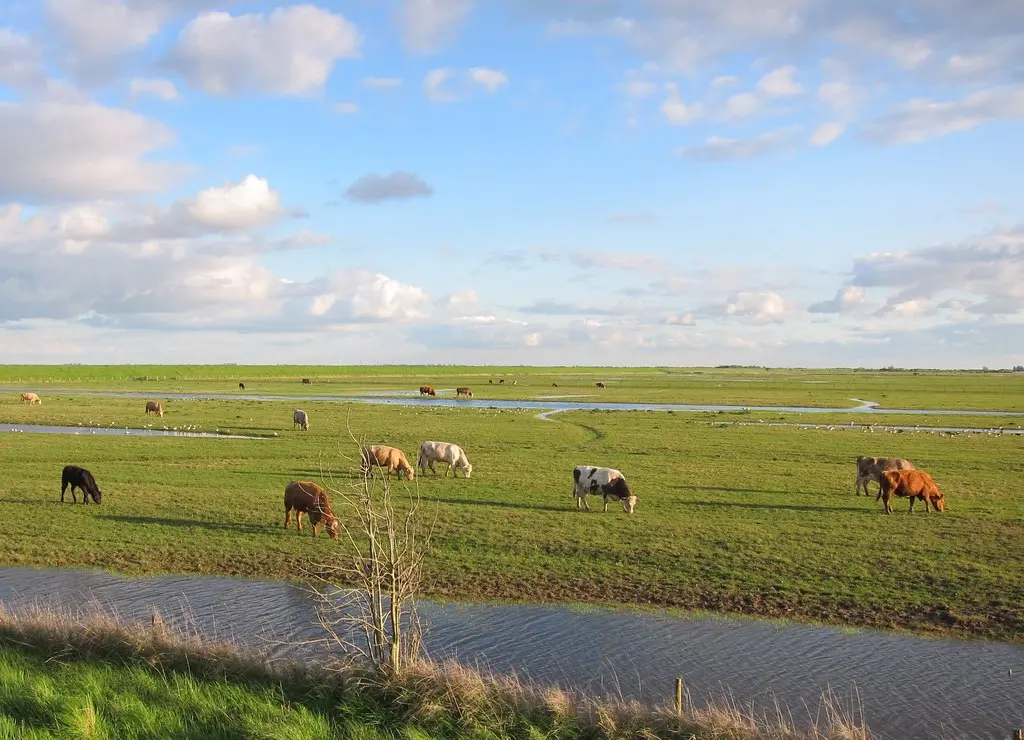
High-tide wader gatherings on the saline lagoon, with winter Brent Geese and Wigeon on the grassland.

Decide if the visit fits.
Freiston Shore at a glance
Last checked 18 October 2026.
RSPB notice checked 18 October 2026: the reserve has reopened after improvement works; original paths and hide are open, while the new path, hide and viewing screen are not yet open. Follow current signs.
- Open
- Dawn–dusk on reopened original paths and hide; follow access notices.More about open
- Price / parking
- Free reserve entry; parking £2.50 non-members / free for RSPB members.More about price / parking
- Best time
- Winter wildfowl · spring breeding birds · autumn migrationMore about best time
- Dogs
- Dogs are welcome on the trails, and assistance dogs are welcome…More about dogs
- Toilets
- There are no toilets, café, shop or visitor centre at Freiston S…More about toilets
- Step-free
- The RSPB identifies one Blue Badge bay and notes loose sections…More about step-free
Opening and charges information · checked .
Stay nearby →On this page
Reserve overview
Reserve and habitat
High-tide wader gatherings on the saline lagoon, with winter Brent Geese and Wigeon on the grassland.
Eight checks for a smoother visit.
Planning your visit
Conditions change: check the operator and transport notices before travelling.
Best time to visit and seasonal birds
January: typically start at the Saline-lagoon hide for Teal and Pintail, then compare grazing Wigeon from the Wetland viewing platform during the short daylight window.
February: usually a useful winter wildfowl month. The Seawatching shelter gives the official offshore view for Eider and Red-breasted Merganser; a telescope helps with distant birds.
March: typically compare Brent Geese and Wigeon from the Wetland viewing platform with Skylarks along Lagoon Trail. The grassed bank can remain slippery after rain.
April: usually the change to spring waders becomes noticeable at the Saline-lagoon hide. Look for Avocet and Ringed Plover without approaching islands or leaving the public path.
May: typically spend an unhurried session at the Saline-lagoon hide for Ringed Plover, Avocet and passage Dunlin. County reports are a guide to recent movement, never a guarantee.
June: usually concentrate on Avocet and Ringed Plover from the Saline-lagoon hide, adding Yellowhammer along Lagoon Trail. Watch behaviour from the path without seeking nests.
July: typically summer waders remain worth watching from the Saline-lagoon hide. Skylarks along Lagoon Trail offer another subject when lagoon birds are distant or resting.
August: usually returning waders make the high-tide lagoon watch worthwhile. Compare Dunlin, Knot and Black-tailed Godwit from the Saline-lagoon hide rather than pushing closer to a resting flock.
September: typically choose a daylight high tide for the Saline-lagoon hide, checking Dunlin and Black-tailed Godwit. Wigeon usually begin to make the wet grassland another useful stop.
October: usually allow time at both the Saline-lagoon hide for waders and the Wetland viewing platform for Wigeon and returning Brent Geese; wind can make long exposed walks tiring.
November: typically the Wetland viewing platform suits Brent Geese and Wigeon, while Eider and Red-breasted Merganser justify the Seawatching shelter if visibility permits distant identification.
December: usually keep the route compact: Teal and Shelduck from the Saline-lagoon hide, then Tree Sparrows along Lagoon Trail. Leave before the published dusk closure.
Best conditions: Our choice is a daylight high-tide watch from the lagoon hide before a longer sea-bank walk. Typically wind and haze matter more than magnification for offshore Eider and Red-breasted Merganser, so keep the shelter as a separate optional session. The grass banks and stepped approaches are less straightforward after rain. Light and scope ratings are editorial; use the current signs while improvement works are being completed.
Opening times, entry and facilities
Admission prices checked 18 October 2026: adult and child reserve entry is free for members and non-members. The RSPB charges page lists parking as free for members and £2.50 for non-members; no advance booking is required. Its generic instruction to pay at a visitor centre conflicts with the facilities page, which explicitly says there is no visitor centre. Follow the actual on-site payment instructions rather than searching for a building that is not provided. Published reserve opening is dawn to dusk. Do not interpret the website’s automatic “closed” label as an explanation of the path network. Check the RSPB’s dated notices and weather before travelling, especially after significant coastal works or severe conditions.
Access times: Reserve: Dawn–dusk. Original paths and hide reopened; the new path, hide and viewing screen are not yet announced open. · Hides: Dawn–dusk for the reopened original hide. Confirm signed access to the other established structures; new facilities remain awaiting opening. · Car park: Dawn–dusk; unlit. · Dawn access: yes. Operator opening information.
Trails, hides and visit length
Freiston’s birdwatching centres on the saline lagoon, wet grassland, seawatching area and realigned saltmarsh. The RSPB describes eight kilometres of trails overall, with a Lagoon Trail of 1.8 kilometres, a Wetland Trail of 4.8 kilometres and a Realignment Trail of 4.6 kilometres. These are alternative or overlapping ways to explore, not distances to add together to calculate a single circuit. The lagoon hide, wetland platform and reservoir screen offer different viewing angles; watch the habitat from the permitted position instead of trying to follow a bird across grazing land. Two-hour plan, editorial suggestion: begin with a lagoon scan, spend a sustained session at its hide, then add the nearest permitted section of the grassland route. If high tide is the main purpose, give the lagoon most of the available time and leave the longer walk for another visit. Notice the way a flock changes position as the tide develops; a second look from the same seat can reveal more than a hurried circuit. Full-day plan, editorial suggestion: walk the longer wetland route first, take a packed-lunch break near the starting point, and arrange the second half of the day around the lagoon and safe coast-facing viewpoints. Choose the Realignment Trail as an alternative longer section when you particularly want to understand the restored saltmarsh. Keep enough daylight for the return and shorten the exposed part if wind or visibility makes observation difficult. Use the original network described on the current trail map and follow temporary instructions wherever they alter the usual route.
Where to watch
Use the linked reserve map and directions with current access notices. Species are typical seasonal targets. Light and telescope advice reflects our choice of viewpoint.
Saline-lagoon hideWinter · Spring · Summer · Autumn
The saline lagoon and high-tide resting waders
Original hide reopened; wheelchair space is provided. Do not confuse it with the new hide awaiting opening.
Winter: Wigeon, Teal, Pintail, Shelduck, Knot
Spring: Avocet, Ringed Plover, Dunlin
Summer: Avocet, Ringed Plover
Autumn: Black-tailed Godwit, Dunlin, Knot
Light: either. Scope: useful.
Tide: High tide usually concentrates waders on the lagoon.
Seawatching shelterWinter · Autumn
The Wash beyond the sea bank
Use the signed public route; sea-bank approaches include steps.
Winter: Eider, Red-breasted Merganser
Autumn: Eider
Light: either. Scope: essential.
Tide: The county guide recommends high tide for distant seawatching.
Wetland viewing platformWinter · Spring · Summer · Autumn
Grazing marsh and wet grassland
Accessed by steps; watch from the concrete track instead if steps are unsuitable.
Winter: Brent Goose, Wigeon
Spring: Skylark
Summer: Skylark
Autumn: Wigeon, Brent Goose
Light: either. Scope: useful.
Reservoir viewing screen
Freshwater reservoir and its margins
Variable-height viewing slots. Confirm current signed access after the improvement works; no species is assigned without sufficient regular seasonal evidence for this water.
Light: either. Scope: useful.
Lagoon TrailWinter · Spring · Summer · Autumn
Lagoon margins, grassed sea bank and adjoining open ground
Compacted granite approach; steps reach the grassed bank. Keep to the path and leave feeding birds space.
Winter: Tree Sparrow, Yellowhammer
Spring: Tree Sparrow, Skylark
Summer: Yellowhammer, Skylark
Autumn: Tree Sparrow, Yellowhammer
Light: either. Scope: not needed.
| Spot | Overlooks | Key species by season | Best light | Scope | Tide |
|---|---|---|---|---|---|
| Saline-lagoon hideOriginal hide reopened; wheelchair space is provided. Do not confuse it with the new hide awaiting opening. | The saline lagoon and high-tide resting waders | Winter: Wigeon, Teal, Pintail, Shelduck, Knot Spring: Avocet, Ringed Plover, Dunlin Summer: Avocet, Ringed Plover Autumn: Black-tailed Godwit, Dunlin, Knot | either | useful | High tide usually concentrates waders on the lagoon. |
| Seawatching shelterUse the signed public route; sea-bank approaches include steps. | The Wash beyond the sea bank | Winter: Eider, Red-breasted Merganser Autumn: Eider | either | essential | The county guide recommends high tide for distant seawatching. |
| Wetland viewing platformAccessed by steps; watch from the concrete track instead if steps are unsuitable. | Grazing marsh and wet grassland | Winter: Brent Goose, Wigeon Spring: Skylark Summer: Skylark Autumn: Wigeon, Brent Goose | either | useful | — |
| Reservoir viewing screenVariable-height viewing slots. Confirm current signed access after the improvement works; no species is assigned without sufficient regular seasonal evidence for this water. | Freshwater reservoir and its margins | — | either | useful | — |
| Lagoon TrailCompacted granite approach; steps reach the grassed bank. Keep to the path and leave feeding birds space. | Lagoon margins, grassed sea bank and adjoining open ground | Winter: Tree Sparrow, Yellowhammer Spring: Tree Sparrow, Skylark Summer: Yellowhammer, Skylark Autumn: Tree Sparrow, Yellowhammer | either | not needed | — |
Target species
Month chips show typical presence or our preferred viewing season. Choose birds that suit the time of your visit.
Headline birds
- AprMayJunJulAug
- OctNovDecJanFebMar
- JanFebMarAugSepOctNovDec
Regular birds
- AprMayJunJulAugSep
- SepOctNovDecJanFebMar
- SepOctNovDecJanFebMar
- OctNovDecJanFebMar
- OctNovDecJanFebMar
- OctNovDecJanFebMar
- Red-breasted MerganserSeawatching shelterSeawatching shelterNovDecJanFebMar
- Tree SparrowLagoon TrailLagoon TrailJanFebMarAprMayJunJulAugSepOctNovDec
- YellowhammerLagoon TrailLagoon TrailJanFebMarAprMayJunJulAugSepOctNovDec
- SkylarkLagoon TrailLagoon TrailJanFebMarAprMayJunJulAugSepOctNovDec
- JanFebMarAprMayAugSepOctNovDec
- JanFebMarAprMayJulAugSepOctNovDec
Tide planning
High tide usually pushes Wash waders onto the saline lagoon. Check the tide against reserve daylight hours and watch from the original hide or permitted paths; no operator minimum height or fixed arrival interval was found.
Accessibility and step-free routes
The RSPB identifies one Blue Badge bay and notes loose sections in the car park, with an entrance slope that can be difficult in winter. Its lagoon hide is about 250 metres from the parking area and includes a purpose-built wheelchair viewing space. The route begins on compacted granite, but access onto the grassed sea bank involves steps. A wetland viewing platform also uses steps; the reservoir screen has viewing openings at different heights. These distinctions matter when choosing the destination rather than simply deciding whether the whole reserve is “accessible”. The wetland route includes a wide concrete track and a grass section, with a step-free linear alternative that remains on the concrete. Benches are provided along the trails, but the RSPB describes them as lacking back supports. Contact the reserve for current ground and gate details if those affect your visit, describing your mobility equipment and preferred maximum distance. A short lagoon watch may be the more comfortable option than a complete bank-top circuit. Make a turning-point decision before fatigue or cold wind affects the return. Take particular care where grazing animals are present and allow others room to pass without leaving the established route.
Visitor facilities
There are no toilets, café, shop or visitor centre at Freiston Shore. Arrange a comfort stop before the reserve; the RSPB identifies Boston as the nearest toilet option. A picnic area near the car park and benches around the reserve provide places to pause. Bring food, drinking water and a bag for litter, along with enough clothing for a stationary coastal watch. Barbecues are not permitted at Freiston Shore. Bicycle racks are provided for visitors arriving under their own power.
Dog rules
Dogs are welcome on the trails, and assistance dogs are welcome throughout the reserve. Keep your dog under close control, follow posted restrictions and use a short lead near feeding or roosting birds and livestock. Choose a different stopping place if your presence makes a flock repeatedly raise its heads or move away.
Public transport and getting there
Boston is the nearest railway station; the RSPB describes it as about four miles from the reserve. Plan the rail journey with the current operator timetable and book a local taxi for the final transfer if you are not cycling. Agree the pickup point, return time and space for optics or mobility equipment before travelling. The official reserve location page does not identify a bus route reaching its entrance, so a through bus connection is not assumed here. National Cycle Route 1 passes through Boston, according to the reserve’s directions; it does not run straight to the hide. Map the final road approach separately and allow time to secure the bicycle before watching birds. On a day trip, work backwards from the train home and include the return transfer rather than treating the end of birdwatching as the moment you can board a train. A taxi booked for a precise high-tide finish still needs enough margin for walking back from the viewing area.
Useful bases for an early start.
Where to stay
Booking.com links are affiliate links: we may earn a commission at no extra cost to you. How these links work.
- 01
Boston
About 5.7 miles by road, roughly 12 minutes’ drive from the measured central base point; OSRM/OpenStreetMap estimate measured 18 October 2026, excluding live traffic, parking and walking.
Measured driving route · 2026-10-18. Map estimates exclude live traffic.
The closest town for rail connections and practical supplies.Find places to stay in Boston on Booking.com - 02
Spalding
About 20.5 miles by road, roughly 34 minutes’ drive from the measured central base point; OSRM/OpenStreetMap estimate measured 18 October 2026, excluding live traffic, parking and walking.
Measured driving route · 2026-10-18. Map estimates exclude live traffic.
An inland Lincolnshire base for a longer Wash visit.Find places to stay in Spalding on Booking.com - 03
Skegness
About 19.7 miles by road, roughly 37 minutes’ drive from the measured central base point; OSRM/OpenStreetMap estimate measured 18 October 2026, excluding live traffic, parking and walking.
Measured driving route · 2026-10-18. Map estimates exclude live traffic.
A coast-focused stay with other birdwatching days nearby.Find places to stay in Skegness on Booking.com
Explore Lincolnshire’s full guides and smaller birding sites
Official sightings, safety and contact
Contact the Lincolnshire Wash reserves team on 01205 724678 or lincolnshirewashreserves@rspb.org.uk. Specify Freiston Shore when asking about access because the team also covers other Wash reserves. Describe the trail or viewpoint you hope to use, and explain any equipment or group needs before committing to the journey. Parties of ten or more should discuss a group visit with the operator. For wildlife disturbance or damaged infrastructure, supply a precise location and observation time while keeping your own distance from birds.
Recent bird sightings
Check Lincolnshire Bird Club: dated county sightings. most days Reports show what has been seen, not what will be.
- Lincolnshire Bird Club: dated county sightingscounty club or recorder · updated most days
Birding sources
- RSPB Freiston reopening notice and seasonal species
- RSPB existing hides, viewpoints and trail access
- RSPB Freiston daylight opening
- Lincolnshire Bird Club site guide and annotated site map
- Lincolnshire Bird Club May 2026 Freiston records
- Lincolnshire Bird Club August 2026 reports
- RSPB Black-tailed Godwit: Freiston named as a site
- RSPB Knot: Freiston named as a site
- UKHO prediction station catalogue
- Lincolnshire Bird Club3July2026: Wood Sandpiper at Freiston Reservoir
Follow the BTO Birders’ Code and give wildlife space.
Questions visitors ask
Is Freiston Shore free to visit?
Freiston Shore: Free reserve entry; parking £2.50 non-members / free for RSPB members.
Can I take my dog to Freiston Shore?
Freiston Shore: Dogs are welcome on the trails, and assistance dogs are welcome throughout the reserve.
When is the best time to visit Freiston Shore?
Freiston Shore: Winter wildfowl · spring breeding birds · autumn migration.
Is Freiston Shore accessible for wheelchairs?
Freiston Shore: Its lagoon hide is about 250 metres from the parking area and includes a purpose-built wheelchair viewing space.
How do I get to Freiston Shore without a car?
Freiston Shore: Boston is the nearest railway station; the RSPB describes it as about four miles from the reserve.
Best months for this reserve
Nearby complete guides.
Bird reserves
Stops with a purpose: use one as a contrasting habitat or weather-proof Plan B. Distances are straight-line estimates, not road journeys.
- About 3 miles away · A familiar habitatRSPB Frampton MarshSpring and autumn passage · summer Avocets · winter ducks and geese
- About 14 miles away · A familiar habitatGibraltar Point National Nature ReserveSpring seabirds · autumn migration · winter coast
- About 17 miles away · A useful habitat changeRSPB SnettishamLate summer–winter