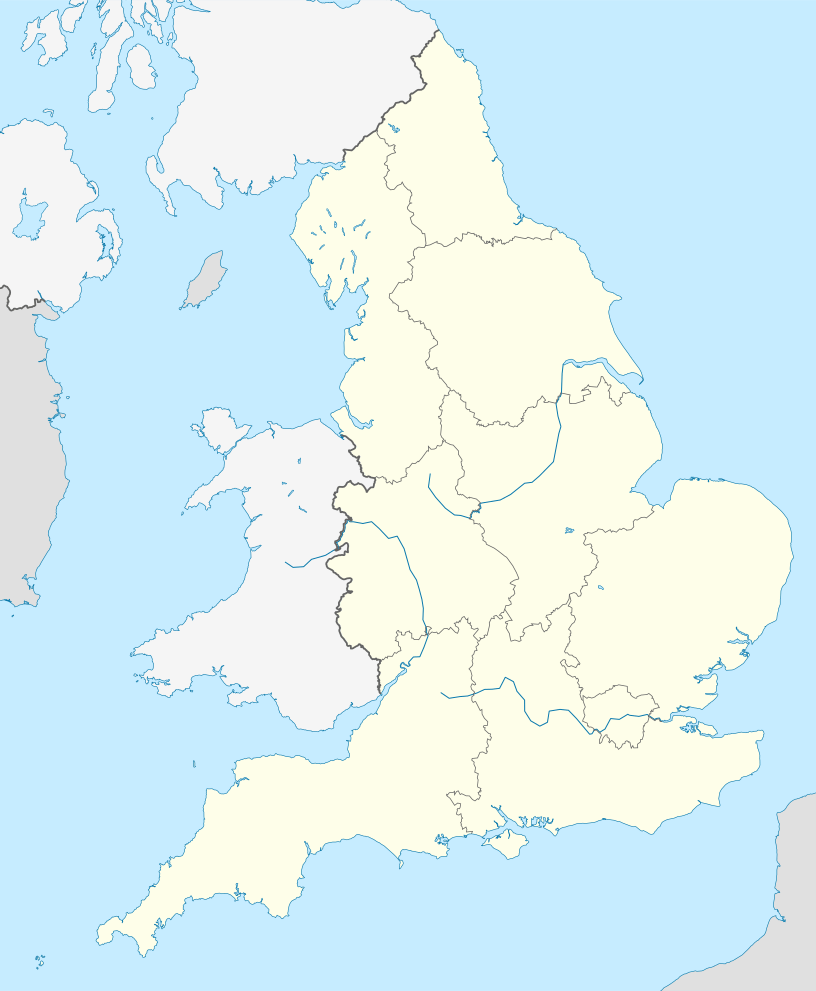

Short entry11.1 miles away
Anderby Marsh
Anderby Creek and Wolla Bank, Lincolnshire coast · Coastal grazing marsh, reedbed and shallow water
 the ai birderBirding near me
The AI Birder · one-page field sheet
Skegness, Lincolnshire, England · PE24 4SU · PE24 4SU

Brent Goose · Knot · Dunlin · Grey Plover · Oystercatcher · Sanderling
North Hide · Fenella Hope Hide · Harvey’s Hide · Jackson’s Hide · Mere Hide · Fenland Lagoon public path · Wash Viewpoint (Lill’s Hut) · Mill Hill viewpoint · Visitor Centre viewing deck · West Dunes public paths
Check current access, hide closures and operator notices before travelling. Seasonal birds are possibilities, not promised sightings. Keep to authorised routes and give wildlife space.
Opening and charges checked 2026-10-18. Operator: https://www.lincstrust.org.uk/get-involved/top-reserves/gibraltar-point
Full guide and current source links: https://aibirder.co.uk/reserves/gibraltar-point-national-nature-reserve
EN 61 · Lincolnshire Wildlife Trust reserve guide
Skegness, Lincolnshire, England · PE24 4SU
High-tide waders and migrating birds across a varied coast at the mouth of the Wash.
Decide if the visit fits.
Last checked 18 October 2026.
Opening and charges information · checked .
Stay nearby →Reserve overview
High-tide waders and migrating birds across a varied coast at the mouth of the Wash.
Eight checks for a smoother visit.
Conditions change: check the operator and transport notices before travelling.
January: typically split the visit between Wigeon and Teal at North Hide and high-tide Knot and Dunlin from Wash Viewpoint (Lill’s Hut). Do not approach birds resting on the foreshore.
February: usually winter wildfowl remain a strong starting point. Compare Shoveler at North Hide with Pintail from Mere Hide, checking the latest reports rather than assuming yesterday’s bird remains.
March: typically Avocets begin to feature on Tennyson’s Sands from North Hide. Chiffchaffs add a different search along West Dunes public paths as migration gathers pace.
April: usually use North Hide for Avocet and Black-tailed Godwit, then West Dunes public paths for Blackcap and Willow Warbler. No access to the seasonal shorebird sanctuary is implied.
May: typically compare Greenshank on Fenland Lagoon from its public path with Ruff from Harvey’s Hide. Little Terns may fish within view of Wash Viewpoint (Lill’s Hut); watch without approaching the colony.
June: usually give Harvey’s Hide time for Spoonbill and Little Ringed Plover on the wetland, adding Skylarks from Mill Hill viewpoint. Summer water levels can alter which pool holds birds.
July: typically early returning waders include Green Sandpiper from Mere Hide, with Black-tailed Godwits at North Hide. Read the observatory’s pool names carefully before deciding which stop to favour.
August: usually allow both a wetland and a scrub session: Spoonbills from Fenella Hope Hide, then Willow Warblers or a passing Whinchat along West Dunes public paths. Arrival conditions differ sharply between days.
September: typically migration offers choices rather than certainties. Greenshanks at Fenland Lagoon public path and Knot from Wash Viewpoint (Lill’s Hut) make a practical pairing when the tide falls within daylight.
October: usually combine Redwings along West Dunes public paths with returning Brent Geese from Wash Viewpoint (Lill’s Hut). Change plans if strong wind or flooding makes an exposed path unsuitable.
November: typically Shoveler and Teal at North Hide provide a sheltered alternative to the coast, while Grey Plover and Dunlin can be watched from Wash Viewpoint (Lill’s Hut) at a suitable daylight tide.
December: usually keep enough daylight for both North Hide wildfowl and Fieldfares along West Dunes public paths. Finish before the car parks close at dusk, even though the main reserve page describes wider access.
Best conditions: Our choice is to combine a daylight high tide at an official coastal viewpoint with an unhurried freshwater-hide session. Typically a calm early walk makes migrant calls easier to locate in dune scrub; an easterly can bring arrivals, but does not guarantee a fall. Flooded paths, strong winds and tidal creeks can make shortcuts unsafe. Light and scope ratings are editorial. Follow the seasonal sanctuary barriers and the current closure of the Boston coast-path extension.
Visit details checked 18 October 2026: the Trust lists parking at £2 for two hours or £5 all day, valid in both the North and visitor-centre car parks. North takes card only; the visitor-centre machines take cash or card. The reserve is described as open at all times, but car parks close at dusk. No separate general trail admission tariff is listed. The detailed page gives centre and café hours of 10am–4pm daily, 1 April–31 October, and 10am–3pm daily, 1 November–31 March; the kitchen closes thirty minutes earlier. The short reserve listing instead says the summer café closes at 3.30pm, so the official pages conflict. Plan a meal before 3.30pm and confirm directly if a later café stop matters. Check the current notices before travelling, especially in bad weather when indoor facilities may close early.
Access times: Reserve: The main operator page says open at all times; the access leaflet says dawn–dusk. Plan a daylight visit and follow current signs. · Hides: No separate current hide locking schedule is published; use daylight and follow signs or closures. Visitor Centre deck is available during centre opening. · Car park: Car parks close at dusk. · Dawn access: partly. Operator opening information.
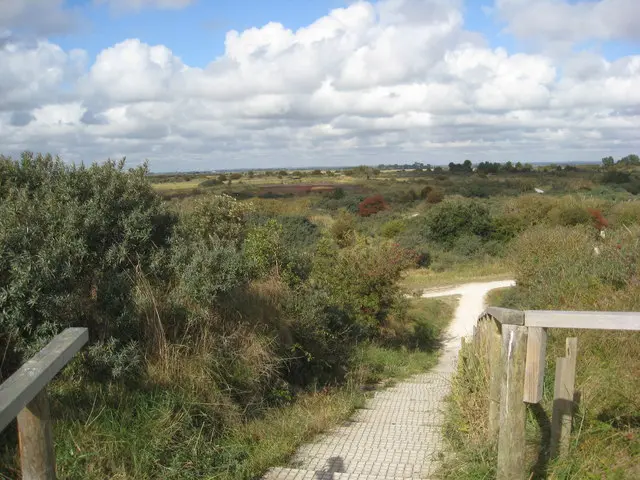
Gibraltar Point’s signed paths connect freshwater wetland, dune, scrub and saltmarsh viewpoints. Use the Trust’s reserve map to choose a route from your parking area rather than trying to cover the full coast on a first visit. Tennyson’s Sands and the freshwater hide network provide a different kind of watching from the shore, with feeding and resting birds sometimes easier to study at relatively modest distances. The open coastal viewpoints help explain how the reserve connects with the wider Wash, but they also require a more cautious response to tide and weather. Two-hour plan, editorial suggestion: choose the freshwater hides nearest your starting point, give the best one a substantial watch and add a short signed section towards the dunes. This balances habitat variety with time to observe. If high tide is the main reason for visiting, make that session the centre of the itinerary and allow extra arrival time instead of trying to squeeze it between unrelated stops. Full-day plan, editorial suggestion: begin with a slow morning walk through the scrub and dunes, pause at freshwater hides, then take a food break near the visitor facilities. Use the afternoon for a tide-appropriate watch and finish by revisiting a sheltered pool. Keep your return within the car-park arrangements. Gibraltar Point Bird Observatory monitors migration across a defined area; arrange a visit or attend an advertised event to learn about its work. Use organised events or a direct enquiry if you want to learn about ringing, and stay away from nets or work areas unless invited. The public trails provide the independent birdwatching visit; observatory activity adds context without conferring access to every part of the site.
Use the linked reserve map and directions with current access notices. Species are typical seasonal targets. Light and telescope advice reflects our choice of viewpoint.
Tennyson’s Sands and the view towards Croft Marsh
Follow the public hide path; use the access leaflet and current signs for gradients and door clearance.
Winter: Wigeon, Teal, Shoveler, Tufted Duck
Spring: Avocet, Black-tailed Godwit
Summer: Avocet, Black-tailed Godwit, Spoonbill
Autumn: Black-tailed Godwit, Greenshank, Spotted Redshank
Light: either. Scope: useful.
Tennyson’s Sands pools and reed fringes
Follow current public hide access; the operator map uses hide symbols rather than names.
Winter: Teal, Shoveler
Spring: Avocet, Black-tailed Godwit
Summer: Spoonbill
Autumn: Spoonbill, Black-tailed Godwit
Light: either. Scope: useful.
Tennyson’s Sands and Moat Scrape
Watch from the public hide; no reed-edge approach or playback.
Winter: Water Rail, Teal
Spring: Black-tailed Godwit, Ruff
Summer: Spoonbill, Little Ringed Plover
Autumn: Ruff, Black-tailed Godwit
Light: either. Scope: useful.
Jackson’s Marsh and a distant part of Tennyson’s Sands
Named in the observatory’s August2025 access commentary; follow signed access rather than crossing marsh.
Winter: Wigeon, Pintail
Spring: Shoveler, Avocet
Autumn: Greenshank, Black-tailed Godwit
Light: either. Scope: useful.
The Mere freshwater pool
Current observatory reports use this hide name; paths may be wet after heavy rain.
Winter: Pintail, Little Grebe
Spring: Little Grebe
Summer: Green Sandpiper
Autumn: Green Sandpiper
Light: either. Scope: useful.
Fenland Lagoon from the permitted path and signed watching points
Older reports mention lagoon hides, but their current individual names and access were not confirmed. Use signed public viewpoints only.
Winter: Little Grebe
Spring: Greenshank
Summer: Greenshank
Autumn: Greenshank
Light: either. Scope: useful.
The Wash, saltmarsh and tidal shoreline
Remain in the public viewpoint; never cross tidal creeks or approach resting flocks.
Winter: Brent Goose, Knot, Dunlin, Grey Plover, Hen Harrier
Spring: Oystercatcher, Sanderling, Hen Harrier
Summer: Little Tern
Autumn: Knot, Dunlin, Bar-tailed Godwit, Hen Harrier
Light: either. Scope: essential.
Tide: High tide can concentrate waders; watch from a safe official viewpoint.
Coastal scrub, saltmarsh and passing birds
Use the signed path; the current Boston coast-path extension is closed pending bridge construction.
Winter: Brent Goose
Spring: Cetti’s Warbler, Chiffchaff
Summer: Skylark, Cetti’s Warbler
Autumn: Meadow Pipit
Light: either. Scope: useful.
A broad view across dunes, coast and saltmarsh
Stairs reach the deck; it is not wheelchair accessible. Centre opening hours apply.
Winter: Brent Goose
Summer: Skylark
Autumn: Meadow Pipit
Light: either. Scope: useful.
Dune scrub and visible migration overhead
Keep to public paths and away from ringing operations; do not enter closed sanctuary areas.
Winter: Redwing, Fieldfare
Spring: Chiffchaff, Blackcap
Summer: Whitethroat
Autumn: Redstart, Whinchat, Willow Warbler
Light: either. Scope: not needed.
| Spot | Overlooks | Key species by season | Best light | Scope | Tide |
|---|---|---|---|---|---|
| North HideFollow the public hide path; use the access leaflet and current signs for gradients and door clearance. | Tennyson’s Sands and the view towards Croft Marsh | Winter: Wigeon, Teal, Shoveler, Tufted Duck Spring: Avocet, Black-tailed Godwit Summer: Avocet, Black-tailed Godwit, Spoonbill Autumn: Black-tailed Godwit, Greenshank, Spotted Redshank | either | useful | — |
| Fenella Hope HideFollow current public hide access; the operator map uses hide symbols rather than names. | Tennyson’s Sands pools and reed fringes | Winter: Teal, Shoveler Spring: Avocet, Black-tailed Godwit Summer: Spoonbill Autumn: Spoonbill, Black-tailed Godwit | either | useful | — |
| Harvey’s HideWatch from the public hide; no reed-edge approach or playback. | Tennyson’s Sands and Moat Scrape | Winter: Water Rail, Teal Spring: Black-tailed Godwit, Ruff Summer: Spoonbill, Little Ringed Plover Autumn: Ruff, Black-tailed Godwit | either | useful | — |
| Jackson’s HideNamed in the observatory’s August2025 access commentary; follow signed access rather than crossing marsh. | Jackson’s Marsh and a distant part of Tennyson’s Sands | Winter: Wigeon, Pintail Spring: Shoveler, Avocet Autumn: Greenshank, Black-tailed Godwit | either | useful | — |
| Mere HideCurrent observatory reports use this hide name; paths may be wet after heavy rain. | The Mere freshwater pool | Winter: Pintail, Little Grebe Spring: Little Grebe Summer: Green Sandpiper Autumn: Green Sandpiper | either | useful | — |
| Fenland Lagoon public pathOlder reports mention lagoon hides, but their current individual names and access were not confirmed. Use signed public viewpoints only. | Fenland Lagoon from the permitted path and signed watching points | Winter: Little Grebe Spring: Greenshank Summer: Greenshank Autumn: Greenshank | either | useful | — |
| Wash Viewpoint (Lill’s Hut)Remain in the public viewpoint; never cross tidal creeks or approach resting flocks. | The Wash, saltmarsh and tidal shoreline | Winter: Brent Goose, Knot, Dunlin, Grey Plover, Hen Harrier Spring: Oystercatcher, Sanderling, Hen Harrier Summer: Little Tern Autumn: Knot, Dunlin, Bar-tailed Godwit, Hen Harrier | either | essential | High tide can concentrate waders; watch from a safe official viewpoint. |
| Mill Hill viewpointUse the signed path; the current Boston coast-path extension is closed pending bridge construction. | Coastal scrub, saltmarsh and passing birds | Winter: Brent Goose Spring: Cetti’s Warbler, Chiffchaff Summer: Skylark, Cetti’s Warbler Autumn: Meadow Pipit | either | useful | — |
| Visitor Centre viewing deckStairs reach the deck; it is not wheelchair accessible. Centre opening hours apply. | A broad view across dunes, coast and saltmarsh | Winter: Brent Goose Summer: Skylark Autumn: Meadow Pipit | either | useful | — |
| West Dunes public pathsKeep to public paths and away from ringing operations; do not enter closed sanctuary areas. | Dune scrub and visible migration overhead | Winter: Redwing, Fieldfare Spring: Chiffchaff, Blackcap Summer: Whitethroat Autumn: Redstart, Whinchat, Willow Warbler | either | not needed | — |
Month chips show typical presence or our preferred viewing season. Choose birds that suit the time of your visit.
The operator recommends high tides for large wader flocks. Watch from official viewpoints and keep away from tidal creeks and resting birds; no operator minimum tide height or fixed advance-arrival interval was found.
The Trust’s Countryside for All map gives route-specific information about surfaces, gradients, cross-slopes, gates, steps and seating. Use it to select a suitable loop and identify where you would turn back; general descriptions of level paths do not settle every individual access question. Most paths are described as accessible to wheelchairs, pushchairs and mobility scooters, though wet conditions can affect the ground. Some hides provide wheelchair access, so ask which destination best matches your equipment and preferred viewing height. The visitor centre and café are accessible to wheelchair users, but the rooftop viewing deck is reached only by stairs. Do not make that upper viewpoint essential to your birdwatching day if you need step-free access. The centre team participates in the Sunflower Scheme for hidden disabilities. Explain sensory preferences, fatigue limits or assistance needs in advance so a quiet route or visiting period can be suggested. An accessible toilet and designated parking are listed. A shorter route with a sustained seated hide watch can give a richer experience than a long coastal loop that uses all your stamina getting between viewpoints.
The visitor centre contains a café, gift shop and wildlife information, with toilets and baby changing available. Picnic areas provide an option for visitors carrying their own food. The Old Coastguard Station offers information and nature activities when staffed. Carry water for longer walks and keep a warm layer available for sitting still. Use a lens cover against windblown grit rather than repeatedly cleaning exposed glass on the shore. Take litter home and avoid leaving scraps where they attract scavengers.
Dogs must stay on a short lead throughout the reserve. The beach and foreshore exclude dogs from 1 April to 1 September; follow the posted boundary and exact seasonal signs. Dogs may use the visitor centre’s outside veranda, while only guide and assistance dogs are permitted indoors. Keep clear of grazing animals and resting bird flocks.
Skegness has the nearest rail and bus stations, according to the Trust. Lincolnshire Callconnect serves the area and lists Gibraltar among its destinations; this is a bookable demand-responsive service, not a fixed route that can be assumed to arrive at a regular minute past each hour. The operator publishes Monday–Friday service hours of 7am–7pm and Saturday hours of 8am–6pm. Register and request both legs of the journey, explaining that you need the reserve visitor-centre access point and giving any mobility-aid requirements. The reserve also identifies a cycle track alongside Gibraltar Road to the centre, where cycle racks are provided. Cycling within the reserve itself is not allowed. A pre-arranged taxi from Skegness is another final connection when Callconnect cannot offer your required times. In each case leave room between the end of a hide watch and the onward train: walking back across the reserve is part of the transfer. Save the confirmed pickup details and a route map rather than relying on mobile coverage beside the shore.
Useful bases for an early start.
Booking.com links are affiliate links: we may earn a commission at no extra cost to you. How these links work.
About 3.7 miles by road, roughly 10 minutes’ drive from the measured central base point; OSRM/OpenStreetMap estimate measured 18 October 2026, excluding traffic, parking and walking.
Measured driving route · 2026-10-18. Map estimates exclude live traffic.
The shortest measured transfer and rail access.Find places to stay in Skegness on Booking.comAbout 9.1 miles by road, roughly 19 minutes’ drive from the measured central base point; OSRM/OpenStreetMap estimate measured 18 October 2026, excluding traffic, parking and walking.
Measured driving route · 2026-10-18. Map estimates exclude live traffic.
An inland small-town base on the Poacher Line.Find places to stay in Wainfleet All Saints on Booking.comAbout 8.0 miles by road, roughly 18 minutes’ drive from the measured central base point; OSRM/OpenStreetMap estimate measured 18 October 2026, excluding traffic, parking and walking.
Measured driving route · 2026-10-18. Map estimates exclude live traffic.
A quieter inland base west of the coastal resort.Find places to stay in Burgh le Marsh on Booking.comExplore Lincolnshire’s full guides and smaller birding sites
For the visitor centre the Trust publishes 01754 898057 and gibvc@lincstrust.co.uk; reserve and wildlife enquiries use gibnnr@lincstrust.co.uk. Groups must request the specific Gibraltar Point visit form well ahead, with the detailed page asking for at least two months’ notice. Explain if your interest is the observatory’s monitoring or a guided activity so it can be separated from ordinary trail access. Callconnect bookings use 0345 2343344. Keep your actual visit date and chosen pickup point to hand when discussing transport.
Check Gibraltar Point Bird Observatory: dated reserve bird reports. most days Reports show what has been seen, not what will be.
Follow the BTO Birders’ Code and give wildlife space.
Gibraltar Point National Nature Reserve: Parking £2/2h or £5/day; no separate general trail admission tariff listed.
Gibraltar Point National Nature Reserve: Dogs must stay on a short lead throughout the reserve.
Gibraltar Point National Nature Reserve: Spring seabirds · autumn migration · winter coast.
Gibraltar Point National Nature Reserve: Use it to select a suitable loop and identify where you would turn back; general descriptions of level paths do not settle every individual access question.
Gibraltar Point National Nature Reserve: Skegness has the nearest rail and bus stations, according to the Trust.
Shorter stops within 15 miles in a straight line. Use the operator’s arrival directions for the journey.
Anderby Creek and Wolla Bank, Lincolnshire coast · Coastal grazing marsh, reedbed and shallow water
Holme-next-the-Sea · wetland · grassland
Holme-next-the-Sea · coast · wetland · scrub
Holme-next-the-Sea, near Hunstanton · Coast · Grassland · Woodland
Near Huttoft Car Terrace, Lincolnshire coast · Freshwater pit, reedbed and wet margins
Between Ringstead and Hunstanton · Grassland · Woodland
Nearby complete guides.
Stops with a purpose: use one as a contrasting habitat or weather-proof Plan B. Distances are straight-line estimates, not road journeys.