

SC 48 · NatureScot reserve guide
Isle of Rum National Nature Reserve
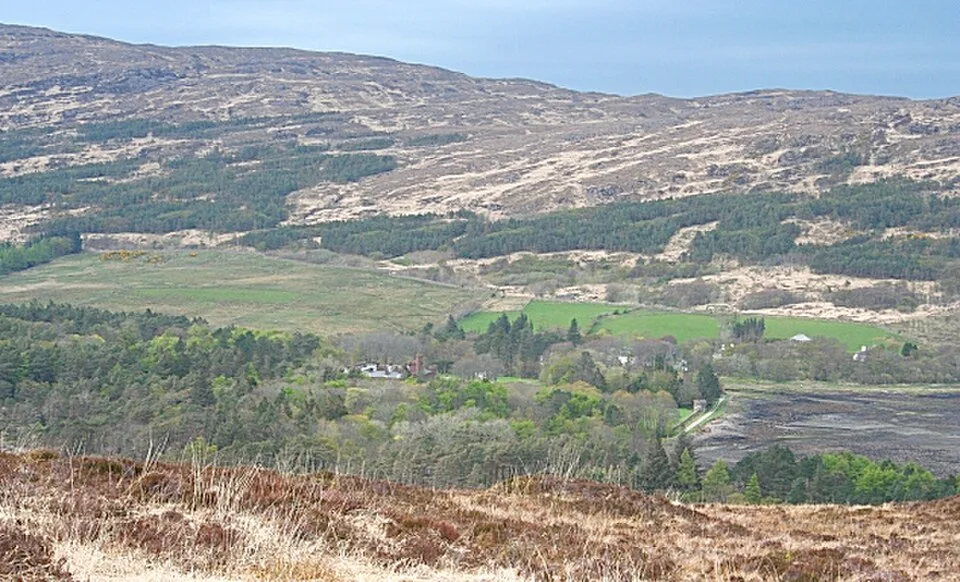
Isle of Rum, Small Isles, Scotland · mainland departure PH41 4QD
An island reserve for slow walking, sea watching and a spacious overnight stay.

Decide if the visit fits.
Isle of Rum National Nature Reserve at a glance
Last checked 18 October 2026.
- Open
- Reserve open all year; ferry timetable and weather govern arrival.More about open
- Price / parking
- CalMac Mallaig–Rum £5.90 adult single/£11.80 return; child £2.95/£5.90.More about price / parking
- Best time
- Spring and summer wildlife · autumn deer · Manx shearwaters offs…More about best time
- Dogs
- Agree dog arrangements with CalMac and your accommodation provid…More about dogs
- Toilets
- NatureScot lists public toilets at the village campsite and vill…More about toilets
- Step-free
- The key access decision begins before arrival: discuss the CalMa…More about step-free
Opening and charges information · checked .
Stay nearby →On this page
Reserve overview
Isle of Rum reserve and habitat
An island reserve for slow walking, sea watching and a spacious overnight stay.
Eight checks for a smoother visit.
Planning your visit to Isle of Rum
Conditions change: check the operator and transport notices before travelling.
Isle of Rum best time to visit and seasonal birds
January: usually look for Eider from Kinloch shore road. Ferry availability and short daylight determine whether this is a practical day visit; keep a weather contingency. February: usually look for Curlew from Otter Hide. Ferry availability and short daylight determine whether this is a practical day visit; keep a weather contingency. March: usually look for Greylag Goose from Kinloch shore road. Combine a quiet shore watch with the public Kinloch paths. Eagles are sensitive targets without published locations; do not seek hill lochans or shearwater burrows. April: usually look for Chiffchaff from Kinloch woodland public paths. Combine a quiet shore watch with the public Kinloch paths. Eagles are sensitive targets without published locations; do not seek hill lochans or shearwater burrows. May: usually look for Cuckoo from Kinloch woodland public paths. Combine a quiet shore watch with the public Kinloch paths. Eagles are sensitive targets without published locations; do not seek hill lochans or shearwater burrows. June: usually look for Willow Warbler from Kinloch woodland public paths. Combine a quiet shore watch with the public Kinloch paths. Eagles are sensitive targets without published locations; do not seek hill lochans or shearwater burrows. July: usually look for Sedge Warbler from Kinloch woodland public paths. Combine a quiet shore watch with the public Kinloch paths. Eagles are sensitive targets without published locations; do not seek hill lochans or shearwater burrows. August: usually look for Oystercatcher from Kinloch shore road. Combine a quiet shore watch with the public Kinloch paths. Eagles are sensitive targets without published locations; do not seek hill lochans or shearwater burrows. September: usually look for Curlew from Kinloch shore road. Combine a quiet shore watch with the public Kinloch paths. Eagles are sensitive targets without published locations; do not seek hill lochans or shearwater burrows. October: usually look for Robin from Kinloch woodland public paths. Combine a quiet shore watch with the public Kinloch paths. Eagles are sensitive targets without published locations; do not seek hill lochans or shearwater burrows. November: usually look for Eider from Otter Hide. Ferry availability and short daylight determine whether this is a practical day visit; keep a weather contingency. December: usually look for Wren from Kinloch woodland public paths. Ferry availability and short daylight determine whether this is a practical day visit; keep a weather contingency.
Best conditions: Usually favour a calm, clear day for shore watching and ferry travel. Strong wind can disrupt sailings independently of the weather in Kinloch. Woodland paths offer a more sheltered short visit than exposed mountains. Overnight visitors should leave spare time for disruption; no nocturnal colony visit is recommended.
Isle of Rum opening times, entry and facilities
Access information, checked 18 October 2026: NatureScot describes Rum as open throughout the year, with separate travel tickets needed to reach it. Kinloch Castle is closed to the public and tours are unavailable; its exterior can be viewed from the passing track. A ferry ticket does not include access to the castle. Visitor cars are not permitted on Rum, so make a foot-passenger plan and leave your vehicle on the mainland. Accommodation and camping require their own arrangements through the island providers. Check the current reserve advice, your accommodation confirmation and CalMac's service status before the journey, because weather or transport disruption can require a different arrival or departure.
Access times: Reserve: NatureScot states the reserve is open all year. Weather and booked boat services constrain arrival and departure. · Hides: Otter Hide is advertised, but a separate door-opening timetable is not published. Plan a daylight visit and follow any on-site closure. · Car park: Visitor cars are not permitted on Rum; mainland parking has separate arrangements and no gate hours are asserted here. · Dawn access: partly. Operator opening information.
Isle of Rum trails, hides and visit length
Use Kinloch as the starting point for a first birdwatching visit. The shore of Loch Scresort, the paths near the settlement and the woodland give you several habitats without treating Rum as a summit expedition. Move quietly between open water and trees, and watch each edge long enough for birds to resume feeding. NatureScot identifies an official wildlife hide through the woodland south of the main pier; use its signed approach and view any wildlife from inside or an established path. The mountain interior is a different undertaking from an afternoon stroll and should be planned with suitable maps, equipment and experience. Two-hour plan, editorial suggestion: after landing, establish the return arrangements, walk towards Kinloch and spend the first part of your visit on a relaxed shore-and-woodland circuit. Keep the outward leg short enough to leave an unhurried return to the pier. A ferry connection should never depend on abandoning a distant walk at exactly the right minute. Full-day plan, editorial suggestion: begin with a quiet Kinloch woodland watch, take lunch near your accommodation or an agreed public stopping point, then use the afternoon for another established route within your ability. Overnight visitors can finish with a safe shore watch if light and weather permit. Resist the temptation to add a remote mountain or nocturnal colony search. If the wind makes the open ground unpleasant, repeat the sheltered woodland and use the day to learn calls, feeding behaviour and the changing shoreline instead.
Where to watch at Isle of Rum
Use the linked reserve map and directions with current access notices. Species are typical seasonal targets. Light and telescope advice reflects our choice of viewpoint.
Kinloch shore roadWinter · Spring · Summer · Autumn
Loch Scresort shore and bay
Stay on the shore road, clear of ferry operations and feeding birds.
Winter: Eider, Oystercatcher, Curlew, Greylag Goose
Spring: Eider, Oystercatcher, Curlew, Red-throated Diver
Summer: Eider, Oystercatcher, Greylag Goose, Red-throated Diver
Autumn: Curlew, Greylag Goose, Red-throated Diver
Light: either. Scope: useful.
Otter HideWinter · Spring · Summer · Autumn
Loch Scresort from the south-side woods
Official hide about 1.5 km south of the main pier; woodland approach can be uneven.
Winter: Eider, Curlew
Spring: Eider, Oystercatcher
Summer: Eider, Oystercatcher
Autumn: Curlew, Greylag Goose
Light: either. Scope: useful.
Kinloch woodland public pathsWinter · Spring · Summer · Autumn
Woods and vegetation around Kinloch
Use public village and woodland paths; no hill-lochan or colony directions.
Winter: Wren, Robin
Spring: Chiffchaff, Willow Warbler, Cuckoo
Summer: Willow Warbler, Sedge Warbler, Cuckoo
Autumn: Wren, Robin
Light: either. Scope: not needed.
| Spot | Overlooks | Key species by season | Best light | Scope | Tide |
|---|---|---|---|---|---|
| Kinloch shore roadStay on the shore road, clear of ferry operations and feeding birds. | Loch Scresort shore and bay | Winter: Eider, Oystercatcher, Curlew, Greylag Goose Spring: Eider, Oystercatcher, Curlew, Red-throated Diver Summer: Eider, Oystercatcher, Greylag Goose, Red-throated Diver Autumn: Curlew, Greylag Goose, Red-throated Diver | either | useful | — |
| Otter HideOfficial hide about 1.5 km south of the main pier; woodland approach can be uneven. | Loch Scresort from the south-side woods | Winter: Eider, Curlew Spring: Eider, Oystercatcher Summer: Eider, Oystercatcher Autumn: Curlew, Greylag Goose | either | useful | — |
| Kinloch woodland public pathsUse public village and woodland paths; no hill-lochan or colony directions. | Woods and vegetation around Kinloch | Winter: Wren, Robin Spring: Chiffchaff, Willow Warbler, Cuckoo Summer: Willow Warbler, Sedge Warbler, Cuckoo Autumn: Wren, Robin | either | not needed | — |
Target species at Isle of Rum
Month chips show typical presence or our preferred viewing season. Choose birds that suit the time of your visit.
Headline birds
- Golden EagleFollow the operator’s sensitive-species advice.JanFebMarAprMayJunJulAugSepOctNovDec
- White-tailed EagleFollow the operator’s sensitive-species advice.JanFebMarAprMayJunJulAugSepOctNovDec
- Manx ShearwaterFollow the operator’s sensitive-species advice.MarAprMayJunJulAugSep
- AprMayJunJulAugSep
Regular birds
- JanFebMarAprMayJunJulAugSepOctNovDec
- JanFebMarAprMayJunJulAugSepOctNovDec
- JanFebMarAprMayJunJulAugSepOctNovDec
- JanFebMarAprMayJunJulAugSepOctNovDec
- AprMayJunJulAugSep
- AprMayJunJulAugSep
- MayJunJulAug
- AprMayJunJul
- JanFebMarAprMayJunJulAugSepOctNovDec
- JanFebMarAprMayJunJulAugSepOctNovDec
- JanFebMarAprMayJunJulAugSepOctNovDec
- Grey HeronKinloch shore roadKinloch shore roadJanFebMarAprMayJunJulAugSepOctNovDec
Tide planning
Watch the shore from the public road or hide as changing water exposes different feeding areas. Remain ashore and avoid disturbing birds. Predictions do not replace the booked ferry timetable, service updates or the skipper’s decisions.
Isle of Rum boat access and landing
Operator: Caledonian MacBrayne.
Booking opens: Choose the Small Isles outward and return sailings in CalMac’s published timetable and purchase the appropriate foot-passenger ticket. Use only the dates actually released by the operator.. Season: The Mallaig–Rum scheduled service is year-round; the day pattern and time ashore vary between the published seasonal timetables.. Fares: Use CalMac’s current Small Isles fare and ticket quotation for the chosen journey and passenger category. Accommodation, mainland parking and optional other boat services are separate costs..
Time ashore: Depends on the dated sailing pair. An overnight stay gives more flexibility than a short same-day call; confirm both travel legs before reserving accommodation.. Landing access: Visitors arrive at the Rum pier as foot passengers; visitor cars are not permitted. Arrange passenger assistance with CalMac before travel and discuss the onward track with your host.. Weather policy: CalMac publishes route-specific service information and cancellation guidance. Keep a weather contingency in your accommodation and onward travel plans, with additional food and medication for a delayed departure.
Isle of Rum accessibility and step-free routes
The key access decision begins before arrival: discuss the CalMac crossing, the pier and your intended accommodation together. A scheduled ferry can have passenger-assistance arrangements while the onward island track remains unsuitable for a particular wheelchair or mobility aid. Explain transfer needs, walking range and luggage requirements to both the ferry operator and the island host. Around Kinloch, natural and track surfaces can be uneven, wet or muddy, and the island's more ambitious walks require substantial stamina. NatureScot's visitor information points to routes of different lengths but does not make the whole reserve step-free. Choose a small, specific outing and establish where you can turn back without needing a circular route. Seating and shelter should be planned with your host, especially outside the main visitor season. In a mixed-ability party, make sure everyone can reach the agreed meal and return-ferry point independently of an optional walk. Carry medication and essential supplies in hand luggage rather than relying on access to a stored bag during the crossing.
Isle of Rum visitor facilities
NatureScot lists public toilets at the village campsite and village hall, at different walking distances from the ferry terminal. Use the island community's visitor information for current food, shop and accommodation arrangements, and bring enough provisions for the activities you have planned. A remote island benefits from a spare meal and an additional day's essential medication. Carry drinking water on every walk. Keep food sealed and inspect bags and boots before travelling to reduce the risk of bringing unwanted organisms onto the island.
Isle of Rum dog rules
Agree dog arrangements with CalMac and your accommodation provider before buying tickets, then follow the Scottish Outdoor Access Code ashore. Keep a dog close around livestock, deer and breeding birds, using a short lead wherever control would otherwise be uncertain. Dispose of waste properly and prevent any approach to ground-nesting habitat.
Isle of Rum public transport and getting there
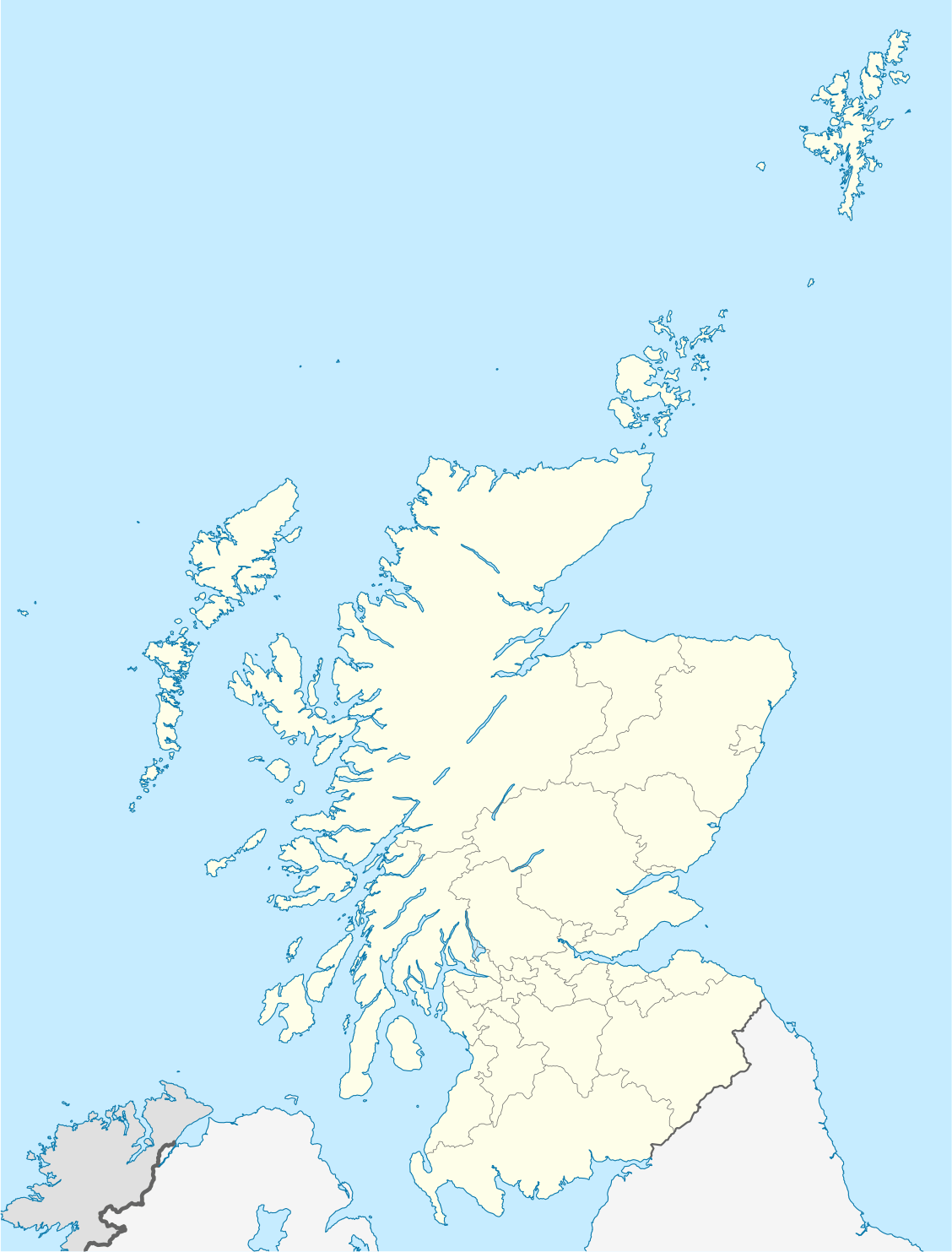
CalMac operates the principal Mallaig–Rum connection as part of the Small Isles service. Select the actual outward and return sailings together: different days can give different routes and lengths of time ashore. The crossing is an independent part of the journey, not included in the mainland drive estimates below. ScotRail's West Highland Line reaches Mallaig, making a rail-and-ferry trip realistic when the timetable fits; consider a mainland overnight if the connection is tight. NatureScot also links summer services from Arisaig and other specialist boat operators, but a different departure point needs its own confirmed ticket and return. Save your travel documents offline, arrive with time for the operator's check-in requirement and avoid booking an inflexible onward appointment immediately after the expected return. The displayed postcode identifies the Mallaig departure, while the map identifies Kinloch on Rum.
Useful bases for an early start.
Where to stay near Isle of Rum
Booking.com links are affiliate links: we may earn a commission at no extra cost to you. How these links work.
- 01
Mallaig
About 0.3 miles by road, roughly 1 minutes’ drive to Mallaig mainland departure; OSRM/OpenStreetMap estimate measured 18 October 2026. After the road journey from Mallaig, add check-in, the sea crossings and onward island travel for Isle of Rum National Nature Reserve.
Measured driving route · 2026-10-18. Map estimates exclude live traffic.
The easiest mainland start for an early scheduled ferry.Find places to stay in Mallaig on Booking.com - 02
Arisaig
About 7.3 miles by road, roughly 10 minutes’ drive to Mallaig mainland departure; OSRM/OpenStreetMap estimate measured 18 October 2026. After the road journey from Arisaig, add check-in, the sea crossings and onward island travel for Isle of Rum National Nature Reserve.
Measured driving route · 2026-10-18. Map estimates exclude live traffic.
A quieter mainland stay with a drive to the Mallaig departure.Find places to stay in Arisaig on Booking.com - 03
Fort William
About 42.9 miles by road, roughly 62 minutes’ drive to Mallaig mainland departure; OSRM/OpenStreetMap estimate measured 18 October 2026. After the road journey from Fort William, add check-in, the sea crossings and onward island travel for Isle of Rum National Nature Reserve.
Measured driving route · 2026-10-18. Map estimates exclude live traffic.
A rail-connected mainland base before the island journey.Find places to stay in Fort William on Booking.com
Explore Highland’s full guides and smaller birding sites
Isle of Rum official sightings, safety and contact
Contact NatureScot through the Rum reserve page for reserve matters, CalMac for the scheduled crossing and your island host for accommodation or luggage arrangements. Keep these responsibilities separate when asking a question so the right person can resolve it. Give the sailing date and route, not simply the island name, when checking a connection. Sensitive wildlife information belongs with the reserve team privately. Manx shearwater watching should remain at sea, at public shore viewpoints or on an explicitly operator-led activity.
Isle of Rum recent bird sightings
Check Highland Birds regional dated observations, including Rum. frequent regional updates; individual Rum records irregular Reports show what has been seen, not what will be.
- Highland Birds regional dated observations, including Rumcounty club or recorder · updated frequent regional updates; individual Rum records irregular
Birding sources
Follow the BTO Birders’ Code and give wildlife space.
Questions visitors ask
Is Isle of Rum National Nature Reserve free to visit?
Isle of Rum National Nature Reserve: CalMac Mallaig–Rum £5.90 adult single/£11.80 return; child £2.95/£5.90.
Can I take my dog to Isle of Rum National Nature Reserve?
Isle of Rum National Nature Reserve: Agree dog arrangements with CalMac and your accommodation provider before buying tickets, then follow the Scottish Outdoor Access Code ashore.
When is the best time to visit Isle of Rum National Nature Reserve?
Isle of Rum National Nature Reserve: Spring and summer wildlife · autumn deer · Manx shearwaters offshore.
Is Isle of Rum National Nature Reserve accessible for wheelchairs?
Isle of Rum National Nature Reserve: A scheduled ferry can have passenger-assistance arrangements while the onward island track remains unsuitable for a particular wheelchair or mobility aid.
How do I get to Isle of Rum National Nature Reserve without a car?
Isle of Rum National Nature Reserve: CalMac operates the principal Mallaig–Rum connection as part of the Small Isles service.
Best months for this reserve
Nearby complete guides.
Bird reserves near Isle of Rum
Stops with a purpose: use one as a contrasting habitat or weather-proof Plan B. Distances are straight-line estimates, not road journeys.
- About 28 miles away · A useful habitat changeIsle of Mull white-tailed eaglesSpring and summer for the widest choice of wildlife trips
- About 31 miles away · A useful habitat changeRSPB CollSeasonal wildlife throughout the year
- About 36 miles away · A useful habitat changeLunga and the Treshnish IslesSpring and summer for the widest choice of wildlife trips