

SC 33 · RSPB reserve guide
RSPB Coll
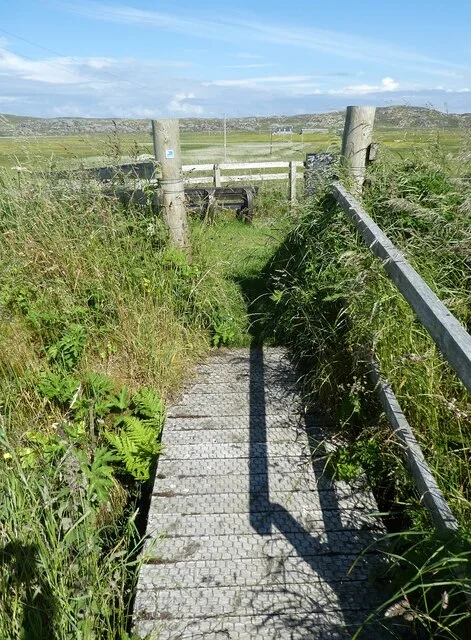
Totronald, Isle of Coll
Corncrakes heard from public areas and flower-rich machair
Decide if the visit fits.
RSPB Coll at a glance
Last checked 18 October 2026.
- Open
- Outdoor reserve open 24 hours; visitor centre listed closed on October calendar.More about open
- Price / parking
- Free reserve entry; separate parking tariff not published.More about price / parking
- Best time
- Seasonal wildlife throughout the yearMore about best time
- Dogs
- The reserve's dog rule is a lead at all times because it is mana…More about dogs
- Toilets
- There are no reserve toilets; the nearest provision identified b…More about toilets
- Step-free
- The information room is approached from a roughly surfaced publi…More about step-free
Opening and charges information · checked .
Stay nearby →On this page
Reserve overview
Coll reserve and habitat
Corncrakes heard from public areas and flower-rich machair
Eight checks for a smoother visit.
Planning your visit to Coll
Conditions change: check the operator and transport notices before travelling.
Coll best time to visit and seasonal birds
January: January usually favours a daylight farmland watch from the Totronald information-room bench for White-fronted Goose and Twite. The second official reserve bench can give a different view of winter geese. Stay well back from feeding flocks and choose a shorter outing if exposed island weather makes stationary watching uncomfortable.
February: In February, compare Barnacle Goose and White-fronted Goose from the official reserve benches, with Twite around farmland margins. If sea conditions suit, the permitted Hogh Bay beach route can offer Great Northern Diver offshore. A ferry cancellation or unsafe shore is a reason to alter the plan, not compress it.
March: March typically brings more Skylark song around the Totronald visitor area and Lapwing activity across the reserve’s wet grassland. Watch from the official benches. A safe Crossapol Bay shore watch can add Dunlin and Turnstone. Keep the route on existing tracks and give livestock and agricultural work ample space.
April: In April, the second official reserve bench offers a public position for Lapwing, Redshank and Skylark, while some winter geese may remain. Hogh Bay can add passage Dunlin where exposed shore is available. Any sensitive-bird interest should follow current RSPB advice; no field entry or search through rough grass is needed.
May: May is a good month for Skylark and Twite from the Totronald viewing bench and displaying waders from the second official bench. Arctic and Little Terns typically return during the warmer season and can be watched feeding from a permitted shore position. Keep away from breeding areas and use no playback.
June: June usually combines Skylark, Reed Bunting and Twite from the official visitor-area benches with feeding Arctic Tern or Little Tern from the permitted beach-route shore ends. A concealed calling bird should remain concealed. Do not follow adults carrying food, cross crops or leave the existing track to improve a photograph.
July: In July, try the Totronald bench for Twite and Reed Bunting, then choose a permitted shore watch for feeding terns if wind and swell allow. Manx Shearwater may pass offshore at Hogh Bay, often requiring a scope. Island birding still depends on the weather rather than a fixed daily species programme.
August: August typically offers family groups and changing flocks: Twite from the Totronald bench, Lapwing from the second official bench, and returning Sanderling or Dunlin from a safe Crossapol Bay position. Use the current suggested routes and avoid any gathering of resting birds, particularly when the tide limits available space.
September: September usually adds more passage interest. Alternate a Twite and Stonechat watch from the official visitor areas with Sanderling, Dunlin or Turnstone from a permitted beach-route shore end. Conditions can change quickly between exposed bays; choose one comfortable watch rather than trying to reach every part of the coast.
October: In October, look for returning Barnacle Goose and White-fronted Goose from the official reserve benches. Crossapol Bay may offer Sanderling and Dunlin, with Great Northern Diver a nearshore possibility. Check ferry arrangements and local weather before deciding the day’s distance, and leave a generous margin for the return transfer.
November: November usually makes geese the main attraction: use the Totronald information-room bench and second official bench for stationary observations. Hogh Bay may add Great Northern Diver in clear, manageable conditions. Do not walk towards flocks to move them into better light; let their feeding behaviour decide how long to watch.
December: December is a month for a flexible island plan. Try the official benches for White-fronted Goose, Barnacle Goose and Twite, adding a brief Hogh Bay sea scan for Great Northern Diver only in suitable weather. Confirm the return journey independently; the reserve’s 24-hour opening is not a guarantee of ferry or indoor facilities.
Best conditions: Our choice is a calm day with enough clear light to alternate farmland watching and a safe shore scan. The public benches let geese and small farmland birds continue feeding without repeated approaches. For distant divers or shearwaters, take a scope and choose a steady, dry position; strong wind and Atlantic swell can make a beach visit unhelpful even at a favourable predicted tide. Keep bright sun out of the sea-viewing angle and allow for ferry disruption.
Coll opening times, entry and facilities
The RSPB charges page checked on 18 October 2026 lists free admission for adults, children and seniors, whether members or non-members. The facilities page describes a small information room rather than a staffed visitor centre; do not rely on indoor access without confirmation for your date. There are two designated parking areas, one by the Totronald information room and another at the opposite end of the reserve. No separate parking price was stated in the official pages reviewed. Ferry travel is an additional booked journey, with costs and availability dependent on the sailing. Check the RSPB's current visitor guidance and CalMac service status before leaving for Coll. The reserve is working farmland, so access should fit around livestock and agricultural activity.
Access times: Reserve: RSPB October 2026 calendar lists the nature reserve open 24 hours; it is active farmland and responsible access remains essential. · Hides: No enclosed hide. Two official outdoor viewing benches; the calendar marks visitor centre closed and facilities describes an information room, so confirm indoor availability. · Car park: Two designated grass-surfaced parking areas, including Totronald Information Room; no separate current gate hours or overnight permission verified. · Dawn access: partly. Operator opening information.
Coll trails, hides and visit length
The RSPB suggests three unmarked walking routes from the two parking areas. Sheep and vehicle tracks lead towards beaches and other points of interest, with individual beach approaches described as around one mile each way. Carry the operator's route information and choose a walk that you can identify on the ground; an unmarked route deserves more attention than a signed boardwalk circuit. For corncrakes, use only the official visitor area and public roads in accordance with current RSPB guidance. Stay outside crops and rough grass, keep playback off and allow a calling bird to remain concealed. Roads are working island routes, so do not block passing places, gates or farm entrances with a telescope or vehicle. A hearing-only encounter is a successful visit. Two-hour plan: spend the first part of the visit at the official visitor area or an appropriate public roadside stopping point. Listen patiently, then choose a short permitted out-and-back for the wider farmland birds. Return before fatigue or weather makes the route uncomfortable, with no requirement to reach every beach. Full-day plan: use a morning farmland watch, a longer permitted coastal walk and a separate afternoon watch to experience the reserve's different habitats. Take lunch where it will not disturb feeding or resting birds. Allow for the return to your accommodation or ferry connection, and leave any field operation plenty of space. A day based on public routes offers rich wildlife without following sensitive breeding birds into their habitat.
Where to watch at Coll
Use the linked reserve map and directions with current access notices. Species are typical seasonal targets. Light and telescope advice reflects our choice of viewpoint.
Totronald information-room viewing benchWinter · Spring · Summer · Autumn
The reserve’s working farmland and rough grass margins
Official outdoor bench and grass/ramp approach; information room’s indoor access is not guaranteed. Do not enter crops or tall grass.
Winter: White-fronted Goose, Barnacle Goose, Twite, Merlin
Spring: Skylark, Reed Bunting, Twite, Corncrake, Merlin
Summer: Skylark, Reed Bunting, Twite, Corncrake
Autumn: Twite, Skylark, Greylag Goose, Merlin
Light: either. Scope: useful.
Second official reserve viewing benchWinter · Spring · Summer · Autumn
Wet grassland, farmland and the open reserve landscape
Use the official bench identified in the current reserve information; ask for the route leaflet on arrival rather than following a sensitive-bird report.
Winter: Barnacle Goose, White-fronted Goose
Spring: Lapwing, Redshank, Skylark
Summer: Lapwing, Redshank, Twite
Autumn: Lapwing, Twite, Stonechat
Light: either. Scope: useful.
Hogh Bay — permitted beach-route shore endWinter · Spring · Summer · Autumn
Sandy shore, nearshore water and open sea
Use the current suggested public beach route, keeping clear of livestock and all bird flocks; sandy unmarked tracks can be awkward.
Winter: Great Northern Diver, Turnstone, Sanderling
Spring: Dunlin, Arctic Tern
Summer: Arctic Tern, Little Tern, Manx Shearwater
Autumn: Sanderling, Dunlin, Turnstone
Light: either. Scope: essential.
Tide: Check local tides and swell; watch from dry ground with a safe return, not a shrinking strip of beach.
Crossapol Bay — permitted beach-route shore endWinter · Spring · Summer · Autumn
The sandy bay and adjacent nearshore water
Use only the operator’s suggested route and existing tracks. No nest approach, roost destination or shortcut through machair vegetation.
Winter: Sanderling, Dunlin, Great Northern Diver
Spring: Dunlin, Turnstone
Summer: Arctic Tern, Little Tern
Autumn: Sanderling, Dunlin, Turnstone
Light: either. Scope: useful.
Tide: A falling tide typically offers more exposed shore; high water and swell may remove the comfortable watching space.
| Spot | Overlooks | Key species by season | Best light | Scope | Tide |
|---|---|---|---|---|---|
| Totronald information-room viewing benchOfficial outdoor bench and grass/ramp approach; information room’s indoor access is not guaranteed. Do not enter crops or tall grass. | The reserve’s working farmland and rough grass margins | Winter: White-fronted Goose, Barnacle Goose, Twite, Merlin Spring: Skylark, Reed Bunting, Twite, Corncrake, Merlin Summer: Skylark, Reed Bunting, Twite, Corncrake Autumn: Twite, Skylark, Greylag Goose, Merlin | either | useful | — |
| Second official reserve viewing benchUse the official bench identified in the current reserve information; ask for the route leaflet on arrival rather than following a sensitive-bird report. | Wet grassland, farmland and the open reserve landscape | Winter: Barnacle Goose, White-fronted Goose Spring: Lapwing, Redshank, Skylark Summer: Lapwing, Redshank, Twite Autumn: Lapwing, Twite, Stonechat | either | useful | — |
| Hogh Bay — permitted beach-route shore endUse the current suggested public beach route, keeping clear of livestock and all bird flocks; sandy unmarked tracks can be awkward. | Sandy shore, nearshore water and open sea | Winter: Great Northern Diver, Turnstone, Sanderling Spring: Dunlin, Arctic Tern Summer: Arctic Tern, Little Tern, Manx Shearwater Autumn: Sanderling, Dunlin, Turnstone | either | essential | Check local tides and swell; watch from dry ground with a safe return, not a shrinking strip of beach. |
| Crossapol Bay — permitted beach-route shore endUse only the operator’s suggested route and existing tracks. No nest approach, roost destination or shortcut through machair vegetation. | The sandy bay and adjacent nearshore water | Winter: Sanderling, Dunlin, Great Northern Diver Spring: Dunlin, Turnstone Summer: Arctic Tern, Little Tern Autumn: Sanderling, Dunlin, Turnstone | either | useful | A falling tide typically offers more exposed shore; high water and swell may remove the comfortable watching space. |
Target species at Coll
Month chips show typical presence or our preferred viewing season. Choose birds that suit the time of your visit.
Headline birds
- JanFebMarAprMayJunJulAugSepOctNovDec
- JanFebMarAprMayJunJulAugSepOctNovDec
- JanFebMarAprOctNovDec
- MayJunJul
Regular birds
- JanFebMarAprMayJunJulAugSepOctNovDec
- JanFebMarAprOctNovDec
- JanFebMarAprMayJunJulAugSepOctNovDec
- MarAprMayJunJulAugSepOct
- MarAprMayJunJulAugSep
- JanFebMarAprMayJunJulAugSepOctNovDec
- Great Northern DiverHogh Bay — permitted beach-route shore endHogh Bay — permitted beach-route shore endJanFebMarAprOctNovDec
- SanderlingCrossapol Bay — permitted beach-route shore endCrossapol Bay — permitted beach-route shore endJanFebMarAprMayAugSepOctNovDec
- DunlinCrossapol Bay — permitted beach-route shore endCrossapol Bay — permitted beach-route shore endJanFebMarAprMayAugSepOctNovDec
- JanFebMarAprMayAugSepOctNovDec
- MayJunJulAug
- Little TernCrossapol Bay — permitted beach-route shore endCrossapol Bay — permitted beach-route shore endMayJunJulAug
- AprMayJunJulAugSep
Scarce but regular birds
- Hen HarrierFollow the operator’s sensitive-species advice.JanFebMarAprSepOctNovDec
- JanFebMarAprSepOctNovDec
Tide planning
No operator-published optimum tide or numeric threshold was found. Our choice is a safe dry shore position while falling water typically exposes feeding margins; keep clear of resting flocks and abandon a beach route before swell or high water compromises the return.
Coll accessibility and step-free routes
The information room is approached from a roughly surfaced public road, with a grass path and ramp into a building whose cobbled floor can be sand-covered. The RSPB mentions a drop-off point and clear-print information panels. These are specific features, not confirmation of a continuous accessible trail across the reserve. Grass-surfaced parking areas, sandy tracks and soft ground can be difficult for wheelchairs, mobility scooters and pushchairs, especially after rain. Speak to the reserve team about the surface between the drop-off and the visitor area, the width of the approach and whether your particular equipment is suitable. A public-road or stationary watch may be preferable to the beach routes for some visitors. For the sea journey, book assistance with CalMac and discuss boarding, seating and the onward transfer separately. The ability to board a large ferry does not establish that the reserve's unmarked paths are manageable. Plan rest stops around your own needs and take any essential medication or equipment with you. The official pages do not provide a graded accessible circuit or wheelchair hire service, so a short visit should be designed around a confirmed area rather than an assumed route.
Coll visitor facilities
The information room holds leaflets, trail maps, sightings and event information when accessible. The reserve has no café or shop; the RSPB identifies Arinagour as the place for food and drink, around six miles away. Pack water and enough food for the length of the visit. There are no reserve toilets; the nearest provision identified by the operator is in the airport building. Do not assume that building will be available at every hour. Barbecues are not allowed.
Coll dog rules
The reserve's dog rule is a lead at all times because it is managed for breeding birds. Keep the lead short around livestock, tall vegetation and other visitors, and remove dog waste. Visitors with assistance dogs are welcome at RSPB Coll, including throughout its visitor routes. Arrange ferry carriage separately with CalMac rather than assuming reserve access also settles the boat arrangements.
Coll public transport and getting there
CalMac serves Coll from Oban, landing at Arinagour. Use the operator's actual Oban–Coll–Tiree timetable and service status for the travel date; do not infer a same-day birdwatching window from the existence of the route. The reserve is reached along the B8070, around six miles west of Arinagour in the RSPB directions. A car-free journey begins by rail to Oban, followed by the booked ferry and an agreed island transfer. No regular numbered bus serving the reserve was established in the current official material checked. Arrange a local taxi or other operator-confirmed transport before booking a tightly timed visit, including the return to the port. The three stay-base road measurements below finish at Oban's mainland ferry departure, not at the reserve on Coll: the sea crossing and onward island journey are additional. An island stay gives more flexibility for early and late public-road watches than a rushed ferry day trip.
Useful bases for an early start.
Where to stay near Coll
Booking.com links are affiliate links: we may earn a commission at no extra cost to you. How these links work.
- 01
Oban
About 0.6 miles by road, roughly 2 minutes’ drive to Oban mainland ferry departure (OSRM, measured 18 October 2026; estimate without live traffic). Ferry and island transfer are additional.
Measured driving route · 18 October 2026. Map estimates exclude live traffic.
A stay in Oban with time for the wider areaFind places to stay in Oban on Booking.com - 02
Connel
About 5.2 miles by road, roughly 9 minutes’ drive to Oban mainland ferry departure (OSRM, measured 18 October 2026; estimate without live traffic). Ferry and island transfer are additional.
Measured driving route · 18 October 2026. Map estimates exclude live traffic.
A stay in Connel with time for the wider areaFind places to stay in Connel on Booking.com - 03
Taynuilt
About 12.0 miles by road, roughly 19 minutes’ drive to Oban mainland ferry departure (OSRM, measured 18 October 2026; estimate without live traffic). Ferry and island transfer are additional.
Measured driving route · 18 October 2026. Map estimates exclude live traffic.
A stay in Taynuilt with time for the wider areaFind places to stay in Taynuilt on Booking.com
Explore Argyll and Bute’s full guides and smaller birding sites
Coll official sightings, safety and contact
Use the RSPB Coll reserve page for the team's current contact details and guidance on responsible corncrake watching. Ask specifically about the information room, public visitor areas and any organised walk for your dates. CalMac handles ferry booking, assistance and service disruption. When discussing a bird sighting, avoid distributing a breeding location or directions into farmland; the reserve team can advise on suitable public viewing without turning an individual bird into a destination.
Coll recent bird sightings
Check Argyll Bird Club — current county bird sightings. irregular, with dated reports on multiple days each month Reports show what has been seen, not what will be.
- Argyll Bird Club — current county bird sightingscounty club or recorder · updated irregular, with dated reports on multiple days each month
Birding sources
- RSPB Coll: habitats, farmland birds and coastal watching
- RSPB Coll: official benches, unmarked routes and information room
- RSPB Coll opening calendar
- RSPB Coll official arrival map
- Argyll Bird Club: RSPB Coll site account and birds of interest
- Argyll Bird Report 2021: selected Coll species accounts
- Argyll Bird Club: current county sightings
- UK Hydrographic Office EasyTide: Loch Eatharna station 0356
Follow the BTO Birders’ Code and give wildlife space.
Questions visitors ask
Is RSPB Coll free to visit?
RSPB Coll: Free reserve entry; separate parking tariff not published.
Can I take my dog to RSPB Coll?
RSPB Coll: The reserve's dog rule is a lead at all times because it is managed for breeding birds.
When is the best time to visit RSPB Coll?
RSPB Coll: Seasonal wildlife throughout the year.
Is RSPB Coll accessible for wheelchairs?
RSPB Coll: The information room is approached from a roughly surfaced public road, with a grass path and ramp into a building whose cobbled floor can be sand-covered.
How do I get to RSPB Coll without a car?
RSPB Coll: CalMac serves Coll from Oban, landing at Arinagour.
Best months for this reserve
Nearby complete guides.
Bird reserves near Coll
Stops with a purpose: use one as a contrasting habitat or weather-proof Plan B. Distances are straight-line estimates, not road journeys.
- About 11 miles away · A useful habitat changeLunga and the Treshnish IslesSpring and summer for the widest choice of wildlife trips
- About 21 miles away · A useful habitat changeIsle of Mull white-tailed eaglesSpring and summer for the widest choice of wildlife trips
- About 31 miles away · A useful habitat changeIsle of Rum National Nature ReserveSpring and summer wildlife · autumn deer · Manx shearwaters offshore