

SC 32 · National Trust for Scotland reserve guide
Lunga and the Treshnish Isles
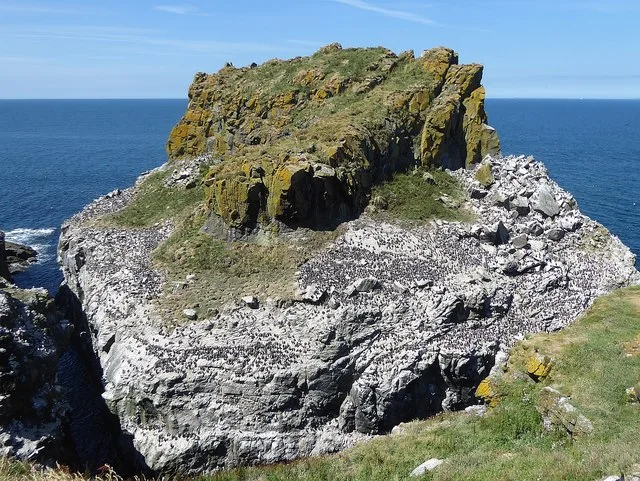
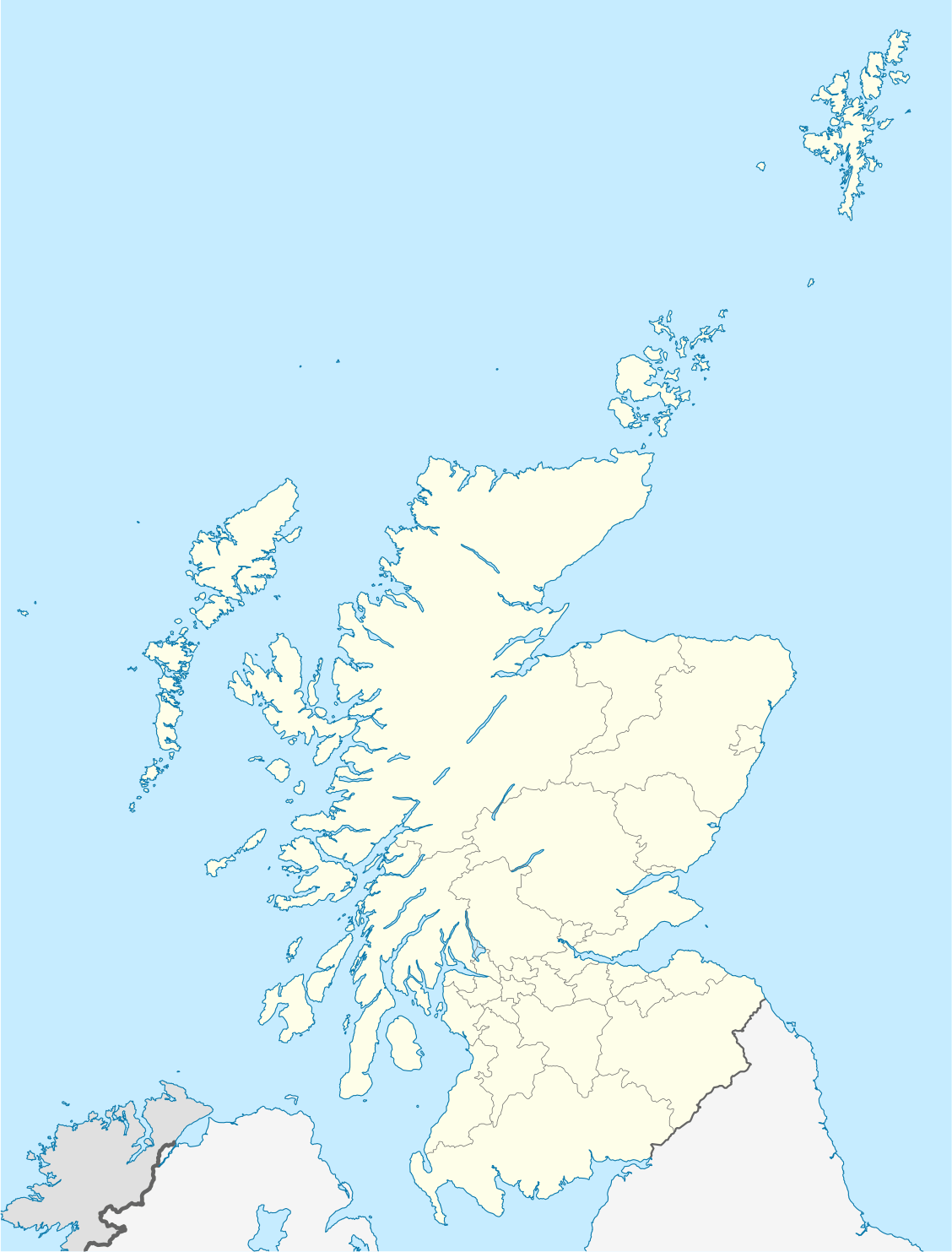
Isle of Mull and nearby Inner Hebrides
Puffin, Guillemot, Razorbill
Decide if the visit fits.
Lunga and the Treshnish Isles at a glance
Last checked 18 October 2026.
- Open
- NTS islands open daily; Turus Mara breeding-season tour April–end July, 11.40am–5.45pm.More about open
- Price / parking
- Island entry free; Turus Mara tour £85 adult, £42.50 under-16s.More about price / parking
- Best time
- Spring and summer for the widest choice of wildlife tripsMore about best time
- Dogs
- National Trust for Scotland does not allow pet dogs to land, wit…More about dogs
- Toilets
- Lunga has no toilets, café, shop or other visitor facilities.More about toilets
- Step-free
- Landing is the main constraint.More about step-free
Opening and charges information · checked .
Stay nearby →On this page
Reserve overview
Reserve and habitat
Puffin, Guillemot, Razorbill
Eight checks for a smoother visit.
Planning your visit
Conditions change: check the operator and transport notices before travelling.
Best time to visit and seasonal birds
January: This is not an ordinary winter landing trip. The June records of Eider at Corran Lunga and Raven near the village describe local birds, but they do not establish a January itinerary. Use the winter to plan a summer sailing and leave time for weather changes.
February: Do not book February expecting to reach the Harp Rock viewing area or see Puffins ashore. The published spring and summer tour starts in April. Read the landing conditions now, particularly the boulder shore and rough climb, before deciding whether this island suits your mobility.
March: Check the operator's new sailing programme before travelling. Puffins at the public clifftop viewing area are an April–July aim in this guide, rather than a March promise. A mainland birding alternative is useful if exposed sea conditions prevent a landing.
April: Typically the visiting seabird season begins to take shape. On a confirmed Lunga landing, use the public clifftop viewing area towards Harp Rock for Puffin, Guillemot and Razorbill. Keep beyond the ranger's rope boundaries even when birds appear exceptionally approachable.
May: Choose the island for its seabird community. Puffin, Guillemot and Razorbill are the main targets from the Harp Rock viewing area; Shag may be watched from the permitted cliff view. Ask the skipper which section is practical within that day's shore time.
June: This is the strongest month in the local ringing group's evidence. Try the Harp Rock view for Kittiwake and Fulmar, Corran Lunga for Eider and Oystercatcher, and the boat circuit for Gannet or Arctic Skua. Corncrake and petrel locations are deliberately withheld.
July: Typically there is still a full seabird visit to enjoy, with Puffin, Guillemot and Razorbill at the public clifftop view. Departure timing varies, so check current advice. Do not extend a walk towards research areas or miss the skipper's return time to pursue one more species.
August: Ask whether your sailing includes a Lunga landing: the operator continues puffin landings only while the last birds remain in early August. Once they leave, the boat circuit is a different experience. June Gannet and Shag evidence does not guarantee an August list.
September: The advertised autumn circuit emphasises wider wildlife and Staffa rather than a guaranteed Lunga landing. The June records of Great Black-backed Gull and Eider provide background to the boat's coastal habitat, not a September sighting forecast. Confirm the actual itinerary before paying.
October: Treat any autumn sailing as weather dependent. The boat circuit may be the only relevant viewing position; the Harp Rock clifftop area is not assured. Gannet is verified locally in June, but there is insufficient local October evidence here to promise a target species.
November: Ordinary published tours have finished. The reserve's open-daily designation does not supply a November passenger boat. Do not plan a visit around June's Raven or Oystercatcher records at the village and Corran Lunga; save those public viewpoints for a confirmed seasonal landing.
December: Use December for planning rather than assuming access to the colonies. Puffins will not provide the summer clifftop spectacle at Harp Rock. Compare sailing departures and walking demands, keep a weather contingency, and use the reserve's current guidance when the next season opens.
Best conditions: Choose a settled forecast and keep a mainland fallback: swell can prevent a landing even in sunshine. A moving boat favours binoculars over a telescope. At the public cliff view, use the safe side of the boundaries and choose the light available; rough ground and drops outweigh photographic preferences.
Opening times, entry and facilities
National Trust for Scotland lists island admission as free in its visitor information checked on 18 October 2026. That does not include a commercial boat trip. There is no public ferry terminal or admission desk on Lunga; book with the actual excursion operator and select a trip that explicitly includes the island landing you want. The boat-access panel gives the dated prices and advertised trip seasons. A current Staffa Tours banner says there will be no Staffa landings from 23 September because of essential maintenance. The banner does not state a year or reopening date. Staffa is a separate island from Lunga, so ask how that notice affects a combined booking rather than assuming either that the whole tour is cancelled or that every advertised stop will operate. Parking is at the chosen mainland or Mull departure point; no single island parking charge applies. Check the Trust's visitor notices and your boat's status before travel.
Access times: Reserve: NTS lists the islands open daily, but ordinary visitor access depends on a booked seasonal boat and a safe landing. · Hides: No visitor hides or fixed hide hours; follow ranger boundaries and the skipper’s allocated shore time. · Car park: No island car park. Use the departure operator’s arrangements; no verified universal gate hours. · Dawn access: no. Operator opening information.
Trails, hides and visit length
Most visitor boats land at Corran Lunga, the boulder bay at the north-east end of the island. There are no formal footpaths in the Trust's description, but visitors use established lines towards the seabird viewing areas. Follow the skipper's briefing, ranger advice and any rope boundaries rather than spreading out across the grass. The puffin area is reached after the landing approach. Beyond it, a narrow route leads towards Harp Rock, where dense groups of guillemots and other seabirds can be watched from the island. Choose a secure position well back from the edge and let the telescope or binoculars provide the close view. Puffin burrows can lie beneath apparently ordinary turf, so do not step off the permitted visitor line to let another photographer pass. Two-hour plan: use a tour's confirmed two-hour Lunga landing for a relaxed watch in the nearest authorised puffin area, adding Harp Rock only if the route, conditions and return deadline leave ample room. This is two hours ashore, not a two-hour round trip from Mull. Finish at the landing before the crew's stated return time. Full-day plan: select a published excursion with sufficient Lunga time, take the boat's wildlife observations as part of the day and let conditions decide the order of landings. Spend more time watching a small area than trying to cover the whole island. A longer Big Bird trip may suit those wanting extra colony time. Keep the final boarding deadline firm, even if a bird appears just as you need to return.
Where to watch
Use the linked reserve map and directions with current access notices. Species are typical seasonal targets. Light and telescope advice reflects our choice of viewpoint.
Corran Lunga landing baySummer
Boulder-bay water and shore, viewed from the skipper-approved landing area
Boulder landing and steep uneven ascent; skipper and ranger directions take priority.
Summer: Eider, Greylag Goose, Oystercatcher, Common Sandpiper
Light: either. Scope: useful.
Lunga public clifftop viewing area towards Harp RockSpring · Summer
Seabird cliffs and Harp Rock, from the visitor side of ranger boundaries
Rough ground and unfenced drops; no formal maintained footpaths. Never step over ropes.
Spring: Puffin, Guillemot, Razorbill
Summer: Kittiwake, Fulmar, Shag, Common Gull
Light: either. Scope: useful.
Lunga village ruins public approachSummer
Ruined village grassland and surrounding sky from the normal visitor approach
Keep clear of occupied structures, thick vegetation and any ranger exclusion.
Summer: Hooded Crow, Raven
Light: either. Scope: useful.
Treshnish Isles operator boat circuitSummer
Offshore water and island shores along the booked skipper-selected circuit
Watch from the boat; no independent landing on other islands is implied.
Summer: Gannet, Arctic Skua, Great Black-backed Gull
Light: either. Scope: not needed.
| Spot | Overlooks | Key species by season | Best light | Scope | Tide |
|---|---|---|---|---|---|
| Corran Lunga landing bayBoulder landing and steep uneven ascent; skipper and ranger directions take priority. | Boulder-bay water and shore, viewed from the skipper-approved landing area | Summer: Eider, Greylag Goose, Oystercatcher, Common Sandpiper | either | useful | — |
| Lunga public clifftop viewing area towards Harp RockRough ground and unfenced drops; no formal maintained footpaths. Never step over ropes. | Seabird cliffs and Harp Rock, from the visitor side of ranger boundaries | Spring: Puffin, Guillemot, Razorbill Summer: Kittiwake, Fulmar, Shag, Common Gull | either | useful | — |
| Lunga village ruins public approachKeep clear of occupied structures, thick vegetation and any ranger exclusion. | Ruined village grassland and surrounding sky from the normal visitor approach | Summer: Hooded Crow, Raven | either | useful | — |
| Treshnish Isles operator boat circuitWatch from the boat; no independent landing on other islands is implied. | Offshore water and island shores along the booked skipper-selected circuit | Summer: Gannet, Arctic Skua, Great Black-backed Gull | either | not needed | — |
Target species
Month chips show typical presence or our preferred viewing season. Choose birds that suit the time of your visit.
Headline birds
- PuffinLunga public clifftop viewing area towards Harp RockLunga public clifftop viewing area towards Harp RockAprMayJunJul
- GuillemotLunga public clifftop viewing area towards Harp RockLunga public clifftop viewing area towards Harp RockAprMayJunJul
- RazorbillLunga public clifftop viewing area towards Harp RockLunga public clifftop viewing area towards Harp RockAprMayJunJul
- KittiwakeLunga public clifftop viewing area towards Harp RockLunga public clifftop viewing area towards Harp RockAprMayJunJul
Regular birds
- FulmarLunga public clifftop viewing area towards Harp RockLunga public clifftop viewing area towards Harp RockAprMayJunJul
- ShagLunga public clifftop viewing area towards Harp RockLunga public clifftop viewing area towards Harp RockAprMayJunJul
- Common GullLunga public clifftop viewing area towards Harp RockLunga public clifftop viewing area towards Harp RockJun
- Great Black-backed GullTreshnish Isles operator boat circuitTreshnish Isles operator boat circuitJun
- Jun
- Jun
- Jun
- Jun
- Jun
- Jun
- Jun
- Jun
- CorncrakeFollow the operator’s sensitive-species advice.Jun
- Storm PetrelFollow the operator’s sensitive-species advice.Jun
- Manx ShearwaterFollow the operator’s sensitive-species advice.Jun
- PeregrineFollow the operator’s sensitive-species advice.Jun
Scarce but regular birds
- Jun
Tide planning
The skipper chooses the safe landing time and place according to tide, wind and swell. A tide prediction is planning context, never permission to land or cross to another island.
Boat access and landing
Operator: Turus Mara; Staffa Tours.
Booking opens: Book directly with the selected operator. No specific 2027 booking-open date established on 18 October 2026.. Season: Turus Mara breeding-season itinerary: April–end July, with separate August–October wildlife tours. Its descriptive text also mentions late April–first week August; confirm the actual bookable itinerary. Exact 2027 dates were not separately announced.. Fares: Current-page tariffs checked October 2026: Turus Mara £85 adult, £42.50 child under16; Staffa Tours Fionnphort/Iona Lunga tour £85 adult. Confirm the date-specific price before purchase.; landing fee: Trust island admission free; commercial-operator landing charges are handled with the operator..
Time ashore: Turus Mara standard breeding-season trip advertises two hours on Lunga plus one hour on Staffa; Big Bird trip advertises up to four hours on Lunga. Staffa Tours Fionnphort/Iona itinerary advertises two hours on Lunga within a six-hour tour.. Landing access: A landing at Corran Lunga depends on a safe shore transfer and the crew’s decision.. Weather policy: Sea conditions can prevent landing or change the itinerary. Confirm cancellation and rebooking terms with the chosen operator.
Accessibility and step-free routes
Landing is the main constraint. The Trust describes a boulder bay, uneven ground and steep, rough, narrow routes towards the cliff tops. It advises that island access is not suitable for wheelchair users, while noting that some tour boats can accommodate people with mobility difficulties with assistance. Boarding a boat and landing on the island are different questions. Before booking, explain your walking ability, equipment and any assistance required to the specific operator. Ask about the transfer onto shore, the surface immediately beyond it and whether you could remain aboard if conditions make landing unsuitable. A general claim that a vessel is comfortable does not establish an accessible island outing. No continuous surfaced route, accessible island toilet or mobility-equipment loan was identified. The cliff surroundings also require confidence on exposed ground. A visitor who prefers a seated wildlife cruise may get a better day from a boat-only option than a difficult landing. Carry weather protection that can be used during the crossing and a stationary watch. The crew's safety decision applies to the whole landing, even when individual passengers feel willing to take greater risks.
Visitor facilities
Lunga has no toilets, café, shop or other visitor facilities. Pack drinking water, food and a bag for rubbish, and use the departure-point facilities before boarding. The Trust aims to have a ranger present as often as possible, but that is not a promise of staffed reception on every day. Boat facilities vary with the vessel and should be confirmed when booking. Keep food secured and avoid feeding any bird; an island lunch should leave no trace.
Dog rules
National Trust for Scotland does not allow pet dogs to land, with an exception for guide and assistance dogs. Turus Mara's trip page separately says dogs are no longer permitted on its trips. Arrange any assistance-dog journey with both the land manager and boat operator before booking, because the island exception alone does not settle carriage on a particular vessel.
Public transport and getting there
Turus Mara's principal departure is Ulva Ferry on Mull. The road measurements for the three stay bases below end at that departure area, not on Lunga. The crossing and island walk are additional. Staffa Tours also offers a landing excursion from Fionnphort or Iona, useful for travellers staying in southern Mull; select the correct boarding place in the booking. For a rail-and-ferry approach, travel to Oban and use CalMac to Craignure. West Coast Motors routes 96 and 496 serve Craignure–Fionnphort, but their actual date-specific connections must fit the boat booking. A further taxi or a confirmed operator transfer is needed for Ulva Ferry if no suitable local connection has been arranged. Do not assume a bus reaches every excursion departure or that the last island boat will connect with the mainland ferry. An overnight Mull stay creates a more forgiving schedule, especially when sea conditions alter the outing.
Useful bases for an early start.
Where to stay
Booking.com links are affiliate links: we may earn a commission at no extra cost to you. How these links work.
- 01
Dervaig
About 9.8 miles by road, roughly 20 minutes’ drive to Ulva Ferry departure on Mull (OSRM, measured 18 October 2026; estimate without live traffic). The sea crossing is additional.
Measured driving route · 18 October 2026. Map estimates exclude live traffic.
A stay in Dervaig with time for the wider areaFind places to stay in Dervaig on Booking.com - 02
Salen, Isle of Mull
About 9.8 miles by road, roughly 18 minutes’ drive to Ulva Ferry departure on Mull (OSRM, measured 18 October 2026; estimate without live traffic). The sea crossing is additional.
Measured driving route · 18 October 2026. Map estimates exclude live traffic.
Use Salen on Mull as a base for a Treshnish Isles visit and time elsewhere on the island.Find places to stay in Salen, Isle of Mull on Booking.com - 03
Tobermory
About 17.6 miles by road, roughly 31 minutes’ drive to Ulva Ferry departure on Mull (OSRM, measured 18 October 2026; estimate without live traffic). The sea crossing is additional.
Measured driving route · 18 October 2026. Map estimates exclude live traffic.
A stay in Tobermory with time for the wider areaFind places to stay in Tobermory on Booking.com
Explore Argyll and Bute’s full guides and smaller birding sites
Official sightings, safety and contact
Turus Mara lists 01688 400242 and info@turusmara.com for its Ulva Ferry trips. Staffa Tours lists 07732 912370 and 07831 885985 for its excursions. Contact the chosen boat operator about booking, landings and the return deadline; use National Trust for Scotland's Treshnish Isles visitor page for ranger advice and island conduct. Explain any boarding needs and the exact departure point when enquiring, so the answer applies to the trip you intend to book.
Recent bird sightings
Check TIARG local bird observations: 2024 report. annual report; observations are from June 2024 Reports show what has been seen, not what will be.
- TIARG local bird observations: 2024 reportcounty club or recorder · updated annual report; observations are from June 2024
- Argyll Bird Club county sightingscounty club or recorder · updated most days; county-wide scarce and rare reports
Birding sources
Follow the BTO Birders’ Code and give wildlife space.
Questions visitors ask
Is Lunga and the Treshnish Isles free to visit?
Lunga and the Treshnish Isles: Island entry free; Turus Mara tour £85 adult, £42.50 under-16s.
Can I take my dog to Lunga and the Treshnish Isles?
Lunga and the Treshnish Isles: National Trust for Scotland does not allow pet dogs to land, with an exception for guide and assistance dogs.
When is the best time to visit Lunga and the Treshnish Isles?
Lunga and the Treshnish Isles: Spring and summer for the widest choice of wildlife trips.
Is Lunga and the Treshnish Isles accessible for wheelchairs?
Lunga and the Treshnish Isles: It advises that island access is not suitable for wheelchair users, while noting that some tour boats can accommodate people with mobility difficulties with assistance.
How do I get to Lunga and the Treshnish Isles without a car?
Lunga and the Treshnish Isles: Turus Mara's principal departure is Ulva Ferry on Mull.
Best months for this reserve
Nearby complete guides.
Bird reserves
Stops with a purpose: use one as a contrasting habitat or weather-proof Plan B. Distances are straight-line estimates, not road journeys.
- About 11 miles away · A useful habitat changeRSPB CollSeasonal wildlife throughout the year
- About 16 miles away · A familiar habitatIsle of Mull white-tailed eaglesSpring and summer for the widest choice of wildlife trips
- About 36 miles away · A useful habitat changeIsle of Rum National Nature ReserveSpring and summer wildlife · autumn deer · Manx shearwaters offshore