Lerwick
A separate base for the reserve visit
Find stays in Lerwick on Booking.com the ai birderBirding near me
Responsible wildlife guide
For an organised Storm Petrel experience, book a guided Mousa dusk trip in the advertised May–July season; Skokholm is a residential island alternative with nocturnal watching governed by the wardens.
Responsible Storm Petrel watching through guided Mousa dusk trips and island stays, understanding the birds’ nocturnal visits and keeping disturbance low.
NearestBase is a relevant existing-guide base for the stated arrival, not a new accommodation inspection or an independently ranked distance comparison.
| Place | Season | Access and booking | Nearby base |
|---|---|---|---|
| RSPB Mousa | Advertised 2027 May–mid-July dates; page prose varies between mid- and late-May. | Book the Mousa Boat’s guided evening trip; follow the guide’s route and sailing decision. Official visit/booking instructions | Lerwick |
| Skokholm Island | Warmer-month nocturnal interest within the residential season; exact experience requires Trust confirmation. | Confirmed Wildlife Trust residential stay; no independent night-colony approach. Official visit/booking instructions | Marloes |
Mousa’s 2026 ordinary service is closed and the broch locked for winter; current operator notice says regular ferry returns April 2027. The dusk petrel product is a separate season.
Skokholm residential availability and booking windows change. Link to the Trust rather than freezing availability or inventing another release date. Mainland lodging does not provide night-time island access.
No flash, playback, torch searching at burrows or self-guided colony exploration. Follow the operator or wardens’ lighting, distance and biosecurity instructions.
Some links earn us a small commission at no extra cost to you. These are settlement search bases, with no promise of availability.
A separate base for the reserve visit
Find stays in Lerwick on Booking.comA separate base for the reserve visit
Find stays in Scalloway on Booking.comA distinct mainland base for the island journey
Find stays in Marloes on Booking.comA distinct mainland base for the island journey
Find stays in Haverfordwest on Booking.com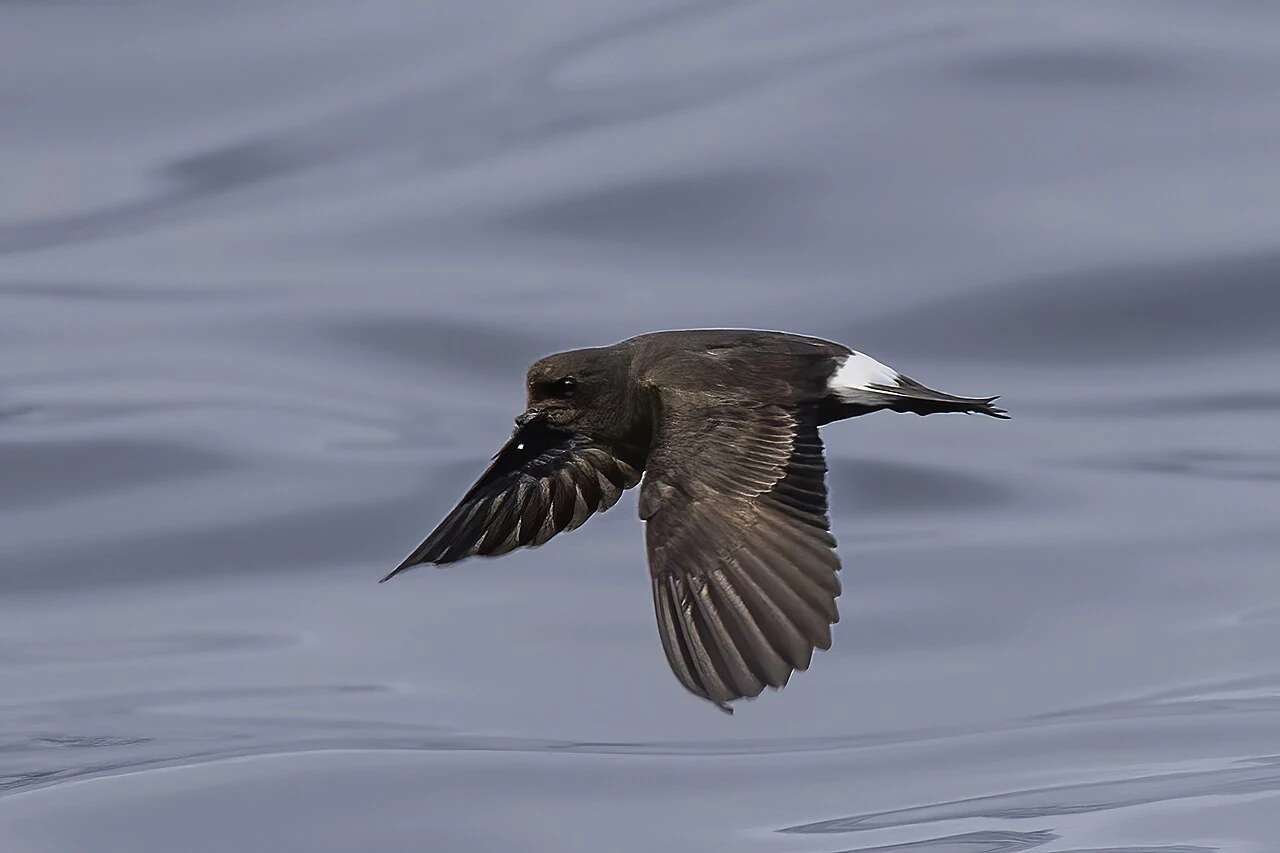
Storm Petrels are small seabirds whose lives are chiefly associated with the sea. A visitor may spend a whole island day enjoying other birds without seeing one. Their visits to breeding islands are typically nocturnal, making an organised evening experience quite different from a daytime seabird landing. Choose that experience deliberately rather than expecting a standard ferry ticket to include it.
The pleasure often lies as much in the sound and atmosphere as in an extended visual view. Birds can pass quickly through dim light, and a camera may record less than an attentive listener notices. Keep expectations centred on the natural encounter. An apparent gap in a wall or a sound from cover is a reason to remain with the group, not to investigate.
The Mousa Boat runs guided dusk trips specifically for Storm Petrels, with booking required. Its page checked on 18 October 2026 contains a section headed Dates for 2027, describing departures during mid-May to mid-July on Mondays, Wednesdays and Saturdays. An earlier paragraph on the same page describes late May as the start. Use the actual booking calendar and operator confirmation for your date, rather than resolving that wording difference by assumption.
This is a crew-led return outing from the mainland, not an invitation to arrange an independent night landing. Follow the guide's route and stopping positions. Weather can change whether a sailing operates, so leave flexibility within the wider Shetland visit. The full Mousa guide explains the transport, landing and visit arrangements separately from this species introduction.
Let your eyes adjust to the low light and keep conversation quiet enough for other visitors to hear the birds. Use a torch only as directed for safe movement, pointed at the walking surface rather than birds. Do not introduce flash photography, bright beams or independent illumination to obtain a closer look. Any guide-approved lighting arrangement is specific to that activity and should not be treated as permission to light other parts of the colony.
Remain on the authorised route and avoid touching walls, stones or vegetation that may conceal birds. Playback used by licensed researchers has a different purpose and permission from ordinary visitor watching. Never copy a survey technique or attempt to make a hidden bird respond. The guide's decision to move on protects the birds and should determine the group's behaviour.
The Wildlife Trust of South and West Wales identifies Storm Petrels and Manx Shearwaters among Skokholm's special attractions, with nocturnal activity contrasting with the daytime seabirds. A booked stay gives a different rhythm from an afternoon landing, but the island team decides what guided opportunities and access are appropriate. Arrange the visit through the operator and accept its instructions about routes and lighting.
Bardsey Bird and Field Observatory also reports guided nocturnal experiences involving these birds. Ask about the current programme as part of a confirmed island stay. An observatory report or an account of ringing is a record of conservation work, not a set of directions for the public. The National Trust for Scotland also identifies Storm Petrels in the Treshnish Isles, although an ordinary Lunga daytime trip should be chosen for its actual itinerary rather than an assumed evening encounter.
An evening boat trip needs more planning than a short reserve walk. Confirm how you will reach the departure point, whether the return is later than local buses, and where you will sleep afterwards. Bring the clothing and footwear the operator specifies, including layers comfortable during a long quiet watch. A dry bag helps keep necessary equipment protected without producing loose packaging near the birds.
Keep the next day's plans flexible after a late return. On a stay-based island, follow the team's routine and give other guests room to enjoy the soundscape. Share broad impressions and the official booking route rather than precise breeding details. A responsible Storm Petrel experience leaves visitors with an understanding of the birds' unusual daily rhythm while allowing the colony to continue its activity undisturbed.
Choose the arrangement that suits the whole holiday rather than assuming a longer stay must produce a better sighting. A dedicated guided evening gives the encounter a clear beginning, route and return, with the operator controlling how visitors move and watch. An island stay offers a different rhythm and more time to understand the surrounding wildlife, but any nocturnal opportunity remains subject to the island team's programme and instructions. Neither option entitles visitors to explore a colony independently after the organised activity ends.
Our choice for a first encounter is the booking whose practical arrangements you understand most clearly. Ask about the walking involved, the return stage and the equipment you actually need, then read the relevant island or boat guide. Keep the question focused on participating comfortably rather than obtaining a particular photograph. The existing Mousa, Skokholm and Bardsey sources describe different visitor contexts; do not transfer one provider's arrangements to another simply because the same bird is mentioned.
During the experience, allow sound and atmosphere to be part of what you came for. A passing shape may be brief and a visual identification uncertain, while a guide can explain what the group is hearing without exposing concealed birds. Do not compensate for a limited view with extra lighting, a close search or a request to imitate research methods. Afterwards, describe the official experience and your own observations honestly. That gives another visitor a realistic basis for choosing, while leaving sensitive places and the birds' ordinary night-time activity protected.
These rows use existing reserve watching-place records and typical local seasons. Sensitive locations are withheld. Follow current operator restrictions.
| Reserve and public watching place | Typical months | Best light | Scope |
|---|---|---|---|
| RSPB Sumburgh Head: The Lookout accessible sheltered viewing platform | June, July, August, September | either | essential |
| Isles of Scilly: Operator-run pelagic from St Mary’s | June, July, August, September, October | not applicable | not needed |
The months below come from each reserve’s local birding guide. They describe typical presence or a preferred watching season; national occurrence can be broader. Reports show past observations and cannot promise an encounter. Sensitive birds have no published watching position.
| Species | Reserve guide | Typical or preferred months |
|---|---|---|
| Storm Petrel | Skomer Island | May, June, July, August, September |
| Storm Petrel | RSPB Sumburgh Head | June, July, August, September |
| Storm Petrel | Lunga and the Treshnish Isles | June |
| Storm Petrel | RSPB Mousa | May, June, July |
| European Storm-petrel | Skokholm Island | May, June, July, August, September |
| European Storm-petrel | Isles of Scilly | June, July, August, September, October |
| Storm Petrel | Lundy | June, July, August |
Public places covered in this guide include Skomer Island, RSPB Sumburgh Head, Lunga and the Treshnish Isles.
Summer evening experiences on operator-confirmed dates
Use the booked guided experience, keep lighting within the guide’s instructions and never seek breeding crevices, handle birds or imitate research playback.
Reviewed 2026-10-19.