

EN 111 · Landmark Trust reserve guide
Lundy
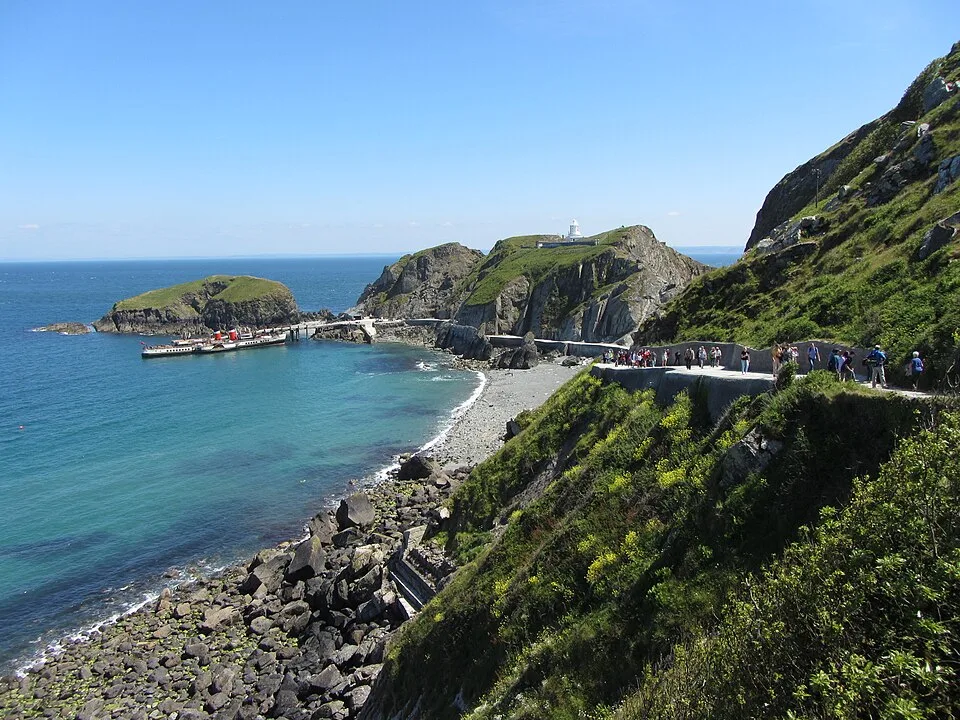
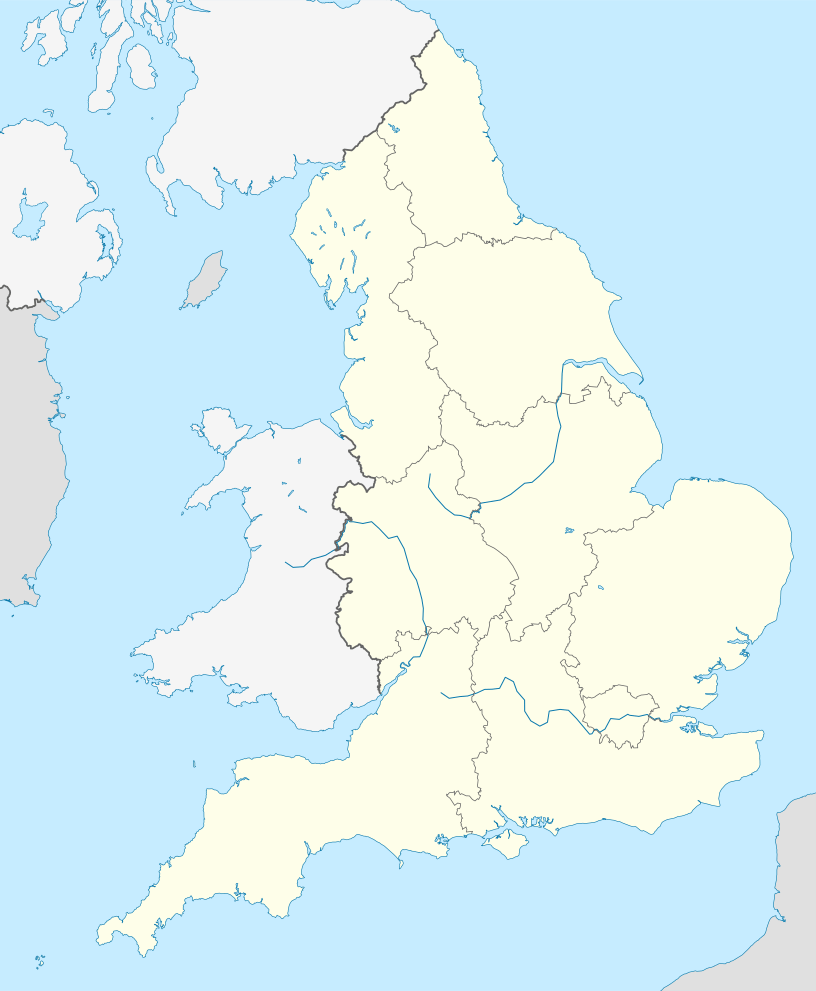
Bristol Channel, Devon, England · Bideford departure EX39 2EY
A proper island day, with sea watching on the crossing and time to explore the plateau.

Decide if the visit fits.
Lundy at a glance
Last checked 18 October 2026.
The Landmark Trust’s accessibility page still states that the passenger Landrover service on Lundy’s beach road is suspended during stabilisation works. Confirm current arrival arrangements before booking.
- Open
- MS Oldenburg late March–late October; day access follows the specific booked sailing.More about open
- Price / parking
- 2026 day-return ferry adult £59 / concession £54 / child 4–15 £30; under-fours free.More about price / parking
- Best time
- Spring and summer seabirds · spring and autumn migrationMore about best time
- Dogs
- The Landmark Trust does not permit dogs or other pets travelling…More about dogs
- Toilets
- See facilitiesMore about toilets
- Step-free
- Lundy requires a careful access conversation before booking.More about step-free
Opening and charges information · checked .
Stay nearby →On this page
Reserve overview
Reserve and habitat
A proper island day, with sea watching on the crossing and time to explore the plateau.
Eight checks for a smoother visit.
Planning your visit
Conditions change: check the operator and transport notices before travelling.
Best time to visit and seasonal birds
January: For an authorised overnight visit, begin with Millcombe's sheltered public paths for Blackbird, Robin and Wren. Pondsbury may offer Mallard and Teal from the existing path. Ordinary summer day-sailing arrangements do not apply; confirm winter transport and build in weather contingency.
February: Resident birds make a more sensible plan than a promised seabird spectacle. Try Millcombe for Robin and Wren, and Pondsbury for Mallard or Teal. An early return to shelter is appropriate in poor conditions; public paths can be exposed, wet and slippery in winter.
March: Typically spring movement starts to matter. Jenny’s Cove can hold returning Puffin, Guillemot and Razorbill, while Millcombe may attract Chiffchaff and Goldcrest. Arrival timing varies. Verify the actual sailing season rather than assuming that the first bird's return creates a day-trip boat.
April: Combine Jenny’s Cove's public clifftop path for Puffin and auks with Millcombe for Blackcap or Chiffchaff. Wheatear and Meadow Pipit can be sought from the main track or Quarter Wall. Keep a generous margin for the steep descent and your allocated return departure.
May: This is a good typical combination of seabirds and spring landbirds. Use Jenny’s Cove for Puffin, Guillemot and Kittiwake, then listen around Millcombe for passing warblers. Stay on paths: a close bird in scrub does not justify entering a ringing area or a private garden.
June: Give Jenny’s Cove an unhurried watch for Puffin, Guillemot, Razorbill and Kittiwake. Quarter Wall offers a different public view for Skylark, Meadow Pipit and Wheatear. Manx Shearwater locations are withheld; any specialist evening watching must follow the operator's authorised arrangements.
July: Typically the seabird season remains rewarding but starts changing towards its end. Watch Puffin and auks from Jenny’s Cove's safe public path; the exact departure date varies. The main track provides open-ground Wheatear and pipit watching without the need to descend the cliff slopes.
August: Switch the emphasis towards landbirds and passage. Wheatear and Meadow Pipit can be sought from the main-track route, while Millcombe may hold early Blackcap or Chiffchaff. Puffins usually leave around the end of July, so an August sailing should not be sold as a guaranteed colony visit.
September: Try Millcombe for Blackcap, Chiffchaff and Goldcrest, and Quarter Wall for moving Meadow Pipit. The current log is useful for deciding where to spend limited time, but arrivals can leave overnight. A sheltering mixed flock is worth more patience than a rushed search of every combe.
October: Typically thrush passage becomes central. Millcombe and the village public route can hold Redwing, Fieldfare and Goldcrest, with Goldfinch moving over the plateau. The October 2026 log confirms how variable days can be; no reported influx is a prediction for your sailing.
November: Migration can continue, but the operator's summer ship season is over. For a confirmed overnight stay, use Millcombe for Redwing, Fieldfare or Goldcrest and Pondsbury for Teal. Travel disruption can dominate a short visit, so keep flexibility rather than planning an unsupported day trip.
December: Choose sheltered and familiar public routes. Millcombe's Blackbird, Wren and Robin and Pondsbury's Mallard provide realistic resident-bird aims for an authorised winter stay. Avoid exposed cliff edges in high winds and confirm travel changes with the operator rather than interpreting tide predictions as a timetable.
Best conditions: Typically Millcombe is the better sheltered choice in prevailing westerlies, while an exposed west-coast watch requires a safe, settled spell. Jenny’s Cove is a telescope view from the public clifftop, not an invitation to descend. March–early June and August–November are the county society’s strongest migration periods, but weather changes both birds and transport.
Opening times, entry and facilities
Visitor arrangements, checked 18 October 2026: Lundy is owned by the National Trust and managed by the Landmark Trust. Most day visitors book the island's MS Oldenburg ferry, with the boat fare and schedule determining the available day. National Trust membership does not make that crossing free; the operator lists a concession. Use the boat panel for dated 2026 fares and boarding rules. Staying accommodation is booked separately with the Landmark Trust and has different travel-ticket requirements. Check the operator's sailing message and current island notices before leaving for the harbour, since the departure port, time or landing arrangements may change. Keep the entire day free rather than booking a tight appointment after the advertised mainland return.
Access times: Reserve: Day visitors have the shore time allocated by their booked boat. Authorised overnight guests have access subject to local closures and safety advice; confirm transport separately. · Hides: No fixed public hide schedule verified. The watching rows are public routes and distant habitat views, not access to ringing areas or seabird research plots. · Car park: No visitor car park on the island. Mainland departure parking varies by sailing port; check the operator’s current joining instructions. · Dawn access: partly. Operator opening information.
Trails, hides and visit length
The landing and climb to the village are part of the outing, so allow yourself time to settle before adding a long plateau walk. Begin with the official map, choose an established route and keep an eye on the return assembly time. A birdwatching visit can combine coastal viewpoints, open grassland and shelter around permitted village paths without attempting the entire island. Stop before using binoculars near a cliff and leave nesting areas untouched. Do not enter ringing operations or handle a bird because it appears approachable. Two-hour plan, editorial suggestion: once ashore, take the village approach at a comfortable pace and make a short public-route watch with time to pause. Choose the sheltered side according to the wind, then return towards the landing area well within the required margin. This is a useful plan for someone who wants an island experience without a large walking distance. Full-day plan, editorial suggestion: treat the outward crossing, the time ashore and the return as one birdwatching day. After reaching the plateau, make a modest circuit with a long stop at an established seabird viewpoint in season, take lunch and revisit another habitat before descending. Keep the last part deliberately easy so a tired group does not hurry downhill to the boat. Overnight visitors can repeat the same small area at a different time of day, which often reveals more than extending every walk to the farthest point. If weather worsens, shorten the coastal section and return by a familiar public route.
Where to watch
Use the linked reserve map and directions with current access notices. Species are typical seasonal targets. Light and telescope advice reflects our choice of viewpoint.
Jenny’s Cove clifftop public pathWinter · Spring · Summer · Autumn
West-coast seabird cliffs and adjacent sea from the safe visitor path
Keep well back from unfenced edges and avoid eroded or closed sections; do not descend to the colonies.
Winter: Peregrine
Spring: Puffin, Guillemot, Razorbill, Fulmar, Peregrine
Summer: Puffin, Guillemot, Razorbill, Kittiwake, Peregrine
Autumn: Peregrine
Light: either. Scope: useful.
Millcombe public pathsWinter · Spring · Autumn
Sheltered wooded combe and scrub
Use the visitor paths and respect private property, ringing operations and closed sections.
Winter: Blackbird, Robin, Wren
Spring: Chiffchaff, Blackcap, Goldcrest
Autumn: Chiffchaff, Blackcap, Goldcrest, Redwing, Fieldfare
Light: either. Scope: not needed.
Pondsbury public pathWinter · Spring · Summer · Autumn
Freshwater pond, wet heath and surrounding open ground
Observe from the existing path; do not walk into wet heath or circle the pond shore.
Winter: Mallard, Teal
Spring: Mallard, Teal, Meadow Pipit
Summer: Mallard, Meadow Pipit
Autumn: Teal, Mallard
Light: either. Scope: useful.
Village and main-track public routeWinter · Spring · Summer · Autumn
Village edges, open pasture and drystone walls from the public route
Keep clear of staff homes, farm operations and fenced fields.
Winter: Wren, Dunnock, Robin, Blackbird
Spring: Skylark, Meadow Pipit, Wheatear
Summer: Skylark, Meadow Pipit, Wheatear
Autumn: Goldfinch, Redwing, Fieldfare
Light: either. Scope: useful.
Quarter Wall public trackSpring · Autumn
Plateau grassland and passage-bird flight lines
Stay on the established track and do not use stone walls as viewing platforms.
Spring: Skylark, Meadow Pipit, Wheatear
Autumn: Goldfinch, Skylark, Meadow Pipit
Light: either. Scope: useful.
Landing Bay public road viewpointSummer · Autumn
Sheltered bay and open water from the public landing road
A steep road connects the jetty and village; leave space for working vehicles and returning passengers.
Summer: Shag, Herring Gull
Autumn: Gannet, Shag
Light: either. Scope: useful.
Tide: Landings and departures are set by the operator, not by an independent tide calculation.
| Spot | Overlooks | Key species by season | Best light | Scope | Tide |
|---|---|---|---|---|---|
| Jenny’s Cove clifftop public pathKeep well back from unfenced edges and avoid eroded or closed sections; do not descend to the colonies. | West-coast seabird cliffs and adjacent sea from the safe visitor path | Winter: Peregrine Spring: Puffin, Guillemot, Razorbill, Fulmar, Peregrine Summer: Puffin, Guillemot, Razorbill, Kittiwake, Peregrine Autumn: Peregrine | either | useful | — |
| Millcombe public pathsUse the visitor paths and respect private property, ringing operations and closed sections. | Sheltered wooded combe and scrub | Winter: Blackbird, Robin, Wren Spring: Chiffchaff, Blackcap, Goldcrest Autumn: Chiffchaff, Blackcap, Goldcrest, Redwing, Fieldfare | either | not needed | — |
| Pondsbury public pathObserve from the existing path; do not walk into wet heath or circle the pond shore. | Freshwater pond, wet heath and surrounding open ground | Winter: Mallard, Teal Spring: Mallard, Teal, Meadow Pipit Summer: Mallard, Meadow Pipit Autumn: Teal, Mallard | either | useful | — |
| Village and main-track public routeKeep clear of staff homes, farm operations and fenced fields. | Village edges, open pasture and drystone walls from the public route | Winter: Wren, Dunnock, Robin, Blackbird Spring: Skylark, Meadow Pipit, Wheatear Summer: Skylark, Meadow Pipit, Wheatear Autumn: Goldfinch, Redwing, Fieldfare | either | useful | — |
| Quarter Wall public trackStay on the established track and do not use stone walls as viewing platforms. | Plateau grassland and passage-bird flight lines | Spring: Skylark, Meadow Pipit, Wheatear Autumn: Goldfinch, Skylark, Meadow Pipit | either | useful | — |
| Landing Bay public road viewpointA steep road connects the jetty and village; leave space for working vehicles and returning passengers. | Sheltered bay and open water from the public landing road | Summer: Shag, Herring Gull Autumn: Gannet, Shag | either | useful | Landings and departures are set by the operator, not by an independent tide calculation. |
Target species
Month chips show typical presence or our preferred viewing season. Choose birds that suit the time of your visit.
Headline birds
- MarAprMayJunJul
- MarAprMayJunJul
Regular birds
- MarAprMayJunJul
- AprMayJunJul
- MarAprMayJunJul
- MarAprMayJunJulAugSepOct
- MarAprMayJunJulAugSepOct
- AprMayJunJulAugSepOct
- JanFebMarAprMayJunJulAugSepOctNovDec
- JanFebMarAprSepOctNovDec
- MarAprMayJunJulAugSepOct
- MarAprMayJunJulAugSepOct
- MarAprMayJunJulAugSepOct
- JanFebMarAprMayJunJulAugSepOctNovDec
- JanFebMarAprMayJunJulAugSepOctNovDec
- JanFebMarAprMayJunJulAugSepOctNovDec
- JanFebMarAprMayJunJulAugSepOctNovDec
- MarAprMayJunJulAugSepOct
- MarAprMayAugSepOct
- MarAprMayAugSepOct
- MarAprSepOctNov
- OctNov
- OctNov
- Manx ShearwaterFollow the operator’s sensitive-species advice.AprMayJunJulAugSep
- Storm PetrelFollow the operator’s sensitive-species advice.JunJulAug
- JanFebMarAprMayJunJulAugSepOctNovDec
Tide planning
The booked operator determines landing and departure according to tide and sea conditions. Use Lundy predictions only as context for an authorised visit; no minimum height or independent landing window is published here.
Boat access and landing
Operator: The Landmark Trust: MS Oldenburg.
Booking opens: Advance booking through the Landmark Trust’s released day-trip calendar or the shore office. Check the actual year and departure port on the ticket.. Season: The operator describes the MS Oldenburg summer season as late March–late October; use the specific published sailing date rather than treating every day in that period as a departure.. Fares: Published 2026 day return: adult aged 16+ £59; concession £54; child aged 4–15 £30; under 4 free; two-adult/two-child family £133. Concessions include qualifying National Trust members, not free sea travel..
Time ashore: The operator describes around two hours each way and roughly four–six hours ashore, depending on the sailing. Be ready to board at least 45 minutes before the mainland departure.. Landing access: The landing leads to the steep beach road and village. Discuss mobility and assistance with the shore office before buying tickets; follow the current beach-road arrangements.. Weather policy: Call 01271 863636 after 8pm the evening before for sailing information. If the captain cancels day visits for conditions, the operator offers a date change or refund under its terms; sailings that operate have different refund conditions.
Accessibility and step-free routes
Lundy requires a careful access conversation before booking. The sea crossing, landing and steep beach road are distinct from movement around the village and plateau. The Landmark Trust describes all-terrain Tramper provision, but availability, permitted routes and the transfer from the landing must be arranged together; a scooter booking alone does not solve the arrival. Explain your walking range, ability to manage steps and assistance needs to the shore office. Natural paths can be uneven, exposed or muddy, and a dry-weather photograph does not establish suitability in wet conditions. Choose an itinerary with a realistic turnaround and somewhere to rest rather than committing to a distant circular walk. In a mixed-mobility party, agree whether the whole group stays on the shorter route or splits with clear meeting arrangements. Keep a warm layer accessible for time spent still, especially after a sweaty ascent from the landing. A lighter optical setup may make the island more enjoyable than carrying a telescope over ground where it is rarely used. Follow the operator's current transport arrangements for the beach road.
Visitor facilities
The village has the Marisco Tavern and General Stores, with their opening and service arrangements managed by the island. Carry water and a packed snack for the route itself, as a coastal stop can be well away from a building. Bring suitable layers for both an exposed deck watch and an island walk. Keep luggage compact for boarding, and protect valuables from spray. Follow the island's water-saving instructions and take all litter to the appropriate disposal point rather than leaving food scraps beside a path.
Dog rules
The Landmark Trust does not permit dogs or other pets travelling to or staying on Lundy, except assistance dogs. Arrange an assistance-dog visit with the shore office in advance so the sea crossing and accommodation can be considered together. Do not arrive at the departure harbour expecting an exception for a pet.
Public transport and getting there
MS Oldenburg uses Bideford or Ilfracombe according to the sailing, so read the departure port on your confirmation before planning a road or rail connection. Barnstaple is the useful rail gateway, reached by GWR's branch from Exeter, with an onward bus or pre-arranged taxi to the actual harbour. Stagecoach's current planner should be used for the intended travel day and the return; an early check-in can make a mainland overnight the simplest car-free option. The operator also describes transfer arrangements for particular sailings, which need a reservation through the shore office where offered. Allow time for parking, walking to the quay and boarding rather than using a road estimate as the arrival deadline. The measured stay journeys below end at Bideford Quay; choose the Ilfracombe-specific arrival instructions if that is your booked port, and allow separately for the sea crossing.
Useful bases for an early start.
Where to stay
Booking.com links are affiliate links: we may earn a commission at no extra cost to you. How these links work.
- 01
Bideford
About 0.7 miles by road, roughly 3 minutes’ drive to Bideford Quay departure; OSRM/OpenStreetMap estimate measured 18 October 2026. After the road journey from Bideford, add check-in, the sea crossings and onward island travel for Lundy.
Measured driving route · 2026-10-18. Map estimates exclude live traffic.
Staying close to the Bideford departure quay.Find places to stay in Bideford on Booking.com - 02
Ilfracombe
About 22.7 miles by road, roughly 38 minutes’ drive to Bideford Quay departure; OSRM/OpenStreetMap estimate measured 18 October 2026. After the road journey from Ilfracombe, add check-in, the sea crossings and onward island travel for Lundy.
Measured driving route · 2026-10-18. Map estimates exclude live traffic.
A North Devon base; verify whether your ticket departs here or Bideford.Find places to stay in Ilfracombe on Booking.com - 03
Barnstaple
About 10.9 miles by road, roughly 18 minutes’ drive to Bideford Quay departure; OSRM/OpenStreetMap estimate measured 18 October 2026. After the road journey from Barnstaple, add check-in, the sea crossings and onward island travel for Lundy.
Measured driving route · 2026-10-18. Map estimates exclude live traffic.
Rail access to North Devon before an onward harbour connection.Find places to stay in Barnstaple on Booking.com
Explore Devon’s full guides and smaller birding sites
Official sightings, safety and contact
Contact the Lundy Shore Office on 01271 863636 for sailing, ticket and access questions. Quote the date, departure port and booking reference, and give any assistance requirement before purchasing a journey that depends on it. The official Bideford office address is The Quay, EX39 2EY; the island map point is separate from this mainland departure postcode. Use the Landmark Trust's own booking terms and island visitor pages for current practical arrangements, and the observatory's public channels for appropriate bird information.
Recent bird sightings
Check Lundy Bird Observatory recent sightings. most days during wardening and observer coverage Reports show what has been seen, not what will be.
- Lundy Bird Observatory recent sightingsoperator · updated most days during wardening and observer coverage
- Devon Birds county sightingscounty club or recorder · updated most days; county-wide
Birding sources
- Landmark Trust birdwatching
- Landmark Trust visitor map
- Landmark Trust travel timetable
- Lundy Bird Observatory visiting
- LBO daily census route
- LBO seabird species updates
- LBO duck and rail updates
- LBO thrush and chat updates
- LBO warbler and crest updates
- LBO current local sightings
- LBO breeding status
- Devon Birds Lundy site account
- Devon Birds county sightings
- Peregrine: operator wildlife and viewing
Follow the BTO Birders’ Code and give wildlife space.
Questions visitors ask
Is Lundy free to visit?
Lundy: 2026 day-return ferry adult £59 / concession £54 / child 4–15 £30; under-fours free.
Can I take my dog to Lundy?
Lundy: The Landmark Trust does not permit dogs or other pets travelling to or staying on Lundy, except assistance dogs.
When is the best time to visit Lundy?
Lundy: Spring and summer seabirds · spring and autumn migration.
Is Lundy accessible for wheelchairs?
Lundy: The Landmark Trust describes all-terrain Tramper provision, but availability, permitted routes and the transfer from the landing must be arranged together; a scooter booking alone does not solve the arrival.
How do I get to Lundy without a car?
Lundy: MS Oldenburg uses Bideford or Ilfracombe according to the sailing, so read the departure port on your confirmation before planning a road or rail connection.
Best months for this reserve
Nearby complete guides.
Bird reserves
Stops with a purpose: use one as a contrasting habitat or weather-proof Plan B. Distances are straight-line estimates, not road journeys.
- About 62 miles away · A familiar habitatRSPB Exminster and Powderham MarshesWinter wildfowl and waders · spring and summer wetland birds
- About 66 miles away · A useful habitat changeDawlish Warren National Nature ReserveYear-round · autumn and winter waders
- About 66 miles away · A familiar habitatRSPB Aylesbeare CommonSpring and autumn passage; seasonal breeding and winter birds