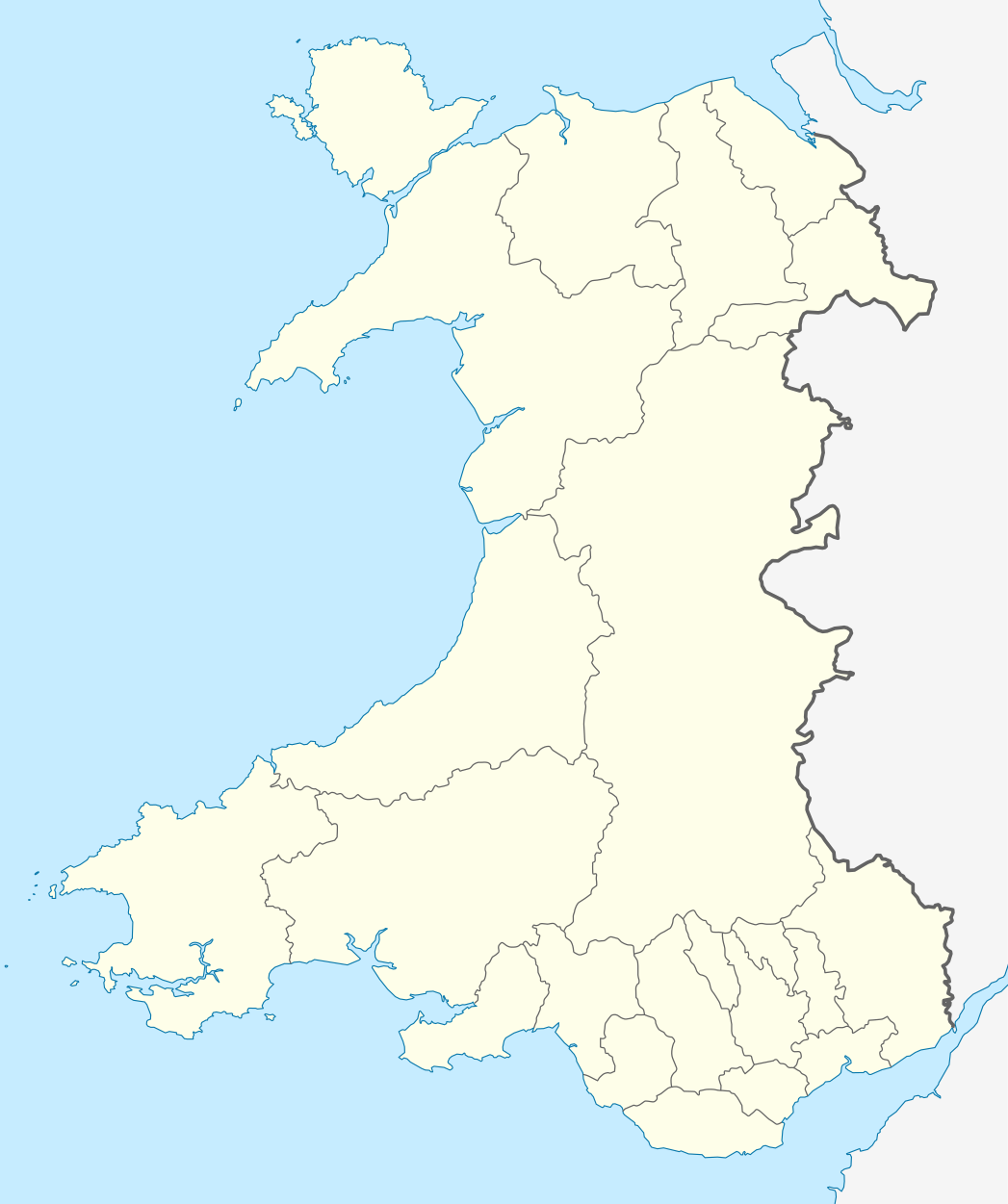
Short entry3.4 miles away
Marloes Mere
Marloes Peninsula · Freshwater wetland, reedbed and surrounding scrub
 the ai birderBirding near me
The AI Birder · one-page field sheet
Off Martin’s Haven, Pembrokeshire · SA62 3BJ

Spring and autumn passage; seasonal breeding and winter birds
Crab Bay hide · North Pond hide · Orchid Bog hide · Lighthouse public seawatching area · South Haven public landing route · Farm and main-track public paths
Check current access, hide closures and operator notices before travelling. Seasonal birds are possibilities, not promised sightings. Keep to authorised routes and give wildlife space.
Opening and charges checked 2026-10-25. Operator: https://www.welshwildlife.org/visit/skokholm-island
Full guide and current source links: https://aibirder.co.uk/reserves/skokholm-island
WA 21 · Wildlife Trust of South and West Wales reserve guide
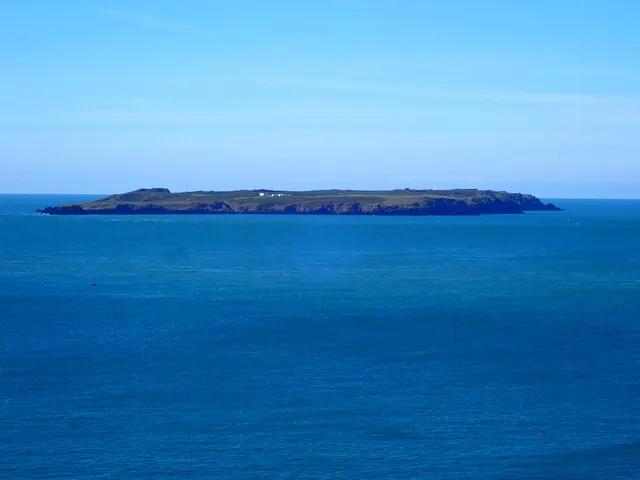
Off Martin’s Haven, Pembrokeshire
Puffins, Manx shearwaters, Storm petrels, Razorbills
Decide if the visit fits.
Last checked 18 October 2026.
Opening and charges information · checked .
Stay nearby →Reserve overview
Puffins, Manx shearwaters, Storm petrels, Razorbills
Eight checks for a smoother visit.
Conditions change: check the operator and transport notices before travelling.
January: Planning only: public residential access is not advertised for winter. If Puffin is your priority, choose an April–July stay and plan Crab Bay hide with the wardens. Do not treat an island map or a staff report as permission to arrange a winter landing. February: Planning only: compare the booked season and weather contingency before choosing a trip. Guillemot and Razorbill are spring and early-summer targets from Lighthouse public seawatching area during an authorised stay. Their presence offshore does not create a public February visitor service. March: Planning only: the operator advertises visits from April, although birds and staff can return earlier. Plan Wheatear along Farm and main-track public paths once your booked season begins. An observatory arrival record is useful context, not an instruction to seek an out-of-season landing. April: Typically begin the booked stay with the arrival briefing, then use Crab Bay hide for Puffin when the wardens permit. North Pond hide offers Mallard and Moorhen as a quieter comparison. Keep your feet on marked routes over the burrowed ground. May: Our choice is Crab Bay hide for Puffin and Lighthouse public seawatching area for Guillemot, Razorbill and Fulmar in safe conditions. Farm and main-track public paths add Chough and Wheatear. Check the exact stay length available before selecting dates in the restricted changeover period. June: Usually spend time at Crab Bay hide before a patient Guillemot and Razorbill watch from Lighthouse public seawatching area. Orchid Bog hide offers Moorhen from a managed facility. Sensitive nocturnal seabirds are watched only under the wardens’ arrangements; no independent nesting-site search is proposed. July: Typically keep Puffin, Guillemot and Razorbill on the early-month plan, using Crab Bay hide and Lighthouse public seawatching area. Their cliff season changes as birds depart. Plan around the experience rather than assuming the same colony activity will continue throughout the month. August: Usually shift attention towards Wheatear and passing Willow Warbler along Farm and main-track public paths, with Fulmar and Gannet from Lighthouse public seawatching area when safe. A quiet Puffin view is not a booking failure: the main colony season has changed. September: Typically combine Chiffchaff, Willow Warbler and Wheatear along Farm and main-track public paths with Teal possibilities from North Pond hide. Migration depends on weather and coverage. Leave traps and research areas to staff and allow spare days after the scheduled return crossing. October: Planning only unless the Trust explicitly confirms an authorised visit: the advertised residential season ends in September. The observatory blog may still report Chiffchaff around Farm and main-track public paths, but staff presence does not mean visitors can land or book an ordinary day trip. November: Planning only: review observatory records and next season’s confirmed booking instructions. A spring Puffin visit would use Crab Bay hide under the wardens’ briefing. Do not infer a winter passenger crossing from the existence of the island’s working accommodation. December: Planning only: choose the next stay by its target season, access terms and weather allowance. For Chough and Wheatear, Farm and main-track public paths are the public viewing framework during the advertised season. Winter reports do not establish a December visitor programme or guaranteed birds.
Best conditions: Our choice is a settled spring or early-summer stay for the daylight seabird watch, with binoculars from approved paths and a telescope for distant sea birds. Typically weather changes both migration and the safety of crossings and exposed viewpoints. Follow the wardens’ decisions and leave spare days after the planned return. Light and scope ratings are editorial guidance, not operator guarantees.
For 2027, the Trust advertises accommodation from the start of April to the end of September. Its per-person prices are £295 for three/four nights and £410 for seven nights in the April–July table, with August–September prices of £185 and £262. The detailed booking FAQ specifies Monday-only seven-night stays from 10 May to 21 June; the island page more broadly says mid-May to July. Confirm the offered changeover for July before booking. Members could book seven nights from 5 October 2026 and shorter stays from 12 October; non-member booking opens 26 October 2026. A 25% deposit is required by the booking FAQ. Overnight parking must be pre-booked at West Hook Farm, since the National Trust car park cannot be used for overnight island stays. Check the official booking pack before travelling.
Access times: Reserve: Ordinary residential season advertised April–September; only visitors with a confirmed Trust arrangement may land. Occasional Trust-organised day visits require their own explicit confirmation. · Hides: Use the hides and marked routes under the arrival briefing. No separate daily opening timetable is published; sensitive nocturnal watching requires wardens’ instructions. · Car park: No island car park. Overnight visitors must pre-book the mainland parking arrangement given with their stay; National Trust parking does not allow overnight island-stay parking. · Dawn access: partly. Operator opening information.
Skokholm is principally a place to stay, allowing the same small landscape to be watched repeatedly as light and birds change. After arrival, use the wardens' briefing and current map to learn the permitted routes, the accommodation area and the appropriate public coastal watching places. The Trust highlights Crab Bay for puffins and South Haven for coastal wildlife. Give animals room on the path and move only when the way is clear. Two-hour plan: treat this as a short session within a booked stay, not a promise of a two-hour day trip. Start at the accommodation with the current visitor instructions, walk to an appropriate nearby public watching place, then sit and watch for a sustained period. Compare birds returning from sea with those resting or moving around the visitor area. Return by the permitted route and avoid widening the walk into fragile burrowed ground. Full-day plan: spend the morning on a wardens-recommended circuit, with generous pauses at the coastal views. Return to the communal facilities for a break, then use the afternoon to revisit a productive place in different light. Keep the evening flexible for any warden-led wildlife activity. Several nights give scope to absorb changes in weather and migration without rushing a single landing. Work around research and conservation activity rather than treating the Observatory as an attraction that must stage a demonstration. Keep luggage and food secure under the island's biosecurity guidance, and tell staff about any problem with equipment or accommodation. A dark-night outing requires explicit instructions from the wardens: birds beneath the ground are vulnerable even when they cannot be seen.
Use the linked reserve map and directions with current access notices. Species are typical seasonal targets. Light and telescope advice reflects our choice of viewpoint.
Crab Bay and Puffins viewed from the official visitor facility
Use only with the wardens’ current instructions; the hide was replaced and is described in the 2024 operator report. Do not enter burrows or leave marked routes.
Spring: Puffin
Summer: Puffin
Light: either. Scope: not needed.
North Pond water and its margins
A mapped operator bird hide, named in the 2024 report. Ask the wardens which paths and hide sections are available.
Spring: Moorhen, Mallard, Teal
Summer: Moorhen, Mallard
Autumn: Teal, Mallard
Light: either. Scope: useful.
Orchid Bog wetland from its official hide
The 2024 operator report records maintenance of this hide. Follow current wardens’ advice; no off-path wetland access.
Spring: Moorhen
Summer: Moorhen
Light: either. Scope: useful.
Open sea from the permitted area near the lighthouse
Wardens determine the safe public watching position; stay back from cliff edges and avoid exposed watching in strong wind.
Spring: Guillemot, Razorbill, Fulmar, Gannet
Summer: Guillemot, Razorbill, Fulmar, Gannet
Autumn: Fulmar, Gannet
Light: either. Scope: useful.
South Haven bay and adjacent coastal water from the permitted path
Landing and unloading take priority. Stay on the route explained in the arrival briefing; no independent foreshore exploration.
Spring: Oystercatcher, Rock Pipit, Lesser Black-backed Gull
Summer: Oystercatcher, Rock Pipit, Herring Gull
Autumn: Rock Pipit, Great Black-backed Gull
Light: either. Scope: useful.
Grassland and low vegetation visible from the Farm and marked main tracks
Use the marked visitor paths. Ringing traps, nets and research areas are not public search locations.
Spring: Chough, Skylark, Wheatear, Chiffchaff, Willow Warbler
Summer: Chough, Skylark, Wheatear
Autumn: Chough, Wheatear, Chiffchaff, Willow Warbler
Light: either. Scope: not needed.
| Spot | Overlooks | Key species by season | Best light | Scope | Tide |
|---|---|---|---|---|---|
| Crab Bay hideUse only with the wardens’ current instructions; the hide was replaced and is described in the 2024 operator report. Do not enter burrows or leave marked routes. | Crab Bay and Puffins viewed from the official visitor facility | Spring: Puffin Summer: Puffin | either | not needed | — |
| North Pond hideA mapped operator bird hide, named in the 2024 report. Ask the wardens which paths and hide sections are available. | North Pond water and its margins | Spring: Moorhen, Mallard, Teal Summer: Moorhen, Mallard Autumn: Teal, Mallard | either | useful | — |
| Orchid Bog hideThe 2024 operator report records maintenance of this hide. Follow current wardens’ advice; no off-path wetland access. | Orchid Bog wetland from its official hide | Spring: Moorhen Summer: Moorhen | either | useful | — |
| Lighthouse public seawatching areaWardens determine the safe public watching position; stay back from cliff edges and avoid exposed watching in strong wind. | Open sea from the permitted area near the lighthouse | Spring: Guillemot, Razorbill, Fulmar, Gannet Summer: Guillemot, Razorbill, Fulmar, Gannet Autumn: Fulmar, Gannet | either | useful | — |
| South Haven public landing routeLanding and unloading take priority. Stay on the route explained in the arrival briefing; no independent foreshore exploration. | South Haven bay and adjacent coastal water from the permitted path | Spring: Oystercatcher, Rock Pipit, Lesser Black-backed Gull Summer: Oystercatcher, Rock Pipit, Herring Gull Autumn: Rock Pipit, Great Black-backed Gull | either | useful | — |
| Farm and main-track public pathsUse the marked visitor paths. Ringing traps, nets and research areas are not public search locations. | Grassland and low vegetation visible from the Farm and marked main tracks | Spring: Chough, Skylark, Wheatear, Chiffchaff, Willow Warbler Summer: Chough, Skylark, Wheatear Autumn: Chough, Wheatear, Chiffchaff, Willow Warbler | either | not needed | — |
Month chips show typical presence or our preferred viewing season. Choose birds that suit the time of your visit.
The boat operator and island team decide crossing and landing times according to weather and tide; use the confirmed sailing arrangement rather than calculating an independent landing. No birding tide-height threshold or universal high-water offset is published.
Operator: Residential transfer arranged through the Wildlife Trust booking.
Booking opens: Book through the Trust’s staged telephone reservation windows, as detailed under entry.. Season: Booked residential visits April–September 2027; follow the confirmed changeover in the booking pack.. Fares: 2027 boat fees, separate from accommodation: adult £33; child under 12 £16..
Time ashore: A booked stay of three, four or seven nights, subject to the seasonal changeover restrictions.. Landing access: Discuss embarkation, luggage and island mobility with the booking team before reserving.. Weather policy: Weather or tides can alter transfers and strand visitors for extra nights. Avoid fixed commitments immediately after the scheduled return.
Assess the full stay, from carrying supplies to the mainland boat through to landing and moving between accommodation and shared facilities. The island's small dimensions do not make its paths or boat transfer universally accessible. The booking team should understand walking, balance, hearing, sight and medical requirements before accepting a reservation. Describe the assistance you need and ask about the specific room and route to toilets, rather than relying on a general statement that accommodation exists. The Trust provides an email booking option for deaf or hard-of-hearing visitors once their booking window opens. That is an alternative access arrangement to the normal telephone procedure, not a separate early-booking route. Electrical power is limited and weather-dependent, so anyone relying on powered equipment must discuss this before travelling. Carrying food and luggage and coping with a delayed return can add practical demands beyond an ordinary mainland stay. Choose manageable daytime walks after arrival and keep cliff-edge excursions optional; there is no need to cross fragile ground to obtain closer bird photographs.
The accommodation is self-catering, with a communal kitchen, allocated fridge/freezer space and an island shop for basic supplies. Solar power supports lighting and limited charging, while compost toilets serve the accommodation blocks. There are no showers. A library and common room provide places to read and compare observations between outings. Bring the food and personal supplies needed for the stay, pack them to the operator's instructions, and allow for the possibility of extra nights caused by weather.
The Trust's Skokholm reserve page states that no dogs are permitted. Do not book a pet into mainland accommodation expecting it can accompany an island stay. If an assistance dog is essential to travel, discuss the requirement directly with the Trust before any reservation; the published general rule gives no automatic visitor exception.
The residential boat arrangements are part of the Trust booking, with the mainland approach at Martin's Haven. The published normal changeover sailings are Friday morning and Monday morning, but the confirmed booking pack gives the actual sailing and any tidal change. Do not buy an unrelated Skomer day-trip ticket as a substitute. For car-free travel, rail reaches Haverfordwest or Milford Haven, leaving a pre-booked taxi or other explicitly arranged transfer to the departure area. Early sailing times make a mainland night nearby useful. Arrange the final transfer to Martin’s Haven before travelling, including a return that can accommodate the boat’s actual arrival. Road times for Marloes and Haverfordwest below end at the mainland departure, while an on-island room needs no daily road transfer. Leave buffer time after the planned return sailing.
Useful bases for an early start.
Booking.com links are affiliate links: we may earn a commission at no extra cost to you. How these links work.
Once you have arrived at Skokholm Island, staying on the island removes the daily road transfer.
Official on-site accommodation · 18 October 2026. No road transfer is needed.
Time for repeated watches across a booked island stayBook this accommodation with its operatorAbout 2.8 miles by road, roughly 6 minutes’ drive to Martin’s Haven on the mainland, before the boat (OSRM, measured 18 October 2026; estimate without live traffic).
Measured driving route · 18 October 2026. Map estimates exclude live traffic.
A distinct mainland base for the island journeyFind places to stay in Marloes on Booking.comAbout 14.2 miles by road, roughly 28 minutes’ drive to Martin’s Haven on the mainland, before the boat (OSRM, measured 18 October 2026; estimate without live traffic).
Measured driving route · 18 October 2026. Map estimates exclude live traffic.
A distinct mainland base for the island journeyFind places to stay in Haverfordwest on Booking.comExplore Pembrokeshire’s full guides and smaller birding sites
For bookings telephone 01656 724100 and select option 1, Monday–Thursday during the Trust's published booking-office periods. The island page lists 09:00–12:00 and 13:00–16:00. General island questions can be emailed to islands@welshwildlife.org, but ordinary reservations must use the stated booking process. Have alternative dates, membership details if relevant, and deposit arrangements ready. Explain access needs before committing, and retain the confirmation pack for the boat, supplies and parking instructions.
Check Skokholm Bird Observatory — field reports. most days while wardens are present Reports show what has been seen, not what will be.
Follow the BTO Birders’ Code and give wildlife space.
Skokholm Island: 2027 stay £185–£410/person by season/length; boat £33 adult or £16 child; mainland parking separate.
Skokholm Island: The Trust's Skokholm reserve page states that no dogs are permitted.
Skokholm Island: Spring and autumn passage; seasonal breeding and winter birds.
Skokholm Island: The island's small dimensions do not make its paths or boat transfer universally accessible.
Skokholm Island: The residential boat arrangements are part of the Trust booking, with the mainland approach at Martin's Haven.
Shorter stops within 15 miles in a straight line. Use the operator’s arrival directions for the journey.
Marloes Peninsula · Freshwater wetland, reedbed and surrounding scrub
Neyland · Partly tidal lagoon, reedbed, scrub and woodland
Nearby complete guides.
Stops with a purpose: use one as a contrasting habitat or weather-proof Plan B. Distances are straight-line estimates, not road journeys.