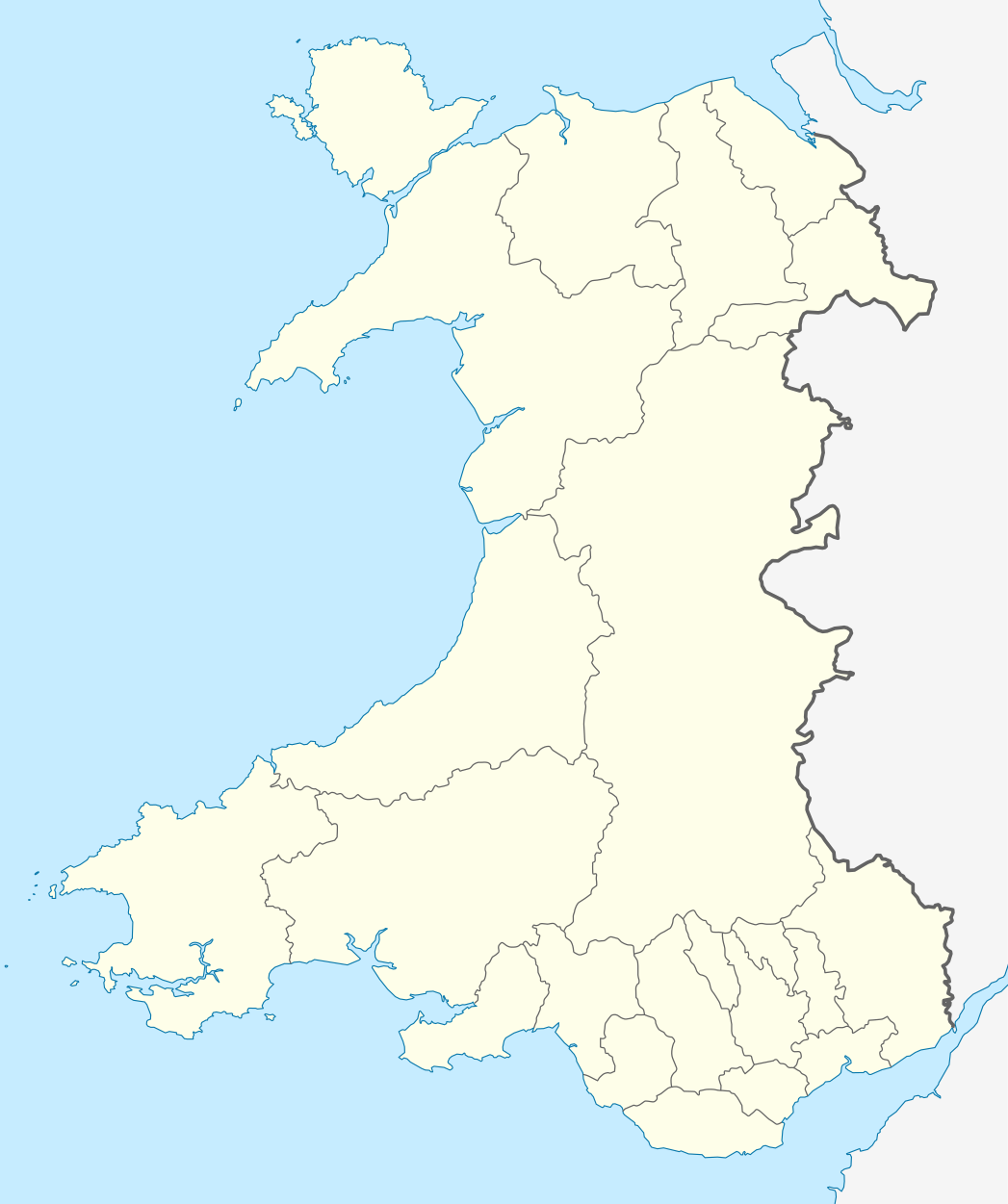

Short entry10.6 miles away
Marloes Mere
Marloes Peninsula · Freshwater wetland, reedbed and surrounding scrub
 the ai birderBirding near me
The AI Birder · one-page field sheet
St Davids, Pembrokeshire, Wales · SA62 6PY · SA62 6PY

Chough · Peregrine · Stonechat · Meadow Pipit · Linnet · Raven
Western cliffs public trail · Southern heathland public trail · Carn Ysgubor summit path · Carn Llundain summit path · Harbour visitor centre and arrival area
Check current access, hide closures and operator notices before travelling. Seasonal birds are possibilities, not promised sightings. Keep to authorised routes and give wildlife space.
Opening and charges checked 2026-10-25. Operator: https://www.rspb.org.uk/days-out/reserves/ramsey-island
Full guide and current source links: https://aibirder.co.uk/reserves/rspb-ramsey-island
WA 08 · RSPB reserve guide
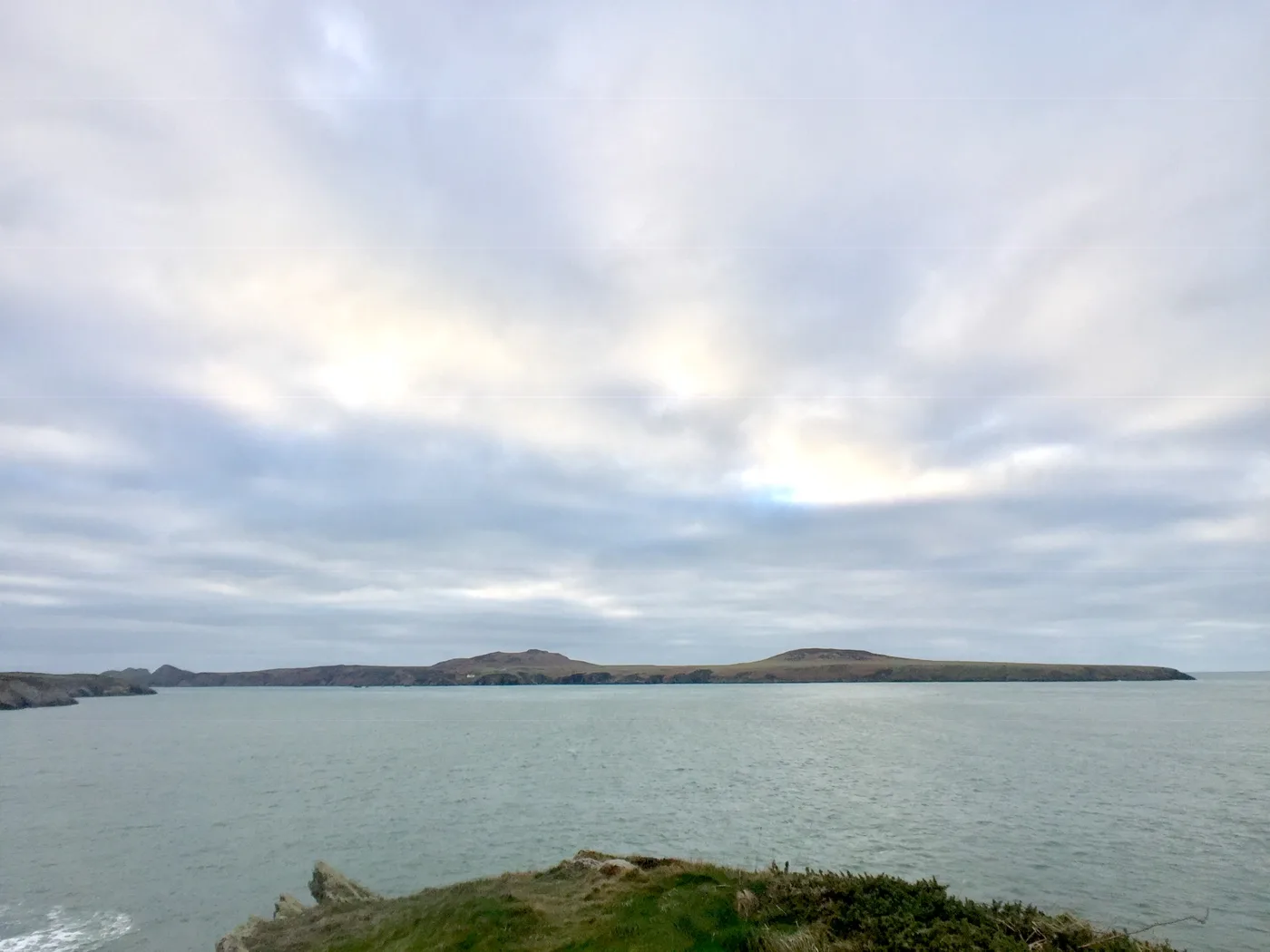
St Davids, Pembrokeshire, Wales · SA62 6PY
Breeding Guillemots, Razorbills and Fulmars crowd the cliffs in spring, while Choughs and Peregrines range over coastal heath and Atlantic Grey Seals gather to pup on remote beaches from late summer.
Decide if the visit fits.
Last checked 18 October 2026.
Opening and charges information · checked .
Stay nearby →Reserve overview
Breeding Guillemots, Razorbills and Fulmars crowd the cliffs in spring, while Choughs and Peregrines range over coastal heath and Atlantic Grey Seals gather to pup on remote beaches from late summer.
Eight checks for a smoother visit.
Conditions change: check the operator and transport notices before travelling.
January: Use this month to plan a future Chough watch from Carn Ysgubor summit path and the southern circuit’s Stonechat possibilities. These are future island viewpoints, not winter access invitations. No ordinary winter landing or unsupervised arrival has been verified.
February: Typically plan spring Guillemot and Razorbill viewing from Western cliffs public trail. Check the landing operator’s actual booking calendar and cancellation terms before arranging accommodation. Winter bird presence does not create a public ferry service or permission to land independently.
March: Guillemot and Razorbill usually begin returning to the wider coast, but this guide does not assume March visitor landings. Prepare a future Western cliffs public trail visit and a Carn Ysgubor summit path Chough watch. Obtain current operator confirmation before travelling.
April: On a confirmed landing, typically begin Western cliffs public trail for Guillemot, Razorbill and Fulmar. Carn Llundain summit path offers Wheatear when safe and open. The wardens’ briefing decides the usable circuit; do not turn the boat timetable into a rushed summit challenge.
May: Usually combine Kittiwake and auks from Western cliffs public trail with Skylark and Meadow Pipit along Southern heathland public trail. Chough can add interest near Carn Ysgubor summit path. Watch feeding birds from the route rather than following them towards cliffs.
June: Typically give Western cliffs public trail time for Guillemot, Razorbill and Fulmar, then use Southern heathland public trail for Stonechat and Linnet. Bring what you need for the full booked stay. An early return sailing cannot be assumed if you tire.
July: Usually favour early July for the auk scene from Western cliffs public trail; departure can begin around mid-month. Southern heathland public trail supplies Meadow Pipit and Stonechat after ledges quieten. The season changes naturally, so do not promise the same spectacle throughout July.
August: Stonechat, Linnet and Meadow Pipit typically make Southern heathland public trail a better focus than the departed auk colony. Carn Llundain summit path may add Wheatear if conditions suit. Keep out of burrowed ground and watch any coastal wildlife from authorised paths.
September: Usually combine Chough from Carn Ysgubor summit path with Wheatear on Carn Llundain summit path during a confirmed landing. Migration adds uncertainty rather than a guaranteed rarity. Allow enough time for a relaxed descent and the return-boat check-in.
October: If the current operator offers and confirms a landing, typically look for Chough from Carn Ysgubor summit path and Stonechat along Southern heathland public trail. Weather can remove the trip altogether. Keep a mainland alternative and follow wardens’ temporary restrictions.
November: Plan a later-season Raven and Buzzard watch from Western cliffs public trail rather than assuming a November landing. Check the actual operator calendar for future dates. The island’s resident birds remain part of its natural history, not evidence of year-round visitor transport.
December: Use a quiet planning month to compare spring auks from Western cliffs public trail with summer Stonechat and Linnet along Southern heathland public trail. Choose the experience you want before booking next season. No winter island walk, dusk landing or overnight access is implied.
Best conditions: Our choice is a calm, clear day with a confirmed landing and enough spare time to shorten the circuit. Typically morning light helps on western cliffs, while exposed summit paths are less useful in strong wind. Light and scope ratings are editorial map-based advice. The St Davids forecast is planning context; the skipper and wardens decide sailing and route safety.
Visit and parking information checked on 18 October 2026. Ramsey requires advance booking through Thousand Islands Expeditions. Choose the landing product specifically: a trip around the island offers a different experience from spending the day walking ashore. The published boat and landing charges, including conflicting child tariffs, are set out in Boat access below. At St Justinians, the boat operator lists a small free car park and a paid field charging £4 per car in cash in its information checked for 2026. Allow time to park and reach the boarding point without rushing. Keep the booking confirmation available and check the nominated meeting place carefully. The island’s postal postcode does not identify a mainland car park. Confirm weather and the actual sailing with the operator before travelling, especially because its current late-season banner and general weekly schedule differ.
Access times: Reserve: Booked seasonal landings only, subject to weather and the operator’s current calendar. RSPB 19 October 2026 calendar shows 12:00–16:00; it is not a year-round timetable. · Hides: No public enclosed bird hide is listed. Outdoor trails and viewpoints are available only within the confirmed landing visit and warden instructions. · Car park: Mainland St Justinians parking is separate from island access; no independent gate timetable verified. Preserve the parking and boat advice above and confirm it before travel. · Dawn access: no. Operator opening information.
The operator describes a main circular trail of about 2.5 miles that can be divided into two loops. The RSPB also confirms that the circuit can be shortened. This is an island walk through coastal heath and grassland, with open viewpoints rather than a hide-to-hide wetland itinerary. Collect the route map during the wardens’ welcome and choose the permitted sections that suit your available time. For a two-hour walk ashore, take one suitable loop or a shorter out-and-back agreed from the map, then return towards the harbour. Focus on a few extended watches rather than trying to complete the whole circuit quickly. Watch Choughs feeding on the grassland, examine cliff faces from a safe distance and pause to scan the sound. The two-hour plan is a walking option within the booked island visit; it does not establish an earlier return sailing. For a full-day visit, use the earlier boat when available, combine the two permitted loops at an unhurried pace and leave a generous margin for the return to the harbour. Divide the day between coastal birdwatching, heathland and a picnic stop. In the seal-pupping season, add time at the open clifftop viewpoints over bays, following the briefing about sensitive areas. Revisit a promising viewpoint if changing light improves visibility rather than always pressing on towards the next headland. Keep to the marked trail: burrows, vegetation and grazing areas are part of the reserve’s wildlife habitat. Carry the route information with you and turn back in time if a section feels unsuitable. A distant bird can be watched through optics without moving closer to an edge. Keep children beside you, use binoculars from a stable standing position and put equipment away before negotiating awkward ground. When the path crosses grazing land, give animals room and leave gates as instructed. The return boat is the day’s fixed commitment, so finish the furthest section while there is still ample time to retrace the route.
Use the linked reserve map and directions with current access notices. Species are typical seasonal targets. Light and telescope advice reflects our choice of viewpoint.
High western sea cliffs and adjoining airspace from the authorised island circuit
Stay on the warden-approved trail, well back from edges. No ledge, cave, burrow or nest approach is described.
Spring: Guillemot, Razorbill, Kittiwake, Fulmar, Peregrine
Summer: Guillemot, Razorbill, Kittiwake, Fulmar, Peregrine
Autumn: Raven, Buzzard, Oystercatcher, Peregrine
Light: morning. Scope: useful.
Heather, gorse and open coastal vegetation beside the authorised southern circuit
Rocky, uneven and burrowed ground; keep to paths and do not cross vegetation after birds.
Spring: Stonechat, Meadow Pipit, Skylark, Linnet
Summer: Stonechat, Meadow Pipit, Skylark, Linnet
Autumn: Stonechat, Meadow Pipit, Linnet
Light: either. Scope: not needed.
Open grazed ground and broad island views from the official northern summit route
Only if the wardens confirm the route is open and within your booked return time; no sensitive cliff detour.
Spring: Chough
Summer: Chough
Autumn: Chough
Light: either. Scope: useful.
Open high ground and wider island landscape from the official southern summit route
Steep, uneven and exposed; summit is optional. Follow the briefing and leave sufficient time for the return boat.
Spring: Wheatear
Summer: Wheatear
Autumn: Wheatear
Light: either. Scope: useful.
Harbour landscape from the staffed arrival, briefing and shop area
Arrival is by a booked landing boat only. Toilets involve 20 steep steps; no wheelchair or pushchair landing is advertised.
Light: not applicable. Scope: not needed.
| Spot | Overlooks | Key species by season | Best light | Scope | Tide |
|---|---|---|---|---|---|
| Western cliffs public trailStay on the warden-approved trail, well back from edges. No ledge, cave, burrow or nest approach is described. | High western sea cliffs and adjoining airspace from the authorised island circuit | Spring: Guillemot, Razorbill, Kittiwake, Fulmar, Peregrine Summer: Guillemot, Razorbill, Kittiwake, Fulmar, Peregrine Autumn: Raven, Buzzard, Oystercatcher, Peregrine | morning | useful | — |
| Southern heathland public trailRocky, uneven and burrowed ground; keep to paths and do not cross vegetation after birds. | Heather, gorse and open coastal vegetation beside the authorised southern circuit | Spring: Stonechat, Meadow Pipit, Skylark, Linnet Summer: Stonechat, Meadow Pipit, Skylark, Linnet Autumn: Stonechat, Meadow Pipit, Linnet | either | not needed | — |
| Carn Ysgubor summit pathOnly if the wardens confirm the route is open and within your booked return time; no sensitive cliff detour. | Open grazed ground and broad island views from the official northern summit route | Spring: Chough Summer: Chough Autumn: Chough | either | useful | — |
| Carn Llundain summit pathSteep, uneven and exposed; summit is optional. Follow the briefing and leave sufficient time for the return boat. | Open high ground and wider island landscape from the official southern summit route | Spring: Wheatear Summer: Wheatear Autumn: Wheatear | either | useful | — |
| Harbour visitor centre and arrival areaArrival is by a booked landing boat only. Toilets involve 20 steep steps; no wheelchair or pushchair landing is advertised. | Harbour landscape from the staffed arrival, briefing and shop area | — | not applicable | not needed | — |
Month chips show typical presence or our preferred viewing season. Choose birds that suit the time of your visit.
Ramsey Sound is not a crossing to time independently. Follow the official landing operator’s confirmed sailing and return instructions; no birdwatcher tide-height threshold or shore-access window is published. Milford Haven predictions are regional context only, not a navigation plan.
Operator: Thousand Islands Expeditions — sole landing operator.
Booking opens: Advance booking required through the operator; a 2027 booking-open date was not confirmed in the pages checked.. Season: Published landing season: 1 April–31 October. RSPB directions allow Easter if earlier; confirm any early-season sailing with the operator.; closed days: General landing page: closed Fridays. The operator’s current late-October notice says Sunday–Thursday; use the date-specific booking calendar for Saturdays.. Fares: 2026 operator combined return-ferry/landing tariff: adult £32; adult RSPB member £22; child £22; child member £17; ages 16–24 £22; under 5 £8. The RSPB separately lists child crossing £22 plus £5 landing and under 5 crossing £7, conflicting with the operator; confirm the child total before paying.; landing fee: RSPB 2026 landing-only tariff: adult £10, child £5, members and ages 16–24 free; do not add these again to the operator’s combined ticket..
Time ashore: Published departures 10:00 and 12:00, with return pickups from 16:00. The operator asks passengers to meet the boarding master 20 minutes before departure.. Landing access: Departs the old lifeboat station at St Justinians. The stepped mainland approach and rugged island access are detailed in Accessibility.. Weather policy: Sailings depend on conditions and passenger numbers. Operator-cancelled trips offer a refund or transfer; contact the office at least one hour before the scheduled departure for conditions.
The access arrangements for RSPB Ramsey Island were checked on 18 October 2026. The RSPB states that the island reserve is not accessible to wheelchairs or pushchairs. The mainland departure involves approximately 60 concrete steps down, followed by about 30 steps up towards the old lifeboat station and then the slipway; the operator describes handrails for much of this approach. Discuss the boarding process directly before purchasing a ticket if balance, mobility or boat movement may be an issue. On the island, the compost toilets are a five-minute walk from the harbour, reached by 20 steep steps. There is no accessible toilet or baby-changing facility; the RSPB identifies Oriel y Parc in St Davids for those mainland facilities. The shop entrance has a small downward step and a doorway about 72 centimetres wide. Trails are rocky, uneven and burrowed in places, and climb substantially above the harbour. There are gates, with no stiles listed, and no benches along the route; seating is concentrated by the shop. Sturdy footwear with ankle support is recommended. Consider the complete chain of mainland steps, boarding, island terrain and return journey when deciding whether a landing suits your party.
The harbour visitor area has staff and volunteers, information boards and a small gift shop. Drinks and snacks are available, with outdoor seating, but carry lunch and plenty of water for a longer walk. Pack food securely to help keep the island free of rats and mice: the RSPB prohibits carrier bags for picnics. The map and welcome briefing help visitors choose a route. Barbecues are prohibited, and all litter should leave with you on the return boat.
Pet dogs are not permitted on an island landing. Assistance dogs are welcome, with arrangements discussed with the boat operator before booking so that the crossing and island visit can be planned properly. A dog-friendly sightseeing cruise, where advertised separately, does not change the reserve’s landing rules.
Travel information for RSPB Ramsey Island was checked against its sources on 18 October 2026. Haverfordwest is the nearest rail arrival point identified by the RSPB. TrawsCymru T11 connects Haverfordwest with St Davids and continues towards Fishguard; select the train-to-bus connection and return journey for your actual travel date. The bus reaches St Davids, not the island harbour. For the mainland departure point, the summer Celtic Coaster is route 403. St Davids City Council gives its 2026 season as 28 March–28 September, while the boat operator identifies its St Justinians stop. Outside that season, arrange a taxi or another suitable mainland transfer rather than relying on the summer shuttle. No 2027 service dates were confirmed in the sources checked. Drivers follow signs from St Davids towards St Justinians. Leave enough time between a bus or taxi arrival and boat check-in to reach the boarding point carefully. The accommodation drive estimates measure only the mainland road leg to St Justinians, using OSRM/OpenStreetMap on 18 October 2026; they exclude parking, the boarding approach and the sea crossing.
Useful bases for an early start.
Booking.com links are affiliate links: we may earn a commission at no extra cost to you. How these links work.
About 1.9 miles by road, roughly 5 minutes’ drive to St Justinians for the boat; sea crossing and boarding approach are additional. OSRM measured the St Davids journey for RSPB Ramsey Island on 18 October 2026; the estimate excludes live traffic.
Measured driving route · 2026-10-18. Map estimates exclude live traffic.
The nearest city base for boat booking and island trips.Find places to stay in St Davids on Booking.comAbout 5.1 miles by road, roughly 12 minutes’ drive to St Justinians for the boat; sea crossing and boarding approach are additional. OSRM measured the Solva journey for RSPB Ramsey Island on 18 October 2026; the estimate excludes live traffic.
Measured driving route · 2026-10-18. Map estimates exclude live traffic.
A coastal village base for a wider peninsula stay.Find places to stay in Solva on Booking.comAbout 17.5 miles by road, roughly 33 minutes’ drive to St Justinians for the boat; sea crossing and boarding approach are additional. OSRM measured the Haverfordwest journey for RSPB Ramsey Island on 18 October 2026; the estimate excludes live traffic.
Measured driving route · 2026-10-18. Map estimates exclude live traffic.
Rail arrivals and a wider Pembrokeshire visit.Find places to stay in Haverfordwest on Booking.comExplore Pembrokeshire’s full guides and smaller birding sites
Contact the RSPB at ramsey.island@rspb.org.uk for island conservation and visitor questions. For tickets, sailing arrangements and mainland departure advice, contact Thousand Islands Expeditions on 01437 721721 or info@thousandislands.co.uk; its office is in Cross Square, St Davids. Keep those responsibilities separate when requesting information: a confirmed boat place and an appropriate island route are both part of planning the day. Report any wildlife concern to the wardens and follow their briefing about nesting birds, seals and the island’s biosecurity.
Check Ramsey Island wardens — May 2017 county-blog report. historic dated field report Reports show what has been seen, not what will be.
Follow the BTO Birders’ Code and give wildlife space.
RSPB Ramsey Island: Crossing £22 adult/child (£7 under-five), plus landing £10 adult/£5 child; members land free.
RSPB Ramsey Island: Pet dogs are not permitted on an island landing.
RSPB Ramsey Island: Spring seabirds · late-summer and autumn seals.
RSPB Ramsey Island: The RSPB states that the island reserve is not accessible to wheelchairs or pushchairs.
RSPB Ramsey Island: Travel information for RSPB Ramsey Island was checked against its sources on 18 October 2026.
Shorter stops within 15 miles in a straight line. Use the operator’s arrival directions for the journey.
Marloes Peninsula · Freshwater wetland, reedbed and surrounding scrub
Nearby complete guides.
Stops with a purpose: use one as a contrasting habitat or weather-proof Plan B. Distances are straight-line estimates, not road journeys.