UK birdwatching calendar

March birdwatching in the UK

By Does Your Duck Quack · Reviewed 18 October 2026

March is a month of overlap: winter birds remain while song, display and early migration gather pace. Choose a wetland with several habitats and let the weather decide how far the day expands.
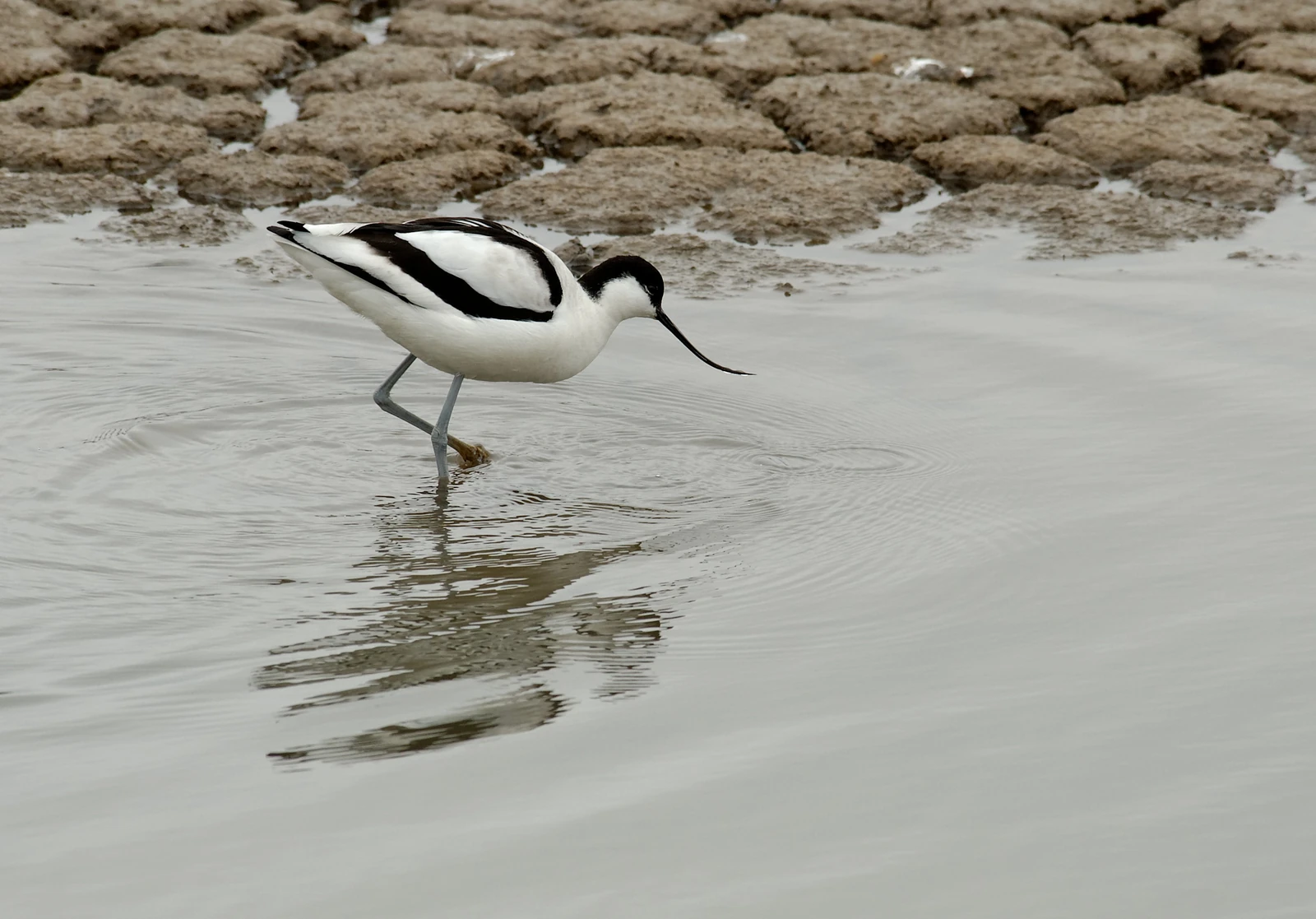
Avocet wading in shallow water at Titchwell Marsh, Norfolk
Photo: pyntofmyld (resized and converted; social previews may crop) · CC BY 2.0

What changes in the birding year in March

March rewards attention to transitions. A wetland can still hold winter ducks and geese while resident birds sing from the surrounding scrub and the first returning migrants begin to appear. These processes happen at different speeds in different places. A mild southern morning and a cold northern hillside should not be judged against the same expectation. Our choice is a site with water, rough vegetation and some sheltered trees, giving the day's interest several ways to develop.

Think in terms of arrival windows rather than arrival dates. Early migration can be conspicuous after suitable weather, then seem to pause when conditions change. A first sighting reported elsewhere does not mean the species has reached every reserve. Learn what a common resident looks and sounds like before assuming an unfamiliar movement must be a new arrival. The patience that helps with winter ducks remains valuable as the pace of the birding year begins to quicken.

Breeding behaviour also becomes easier to notice. Watch birds selecting perches, displaying over open ground or interacting around the edge of a pool. Keep descriptions simple and resist treating every chase as proof of nesting. The best March lesson is that several stories can be unfolding in one view: birds preparing to leave, birds establishing territories and birds passing through. You can enjoy that mixture without resolving the status of every individual before you go home.

March's headline spectacles and useful habitats

Displaying waterbirds are a good starting point because behaviour can be watched from established public viewpoints. RSPB Lochwinnoch offers an operator-supported opportunity to look for Great Crested Grebe display, while RSPB Portmore Lough combines winter wildfowl interest with the changing season. Spend time on a pair or small group instead of scanning continuously for something new. You will often notice the beginning of an interaction only after several apparently uneventful minutes.

Wet grassland and shallow pools are another strong March choice. RSPB Frampton Marsh and RSPB Titchwell Marsh provide contrasting wetland scenes where feeding and display can share the same visit. Our recommendation is to compare habitat use: which birds choose exposed mud, shallow water, grassy edges or deeper pools? That question remains productive whether migration is busy or quiet. Keep practical decisions in the reserve guide and leave current reports as context rather than a checklist of things to find.

Planning March tides, weather and daylight

March can tempt visitors into summer-length plans before the conditions support them. Extra light is welcome, but a cold wind still matters when you stand beside open water. Carry layers that work for a long watch and keep an easy route back. Check for flood or access notices after wet weather, particularly on low-lying wetlands. If an exposed section looks uncomfortable, change the route early instead of waiting until everyone is chilled and the return feels much longer.

At an estuary, choose a tide that fits your available time and the operator's viewing advice. A low tide may spread birds over a huge feeding area; a rising tide can bring a different distribution without producing a single dramatic gathering. Both can teach you how the shore works. For a first visit, give more weight to a clear public viewpoint and a safe finish than to an ambitious combination of tides, headlands and distant evening roosts.

A March birdwatching weekend with variety

Adapt the North Norfolk weekend around a long day at Titchwell and a second wetland or coastal session selected after checking the forecast. NWT Cley and Salthouse Marshes provides another linked guide to compare before choosing the final shape. Keep the two days different in purpose: use one for a slow habitat circuit and the other for a concentrated watch. That makes the weekend useful even if the same species appear on both lists.

If migration is quiet, spend the spare time practising recognition rather than driving further east or west in response to every report. Watch common birds in changing light, compare size when species stand together and listen around sheltered cover. A weekend with one base also leaves room to dry kit and review notes. Our preference is to arrive home understanding one bird better, rather than remembering a long sequence of brief stops and hurried departures.

Responsible watching as territories develop

March is the point to make breeding-season habits automatic. Keep to authorised routes, give displaying birds space and avoid playback intended to draw a singer closer. Do not investigate a bird repeatedly entering a hole, clump or reed edge. The interesting behaviour is enough; locating the exact nest adds risk without improving the quality of your visit. Where an operator supplies a hide, viewing screen or guided activity, use that arrangement instead of inventing a closer approach.

Dogs, cameras and groups need the same consideration. Follow the reserve's own rules, keep passages clear and avoid creating a semicircle around a bird that has chosen to feed near a path. Let it retain an escape route. For notes, record broad habitat and visible behaviour, with uncertainty where appropriate. Sensitive details can go privately to the reserve team. A public account should help the next visitor behave well rather than make vulnerable birds easier to locate.

How to recognise a good March visit

Choose a small comparison to carry through the day. You might listen for three distinct songs along a woodland edge, compare the feeding methods of three ducks or watch the same patch of mud at two tide stages. Write down what changed between the first and second view. This makes the visit resilient to the absence of a hoped-for migrant and gives less experienced companions a concrete way to join in.

Before leaving, decide whether the same place deserves a return in April. Note one sheltered listening point, one productive wetland view and the route section that took longer than expected. Those practical observations help you plan the next month more effectively than a generic list of spring destinations. The purpose is to build a relationship with the season as it unfolds, leaving room for both its familiar patterns and the weather that makes each year different.

Where to go birdwatching in England in March

RSPB Titchwell Marsh

Our English first choice for March is Titchwell because the visit can follow several habitats without requiring a succession of drives. Give the first productive view enough time to reveal behaviour before moving on. The mix of water and shore makes it useful for comparing birds still in winter mode with those becoming more active. Read the reserve guide for current arrangements and choose the route that fits the actual forecast.

RSPB Frampton Marsh

Frampton Marsh suits a March day focused on wet grassland, shallow water and the way birds share those spaces. Look for display and feeding from public viewing areas, keeping disturbance low around birds using the margins. Our suggestion is to watch a small section repeatedly rather than attempt to account for the whole landscape. Changing behaviour within one view can provide a much richer day than constant movement around the reserve.

RSPB Leighton Moss

Leighton Moss offers a reedbed option when you want to listen as well as scan open water. Early spring voices can carry from hidden cover, so treat hearing a bird as a complete observation rather than a reason to leave the route. Compare what you hear in sheltered conditions with what remains audible when wind rises. The detailed guide helps you select an appropriate circuit and plan the arrival.

Where to go birdwatching in Scotland in March

RSPB Lochwinnoch

Lochwinnoch is our choice for a March visit built around waterbird behaviour. Allow time for the possibility of grebe display while continuing to enjoy ordinary feeding and movement across the water. A calm sustained watch is more useful than repeatedly checking a view for a few seconds. Keep the guide's practical advice to hand so your attention at the reserve can stay with the birds rather than unresolved arrival details.

RSPB Mersehead

Mersehead is worth choosing for the overlap between winter goose country and the developing spring landscape. Observe from the designated areas and notice how the character of the day changes between open fields and sheltered cover. Our preference is a measured pace with enough time to listen on the quieter stretches. Use the full guide to judge the route under current ground conditions instead of assuming March has made every path dry.

RSPB Baron's Haugh

Baron's Haugh provides a wetland-and-woodland combination for a March listening and watching day. Resident song can make the approach interesting before you settle at a water view. Choose a manageable route and compare the activity on the outward and return walks. For a mixed-experience group, that repeated observation offers a useful common purpose without requiring everyone to identify every call or distant bird immediately.

Where to go birdwatching in Wales in March

RSPB Ynys-hir

Ynys-hir is our Welsh choice for watching winter give way gradually to spring across several habitats. Enjoy the woodland's resident activity without assuming the later migrant chorus has already arrived. Then compare the wetland views, keeping the route appropriate to the conditions and your group. A return later in spring can reveal a striking change, making March useful as a baseline rather than merely an early attempt at May birding.

RSPB Conwy

Conwy offers a March waterbird day with estuary context and a clear reason to think about tide. Look for differences in feeding behaviour between the birds on open water and those along exposed edges. Our recommendation is to revisit a view after part of the circuit rather than leave as soon as the first scan is complete. The reserve guide carries the practical detail needed for your particular visit.

RSPB Newport Wetlands

Newport Wetlands suits a March outing where listening is part of the plan. Stop at sheltered points on the public route and separate nearby calls from distant sounds carried across the reeds. The month can still feel wintry, so dress for standing rather than continuous walking. Choose a few sustained observation sessions and let the birds determine their interest, instead of trying to force the outing into a summer reedbed checklist.

Where to go birdwatching in Northern Ireland in March

RSPB Portmore Lough

Portmore Lough is a good March choice for the overlap of winter wildfowl and early breeding behaviour. Keep a broad view before focusing on one interaction, and compare what birds are doing rather than simply how many species are present. Our suggestion is a patient session from an authorised viewpoint, followed by notes while the sequence is still fresh. The guide helps settle practical questions before departure.

RSPB Belfast Window on Wildlife

Belfast Window on Wildlife suits visitors who want to make repeat March visits and follow changes gradually. Notice how birds occupy the same water or island on different days, while avoiding assumptions about nesting from one brief interaction. A compact outing can be particularly useful when the weather allows only a short window. Read the current guide so the chosen visit matches access arrangements rather than relying on a remembered schedule.

RSPB Lough Foyle

Lough Foyle makes a worthwhile March estuary choice for a tide-aware visitor. Winter birds may still provide much of the interest, which is a reason to enjoy them rather than regard the season as late. Scan from established public places and allow feeding groups plenty of room. The detailed guide is essential for planning around exposure and limited facilities, especially when adding the visit to a longer journey.

More reserves to consider in March

Explore Norfolk’s full guides and smaller birdwatching sites

Where to base a March birding break

Some links earn us a small commission at no extra cost to you. Choose a settlement base for the seasonal reserve visit, then confirm access before booking.

Target species this month

Start with a bird, then compare the linked guides’ public watching places and access. These are seasonal choices from the reserve guides, not current sightings. Up to three starting points are shown for each species, prioritising headline birds and flagship guides; other sites may suit you better. Protected birds have no precise location here.

Seasonal targets and reserve guides
SpeciesSites to compareSpecies guide
AvocetNWT Cley and Salthouse Marshes · Oare Marshes Nature Reserve · RSPB ArneWhen and how to watch
Bar-tailed GodwitRSPB Snettisham · RSPB Titchwell Marsh · Spurn National Nature ReserveWhen and how to watch
Barn OwlElmley National Nature Reserve · Holkham National Nature Reserve · RSPB Bempton CliffsWhen and how to watch
Barnacle GooseRSPB Crook of Baldoon · RSPB Loch Gruinart · RSPB MerseheadWhen and how to watch
Bearded TitLakenheath Fen · NWT Cley and Salthouse Marshes · RSPB Blacktoft SandsWhen and how to watch
BitternLakenheath Fen · NWT Cley and Salthouse Marshes · RSPB Blacktoft SandsWhen and how to watch
Black GrouseRSPB Corrimony · RSPB Geltsdale · RSPB InversnaidWhen and how to watch
Black GuillemotIsle of Mull white-tailed eagles · Mull of Galloway · RSPB HoyBird and habitat guides
Black RedstartFlamborough Head and Flamborough Bird ObservatoryBird and habitat guides
Black-headed GullNWT Cley and Salthouse Marshes · RSPB Frampton Marsh · RSPB Havergate IslandBird and habitat guides
Black-necked GrebeRSPB St Aidan'sWhen and how to watch
Black-tailed GodwitOare Marshes Nature Reserve · Ouse Washes · RSPB Dee Estuary - Burton Mere WetlandsWhen and how to watch
BlackbirdDawlish Warren National Nature Reserve · Draycote Water · Gigrin Farm Red Kite Feeding CentreWhen and how to watch
BlackcapAberlady Bay Local Nature Reserve · Isles of Scilly · LundyWhen and how to watch
Blue TitLoch of the Lowes Wildlife Reserve · RSPB Insh Marshes · Cors Dyfi Nature Reserve and Dyfi Wildlife CentreWhen and how to watch
BramblingRSPB The Lodge · Ouse Washes · Bwlch Nant yr ArianWhen and how to watch
Brent GooseHolkham National Nature Reserve · RSPB Frampton Marsh · Spurn National Nature ReserveWhen and how to watch
BullfinchRSPB Pulborough Brooks · Quoile Pondage Nature Reserve · RSPB Aylesbeare CommonBird and habitat guides
BuzzardLakenheath Fen · RSPB Insh Marshes · WWT Steart MarshesWhen and how to watch
Canada GooseLoch of the Lowes Wildlife Reserve · RSPB Insh Marshes · Brandon Marsh Nature ReserveBird and habitat guides
Carrion CrowGigrin Farm Red Kite Feeding CentreBird and habitat guides
Cattle EgretRSPB Ham Wall · Abberton Reservoir · Middleton LakesWhen and how to watch
Cetti’s WarblerLakenheath Fen · NWT Cley and Salthouse Marshes · RSPB Blacktoft SandsBird and habitat guides
ChaffinchLoch of the Lowes Wildlife Reserve · RSPB Insh Marshes · RSPB Loch GartenWhen and how to watch
ChiffchaffFlamborough Head and Flamborough Bird Observatory · RSPB Bempton Cliffs · RSPB Blacktoft SandsWhen and how to watch
ChoughSkomer Island · Bardsey Island and Bird Observatory · RSPB South StackWhen and how to watch
Cirl BuntingSlapton Ley National Nature Reserve · Dawlish Warren National Nature ReserveBird and habitat guides
Coal TitHolkham National Nature Reserve · RSPB Arne · RSPB Insh MarshesWhen and how to watch
Common GullRSPB Insh Marshes · RSPB Marwick Head · Seaforth Nature ReserveBird and habitat guides
Common ScoterRSPB Culbin Sands · Farne Islands · Flamborough Head and Flamborough Bird ObservatoryWhen and how to watch
CootHolkham National Nature Reserve · RSPB Snettisham · WWT London Wetland CentreBird and habitat guides
CormorantBass Rock and Scottish Seabird Centre · RSPB Dungeness · RSPB Havergate IslandBird and habitat guides
Corn BuntingRSPB Balranald · RSPB Bempton Cliffs · Abberton ReservoirBird and habitat guides
CraneLakenheath Fen · WWT Slimbridge · NWT Hickling Broad and MarshesWhen and how to watch
Crested TitRSPB Loch Garten · RSPB CorrimonyWhen and how to watch
CrossbillKielder Water ospreys · RSPB Loch Garten · Bwlch Nant yr ArianWhen and how to watch
CurlewRSPB Insh Marshes · Cors Caron National Nature Reserve · RSPB Cottascarth and Rendall MossWhen and how to watch
Dartford WarblerRSPB Arne · RSPB Aylesbeare CommonWhen and how to watch
DipperRSPB Gwenffrwd-Dinas · RSPB Haweswater · Beinn Eighe National Nature ReserveBird and habitat guides
DunlinSpurn National Nature Reserve · WWT Steart Marshes · Dyfi National Nature Reserve - YnyslasWhen and how to watch
DunnockSkomer Island · Blakeney Point · LundyBird and habitat guides
EiderForvie National Nature Reserve and Ythan Estuary · South Walney Nature Reserve and Observatory · Bass Rock and Scottish Seabird CentreWhen and how to watch
FieldfareLakenheath Fen · WWT Steart Marshes · College LakeBird and habitat guides
FirecrestRSPB Dungeness · RSPB NagsheadBird and habitat guides
FulmarRSPB Hoy · Bass Rock and Scottish Seabird Centre · Flamborough Head and Flamborough Bird ObservatoryBird and habitat guides
GadwallWWT London Wetland Centre · Chew Valley Lake · Quoile Pondage Nature ReserveBird and habitat guides
GannetBass Rock and Scottish Seabird Centre · Flamborough Head and Flamborough Bird Observatory · RSPB Bempton CliffsWhen and how to watch
GarganeyOuse Washes · RSPB Blacktoft Sands · RSPB DungenessBird and habitat guides
GoldcrestFlamborough Head and Flamborough Bird Observatory · Holkham National Nature Reserve · RSPB Dee Estuary - Burton Mere WetlandsWhen and how to watch
Golden EagleIsle of Mull white-tailed eagles · Isle of Rum National Nature Reserve · RSPB The OaWhen and how to watch
Golden PloverRSPB Frampton Marsh · RSPB Otmoor · Elmley National Nature ReserveWhen and how to watch
GoldeneyeLoch of the Lowes Wildlife Reserve · Abberton Reservoir · Kielder Water ospreysBird and habitat guides
GoldfinchWWT Welney · Draycote Water · LundyBird and habitat guides
GoosanderKielder Water ospreys · Loch of the Lowes Wildlife Reserve · RSPB Loch GartenBird and habitat guides
Great Black-backed GullBass Rock and Scottish Seabird Centre · Farne Islands · RSPB Havergate IslandBird and habitat guides
Great Crested GrebeLoch of the Lowes Wildlife Reserve · Chew Valley Lake · Draycote WaterBird and habitat guides
Great Northern DiverNorth Ronaldsay Bird Observatory · RSPB Coll · Draycote WaterWhen and how to watch
Great Spotted WoodpeckerLoch of the Lowes Wildlife Reserve · RSPB Arne · RSPB Loch GartenWhen and how to watch
Great TitRSPB Insh Marshes · RSPB Loch Garten · Cors Dyfi Nature Reserve and Dyfi Wildlife CentreWhen and how to watch
Great White EgretRSPB Ham Wall · Shapwick Heath National Nature Reserve · Holkham National Nature ReserveWhen and how to watch
Green SandpiperRSPB Baron's Haugh · WWT London Wetland Centre · Potteric CarrWhen and how to watch
Green WoodpeckerRSPB Arne · RSPB Pulborough Brooks · John Muir Country Park and TyninghameWhen and how to watch
GreenfinchBwlch Nant yr Arian · Dawlish Warren National Nature Reserve · RSPB Lake VyrnwyBird and habitat guides
GreenshankRSPB Titchwell Marsh · Isle of Mull white-tailed eagles · Isles of ScillyWhen and how to watch
Grey HeronElmley National Nature Reserve · Holkham National Nature Reserve · Lakenheath FenBird and habitat guides
Grey PloverElmley National Nature Reserve · RSPB Havergate Island · RSPB SnettishamWhen and how to watch
Grey WagtailIsles of Scilly · RSPB Gwenffrwd-Dinas · RSPB Lake VyrnwyBird and habitat guides
Greylag GooseLoch of the Lowes Wildlife Reserve · RSPB Insh Marshes · RSPB Loch GartenWhen and how to watch
GuillemotFlamborough Head and Flamborough Bird Observatory · Lundy · Mull of GallowayBird and habitat guides
Hen HarrierRSPB Frampton Marsh · Cors Caron National Nature Reserve · RSPB GeltsdaleWhen and how to watch
Herring GullBass Rock and Scottish Seabird Centre · Farne Islands · RSPB Bempton CliffsBird and habitat guides
House SparrowWWT WelneyBird and habitat guides
Jack SnipeWWT London Wetland Centre · Isles of Scilly · Sandwell ValleyWhen and how to watch
JackdawRSPB Bempton Cliffs · Gigrin Farm Red Kite Feeding Centre · RSPB Sherwood ForestBird and habitat guides
JayLoch of the Lowes Wildlife Reserve · John Muir Country Park and Tyninghame · RSPB Baron's HaughWhen and how to watch
KestrelLakenheath Fen · Oare Marshes Nature Reserve · RSPB Bempton CliffsWhen and how to watch
KingfisherLakenheath Fen · Attenborough Nature Reserve · Brandon Marsh Nature ReserveWhen and how to watch
KittiwakeFlamborough Head and Flamborough Bird Observatory · RSPB Bempton Cliffs · Mull of GallowayBird and habitat guides
KnotRSPB Snettisham · Freiston Shore · Gibraltar Point National Nature ReserveWhen and how to watch
LapwingElmley National Nature Reserve · RSPB Insh Marshes · RSPB Pulborough BrooksWhen and how to watch
Lesser Black-backed GullBass Rock and Scottish Seabird Centre · RSPB Havergate Island · RSPB FowlsheughBird and habitat guides
Lesser Spotted WoodpeckerRSPB Nagshead · RSPB Sherwood ForestWhen and how to watch
LinnetRSPB Arne · RSPB Bempton Cliffs · RSPB Havergate IslandBird and habitat guides
Little EgretRSPB Northward Hill · Whiteford National Nature Reserve · Elmley National Nature ReserveWhen and how to watch
Little GrebeDawlish Warren National Nature Reserve · Elmley National Nature Reserve · Holkham National Nature ReserveBird and habitat guides
Little GullSeaforth Nature ReserveBird and habitat guides
Little OwlRSPB St Aidan's · Elmley National Nature Reserve · RSPB Newport WetlandsWhen and how to watch
Little Ringed PloverCollege Lake · Middleton Lakes · Potteric CarrWhen and how to watch
Long-eared OwlElmley National Nature ReserveWhen and how to watch
Long-tailed DuckRSPB Culbin Sands · Findhorn Bay Local Nature Reserve · North Ronaldsay Bird ObservatoryWhen and how to watch
Long-tailed TitRSPB Pulborough Brooks · WWT Martin Mere · College LakeWhen and how to watch
MallardLoch of the Lowes Wildlife Reserve · NWT Cley and Salthouse Marshes · RSPB Blacktoft SandsBird and habitat guides
Mandarin DuckRSPB NagsheadBird and habitat guides
Manx ShearwaterBardsey Island and Bird Observatory · Isle of Rum National Nature ReserveWhen and how to watch
Marsh HarrierElmley National Nature Reserve · Holkham National Nature Reserve · Lakenheath FenWhen and how to watch
Marsh TitRSPB Sherwood Forest · RSPB Leighton Moss · Grafham WaterWhen and how to watch
Meadow PipitRSPB Bempton Cliffs · RSPB Havergate Island · RSPB MarshsideBird and habitat guides
Mediterranean GullTitchfield Haven National Nature Reserve · Lymington–Keyhaven Marshes Nature Reserve · Pagham Harbour Local Nature ReserveBird and habitat guides
MerlinRSPB Cottascarth and Rendall Moss · RSPB Geltsdale · Ouse WashesWhen and how to watch
Mistle ThrushRSPB Insh Marshes · RSPB Carngafallt · RSPB Dove StoneBird and habitat guides
MoorhenSkomer Island · Bwlch Nant yr Arian · Dawlish Warren National Nature ReserveBird and habitat guides
Mute SwanLakenheath Fen · Cors Caron National Nature Reserve · Draycote WaterBird and habitat guides
NuthatchRSPB Baron's Haugh · Loch of the Lowes Wildlife Reserve · RSPB ArneWhen and how to watch
OystercatcherRSPB Snettisham · RSPB Hest Bank at Morecambe Bay · Whiteford National Nature ReserveWhen and how to watch
PeregrineBardsey Island and Bird Observatory · RSPB South Stack · Walthamstow WetlandsWhen and how to watch
Pied WagtailSkomer Island · Dawlish Warren National Nature Reserve · Draycote WaterBird and habitat guides
Pink-footed GooseHolkham National Nature Reserve · RSPB Loch of Strathbeg · RSPB MarshsideWhen and how to watch
PintailRSPB Dee Estuary – Parkgate · Elmley National Nature Reserve · NWT Cley and Salthouse MarshesBird and habitat guides
PochardKenfig National Nature Reserve · RSPB Valley Wetlands · Walthamstow WetlandsBird and habitat guides
PtarmiganBeinn Eighe National Nature ReserveBird and habitat guides
PuffinLundyWhen and how to watch
Purple SandpiperPortland Bird Observatory and Portland Bill · RSPB Marwick Head · Bass Rock and Scottish Seabird CentreWhen and how to watch
RavenRSPB Pulborough Brooks · Beinn Eighe National Nature Reserve · Gigrin Farm Red Kite Feeding CentreBird and habitat guides
RazorbillFlamborough Head and Flamborough Bird Observatory · Mull of Galloway · RSPB South StackBird and habitat guides
Red GrouseRSPB Aghatirourke · RSPB Geltsdale · RSPB CarngafalltBird and habitat guides
Red KiteBwlch Nant yr Arian · Cors Caron National Nature Reserve · Gigrin Farm Red Kite Feeding CentreWhen and how to watch
Red-breasted MerganserRSPB Arne · Findhorn Bay Local Nature Reserve · Forvie National Nature Reserve and Ythan EstuaryBird and habitat guides
Red-necked GrebeAberlady Bay Local Nature ReserveBird and habitat guides
Red-throated DiverSpurn National Nature Reserve · RSPB Loch Ruthven · Flamborough Head and Flamborough Bird ObservatoryWhen and how to watch
RedpollRSPB Ham Wall · RSPB Corrimony · RSPB Loch GruinartWhen and how to watch
RedshankElmley National Nature Reserve · RSPB Rainham Marshes · Aberlady Bay Local Nature ReserveWhen and how to watch
RedwingLakenheath Fen · RSPB Titchwell Marsh · WWT Steart MarshesBird and habitat guides
Reed BuntingRSPB Montiaghs Moss · Lakenheath Fen · Loch of the Lowes Wildlife ReserveBird and habitat guides
Ringed PloverHolkham National Nature Reserve · NWT Cley and Salthouse Marshes · Oare Marshes Nature ReserveWhen and how to watch
RobinDawlish Warren National Nature Reserve · Draycote Water · Fair Isle Bird ObservatoryBird and habitat guides
Rock DoveRSPB Marwick HeadBird and habitat guides
Rock PipitFarne Islands · Skomer Island · Bardsey Island and Bird ObservatoryBird and habitat guides
RookGigrin Farm Red Kite Feeding CentreBird and habitat guides
RuffOuse Washes · RSPB Frampton Marsh · RSPB Titchwell MarshWhen and how to watch
Sand MartinWWT London Wetland Centre · Attenborough Nature Reserve · RSPB Insh MarshesBird and habitat guides
SanderlingDawlish Warren National Nature Reserve · Dyfi National Nature Reserve - Ynyslas · Bass Rock and Scottish Seabird CentreWhen and how to watch
Sandwich TernDawlish Warren National Nature ReserveWhen and how to watch
Scottish CrossbillRSPB Corrimony · RSPB Loch GartenWhen and how to watch
ShagBass Rock and Scottish Seabird Centre · Farne Islands · Skomer IslandBird and habitat guides
ShelduckElmley National Nature Reserve · Holkham National Nature Reserve · Lakenheath FenBird and habitat guides
Shore LarkHolkham National Nature ReserveBird and habitat guides
Short-eared OwlElmley National Nature Reserve · WWT Steart Marshes · Farlington MarshesWhen and how to watch
ShovelerWWT London Wetland Centre · Chew Valley Lake · Walthamstow WetlandsBird and habitat guides
SiskinBeinn Eighe National Nature Reserve · RSPB Ham Wall · RSPB Loch GartenWhen and how to watch
SkylarkCollege Lake · RSPB Aghatirourke · RSPB CollBird and habitat guides
Slavonian GrebeRSPB Loch Ruthven · RSPB Loch of Spiggie · Aberlady Bay Local Nature ReserveBird and habitat guides
SmewAbberton Reservoir · Rutland Water Nature ReserveBird and habitat guides
SnipeRSPB Pulborough Brooks · Isles of Scilly · RSPB Nene WashesWhen and how to watch
Snow BuntingHolkham National Nature Reserve · NWT Cley and Salthouse MarshesWhen and how to watch
Song ThrushRSPB Insh Marshes · RSPB Pulborough Brooks · Brockholes Nature ReserveWhen and how to watch
SparrowhawkBrandon Marsh Nature Reserve · Murlough National Nature ReserveWhen and how to watch
SpoonbillHolkham National Nature Reserve · RSPB Havergate Island · Abberton ReservoirWhen and how to watch
Spotted RedshankLymington–Keyhaven Marshes Nature Reserve · Ouse Washes · RSPB ArneWhen and how to watch
StarlingFair Isle Bird Observatory · RSPB FetlarWhen and how to watch
Stock DoveRSPB Medmerry · RSPB Sherwood ForestBird and habitat guides
Stone-curlewRSPB MinsmereBird and habitat guides
StonechatDawlish Warren National Nature Reserve · RSPB Aylesbeare Common · Flamborough Head and Flamborough Bird ObservatoryBird and habitat guides
Tawny OwlRSPB Baron's Haugh · RSPB Wood of Cree · Lakenheath FenBird and habitat guides
TealRSPB Loch of Strathbeg · RSPB Hayle Estuary · RSPB Loch of KinnordyBird and habitat guides
Tree SparrowRSPB Blacktoft Sands · RSPB Portmore Lough · Ouse WashesBird and habitat guides
TreecreeperFlamborough Head and Flamborough Bird Observatory · Holkham National Nature Reserve · Lakenheath FenWhen and how to watch
Tufted DuckDraycote Water · Grafham Water · Loch Leven National Nature ReserveBird and habitat guides
TurnstoneBass Rock and Scottish Seabird Centre · Farne Islands · RSPB Havergate IslandWhen and how to watch
TwiteRSPB Balranald · RSPB Coll · RSPB The OaWhen and how to watch
Velvet ScoterRSPB Culbin SandsWhen and how to watch
Water PipitOare Marshes Nature Reserve · Ouse Washes · RSPB Ham WallBird and habitat guides
Water RailRSPB Fowlmere · Upton Warren · Lakenheath FenBird and habitat guides
WheatearNorth Ronaldsay Bird Observatory · Flamborough Head and Flamborough Bird Observatory · RSPB ArneBird and habitat guides
White-fronted GooseRSPB North Warren · WWT Slimbridge · RSPB CollWhen and how to watch
White-tailed EagleIsle of Mull white-tailed eagles · Isle of Rum National Nature Reserve · RSPB HoyWhen and how to watch
Whooper SwanOuse Washes · RSPB Insh Marshes · RSPB Loch of StrathbegWhen and how to watch
WigeonOuse Washes · RSPB Marshside · RSPB Pulborough BrooksBird and habitat guides
Willow TitCors Caron National Nature Reserve · Potteric Carr · RSPB Wood of CreeWhen and how to watch
Willow WarblerSkomer Island · Portland Bird Observatory and Portland Bill · RSPB FowlmereWhen and how to watch
WoodcockRSPB CarngafalltBird and habitat guides
WoodlarkRSPB Arne · RSPB North Warren · RSPB Sherwood ForestBird and habitat guides
WoodpigeonWWT Castle EspieBird and habitat guides
WrenSt Kilda · Loch of the Lowes Wildlife Reserve · RSPB Insh MarshesBird and habitat guides
YellowhammerRSPB Medmerry · Loch of the Lowes Wildlife Reserve · RSPB Bempton CliffsBird and habitat guides

Plan your March birdwatching trip

Sources for birdwatching in March
