

WA 07 · RSPB reserve guide
RSPB Lake Vyrnwy
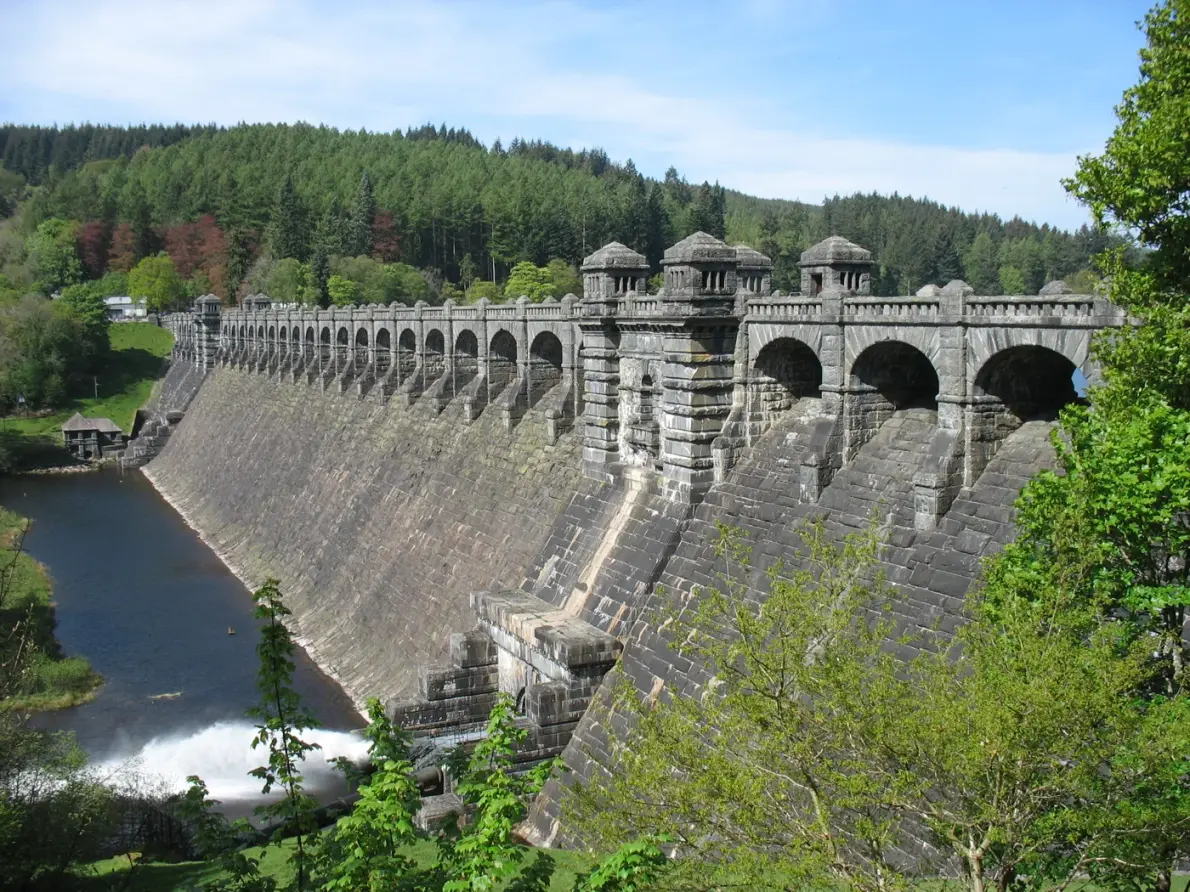
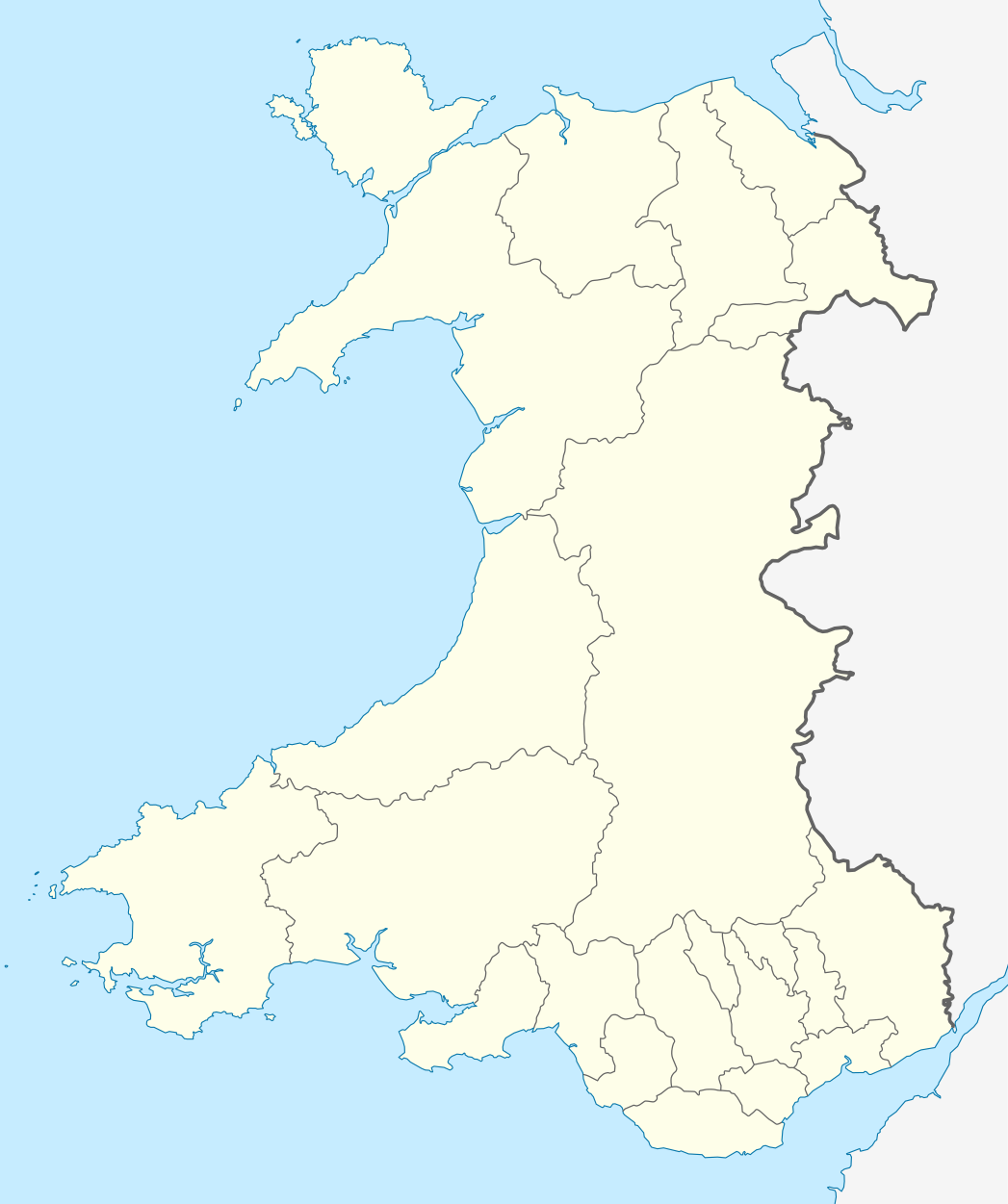
Llanwddyn, Powys, Wales · SY10 0LZ
Wood Warblers, Pied Flycatchers and Redstarts animate the woods in spring, while Dippers work the rocky streams, Goosanders use the reservoir and Peregrines patrol a 5,000-hectare landscape beneath the Berwyn Mountains.

Decide if the visit fits.
RSPB Lake Vyrnwy at a glance
Last checked 18 October 2026.
RSPB lists Centenary Hide as closed because of storm damage and ongoing felling operations. Do not plan to enter it; follow current estate barriers and route signs.
- Open
- October calendar: reserve/hides 24 hours; toilets 9am–5pmMore about open
- Price / parking
- Entry free; listed parking £4/day (£2 members) or £2/two hours (£1 members)More about price / parking
- Best time
- Spring woodland birds · upland wildlife year-roundMore about best time
- Dogs
- RSPB asks that dogs remain on leads at all times because this op…More about dogs
- Toilets
- Toilets and baby changing are provided by Hafren Dyfrdwy at the…More about toilets
- Step-free
- Coed y Capel is RSPB's most accessible hide, with an access ramp…More about step-free
Opening and charges information · checked .
Stay nearby →On this page
Reserve overview
Lake Vyrnwy reserve and habitat
Wood Warblers, Pied Flycatchers and Redstarts animate the woods in spring, while Dippers work the rocky streams, Goosanders use the reservoir and Peregrines patrol a 5,000-hectare landscape beneath the Berwyn Mountains.
Eight checks for a smoother visit.
Planning your visit to Lake Vyrnwy
Conditions change: check the operator and transport notices before travelling.
Lake Vyrnwy best time to visit and seasonal birds
January: Typically settle at Coed y Capel Hide for Siskin, Chaffinch and Nuthatch rather than planning an ambitious upland circuit. The feeder watch offers close comparisons without a telescope. Ice and forestry restrictions can change the rest of the visit; Centenary Hide remains closed.
February: Usually compare Blue Tit, Great Tit and Coal Tit from Coed y Capel Hide. Look at shape and feeding behaviour before trying Willow Tit among them. A quiet sheltered session is useful when rain makes the open lakeshore less appealing.
March: Great Spotted Woodpecker and Dunnock typically add interest around Coed y Capel Hide. Dam Trail offers a different setting for Grey Wagtail when its signed paths are open. Check current restrictions rather than assuming a complete lakeside circuit is available.
April: Pied Flycatcher typically returns to woodland around Glan y Llyn / Lakeside Hide later in spring. Coed y Capel Hide supplies Siskin and Greenfinch while you wait for summer visitors. Arrival timing varies; no report makes a bird certain on your chosen date.
May: Usually give Glan y Llyn / Lakeside Hide time for Pied Flycatcher and a patient Kingfisher watch. Coed y Capel Hide adds Willow Tit and Great Spotted Woodpecker comparisons. Keep to public approaches and do not follow territorial birds towards nesting places.
June: Typically combine Pied Flycatcher at Glan y Llyn / Lakeside Hide with Swallow and Swift over water from Dam Trail. The dated 2025 visit establishes these birds locally, not an annual tally. Make current signs, rather than an old trip route, your access authority.
July: Coed y Capel Hide usually gives opportunities to compare Siskin, Coal Tit and Greenfinch at different angles. Dam Trail offers Swallow and Swift above the reservoir. Watch from the route and let family groups move naturally without drawing them towards the camera.
August: Typically use Coed y Capel Hide for Goldfinch, Great Tit and Robin, adding Swallow from Dam Trail if conditions suit. Woodland birds become less vocal than in spring. Slow scanning and a comfortable pause usually work better than repeatedly changing locations.
September: Usually concentrate on Nuthatch and Great Spotted Woodpecker at Coed y Capel Hide, then check Dam Trail for lingering Swallow and Grey Wagtail. The lake and woodland are separate watching experiences. Leave enough time for safe travel between permitted stopping places.
October: Siskin and Chaffinch typically make Coed y Capel Hide a practical autumn choice. Kingfisher is another possibility from Glan y Llyn / Lakeside Hide, but never a promised encounter. Check Montgomeryshire reports for context without turning exceptional records into routine targets.
November: Usually favour Coed y Capel Hide for Willow Tit, Nuthatch and Greenfinch when the weather is wet. A short Grey Wagtail look from Dam Trail can provide variety if open. Protected upland species are not assigned search locations in this guide.
December: Typically finish the year with Chaffinch, Siskin and the tit species at Coed y Capel Hide. A brief Glan y Llyn / Lakeside Hide visit may produce Kingfisher when conditions permit. Short daylight, icy surfaces and forestry closures should determine the route.
Best conditions: Our choice is a calm spring morning for listening near the open lakeside hide and a wet-weather feeder session at Coed y Capel. Typically wind and rain reduce the usefulness of exposed water watches. Light and scope ratings are editorial guidance. Check Lake Vyrnwy forecasts and forestry notices; neither the office nor a closed hide provides a visitor-centre fallback.
Lake Vyrnwy opening times, entry and facilities
October 2026 prices checked 18 October: reserve entry is free. RSPB's charges page lists paid parking at £2 for two hours or £4 for a full day, discounted to £1 and £2 respectively for RSPB members. Hafren Dyfrdwy operates the car parks and confirms the fifty-percent member reduction, with membership card displayed beside the ticket; it also states that Blue Badge holders pay where charges apply. The main car park and Artisans car park are pay-and-display, while Old Village, Rhiwargor and smaller lakeside car parks are listed as free. No overnight parking is allowed. The estate is accessible year-round and RSPB's October calendar lists the reserve open around the clock, toilets 09:00–17:00 and café provision 10:00–16:30. Individual businesses operate separately. The RSPB estate office is a working office, not a visitor centre; its address should not be used as a promise of staffed visitor reception.
Access times: Reserve: RSPB calendar checked 19 October 2026 lists 24-hour reserve access. Follow live forestry and storm closures. · Hides: Generic calendar says 24 hours, but Canmlwyddiant / Centenary Hide is explicitly CLOSED on the facilities page. That specific closure takes precedence. · Car park: No independent gate timetable verified for the estate’s different parking areas. Check the operator signs for your chosen arrival point; no overnight stay is implied. · Dawn access: partly. Operator opening information.
Lake Vyrnwy trails, hides and visit length
Begin with the village hub, the dam and Coed y Capel Hide for a manageable introduction. Lakeside Hide, also called Glan y Llyn, is on the northeast shore and forms a separate destination; limited roadside parking means it should not be treated as an easy extension for every party. Centenary Hide, near Rhiwargor at the northern end, is another distinct location; see the dated access alert before considering it. Hafren Dyfrdwy's published trail map names the Dam Trail at 1.7 kilometres, Wildlife Way at 1.8 kilometres and Wildlife Trail at 4.6 kilometres. The longer Reservoir View route is eleven kilometres. Use these as route descriptions, then obey current site signs rather than assuming every line on an older map is available. Two-hour plan: settle at Coed y Capel and watch the feeders before taking a shorter marked walk around the hub and dam area. Give time to identifying common woodland species instead of trying to drive around the whole lake. Full-day plan: begin with a morning woodland watch, take one suitable signed trail and return to the village for lunch. Add Lakeside Hide only when the approach and parking fit your party, then finish with another quiet observation period. Do not attempt to fit the reservoir perimeter, a long hill walk and all hides into one rushed outing. The estate includes deep water, bog, steep slopes and cliffs; for a birding visit, the permitted trails give useful habitat edges without the need to push into unmarked upland ground. Pack an appropriate map if choosing a longer public right of way.
Where to watch at Lake Vyrnwy
Use the linked reserve map and directions with current access notices. Species are typical seasonal targets. Light and telescope advice reflects our choice of viewpoint.
Coed y Capel HideWinter · Spring · Summer · Autumn
Woodland and the operator-maintained feeding station at the main village car park
Ramped entrance and wheelchair spaces. Observe quietly through the windows without approaching feeders.
Winter: Siskin, Chaffinch, Nuthatch, Willow Tit
Spring: Great Spotted Woodpecker, Dunnock, Blue Tit
Summer: Coal Tit, Great Tit, Greenfinch
Autumn: Goldfinch, Robin, Blackbird
Light: either. Scope: not needed.
Glan y Llyn / Lakeside HideWinter · Spring · Summer · Autumn
North-eastern lakeshore and nearby woodland from the official lakeside hide
Limited roadside parking; check current approach and leave passing places clear.
Winter: Kingfisher
Spring: Pied Flycatcher, Kingfisher
Summer: Pied Flycatcher, Kingfisher
Autumn: Kingfisher
Light: either. Scope: useful.
Canmlwyddiant / Centenary Hide — closed
Woodland and open stream landscape at the northern end — unavailable while closed
CLOSED: RSPB facilities page explicitly cites storm damage and ongoing felling. No target species or route recommendation relies on this hide.
Light: not applicable. Scope: not needed.
Dam TrailWinter · Spring · Summer · Autumn
Reservoir water and village-side woodland from the official dam circuit
Use only currently open signed paths; the June 2025 report records storm closures, not a promise that every lakeside link has reopened.
Winter: Grey Wagtail, Peregrine
Spring: Grey Wagtail, Swallow, Peregrine
Summer: Swallow, Swift, Grey Wagtail, Peregrine
Autumn: Grey Wagtail, Peregrine
Light: either. Scope: not needed.
| Spot | Overlooks | Key species by season | Best light | Scope | Tide |
|---|---|---|---|---|---|
| Coed y Capel HideRamped entrance and wheelchair spaces. Observe quietly through the windows without approaching feeders. | Woodland and the operator-maintained feeding station at the main village car park | Winter: Siskin, Chaffinch, Nuthatch, Willow Tit Spring: Great Spotted Woodpecker, Dunnock, Blue Tit Summer: Coal Tit, Great Tit, Greenfinch Autumn: Goldfinch, Robin, Blackbird | either | not needed | — |
| Glan y Llyn / Lakeside HideLimited roadside parking; check current approach and leave passing places clear. | North-eastern lakeshore and nearby woodland from the official lakeside hide | Winter: Kingfisher Spring: Pied Flycatcher, Kingfisher Summer: Pied Flycatcher, Kingfisher Autumn: Kingfisher | either | useful | — |
| Canmlwyddiant / Centenary Hide — closedCLOSED: RSPB facilities page explicitly cites storm damage and ongoing felling. No target species or route recommendation relies on this hide. | Woodland and open stream landscape at the northern end — unavailable while closed | — | not applicable | not needed | — |
| Dam TrailUse only currently open signed paths; the June 2025 report records storm closures, not a promise that every lakeside link has reopened. | Reservoir water and village-side woodland from the official dam circuit | Winter: Grey Wagtail, Peregrine Spring: Grey Wagtail, Swallow, Peregrine Summer: Swallow, Swift, Grey Wagtail, Peregrine Autumn: Grey Wagtail, Peregrine | either | not needed | — |
Target species at Lake Vyrnwy
Month chips show typical presence or our preferred viewing season. Choose birds that suit the time of your visit.
Headline birds
- AprMayJunJulAug
- Hen HarrierFollow the operator’s sensitive-species advice.JanFebMarAprMayJunJulAugSepOctNovDec
- Black GrouseFollow the operator’s sensitive-species advice.JanFebMarAprMayJunJulAugSepOctNovDec
Regular birds
- JanFebMarAprMayJunJulAugSepOctNovDec
- JanFebMarAprMayJunJulAugSepOctNovDec
- JanFebMarAprMayJunJulAugSepOctNovDec
- GreenfinchCoed y Capel HideCoed y Capel HideJanFebMarAprMayJunJulAugSepOctNovDec
- JanFebMarAprMayJunJulAugSepOctNovDec
- JanFebMarAprMayJunJulAugSepOctNovDec
- JanFebMarAprMayJunJulAugSepOctNovDec
- JanFebMarAprMayJunJulAugSepOctNovDec
- JanFebMarAprMayJunJulAugSepOctNovDec
- JanFebMarAprMayJunJulAugSepOctNovDec
- JanFebMarAprMayJunJulAugSepOctNovDec
- JanFebMarAprMayJunJulAugSepOctNovDec
- GoldfinchCoed y Capel HideCoed y Capel HideJanFebMarAprMayJunJulAugSepOctNovDec
- JanFebMarAprMayJunJulAugSepOctNovDec
- JanFebMarAprMayJunJulAugSepOctNovDec
- AprMayJunJulAugSep
- MayJunJulAug
- JanFebMarAprMayJunJulAugSepOctNovDec
Lake Vyrnwy accessibility and step-free routes
Coed y Capel is RSPB's most accessible hide, with an access ramp, dedicated wheelchair positions and large picture windows. Hafren Dyfrdwy identifies parking beside its most accessible Dam Trail, reached by turning left off the B4393 on the approach to the dam. Its accessibility guide describes level links from Old Village car park to the Giant Hand sculpture, picnic benches and a lake viewpoint, and level access from the Dam Trail car park to picnic benches and the trail. These specific options are more useful than describing the entire estate as accessible. Other woodland trails involve climbs and descents, while the route to Centenary Hide has a sixty-eight-metre approach that is steep in places. The accessible toilet is beside the main toilet block at the end of the dam. A sensory guide is also available from the estate operator for visitors with cognitive disabilities. Compare its detailed guidance with your own requirements before selecting a route, especially if gradients, narrow bridges or an uneven natural surface affect your visit. A lake panorama beside a car park does not establish step-free access to a distant hide.
Lake Vyrnwy visitor facilities
Toilets and baby changing are provided by Hafren Dyfrdwy at the western end of the dam, with additional public toilets in Llanwddyn village. Catering comes from independent estate and village businesses; RSPB itself has no café or visitor centre here. Five picnic areas are listed across the estate. The main-car-park play area includes a mud kitchen, den building, climbing equipment and a slide on a natural grass surface. Bring food and water if spending the day away from the village hub. Barbecues are prohibited throughout the reserve and wider estate.
Lake Vyrnwy dog rules
RSPB asks that dogs remain on leads at all times because this open reserve supports ground-nesting birds and livestock. Keep to an appropriate path and leave room around grazing animals. Visitors with assistance dogs are welcome at RSPB Lake Vyrnwy, including throughout its visitor routes. Do not let a dog enter streams or vegetation while you are watching a Dipper, woodland family or feeding flock.
Lake Vyrnwy public transport and getting there
Powys County Council lists B82 as the demand-responsive link from Llanfyllin to Lake Vyrnwy, operated by Oswestry Community Action. Its booking guidance says to reserve directly at least two hours before travel on 01691 671571; without bookings the service does not run. Traveline Cymru lists Wednesday-and-Friday journeys, but its timetable footnote gives a different telephone number, so use the council's operator contact to confirm both the current times and the return journey before depending on this service. Tanat Valley service 72 connects Oswestry and Llanfyllin, while service 76 links Llanfyllin and Welshpool. These are separate connections, not a guaranteed through service to the lake. For rail visitors, pre-arranging a taxi from Welshpool avoids relying on an uncertain rural interchange; book the return rather than expecting an available vehicle at the dam. Drivers follow the B4393 from Llanfyllin and the brown tourist signs towards the dam and main village car parks.
Useful bases for an early start.
Where to stay near Lake Vyrnwy
Booking.com links are affiliate links: we may earn a commission at no extra cost to you. How these links work.
- 01
Llanwddyn
About 0.7 miles by road, roughly 6 minutes’ drive from the mapped settlement centre to the dam-side reserve point; OSRM/OpenStreetMap estimate measured 18 October 2026, excluding live traffic.
Measured driving route · 2026-10-18. Map estimates exclude live traffic.
A local overnight close to the reservoir and woodland.Find places to stay in Llanwddyn on Booking.com - 02
Llanfyllin
About 9.8 miles by road, roughly 15 minutes’ drive from the mapped settlement centre to the dam-side reserve point; OSRM/OpenStreetMap estimate measured 18 October 2026, excluding live traffic.
Measured driving route · 2026-10-18. Map estimates exclude live traffic.
A small town east of the lake with onward rural transport.Find places to stay in Llanfyllin on Booking.com - 03
Welshpool
About 21.2 miles by road, roughly 33 minutes’ drive from the mapped settlement centre to the dam-side reserve point; OSRM/OpenStreetMap estimate measured 18 October 2026, excluding live traffic.
Measured driving route · 2026-10-18. Map estimates exclude live traffic.
A rail-connected base for a pre-booked taxi approach.Find places to stay in Welshpool on Booking.com
Explore Powys’s full guides and smaller birding sites
Lake Vyrnwy official sightings, safety and contact
For bird conservation, reserve volunteering and RSPB matters contact vyrnwy@rspb.org.uk or 01691 870278. Estate parking, toilet status and visitor-facility questions belong with Hafren Dyfrdwy; its published ranger-team number is 01691 870571. Before travelling, check the current site information, dated alerts and any booked bus or taxi connection. Be explicit about which hide or trail you intend to reach, since an open village hub does not establish access to every part of the estate. Report damage to the responsible operator and follow barriers rather than making your own route around forestry work.
Lake Vyrnwy recent bird sightings
Check RSPB local group — Lake Vyrnwy visit, June 2025. dated visit report Reports show what has been seen, not what will be.
- RSPB local group — Lake Vyrnwy visit, June 2025operator · updated dated visit report
- Montgomeryshire Birds — dated county sightings archivecounty club or recorder · updated archive; individual entries carry their year
Birding sources
Follow the BTO Birders’ Code and give wildlife space.
Questions visitors ask
Is RSPB Lake Vyrnwy free to visit?
RSPB Lake Vyrnwy: Entry free; listed parking £4/day (£2 members) or £2/two hours (£1 members).
Can I take my dog to RSPB Lake Vyrnwy?
RSPB Lake Vyrnwy: RSPB asks that dogs remain on leads at all times because this open reserve supports ground-nesting birds and livestock.
When is the best time to visit RSPB Lake Vyrnwy?
RSPB Lake Vyrnwy: Spring woodland birds · upland wildlife year-round.
Is RSPB Lake Vyrnwy accessible for wheelchairs?
RSPB Lake Vyrnwy: Coed y Capel is RSPB's most accessible hide, with an access ramp, dedicated wheelchair positions and large picture windows.
How do I get to RSPB Lake Vyrnwy without a car?
RSPB Lake Vyrnwy: Powys County Council lists B82 as the demand-responsive link from Llanfyllin to Lake Vyrnwy, operated by Oswestry Community Action.
Best months for this reserve
Nearby complete guides.
Bird reserves near Lake Vyrnwy
Stops with a purpose: use one as a contrasting habitat or weather-proof Plan B. Distances are straight-line estimates, not road journeys.
- About 23 miles away · A useful habitat changeCors Dyfi Nature Reserve and Dyfi Wildlife CentreTypically April–September for ospreys; wetland and feeder birds in winter
- About 26 miles away · A useful habitat changeRSPB Ynys-hirSpring woodland birds · autumn–winter wetlands
- About 30 miles away · A useful habitat changeDyfi National Nature Reserve - YnyslasAutumn migrant waders · winter wildfowl and raptors · spring and summer birdsong