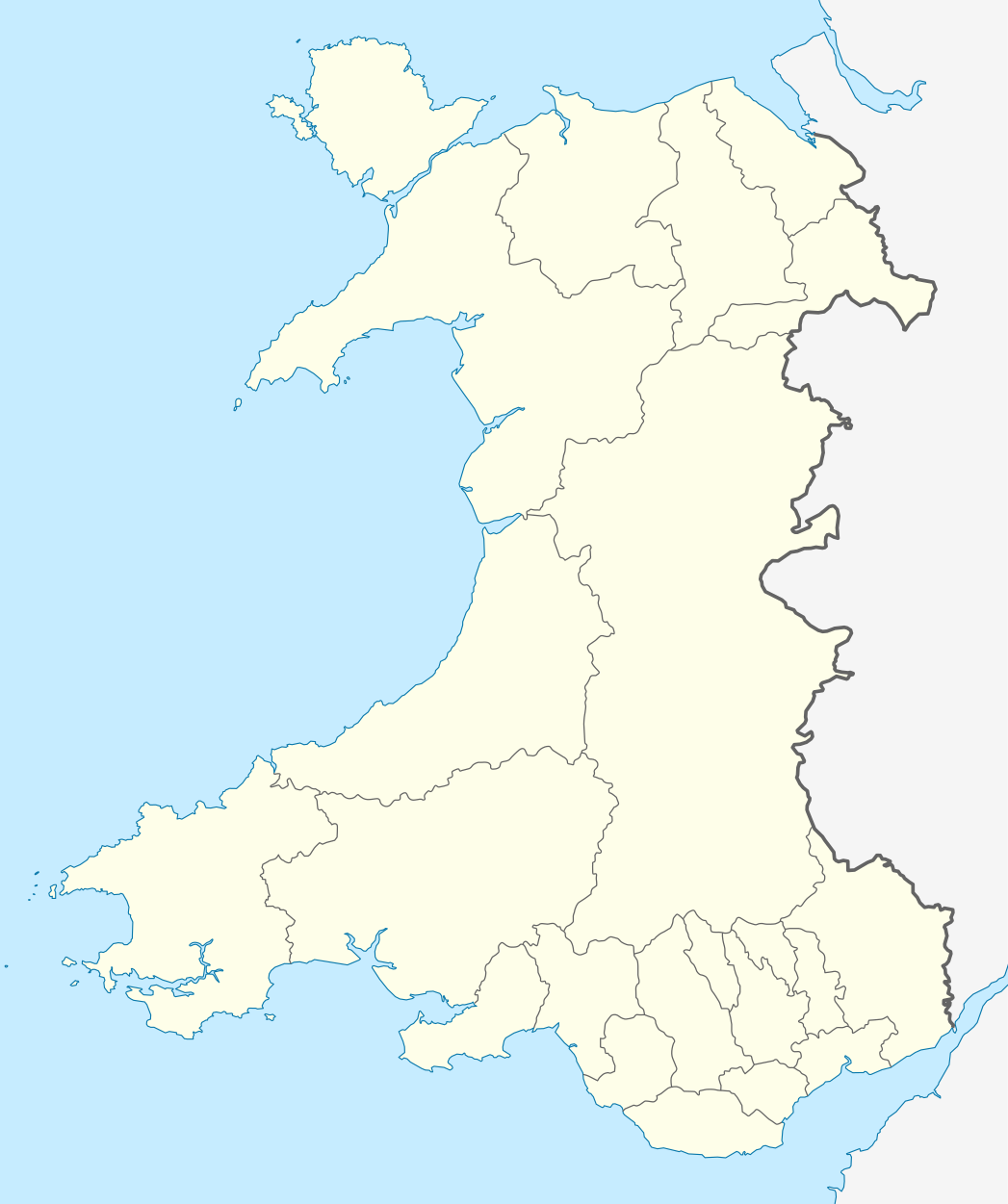

Short entry4.5 miles away
Cwm Clettwr
Tre’r-ddôl · Broadleaved woodland, stream and heath pockets
 the ai birderBirding near me
The AI Birder · one-page field sheet
Derwenlas, near Machynlleth, Powys · SY20 8SR

Barnacle Goose · Water Rail · Chiffchaff · Blue Tit · Great Tit · Chaffinch
Dyfi 360 Observatory · Ceri Hide · Extra-wide public boardwalk · Dyfi Wildlife Centre Galeri
Check current access, hide closures and operator notices before travelling. Seasonal birds are possibilities, not promised sightings. Keep to authorised routes and give wildlife space.
Opening and charges checked 2026-10-25. Operator: https://www.montwt.co.uk/nature-reserves/cors-dyfi
Full guide and current source links: https://aibirder.co.uk/reserves/cors-dyfi-nature-reserve-and-dyfi-wildlife-centre
WA 17 · Montgomeryshire Wildlife Trust reserve guide
Derwenlas, near Machynlleth, Powys
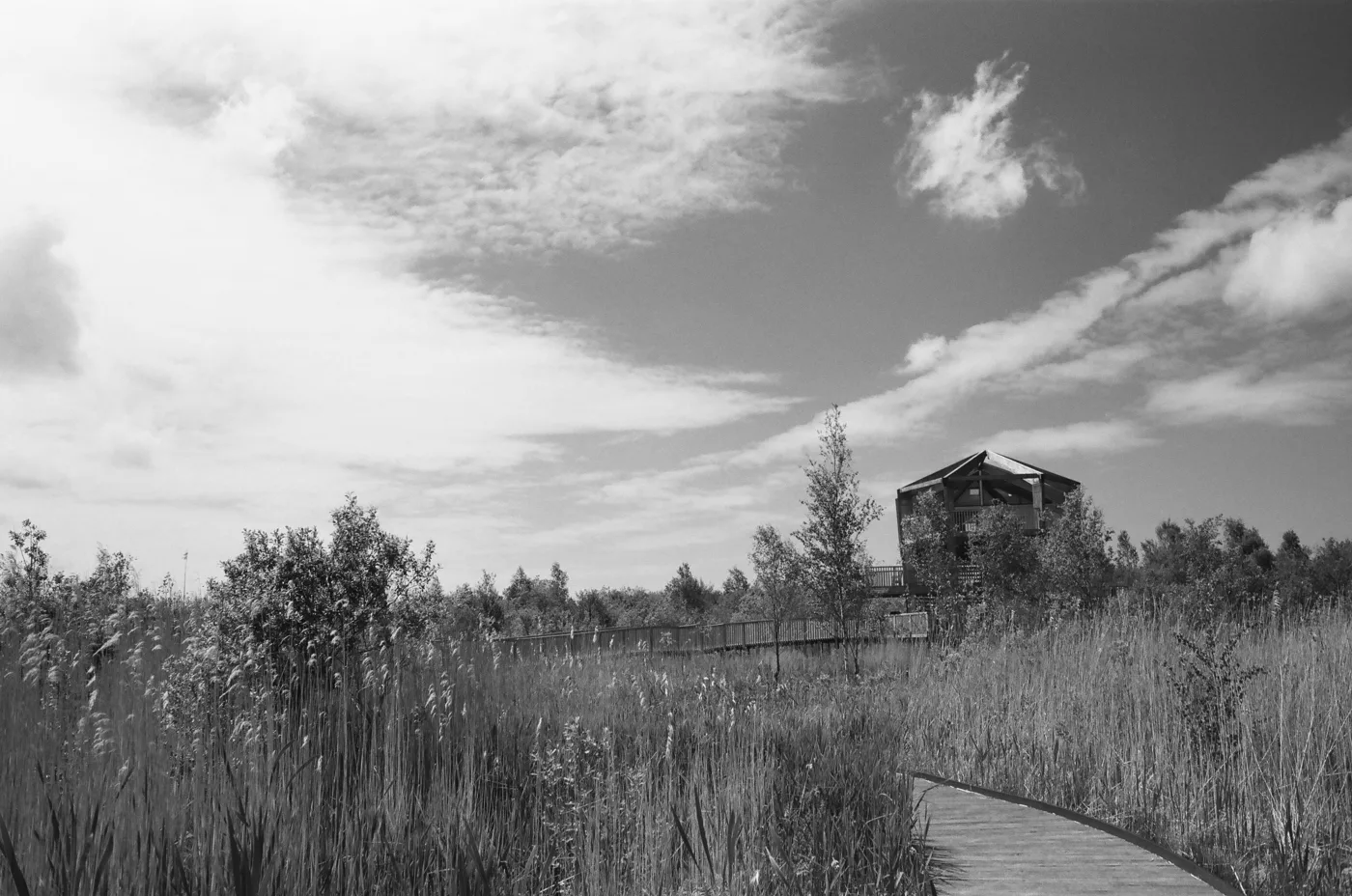
Ospreys watched from the 360 Observatory, with reedbed birds along the boardwalk
Decide if the visit fits.
Last checked 18 October 2026.
Opening and charges information · checked .
Stay nearby →Reserve overview
Ospreys watched from the 360 Observatory, with reedbed birds along the boardwalk
Eight checks for a smoother visit.
Conditions change: check the operator and transport notices before travelling.
January: typically watch for Barnacle Goose from Dyfi 360 Observatory. The seasonal programme includes a Christmas break; January access is not confirmed by the current notice. Use this suggestion only after the Trust has announced the reserve open. February: typically watch for Blue Tit from Extra-wide public boardwalk. The operator retains an old February 2026 reopening line. Do not turn it into a February 2027 opening date; check before travelling for a woodland watch. March: typically watch for Chiffchaff from Extra-wide public boardwalk. Spring listening can be productive from the boardwalk when public opening permits. Quiet pauses distinguish passing calls without going into wet woodland or following birds off the route. April: typically watch for Sedge Warbler from Ceri Hide. The hide provides an alternative to standing along the boardwalk. Local occurrence is supported by operator information; any exact-window assignment is practical habitat advice rather than a new sighting. May: typically watch for Cuckoo from Dyfi 360 Observatory. Listen from the official tower and stay within managed public access. Watch birds from the operator’s managed facilities, and let the birds’ behaviour decide how long you remain. June: typically watch for Reed Warbler from Ceri Hide. The reserve’s ringing work documents these reedbed birds, but a research record does not authorise visitors to enter netting areas or guarantee a bird in front of this hide. July: typically watch for Grasshopper Warbler from Extra-wide public boardwalk. Warm calm weather usually makes short song phrases easier to separate. Never play recordings or step into cover to make a quiet singer show itself. August: typically watch for Willow Warbler from Extra-wide public boardwalk. An actual August 2013 ringing session confirms the supporting woodland birds. Those dated records are historical evidence, not an assertion that today’s boardwalk holds the same catch or numbers. September: typically watch for Chaffinch from Extra-wide public boardwalk. A compact public-route watch can suit unsettled autumn weather. Compare calls and movement at different heights while keeping the boardwalk clear for wheelchair users and other visitors. October: typically watch for Water Rail from Ceri Hide. Autumn opening is Wednesday–Sunday until20 December 2026. Shorter daylight means allowing for last admission and the tower’s own closing notice rather than assuming summer access continues. November: typically watch for Barnacle Goose from Dyfi 360 Observatory. The county’s January 2024 account confirms occasional Barnacle Goose views from the observatory. The flock’s uncertain origin is disclosed; its return or presence on a chosen date is not promised. December: typically watch for Great Tit from Extra-wide public boardwalk. Current opening runs only until20 December 2026, after which the holiday closure applies. A boardwalk visit earlier in the month still depends on weather and the operator’s daily notices.
Best conditions: Usually choose a calm bright spell for hearing reedbed song and following birds over the wider wetland. The boardwalk makes a short listen-and-watch circuit possible; the observatory adds distance and shelter. This is reclaimed bog, swamp and wet woodland, not a tidal shore crossing. Watch birds only through the operator’s managed facilities, without approaching nests or resting places.
The published 2026 spring/summer season ran 18 March–7 September: adults £8 and children £4. The autumn/winter tariff applies 9 September 2026–18 March 2027: adults £4 and children £2. Under-fives and Montgomeryshire Wildlife Trust members enter free. The 2026 season ticket costs £25 adult or £12.50 child. Parking is free; electric vehicle charging is listed separately at 60p per kWh. The accessible extra-wide boardwalk and electric lifts give useful options for a shorter visit, but assistance dogs are the only dogs admitted to the reserve and building. Ordinary dogs may use the carpark and front seating area. Ask reception about the current Ceri Hide and observatory arrangements, and plan an alternative if severe weather affects outdoor access.
Access times: Reserve: Current notice: Wednesday–Sunday until20 December 2026. Autumn/winter 10:00–16:00, last admission 15:10. Summer normally daily 10:00–17:00, last 16:10. · Hides: Within reserve opening; follow reception’s observatory closing notice. Separate Ceri Hide door times not verified. · Car park: Entrance carpark and EV chargers available during opening hours; no independent dawn entry advertised. · Dawn access: no. Operator opening information.
The main route follows a 600-metre boardwalk from the Dyfi Wildlife Centre to the 360 Observatory. A loop branches farther into the wetland, giving a closer view of the reserve's bog, swamp, scrub and wet woodland. Walk quietly and stop at gaps in the vegetation: a bird singing immediately beside the boardwalk may be easier to locate by waiting than by following it. Stay on the constructed route and leave the surrounding wet ground undisturbed. The observatory is the central osprey viewpoint. Use the view across the nesting area rather than attempting any approach to the nest. The new photographic hide, announced for April 2026, concentrates on small birds and other wildlife around feeders and a pool; the project specifically identifies the observatory as the better osprey-watching location. Do not interpret the hide's hoped-for future species as a list of birds already reliably seen there. Two-hour plan: begin with a brief look at the centre's displays and current nest information. Walk slowly to the observatory, spending the largest part of the visit watching from there. Return by the boardwalk, pausing for reedbed sounds and a shorter photographic-hide session. Keep the final part of the visit flexible so an interesting flight or feeding bird does not force you to hurry back. Full-day plan: for an open day in the osprey season, arrive near the start of the visitor window and make two substantial observatory sessions, one before and one after lunch. Between them, explore the boardwalk loop, photographic hide and centre displays at a relaxed pace. In winter, shorten the outside sessions and concentrate on feeders, wetland views and the gallery. The operator suggests one to three hours for a typical visit; this longer editorial plan is for visitors who enjoy extended stationary watching, rather than a long-distance trail circuit.
Use the linked reserve map and directions with current access notices. Species are typical seasonal targets. Light and telescope advice reflects our choice of viewpoint.
Wider reserve, wet grassland and reedbeds
Electric wheelchair lift to third-floor tower. Follow current admission and observatory closing notices.
Winter: Barnacle Goose, Hen Harrier, Red Kite
Spring: Cuckoo, Osprey, Hen Harrier, Red Kite
Summer: Cuckoo, Osprey, Red Kite
Autumn: Barnacle Goose, Osprey, Hen Harrier, Red Kite
Light: either. Scope: essential.
Reserve pool and wetland margins
Named built hide confirmed by operator 2017 account; ask reception about current availability.
Winter: Water Rail, Bittern
Spring: Reed Warbler, Sedge Warbler, Bittern
Summer: Reed Warbler, Sedge Warbler
Autumn: Water Rail, Bittern
Light: either. Scope: useful.
Willow carr, reeds and scrub
Extra-wide accessible boardwalk; remain on the public route, not research ringing areas.
Winter: Blue Tit, Great Tit, Chaffinch
Spring: Willow Warbler, Chiffchaff, Reed Warbler
Summer: Blackcap, Sedge Warbler, Grasshopper Warbler
Autumn: Blue Tit, Chaffinch
Light: either. Scope: not needed.
Indoor visitor interpretation and camera viewing
Accessible Galeri by electric lift. This is indoor interpretation, not an invented direct wild-bird window.
Light: either. Scope: useful.
| Spot | Overlooks | Key species by season | Best light | Scope | Tide |
|---|---|---|---|---|---|
| Dyfi 360 ObservatoryElectric wheelchair lift to third-floor tower. Follow current admission and observatory closing notices. | Wider reserve, wet grassland and reedbeds | Winter: Barnacle Goose, Hen Harrier, Red Kite Spring: Cuckoo, Osprey, Hen Harrier, Red Kite Summer: Cuckoo, Osprey, Red Kite Autumn: Barnacle Goose, Osprey, Hen Harrier, Red Kite | either | essential | — |
| Ceri HideNamed built hide confirmed by operator 2017 account; ask reception about current availability. | Reserve pool and wetland margins | Winter: Water Rail, Bittern Spring: Reed Warbler, Sedge Warbler, Bittern Summer: Reed Warbler, Sedge Warbler Autumn: Water Rail, Bittern | either | useful | — |
| Extra-wide public boardwalkExtra-wide accessible boardwalk; remain on the public route, not research ringing areas. | Willow carr, reeds and scrub | Winter: Blue Tit, Great Tit, Chaffinch Spring: Willow Warbler, Chiffchaff, Reed Warbler Summer: Blackcap, Sedge Warbler, Grasshopper Warbler Autumn: Blue Tit, Chaffinch | either | not needed | — |
| Dyfi Wildlife Centre GaleriAccessible Galeri by electric lift. This is indoor interpretation, not an invented direct wild-bird window. | Indoor visitor interpretation and camera viewing | — | either | useful | — |
Month chips show typical presence or our preferred viewing season. Choose birds that suit the time of your visit.
The Wildlife Trust describes the centre as fully accessible, with ramps at its front and rear and an electric wheelchair lift to the upstairs Galeri. The broad, flat boardwalk is designed for wheelchair and buggy use. At the 360 Observatory, a second electric wheelchair lift reaches the viewing tower on the third floor. A visit can therefore include the principal elevated birdwatching view without using the stairs. Wheelchairs can be borrowed without charge. The operator permits Segway-style wheelchairs but excludes self-balancing two-wheeled Segways because of the boardwalk profile and the risk of striking its edging. The car park has three designated accessible bays. Inside the centre are two ambulant toilets, an accessible toilet and a larger Changing Places facility with a changing table. A Radar key is available from reception if required. For the 2026 photographic hide, the project describes a central window designed for wheelchair users. This provides a different watching position from the tower and may suit a shorter outing. Before travelling with specialist mobility equipment, explain its dimensions and ask about current lift availability and any turning-space requirements. The published pages do not supply numerical boardwalk gradients or lift-platform dimensions. Wind and rain can still affect comfort on an otherwise accessible outdoor route, so consider warm layers and a shorter first visit.
Caffi Tŷ Maenan serves seasonal food in the centre, with a wildlife-watching window beside the seating area. In the current autumn programme, food finishes at 3pm and drinks and cakes at 3.30pm. The shop sells osprey-related goods and other gifts. The downstairs Osprey Room has nest footage and wildlife camera material, while the upstairs Galeri provides interpretation and a balcony view over the reserve. Picnic seating is available in the car park. The site prohibits smoking throughout the nature reserve.
Assistance dogs are allowed in the centre and on the reserve; pet dogs are excluded from both, including the café. The operator allows dogs in the car park and its picnic seating area. Arrange care for a pet before visiting rather than leaving it in a parked car: the site warns that the parking area has little shade, especially around midday.
Travel by train to Machynlleth, then use the Aberystwyth–Machynlleth section of Lloyds Coaches' T2 service. The project links to Lloyds' T2 information, and the operator's route list confirms this corridor. Check the actual day's journeys in both directions before leaving the railway station; a winter return connection needs to fit within the shorter visitor day. The project explicitly says there is no visitor access from Dyfi Junction station. From Machynlleth, buses set down opposite the Morben Isaf Caravan Park entrance. Follow the signed pedestrian route through the caravan park to the reserve. Do not walk beside the busy main road: the operator says that stretch has no footway. From Aberystwyth, drivers may stop by the reserve entrance or by the caravan park; if using the latter, follow the same signed approach. A pre-booked taxi from Machynlleth is another option. For navigation, use the centre's published coordinates, 52.567940, -3.913173, because the postal code can lead to an inaccurate final approach. Cyclists can use the centre's bicycle parking and free e-bike charging.
Useful bases for an early start.
Booking.com links are affiliate links: we may earn a commission at no extra cost to you. How these links work.
About 3.6 miles by road, roughly 6 minutes’ drive (OSRM, measured 18 October 2026; estimate without live traffic).
Measured driving route · 18 October 2026. Map estimates exclude live traffic.
Rail and bus connections in the nearest main townFind places to stay in Machynlleth on Booking.comAbout 14.7 miles by road, roughly 26 minutes’ drive (OSRM, measured 18 October 2026; estimate without live traffic).
Measured driving route · 18 October 2026. Map estimates exclude live traffic.
A coastal base for a mixed estuary and wetland breakFind places to stay in Aberdyfi on Booking.comAbout 19.5 miles by road, roughly 30 minutes’ drive (OSRM, measured 18 October 2026; estimate without live traffic).
Measured driving route · 18 October 2026. Map estimates exclude live traffic.
A town base for the southern Eryri areaFind places to stay in Dolgellau on Booking.comExplore Powys’s full guides and smaller birding sites
Montgomeryshire Wildlife Trust operates Cors Dyfi and the Dyfi Wildlife Centre through the Dyfi Osprey Project. Telephone 01654 645184 for visitor enquiries; groups and special events should use eventsdwc@montwt.co.uk. Check the project's visit page for the current seasonal timetable and the Trust's reserve page for the wider habitat and wildlife information. Before a group outing, discuss transport, access requirements and use of the centre so the visit fits the available spaces and watching areas. Follow the project news for the latest osprey season developments.
Check Dyfi Osprey Project actual 2026 timeline. dated 2026 arrival/departure observations Reports show what has been seen, not what will be.
Follow the BTO Birders’ Code and give wildlife space.
Cors Dyfi Nature Reserve and Dyfi Wildlife Centre: 2026/27 winter adult £4, child £2; under-fives and MWT members free.
Cors Dyfi Nature Reserve and Dyfi Wildlife Centre: Assistance dogs are allowed in the centre and on the reserve; pet dogs are excluded from both, including the café.
Cors Dyfi Nature Reserve and Dyfi Wildlife Centre: Typically April–September for ospreys; wetland and feeder birds in winter.
Cors Dyfi Nature Reserve and Dyfi Wildlife Centre: The Wildlife Trust describes the centre as fully accessible, with ramps at its front and rear and an electric wheelchair lift to the upstairs Galeri.
Cors Dyfi Nature Reserve and Dyfi Wildlife Centre: Travel by train to Machynlleth, then use the Aberystwyth–Machynlleth section of Lloyds Coaches' T2 service.
Shorter stops within 15 miles in a straight line. Use the operator’s arrival directions for the journey.
Tre’r-ddôl · Broadleaved woodland, stream and heath pockets
Arthog · Wet woodland and mire
Rheidol Valley · Ancient upland oak woodland and stream
Pen-Y-Bryn · Oak woodland and heathland
Nearby complete guides.
Stops with a purpose: use one as a contrasting habitat or weather-proof Plan B. Distances are straight-line estimates, not road journeys.