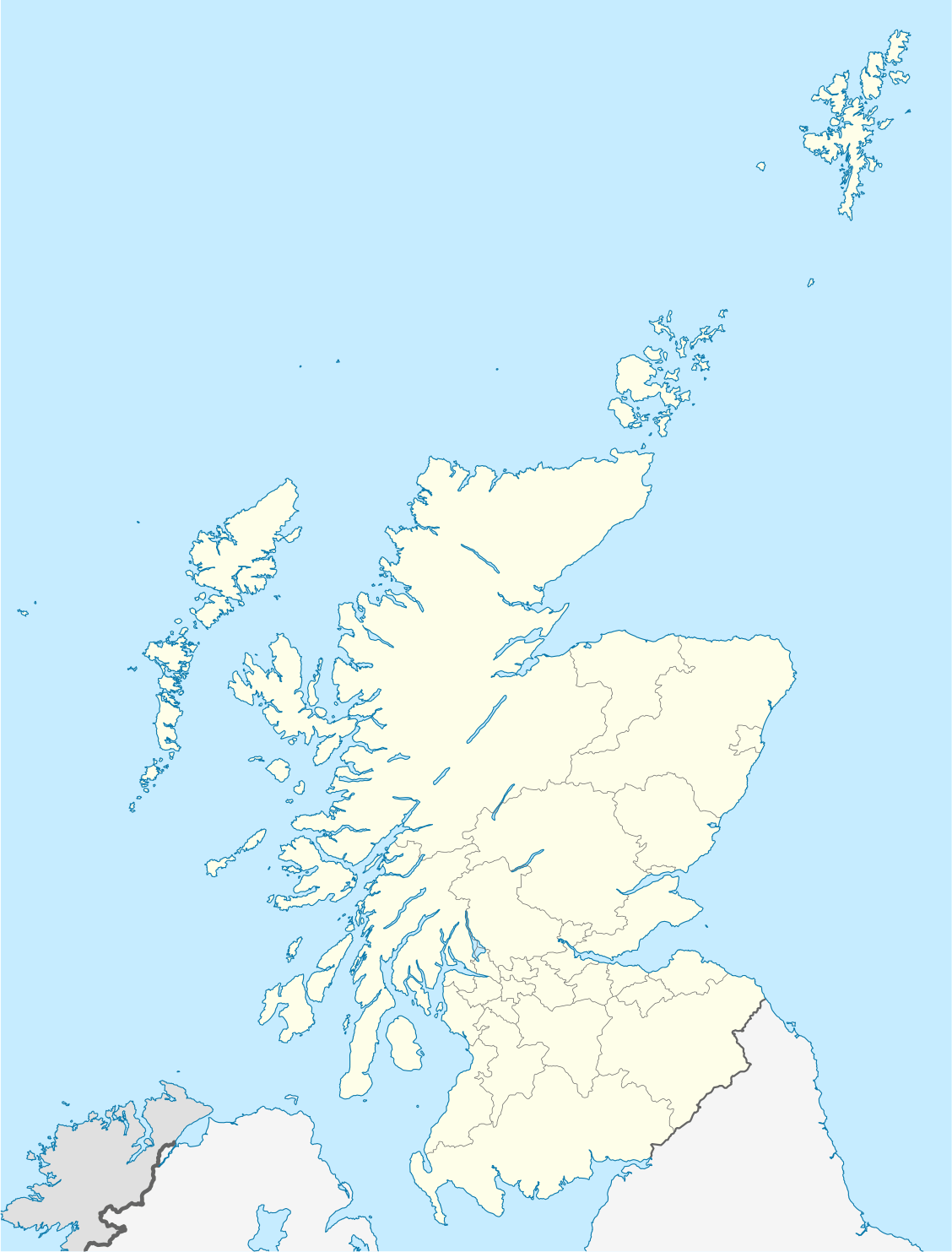

Short entry6.7 miles away
Craigellachie National Nature Reserve
Aviemore · Birch woodland, glades, lochans and rocky slopes
 the ai birderBirding near me
The AI Birder · one-page field sheet
Nethy Bridge, Cairngorms, Scotland · PH25 3EF · PH25 3EF

Crested Tit · Crossbill · Great Spotted Woodpecker · Siskin · Coal Tit · Chaffinch
Loch Garten Nature Centre · Operation Osprey Hide · Big Pines Trail · Two Lochs Trail — Loch Garten viewpoint · Two Lochs Trail — Loch Mallachie viewpoint · Two Lochs Trail — forest section · Nature Trail
Check current access, hide closures and operator notices before travelling. Seasonal birds are possibilities, not promised sightings. Keep to authorised routes and give wildlife space.
Opening and charges checked 2026-10-25. Operator: https://www.rspb.org.uk/days-out/reserves/loch-garten-abernethy
Full guide and current source links: https://aibirder.co.uk/reserves/rspb-loch-garten
SC 02 · RSPB reserve guide
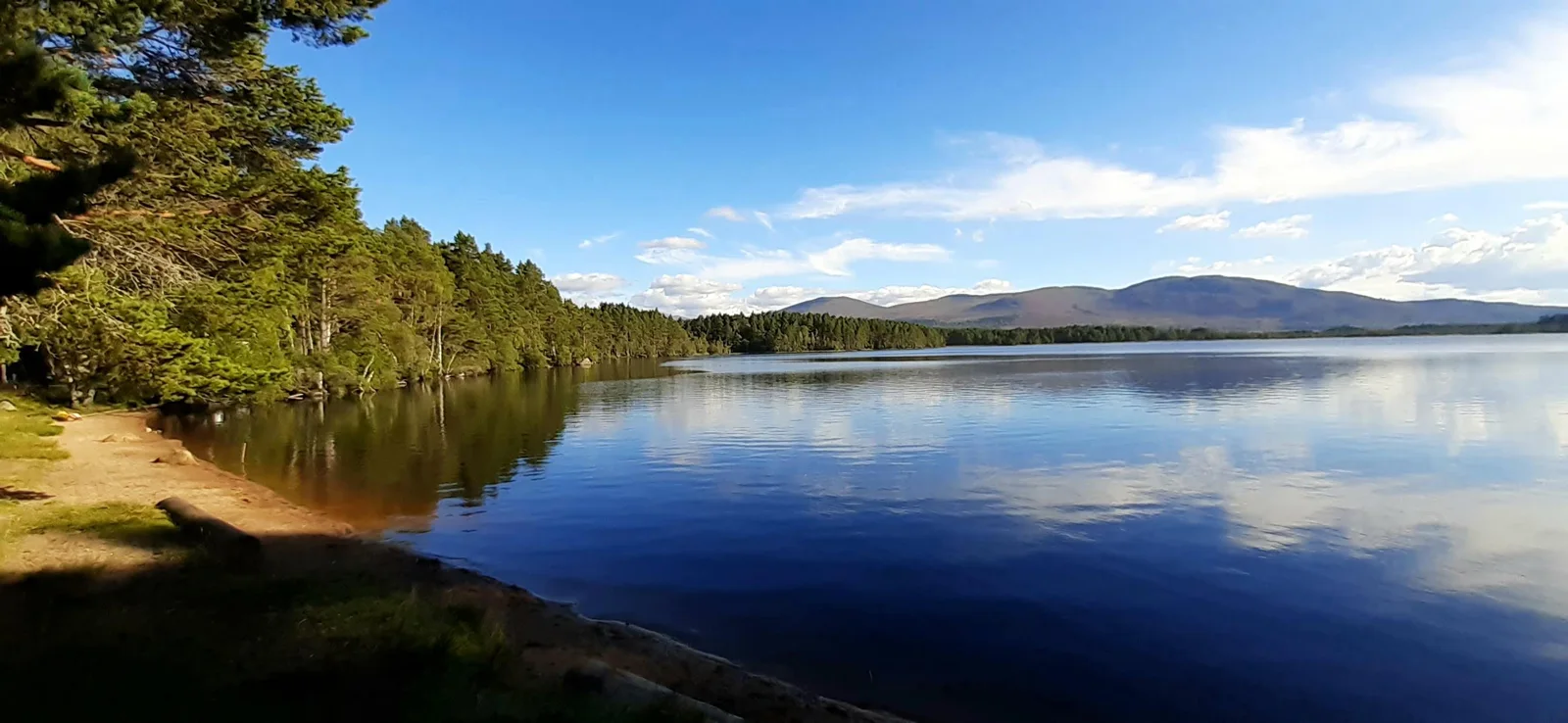
Nethy Bridge, Cairngorms, Scotland · PH25 3EF
Look for Ospreys, Crested Tits, crossbills and Red Squirrels among ancient Caledonian pines, with loch views and year-round forest walks beyond the seasonal Nature Centre.
Decide if the visit fits.
Last checked 9 October 2026.
Opening and charges information · checked .
Stay nearby →Reserve overview
Look for Ospreys, Crested Tits, crossbills and Red Squirrels among ancient Caledonian pines, with loch views and year-round forest walks beyond the seasonal Nature Centre.
Eight checks for a smoother visit.
Conditions change: check the operator and transport notices before travelling.
January: Crested Tits and Coal Tits are typically worth listening for on Big Pines Trail before scanning the Loch Garten viewpoint for Goldeneye. Winter forest walks need enough daylight for the return; the Nature Centre is seasonal and should not be assumed open.
February: Try the marked Two Lochs woodland section for Crossbills and Great Tits, then Loch Garten viewpoint for Goosander and Goldeneye. Crossbill flocks move with food supply: record unidentified birds as Crossbill species if Scottish or Parrot Crossbill identification is uncertain.
March: Great Spotted Woodpeckers and Siskins typically become more vocal along Big Pines and Nature trails. Compare open-water ducks from the Loch Garten viewpoint. Keep to marked paths throughout the sensitive spring period; Capercaillie should not be sought or drawn into a viewing plan.
April: Use Loch Garten Nature Centre, when open, for operator-managed Osprey viewing and its Siskins and Coal Tits. Big Pines is a useful forest alternative for Crested Tit; the Two Lochs forest section can add arriving Redstart and Tree Pipit in suitable conditions.
May: Redstarts and Tree Pipits typically advertise from woodland openings along the marked Two Lochs route. Watch Ospreys through the Nature Centre’s managed viewing arrangements, then look for Goldeneye from a loch viewpoint. Never follow adults towards nesting places elsewhere in the forest.
June: Crested Tit and Great Spotted Woodpecker remain worthwhile along Big Pines, while the Two Lochs forest section may add Spotted Flycatcher and Redstart. Loch Garten viewpoint can also provide Swift feeding flights above the water when insects concentrate there.
July: Siskins and Coal Tits can keep the woodland active along Nature Trail and Big Pines even after the spring song peak. Try Loch Mallachie viewpoint for Goldeneye and the forest section for Spotted Flycatcher. Leave birds feeding young undisturbed and watch from the trail.
August: Swift gatherings over Loch Garten and Spotted Flycatchers in the Two Lochs woodland give summer targets alongside resident Crested Tits. Ospreys may still be watched through the Nature Centre’s official arrangements before autumn departure; check current operator reports before making them the whole trip.
September: Follow calling Crested Tits by ear from Big Pines without leaving the path, then pause at Loch Mallachie viewpoint for Goldeneye. Spotted Flycatcher is typically an early-autumn possibility in the Two Lochs woodland; later departures depend on the year.
October: Goldeneye and autumn geese change the emphasis towards the two loch viewpoints. At Loch Garten viewpoint watch Greylag and, typically later in autumn, Pink-footed Geese from the established public position. Big Pines remains useful for Crested Tit and Crossbill listening.
November: Work Big Pines slowly for Coal Tit and Crested Tit, then scan Goldeneye and Teal from the Loch Garten viewpoint if visibility permits. Short daylight and a closed seasonal Nature Centre favour a self-contained forest-and-loch walk with food and suitable clothing.
December: A settled winter morning typically suits Coal Tit, Siskin and Chaffinch along the marked woodland approach. Loch Garten and Loch Mallachie viewpoints provide the safe public places to check Goldeneye and Greylag Geese. Leave a clear daylight margin before the forest return.
Best conditions: Typically a calm morning makes Crested Tit calls and woodland song easier to hear; stop and listen before following a flock along the path. Use either loch viewpoint according to glare and wind. Light and scope ratings are editorial fieldcraft: binoculars are usually better in the canopy, while a scope helps identify distant waterbirds. Scottish, Parrot and Common Crossbills cannot reliably be separated by bill size alone; the county report recommends recording uncertain birds as Crossbill species.
The Nature Centre is the staffed point for an Osprey-viewing visit; the forest trails have separate access arrangements. Admission to the centre is £6 for non-member adults and £3.50 for students. Children aged 5–17 pay £3, with the first child free; under-fives, visitors aged 16–24, members and carers enter free. Parking is free, and an ordinary centre visit does not require advance booking. PH25 3EF is the RSPB Forest Lodge postal contact postcode, not a reliable navigation pin for the Nature Centre entrance. Follow the signed Nature Centre approach from the B970 and use the official arrival directions, including what3words skimmers.crate.quest. A satnav route to the postal office is not the same journey as a visit to the Osprey viewing centre.
Access times: Reserve: Forest trails open all year; October operator calendar lists the reserve open 24 hours. · Hides: Nature Centre open daily April–October; current October hours 10:00–16:30. Historic hide access follows operator arrangements, with no separate public timetable confirmed. · Car park: Dedicated parking provided; the operator does not publish separate opening or locking hours on the pages checked. · Dawn access: partly. Operator opening information.
The Big Pines Trail is about 1.6km return and the Two Lochs Trail about 2.7km, linking views of Loch Garten and Loch Mallachie. Both offer a forest experience beyond the centre. Begin by listening at one quiet stop and noticing the different tree ages, open edges and water, rather than walking the whole route without pausing. For a two-hour visit during the centre season, combine a managed Osprey viewing stop with a short Big Pines walk. Allocate time to interpretation and watching behaviour before deciding how far to extend the walk. Outside the centre season, use Big Pines and a nearby permitted loch viewpoint as the compact plan, with no indoor stop assumed. For a full day, start on Big Pines in morning light, then follow the Two Lochs route for a different mix of pinewood, shore and open water. Add the Nature Centre when it is in season, with a picnic break and a return to a productive woodland stop after the light changes. In autumn or winter, a later lake watch can complement the morning forest circuit if your return arrangements suit. These are editorial plans using the marked paths. Leave feeding groups space to move naturally and do not use sound playback to bring Crested Tits into view. Keep to managed Osprey viewing arrangements and avoid exploring habitat tracks for nest locations. The slower parts of the day—listening and waiting—are often the most useful.
Use the linked reserve map and directions with current access notices. Species are typical seasonal targets. Light and telescope advice reflects our choice of viewpoint.
The managed forest viewing area and bird feeders
Seasonal centre April–October; level interior and fixed optics at different heights.
Spring: Osprey, Siskin, Coal Tit
Summer: Osprey, Great Spotted Woodpecker
Autumn: Crested Tit, Chaffinch
Light: either. Scope: not needed.
The historic operator hide at the Nature Centre
Visit only through the operator’s centre or booked experience arrangements; no separate unrestricted timetable confirmed.
Spring: Osprey
Summer: Osprey
Light: either. Scope: not needed.
Old Scots pines, deadwood and forest canopy
Firm but uneven forest path with steep sections; follow the operator access map.
Winter: Crested Tit, Coal Tit
Spring: Great Spotted Woodpecker, Crossbill
Summer: Great Spotted Woodpecker, Siskin
Autumn: Crested Tit, Coal Tit
Light: either. Scope: not needed.
Loch Garten open water and its wooded margins
Use the mapped lakeside viewpoint; keep out of shoreline vegetation.
Winter: Goldeneye, Greylag Goose, Teal
Spring: Goldeneye, Goosander, Water Rail
Summer: Swift
Autumn: Greylag Goose, Pink-footed Goose
Light: either. Scope: useful.
Loch Mallachie and surrounding pinewood
Wide, mainly firm approach with loose stones, uneven ground and a steep section near the viewpoint.
Winter: Goldeneye, Greylag Goose
Spring: Goldeneye, Crested Tit
Summer: Crested Tit, Great Tit
Autumn: Goldeneye, Crossbill
Light: either. Scope: useful.
Pine canopy and woodland openings on the marked loop
Stay on the marked loop; do not search forest interiors for protected birds.
Winter: Coal Tit, Great Tit, Crossbill
Spring: Redstart, Tree Pipit
Summer: Spotted Flycatcher, Redstart
Autumn: Coal Tit, Chaffinch
Light: either. Scope: not needed.
Woodland on the public approach to the Nature Centre
Wide, mostly level path with an incline towards the centre; centre entry remains seasonal.
Winter: Coal Tit, Chaffinch
Spring: Siskin, Great Spotted Woodpecker
Summer: Siskin, Coal Tit
Autumn: Coal Tit, Chaffinch
Light: either. Scope: not needed.
| Spot | Overlooks | Key species by season | Best light | Scope | Tide |
|---|---|---|---|---|---|
| Loch Garten Nature CentreSeasonal centre April–October; level interior and fixed optics at different heights. | The managed forest viewing area and bird feeders | Spring: Osprey, Siskin, Coal Tit Summer: Osprey, Great Spotted Woodpecker Autumn: Crested Tit, Chaffinch | either | not needed | — |
| Operation Osprey HideVisit only through the operator’s centre or booked experience arrangements; no separate unrestricted timetable confirmed. | The historic operator hide at the Nature Centre | Spring: Osprey Summer: Osprey | either | not needed | — |
| Big Pines TrailFirm but uneven forest path with steep sections; follow the operator access map. | Old Scots pines, deadwood and forest canopy | Winter: Crested Tit, Coal Tit Spring: Great Spotted Woodpecker, Crossbill Summer: Great Spotted Woodpecker, Siskin Autumn: Crested Tit, Coal Tit | either | not needed | — |
| Two Lochs Trail — Loch Garten viewpointUse the mapped lakeside viewpoint; keep out of shoreline vegetation. | Loch Garten open water and its wooded margins | Winter: Goldeneye, Greylag Goose, Teal Spring: Goldeneye, Goosander, Water Rail Summer: Swift Autumn: Greylag Goose, Pink-footed Goose | either | useful | — |
| Two Lochs Trail — Loch Mallachie viewpointWide, mainly firm approach with loose stones, uneven ground and a steep section near the viewpoint. | Loch Mallachie and surrounding pinewood | Winter: Goldeneye, Greylag Goose Spring: Goldeneye, Crested Tit Summer: Crested Tit, Great Tit Autumn: Goldeneye, Crossbill | either | useful | — |
| Two Lochs Trail — forest sectionStay on the marked loop; do not search forest interiors for protected birds. | Pine canopy and woodland openings on the marked loop | Winter: Coal Tit, Great Tit, Crossbill Spring: Redstart, Tree Pipit Summer: Spotted Flycatcher, Redstart Autumn: Coal Tit, Chaffinch | either | not needed | — |
| Nature TrailWide, mostly level path with an incline towards the centre; centre entry remains seasonal. | Woodland on the public approach to the Nature Centre | Winter: Coal Tit, Chaffinch Spring: Siskin, Great Spotted Woodpecker Summer: Siskin, Coal Tit Autumn: Coal Tit, Chaffinch | either | not needed | — |
Month chips show typical presence or our preferred viewing season. Choose birds that suit the time of your visit.
The Nature Centre is a single-level building with step-free access, reached by a roughly 250m uphill track. The main car park has three Blue Badge spaces. RSPB offers an assisted manual wheelchair and an off-road mobility scooter by prior arrangement, so discuss the centre approach and intended trail before a visit that depends on equipment. The woodland routes have firm but loose or uneven surfaces. Their length alone does not describe how manageable they will be for a particular wheelchair or scooter. Choose the centre visit and forest circuit separately, allowing enough energy for the return uphill or across uneven ground. A shorter loch stop may suit a visit better than completing the whole Two Lochs circuit. A Changing Places facility beside the car park uses RADAR access, and the centre has an accessible toilet. The building provides a mobile hearing loop. Take the detailed official access information with you when planning individual needs and discuss equipment booking before travelling. Leave room for other visitors at viewing windows and trail junctions; a settled, comfortable watching position is more valuable than a rushed transfer between viewpoints.
The car park has cycle stands and electric-vehicle charging, with picnic benches for a self-contained day. The Nature Centre provides interpretation, viewing equipment and binocular hire during its season. Bring food, water and weather layers for the woodland trails rather than treating the reserve as a full café complex. Facilities at the centre are separate from a winter forest visit. Fires and barbecues are prohibited; pack picnic litter securely and carry it out of the woodland.
Dogs must be on a lead from 1 April to 31 August, and should be kept away from the loch shores in spring and summer. Only assistance dogs enter the Nature Centre. Use the public woodland routes considerately and keep control of pets around wildlife and other visitors throughout the year.
Aviemore is the useful railway gateway, about ten miles from the visitor centre. Stagecoach routes 37 and 37A serve the wider Boat of Garten and Nethy Bridge approach, including the Osprey Centre Road End connection described by RSPB. From that road-end stop, a dedicated path continues roughly 2.5km to the centre; the bus is not a door-to-door transfer. The current operator timetable calls the express X37, while the reserve page still uses 37X. The express has different routing, so do not assume every X37 journey serves the required stop. Read the dated 37/37A timetable for your outward and return trip, including weekday and Saturday differences. A pre-booked taxi from Aviemore is useful if the final walk or available timetable is unsuitable. Cyclists can use the wider National Cycle Network 7 and Speyside Way connections with the reserve’s directions. Drivers should follow centre signs rather than the Forest Lodge postal postcode. The stay routes below are measured to the visitor car park, with estimated driving time and no live-traffic adjustment.
Useful bases for an early start.
Booking.com links are affiliate links: we may earn a commission at no extra cost to you. How these links work.
About 3.2 miles by road, roughly 10 minutes’ drive from Nethy Bridge to the visitor arrival point. Allow extra time around Nethy Bridge for traffic.
Measured driving route · 2026-10-09. Map estimates exclude live traffic.
Best for cottages, guesthouses and a quiet early forest start.Find places to stay in Nethy Bridge on Booking.comAbout 3.1 miles by road, roughly 5 minutes’ drive from Boat of Garten to the visitor arrival point. Allow extra time around Boat of Garten for traffic.
Measured driving route · 2026-10-09. Map estimates exclude live traffic.
Best for a small village stay and combining Loch Garten with Strathspey birding.Find places to stay in Boat of Garten on Booking.comAbout 9.7 miles by road, roughly 20 minutes’ drive from Aviemore to the visitor arrival point. Allow extra time around Aviemore for traffic.
Measured driving route · 2026-10-09. Map estimates exclude live traffic.
Best for car-free arrival, outdoor hostels, hotels and a broader Cairngorms trip.Find places to stay in Aviemore on Booking.comExplore Highland’s full guides and smaller birding sites
Use abernethy@rspb.org.uk or the published reserve numbers 01479 821409 and 01479 831476 for access and centre enquiries. The main RSPB page links official Osprey cameras and reserve social updates, which provide context without encouraging visitors to seek nest locations. For a mobility-dependent trip, arrange equipment and establish the signed arrival point before travel. The separate opening calendar and charges page explain the seasonal centre visit; woodland access is a different part of the day.
Check RSPB local-group Loch Garten field report — April 2024. dated visit report; not a live reserve feed Reports show what has been seen, not what will be.
Follow the BTO Birders’ Code and give wildlife space.
RSPB Loch Garten: Centre: adult £6; RSPB members free. Parking free.
RSPB Loch Garten: Dogs must be on a lead from 1 April to 31 August, and should be kept away from the loch shores in spring and summer.
RSPB Loch Garten: Spring & summer.
RSPB Loch Garten: The Nature Centre is a single-level building with step-free access, reached by a roughly 250m uphill track.
RSPB Loch Garten: Aviemore is the useful railway gateway, about ten miles from the visitor centre.
Shorter stops within 15 miles in a straight line. Use the operator’s arrival directions for the journey.
Aviemore · Birch woodland, glades, lochans and rocky slopes
Glen Feshie, south of Feshiebridge · Ancient pinewood, moorland and mountain slopes
Nearby complete guides.
Stops with a purpose: use one as a contrasting habitat or weather-proof Plan B. Distances are straight-line estimates, not road journeys.