Short entry4.7 miles away
Invereshie and Inshriach National Nature Reserve
Glen Feshie, south of Feshiebridge · Ancient pinewood, moorland and mountain slopes
 the ai birderBirding near me
The AI Birder · one-page field sheet
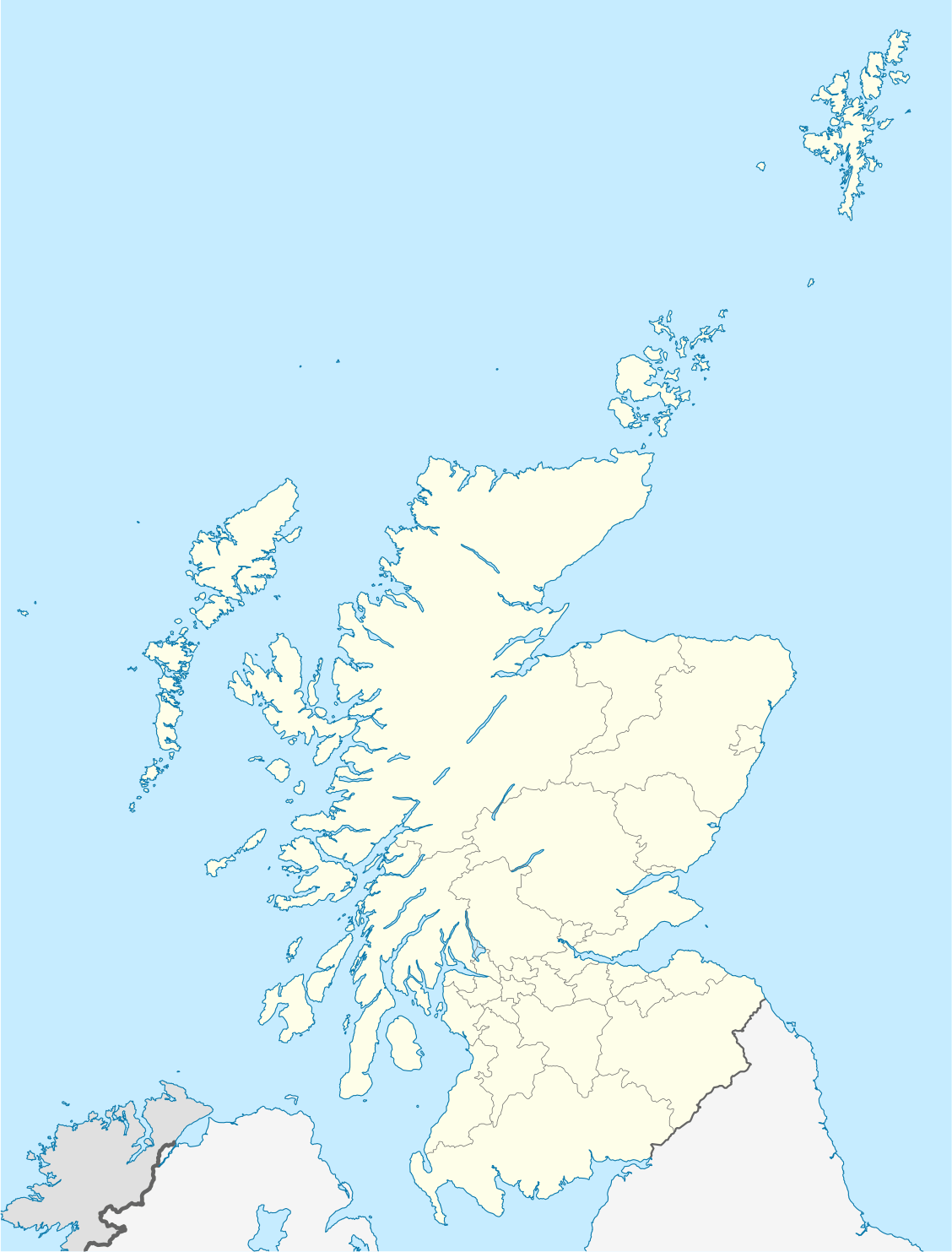
Near Kingussie, Highland, Scotland · PH21 1NT · PH21 1NT

Lapwing · Whooper Swan · Snipe · Greylag Goose · Wigeon · Teal
The Lookout · Gordonhall Hide · Invertromie Hide · Invertromie Trail — woodland section · Lynachlaggan Trail — clearing and picnic stop · Loch Insh Woods Trail
Check current access, hide closures and operator notices before travelling. Seasonal birds are possibilities, not promised sightings. Keep to authorised routes and give wildlife space.
Opening and charges checked 2026-10-25. Operator: https://www.rspb.org.uk/days-out/reserves/insh-marshes
Full guide and current source links: https://aibirder.co.uk/reserves/rspb-insh-marshes
SC 16 · RSPB reserve guide
Near Kingussie, Highland, Scotland · PH21 1NT
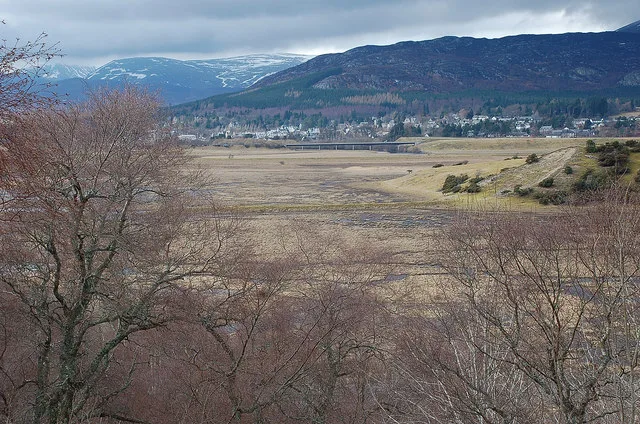
Curlews, Lapwings, Redshanks and Snipes make the Spey floodplain a strong spring and summer wader visit; winter brings Whooper Swans, Greylag Geese and ducks, with woodland trails adding another habitat.
Decide if the visit fits.
Last checked 18 October 2026.
Opening and charges information · checked .
Stay nearby →Reserve overview
Curlews, Lapwings, Redshanks and Snipes make the Spey floodplain a strong spring and summer wader visit; winter brings Whooper Swans, Greylag Geese and ducks, with woodland trails adding another habitat.
Eight checks for a smoother visit.
Conditions change: check the operator and transport notices before travelling.
January: Use The Lookout for a broad first scan of winter Whooper Swans and Greylag Geese, then Gordonhall Hide for Wigeon and Teal where pools are visible. A telescope helps on this large floodplain; mist or floodwater can change which public viewpoint is useful.
February: Watch The Lookout for winter wildfowl and Merlin passing over the marsh, with Gordonhall Hide offering a closer angle on Wigeon and Teal. Cold, still conditions usually make distant birds easier to identify than a blustery afternoon, but keep the walk within available daylight.
March: Lapwings and Oystercatchers typically become more conspicuous from The Lookout as spring develops. Curlews and Redshanks add returning wader activity. Compare Invertromie Hide for Snipe and ducks, keeping to the signed routes as birds begin establishing territories.
April: Curlew, Lapwing, Redshank and Snipe are central spring targets from The Lookout and Gordonhall Hide. Lynachlaggan’s clearing can add Sand Martin and Swallow, while Redstarts typically return to the Invertromie woodland. Listen from paths without searching breeding cover.
May: At The Lookout give Curlew and Redshank displays time, then try Invertromie Hide for Snipe and reed-edge birds. Sedge Warblers and scarcer Grasshopper Warblers are typically better heard from Lynachlaggan’s signed marsh-edge route on a calm morning than chased through vegetation.
June: Curlews and Lapwings remain the main wet-grassland focus from The Lookout, with Snipe around Invertromie’s wet margins. Woodland sections of Invertromie and Loch Insh Woods can add Redstart. Observe family behaviour from the trail; an alarm-calling adult is a reason to move away.
July: Gordonhall and Invertromie hides offer a patient way to compare Redshank, Snipe and ducks as summer advances. Lynachlaggan’s woodland can add Coal Tit, Great Tit and Mistle Thrush, while Swallows feed over the marsh. Warm midday light can make distant details shimmer.
August: Use The Lookout for Marsh Harrier, Peregrine and changing wader activity over the floodplain, then Gordonhall Hide for Teal and Wigeon. Lynachlaggan may still hold Swallows and Sand Martins. Any Hen Harrier observation should remain from public viewpoints, with no search for a resting site.
September: Wigeon and Teal typically become more prominent from Gordonhall Hide and The Lookout. Peregrines and passage Marsh Harriers can enliven a long scan over the marsh; the signed Lynachlaggan clearing provides a woodland alternative when wind makes exposed viewing uncomfortable.
October: Try The Lookout for Golden Plover, returning Whooper Swans and Greylag Geese, then Gordonhall Hide for Teal and Wigeon. Shorter days reward choosing one main viewpoint and spending time there; check paths after heavy rain and stay clear of floodwater.
November: Whooper Swans and Greylag Geese are typical winter priorities from The Lookout. Gordonhall Hide can add Wigeon and Teal, while Lynachlaggan’s woodland offers Coal Tit and Great Tit. Carry warm layers for stationary watching and do not follow distant raptors away from public routes.
December: A clear morning usually gives the most manageable short winter visit: start with The Lookout for Whooper Swans and Greylag Geese, then choose Gordonhall for Wigeon and Teal. Use binoculars for nearby woodland birds and a telescope for distant pools; avoid icy or flooded trails.
Best conditions: Typically choose a calm, clear morning for Snipe display and marsh or woodland song, and good visibility for distant winter swans and raptors. Heavy rain can flood the low ground: use the established Lookout rather than attempting submerged trails. Light and scope ratings are editorial recommendations; the wide floodplain often needs a telescope, while woodland listening works well with binoculars.
Admission is free for adults and children in the RSPB tariff checked 18 October 2026. The operator's access guide confirms free parking at the main entrance. The main car park has twelve spaces and no height restriction, so arrive with a flexible plan if a group is already using it. Identify your intended trailhead before departure: the different woodland routes do not all begin at the same place. Check RSPB notices and current conditions before travelling, particularly after heavy rain or winter weather. Leave gates and access tracks clear, and park within the marked visitor area. A free, unstaffed reserve still needs careful preparation if you have a return train or taxi collection to meet.
Access times: Reserve: Open 24 hours on the operator calendar; flooding or local restrictions can affect routes. · Hides: Lookout, Gordonhall and Invertromie are documented visitor viewpoints; no separate hide locking timetable is published. · Car park: Free main entrance parking provided; separate gate opening and closing times are not published. · Dawn access: partly. Operator opening information.
RSPB lists three nature trails: Invertromie at 3 miles or 4.5km, Lynachlaggan at 1.5 miles or 2.5km, and Loch Insh Woods at 1.25 miles or 2km. They offer different approaches to the floodplain and woodland rather than one continuous short circuit from the main car park. Start with the Lookout for an overview, then select a route using the operator's map. Gordonhall and Invertromie hides add viewing opportunities within the main trail sector. From a hide, work across the landscape using channels, pools and patches of vegetation as reference points. Notice where birds land after a flight, then give that area a longer examination. The nearest bird is not always the most revealing one: a distant curlew's display flight can show the character of this breeding landscape better than a close photograph. Two-hour plan, editorial suggestion: devote the first half-hour to the Lookout, continue to a suitable nearby viewpoint if the approach meets your needs, then return slowly while listening for birds in the trees. Keep that plan compact enough to include time sitting still. Full-day plan, editorial suggestion: explore Invertromie in the morning, break for lunch and decide whether a separate woodland trail or a repeat floodplain watch will add more. Use a second trail only after confirming its starting point and road transfer; there is no need to complete every named walk. In spring, avoid extending an outing across wet grassland to follow a calling bird. In winter, choose the calmer and brighter part of the day for the open views and finish with enough time for the journey back to your base.
Use the linked reserve map and directions with current access notices. Species are typical seasonal targets. Light and telescope advice reflects our choice of viewpoint.
The broad Spey floodplain and wet grassland
Level-access indoor and outdoor viewing close to the main car park.
Winter: Whooper Swan, Greylag Goose, Wigeon, Merlin
Spring: Curlew, Lapwing, Redshank
Summer: Curlew, Snipe, Oystercatcher
Autumn: Teal, Greylag Goose, Golden Plover, Marsh Harrier
Light: either. Scope: essential.
Marsh pools and wet grassland below the main entrance
Stepped access, narrow doorway and fixed seating; no ramp or lift.
Winter: Wigeon, Teal, Peregrine
Spring: Shoveler, Mallard, Curlew
Summer: Lapwing, Redshank
Autumn: Teal, Marsh Harrier
Light: either. Scope: useful.
Floodplain pools, reed margins and wet meadow
Narrow uneven descent with steps; no ramp or lift.
Winter: Greylag Goose, Teal
Spring: Lapwing, Snipe, Wigeon
Summer: Snipe, Redshank, Sedge Warbler
Autumn: Wigeon, Teal
Light: either. Scope: useful.
Aspen, birch and scrub beside the signed trail
Uneven, unsurfaced route; keep to the signed trail around wildlife and grazing animals.
Winter: Chaffinch, Great Tit
Spring: Redstart, Chaffinch
Summer: Redstart, Great Tit
Autumn: Chaffinch, Coal Tit
Light: either. Scope: not needed.
Marsh-edge reeds and woodland from the public trail clearing
Separate trailhead from the main Lookout car park; narrow, boggy and stepped sections.
Winter: Buzzard, Coal Tit
Spring: Sand Martin, Swallow, Shoveler
Summer: Sedge Warbler, Grasshopper Warbler, Swallow
Autumn: Song Thrush, Mistle Thrush
Light: either. Scope: useful.
Birch woodland and its openings on the signed route
Separate start from the main parking area; muddy ground, steps and loose surfaces.
Winter: Coal Tit, Great Tit
Spring: Redstart, Wren
Summer: Redstart, Wren
Autumn: Coal Tit, Blue Tit
Light: either. Scope: not needed.
| Spot | Overlooks | Key species by season | Best light | Scope | Tide |
|---|---|---|---|---|---|
| The LookoutLevel-access indoor and outdoor viewing close to the main car park. | The broad Spey floodplain and wet grassland | Winter: Whooper Swan, Greylag Goose, Wigeon, Merlin Spring: Curlew, Lapwing, Redshank Summer: Curlew, Snipe, Oystercatcher Autumn: Teal, Greylag Goose, Golden Plover, Marsh Harrier | either | essential | — |
| Gordonhall HideStepped access, narrow doorway and fixed seating; no ramp or lift. | Marsh pools and wet grassland below the main entrance | Winter: Wigeon, Teal, Peregrine Spring: Shoveler, Mallard, Curlew Summer: Lapwing, Redshank Autumn: Teal, Marsh Harrier | either | useful | — |
| Invertromie HideNarrow uneven descent with steps; no ramp or lift. | Floodplain pools, reed margins and wet meadow | Winter: Greylag Goose, Teal Spring: Lapwing, Snipe, Wigeon Summer: Snipe, Redshank, Sedge Warbler Autumn: Wigeon, Teal | either | useful | — |
| Invertromie Trail — woodland sectionUneven, unsurfaced route; keep to the signed trail around wildlife and grazing animals. | Aspen, birch and scrub beside the signed trail | Winter: Chaffinch, Great Tit Spring: Redstart, Chaffinch Summer: Redstart, Great Tit Autumn: Chaffinch, Coal Tit | either | not needed | — |
| Lynachlaggan Trail — clearing and picnic stopSeparate trailhead from the main Lookout car park; narrow, boggy and stepped sections. | Marsh-edge reeds and woodland from the public trail clearing | Winter: Buzzard, Coal Tit Spring: Sand Martin, Swallow, Shoveler Summer: Sedge Warbler, Grasshopper Warbler, Swallow Autumn: Song Thrush, Mistle Thrush | either | useful | — |
| Loch Insh Woods TrailSeparate start from the main parking area; muddy ground, steps and loose surfaces. | Birch woodland and its openings on the signed route | Winter: Coal Tit, Great Tit Spring: Redstart, Wren Summer: Redstart, Wren Autumn: Coal Tit, Blue Tit | either | not needed | — |
Month chips show typical presence or our preferred viewing season. Choose birds that suit the time of your visit.
The Lookout is the principal accessible viewing choice. RSPB's detailed guide describes level access along a sloping path at least 1.8m wide, with the entrance around fifty metres from the car park. It provides indoor and outdoor viewing areas and large-print information. Two Blue Badge parking spaces and a nearby drop-off support the arrival; the picnic bench by the car park is adapted for wheelchair users. Gordonhall and Invertromie hides are different: the guide lists thirty-four and twenty-five steps respectively, with no ramp or lift. Their approaches and doorways need separate consideration rather than assuming the Lookout's access applies throughout. The longer trails cross soft, uneven and sometimes narrow unsurfaced ground, and the woodland trailheads are separate from the main parking area. Contact the reserve if a particular distance, gradient or turning space is essential, explaining your equipment and the viewpoint you hope to use. There is no accessible toilet on the reserve; RSPB identifies Kingussie for the nearest facilities and warns that opening can be seasonal. Plan a manageable return as well as the outward route, especially when wet ground makes walking or wheeling more tiring.
Picnic benches are provided along the trails, but there is no visitor centre, café, shop or onsite staff. Bring food, drinking water and enough weather protection for a long exposed watch. The nearest ordinary toilets and baby-changing facilities identified by RSPB are in Kingussie, around 1.5 miles away, with opening potentially limited outside normal hours. Use town facilities before starting rather than expecting them beside a hide. A map, binoculars and a lens cloth are useful basic equipment, while a telescope helps on the wider floodplain.
RSPB Scotland welcomes responsible access under the Scottish Outdoor Access Code. It asks for dogs on short leads during the ground-nesting bird season, 1 April–15 August, and wherever livestock are present, with waste cleared away. Visitors with assistance dogs are welcome at RSPB Insh Marshes, including throughout its visitor routes. Keep every dog from approaching nesting birds or grazing animals, and choose a different route if a close encounter would be difficult to manage.
Kingussie station is the rail arrival identified by RSPB, about 1.5 miles from the reserve. ScotRail's station page links the current Glasgow and Edinburgh–Inverness timetable. For the final approach, the RSPB guide describes an initial road section, then the Speyside Way path after Ruthven Barracks; allow the time and footwear for that walk rather than treating the station as adjacent to a hide. Stagecoach's M39 serves Kingussie on the Aviemore–Newtonmore corridor, giving a genuine regional bus option, followed by the same separately planned reserve approach. Check the return service before choosing a long afternoon trail. If walking from town is unsuitable, reserve a taxi for both directions and give the main entrance east of Ruthven Barracks on the B970 as the destination. Cyclists can use National Cycle Route 7, with bike parking at the reserve. A visit to a different trailhead needs its own route plan, so confirm the exact start when arranging a lift. Keep your collection details saved, particularly if you finish somewhere other than the main Lookout sector.
Useful bases for an early start.
Booking.com links are affiliate links: we may earn a commission at no extra cost to you. How these links work.
About 1.7 miles by road, roughly 3 minutes' drive from the measured central base to the main reserve entrance; OSRM/OpenStreetMap estimate measured 18 October 2026, excluding live traffic and parking.
Measured driving route · 2026-10-18. Map estimates exclude live traffic.
The closest measured town base, with rail arrivals and local supplies.Find places to stay in Kingussie on Booking.comAbout 4.6 miles by road, roughly 10 minutes' drive from the measured central base to the main reserve entrance; OSRM/OpenStreetMap estimate measured 18 October 2026, excluding live traffic and parking.
Measured driving route · 2026-10-18. Map estimates exclude live traffic.
A nearby Highland village base for multiple woodland and wetland outings.Find places to stay in Newtonmore on Booking.comAbout 14.2 miles by road, roughly 23 minutes' drive from the measured central base to the main reserve entrance; OSRM/OpenStreetMap estimate measured 18 October 2026, excluding live traffic and parking.
Measured driving route · 2026-10-18. Map estimates exclude live traffic.
A broader Strathspey break with regional rail and bus connections.Find places to stay in Aviemore on Booking.comExplore Highland’s full guides and smaller birding sites
Reserve enquiries go to 01540 661518 or insh@rspb.org.uk. Describe the trail or viewing area you intend to use, along with your date and any access requirements, so advice matches the actual visit. RSPB lists guided walks in spring and summer; use its events page for advertised dates instead of assuming a guide will be available at the car park. For a breeding-season outing, take a map and watch from established routes, allowing birds to use the wet grassland without being followed. If a distant movement cannot be identified, record what you observed rather than approaching sensitive habitat to force a closer view.
Check SOC Highland latest sightings. usually most days; notable records only Reports show what has been seen, not what will be.
Follow the BTO Birders’ Code and give wildlife space.
RSPB Insh Marshes: Free entry; see operator for parking.
RSPB Insh Marshes: RSPB Scotland welcomes responsible access under the Scottish Outdoor Access Code.
RSPB Insh Marshes: Spring and summer breeding waders · autumn passage · winter swans, geese and ducks.
RSPB Insh Marshes: The Lookout is the principal accessible viewing choice.
RSPB Insh Marshes: Kingussie station is the rail arrival identified by RSPB, about 1.5 miles from the reserve.
Shorter stops within 15 miles in a straight line. Use the operator’s arrival directions for the journey.
Glen Feshie, south of Feshiebridge · Ancient pinewood, moorland and mountain slopes
Aviemore · Birch woodland, glades, lochans and rocky slopes
Nearby complete guides.
Stops with a purpose: use one as a contrasting habitat or weather-proof Plan B. Distances are straight-line estimates, not road journeys.