

SC 28 · RSPB reserve guide
RSPB Corrimony
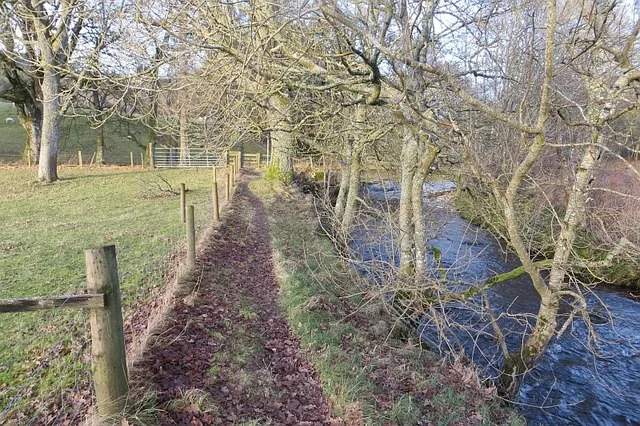
Near Cannich, Glen Urquhart, Highland
Crested tits and crossbills; black grouse only through official guided viewing
Decide if the visit fits.
RSPB Corrimony at a glance
Last checked 18 October 2026.
- Open
- Reserve open 24 hours; follow current access notices.More about open
- Price / parking
- Free reserve entry; separate parking tariff not published.More about price / parking
- Best time
- Seasonal wildlife throughout the yearMore about best time
- Dogs
- Responsible dog access follows the Scottish Outdoor Access Code.More about dogs
- Toilets
- The RSPB identifies Cannich as the nearest place for food and pu…More about toilets
- Step-free
- The RSPB describes the trail as natural and unimproved, although…More about step-free
Opening and charges information · checked .
Stay nearby →On this page
Reserve overview
Corrimony reserve and habitat
Crested tits and crossbills; black grouse only through official guided viewing
Eight checks for a smoother visit.
Planning your visit to Corrimony
Conditions change: check the operator and transport notices before travelling.
Corrimony best time to visit and seasonal birds
January: January usually favours a short out-and-back from the Corrimony Cairns public trail start, listening for Goldcrest and Blackbird before trying the pinewood section for Crested Tit. Chaffinch and Redpoll can add interest along woodland edges. Snow, ice and short daylight make the full upland route a separate decision.
February: In February, check the waymarked trail’s woodland and regeneration edge for Chaffinch and Redpoll. The county annual report supports winter flocks at Corrimony, but no flock is promised. Listen for Crested Tit in the native pinewood section and turn back early if the unimproved path becomes icy or difficult.
March: March typically increases bird activity around the public trail start, where Blackbird and Goldcrest are useful listening targets. Work the native pinewood section patiently for Crested Tit or crossbills. An unidentified crossbill is a valid result: do not turn a brief flight call into a certain Scottish Crossbill.
April: April can combine lingering Fieldfare and Redwing near the Corrimony Cairns public approach with Stonechat on the waymarked trail’s open-ground section. The county group records these birds during an operator-led outing. That historical outing does not establish a current event, independent vehicle access or permission to search sensitive sites.
May: May usually brings Spotted Flycatcher to the watching plan along the woodland and regeneration edge, with Crested Tit in the pinewood section. Keep all observation on the waymarked public trail. If interested in sensitive-species watching, ask the RSPB about a currently offered guided event and follow only its joining instructions.
June: In June, look for Spotted Flycatcher from the woodland-edge trail section and listen for Crested Tit in the pinewood. Stonechat can be watched on open ground from the signed route. Breeding birds need space, so avoid following food-carrying adults, searching vegetation or using calls to bring birds closer.
July: July usually rewards quieter woodland observation: Crested Tit may move through the pinewood while Spotted Flycatcher uses the woodland and regeneration edge. Watch Stonechat from the open-ground section where conditions allow. The reserve has no shelter or visitor centre, so choose a walk that fits the forecast and return daylight.
August: August typically offers moving woodland birds rather than spring song. Work the woodland-edge section for Spotted Flycatcher and Redpoll, then listen for Crested Tit in the pinewood. Use binoculars to check a whole flock before moving on. Keep away from breeding behaviour even when young birds are already mobile.
September: September usually suits a deliberate scan of the woodland and regeneration edge for Chaffinch, Redpoll and late Spotted Flycatcher. Stonechat may be found from the open-ground trail section. The 2023 fire changed the vegetation, so use current route signs and visible habitat rather than an old description of a particular stand.
October: In October, listen for Fieldfare and Redwing around the Corrimony Cairns public approach, then search the woodland edge for Chaffinch and Redpoll. Crested Tit remains a pinewood possibility. Clear, calm conditions are much better for following small calling birds than a long exposed walk in strong wind.
November: November usually favours a modest woodland out-and-back: Goldcrest from the public trail start, Crested Tit in the pinewood section, and Chaffinch along the regeneration edge. A glimpse of a crossbill does not settle identification. Keep ample time for the return, particularly where wet ground or ice slows progress.
December: December is a month for choosing distance conservatively. Listen for Goldcrest and Blackbird near the Corrimony Cairns trail start, adding Chaffinch or Redpoll along the lower woodland edge if conditions allow. The reserve’s open status does not remove winter exposure or establish a locked-gate timetable for every vehicle approach.
Best conditions: Our choice is a calm, clear morning for listening in the surviving woodland and watching broad open ground from the marked path. Binoculars are normally enough in the pinewood; a scope can help with distant birds seen from an open trail section. Do not trade a good light angle for an off-path approach. In strong wind, low cloud, snow or ice, choose a shorter lower walk or postpone the upland part. There is no shelter to retreat into.
Corrimony opening times, entry and facilities
The RSPB admission table checked on 18 October 2026 lists adult and child entry as free for members and non-members. Use daylight for an ordinary walk here; the access listing does not amount to permission to approach sensitive wildlife after dark. Corrimony Cairns car park is the published arrival point, off the A831 between Cannich and Glen Urquhart. A separate parking tariff was not stated in the official material checked. Corrimony’s charges page mentions a visitor centre, while the RSPB facilities page says there is no centre or resident staff. Bring supplies for your chosen walk. The free admission table and the actual facilities description are the useful details. Check the RSPB's visitor information before travelling for changes affecting the trail or any organised event.
Access times: Reserve: RSPB calendar lists the nature reserve open 24 hours; use responsible access on the waymarked public trail through a working farm. · Hides: No formal viewpoints, enclosed hides, visitor centre or shelters. · Car park: Corrimony Cairns car park is the official arrival point; facilities page says open daily but publishes no separate gate or overnight timetable. · Dawn access: partly. Operator opening information.
Corrimony trails, hides and visit length
The public walking option is an 8.5-mile waymarked trail through a working farm and into the reserve's woodland and moorland. It is a substantial walk when birdwatching pauses are included. Use the marked route, leave gates as found and allow agricultural work to proceed. A long circuit is not necessary to appreciate the habitat: the lower approach beside the River Enrick can support a more measured out-and-back. Start by listening, then pause where the public trail gives an open view. Crossbills are often first detected in flight, and a brief overhead call can be more informative than a long search in an apparently promising tree. Compare patches of woodland with regenerating ground without leaving the path to investigate an individual bird. The broader value of Corrimony is the transition between these habitats, not a set of guaranteed species stops. Two-hour plan: make a morning out-and-back on the lower waymarked trail, spending more time stationary than trying to cover the full route. Set a turning time before leaving the car park, and reserve the final part of the visit for a broad scan of the glen. This is a general woodland and landscape visit, with no independent black grouse search. Full-day plan: if conditions, fitness and daylight suit the entire waymarked walk, carry food and progress steadily through the changing habitats. Alternate walking stretches with listening pauses and distant skyline scans. Take a lunch stop on durable ground beside the permitted route, and keep enough energy for the return. A booked RSPB guided wildlife event may require a different itinerary; follow its meeting and viewing instructions rather than adding speculative detours.
Where to watch at Corrimony
Use the linked reserve map and directions with current access notices. Species are typical seasonal targets. Light and telescope advice reflects our choice of viewpoint.
Corrimony Cairns car-park approach — public trail startWinter · Spring · Summer · Autumn
Trees and open margins at the start of the signed reserve approach
Use the operator’s Corrimony Cairns arrival point and public trail; do not obstruct the working-farm access.
Winter: Blackbird, Goldcrest
Spring: Blackbird, Goldcrest, Fieldfare, Redwing
Summer: Blackbird
Autumn: Fieldfare, Redwing
Light: either. Scope: not needed.
Waymarked trail — native pinewood sectionWinter · Spring · Summer · Autumn
Pine canopy and surviving woodland
A labelled habitat section of the existing 8.5-mile trail; paths are natural and unimproved. Crossbill identification requires care.
Winter: Crested Tit, Scottish Crossbill
Spring: Crested Tit, Scottish Crossbill
Summer: Crested Tit
Autumn: Crested Tit, Scottish Crossbill
Light: either. Scope: not needed.
Waymarked trail — woodland and regeneration edgeWinter · Spring · Summer · Autumn
Mixed trees, regenerating ground and seed-bearing margins
Observe from the signed trail. Habitat changed in the 2023 wildfire; do not assume an old tree or plantation remains.
Winter: Chaffinch, Redpoll
Spring: Chaffinch, Spotted Flycatcher
Summer: Spotted Flycatcher, Reed Bunting
Autumn: Chaffinch, Redpoll
Light: either. Scope: useful.
Waymarked trail — open-ground sectionWinter · Spring · Summer · Autumn
Open moorland and sky visible from the public trail
Keep to the waymarked public route; there are no formal viewing structures or shelters. No lek, nest or roost destination is given.
Winter: Golden Eagle
Spring: Stonechat, Pied Wagtail, Kestrel, Golden Eagle
Summer: Stonechat, Pied Wagtail, Golden Eagle
Autumn: Stonechat, Kestrel, Golden Eagle
Light: either. Scope: useful.
| Spot | Overlooks | Key species by season | Best light | Scope | Tide |
|---|---|---|---|---|---|
| Corrimony Cairns car-park approach — public trail startUse the operator’s Corrimony Cairns arrival point and public trail; do not obstruct the working-farm access. | Trees and open margins at the start of the signed reserve approach | Winter: Blackbird, Goldcrest Spring: Blackbird, Goldcrest, Fieldfare, Redwing Summer: Blackbird Autumn: Fieldfare, Redwing | either | not needed | — |
| Waymarked trail — native pinewood sectionA labelled habitat section of the existing 8.5-mile trail; paths are natural and unimproved. Crossbill identification requires care. | Pine canopy and surviving woodland | Winter: Crested Tit, Scottish Crossbill Spring: Crested Tit, Scottish Crossbill Summer: Crested Tit Autumn: Crested Tit, Scottish Crossbill | either | not needed | — |
| Waymarked trail — woodland and regeneration edgeObserve from the signed trail. Habitat changed in the 2023 wildfire; do not assume an old tree or plantation remains. | Mixed trees, regenerating ground and seed-bearing margins | Winter: Chaffinch, Redpoll Spring: Chaffinch, Spotted Flycatcher Summer: Spotted Flycatcher, Reed Bunting Autumn: Chaffinch, Redpoll | either | useful | — |
| Waymarked trail — open-ground sectionKeep to the waymarked public route; there are no formal viewing structures or shelters. No lek, nest or roost destination is given. | Open moorland and sky visible from the public trail | Winter: Golden Eagle Spring: Stonechat, Pied Wagtail, Kestrel, Golden Eagle Summer: Stonechat, Pied Wagtail, Golden Eagle Autumn: Stonechat, Kestrel, Golden Eagle | either | useful | — |
Target species at Corrimony
Month chips show typical presence or our preferred viewing season. Choose birds that suit the time of your visit.
Headline birds
- JanFebMarAprMayJunJulAugSepOctNovDec
- Scottish CrossbillWaymarked trail — native pinewood sectionWaymarked trail — native pinewood sectionJanFebMarAprMayJunJulAugSepOctNovDec
- Black GrouseFollow the operator’s sensitive-species advice.JanFebMarAprMayJunJulAugSepOctNovDec
Regular birds
- BlackbirdCorrimony Cairns car-park approach — public trail startCorrimony Cairns car-park approach — public trail startJanFebMarAprMayJunJulAugSepOctNovDec
- GoldcrestCorrimony Cairns car-park approach — public trail startCorrimony Cairns car-park approach — public trail startJanFebMarAprMayJunJulAugSepOctNovDec
- ChaffinchWaymarked trail — woodland and regeneration edgeWaymarked trail — woodland and regeneration edgeJanFebMarAprMayJunJulAugSepOctNovDec
- RedpollWaymarked trail — woodland and regeneration edgeWaymarked trail — woodland and regeneration edgeJanFebMarAprMayJunJulAugSepOctNovDec
- Spotted FlycatcherWaymarked trail — woodland and regeneration edgeWaymarked trail — woodland and regeneration edgeMayJunJulAugSep
- Reed BuntingWaymarked trail — woodland and regeneration edgeWaymarked trail — woodland and regeneration edgeAprMayJunJulAugSep
- MarAprMayJunJulAugSepOct
- MarAprMayJunJulAugSepOct
- JanFebMarAprMayJunJulAugSepOctNovDec
- FieldfareCorrimony Cairns car-park approach — public trail startCorrimony Cairns car-park approach — public trail startJanFebMarAprOctNovDec
- RedwingCorrimony Cairns car-park approach — public trail startCorrimony Cairns car-park approach — public trail startJanFebMarAprOctNovDec
Scarce but regular birds
- JanFebMarAprMayJunJulAugSepOctNovDec
- GreenshankFollow the operator’s sensitive-species advice.AprMayJunJulAug
Corrimony accessibility and step-free routes
The RSPB describes the trail as natural and unimproved, although parts may suit some wheelchairs or pushchairs. That qualified description is important: suitability for a short section does not establish access around the whole route. Ask the regional office about the surface and gradient of the specific stretch you intend to use, particularly after prolonged rain or if using a powered chair. Plan the outing around your comfortable return distance, with allowance for uneven ground and changes in the weather. A companion can help assess a turning point, but should not be expected to lift equipment over an obstacle for which no safe arrangement exists. No published continuous step-free circuit, gradient survey or wheelchair loan service was established in the official pages checked. There are no formal viewing structures to aim for, so a satisfying short visit can consist of a stationary watch from an appropriate public stopping place. Carry binoculars that can be used comfortably while seated and explain any seating or rest requirements when contacting the RSPB. For visitors affected by cold or wind, sheltered conditions in the lower landscape may be more manageable than committing to an exposed upland walk.
Corrimony visitor facilities
There is no visitor centre, café, shop or resident visitor team. Carry drinking water and a packed meal if taking the longer walk, and bring all rubbish away. The RSPB identifies Cannich as the nearest place for food and public toilets, with the toilets at the village hall around five miles away. There is no formal shelter at the reserve. Barbecues are prohibited because of the risk to people, wildlife and the surrounding vegetation.
Corrimony dog rules
Responsible dog access follows the Scottish Outdoor Access Code. The RSPB asks owners to keep dogs close, preferably on a short lead, during the ground-nesting season from 1 April to 15 August, and to clean up afterwards. Keep clear of livestock and farm operations. Visitors with assistance dogs are welcome at RSPB Corrimony, including throughout its visitor routes.
Corrimony public transport and getting there
The road approach is from the A831, with the official directions identifying Corrimony Cairns car park. Inverness and Beauly are the rail gateways named by the RSPB, followed by a prearranged road connection. The route estimates below finish at the reserve's published arrival point and exclude sightseeing stops. The RSPB mentions a request stop on the Inverness–Cannich bus corridor, with a further approach of about 1.5 miles. A current operator-issued numbered timetable for that precise stop was not established during this check. Arrange a taxi from a rail-connected base if the return connection cannot be confirmed directly, rather than relying on an old online timetable. Give the driver the official arrival point and book the collection as well as the outward journey. Mobile reception and a passing taxi should not be treated as a substitute for an agreed return. Cyclists should also allow for agricultural traffic near the working farm.
Useful bases for an early start.
Where to stay near Corrimony
Booking.com links are affiliate links: we may earn a commission at no extra cost to you. How these links work.
- 01
Cannich
About 5.4 miles by road, roughly 7 minutes’ drive to the stated arrival point (OSRM, measured 18 October 2026; estimate without live traffic).
Measured driving route · 18 October 2026. Map estimates exclude live traffic.
A stay in Cannich with time for the wider areaFind places to stay in Cannich on Booking.com - 02
Drumnadrochit
About 8.6 miles by road, roughly 13 minutes’ drive to the stated arrival point (OSRM, measured 18 October 2026; estimate without live traffic).
Measured driving route · 18 October 2026. Map estimates exclude live traffic.
A stay in Drumnadrochit with time for the wider areaFind places to stay in Drumnadrochit on Booking.com - 03
Beauly
About 20.7 miles by road, roughly 27 minutes’ drive to the stated arrival point (OSRM, measured 18 October 2026; estimate without live traffic).
Measured driving route · 18 October 2026. Map estimates exclude live traffic.
A stay in Beauly with time for the wider areaFind places to stay in Beauly on Booking.com
Explore Highland’s full guides and smaller birding sites
Corrimony official sightings, safety and contact
The RSPB North Scotland regional office lists nsro@rspb.org.uk and 01463 715000 for Corrimony. Contact that office about organised black grouse viewing, access requirements and group visits. Ask for a currently bookable event and its own joining instructions; historic accounts of grouse safaris do not establish the next season's programme. Use the linked reserve pages for practical visitor information and report wildlife concerns directly to the operator without sharing sensitive locations publicly.
Corrimony recent bird sightings
Check SOC Highland — current county bird sightings. most days; notable reports, not a complete site list Reports show what has been seen, not what will be.
- SOC Highland — current county bird sightingscounty club or recorder · updated most days; notable reports, not a complete site list
Birding sources
- RSPB Corrimony: species, habitats and waymarked public trail
- RSPB Corrimony: no formal viewpoints, facilities and trail surfaces
- RSPB Corrimony opening calendar
- RSPB Corrimony official arrival map
- RSPB Corrimony wildfire recovery, 2024
- SOC Highland: actual RSPB-led Corrimony outing, April 2025; sensitive directions not reproduced
- Highland Bird Report 2024: selected Corrimony Chaffinch, Redpoll, Spotted Flycatcher and Reed Bunting accounts
- SOC Highland current bird sightings
- SOC Highland: Scottish Crossbill recording and identification review
Follow the BTO Birders’ Code and give wildlife space.
Questions visitors ask
Is RSPB Corrimony free to visit?
RSPB Corrimony: Free reserve entry; separate parking tariff not published.
Can I take my dog to RSPB Corrimony?
RSPB Corrimony: Responsible dog access follows the Scottish Outdoor Access Code.
When is the best time to visit RSPB Corrimony?
RSPB Corrimony: Seasonal wildlife throughout the year.
Is RSPB Corrimony accessible for wheelchairs?
RSPB Corrimony: The RSPB describes the trail as natural and unimproved, although parts may suit some wheelchairs or pushchairs.
How do I get to RSPB Corrimony without a car?
RSPB Corrimony: The road approach is from the A831, with the official directions identifying Corrimony Cairns car park.
Best months for this reserve
Nearby complete guides.
Bird reserves near Corrimony
Stops with a purpose: use one as a contrasting habitat or weather-proof Plan B. Distances are straight-line estimates, not road journeys.
- About 16 miles away · A useful habitat changeRSPB Loch RuthvenApril–summer Slavonian Grebes; daylight loch visits when open
- About 30 miles away · A useful habitat changeBeinn Eighe National Nature ReserveWoodland birds year-round · spring song · winter goldeneye
- About 31 miles away · A useful habitat changeRSPB Insh MarshesSpring and summer breeding waders · autumn passage · winter swans, geese and ducks