

SC 27 · RSPB reserve guide
RSPB Loch Ruthven
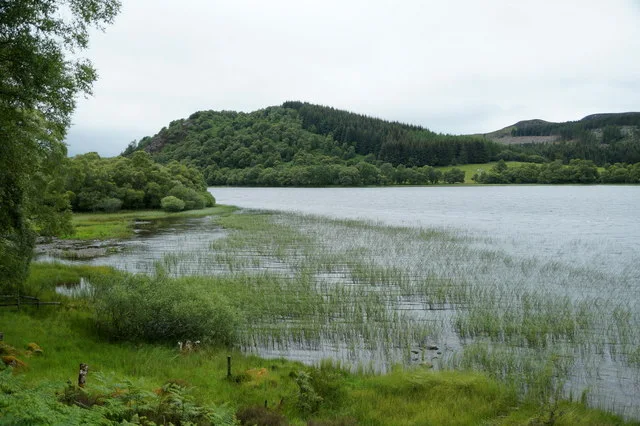
Croachy, south-west of Inverness, Highland
Slavonian Grebes watched only from the official hide
Decide if the visit fits.
RSPB Loch Ruthven at a glance
Last checked 18 October 2026.
- Open
- Confirm reopening; ordinary reserve/car-park hours 10am–6pm.More about open
- Price / parking
- Free entry; see operator for parking.More about price / parking
- Best time
- April–summer Slavonian Grebes; daylight loch visits when openMore about best time
- Dogs
- RSPB Scotland welcomes responsible access and asks dogs to stay…More about dogs
- Toilets
- There are no toilets or baby-changing facilities at Loch Ruthven.More about toilets
- Step-free
- The hide approach is about 500 metres from the car park and rela…More about step-free
Opening and charges information · checked .
Stay nearby →On this page
Reserve overview
Loch Ruthven reserve and habitat
Slavonian Grebes watched only from the official hide
Eight checks for a smoother visit.
Planning your visit to Loch Ruthven
Conditions change: check the operator and transport notices before travelling.
Loch Ruthven best time to visit and seasonal birds
January: typically watch for Mallard from Main public hide. This ordinary-season suggestion applies only when the reserve is open; check the live notice and gate hours before travelling, especially in wintry conditions. February: typically watch for Greenfinch from Signed woodland hide-approach path. Listen from the woodland approach without leaving the signed path. The county’s 2022 report documents winter occurrence, not a guarantee for the next visit. March: typically watch for Reed Bunting from Signed woodland hide-approach path. The public woodland-and-sedge-edge route offers supporting birds while spring develops; watch grebes and divers from the main public hide when access is permitted. April: typically watch for Common Sandpiper from Viewing screen north of the hide. Use the public screen only if reserve access is currently permitted; no shore approach, water entry or walk through sedge is suggested. May: typically watch for Willow Warbler from Signed woodland hide-approach path. The operator lists this birch-woodland bird. Listen quietly rather than following a singer away from the narrow established approach. June: typically watch for Tree Pipit from Signed woodland hide-approach path. A short patient woodland watch can complement the loch view without searching for nests or giving directions to protected grebes or divers. July: typically watch for House Martin from Viewing screen north of the hide. Actual 2022 county observations confirm occurrence at Ruthven RSPB. Summer flight activity varies with weather and insects rather than a fixed clock. August: typically watch for Little Grebe from Main public hide. The county’s April 2023 outing confirms this loch bird, but the named public view is habitat-based advice, not a claim of a current sighting. September: typically watch for Red-breasted Merganser from Main public hide. Scan open water from the public hide, allowing submerged birds time to reappear. Leave the sedge beds and other shores undisturbed. October: typically watch for Teal from Main public hide. The reserve and carpark are CLOSED 5–23 October 2026. RSPB schedules 24 October reopening, which must be rechecked; do not travel for entry during closure. November: typically watch for Mallard from Viewing screen north of the hide. A short public-screen watch may suit winter weather, but only within confirmed access. A closed hide does not mean the entire reserve is open. December: typically watch for Long-tailed Tit from Signed woodland hide-approach path. The birch approach can provide a compact supporting-bird visit when ground conditions permit; reserve enough daylight for uneven boardwalks and the return.
Best conditions: Usually choose a calm clear daylight spell within permitted opening to make diving waterbirds and woodland calls easier to follow. Wind and rain make the natural path, narrow boardwalk and sedge-edge watch less comfortable. The entire reserve and carpark remain closed 5–23 October 2026; scheduled reopening is not confirmation. Watch Slavonian Grebe and Red-throated Diver from the main public hide when access is permitted; do not approach from the water or search the sedge beds.
Loch Ruthven opening times, entry and facilities
Current closure checked 19 October 2026: the RSPB notice dated 15 October says both reserve and carpark are closed 5–23 October for essential maintenance, with reopening scheduled for Saturday 24 October. Do not travel for entry during that closure, and recheck the operator before a reopening-week visit. The October 2026 charges table lists free adult and child admission but no separate parking price. The eight-space parking area is unsuitable for large campervans and does not permit overnight parking. There are no toilets on the reserve. In normal operation the public hide is reached by a narrow natural woodland path with boardwalks and boulders, so plan footwear and mobility needs before arriving. The adjacent screen is an ordinary viewing facility, not permission to bypass a closed reserve or locked access gate.
Access times: Reserve: CLOSED 5–23 October 2026 for maintenance, according to 15 October 2026 operator notice. Reopening scheduled 24 October must be confirmed; ordinary 10:00–18:00 calendar does not override closure. · Hides: During whole-reserve closure no hide or screen access. In ordinary operation check carpark signs for hide opening; adjacent screen does not grant access outside reserve/gate restrictions. · Car park: CLOSED 5–23 October 2026. Normal advertised 10:00–18:00, gate locked outside these hours; eight spaces, no overnight parking and unsuitable for large campervans. · Dawn access: no. Operator opening information.
Loch Ruthven trails, hides and visit length
Watch Slavonian Grebes only from the official hide, keeping the shoreline and breeding habitat undisturbed throughout the visit. The public trail from the car park passes through birch woodland towards the loch, providing a small but varied journey before the main watch. There is also an operator-listed screen immediately north of the hide; use current signs to establish whether it is available, and follow any restriction displayed at the entrance. Do not substitute a shoreline approach when the hide or reserve is closed. For a 2-hour plan after reopening, walk slowly along the official trail, spend most of the visit in the hide, and leave enough time for an unhurried return before the car-park gate closes. Scan the open water in overlapping bands, then look again after a short rest. Grebes dive for long periods and can surface well away from where they disappeared, so a patient broad watch is preferable to constantly moving between viewing positions. A full-day plan should still be a modest loch visit rather than a full circuit around the water. Give the official hide a substantial morning session, take a break elsewhere, and add a separate public woodland or general landscape stop suited to the weather. A second hide session is optional if time and current opening arrangements allow. The RSPB asks visitors not to swim, paddleboard or canoe in the protected part of the loch from 1 March to 31 August. Respect that restriction and never approach sedge beds to look for breeding activity. The crannog is also protected: enjoy any visible remains from lawful public viewpoints without climbing on or using the monument. Inside the hide, share windows thoughtfully and keep sudden movement to a minimum. Grebes can be surprisingly difficult to relocate after diving, so watch a broad patch of water instead of fixing on the exact last position. A telescope allows good views without any need to shorten the distance from the birds. If a bird remains hidden, enjoy the changing light, woodland calls and the loch's wider setting rather than trying another shoreline position. This is particularly important at a site where the specialist interest is a scarce protected breeding species and the official observing arrangement is deliberately limited.
Where to watch at Loch Ruthven
Use the linked reserve map and directions with current access notices. Species are typical seasonal targets. Light and telescope advice reflects our choice of viewpoint.
Main public hideWinter · Spring · Summer · Autumn
Open loch water and sedge margins
CLOSED with reserve 5–23 October 2026. When permitted open, two steps, fixed benches and single-height sash windows; carpark signs show hide availability.
Winter: Mallard, Teal, Little Grebe
Spring: Common Sandpiper, Red-breasted Merganser, Pied Wagtail, Slavonian Grebe, Red-throated Diver
Summer: House Martin, Common Sandpiper, Little Grebe, Slavonian Grebe, Red-throated Diver
Autumn: Mallard, Teal, Red-throated Diver
Light: either. Scope: useful.
Viewing screen north of the hideWinter · Spring · Summer · Autumn
Public loch-water view beside the hide
CLOSED with reserve 5–23 October 2026. Facilities say screen available whenever hide closed in ordinary operation; this never overrides the whole-reserve closure.
Winter: Mallard, Little Grebe
Spring: Teal, Pied Wagtail
Summer: House Martin, Common Sandpiper
Autumn: Mallard, Teal
Light: either. Scope: useful.
Signed woodland hide-approach pathWinter · Spring · Summer · Autumn
Birch woodland and public approach vegetation
CLOSED with reserve 5–23 October 2026. About 500 m narrow natural path with boardwalks, boulders and uneven woodland footing.
Winter: Long-tailed Tit, Greenfinch, Reed Bunting
Spring: Willow Warbler, Tree Pipit, Long-tailed Tit
Summer: Tree Pipit, Willow Warbler, Reed Bunting
Autumn: Long-tailed Tit, Greenfinch
Light: either. Scope: not needed.
| Spot | Overlooks | Key species by season | Best light | Scope | Tide |
|---|---|---|---|---|---|
| Main public hideCLOSED with reserve 5–23 October 2026. When permitted open, two steps, fixed benches and single-height sash windows; carpark signs show hide availability. | Open loch water and sedge margins | Winter: Mallard, Teal, Little Grebe Spring: Common Sandpiper, Red-breasted Merganser, Pied Wagtail, Slavonian Grebe, Red-throated Diver Summer: House Martin, Common Sandpiper, Little Grebe, Slavonian Grebe, Red-throated Diver Autumn: Mallard, Teal, Red-throated Diver | either | useful | — |
| Viewing screen north of the hideCLOSED with reserve 5–23 October 2026. Facilities say screen available whenever hide closed in ordinary operation; this never overrides the whole-reserve closure. | Public loch-water view beside the hide | Winter: Mallard, Little Grebe Spring: Teal, Pied Wagtail Summer: House Martin, Common Sandpiper Autumn: Mallard, Teal | either | useful | — |
| Signed woodland hide-approach pathCLOSED with reserve 5–23 October 2026. About 500 m narrow natural path with boardwalks, boulders and uneven woodland footing. | Birch woodland and public approach vegetation | Winter: Long-tailed Tit, Greenfinch, Reed Bunting Spring: Willow Warbler, Tree Pipit, Long-tailed Tit Summer: Tree Pipit, Willow Warbler, Reed Bunting Autumn: Long-tailed Tit, Greenfinch | either | not needed | — |
Target species at Loch Ruthven
Month chips show typical presence or our preferred viewing season. Choose birds that suit the time of your visit.
Headline birds
- Slavonian GrebeMain public hideMain public hideMarAprMayJunJulAug
- MarAprMayJunJulAugSep
Regular birds
- JanFebMarAprMayJunJulAugSepOctNovDec
- JanFebMarOctNovDec
- JanFebMarAprMayJunJulAugSepOctNovDec
- AprMayJunJulAugSep
- Red-breasted MerganserMain public hideMain public hideJanFebMarAprMayJunJulAugSepOctNovDec
- JanFebMarAprMayJunJulAugSepOctNovDec
- AprMayJunJulAugSep
- AprMayJunJulAugSep
- AprMayJunJulAug
- JanFebMarAprMayJunJulAugSepOctNovDec
- JanFebMarAprMayJunJulAugSepOctNovDec
- JanFebMarAprMayJunJulAugSepOctNovDec
Loch Ruthven accessibility and step-free routes
The hide approach is about 500 metres from the car park and relatively level, but its surface is a narrow natural trail with hard-packed earth, boardwalk sections, boulders and rough woodland ground. These details make it unsuitable to describe as a straightforward paved wheelchair route. The hide itself has two entrance steps, single-height sash viewing windows and fixed benches without backs. A small screen provides a different observing arrangement when permitted, but its presence does not remove the obstacles along the approach. Benches are located near the beginning of the trail. Anyone who needs frequent rests should discuss the whole return journey rather than assuming seating continues at regular intervals. In wet conditions, boards and uneven stones require particular care. Explain equipment dimensions, balance needs or any difficulty with steps to the north Scotland team before travelling. Assistance may make some visits possible, but the site information does not establish step-free access to the hide. The small car park and exposed loch setting also favour a carefully planned, shorter visit for people with limited stamina.
Loch Ruthven visitor facilities
There are no toilets or baby-changing facilities at Loch Ruthven. The RSPB identifies alternatives at Daviot Wood on the northbound A9 and at Dores near the Dores Inn, around six miles away. Bring your own refreshments and drinking water, keeping meals quiet and tidy in observing areas. There are no cycle racks listed at the car park. Pack layers for a stationary loch watch, and keep bags clear of hide seats and doorways so other visitors can share the space.
Loch Ruthven dog rules
RSPB Scotland welcomes responsible access and asks dogs to stay close, preferably on a short lead, during 1 March–31 August. Dogs must stay out of the loch in that period. Keep them calm near the hide and remove waste. Assistance dogs are welcome, subject to the same current reserve closure as all visitors.
Loch Ruthven public transport and getting there
Inverness is the railway gateway identified by the RSPB, with the reserve around 16 miles south-west of the city. The official travel page mentions an infrequent bus through Croachy and a further walk of about one mile. Its older reference to D&E Coaches does not provide a current route number, and the operator's present timetable page does not establish a Croachy connection. Use a prebooked taxi from Inverness for a dependable rail-based visit unless a current operator itinerary has been confirmed for your particular day. Highland Council's route 302 is advertised as Inverness–Foyers, but that alone does not demonstrate a stop at Croachy, so it is not presented as a reserve bus. Agree the return pickup before setting out and tell the driver the Loch Ruthven reserve car park. No transport connection overrides the October 2026 maintenance closure.
Useful bases for an early start.
Where to stay near Loch Ruthven
Booking.com links are affiliate links: we may earn a commission at no extra cost to you. How these links work.
- 01
Inverness
About 16.1 miles by road, roughly 24 minutes’ drive to the reserve arrival point (OSRM, measured 18 October 2026; estimate without live traffic).
Measured driving route · 18 October 2026. Map estimates exclude live traffic.
Mainline transport and wider Highland visitsFind places to stay in Inverness on Booking.com - 02
Dores
About 6.9 miles by road, roughly 9 minutes’ drive to the reserve arrival point (OSRM, measured 18 October 2026; estimate without live traffic).
Measured driving route · 18 October 2026. Map estimates exclude live traffic.
A village base by Loch NessFind places to stay in Dores on Booking.com - 03
Drumnadrochit
About 27.4 miles by road, roughly 37 minutes’ drive to the reserve arrival point (OSRM, measured 18 October 2026; estimate without live traffic).
Measured driving route · 18 October 2026. Map estimates exclude live traffic.
A western Loch Ness baseFind places to stay in Drumnadrochit on Booking.com
Explore Highland’s full guides and smaller birding sites
Loch Ruthven official sightings, safety and contact
For Loch Ruthven contact nsro@rspb.org.uk or 01463 715000. The most immediate question is confirmation of reopening after the published 5–23 October maintenance closure. For later visits, ask about hide availability, approach condition and any specific mobility need. Send Slavonian Grebe observations directly to the reserve team where sensitive details are involved; public reports should never identify nesting positions or encourage people towards the sedge beds.
Loch Ruthven recent bird sightings
Check Highland Birds actual April 2023 county field report. fixed report posted 18 April 2023; not a current daily reserve feed Reports show what has been seen, not what will be.
- Highland Birds actual April 2023 county field reportcounty club or recorder · updated fixed report posted 18 April 2023; not a current daily reserve feed
- Highland Bird Report 2022 actual systematic recordscounty club or recorder · updated published historical 2022 report; not current sightings
Birding sources
- RSPB current closure, sensitive species and woodland baseline
- RSPB actual hide/screen inventory and route access
- Highland Birds actualApril 2023 county outing
- Highland Bird Report 2022 actual Mallard/HouseMartin/Greenfinch/Reed Bunting records
- RSPB ordinaryOctober 2026 opening calendar, overridden by closure
- RSPB official entrance map
Follow the BTO Birders’ Code and give wildlife space.
Questions visitors ask
Is RSPB Loch Ruthven free to visit?
RSPB Loch Ruthven: Free entry; see operator for parking.
Can I take my dog to RSPB Loch Ruthven?
RSPB Loch Ruthven: RSPB Scotland welcomes responsible access and asks dogs to stay close, preferably on a short lead, during 1 March–31 August.
When is the best time to visit RSPB Loch Ruthven?
RSPB Loch Ruthven: April–summer Slavonian Grebes; daylight loch visits when open.
Is RSPB Loch Ruthven accessible for wheelchairs?
RSPB Loch Ruthven: The hide approach is about 500 metres from the car park and relatively level, but its surface is a narrow natural trail with hard-packed earth, boardwalk sections, boulders and rough woodland ground.
How do I get to RSPB Loch Ruthven without a car?
RSPB Loch Ruthven: Inverness is the railway gateway identified by the RSPB, with the reserve around 16 miles south-west of the city.
Best months for this reserve
Nearby complete guides.
Bird reserves near Loch Ruthven
Stops with a purpose: use one as a contrasting habitat or weather-proof Plan B. Distances are straight-line estimates, not road journeys.
- About 16 miles away · A useful habitat changeRSPB CorrimonySeasonal wildlife throughout the year
- About 19 miles away · A useful habitat changeRSPB Insh MarshesSpring and summer breeding waders · autumn passage · winter swans, geese and ducks
- About 22 miles away · A useful habitat changeRSPB Loch GartenSpring & summer