

SC 47 · NatureScot reserve guide
Beinn Eighe National Nature Reserve
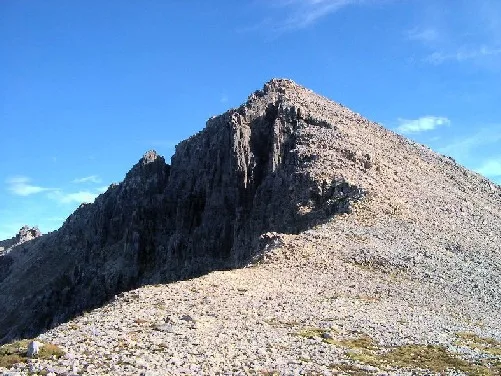
Kinlochewe, Wester Ross, Scotland · IV22 2PD
Choose pinewoods and loch views before deciding whether a mountain walk suits your day.

Decide if the visit fits.
Beinn Eighe National Nature Reserve at a glance
Last checked 18 October 2026.
- Open
- Outdoor trails year-round; visitor centre April–October, 10am–5pm.More about open
- Price / parking
- Visitor centre free; ordinary parking tariff not published.More about price / parking
- Best time
- Woodland birds year-round · spring song · winter goldeneyeMore about best time
- Dogs
- Follow the Scottish Outdoor Access Code and any NatureScot signs…More about dogs
- Toilets
- The visitor centre provides interpretation, a viewing window, to…More about toilets
- Step-free
- NatureScot describes the Pinecone trail and the path connecting…More about step-free
Opening and charges information · checked .
Stay nearby →On this page
Reserve overview
Beinn Eighe reserve and habitat
Choose pinewoods and loch views before deciding whether a mountain walk suits your day.
Eight checks for a smoother visit.
Planning your visit to Beinn Eighe
Conditions change: check the operator and transport notices before travelling.
Beinn Eighe best time to visit and seasonal birds
January: keep the visit low on the Pinecone Trail for Siskin and use the Buzzard Trail only if conditions suit a Buzzard or Raven scan. Snow and ice make the Mountain Trail a separate mountaineering decision. February: choose the Pinecone Trail for calling Siskins and sheltered woodland listening. From the lower burn section of the Mountain Trail, Dipper is a possibility without turning a birdwatch into a high-level ascent. March: Siskin and Raven give reasons to explore before the visitor-centre season. Compare Pinecone with the more open Buzzard Trail, keeping distance from any displaying raptor. April: Willow Warbler and Tree Pipit typically return to woodland, watched from Pinecone and the Coille na Glas-Leitir Woodland Trail. The visitor-centre wildlife window becomes an additional Siskin stop during its opening season. May: the Coille na Glas-Leitir Woodland Trail usually offers the strongest listening plan for Tree Pipit, Redstart and Wood Warbler. Remain on the public trail and stop short of birds behaving defensively. June: give Wood Warbler and Redstart time from the Coille na Glas-Leitir Woodland Trail rather than following calls off route. The lower Mountain Trail burn provides a different habitat for Dipper. July: Pinecone and the visitor-centre viewing window usually suit a quieter Siskin watch. Wood Warbler and Willow Warbler can be less vocal, so identification may take longer than in spring. August: use the Woodland Trail for remaining Redstart, Tree Pipit and Willow Warbler opportunities. A short Buzzard Trail session adds Raven and Buzzard in a different habitat if the forecast stays settled. September: the woodland increasingly becomes a Siskin and listening visit as summer song declines. Walk Pinecone slowly, then use the Buzzard Trail for Raven without chasing distant silhouettes across rough ground. October: Pinecone provides a manageable Siskin watch, with the viewing window available during the centre’s published season. A calm, clear spell suits a Buzzard and Raven scan from the Buzzard Trail. November: choose lower trails for Siskin, Buzzard and Raven within the short daylight. The visitor-centre window is a seasonal facility, so make Pinecone the independent woodland option. December: an unhurried Pinecone walk for Siskin can be more useful than covering much ground. If conditions allow, check the lower burn section for Dipper and leave any longer ascent for an appropriately equipped hillwalking day.
Best conditions: Usually pick calm mornings for hearing woodland birds; rain and wind can make a lower, shorter woodland watch the better choice. Check mountain weather before the stepped Mountain Trail, and do not follow an eagle or a diver beyond the public routes. Scope and light ratings are editorial, not NatureScot promises.
Beinn Eighe opening times, entry and facilities
Entry information checked on 18 October 2026: NatureScot lists free admission to the visitor centre. Outdoor routes are available separately, subject to conditions and management notices; the building season and toilet hours are shown in Access times. The visitor-centre and Coille na Glas-Leitir car parks serve different starting points, so select the entrance that matches the intended trail. NatureScot offers a specific overnight scheme for eligible self-contained motorhomes at designated parking areas; it does not turn every reserve car park into a campsite. Use the linked scheme terms if relevant. Slattadale provides a separate shore-viewing stop farther towards Gairloch. Check the official advice and mountain forecast before setting out, because low cloud, wind, ice or work on a route can alter the sensible choice of walk.
Access times: Reserve: Outdoor visitor trails open all year, subject to conditions and management signs. · Hides: Visitor-centre wildlife window: April–October, 10:00–17:00; no independent overnight indoor access. · Car park: Official visitor-centre and Coille na Glas-Leitir parking are available; eligible self-contained motorhomes may use the specified overnight scheme. No general gate-locking timetable is stated. · Dawn access: partly. Operator opening information.
Beinn Eighe trails, hides and visit length
There are two different starting areas and they should not be confused. The visitor-centre trails provide the gentler introduction near Kinlochewe, with Pinecone and Buzzard routes. Coille na Glas-Leitir is a separate car park farther along the A832 and starts the woodland and mountain trails. A successful birdwatching day can stay entirely in the lower woodland; gaining height is not a condition of seeing interesting birds. Walk quietly, stop before a bend and listen for contact calls in the canopy. Give yourself time to distinguish a call's direction before searching every branch. Two-hour plan, editorial suggestion: begin with the visitor-centre interpretation and viewing window during its season, then take the Pinecone trail at a slow pace. Choose several places to stand and listen rather than completing the circuit at a walking-for-exercise speed. Leave time to revisit the first woodland edge before returning. Outside centre hours, make the lower outdoor route the whole visit and bring what you need. Full-day plan, editorial suggestion: spend the morning around the visitor centre, take a proper lunch break, then make a separate visit to Coille na Glas-Leitir for the woodland trail. If the forecast deteriorates, retain the first route as your main outing and shorten the second. The mountain trail is a distinct hillwalking commitment, requiring appropriate fitness, equipment and navigation. Do not add it casually after a slow morning with a heavy telescope, and do not use a bird sighting as a reason to leave a signed route or approach a breeding area. Choose one listening stop and stay there through a quiet spell. Note whether calls come from the ground, the middle branches or the canopy, then look only in the relevant layer. This is a practical way to learn woodland birds without spending the walk chasing movement. If the light is difficult, concentrate on shape and behaviour first and leave a tentative identification unresolved until you have a better view.
Where to watch at Beinn Eighe
Use the linked reserve map and directions with current access notices. Species are typical seasonal targets. Light and telescope advice reflects our choice of viewpoint.
Visitor-centre viewing windowWinter · Spring · Summer · Autumn
Pond, woodland and bird feeders
Inside the visitor centre during its April–October opening season.
Winter: Siskin
Spring: Siskin, Willow Warbler
Summer: Siskin, Willow Warbler
Autumn: Siskin
Light: either. Scope: not needed.
Pinecone TrailWinter · Spring · Summer · Autumn
Low-level pinewood around the visitor centre
NatureScot describes level surfaces and low gradients.
Winter: Siskin
Spring: Willow Warbler, Siskin
Summer: Willow Warbler, Siskin
Autumn: Siskin
Light: either. Scope: not needed.
Buzzard TrailWinter · Spring · Summer · Autumn
More open ground and woodland edge above the visitor centre
Longer and more exposed than Pinecone; choose the lower route in poor weather.
Winter: Buzzard, Raven
Spring: Buzzard, Tree Pipit
Summer: Buzzard, Tree Pipit
Autumn: Buzzard, Raven
Light: either. Scope: useful.
Coille na Glas-Leitir Woodland TrailWinter · Spring · Summer · Autumn
Ancient pinewood and open woodland edge
Narrow path with steps; a different trailhead from the visitor centre.
Winter: Siskin
Spring: Tree Pipit, Wood Warbler, Redstart
Summer: Tree Pipit, Wood Warbler, Redstart
Autumn: Siskin
Light: either. Scope: not needed.
Mountain Trail (lower burn section)Winter · Spring · Summer · Autumn
Cascading burns, woodland edge and hill slopes
A stepped hill path; no high-level birdfinding detour is recommended.
Winter: Dipper, Raven
Spring: Dipper, Buzzard
Summer: Dipper, Raven
Autumn: Dipper, Buzzard
Light: either. Scope: useful.
Slattadale shore viewpointWinter · Spring · Summer · Autumn
Open water of Loch Maree and its wooded islands
Use the official shore viewpoint; do not land on sensitive islands.
Winter: Raven, Golden Eagle, White-tailed Eagle
Spring: Raven, Buzzard, Golden Eagle, White-tailed Eagle, Black-throated Diver, Red-throated Diver
Summer: Buzzard, Golden Eagle, White-tailed Eagle, Black-throated Diver, Red-throated Diver
Autumn: Raven, Golden Eagle, White-tailed Eagle, Black-throated Diver, Red-throated Diver
Light: either. Scope: essential.
| Spot | Overlooks | Key species by season | Best light | Scope | Tide |
|---|---|---|---|---|---|
| Visitor-centre viewing windowInside the visitor centre during its April–October opening season. | Pond, woodland and bird feeders | Winter: Siskin Spring: Siskin, Willow Warbler Summer: Siskin, Willow Warbler Autumn: Siskin | either | not needed | — |
| Pinecone TrailNatureScot describes level surfaces and low gradients. | Low-level pinewood around the visitor centre | Winter: Siskin Spring: Willow Warbler, Siskin Summer: Willow Warbler, Siskin Autumn: Siskin | either | not needed | — |
| Buzzard TrailLonger and more exposed than Pinecone; choose the lower route in poor weather. | More open ground and woodland edge above the visitor centre | Winter: Buzzard, Raven Spring: Buzzard, Tree Pipit Summer: Buzzard, Tree Pipit Autumn: Buzzard, Raven | either | useful | — |
| Coille na Glas-Leitir Woodland TrailNarrow path with steps; a different trailhead from the visitor centre. | Ancient pinewood and open woodland edge | Winter: Siskin Spring: Tree Pipit, Wood Warbler, Redstart Summer: Tree Pipit, Wood Warbler, Redstart Autumn: Siskin | either | not needed | — |
| Mountain Trail (lower burn section)A stepped hill path; no high-level birdfinding detour is recommended. | Cascading burns, woodland edge and hill slopes | Winter: Dipper, Raven Spring: Dipper, Buzzard Summer: Dipper, Raven Autumn: Dipper, Buzzard | either | useful | — |
| Slattadale shore viewpointUse the official shore viewpoint; do not land on sensitive islands. | Open water of Loch Maree and its wooded islands | Winter: Raven, Golden Eagle, White-tailed Eagle Spring: Raven, Buzzard, Golden Eagle, White-tailed Eagle, Black-throated Diver, Red-throated Diver Summer: Buzzard, Golden Eagle, White-tailed Eagle, Black-throated Diver, Red-throated Diver Autumn: Raven, Golden Eagle, White-tailed Eagle, Black-throated Diver, Red-throated Diver | either | essential | — |
Target species at Beinn Eighe
Month chips show typical presence or our preferred viewing season. Choose birds that suit the time of your visit.
Headline birds
- JanFebMarAprMayJunJulAugSepOctNovDec
- AprMayJunJulAug
- MayJunJulAug
Regular birds
- AprMayJunJulAug
- AprMayJunJulAug
- JanFebMarAprMayJunJulAugSepOctNovDec
- JanFebMarAprMayJunJulAugSepOctNovDec
- JanFebMarAprMayJunJulAugSepOctNovDec
Scarce but regular birds
- JanFebMarAprMayJunJulAugSepOctNovDec
- JanFebMarAprMayJunJulAugSepOctNovDec
- AprMayJunJulAugSep
- AprMayJunJulAugSep
- PtarmiganFollow the operator’s sensitive-species advice.JanFebMarAprMayJunJulAugSepOctNovDec
Beinn Eighe accessibility and step-free routes
NatureScot describes the Pinecone trail and the path connecting to Kinlochewe as having level surfaces and low gradients. These are the first routes to discuss when choosing an outing for someone using a wheelchair, mobility aid or pushchair. The longer Buzzard trail includes more open ground, while the woodland and mountain paths from Coille na Glas-Leitir are narrow and have steps. Treat each route as a separate access decision rather than transferring the gentler route's description to the whole reserve. Benches on some paths and accessible picnic seating at the visitor centre can help with pacing, but their presence does not remove the effect of wind, rain or a long return. Ask NatureScot about any current surface problem and the precise approach to the viewing window if it is central to your visit. A group with differing needs can share the lower route and then split only if transport and meeting arrangements are clear. Wet roots, leaves and frost may make an otherwise modest path more demanding; choose footwear and walking aids for those conditions.
Beinn Eighe visitor facilities
The visitor centre provides interpretation, a viewing window, toilets and picnic seating during its published season. Kinlochewe has visitor services, including places to find food, a small shop and accommodation, as described by NatureScot. Carry lunch and water if you intend to spend the day between different trailheads. A lightweight bag is more useful than bringing every piece of optical equipment onto a woodland path. Keep waterproofs accessible and take insect protection in the warmer months when still conditions can make a listening stop less comfortable.
Beinn Eighe dog rules
Follow the Scottish Outdoor Access Code and any NatureScot signs, keeping dogs under close control around wildlife and livestock. A short lead is particularly useful on narrow woodland paths where a dog might otherwise disappear into cover. Remove all waste, and choose your resting place so other visitors can pass without stepping into vegetation.
Beinn Eighe public transport and getting there
Achnasheen is the nearest railway station identified by NatureScot, on ScotRail's Inverness–Kyle of Lochalsh line. It is a gateway, not a station at the reserve: arrange the onward road connection before buying a tightly timed return. NatureScot also describes a limited bus service from Inverness to Kinlochewe, with a path from the village towards the visitor centre. Use Traveline Scotland for the date-specific journey, including the final return and any advance-booking requirement shown by the operator. A taxi transfer may be the realistic choice where the bus does not suit your arrival. Drivers should identify which trailhead they want before leaving Kinlochewe, because the visitor centre and Coille na Glas-Leitir serve different routes. Do not stop on the A832 to watch a bird: use the appropriate official car park and walk to a safe viewing position.
Useful bases for an early start.
Where to stay near Beinn Eighe
Booking.com links are affiliate links: we may earn a commission at no extra cost to you. How these links work.
- 01
Kinlochewe
About 0.9 miles by road, roughly 2 minutes’ drive to Beinn Eighe visitor centre; OSRM/OpenStreetMap estimate measured 18 October 2026. The drive from Kinlochewe leaves parking and the final walk to Beinn Eighe National Nature Reserve to be added separately.
Measured driving route · 2026-10-18. Map estimates exclude live traffic.
The simplest local base for the lower reserve trails.Find places to stay in Kinlochewe on Booking.com - 02
Gairloch
About 19.2 miles by road, roughly 26 minutes’ drive to Beinn Eighe visitor centre; OSRM/OpenStreetMap estimate measured 18 October 2026. The drive from Gairloch leaves parking and the final walk to Beinn Eighe National Nature Reserve to be added separately.
Measured driving route · 2026-10-18. Map estimates exclude live traffic.
Combining pinewood birding with a Wester Ross coastal stay.Find places to stay in Gairloch on Booking.com - 03
Torridon
About 11.2 miles by road, roughly 17 minutes’ drive to Beinn Eighe visitor centre; OSRM/OpenStreetMap estimate measured 18 October 2026. The drive from Torridon leaves parking and the final walk to Beinn Eighe National Nature Reserve to be added separately.
Measured driving route · 2026-10-18. Map estimates exclude live traffic.
A scenic base for a varied Highland holiday.Find places to stay in Torridon on Booking.com
Explore Highland’s full guides and smaller birding sites
Beinn Eighe official sightings, safety and contact
NatureScot lists the visitor centre on 01445 760258 during April–October and its office on 01463 701660 for November–March. Use the official reserve page for current contact arrangements and describe the route you want to use when asking a practical question. The wider NNR includes sensitive loch islands and mountain habitat; public viewing from established trails and shore viewpoints is the appropriate approach. Kinlochewe's postcode is an arrival reference for the lower reserve, not a precise mountain-navigation aid.
Beinn Eighe recent bird sightings
Check SOC Highland branch bird sightings. frequent dated regional records; reserve coverage varies Reports show what has been seen, not what will be.
- SOC Highland branch bird sightingscounty club or recorder · updated frequent dated regional records; reserve coverage varies
Birding sources
Follow the BTO Birders’ Code and give wildlife space.
Questions visitors ask
Is Beinn Eighe National Nature Reserve free to visit?
Beinn Eighe National Nature Reserve: Visitor centre free; ordinary parking tariff not published.
Can I take my dog to Beinn Eighe National Nature Reserve?
Beinn Eighe National Nature Reserve: Follow the Scottish Outdoor Access Code and any NatureScot signs, keeping dogs under close control around wildlife and livestock.
When is the best time to visit Beinn Eighe National Nature Reserve?
Beinn Eighe National Nature Reserve: Woodland birds year-round · spring song · winter goldeneye.
Is Beinn Eighe National Nature Reserve accessible for wheelchairs?
Beinn Eighe National Nature Reserve: NatureScot describes the Pinecone trail and the path connecting to Kinlochewe as having level surfaces and low gradients.
How do I get to Beinn Eighe National Nature Reserve without a car?
Beinn Eighe National Nature Reserve: Achnasheen is the nearest railway station identified by NatureScot, on ScotRail's Inverness–Kyle of Lochalsh line.
Best months for this reserve
Nearby complete guides.
Bird reserves near Beinn Eighe
Stops with a purpose: use one as a contrasting habitat or weather-proof Plan B. Distances are straight-line estimates, not road journeys.
- About 30 miles away · A useful habitat changeRSPB CorrimonySeasonal wildlife throughout the year
- About 44 miles away · A useful habitat changeRSPB Loch RuthvenApril–summer Slavonian Grebes; daylight loch visits when open
- About 53 miles away · A useful habitat changeHanda IslandApril–July breeding seabirds; mid-May–July puffins