

SC 22 · Scottish Wildlife Trust reserve guide
Handa Island
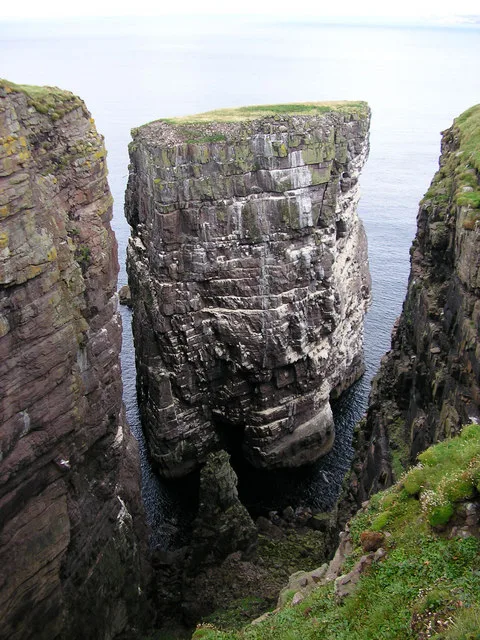
Off Tarbet near Scourie, Sutherland
Guillemots, razorbills and kittiwakes at the Great Stack; puffins in summer

Decide if the visit fits.
Handa Island at a glance
Last checked 18 October 2026.
- Open
- Seasonal ferry Mon–Sat; outbound 9am–1.30pm, final return 5pm, weather permitting.More about open
- Price / parking
- Ferry £25 adult, £10 under-14s; under-fives free.More about price / parking
- Best time
- April–July breeding seabirds; mid-May–July puffinsMore about best time
- Dogs
- Dogs are excluded from the island because of its many ground-nes…More about dogs
- Toilets
- The Trust's visitor information identifies a small shelter and a…More about toilets
- Step-free
- The Trust describes Handa's terrain as challenging and asks visi…More about step-free
Opening and charges information · checked .
Stay nearby →On this page
Reserve overview
Reserve and habitat
Guillemots, razorbills and kittiwakes at the Great Stack; puffins in summer
Eight checks for a smoother visit.
Planning your visit
Conditions change: check the operator and transport notices before travelling.
Best time to visit and seasonal birds
January: there is no ordinary winter visitor ferry. Use this month to plan a future Great Stack public viewing area visit for Guillemot and Razorbill, rather than treating the summer colony as a winter landing option.
February: ordinary island landings are outside the visitor season. Check plans for May–July Puffins from the Great Stack public viewing area; a winter mainland visit cannot establish which island routes will open.
March: confirm the coming ferry season directly with the operator before travelling. Great Stack public viewing area is the planned spring watch for Guillemot and Kittiwake only when landings and the marked route are operating.
April: typically the visitor season begins in spring, subject to the operator’s announced dates and weather. Guillemot and Razorbill at Great Stack public viewing area are stronger early aims than a promise of Puffins.
May: usually a good balance of colony and moorland watching: Puffin and Kittiwake from Great Stack public viewing area, then Skylark and Wheatear from the Marked island circuit. Follow the arrival briefing.
June: typically spend most watching time at Great Stack public viewing area for Guillemot, Razorbill and Puffin. Arctic Terns can be noticed from the approved Landing beach and jetty waiting area without approaching birds.
July: usually the Great Stack public viewing area still offers the main auk watch early in the month, but departures change the colony later. Meadow Pipits on the Marked island circuit provide another subject.
August: typically auk numbers and viewing opportunities diminish. Fulmar from Great Stack public viewing area and Wheatear along the Marked island circuit are more realistic plans, subject to the season’s actual ferry end date.
September: do not assume the visitor ferry still operates. A future spring Guillemot watch at Great Stack public viewing area is a planning option, not a September island access claim or a promised seabird encounter.
October: ordinary public landings are outside the summer season. Review the operator’s next announcement before planning Puffins from Great Stack public viewing area; poor weather can also shorten an operating day during the season.
November: there is no normal winter landing itinerary. Prepare a summer Marked island circuit visit for Skylark and Meadow Pipit instead, allowing spare mainland days for weather rather than arranging an unofficial crossing.
December: use the closed visitor season for flexible planning. A future Great Stack public viewing area session for Razorbill and Kittiwake depends on confirmed ferry dates, safe conditions and the warden’s current permitted route.
Best conditions: Our choice is a calm-weather landing with enough time for the marked circuit and a patient Great Stack watch. Typically May–July offers the best overlap of Puffins and the main auk colony, but numbers and departures change. Wind and sea state can cancel crossings or advance the final return: accept the operator’s and warden’s instructions on the day. Light and scope ratings are editorial. Do not leave the permitted route to look for skua or diver nests.
Opening times, entry and facilities
Handa is owned by Scourie Estate and managed in partnership with the Scottish Wildlife Trust. The Trust gives the normal visitor season as early April to late August or early September; exact 2027 opening and closing dates were not announced in the pages checked on 18 October 2026. Ferry fares and daily operating details are set out in the boat-access panel. The boat is operated independently of the Trust. The mainland departure is Tarbet near Scourie, reached from the A894; this is not Tarbet beside Loch Lomond. Current parking charges at the departure point and any separate reserve landing charge were not stated by the ferry or reserve pages checked. Confirm those costs with the operator before travelling, without treating their absence as proof of free parking. On landing, a Trust volunteer gives an introduction to the reserve. Check the skipper's operating decision and the Trust's current visitor information before making the road journey, because wind and sea conditions can prevent a crossing.
Access times: Reserve: Ordinary public visits depend on the seasonal Handa Ferry and the warden’s permitted route. Confirm the current season directly; no winter landing is implied. · Hides: No hide is advertised in the verified public sources. Official outdoor views and marked paths are available only during an authorised landing. · Car park: Tarbet departure parking; no independent overnight or dawn-opening entitlement was verified. Confirm directly with the ferry operator. · Dawn access: no. Operator opening information.
Trails, hides and visit length
The February 2026 Trust leaflet maps a circuit from the landing and visitor shelter across the island to the northern cliffs, Great Stack, Puffin Bay, Poll Ghlup and Boulder Bay. Follow the path or boardwalk throughout, and do not approach the lochs. This protects nesting birds as well as keeping visitors away from hazardous ground. The important seabird watches are at open coastal viewpoints rather than in enclosed hides. At the Great Stack, choose a position well back from the edge and watch the movement between cliff ledges and sea. Puffin Bay adds fulmars and a view towards Swaabie Loch, where skuas may gather; the loch itself must not be approached. Poll Ghlup is a collapsed sea cave with an overhanging rim, so give its edge a wide berth. The leaflet says to allow at least 90 minutes of quick walking back to the landing beach from that point. Boulder Bay offers a lower coastal watch for eiders and oystercatchers. Two-hour plan: discuss the available return with the skipper and ranger, then select a genuinely short marked-route outing with an early turning point. A two-hour total should not be used to promise the full northern circuit plus a relaxed Great Stack watch. Spend time around the landing-side permitted paths, return well ahead of the boat, and reserve the full colony walk for a less compressed day. Full-day plan: take an early available crossing, attend the introduction, and make the Great Stack the principal late-morning watch. Continue along the signed route only if the return schedule leaves a comfortable margin, taking lunch away from nesting birds and cliff edges. Use the coastal section and Boulder Bay on the way back as conditions allow. Keep the final return deadline central to the walk, rather than allowing an interesting bird to draw you farther from the landing.
Where to watch
Use the linked reserve map and directions with current access notices. Species are typical seasonal targets. Light and telescope advice reflects our choice of viewpoint.
Great Stack public viewing areaSpring · Summer
The sea stack, cliff ledges and offshore water
Use the warden-directed marked route and stay well back from cliff edges; no off-path colony approach.
Spring: Guillemot, Razorbill, Fulmar, Kittiwake, Puffin, Herring Gull, Great Black-backed Gull
Summer: Guillemot, Razorbill, Fulmar, Kittiwake, Puffin
Light: either. Scope: useful.
Marked island circuitSpring · Summer
Moorland and maritime grassland seen from the boardwalk and permitted path
Remain on the marked circuit. Wardens can divert routes to protect ground-nesting birds; do not follow a bird off the boardwalk.
Spring: Skylark, Meadow Pipit, Wheatear
Summer: Skylark, Meadow Pipit, Wheatear
Light: either. Scope: not needed.
Landing beach and jetty waiting areaSpring · Summer
The arrival bay and its open shore
Use only the warden-approved waiting area. Give shorebirds space and follow instructions for the return ferry.
Spring: Arctic Tern, Ringed Plover
Summer: Arctic Tern, Ringed Plover
Light: either. Scope: not needed.
| Spot | Overlooks | Key species by season | Best light | Scope | Tide |
|---|---|---|---|---|---|
| Great Stack public viewing areaUse the warden-directed marked route and stay well back from cliff edges; no off-path colony approach. | The sea stack, cliff ledges and offshore water | Spring: Guillemot, Razorbill, Fulmar, Kittiwake, Puffin, Herring Gull, Great Black-backed Gull Summer: Guillemot, Razorbill, Fulmar, Kittiwake, Puffin | either | useful | — |
| Marked island circuitRemain on the marked circuit. Wardens can divert routes to protect ground-nesting birds; do not follow a bird off the boardwalk. | Moorland and maritime grassland seen from the boardwalk and permitted path | Spring: Skylark, Meadow Pipit, Wheatear Summer: Skylark, Meadow Pipit, Wheatear | either | not needed | — |
| Landing beach and jetty waiting areaUse only the warden-approved waiting area. Give shorebirds space and follow instructions for the return ferry. | The arrival bay and its open shore | Spring: Arctic Tern, Ringed Plover Summer: Arctic Tern, Ringed Plover | either | not needed | — |
Target species
Month chips show typical presence or our preferred viewing season. Choose birds that suit the time of your visit.
Headline birds
- AprMayJunJul
- AprMayJunJul
- MayJunJul
- AprMayJunJul
- Great SkuaFollow the operator’s sensitive-species advice.AprMayJunJulAug
- Arctic SkuaFollow the operator’s sensitive-species advice.MayJunJulAug
Regular birds
- AprMayJunJulAug
- AprMayJunJulAug
- Great Black-backed GullGreat Stack public viewing areaGreat Stack public viewing areaAprMayJunJulAug
- AprMayJunJulAug
- Meadow PipitMarked island circuitMarked island circuitAprMayJunJulAug
- AprMayJunJulAug
- MayJunJul
- AprMayJunJulAug
- Red-throated DiverFollow the operator’s sensitive-species advice.MayJunJul
Tide planning
Choose the ferry operator’s safe crossing window, not a self-selected tide. The final return can change with tide, wind and sea state; confirm it at departure and on arrival. No published birdwatching tide height or high-water offset was verified.
Boat access and landing
Operator: Handa Ferry.
Booking opens: No timed prebooking: crossings run on demand, weather permitting. Contact the operator for groups or before a long journey.. Season: Normally early April to late August/early September; exact 2027 dates not announced as checked on 18 October 2026.; closed days: No Sunday service.. Fares: Operator tariff checked in October 2026: adults £25, children under 14 £10, under-fives free. Cards are not accepted; confirm payment arrangements and the 2027 fare before travelling..
Time ashore: Agree the return crossing with the skipper. Last outward ferry 1.30pm; latest return advertised at 5pm, weather permitting.. Landing access: A small passenger boat serves the island landing; discuss boarding and mobility requirements directly before travel.. Weather policy: Weather can cancel sailings. The ferry website gives a 9am start while the Trust gives 9.30am; confirm the day’s first departure with the skipper.
Accessibility and step-free routes
The Trust describes Handa's terrain as challenging and asks visitors to have a reasonable level of fitness, wear stout footwear and take care on the trails. Its 2026 leaflet warns that both boardwalk and grass can become slippery when wet. Coastal paths are exposed to high winds, and some cliff edges crumble or overhang. These conditions matter even for a visitor intending to walk only a modest distance. The ferry is a small passenger boat with a landing transfer, rather than a large vessel with a published step-free terminal route. Numerical boarding step heights, ramp gradients, wheelchair space and lifting arrangements were not supplied by the operator pages checked. Contact both the ferry operator and Trust ranger before arranging travel if you use a wheelchair, walking frame or other mobility equipment. Describe the assistance you need for boarding, beach transfer and the path separately; a manageable boat journey does not establish that the island circuit is suitable. A shorter visit near the landing may be more practical than the full cliff route, but it still depends on the actual landing conditions. The skipper determines whether the crossing is safe. Carry weather protection that can be used while seated in an open boat, and arrange an alternative mainland day if access cannot be accommodated. The published information does not justify describing the island as generally wheelchair accessible.
Visitor facilities
The Trust's visitor information identifies a small shelter and a composting toilet on the island. Bring a packed lunch, drinking water and all other essentials; there is no island shop in the Trust's description. Report useful wildlife sightings to the ranger or at the visitor shelter before leaving. The bothy is associated with staff and volunteering, not a public café or bookable visitor lodge. Take rubbish back to the mainland and keep food secure so it does not attract birds beside the path.
Dog rules
Dogs are excluded from the island because of its many ground-nesting birds. The ferry operator also says it cannot carry dogs because of the small boat's space, passenger comfort and safety. No published assistance-dog exception was established in the material checked; discuss an assistance dog's requirements directly with both operators before making any travel arrangements.
Public transport and getting there
Tarbet is reached by a single-track road branching from the A894 north of Scourie. Follow the ferry operator's directions to the pier, not a navigation search for another Scottish village with the same name. The measured mainland stay journeys below finish at the Tarbet departure area; the sea crossing and island walk are additional parts of the visit. A car-free trip needs planning beyond reaching the Highlands by rail. The Durness Bus confirms services linking Inverness, Ardgay, Lairg, Scourie and Durness, but a current numbered journey into Tarbet pier was not established. Use the operator's current timetable and arrange a local taxi transfer from Scourie or a rail-connected mainland town rather than assuming a through bus meets the boat. The older pandemic timetable found online is unsuitable for planning a 2027 journey and has not been reused here. Reserve the return taxi with allowance for weather-related delays, and avoid a tight same-day rail connection after a ferry that runs on demand.
Useful bases for an early start.
Where to stay
Booking.com links are affiliate links: we may earn a commission at no extra cost to you. How these links work.
- 01
Scourie
About 5.7 miles by road, roughly 8 minutes’ drive to the mainland Tarbet departure point, before the ferry (OSRM, measured 18 October 2026; estimate without live traffic).
Measured driving route · 18 October 2026. Map estimates exclude live traffic.
A distinct mainland base for the ferry outingFind places to stay in Scourie on Booking.com - 02
Kinlochbervie
About 15.6 miles by road, roughly 21 minutes’ drive to the mainland Tarbet departure point, before the ferry (OSRM, measured 18 October 2026; estimate without live traffic).
Measured driving route · 18 October 2026. Map estimates exclude live traffic.
A distinct mainland base for the ferry outingFind places to stay in Kinlochbervie on Booking.com - 03
Durness
About 25.5 miles by road, roughly 34 minutes’ drive to the mainland Tarbet departure point, before the ferry (OSRM, measured 18 October 2026; estimate without live traffic).
Measured driving route · 18 October 2026. Map estimates exclude live traffic.
A distinct mainland base for the ferry outingFind places to stay in Durness on Booking.com
Explore Highland’s full guides and smaller birding sites
Official sightings, safety and contact
For ferry decisions, call Roger on 07780 967800 or Danny on 07796 677328, or email info@handa-ferry.com. The ferry website is the source for fares, payments and the daily departure window. For reserve and wildlife questions, use handaranger@scottishwildlifetrust.org.uk; the Trust lists 07920 468572 for the ranger during April–August. Contact the boat operator before a long journey, and speak to the Trust about trail suitability or group visits. Keeping those enquiries separate ensures the right operator can answer each part of the plan.
Recent bird sightings
Check Highland SOC: dated sightings across the recording area. most days Reports show what has been seen, not what will be.
- Highland SOC: dated sightings across the recording areacounty club or recorder · updated most days
Birding sources
- Handa Ferry official island information and map section
- Highland SOC 10May2025 Handa field-trip observations and changed return time
- Highland SOC current recording-area sightings
- Highland SOC June2016 Handa seasonal records
- Highland SOC July2017 Handa seasonal records
- SWT published Handa leaflet URL (server unavailable during review)
- NatureScot Handa SSSI citation
- UKHO station catalogue
Follow the BTO Birders’ Code and give wildlife space.
Questions visitors ask
Is Handa Island free to visit?
Handa Island: Ferry £25 adult, £10 under-14s; under-fives free.
Can I take my dog to Handa Island?
Handa Island: Dogs are excluded from the island because of its many ground-nesting birds.
When is the best time to visit Handa Island?
Handa Island: April–July breeding seabirds; mid-May–July puffins.
Is Handa Island accessible for wheelchairs?
Handa Island: The Trust describes Handa's terrain as challenging and asks visitors to have a reasonable level of fitness, wear stout footwear and take care on the trails.
How do I get to Handa Island without a car?
Handa Island: Tarbet is reached by a single-track road branching from the A894 north of Scourie.
Best months for this reserve
Nearby complete guides.
Bird reserves
Stops with a purpose: use one as a contrasting habitat or weather-proof Plan B. Distances are straight-line estimates, not road journeys.
- About 47 miles away · A useful habitat changeRSPB Forsinard FlowsSpring and summer breeding birds · dragonflies and bog plants · winter raptors
- About 53 miles away · A useful habitat changeBeinn Eighe National Nature ReserveWoodland birds year-round · spring song · winter goldeneye
- About 68 miles away · A useful habitat changeRSPB Dunnet HeadSeasonal wildlife throughout the year