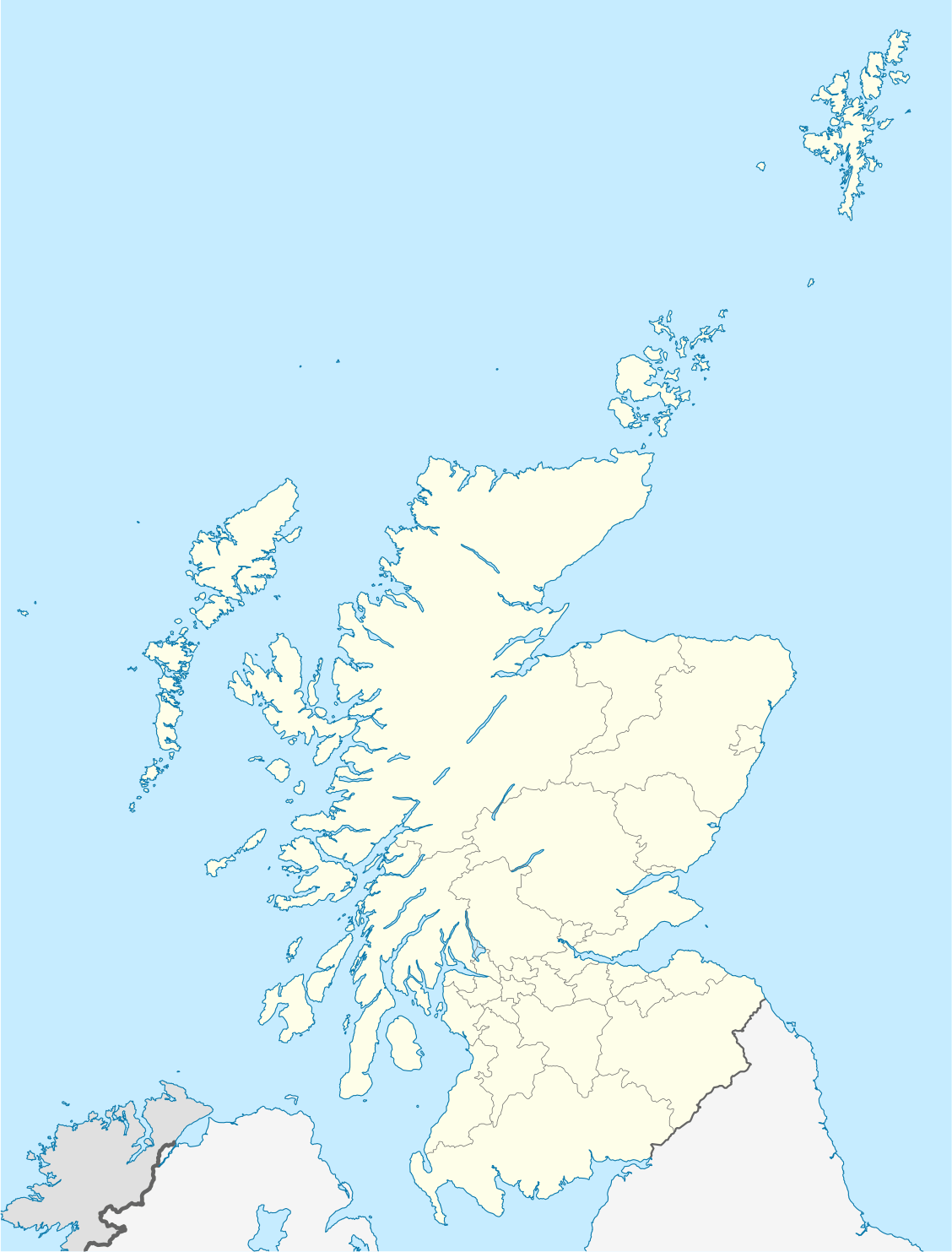
Short entry14.2 miles away
Broubster Leans
Thurso · Wet grassland and pools
 the ai birderBirding near me
The AI Birder · one-page field sheet
Forsinard, Highland, Scotland · KW13 6YT · KW13 6YT

Meadow Pipit
Dubh Lochan Trail · Flows Lookout lower platform · Flows Lookout upper platform · Forsinain Trail · Forsinain short Viewpoint Trail
Check current access, hide closures and operator notices before travelling. Seasonal birds are possibilities, not promised sightings. Keep to authorised routes and give wildlife space.
Opening and charges checked 2026-10-25. Operator: https://www.rspb.org.uk/days-out/reserves/forsinard-flows
Full guide and current source links: https://aibirder.co.uk/reserves/rspb-forsinard-flows
SC 09 · RSPB reserve guide
Forsinard, Highland, Scotland · KW13 6YT
Golden Plovers, Dunlins, Greenshanks, Skylarks and Meadow Pipits breed across the Flow Country, while Hen Harriers range over a globally important blanket-bog landscape dotted with pools and carnivorous plants.
Decide if the visit fits.
Last checked 18 October 2026.
Opening and charges information · checked .
Stay nearby →Reserve overview
Golden Plovers, Dunlins, Greenshanks, Skylarks and Meadow Pipits breed across the Flow Country, while Hen Harriers range over a globally important blanket-bog landscape dotted with pools and carnivorous plants.
Eight checks for a smoother visit.
Conditions change: check the operator and transport notices before travelling.
January: typically look for the summer Golden Plover habitat from Dubh Lochan Trail. January is a landscape-first visit rather than the spring bird spectacle. Do not expect the breeding-season targets to remain on the bog; ice, wind and short daylight may make even the boardwalk unsuitable. February: typically look for the spring Curlew habitat from Forsinain Trail. February is early for the main breeding-wader visit. Plan only a safe public-trail walk in suitable weather, without interpreting an old summer report as evidence that the same birds are present now. March: typically look for Meadow Pipit and Skylark from Dubh Lochan Trail. Activity typically builds as spring progresses, with local weather affecting timing. Listen from the boardwalk and keep to it; a bird calling across the bog is never a reason to take a shortcut. April: typically look for Greenshank and Curlew from Forsinain Trail. Use the official trail through the wider reserve landscape. These are broad public-path habitat recommendations, not breeding-field coordinates, and birds displaying or alarming should be watched without approaching. May: typically look for Golden Plover and Dunlin from Dubh Lochan Trail. Choose clear weather and a light wind for listening. The operator names these as public-trail targets; the protected divers and scoters of remote lochs are deliberately not given watching directions. June: typically look for House Martin and Swallow from Dubh Lochan Trail. The actual May 2022 operator-group visit recorded both at Forsinard itself. Watch overhead from the public route, avoiding nests and keeping the boardwalk clear for other visitors. July: typically look for Skylark and Meadow Pipit from Dubh Lochan Trail. A slow listen suits the open bog better than marching towards every sound. Use waterproof footwear and carry layers even on a bright forecast; conditions can change during a short circuit. August: typically look for Greenshank and Dunlin from Forsinain Trail. Late-summer presence and visibility vary as birds disperse. Keep expectations flexible and scan from the official trail rather than assuming that spring calling areas will still be occupied. September: typically look for Meadow Pipit from Dubh Lochan Trail. The summer visitor spectacle typically fades and weather becomes more influential. Choose a short, safe boardwalk outing if the longer Forsinain route would leave too little daylight for an unhurried return. October: typically look for Meadow Pipit from Dubh Lochan Trail. Any autumn birding should be weather-led rather than dependent on a large list. The tower offers landscape views, but a high platform is not necessarily more useful than listening quietly at trail level. November: typically look for the summer Greenshank landscape from Forsinain Trail. November is not the main season for the breeding-wader targets. Short daylight and exposed wet ground favour a modest route; the visitor centre also changes to shorter weekday winter hours. December: typically look for the summer Dunlin habitat from Dubh Lochan Trail. December is a peatland-landscape visit with bird encounters incidental to safe conditions. Do not seek divers on remote pools or leave the boardwalk, and abandon the outing if ice or visibility compromises the return.
Best conditions: Our choice is a clear late-spring morning with light wind for the public-trail waders and songbirds. In poor visibility, strong wind or ice, shorten or abandon the walk; open peatland has little shelter. The tower chiefly explains the landscape. Binoculars suit overhead birds and a scope can help from a stable official position, but never leave trails to target remote pools.
October 2026 information checked 18 October: entry and car parking are free for members and non-members. The reserve and car park are listed open around the clock, with trails and lookout available year-round. The visitor centre and toilets follow a different schedule: 09:00–17:00 daily April–October, then 10:00–14:00 Monday–Friday November–March. The centre is not routinely staffed, so opening does not imply a guide will be present. Forsinard's station-side tarmac parking has five ordinary and two Blue Badge spaces, with twelve more gravel spaces including two larger campervan spaces; overnight parking is prohibited there. Forsinain has a separate mixed-surface car park where RSPB permits overnight parking for up to 24 hours. Guided adult walks are listed at £5 for non-members, free for members, but the facilities page says none are currently scheduled. Do not buy a journey on the assumption of a daily guided walk; group visits require advance arrangements.
Access times: Reserve: October 2026 calendar lists reserve open 24 hours. Tower and nature trails described as open all year, subject to safe conditions. · Hides: No enclosed bird hide in the current public inventory. Flows Lookout has ramped lower and stair-access upper platforms. Centre/toilets April–October daily 9am–5pm; November–March Monday–Friday 10am–2pm. · Car park: October calendar lists car park open 24 hours. Forsinard station/visitor parking prohibits overnight stays; Forsinain permits up to 24 hours, a separate arrangement. · Dawn access: yes. Operator opening information.
Dubh Lochan is a one-mile nature trail, with the Flows Lookout providing a perspective over the bog pools. RSPB gives about forty-five minutes for walking it, but anyone interested in birds and bog plants should allow more time for stops. The lookout is designed to explain the peatland landscape, not to promise close birds at a hide window. Forsinain is a separate four-mile trail starting north of Forsinard, with a suggested two-to-three-hour walking time. It is not an extension immediately beside the station. Two-hour plan: use the visitor-centre interpretation, then take Dubh Lochan slowly, stopping to distinguish pool edges, vegetation and birds crossing the open ground. Spend part of the session at the lookout, then return with time to prepare for your train or drive. A few carefully watched Meadow Pipits or a Golden Plover heard at distance can make a rewarding visit without a long species list. Full-day plan: begin with the station-side trail and interpretation, bring lunch, then add Forsinain only if you have arranged the separate road transfer and have appropriate daylight and weather. Rail visitors should be content with a longer, more observant Dubh Lochan session when onward transport is unavailable. Do not make an improvised cross-country link between trails: peat pools and apparently solid vegetation conceal difficult ground. Remain on the constructed or marked route to protect both yourself and the habitat. Where a bird alarms, continue away without investigating. Spend time on bog plants and insects as well as scanning the sky; the reserve's small-scale wildlife gives context to the wider Flow Country landscape.
Use the linked reserve map and directions with current access notices. Species are typical seasonal targets. Light and telescope advice reflects our choice of viewpoint.
Public peatland pool-system trail and open bog
Keep on boardwalk/trail; no rim or railing on sections, with side camber and undulation.
Spring: Golden Plover, Dunlin, Skylark, Meadow Pipit, Swallow, House Martin
Summer: Golden Plover, Dunlin, Skylark, Meadow Pipit, Swallow, House Martin
Autumn: Skylark, Meadow Pipit, Swallow, House Martin
Light: either. Scope: not needed.
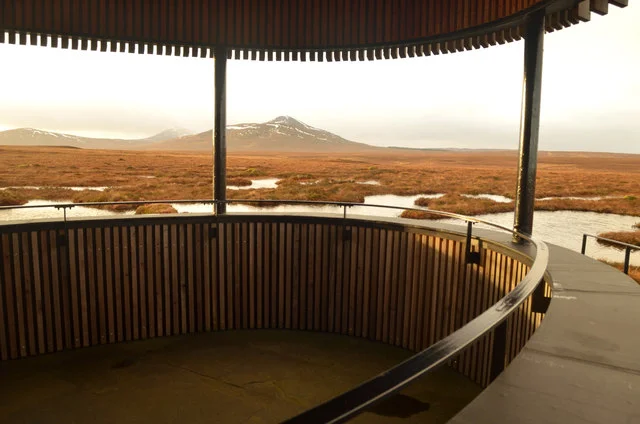
Peatland landscape and visible pool system
Shallow ramp approach; boardwalk has camber. This is primarily a landscape tower, not a guaranteed bird hide.
Light: either. Scope: useful.
Wide peatland panorama
Two flights of stairs. Do not scan remote sensitive breeding pools as a targeted excursion.
Light: either. Scope: useful.
Public trail through farm, moorland and restoration landscape
Longer rough wet walk; stay on the marked route, never cross bog towards a calling bird.
Spring: Greenshank, Curlew
Summer: Greenshank, Curlew
Light: either. Scope: useful.
Local landscape from the short official viewpoint route
Operator identifies this short route separately; no individual seasonal bird list verified.
Light: either. Scope: not needed.
| Spot | Overlooks | Key species by season | Best light | Scope | Tide |
|---|---|---|---|---|---|
| Dubh Lochan TrailKeep on boardwalk/trail; no rim or railing on sections, with side camber and undulation. | Public peatland pool-system trail and open bog | Spring: Golden Plover, Dunlin, Skylark, Meadow Pipit, Swallow, House Martin Summer: Golden Plover, Dunlin, Skylark, Meadow Pipit, Swallow, House Martin Autumn: Skylark, Meadow Pipit, Swallow, House Martin | either | not needed | — |
| Flows Lookout lower platformShallow ramp approach; boardwalk has camber. This is primarily a landscape tower, not a guaranteed bird hide. | Peatland landscape and visible pool system | — | either | useful | — |
| Flows Lookout upper platformTwo flights of stairs. Do not scan remote sensitive breeding pools as a targeted excursion. | Wide peatland panorama | — | either | useful | — |
| Forsinain TrailLonger rough wet walk; stay on the marked route, never cross bog towards a calling bird. | Public trail through farm, moorland and restoration landscape | Spring: Greenshank, Curlew Summer: Greenshank, Curlew | either | useful | — |
| Forsinain short Viewpoint TrailOperator identifies this short route separately; no individual seasonal bird list verified. | Local landscape from the short official viewpoint route | — | either | not needed | — |
Month chips show typical presence or our preferred viewing season. Choose birds that suit the time of your visit.
The Dubh Lochan boardwalk improves access for a broad range of people, but RSPB does not describe either nature trail as suitable for every access requirement. Its surface has undulations and side camber, with no raised rim or railing; this is especially relevant to wheelchair and pushchair handling. The lookout has two platforms: one reached by a shallow ramp and an upper viewpoint reached by two flights of stairs. Choose the suitable level without assuming the entire tower is step-free. The station-side accessible toilet is in the visitor centre, but the operator warns it may not meet every user's needs and invites advance discussion. Picnic tables lie on uneven grass reached over a gravel slope of medium gradient, so they are not equivalent to a hard-surfaced level rest area. Describe the particular aid, turning space or toilet equipment you require when contacting the team. The remote location also means that being able to start a trail is only part of the assessment: make sure you can complete the return if wind increases or assistance is unavailable. Rail accessibility should be checked separately through ScotRail's station guidance.
The former station building houses interpretation, ordinary toilets and baby changing. Two picnic benches allow visitors to eat a packed lunch, and cycle racks accommodate up to six bicycles. There are no tea or coffee facilities in the visitor centre. RSPB identifies privately run Forsinard Lodge Tearoom roughly one mile north as a possible refreshment stop, with its own seasonal opening arrangements; carry food and water rather than depending on it. The Flows Field Centre is for education, research and volunteer groups, not general day visitors. Barbecues and campfires are prohibited throughout the reserve.
Keep dogs on a short lead or under close control, taking particular care around ground-nesting birds from April to July. RSPB suggests the short Forsinain Viewpoint Trail as an option for exercising a dog away from the principal bog-pool trails. Assistance dogs are welcome throughout, and only assistance dogs should enter the visitor centre. Bag and remove dog waste; drinking water for dogs is available at the centre.
Forsinard railway station is the direct car-free arrival point, with the reserve's visitor centre in its former station building beside the level crossing. ScotRail's North Highlands timetable serves Forsinard on the Inverness–Wick/Thurso route; it is not a request stop according to RSPB. Plan the outward and return trains together because the gaps between services determine how long you can spend on the trail. RSPB explicitly says there is no local bus or taxi service, so do not assume a vehicle will be waiting to reach Forsinain or a remote accommodation base. A missed return train is a significant practical problem, not a short urban delay. Drivers use the A897 between Helmsdale and Melvich, a single-track road with passing places. Allow time for oncoming traffic and never park in those passing places. For a train-based visit, keep the day's walking centred on the station-side trail unless a separate transfer has actually been booked.
Useful bases for an early start.
Booking.com links are affiliate links: we may earn a commission at no extra cost to you. How these links work.
About 24.4 miles by road, roughly 38 minutes’ drive from the mapped settlement centre to the station-side visitor centre; OSRM/OpenStreetMap estimate measured 18 October 2026, excluding live traffic and delays on single-track roads.
Measured driving route · 2026-10-18. Map estimates exclude live traffic.
An east-coast base with a rail connection to Forsinard.Find places to stay in Helmsdale on Booking.comAbout 29.5 miles by road, roughly 47 minutes’ drive from the mapped settlement centre to the station-side visitor centre; OSRM/OpenStreetMap estimate measured 18 October 2026, excluding live traffic and delays on single-track roads.
Measured driving route · 2026-10-18. Map estimates exclude live traffic.
A northern town base with shops and a railway station.Find places to stay in Thurso on Booking.comAbout 15.2 miles by road, roughly 23 minutes’ drive from the mapped settlement centre to the station-side visitor centre; OSRM/OpenStreetMap estimate measured 18 October 2026, excluding live traffic and delays on single-track roads.
Measured driving route · 2026-10-18. Map estimates exclude live traffic.
A north-coast village for a shorter road approach.Find places to stay in Melvich on Booking.comExplore Highland’s full guides and smaller birding sites
Contact the reserve at forsinard@rspb.org.uk or 01641 571225 for detailed route and facility advice. Before travelling, check the operator's current information, the forecast and ScotRail service notices. If arranging a group visit, explain its purpose and access requirements in advance rather than expecting a member of staff to lead an unplanned walk. The checked operator pages did not show a current temporary wildfire closure; the year-round prohibition on fires remains part of ordinary visitor practice. Report damaged boardwalk or other access problems with a precise location, and avoid sharing sensitive breeding-bird locations publicly.
Check RSPB Highland actual Forsinard bird visit. dated May 2022 report, page15; archive Reports show what has been seen, not what will be.
Follow the BTO Birders’ Code and give wildlife space.
RSPB Forsinard Flows: Free entry and parking.
RSPB Forsinard Flows: Keep dogs on a short lead or under close control, taking particular care around ground-nesting birds from April to July.
RSPB Forsinard Flows: Spring and summer breeding birds · dragonflies and bog plants · winter raptors.
RSPB Forsinard Flows: Its surface has undulations and side camber, with no raised rim or railing; this is especially relevant to wheelchair and pushchair handling.
RSPB Forsinard Flows: Forsinard railway station is the direct car-free arrival point, with the reserve's visitor centre in its former station building beside the level crossing.
Shorter stops within 15 miles in a straight line. Use the operator’s arrival directions for the journey.
Thurso · Wet grassland and pools
Nearby complete guides.
Stops with a purpose: use one as a contrasting habitat or weather-proof Plan B. Distances are straight-line estimates, not road journeys.