Short entry5.2 miles away
Brodie Castle Estate Woodland and Pond
Estate visitor arrival off the A96, west of Forres · Pond, natural woodland and estate-edge habitats
 the ai birderBirding near me
The AI Birder · one-page field sheet
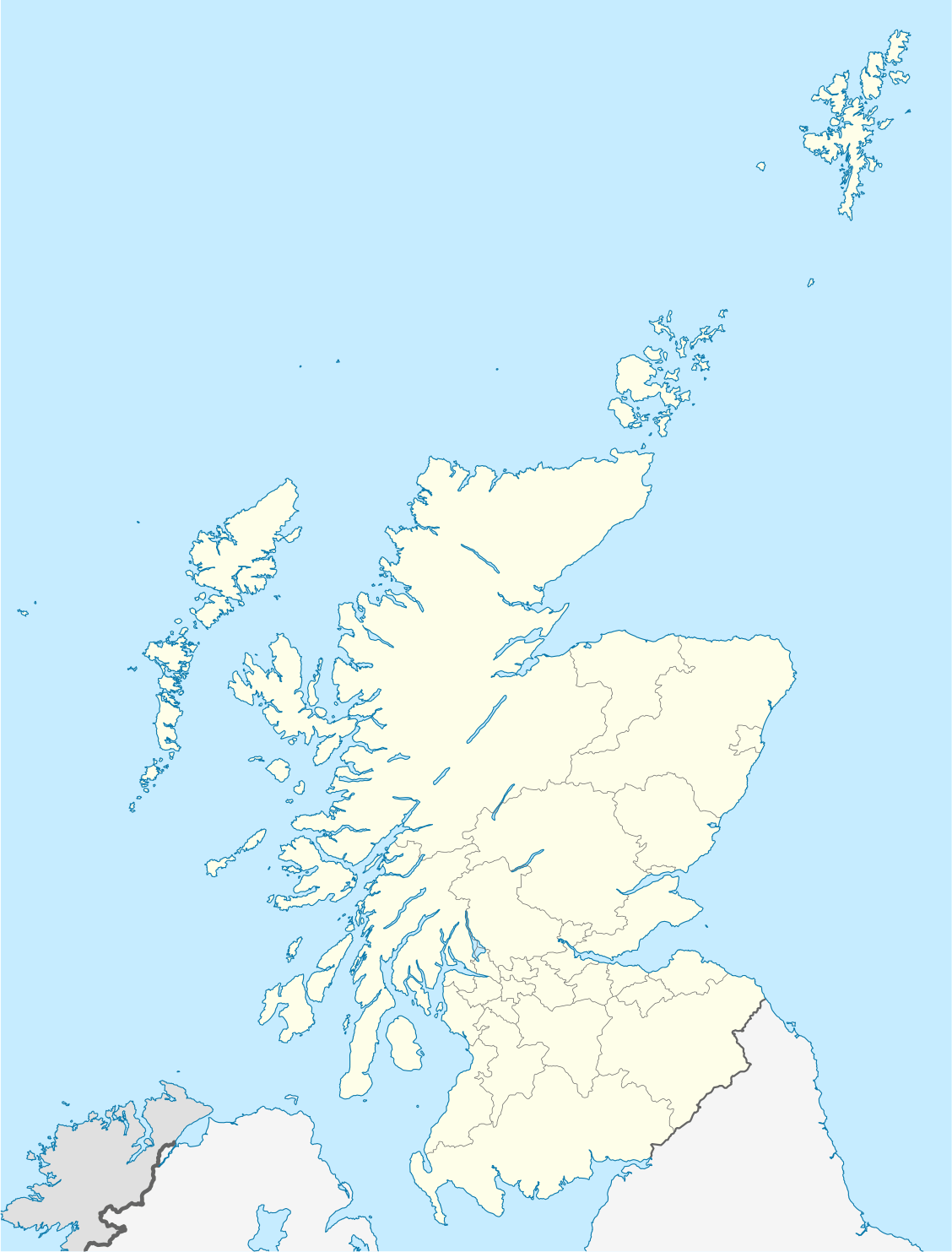
East of Nairn, Highland · IV12 5BX

Common Scoter · Long-tailed Duck · Bar-tailed Godwit · Oystercatcher · Knot · Sanderling
Culbin Sands public shore sea-watch · Culbin Sands public shore feeding-edge view · Ministers Pool public path
Check current access, hide closures and operator notices before travelling. Seasonal birds are possibilities, not promised sightings. Keep to authorised routes and give wildlife space.
Opening and charges checked 2026-10-25. Operator: https://www.rspb.org.uk/days-out/reserves/culbin-sands
Full guide and current source links: https://aibirder.co.uk/reserves/rspb-culbin-sands
SC 26 · RSPB reserve guide
East of Nairn, Highland
Winter sea ducks and feeding shoreline waders
Decide if the visit fits.
Last checked 18 October 2026.
Opening and charges information · checked .
Stay nearby →Reserve overview
Winter sea ducks and feeding shoreline waders
Eight checks for a smoother visit.
Conditions change: check the operator and transport notices before travelling.
January: Typically winter sea ducks are the main reason to visit. Use the public shore sea-watch for Common Scoter, Long-tailed Duck and the scarcer Velvet Scoter, preferably near high tide as RSPB recommends. A telescope and manageable wind matter more than trying to cover the entire coast.
February: The public sea-watch remains a winter option for scoters and Long-tailed Duck. At low water, turn to the feeding-edge view for Bar-tailed Godwit, Oystercatcher and Knot. Switching between habitats is more useful than walking towards distant birds across wet sand or channels.
March: Typically winter ducks can still be watched offshore while waders use the exposed shore. Try the sea-watch for Common Scoter and the feeding-edge view for Bar-tailed Godwit. Leave room in the plan for cold wind: this is an exposed coast without a guaranteed indoor hide.
April: Oystercatcher is a sensible shoreline aim from the public feeding-edge view. This guide does not extend winter sea-duck chips into spring without sufficient local timing evidence. Keep to established paths and give nesting shorebirds space, particularly when a bird's alarm calls increase.
May: Choose a gentle public-shore watch for Oystercatcher rather than treating the coast as an assured winter-duck spectacle. Ministers Pool is a verified public approach landmark, but no pool-specific bird list has been invented. Leave dunes and any signed breeding exclusions undisturbed.
June: The public feeding-edge view offers Oystercatcher habitat, with the tide changing which part of the shore is visible. There are no managed reserve trails or promised hides. A short watch from a safe established path is preferable to following birds through fragile dune vegetation.
July: Keep the visit focused on the safe public shoreline. Oystercatcher is verified locally; other summer expectations should come from genuinely current reports rather than a winter photograph. Avoid resting flocks and do not cross an inlet simply because the sand appears exposed.
August: A summer shoreline visit can still target Oystercatcher from the feeding-edge view. Use the current regional reports to assess change, while remembering that they cover a much wider area. Do not present October's Culbin Bar list as evidence for every August day.
September: Typically the coast begins to regain its winter-wader emphasis. Check the public feeding-edge view for Bar-tailed Godwit and Knot, without assuming arrival dates. The sea-watch offers a useful assessment of conditions before committing to a longer walk away from the East Beach approach.
October: The actual October Culbin Bar account verifies Sanderling, Dunlin, Ringed Plover, Eider, Curlew, Wigeon and Gannet locally. From ordinary public shore views, compare feeding edges with offshore water. The group's escorted vehicle access and wet saltmarsh crossing are not a recommended public itinerary.
November: Typically the high-tide sea-watch becomes the main choice for Common Scoter and Long-tailed Duck, with Velvet Scoter in smaller numbers. A low-tide feeding-edge watch offers godwits and Knot instead. Stop if wind or visibility makes reliable identification impractical.
December: Plan around the operator's two tidal choices: high water for closer sea ducks, low water for feeding waders. Use the sea-watch for scoters and the feeding-edge view for Bar-tailed Godwit or Knot. Short daylight is a reason to simplify the walk and leave a generous return margin.
Best conditions: RSPB recommends high tide for sea ducks and low tide for feeding waders. Calm, clear weather is especially valuable for distant scoters. Use a scope and choose a safe path-side stance with the light behind or to one side. Do not copy an escorted group’s vehicle access or saltmarsh crossing as a public route.
Culbin Sands is a coast for choosing the right tide and settling into a patient view. The operator makes the decision unusually clear: high water can bring the winter sea ducks nearer the shore, while low water exposes feeding ground for waders. Begin with the ordinary public approach from East Beach and assess the wind before setting out along the coast. A telescope makes a real difference when Common Scoter or Long-tailed Duck remain far offshore. The shoreline is dynamic, so an attractive-looking strip of sand is not a guaranteed route through a channel. This guide treats the shore and the neighbouring forest as different experiences: a woodland walk can provide shelter, but it does not automatically deliver the sea-duck view. Keep dogs close, leave resting birds in peace and avoid extending an outing simply to copy a distant reported sighting.
Access times: Reserve: RSPB lists reserve open 24 hours; follow existing public rights of way and local restrictions. · Hides: No managed trails or public hides are listed by the operator; this is exposed shore watching. · Car park: East Beach car park is owned by Highland Council. No verified gate hours in the RSPB source; check council signs separately from seasonal toilet opening. · Dawn access: partly. Operator opening information.
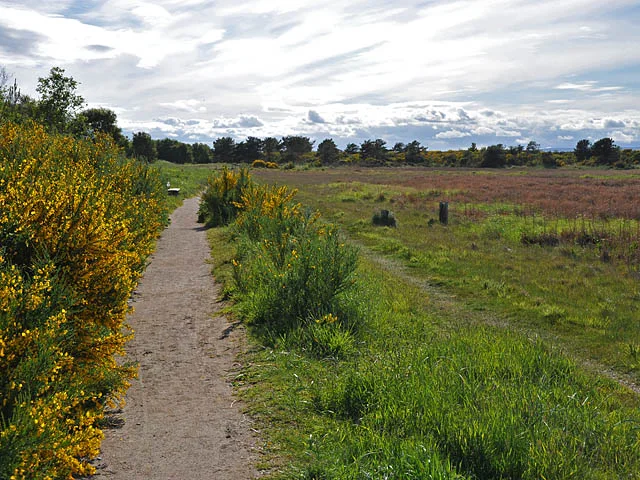
Access from Nairn's East Beach car park follows the approach identified by the RSPB, passing a wooden bridge before reaching the reserve. Once on the reserve there are no managed nature trails: the operator describes the paths as public rights of way. This is a shifting combination of dunes, saltmarsh, mudflats and shingle, so an old photograph or a line across sand is not a reliable instruction for today's route. Stay on established landward paths and keep well away from channels and areas that an incoming tide can cut off. For a 2-hour plan, walk in from East Beach, choose a safe position with a clear route back and devote the central part of the visit to a slow shore scan. Compare the sea-duck line offshore with the waders nearer the water's edge. Return by the same known approach rather than trying to turn a short watch into a long coastal circuit. A full-day plan works well as two separate daylight sessions, one around an appropriate low-water period for feeding waders and one nearer high water for sea ducks, with a meal break in Nairn. A long single walk is optional, not necessary for good birdwatching. Keep the timetable flexible enough to shorten the coastal section if wind rises. The unusual Second World War anti-glider poles are part of the landscape and protected heritage; enjoy the view without disturbing structures or crossing wet ground to reach them. At all tides, a flock that repeatedly lifts as you approach is telling you that the viewing distance is too short. A telescope can transform the offshore watch, but only if it can be used steadily. Choose firm ground, shorten tripod legs in wind and keep the eyepiece clear of blowing sand. Start with obvious flocks and use their movements to find less conspicuous birds, remembering that waves can hide ducks between successive scans. On the shore, allow waders to feed towards you at their own pace. If birds stop feeding and stand alert, increase the distance. Returning along a known landward path is much safer than following a receding waterline into an unfamiliar channel system.
Use the linked reserve map and directions with current access notices. Species are typical seasonal targets. Light and telescope advice reflects our choice of viewpoint.
Moray Firth water from the public dune/shore route beyond East Beach
Stay on established public paths and safe shore; no shortcut across tidal channels.
Winter: Common Scoter, Long-tailed Duck, Velvet Scoter
Autumn: Eider, Gannet
Light: either. Scope: essential.
Tide: RSPB recommends high tide for closer sea-duck views.
Exposed shoreline and intertidal feeding edges
Winter: Bar-tailed Godwit, Oystercatcher, Knot
Summer: Oystercatcher
Autumn: Sanderling, Dunlin, Ringed Plover, Curlew, Wigeon
Light: either. Scope: essential.
Tide: RSPB recommends low tide for feeding waders; do not approach resting flocks.
Pool-side route and the landward approach to the reserve
Operator confirms the path/picnic point just beyond Ministers Pool; no species assigned without a pool-specific source.
Light: either. Scope: not needed.
| Spot | Overlooks | Key species by season | Best light | Scope | Tide |
|---|---|---|---|---|---|
| Culbin Sands public shore sea-watchStay on established public paths and safe shore; no shortcut across tidal channels. | Moray Firth water from the public dune/shore route beyond East Beach | Winter: Common Scoter, Long-tailed Duck, Velvet Scoter Autumn: Eider, Gannet | either | essential | RSPB recommends high tide for closer sea-duck views. |
| Culbin Sands public shore feeding-edge view | Exposed shoreline and intertidal feeding edges | Winter: Bar-tailed Godwit, Oystercatcher, Knot Summer: Oystercatcher Autumn: Sanderling, Dunlin, Ringed Plover, Curlew, Wigeon | either | essential | RSPB recommends low tide for feeding waders; do not approach resting flocks. |
| Ministers Pool public pathOperator confirms the path/picnic point just beyond Ministers Pool; no species assigned without a pool-specific source. | Pool-side route and the landward approach to the reserve | — | either | not needed | — |
Month chips show typical presence or our preferred viewing season. Choose birds that suit the time of your visit.
High tide for sea ducks; low tide for feeding waders, as the operator recommends. Check Nairn predictions and keep to safe established routes: no minimum height or safe channel crossing is asserted.
The RSPB directs visitors from East Beach along an 'All Abilities Footpath' for about half a mile to reach the reserve. Its main facilities description calls the initial approach flat, but the wheelchair and pushchair entries give no detailed assessment of the reserve itself. Do not extend the approach-path description into a claim that sand, saltmarsh and all coastal rights of way are accessible. Loose surfaces, exposure and changing ground can be significant barriers after the first section. Discuss your intended turning point with the reserve team and choose a companion if assistance may be needed. There is a picnic bench beyond Ministers Pool, but resting places should not be assumed at every watching position. The council car park has cycle-rack space and seasonal toilet facilities; accessible toilet entry requires a RADAR key. Plan for the possibility that those seasonal facilities are closed on the day. For some visitors the most comfortable visit will be a short out-and-back from East Beach, with binoculars used from firm ground rather than a prolonged walk on the sands.
A picnic bench is provided beyond Ministers Pool, with additional picnic facilities and a rubbish bin at East Beach car park. There are no reserve toilets; seasonal council toilets at the car park include baby changing in the accessible cubicle. Bring water and enough food for the coastal session, using Nairn for a longer meal break. There is no staffed birdwatching centre or hide listed here, so pack windproof layers and protect telescope equipment from blowing sand.
Dogs should remain close, preferably on a short lead during 1 April–15 August under the RSPB's ground-nesting bird guidance. Keep them away from wader roosts and feeding flocks in every season. Visitors with assistance dogs are welcome at RSPB Culbin Sands. Collect waste; the operator identifies a dog-waste bin at the East Beach council car park.
Nairn station, managed by ScotRail, is the natural rail gateway. The RSPB gives walking directions towards the harbour, across the river footbridge and through the caravan-park road to the council parking area, followed by the reserve approach path. Map that whole journey before travelling: reaching the town is only the first part of the walk, especially when carrying a telescope. A prebooked local taxi to East Beach car park can reduce the street section without removing the coastal approach. Plan a pickup point with the driver rather than expecting collection from a sand track. The rail journey and walking route are sufficient for a car-free visit, so no unverified local bus number is suggested. If driving from Inverness on the A96, follow the RSPB's route after crossing the river in Nairn towards Maggot Road and the East Beach parking area.
Useful bases for an early start.
Booking.com links are affiliate links: we may earn a commission at no extra cost to you. How these links work.
About 1.3 miles by road, roughly 7 minutes’ drive to the reserve arrival point (OSRM, measured 18 October 2026; estimate without live traffic).
Measured driving route · 18 October 2026. Map estimates exclude live traffic.
A coastal base near the reserve approachFind places to stay in Nairn on Booking.comAbout 11.2 miles by road, roughly 21 minutes’ drive to the reserve arrival point (OSRM, measured 18 October 2026; estimate without live traffic).
Measured driving route · 18 October 2026. Map estimates exclude live traffic.
Combining Culbin with Moray outingsFind places to stay in Forres on Booking.comAbout 18.2 miles by road, roughly 35 minutes’ drive to the reserve arrival point (OSRM, measured 18 October 2026; estimate without live traffic).
Measured driving route · 18 October 2026. Map estimates exclude live traffic.
Mainline transport and wider Highland visitsFind places to stay in Inverness on Booking.comExplore Highland’s full guides and smaller birding sites
The RSPB's north Scotland contact for Culbin Sands is nsro@rspb.org.uk, with telephone 01463 715000. Ask about a particular public access section or group visit when useful, and direct questions about council parking or seasonal toilets to Highland Council. Wildlife records should distinguish offshore ducks from shoreline waders and include the time and tide state. Report any access damage with a clear landward location rather than entering unstable ground to investigate it.
Check SOC Highland recent regional sightings. most days; regional observations Reports show what has been seen, not what will be.
Follow the BTO Birders’ Code and give wildlife space.
RSPB Culbin Sands: Free reserve entry; check separate council car-park terms.
RSPB Culbin Sands: Dogs should remain close, preferably on a short lead during 1 April–15 August under the RSPB's ground-nesting bird guidance.
RSPB Culbin Sands: Winter sea ducks; autumn–spring waders.
RSPB Culbin Sands: Its main facilities description calls the initial approach flat, but the wheelchair and pushchair entries give no detailed assessment of the reserve itself.
RSPB Culbin Sands: Nairn station, managed by ScotRail, is the natural rail gateway.
Shorter stops within 15 miles in a straight line. Use the operator’s arrival directions for the journey.
Estate visitor arrival off the A96, west of Forres · Pond, natural woodland and estate-edge habitats
Rosemarkie · Broadleaf woodland and stream
Ankerville · Estuary and wet grassland
Jemimaville · Estuary and wet grassland
Roseisle Forest public arrival, west of Burghead · Open bay, sandy shore, dunes and coastal pinewood
Nearby complete guides.
Stops with a purpose: use one as a contrasting habitat or weather-proof Plan B. Distances are straight-line estimates, not road journeys.