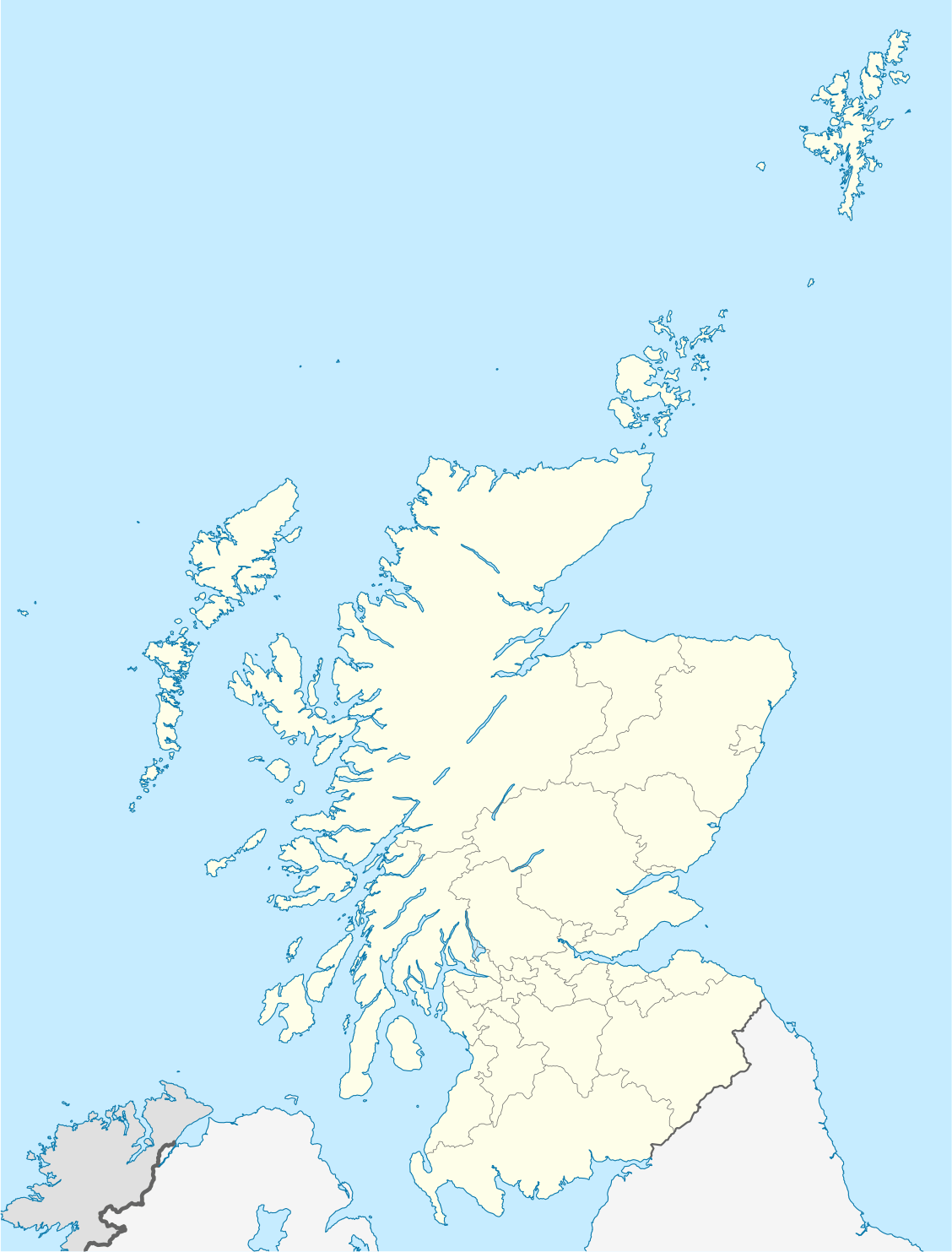

Short entry5.4 miles away
Loch of Lintrathen
Bridgend of Lintrathen, west of Kirriemuir · Reservoir, woodland and wetland margins
 the ai birderBirding near me
The AI Birder · one-page field sheet
Kirriemuir, Angus, Scotland · DD8 5HT · DD8 5HT

Teal · Wigeon · Tufted Duck · Goldeneye · Gadwall · Mute Swan
Gullery Hide · Swamp Hide · East Hide · Woodland feeding station
Check current access, hide closures and operator notices before travelling. Seasonal birds are possibilities, not promised sightings. Keep to authorised routes and give wildlife space.
Opening and charges checked 2026-10-25. Operator: https://www.rspb.org.uk/days-out/reserves/loch-of-kinnordy
Full guide and current source links: https://aibirder.co.uk/reserves/rspb-loch-of-kinnordy
SC 11 · RSPB reserve guide
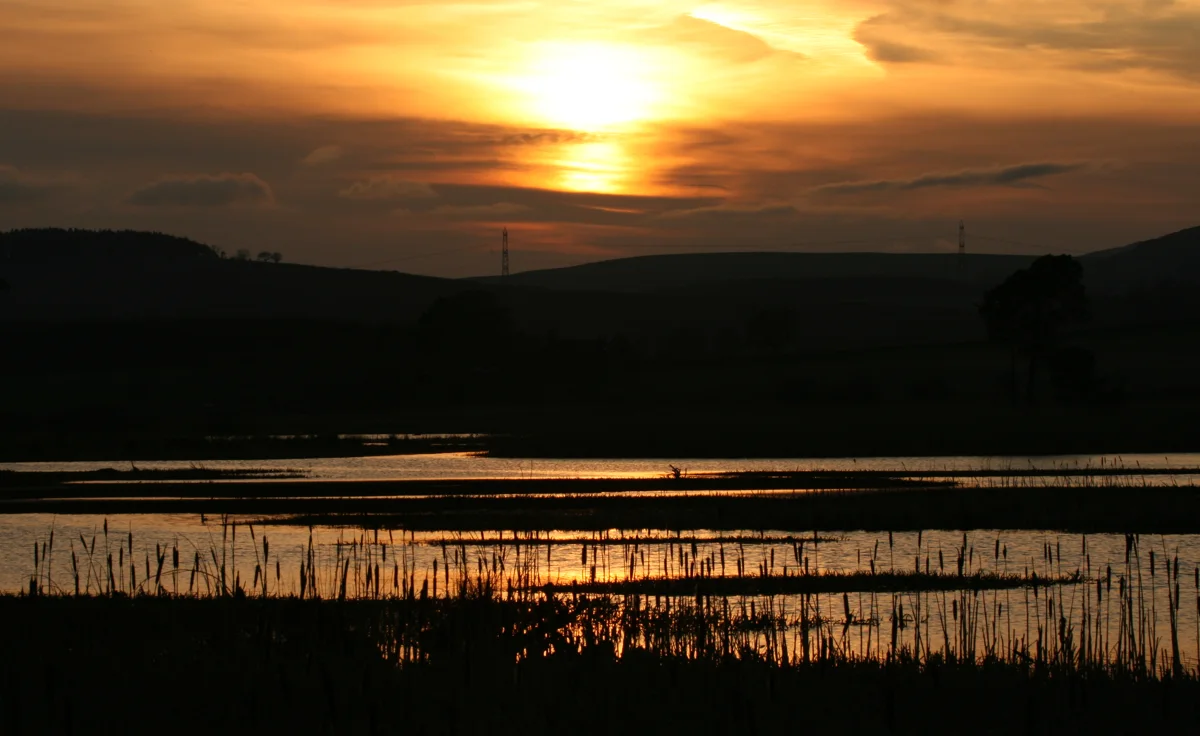
Kirriemuir, Angus, Scotland · DD8 5HT
Ospreys fish over the loch in summer, while internationally important Icelandic Greylag Geese and nationally important numbers of Whooper Swans, Water Rails and wildfowl make autumn and winter especially rewarding.
Decide if the visit fits.
Last checked 18 October 2026.
Opening and charges information · checked .
Stay nearby →Reserve overview
Ospreys fish over the loch in summer, while internationally important Icelandic Greylag Geese and nationally important numbers of Whooper Swans, Water Rails and wildfowl make autumn and winter especially rewarding.
Eight checks for a smoother visit.
Conditions change: check the operator and transport notices before travelling.
January: typically look for Goldeneye and Teal from Gullery Hide. Use clear winter light for a slow scan across the loch, comparing shape and diving behaviour before judging distant plumage. The official hide approach is preferable to trying to find a bank-side opening. February: typically look for Chaffinch and Great Spotted Woodpecker from Woodland feeding station. Listen on the public woodland path and check the station without approaching trees or nest cavities. Feeding provision can change, so the bird list describes local possibilities rather than guaranteed feeder attendance. March: typically look for Wigeon and Tufted Duck from Gullery Hide. Winter ducks may remain as spring activity builds, but departure varies with weather. Give the hide a sustained watch and do not use one quiet visit to conclude that the loch has emptied. April: typically look for Great Spotted Woodpecker and Bullfinch from Woodland feeding station. A quiet woodland pause can complement the water watch. Stay on the established path and avoid investigating drumming trees or following a bird repeatedly returning to cover. May: typically look for Gadwall and Mute Swan from East Hide. East Hide gives another perspective on open water and wetland margins. Its steps matter independently of the short walk; choose Gullery or Swamp if that entrance does not suit the party. June: typically look for Buzzard from Swamp Hide and Tufted Duck from Gullery Hide. Scan the surrounding skyline from Swamp Hide, then compare the open loch from Gullery. No raptor nest or feeding territory is identified, and a distant silhouette should remain unidentified if the detail is insufficient. July: typically look for Gadwall from East Hide. A patient summer lake watch can be more useful than expecting every spring speciality to appear. Keep boats, shore approaches and reedbed exploration out of the plan; the three official hides provide the viewing positions. August: typically look for Mute Swan and Chaffinch from Gullery Hide. Combine a lake scan with the separate woodland feeding-station path. Watch adults and young without approaching banks, and keep enough return time to avoid rushing on slopes or narrow bridge sections. September: typically look for Tufted Duck and Buzzard from Swamp Hide. Autumn weather and visibility determine whether a long hide session is useful. Compare Swamp with Gullery for waterbirds rather than treating a previous group report as an appointment with a particular individual. October: typically look for Fieldfare and Bullfinch from Woodland feeding station. The actual November 2025 operator-group visit recorded these around the reserve arrival woodland. The feeding-station path is a habitat recommendation; it does not mean either species is guaranteed on the feeder itself. November: typically look for Goldeneye and Gadwall from Gullery Hide. A dated operator-group visit confirms the winter duck mix at Gullery Hide. Add East Hide for another scan only if steps and conditions suit, without assuming every visible patch of water is publicly accessible. December: typically look for Wigeon and Teal from Gullery Hide. Choose bright daylight for identification and a short route when the forecast is poor. Reserve24-hour access does not establish individual hide unlocking or car-park gate hours, so verify those before an unusually early visit.
Best conditions: Our choice is a calm, clear morning for a slow loch scan and woodland listening. A scope helps distant ducks; binoculars suit the feeding station and nearby cover. Use Gullery or Swamp for step-free hide access, and consult the actual access map for path slopes and bridge steps. Rain and wind can shorten a useful watch; watch raptors from the public hides.
The RSPB's admission table, checked on 18 October 2026, lists adult and child entry as free for members and non-members. It says ordinary visits do not require advance booking. The October calendar shows the reserve as open 24 hours. The small car park holds 12 vehicles, has no coach space and is unlit; a separate parking tariff was not stated on the consulted pages. Do not interpret unrestricted reserve hours as a reason to drive or walk without suitable lighting and a clear return plan. Check the operator's notices and the weather before travelling, particularly if you intend a first-light or late-evening watch. A short visit can work around a single productive hide rather than needing a large circuit.
Access times: Reserve: October 2026 calendar lists reserve open 24 hours; use the signed lochside public route. · Hides: Three public hides confirmed. Gullery and Swamp step-free; East has steps. Independent daily unlocking hours not published. · Car park: Operator describes unlit gravel parking but no independent gate timetable verified. No visitor centre or on-site staff. · Dawn access: partly. Operator opening information.
Three hides face different parts of the shallow loch: Gullery, Swamp and East. Use more than one when the light, reed cover or resting birds make identification difficult. Between Gullery and East, the feeding-station area can add small woodland birds to a visit otherwise focused on the water. The signed connection towards Kirriemuir adds a different kind of walk to the compact hide outing. Two-hour plan — an editorial suggestion: make Gullery your first watch, establishing where ducks and swans are concentrated. Continue to Swamp and allow enough time for a quiet scan of the reed margins. If time and mobility allow, finish towards East and the feeding-station area before returning to your transport. Keep the walking intervals flexible; remaining in a hide while a bird becomes visible can be more useful than reaching every destination. Full-day plan — an editorial suggestion: approach on foot from Kirriemuir if the town connection suits your abilities, or start at the reserve car park. Spend the morning comparing the hides, then take a planned food and comfort break in town. Return for a second watch later in the day, looking for changes in the distribution of ducks or any passing raptor. This is a repeat-watching day, not a long loch-perimeter trail. Keep to the signed public routes and avoid shortcuts towards the water. Look for beaver signs from the path without approaching a lodge or moving woody material. For birds, choose a reference point on the far bank and scan slowly across it, then inspect nearer vegetation separately. A muted bird partly hidden by reeds may reveal more through movement than colour. Leave doorways clear when another visitor arrives, and set a telescope where other people can still use the windows.
Use the linked reserve map and directions with current access notices. Species are typical seasonal targets. Light and telescope advice reflects our choice of viewpoint.
Open shallow loch and reed margins
Step-free level entrance, low picture windows and movable benches.
Winter: Teal, Wigeon, Tufted Duck, Goldeneye, Mute Swan, Red Kite
Spring: Teal, Wigeon, Tufted Duck, Goldeneye, Mute Swan, Osprey, Marsh Harrier, Red Kite
Summer: Tufted Duck, Mute Swan, Osprey, Marsh Harrier, Red Kite
Autumn: Teal, Wigeon, Tufted Duck, Goldeneye, Mute Swan, Marsh Harrier, Red Kite
Light: either. Scope: useful.
Western loch, swamp and surrounding landscape
Step-free level entrance, low picture windows and movable benches.
Winter: Buzzard
Spring: Buzzard
Summer: Buzzard
Autumn: Buzzard
Light: either. Scope: useful.
Eastern loch and wetland edge
Steps and handrails; current access map shows uneven sloping approach.
Winter: Gadwall
Spring: Gadwall
Summer: Gadwall
Autumn: Gadwall
Light: either. Scope: useful.
Feeding station and nearby woodland
Operator places this on the public path between Gullery and East hides; provision can change.
Winter: Chaffinch, Bullfinch, Fieldfare, Great Spotted Woodpecker
Spring: Chaffinch, Bullfinch, Fieldfare, Great Spotted Woodpecker
Summer: Chaffinch, Bullfinch, Great Spotted Woodpecker
Autumn: Chaffinch, Bullfinch, Fieldfare, Great Spotted Woodpecker
Light: either. Scope: not needed.
| Spot | Overlooks | Key species by season | Best light | Scope | Tide |
|---|---|---|---|---|---|
| Gullery HideStep-free level entrance, low picture windows and movable benches. | Open shallow loch and reed margins | Winter: Teal, Wigeon, Tufted Duck, Goldeneye, Mute Swan, Red Kite Spring: Teal, Wigeon, Tufted Duck, Goldeneye, Mute Swan, Osprey, Marsh Harrier, Red Kite Summer: Tufted Duck, Mute Swan, Osprey, Marsh Harrier, Red Kite Autumn: Teal, Wigeon, Tufted Duck, Goldeneye, Mute Swan, Marsh Harrier, Red Kite | either | useful | — |
| Swamp HideStep-free level entrance, low picture windows and movable benches. | Western loch, swamp and surrounding landscape | Winter: Buzzard Spring: Buzzard Summer: Buzzard Autumn: Buzzard | either | useful | — |
| East HideSteps and handrails; current access map shows uneven sloping approach. | Eastern loch and wetland edge | Winter: Gadwall Spring: Gadwall Summer: Gadwall Autumn: Gadwall | either | useful | — |
| Woodland feeding stationOperator places this on the public path between Gullery and East hides; provision can change. | Feeding station and nearby woodland | Winter: Chaffinch, Bullfinch, Fieldfare, Great Spotted Woodpecker Spring: Chaffinch, Bullfinch, Fieldfare, Great Spotted Woodpecker Summer: Chaffinch, Bullfinch, Great Spotted Woodpecker Autumn: Chaffinch, Bullfinch, Fieldfare, Great Spotted Woodpecker | either | not needed | — |
Month chips show typical presence or our preferred viewing season. Choose birds that suit the time of your visit.
Swamp and Gullery hides have level, step-free entrances, low windows and movable benches. East Hide uses steps with handrails. The car park includes a Blue Badge space and has a gravel surface, so consider your own chair, walking aid or assistance needs for the initial approach. The principal surfaced path is described as broad and mostly level with small slopes; benches along the route have no backs or arms. The RSPB's current page contains conflicting route details: it gives 475 metres in the wheelchair/pushchair entries and 300 metres under nature trails. It also describes the Kirriemuir extension as smooth and generally flat in one entry, but compact, undulating and stepped at a footbridge in another. Treat the extension as requiring clarification before relying on a continuous step-free route. Explain which hides and starting point you want to use when contacting the reserve. If standing or sitting unsupported is difficult, allow for your own comfort equipment and the length of a birdwatching pause as well as the walk itself. A visit limited to the two level-entry hides may be a more suitable choice than including every optional route.
There is no staffed visitor centre, toilet, baby-changing facility, café or shop at the reserve. The RSPB identifies Kirriemuir for food and the nearest toilet facilities, so plan a stop there before a long watch. Bring water and any refreshments needed while birdwatching. A rack for four bicycles is provided. Barbecues are not permitted at RSPB Loch of Kinnordy. Carry packaging and other litter away, and keep a small bag ready for wet clothing or muddy equipment so a return by bus or taxi remains comfortable.
The current RSPB facilities page asks for dogs under close control, preferably on a short lead, and for waste to be taken home. Visitors with assistance dogs are welcome at RSPB Loch of Kinnordy, including throughout its visitor routes. Keep your dog beside you at hides and around the feeding-station area, and move away if birds respond to its presence. Follow any additional signs on the day.
The reserve entrance is on the B951 Glenisla road west of Kirriemuir, with tourist signs guiding the approach. The RSPB gives the visitor postcode DD8 5HT and describes a signed footpath from the top of Kirriemuir Den at Slade and Cortachy Roads. That town link is a useful option for visitors comfortable with its terrain; do not assume the roadside alternative offers the same walking conditions. For rail arrivals, Dundee is the station identified by the operator, about 19 miles from the reserve. Stagecoach confirms service 20 between Dundee and Kirriemuir, with the 22 corridor also connecting Dundee, Glamis and Kirriemuir. Use the current planner for your date and destination rather than assuming every variant reaches the same stop. Continue from Kirriemuir by the signed walk or a prearranged taxi. Check the last return bus before choosing an evening watch, and allow time for the walk back into town. Stagecoach carries local service notices, including changes around Kirriemuir, so review these alongside the timetable. No bus directly to the reserve entrance or taxi fare is claimed here.
Useful bases for an early start.
Booking.com links are affiliate links: we may earn a commission at no extra cost to you. How these links work.
About 1.8 miles by road, roughly 4 minutes’ drive from Kirriemuir centre; OSRM / OpenStreetMap estimate measured 18 October 2026, excluding live traffic.
Measured driving route · 2026-10-18. Map estimates exclude live traffic.
The nearest town base for a short road transfer or a visit on foot.Find places to stay in Kirriemuir on Booking.comAbout 7.9 miles by road, roughly 14 minutes’ drive from Forfar centre; OSRM / OpenStreetMap estimate measured 18 October 2026, excluding live traffic.
Measured driving route · 2026-10-18. Map estimates exclude live traffic.
An Angus town base for combining several local wildlife outings.Find places to stay in Forfar on Booking.comAbout 14.1 miles by road, roughly 23 minutes’ drive from Blairgowrie centre; OSRM / OpenStreetMap estimate measured 18 October 2026, excluding live traffic.
Measured driving route · 2026-10-18. Map estimates exclude live traffic.
A Perthshire-side base for a longer countryside itinerary.Find places to stay in Blairgowrie on Booking.comExplore Angus’s full guides and smaller birding sites
The RSPB lists 01577 862355 and lochleven@rspb.org.uk for Loch of Kinnordy. Use those details for questions about the hide approaches, the town path or organised visits. The regional RSPB Tayside and Fife social channel may carry occasional updates. Dated local-group outing reports provide useful seasonal context, but are records of those visits rather than a live reserve list. Note the hide, weather and approximate time with your own sightings; comparing those observations can make a second visit more rewarding than simply trying to repeat another person's species list.
Check RSPB Dundee actual Kinnordy bird report. dated November 2025 visit Reports show what has been seen, not what will be.
Follow the BTO Birders’ Code and give wildlife space.
RSPB Loch of Kinnordy: Free entry; see operator for parking.
RSPB Loch of Kinnordy: The current RSPB facilities page asks for dogs under close control, preferably on a short lead, and for waste to be taken home.
RSPB Loch of Kinnordy: Summer Ospreys · autumn migration · winter geese, swans and wildfowl.
RSPB Loch of Kinnordy: Swamp and Gullery hides have level, step-free entrances, low windows and movable benches.
RSPB Loch of Kinnordy: The reserve entrance is on the B951 Glenisla road west of Kirriemuir, with tourist signs guiding the approach.
Shorter stops within 15 miles in a straight line. Use the operator’s arrival directions for the journey.
Bridgend of Lintrathen, west of Kirriemuir · Reservoir, woodland and wetland margins
Craig o’ Loch Road, Forfar · Freshwater loch, woodland edge and wetland margins
Arbroath Road, east of Forfar · Former gravel workings, lochs, wetland and meadow
North of the A932 east of Forfar · Freshwater loch, reedbeds and willow carr
Glen Doll, at the head of Glen Clova · Mountain corrie, burn, cliffs and alpine grassland
Nearby complete guides.
Stops with a purpose: use one as a contrasting habitat or weather-proof Plan B. Distances are straight-line estimates, not road journeys.