

WA 20 · Bardsey Island Trust reserve guide
Bardsey Island and Bird Observatory
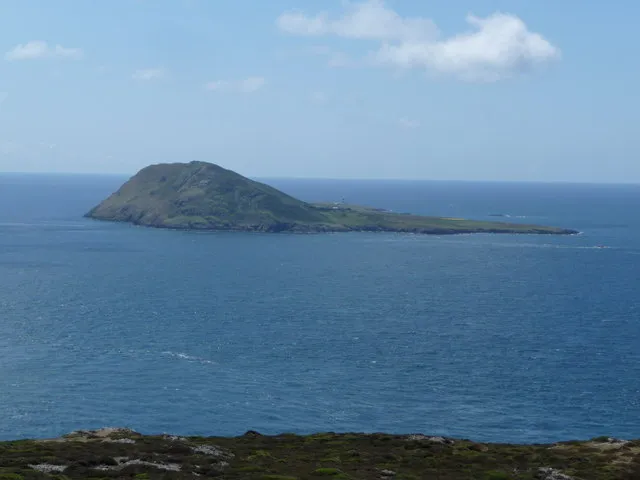
Ynys Enlli, off the Llŷn Peninsula
Choughs, Manx shearwaters, Wheatears, Puffins
Decide if the visit fits.
Bardsey Bird Observatory at a glance
Last checked 18 October 2026.
- Open
- Booked day visits April–October when weather permitsMore about open
- Price / parking
- 2026 boat £50 adult/£25 child; landing £7.50 adult, under-18s and Trust members freeMore about price / parking
- Best time
- Spring and autumn passage; seasonal breeding and winter birdsMore about best time
- Dogs
- Visiting dogs are normally prohibited by the island Trust to pro…More about dogs
- Toilets
- A public compost toilet is provided in Plas Yard.More about toilets
- Step-free
- The boat operator asks people with restricted mobility to teleph…More about step-free
Opening and charges information · checked .
Stay nearby →On this page
Reserve overview
Bardsey reserve and habitat
Choughs, Manx shearwaters, Wheatears, Puffins
Eight checks for a smoother visit.
Planning your visit to Bardsey
Conditions change: check the operator and transport notices before travelling.
Bardsey best time to visit and seasonal birds
January: Ordinary advertised day trips are outside their April–October season. Chough and Rock Pipit remain year-round possibilities, with watching from Cafn and settlement public paths or Solfach coastal path only if a separately agreed island visit permits it. Do not assume a winter sailing. February: The regular lodge season has not begun. For an independently confirmed island stay, Chough from Cafn and settlement public paths and Shag from South End public path are possible resident targets. Travel and safe access take priority over adding an exposed viewpoint. March: Wheatear and Chiffchaff typically begin spring passage, watched from Cafn and settlement public paths and Cristin public exhibition approach when island access is agreed. Main visitor services normally start in April. Nocturnal Manx Shearwater viewing requires an Observatory-led arrangement. April: Usually give Cristin public exhibition approach time for Chiffchaff and Blackcap, then scan the permitted lowland paths for Wheatear. Solfach coastal path can add Whimbrel and Rock Pipit. Check wind and the skipper’s return time before considering the longer South End watch. May: Our choice is Nant public path for Spotted Flycatcher, Willow Warbler and Sedge Warbler, with Chough and Wheatear from the settlement route. South End public path offers Gannet and Kittiwake watching. Stay on the visitor route rather than entering sheltered gardens after a migrant. June: Usually combine Chough and Meadow Pipit from Cafn and settlement public paths with Oystercatcher and Rock Pipit from Solfach coastal path. Gannets and Kittiwakes can reward South End public path. Staying visitors can enquire about an operator-led nocturnal shearwater walk. July: Typically start with Gannet, Shag and Kittiwake from South End public path, then watch Rock Pipit and Oystercatcher along Solfach coastal path. Willow Warblers can begin return passage around Nant public path. Warm weather does not remove the need for coastal wind protection. August: Willow Warbler and Sedge Warbler usually make Nant public path worth repeated quiet checks. Spotted Flycatcher is a scarcer migrant possibility, while Solfach coastal path can add Turnstone and Whimbrel. Watch the actual shelter and light rather than crossing occupied fields. September: Typically compare Blackcap and Goldcrest from Cristin public exhibition approach with Wheatear along the settlement paths. Solfach coastal path offers Curlew and Turnstone, while South End public path can reward Gannet and Sandwich Tern. Migration changes rapidly with conditions. October: Goldcrest, Chiffchaff, Chaffinch and Goldfinch usually supply useful passage targets around Cristin public exhibition approach. Chough remains an alternative from the permitted lowland paths when migrants are quiet. The normal lodge and day-trip seasons finish this month, with every crossing dependent on weather. November: Regular visitor services have ended. Chough from Cafn and settlement public paths and Curlew from Solfach coastal path are possible only during an agreed island visit. A mainland coastal outing is the sensible substitute when no crossing and accommodation are confirmed. December: Usually plan for resident Chough and Rock Pipit only if the operators have agreed the winter visit and a safe crossing. Use the settlement and Solfach public paths in suitable daylight. Do not build travel around an assumed boat or a scarce migrant report.
Best conditions: Our advice: typically choose sheltered public paths for migrant listening and clear visibility for sea scanning. Island winds can make an exposed headland unsafe even when the lowlands feel comfortable; follow the skipper and Observatory guidance. Scope and light ratings are editorial. Staying guests need an organised night walk for Manx Shearwaters, and day visitors must finish within their allocated landing time.
Bardsey opening times, entry and facilities
Checked 18 October 2026: the Bardsey Island Trust advertises day visits from April to October and the Observatory lodge advertises early April to the end of October. The lodge's dated 2026 weekly prices per person are £350 for adults aged 25+, £260 for ages 18–24, £200 for ages 5–17 and free for under-fives; the whole lodge is listed at £3,500. Its additional 2026 costs include £61 per person for the boat, subject to change, and £20 parking at Cwrt Farm. Normal lodge stays are Saturday–Saturday; short stays are conditional on late availability. These are accommodation charges, distinct from the day-trip fare and landing fee below. Confirm the booked year's terms before paying. No current operator service from Pwllheli was confirmed; the published departure is Porth Meudwy.
Access times: Reserve: Day access during a booked boat landing, normally April–October when weather permits. Overnight visits need booked island accommodation. · Hides: No general visitor hide timetable is published. Public exhibition access and any guided walks follow Observatory arrangements; ringing areas remain restricted. · Car park: Mainland parking follows the booked boat/stay arrangements; day parking is above the Porth Meudwy approach. There is no visitor car park on the island. · Dawn access: partly. Operator opening information.
Bardsey trails, hides and visit length
Bardsey offers a network of footpaths through an inhabited farming island. Cafn is the landing place, Cristin houses the Observatory, and the settlement's chapel, old school and abbey remains offer a natural framework for a first walk. Use the Trust's map and respect the distinction between visitor attractions and private homes. The public Observatory exhibition is a useful place to learn what the day's birds mean in a wider seasonal context. Two-hour plan: use the first portion of a landing for a measured walk from Cafn towards the settlement and Cristin, stopping to watch wheatears, meadow pipits or choughs already visible from the paths. Keep enough time to return comfortably to the boat's meeting point. If the crossing has left you tired, choose fewer stops rather than trying to visit every landmark. The rest of a normal day landing can be spent in the same compact area with longer watches. Full-day plan: for a day trip, build the day around the operator's allocated time ashore, adding mainland travel and a generous departure margin. Choose one main walk and leave time for the Observatory exhibition and a quiet coastal watch. For a lodge stay, spread exploration across several days and include an official guided wildlife walk if offered. A booked evening shearwater walk is the appropriate way to experience nocturnal birds; avoid walking through their habitat independently after dark. Keep clear of resting seals, leave gates as instructed and give farm work priority on shared routes. The island's appeal lies in taking time, not in reaching every edge.
Where to watch at Bardsey
Use the linked reserve map and directions with current access notices. Species are typical seasonal targets. Light and telescope advice reflects our choice of viewpoint.
Cafn and settlement public pathsWinter · Spring · Summer · Autumn
Grassland, lowland fields and coastal edges from the public route
Respect occupied homes and farm work; keep the boat return time in mind.
Winter: Chough, Meadow Pipit
Spring: Wheatear, Linnet
Summer: Chough, Meadow Pipit, Wheatear
Autumn: Wheatear, Linnet
Light: either. Scope: not needed.
Cristin public exhibition approachWinter · Spring · Summer · Autumn
Coastal sky and sheltered vegetation seen from the public Observatory approach
Public exhibition access does not permit entering ringing equipment, private gardens or guest-only areas.
Winter: Chough
Spring: Chiffchaff, Blackcap, Goldfinch
Summer: Linnet, Chough
Autumn: Goldcrest, Blackcap, Chaffinch
Light: either. Scope: not needed.
Solfach coastal pathWinter · Spring · Summer · Autumn
Rocky shore and adjacent sea from the permitted coastal route
Give seals space and do not descend into occupied haul-out areas.
Winter: Rock Pipit, Curlew, Turnstone
Spring: Oystercatcher, Whimbrel
Summer: Oystercatcher, Rock Pipit
Autumn: Turnstone, Curlew, Whimbrel
Light: either. Scope: useful.
Tide: Watch feeding shorebirds where rock and sand are exposed; keep to the route as water rises.
South End public pathWinter · Spring · Summer · Autumn
Open sea and passage birds from the established headland path
Exposed coastal section; stay back from cliff edges and turn back in unsafe wind.
Winter: Shag, Peregrine
Spring: Gannet, Kittiwake, Peregrine
Summer: Gannet, Shag, Kittiwake, Peregrine
Autumn: Gannet, Sandwich Tern, Peregrine
Light: either. Scope: essential.
Tide: Crossing arrangements follow the skipper; no tide-height threshold is published for this viewpoint.
Nant public pathSpring · Summer · Autumn
Sheltered vegetation from the public path near Nant
Nant is occupied visitor accommodation; observe from the public path without entering gardens or ringing areas.
Spring: Willow Warbler, Spotted Flycatcher, Sedge Warbler
Summer: Sedge Warbler
Autumn: Willow Warbler, Spotted Flycatcher
Light: either. Scope: not needed.
| Spot | Overlooks | Key species by season | Best light | Scope | Tide |
|---|---|---|---|---|---|
| Cafn and settlement public pathsRespect occupied homes and farm work; keep the boat return time in mind. | Grassland, lowland fields and coastal edges from the public route | Winter: Chough, Meadow Pipit Spring: Wheatear, Linnet Summer: Chough, Meadow Pipit, Wheatear Autumn: Wheatear, Linnet | either | not needed | — |
| Cristin public exhibition approachPublic exhibition access does not permit entering ringing equipment, private gardens or guest-only areas. | Coastal sky and sheltered vegetation seen from the public Observatory approach | Winter: Chough Spring: Chiffchaff, Blackcap, Goldfinch Summer: Linnet, Chough Autumn: Goldcrest, Blackcap, Chaffinch | either | not needed | — |
| Solfach coastal pathGive seals space and do not descend into occupied haul-out areas. | Rocky shore and adjacent sea from the permitted coastal route | Winter: Rock Pipit, Curlew, Turnstone Spring: Oystercatcher, Whimbrel Summer: Oystercatcher, Rock Pipit Autumn: Turnstone, Curlew, Whimbrel | either | useful | Watch feeding shorebirds where rock and sand are exposed; keep to the route as water rises. |
| South End public pathExposed coastal section; stay back from cliff edges and turn back in unsafe wind. | Open sea and passage birds from the established headland path | Winter: Shag, Peregrine Spring: Gannet, Kittiwake, Peregrine Summer: Gannet, Shag, Kittiwake, Peregrine Autumn: Gannet, Sandwich Tern, Peregrine | either | essential | Crossing arrangements follow the skipper; no tide-height threshold is published for this viewpoint. |
| Nant public pathNant is occupied visitor accommodation; observe from the public path without entering gardens or ringing areas. | Sheltered vegetation from the public path near Nant | Spring: Willow Warbler, Spotted Flycatcher, Sedge Warbler Summer: Sedge Warbler Autumn: Willow Warbler, Spotted Flycatcher | either | not needed | — |
Target species at Bardsey
Month chips show typical presence or our preferred viewing season. Choose birds that suit the time of your visit.
Headline birds
- JanFebMarAprMayJunJulAugSepOctNovDec
- Manx ShearwaterFollow the operator’s sensitive-species advice.MarAprMayJunJulAugSep
- JanFebMarAprMayJunJulAugSepOctNovDec
Regular birds
- MarAprMayJunJulAugSepOct
- Rock PipitSolfach coastal pathSolfach coastal pathJanFebMarAprMayJunJulAugSepOctNovDec
- JanFebMarAprMayJunJulAugSepOctNovDec
- JanFebMarAprMayJunJulAugSepOctNovDec
- JanFebMarAprMayJunJulAugSepOctNovDec
- MarAprMayJunJulAugSepOct
- AprMayAugSepOct
- AprMayJulAugSep
- Sedge WarblerNant public pathNant public pathMayJunJulAugSep
- SepOct
- AprMaySepOct
- AprMaySepOct
- AprMayJunJulAugSepOct
- JanFebMarAprMayJunJulAugSepOctNovDec
- AprMayJunJulAugSep
- JulAugSepOctNovDecJanFebMar
- AprMayJulAugSep
- JulAugSepOctNovDecJanFebMar
Scarce but regular birds
- MayJunAugSep
- AprMayJunJulAugSep
Tide planning
Book the crossing and follow the skipper’s tide and sea-state decisions. For shorebird watching, exposed rock and sand can be useful, but remain on permitted paths and allow for rising water. Tide predictions do not establish that a sailing or landing is safe.
Bardsey boat access and landing
Operator: Bardsey Island Boat Trips / Mordaith Llŷn.
Booking opens: Contact the boat operator for day-trip reservations; lodge stays are arranged with the Observatory.. Season: Trust day visits April–October, when weather and demand allow; 2027 day-trip dates were not confirmed in this check.. Fares: Dated 2026 operator fare: adult £50, child £25. A lower £32.50/£20 booking panel remains on the same page without a matching year; confirm the payable fare before booking.; landing fee: 2026 Trust landing fee: £7.50 adult; under-18s free; Trust members exempt. Separate from the boat fare..
Time ashore: The operator and Trust advertise about four hours for a normal day landing; the skipper confirms the return time.. Landing access: Use the operator’s agreed boarding and landing arrangements; discuss mobility needs before booking.. Weather policy: Crossings depend on suitable weather. Check the operator’s traffic-light sailing notice and allow flexibility for cancelled or delayed boats.
Bardsey accessibility and step-free routes
The boat operator asks people with restricted mobility to telephone before travelling so that boarding and landing can be discussed. Its FAQ describes boarding via steps after the boat is recovered by specialised equipment. The mainland approach includes a downhill walk from the parking area to Porth Meudwy and a corresponding climb on return. Consider both that walk and the transfer, not simply the short crossing time. On the island, the Trust describes uneven ground and recommends sturdy footwear. The hill route is optional: visitors who need a shorter or gentler outing can discuss the settlement paths and the access to specific buildings with the Trust or Observatory. Hostel accommodation with shared facilities should be assessed room by room rather than assumed suitable for every mobility need. Explain any assistance-dog requirement before booking, because the general island policy excludes visiting dogs. There is no reason to attempt steep coast paths to obtain a bird view; the public exhibition and lower paths can form a worthwhile visit when they suit the agreed access arrangements.
Bardsey visitor facilities
A public compost toilet is provided in Plas Yard. The Trust identifies a café at Tŷ Pellaf, shops and exhibitions at the Trust and Observatory, and the old school history display. Hot meals need advance arrangement through the café. There is no toilet at Porth Meudwy, so use Aberdaron's facilities before travelling to the boat. The Observatory lodge has a self-catering kitchen, common room and library for its guests; bring food for a booked self-catering stay.
Bardsey dog rules
Visiting dogs are normally prohibited by the island Trust to protect farming, ground-nesting birds and seals. The boat operator's Welsh guidance makes an exception for guide dogs. Discuss any assistance-dog journey with both the boat and accommodation providers before booking; do not arrive expecting ordinary pet access.
Bardsey public transport and getting there
Bardsey Island Boat Trips, operated by Mordaith Llŷn, currently directs all departures to Porth Meudwy near Aberdaron. The address may include Pwllheli as the wider postal town, but that does not mean a sailing leaves Pwllheli harbour. For a car-free approach, Transport for Wales's official August 2026 article describes reaching the Ynys Enlli departure using the Llŷn fflecsi service. Book this demand-responsive service for the relevant operating area and time, then confirm that its drop-off and return arrangements fit your particular sailing. Rail reaches Pwllheli on the Cambrian Coast line, leaving a substantial onward transfer to the peninsula's end. Coordinate that transfer with the boat booking and leave time for the final walk. The stay routes below end at the mainland departure approach, with the sea crossing additional.
Useful bases for an early start.
Where to stay near Bardsey
Booking.com links are affiliate links: we may earn a commission at no extra cost to you. How these links work.
- 01
Bardsey Observatory lodge
Once you have arrived at Bardsey Island and Bird Observatory, staying on the island removes the daily road transfer.
Official on-site accommodation · 18 October 2026. No road transfer is needed.
Time for repeated watches across a booked island stayBook this accommodation with its operator - 02
Aberdaron
About 2.0 miles by road, roughly 8 minutes’ drive to the Porth Meudwy mainland departure approach, before the boat (OSRM, measured 18 October 2026; estimate without live traffic).
Measured driving route · 18 October 2026. Map estimates exclude live traffic.
A distinct mainland base for the island journeyFind places to stay in Aberdaron on Booking.com - 03
Pwllheli
About 16.9 miles by road, roughly 32 minutes’ drive to the Porth Meudwy mainland departure approach, before the boat (OSRM, measured 18 October 2026; estimate without live traffic).
Measured driving route · 18 October 2026. Map estimates exclude live traffic.
A distinct mainland base for the island journeyFind places to stay in Pwllheli on Booking.com
Explore Gwynedd’s full guides and smaller birding sites
Bardsey official sightings, safety and contact
Book a day crossing with Colin Evans through Bardsey Boat Trips on 07971 769895. Lodge enquiries go to stay@bbfo.org.uk; the Bardsey Island Trust handles its separate houses, landing arrangements and visitor guidance through enlli.org. State whether the enquiry is for a day trip or an overnight stay, since the booking and pricing differ. Explain mobility needs and planned mainland transport before confirming. Check the operator's sailing-status lights before leaving for the departure point.
Bardsey recent bird sightings
Check Bardsey Bird Observatory: operator reports and county-linked recording source. daily diary during active monitoring; check post date Reports show what has been seen, not what will be.
- Bardsey Bird Observatory: operator reports and county-linked recording sourcecounty club or recorder · updated daily diary during active monitoring; check post date
Birding sources
- Bardsey Bird Observatory: bird seasons
- Bardsey Bird Observatory: stays, guided walks and seabirds
- Bardsey Island Trust: public paths and island map
- Bardsey Island Trust: wildlife
- Bardsey Observatory: daily wildlife diary
- Bardsey Observatory: guided wildlife walks and named watching areas
- Bardsey Observatory: 2 May 2026 field observations
- Bardsey Observatory: 17 August 2026 field observations
- Welsh Ornithological Society: Caernarfonshire recording and report directory
- Bardsey Island Trust: visiting season and parking
- Met Office: Aberdaron forecast
- UKHO EasyTide station catalogue
Follow the BTO Birders’ Code and give wildlife space.
Questions visitors ask
Is Bardsey Island and Bird Observatory free to visit?
Bardsey Island and Bird Observatory: 2026 boat £50 adult/£25 child; landing £7.50 adult, under-18s and Trust members free.
Can I take my dog to Bardsey Island and Bird Observatory?
Bardsey Island and Bird Observatory: Visiting dogs are normally prohibited by the island Trust to protect farming, ground-nesting birds and seals.
When is the best time to visit Bardsey Island and Bird Observatory?
Bardsey Island and Bird Observatory: Spring and autumn passage; seasonal breeding and winter birds.
Is Bardsey Island and Bird Observatory accessible for wheelchairs?
Bardsey Island and Bird Observatory: The boat operator asks people with restricted mobility to telephone before travelling so that boarding and landing can be discussed.
How do I get to Bardsey Island and Bird Observatory without a car?
Bardsey Island and Bird Observatory: Bardsey Island Boat Trips, operated by Mordaith Llŷn, currently directs all departures to Porth Meudwy near Aberdaron.
Best months for this reserve
Nearby complete guides.
Bird reserves near Bardsey
Stops with a purpose: use one as a contrasting habitat or weather-proof Plan B. Distances are straight-line estimates, not road journeys.
- About 33 miles away · A useful habitat changeNewborough Warren National Nature ReserveYear-round · winter waterbirds · spring woodland song
- About 35 miles away · A useful habitat changeDyfi National Nature Reserve - YnyslasAutumn migrant waders · winter wildfowl and raptors · spring and summer birdsong
- About 36 miles away · A useful habitat changeRSPB Valley WetlandsWinter wildfowl; spring and summer reedbed birds