
Short entry7.6 miles away
Balloo Wetland
Innotec Drive, Balloo Road, Bangor · Ponds · reedbed · wet woodland · wet meadow
 the ai birderBirding near me
The AI Birder · one-page field sheet
Comber, County Down, Northern Ireland · BT23 6EA · BT23 6EA

Current planning alert (2026-10-18): WWT says collection exhibits and formal education close at the end of October 2026; collection birds move to other WWT centres during October. The reserve, café and shop remain open.
Access notice: WWT has announced a storm closure for 24 and 25 October 2026.
Brent Goose · Wigeon · Teal · Redshank · Curlew · Dunlin
Limekiln Observatory · Brent Discovery Hide · Roundhouse on Crannóg · Wadermarsh lookout · Visitor Centre and Sensory Garden · Public woodland path · Turtle Hide · Limestone Pavilion
Check current access, hide closures and operator notices before travelling. Seasonal birds are possibilities, not promised sightings. Keep to authorised routes and give wildlife space.
Opening and charges checked 2026-10-25. Operator: https://www.wwt.org.uk/wetland-centres/castle-espie
Full guide and current source links: https://aibirder.co.uk/reserves/wwt-castle-espie
NI 03 · WWT reserve guide
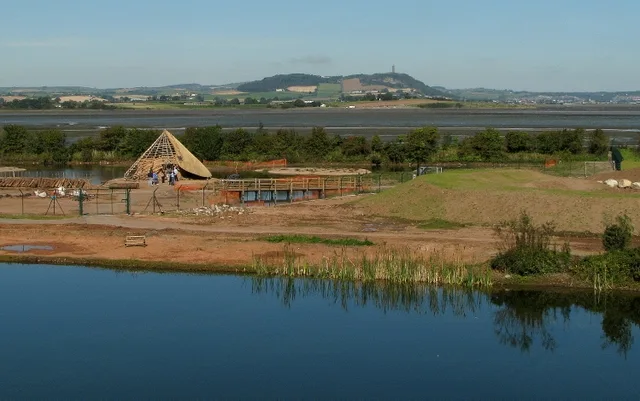
Comber, County Down, Northern Ireland · BT23 6EA
Light-bellied Brent Geese gather on Strangford Lough in autumn, followed by winter Wigeon and Shelduck around the tidal reserve.
Decide if the visit fits.
Last checked 18 October 2026.
WWT says collection exhibits and formal education close at the end of October 2026; collection birds move to other WWT centres during October. The reserve, café and shop remain open.
Opening and charges information · checked .
Stay nearby →Reserve overview
Light-bellied Brent Geese gather on Strangford Lough in autumn, followed by winter Wigeon and Shelduck around the tidal reserve.
Eight checks for a smoother visit.
Conditions change: check the operator and transport notices before travelling.
January: typically watch for Wigeon from Limekiln Observatory. A rising tide can shift feeding birds towards useful public views, but movements vary. Bring a scope for the estuary and compare the sheltered lagoon rather than relying on one distant flock. February: typically watch for Teal from Brent Discovery Hide. Use the lowered windows if they suit your access needs and allow time for waterbirds to return after diving. Quiet hide behaviour keeps the available view useful for everyone. March: typically watch for Shelduck from Brent Discovery Hide. Spring changes the balance of birds on the lough. The public hide offers a broad comparison of estuary and freshwater habitat without any need to enter saltmarsh or follow retreating birds. April: typically watch for Gadwall from Roundhouse on Crannóg. The roundhouse gives a smaller-scale freshwater watch alongside the lough panorama. Seasonal month guidance is typical, while the operator’s dated observations establish genuine occurrence rather than guaranteeing the same view today. May: typically watch for Oystercatcher from Limekiln Observatory. Stay at the managed observatory and compare feeding movements as the tide changes. Avoid shoreline approaches to gathered birds; a better view often comes from waiting for movement rather than moving closer. June: typically watch for Mallard from Visitor Centre and Sensory Garden. Keep wild Main Lake birds distinct from collection birds. WWT’s announced exhibit closure does not remove the reserve’s wild-bird opportunities, but current paths and access notices should guide the visit. July: typically watch for Moorhen from Roundhouse on Crannóg. A quiet freshwater session can be more comfortable than a long exposed estuary scan in strong wind. Watch from the established roundhouse and leave emergent vegetation and any concealed young undisturbed. August: typically watch for Little Egret from Limekiln Observatory. Use the official lagoon and estuary views without treating a single exceptional bird in the news as a routine target. This supporting species can move between several wetland sections. September: typically watch for Black-tailed Godwit from Visitor Centre and Sensory Garden. Autumn wader distribution depends on tide and usable feeding margins. The operator specifically records Shingle Bank birds from this public visitor area; no approach onto the bank itself is recommended. October: typically watch for Brent Goose from Brent Discovery Hide. The current12 October 2026 survey was made on a rising tide. Check the latest observations before travelling and remember that collection exhibits close at the end of this month while the reserve remains open. November: typically watch for Dunlin from Limekiln Observatory. Wild estuary birds remain the focus after collection transfers. WWT has not confirmed a 2027 replacement timetable, so use its live hours rather than assuming a change or a full-site closure. December: typically watch for Curlew from Limekiln Observatory. Winter light is short, making an earlier visit within admission hours sensible. The observatory provides shelter, but distant views still depend on visibility and the lough’s changing feeding conditions.
Best conditions: Usually compare the estuary on a rising tide with the sheltered freshwater and saline lagoons. WWT surveys explicitly record different tide states, so one watch does not represent all-day distribution. Killyleagh predictions are lough context, not a Castle Espie local height or permission to cross mud. Keep to public paths and let feeding birds move naturally.
2026 admission, checked 18 October: advance online tickets without the voluntary Gift Aid donation are adult £9.36, junior aged 3–17 £6.08, concession aged 65+ or full-time student £8.01, young adult aged 18–24 £8.01, and family of two adults and two children £26.28. The online discount applies until midnight before the visit. On-the-day equivalents are £10.40, £6.75, £8.90, £8.90 and £29.20. Under-threes enter free. WWT members receive free entry. There is no visitor parking charge at WWT Castle Espie. WWT’s announcement updated15 October 2026 confirms the reserve, cafe and shop remain open while collection exhibits close at the end ofOctober and captive birds transfer to other centres. The wild-bird reserve remains the reason to visit. Current hours continue while 2027 arrangements are reviewed; check the operator before making a future visit.
Access times: Reserve: Current centre 10:00–17:00, reserve closes 16:30; usual ChristmasEve/ChristmasDay exceptions. WWT15 October 2026 says hours unchanged for now, with 2027 under review. · Hides: Use within reserve opening; no independent dawn access published. Ask reception about Turtle Hide and any work-related route restrictions. · Car park: Free visitor parking with level step-free entrance access; no independent outside-hours birdwatching right advertised. · Dawn access: no. Operator opening information.
Use the reserve as a set of complementary views across fresh and tidal water. Brent Discovery Hide looks over several habitats and is a good place to orientate yourself before the lough's scale becomes overwhelming. Limekiln Observatory offers a broader coastal perspective, while the Crannog roundhouse overlooks Freshwater Lagoon. The wetland and woodland paths connect different soundscapes as well as different views: pause where bird calls change instead of walking the whole visit at one speed. Two-hour plan: spend the opening quarter-hour looking across the first wetland views and deciding which shore birds need closer examination. Give Brent Discovery Hide around half an hour, then move towards Limekiln Observatory for a sustained lough scan. Return by the signed wetland route, allowing a stop at Freshwater Lagoon if that connection suits the current map. Keep the final quarter-hour for the return rather than adding another distant viewpoint. This is an editorial allocation of time, not a timed operator trail. Full-day plan: begin with the lagoon and Crannog, then work towards the tidal viewpoints. Record where the exposed mud lies and which birds feed there. After a midday break, choose a woodland circuit for small birds and seasonal insects before returning to the same shore view. The second coastal watch shows how the tide has changed the feeding ground and can be more instructive than adding mileage. If the weather deteriorates, shorten the outside circuit and spend longer observing from shelter. Carry binoculars; a telescope makes distant godwits, plovers and ducks easier to compare across open water. Watch a flock before trying to count it, separating feeding birds from resting ones and checking leg, bill and body proportions. Remain on signed routes and leave birds room to settle. The reserve map and current signs should determine the order of your circuit; older visitor maps can include attractions affected by the October 2026 changes.
Use the linked reserve map and directions with current access notices. Species are typical seasonal targets. Light and telescope advice reflects our choice of viewpoint.
Strangford Lough estuary and Saline Lagoon
Step-free gentle-gradient approach; benches with arms and accessible toilet.
Winter: Brent Goose, Wigeon, Teal, Dunlin
Spring: Oystercatcher, Shelduck
Summer: Eider, Little Egret, Grey Heron
Autumn: Brent Goose, Redshank, Curlew, Little Grebe
Light: either. Scope: essential.
Estuary, Wadermarsh and Freshwater Lagoon
Step-free, lowered windows and seating.
Winter: Teal, Curlew, Brent Goose
Spring: Shelduck, Gadwall
Summer: Mallard, Moorhen
Autumn: Redshank, Teal, Gadwall
Light: either. Scope: useful.
Freshwater Lagoon
Use signed public roundhouse; detailed current independent mobility measurements not verified.
Winter: Teal, Gadwall
Spring: Moorhen, Mallard
Summer: Moorhen, Mallard
Autumn: Teal, Gadwall
Light: either. Scope: useful.
Wadermarsh wetland
Named explicitly in current operator sightings; follow current signed path.
Winter: Teal, Black-headed Gull
Spring: Mallard, Moorhen
Summer: Mallard, Moorhen
Autumn: Teal, Black-headed Gull
Light: either. Scope: useful.
Main Lake, Shingle Bank and garden vegetation
Public views of wild birds; collection exhibit closures are separate from reserve access.
Winter: Tufted Duck, Teal, Black-tailed Godwit
Spring: Mallard, Gadwall
Summer: Mallard, Little Grebe
Autumn: Black-tailed Godwit, Little Egret, Wigeon
Light: either. Scope: useful.
Woodland canopy and scrub
Woodland path is steep and unpaved; not equivalent to the flatter main routes.
Winter: Blue Tit, Great Tit, Robin
Spring: Chaffinch, Robin
Summer: Great Tit, Woodpigeon
Autumn: Blue Tit, Chaffinch
Light: either. Scope: not needed.
Map-labelled Turtle Hide facility
Present on current-linked 2024 map, but exact 2026 availability and view need reception confirmation. No collection birds or unsupported wild targets assigned.
Light: either. Scope: useful.
Map-labelled Limestone Pavilion panorama
Official current-linked map label; detailed current bird sightline not established, so no target assigned.
Light: either. Scope: useful.
| Spot | Overlooks | Key species by season | Best light | Scope | Tide |
|---|---|---|---|---|---|
| Limekiln ObservatoryStep-free gentle-gradient approach; benches with arms and accessible toilet. | Strangford Lough estuary and Saline Lagoon | Winter: Brent Goose, Wigeon, Teal, Dunlin Spring: Oystercatcher, Shelduck Summer: Eider, Little Egret, Grey Heron Autumn: Brent Goose, Redshank, Curlew, Little Grebe | either | essential | — |
| Brent Discovery HideStep-free, lowered windows and seating. | Estuary, Wadermarsh and Freshwater Lagoon | Winter: Teal, Curlew, Brent Goose Spring: Shelduck, Gadwall Summer: Mallard, Moorhen Autumn: Redshank, Teal, Gadwall | either | useful | — |
| Roundhouse on CrannógUse signed public roundhouse; detailed current independent mobility measurements not verified. | Freshwater Lagoon | Winter: Teal, Gadwall Spring: Moorhen, Mallard Summer: Moorhen, Mallard Autumn: Teal, Gadwall | either | useful | — |
| Wadermarsh lookoutNamed explicitly in current operator sightings; follow current signed path. | Wadermarsh wetland | Winter: Teal, Black-headed Gull Spring: Mallard, Moorhen Summer: Mallard, Moorhen Autumn: Teal, Black-headed Gull | either | useful | — |
| Visitor Centre and Sensory GardenPublic views of wild birds; collection exhibit closures are separate from reserve access. | Main Lake, Shingle Bank and garden vegetation | Winter: Tufted Duck, Teal, Black-tailed Godwit Spring: Mallard, Gadwall Summer: Mallard, Little Grebe Autumn: Black-tailed Godwit, Little Egret, Wigeon | either | useful | — |
| Public woodland pathWoodland path is steep and unpaved; not equivalent to the flatter main routes. | Woodland canopy and scrub | Winter: Blue Tit, Great Tit, Robin Spring: Chaffinch, Robin Summer: Great Tit, Woodpigeon Autumn: Blue Tit, Chaffinch | either | not needed | — |
| Turtle HidePresent on current-linked 2024 map, but exact 2026 availability and view need reception confirmation. No collection birds or unsupported wild targets assigned. | Map-labelled Turtle Hide facility | — | either | useful | — |
| Limestone PavilionOfficial current-linked map label; detailed current bird sightline not established, so no target assigned. | Map-labelled Limestone Pavilion panorama | — | either | useful | — |
Month chips show typical presence or our preferred viewing season. Choose birds that suit the time of your visit.
Killyleagh is the nearest UKHO catalogue station within Strangford Lough. Use predictions for regional context; WWT rising-tide surveys support comparing public estuary and lagoon views. No Castle Espie local height, mudflat crossing or precise arrival interval is inferred.
WWT's access information describes level access from designated accessible parking spaces to a step-free main entrance. Most reserve paths are broad and flat, with benches available for pauses. The woodland path is the exception: it is steep and has an unpaved surface. Visitors choosing a route for a wheelchair, scooter or limited stamina should discuss that particular section with the team before committing to a woodland circuit. Brent Hide provides step-free entry and lowered viewing windows, with chairs and sofas. Limekiln Observatory is approached along a gentle gradient and has step-free entry, floor-to-ceiling viewing windows and benches with armrests. These differences matter when choosing between a seated, low-level bird view and a broader outlook. Two accessible toilets in the visitor centre have handrails and alarms. The Limekiln Observatory toilet also has handrails, but its alarm is audible only within that building. One manual wheelchair and two mobility scooters are available free to Shop Mobility members; reserve equipment before the visit rather than relying on availability. WWT recommends term-time weekdays for a quieter experience. Tell the team your equipment requirements and preferred walking range when arranging assistance.
The Kingfisher Café provides breakfast and lunch options, including choices for children, vegans and vegetarians. Published service times are breakfast until 11:30 and lunch until 15:00. Discuss allergies directly with the café team. The shop stocks books, gifts and bird-care items, and the gallery offers another indoor stop between outside watches. Baby-changing tables are provided in both male and female toilets beside the café. Bring layers for the exposed lough edge and a reusable water bottle for a longer visit.
Pet dogs and other pets are excluded because they can distress wildlife. Trained assistance dogs are welcome under control on a lead; owners must remove waste. If their presence affects the birds or animals, WWT may require a move away from that area. Do not leave a dog in a vehicle while visiting.
WWT directs car-free visitors to Ulsterbus route 11 between Belfast and Comber. Its published directions describe a journey of approximately 25 minutes from Laganside Bus Centre, followed by approximately ten minutes in a taxi to the reserve. Book that final transfer and the return pickup before setting out. Comber is the interchange rather than the reserve gate, so include waiting and transfer time in the itinerary. The operator also describes an approximately one-hour walk from Comber, but explicitly warns that Ballydrain Road has no public footpath. A prearranged taxi is the more practical connection for visitors unfamiliar with the road, carrying optics or travelling in poor light. WWT says Sunday services are less frequent and depart from Europa Bus Centre; check Translink's journey planner for the actual date and departure point. Do not assume a weekday timetable applies at weekends. Drivers approach along Ballydrain Road off the A22 Comber–Killyleagh road. For cyclists, WWT identifies regional routes 20 and 99 and provides a courtyard cycle rack; bring a lock. The final road approach deserves the same care as any rural lane.
Useful bases for an early start.
Booking.com links are affiliate links: we may earn a commission at no extra cost to you. How these links work.
About 2.8 miles by road, roughly 5 minutes’ drive from the mapped town-centre point to the reserve entrance. OpenStreetMap estimate for Comber, measured 18 October 2026. For the Comber journey linked to WWT Castle Espie, leave additional time for traffic and reaching your precise accommodation address.
Measured driving route · 2026-10-18. Map estimates exclude live traffic.
A nearby base with a short taxi connection.Find places to stay in Comber on Booking.comAbout 6.9 miles by road, roughly 12 minutes’ drive from the mapped town-centre point to the reserve entrance. OpenStreetMap estimate for Newtownards, measured 18 October 2026. For the Newtownards journey linked to WWT Castle Espie, leave additional time for traffic and reaching your precise accommodation address.
Measured driving route · 2026-10-18. Map estimates exclude live traffic.
Combining the reserve with the northern end of Strangford Lough.Find places to stay in Newtownards on Booking.comAbout 12.6 miles by road, roughly 24 minutes’ drive from the mapped town-centre point to the reserve entrance. OpenStreetMap estimate for Belfast, measured 18 October 2026. For the Belfast journey linked to WWT Castle Espie, leave additional time for traffic and reaching your precise accommodation address.
Measured driving route · 2026-10-18. Map estimates exclude live traffic.
A city stay with the onward Comber bus connection.Find places to stay in Belfast on Booking.comExplore County Down’s full guides and smaller birding sites
Contact WWT Castle Espie on 028 9187 4146 or info.castleespie@wwt.org.uk. The visitor address is 78 Ballydrain Road, Comber, County Down, BT23 6EA. Use the centre team for mobility-equipment reservations, current route questions and group arrangements. The official sightings page carries dated reports that distinguish estuary observations from birds inside the reserve. Read the named location and tide context when planning a target-species visit. For changes to the centre's visitor offer, use WWT's dedicated Castle Espie changes page.
Check WWT weekly actual wild-bird sightings. weekly dated surveys; latest reviewed12 October 2026 Reports show what has been seen, not what will be.
Follow the BTO Birders’ Code and give wildlife space.
WWT Castle Espie: Adult £9.36 advance online or £10.40 on day without donation; free visitor parking.
WWT Castle Espie: Pet dogs and other pets are excluded because they can distress wildlife.
WWT Castle Espie: Autumn & winter.
WWT Castle Espie: WWT's access information describes level access from designated accessible parking spaces to a step-free main entrance.
WWT Castle Espie: WWT directs car-free visitors to Ulsterbus route 11 between Belfast and Comber.
Shorter stops within 15 miles in a straight line. Use the operator’s arrival directions for the journey.
Innotec Drive, Balloo Road, Bangor · Ponds · reedbed · wet woodland · wet meadow
Milltown Row, west Belfast · Reedbeds, ponds, floodplain meadows and hedgerows
Castle Ward Bay, near Strangford · Tidal bay · loughside · woodland edge
Divis Road, Hannahstown, near Belfast · Upland heath, blanket bog and grassland
Nearby complete guides.
Stops with a purpose: use one as a contrasting habitat or weather-proof Plan B. Distances are straight-line estimates, not road journeys.