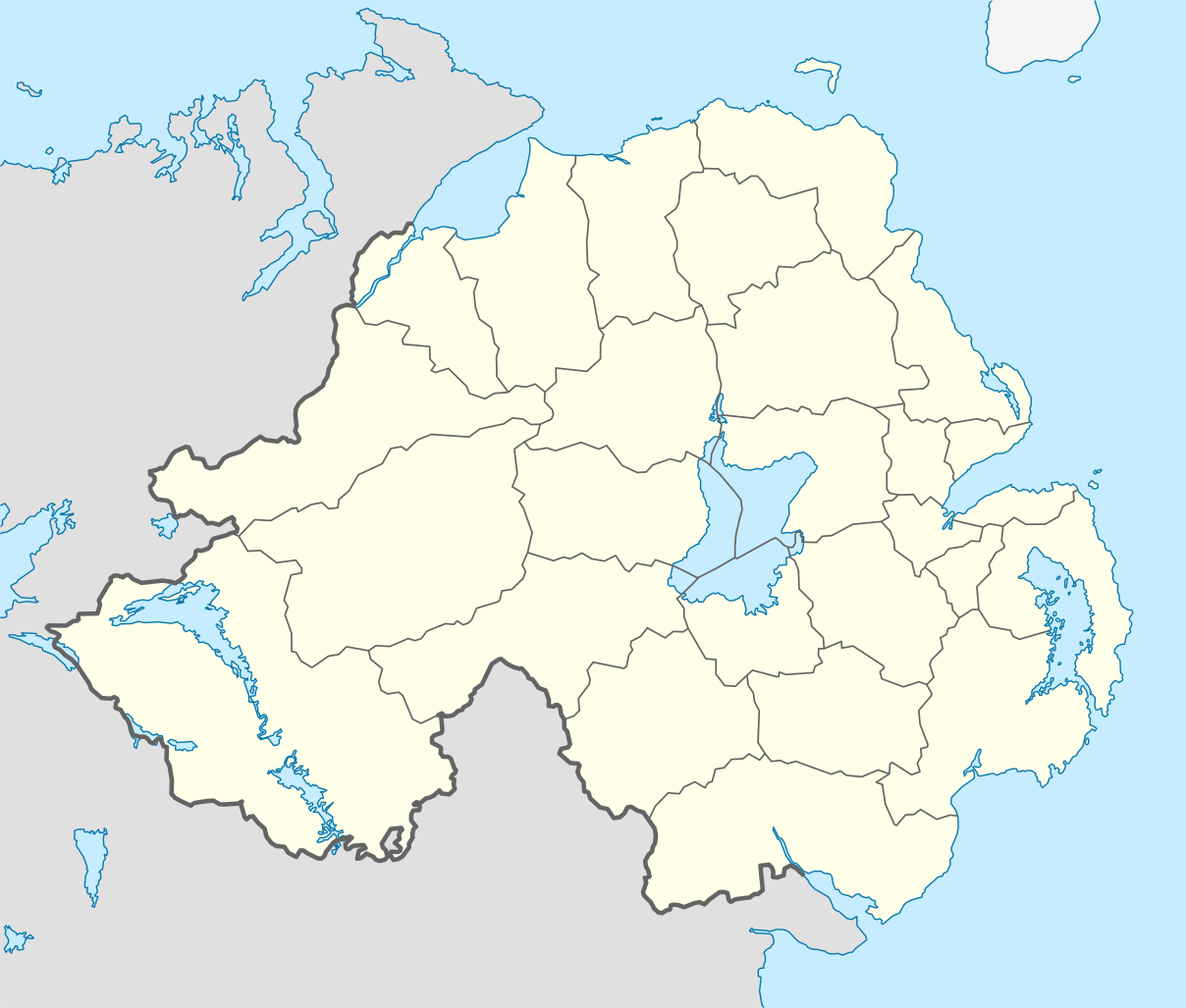
Short entry4.9 miles away
Bog Meadows
Milltown Row, west Belfast · Reedbeds, ponds, floodplain meadows and hedgerows
 the ai birderBirding near me
The AI Birder · one-page field sheet
Belfast Harbour, Northern Ireland · BT3 9ED · BT3 9ED

Lapwing · Wigeon · Teal · Shoveler · Tufted Duck · Shelduck
Visitor-centre windows · Roadside hide · Trackside hide
Check current access, hide closures and operator notices before travelling. Seasonal birds are possibilities, not promised sightings. Keep to authorised routes and give wildlife space.
Opening and charges checked 2026-10-25. Operator: https://www.rspb.org.uk/days-out/reserves/belfast-window-on-wildlife
Full guide and current source links: https://aibirder.co.uk/reserves/rspb-belfast-window-on-wildlife
NI 04 · RSPB reserve guide
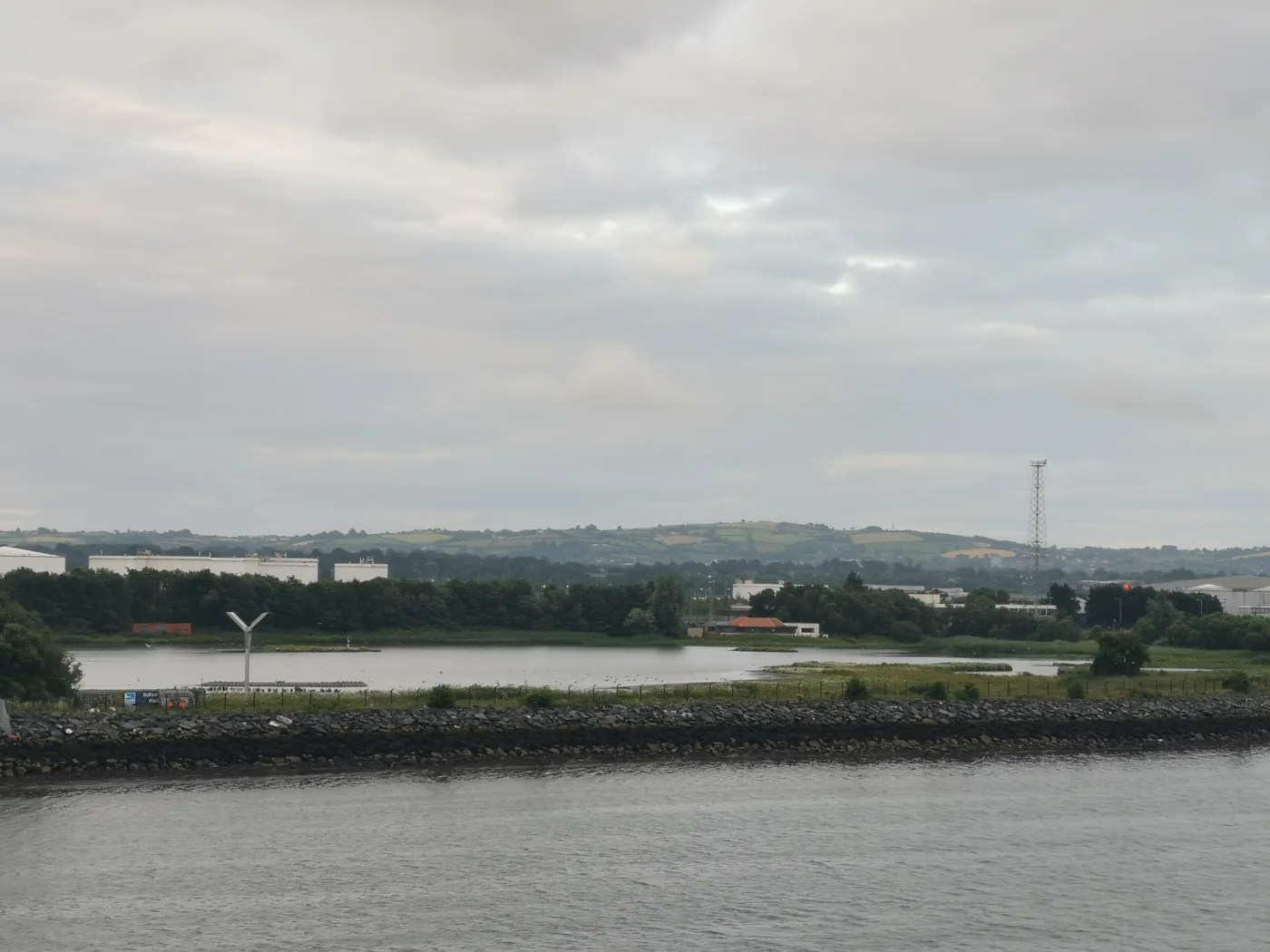
Belfast Harbour, Northern Ireland · BT3 9ED
An urban lagoon for breeding terns and winter wildfowl, with tidal waders moving between Belfast Lough feeding grounds and sheltered roosts.
Decide if the visit fits.
Last checked 18 October 2026.
Opening and charges information · checked .
Stay nearby →Reserve overview
An urban lagoon for breeding terns and winter wildfowl, with tidal waders moving between Belfast Lough feeding grounds and sheltered roosts.
Eight checks for a smoother visit.
Conditions change: check the operator and transport notices before travelling.
January: January usually makes the visitor-centre windows a useful first stop for Wigeon, Teal and Shoveler. Compare the same flock from the Roadside hide if it is open and accessible. A high-tide visit can bring birds off surrounding mudflats, but neither the number nor the exact resting place is guaranteed.
February: In February, use the Roadside hide for Lapwing and Teal, then compare diving Tufted Duck with dabbling Shoveler through the visitor-centre windows. Cold wind makes the sheltered building valuable, subject to its calendar. The hide opening entry does not promise that the centre or car park will be available at dawn.
March: March typically brings more conspicuous Shelduck and Lapwing activity around the lagoon, viewed from the Roadside hide or visitor-centre windows. Winter Wigeon may remain. Keep watching movements across the water rather than following birds towards grassland, islands or any closed part of Harbour Meadows.
April: April is a transition month: look for Lapwing and Shelduck from the Roadside hide, with Swallow increasingly possible over the lagoon from the visitor-centre windows. Tern arrival varies with weather, so a late report elsewhere in Northern Ireland is not evidence that either species has already returned here.
May: May is our choice for comparing Common and Arctic Terns through the visitor-centre windows, then listening for Sedge Warbler from the Trackside hide. These are views from established public facilities. Do not approach artificial islands, the sand bank or a breeding structure to improve a photograph.
June: In June, the visitor-centre windows offer a patient Common and Arctic Tern watch, while the Trackside hide gives another angle across the lagoon and reed edge. House Martin and Swift may feed overhead. Choose the window with less glare and avoid tapping glass or repeatedly opening a busy hide hatch.
July: July usually combines terns with quieter identification practice on Moorhen and Coot from the visitor-centre windows. Try the Trackside hide for feeding Swifts and House Martins over the water. The colony is something to watch from the public buildings, never a reason to seek closer island or nesting-bank access.
August: August typically brings changing tern numbers and eclipse ducks, with Common Tern, Teal and Tufted Duck worth comparing from the two hides. The visitor-centre windows remain the practical starting point when staffed. Let the birds visible on the day determine the visit, rather than expecting a summer spectacle to persist unchanged.
September: September usually shifts attention towards Teal, Shoveler and Lapwing from the Roadside hide and visitor-centre windows. Some Swallows or House Martins may still feed over the lagoon. Check the centre calendar against the tide before travelling; a good wildlife watch is possible without assuming every facility follows identical hours.
October: In October, Wigeon and Shoveler usually become more useful identification targets from the visitor-centre windows, alongside Teal and Lapwing. Give the Trackside hide a separate slow scan for Snipe in suitable margins. A past observer’s exact bird count is not a prediction for the next incoming tide.
November: November usually rewards a compact lagoon watch for Wigeon, Teal and Shoveler from the Roadside hide, with Lapwing from the visitor-centre windows. Our choice is daylight around high water, checking weather and actual opening first. The working harbour and closed grassland are separate from the permitted visitor route.
December: December suits a patient sheltered session with Tufted Duck, Coot and winter dabbling ducks from the visitor-centre windows. If the centre is closed, check lawful hide access before relying on the Roadside hide. Keep a return plan for short daylight, especially when travelling by the weekday-only bus service.
Best conditions: Our choice is a daylight visit around high tide, beginning at the visitor-centre windows when open and comparing the lagoon from the two established hides. RSPB explains that birds feeding on Holywood Banks at low water can move to WOW when the tide rises. A scope helps with distant ducks and tern identification; binoculars often suffice near the windows. Light advice is editorial: try another public window when glare obscures detail, rather than entering closed ground.
Admission and parking checked 18 October 2026: non-member adults £3, children £1.50 and students £2; RSPB members, visitors aged 16–24, under-fives and carers enter free. The RSPB says advance booking is unnecessary and payment is made at the visitor centre. There is no visitor parking charge at RSPB Belfast Window on Wildlife. For a group visit, contact the reserve so that staff can advise on the available space and arrangements. The photography sections in the two hides have separate member-key arrangements; paying ordinary admission does not establish that a key is available outside staffed hours. Check the operator’s current charges, access notices and calendar before departure, particularly if the visitor-centre view is central to the visit.
Access times: Reserve: Calendar checked 19 October 2026 displays nature reserve and visitor centre 10am–4pm on the selected Monday. Other days can be closed; check the intended date rather than treating this as a seven-day timetable. Harbour Meadows remains closed. · Hides: RSPB calendar separately lists Hide open 24 hours. Staff key required for members-only photography sections; confirm arrangements before any early visit. · Car park: Thirteen spaces on RSPB facilities page. A separate current gate timetable is not published in the inspected pages; do not assume 24-hour vehicle access from hide hours. · Dawn access: partly. Operator opening information.
Begin with the lagoon panorama and use its islands, waterline and reed edge as landmarks. The two hides are named roadside and trackside. Both offer a different angle from the visitor-centre windows, making patient observation more rewarding than moving continuously between viewpoints. The Belfast Local Group describes the hides' shipping-container construction, which reflects their harbour setting. Read the map before going outside and stay on the visitor routes: the working harbour estate is separate from the reserve. Harbour Meadows is closed to the public, and the wider Belfast Lough areas do not form one continuous visitor trail. In a hide, sit quietly first and let nearby birds resume their behaviour; scan the whole lagoon once, then examine the shoreline in short sections. Compare a bird's size against a familiar species before trying to identify it from plumage alone. Two-hour plan, editorial suggestion: spend the first half-hour with the panorama to locate concentrations of birds, devote the next hour to the most useful hide for the tide and light, and finish by checking the near edge again. That final look often reveals birds hidden behind the first flock. Full-day plan, editorial suggestion: make WOW the high-tide centrepiece, taking a longer break between two watches to see how birds redistribute. If adding Holywood Banks or another lough viewpoint at lower tide, plan it as a separate journey using the operator's directions, retaining plenty of time to return. A full day here should mean deeper observation and a habitat comparison, not filling the hours by entering closed ground. Note flight directions, feeding methods and changes in flock shape as carefully as the species list.
Use the linked reserve map and directions with current access notices. Species are typical seasonal targets. Light and telescope advice reflects our choice of viewpoint.
Managed lagoon, islands, reed edge and grazing margins
Indoor view only when visitor centre opens. Staff can help identify distant birds.
Winter: Wigeon, Teal, Lapwing, Shoveler, Tufted Duck
Spring: Lapwing, Shelduck, Common Tern, Arctic Tern
Summer: Common Tern, Arctic Tern, Moorhen, Coot, Swallow
Autumn: Teal, Lapwing, Shoveler, Moorhen
Light: either. Scope: useful.
A second public angle across the managed lagoon
RSPB confirms wheelchair access; heavy movable seats. Member photography area requires a key from staff.
Winter: Wigeon, Teal, Lapwing, Shoveler, Tufted Duck
Spring: Lapwing, Shelduck, Common Tern, Arctic Tern
Summer: Common Tern, Arctic Tern, Moorhen, Coot, Swallow
Autumn: Teal, Lapwing, Shoveler, Moorhen
Light: either. Scope: useful.
Lagoon water, islands and reed edge
RSPB says unsuitable for wheelchair access. Member photography area requires staff key; do not confuse that section with the whole hide.
Winter: Teal, Wigeon, Shoveler
Spring: Lapwing, Shelduck, Sedge Warbler
Summer: Sedge Warbler, Common Tern, Arctic Tern, House Martin, Swift
Autumn: Teal, Snipe, Tufted Duck
Light: either. Scope: useful.
| Spot | Overlooks | Key species by season | Best light | Scope | Tide |
|---|---|---|---|---|---|
| Visitor-centre windowsIndoor view only when visitor centre opens. Staff can help identify distant birds. | Managed lagoon, islands, reed edge and grazing margins | Winter: Wigeon, Teal, Lapwing, Shoveler, Tufted Duck Spring: Lapwing, Shelduck, Common Tern, Arctic Tern Summer: Common Tern, Arctic Tern, Moorhen, Coot, Swallow Autumn: Teal, Lapwing, Shoveler, Moorhen | either | useful | — |
| Roadside hideRSPB confirms wheelchair access; heavy movable seats. Member photography area requires a key from staff. | A second public angle across the managed lagoon | Winter: Wigeon, Teal, Lapwing, Shoveler, Tufted Duck Spring: Lapwing, Shelduck, Common Tern, Arctic Tern Summer: Common Tern, Arctic Tern, Moorhen, Coot, Swallow Autumn: Teal, Lapwing, Shoveler, Moorhen | either | useful | — |
| Trackside hideRSPB says unsuitable for wheelchair access. Member photography area requires staff key; do not confuse that section with the whole hide. | Lagoon water, islands and reed edge | Winter: Teal, Wigeon, Shoveler Spring: Lapwing, Shelduck, Sedge Warbler Summer: Sedge Warbler, Common Tern, Arctic Tern, House Martin, Swift Autumn: Teal, Snipe, Tufted Duck | either | useful | — |
Month chips show typical presence or our preferred viewing season. Choose birds that suit the time of your visit.
High tide is our choice for the managed lagoon; the operator confirms low-water feeding at Holywood Banks and movement to WOW at high water. No numeric tide threshold published or invented.
The RSPB describes a slight incline between the car park and the step-free visitor centre. Doors open manually inwards, the floor combines tiles and carpet, and seating is available. Two parking bays are reserved for Blue Badge holders. There is a step-free unisex accessible toilet. The roadside hide is accessible, whereas the trackside hide is not suitable for wheelchair access. Both contain movable seating which the operator describes as heavy. Choose the roadside viewpoint if the other route does not meet your needs, and discuss any required help before travelling. Access to a building does not establish whether every viewing opening, seat or approach will suit a particular chair, so describe your equipment and preferred viewing position to the team. The reserve's linked video walkthrough can help you judge the approach and indoor layout. Allow more time if you need to pause on the incline, manage a manual door or transfer equipment. If arriving independently, plan the return leg with equal care: the harbour setting makes a pre-arranged collection point more useful than a vague request to meet somewhere near the reserve.
The visitor centre sells tea, coffee and snacks, and binocular hire is included with an entrance ticket or RSPB membership. There are standard toilets, baby-changing facilities, a bike rack and a children's interpretation corner. You may bring a picnic, although there is no designated picnic area or café. Take all rubbish away and keep food inside your own bag while watching birds. Carry what you need for an uninterrupted hide session, including a drink and a lens cloth for changing harbour weather.
The RSPB welcomes pet dogs in the visitor centre and assistance dogs throughout the reserve. Its published policy does not grant general pet-dog access to every outdoor viewpoint. Contact the team before planning a hide visit with a pet, and arrange suitable care if your intended route cannot accommodate it. Keep the building entrance clear for other visitors and working assistance dogs.
The official directions place WOW within Belfast Harbour Estate on Airport Road West. Translink's Metro 94 and 94B serve Holywood Exchange through the harbour area on weekdays; its published timetable shows no Saturday or Sunday service on this route. Use the stop and departure details for the correct direction, allowing time to reach the reserve from Airport Road West. The operator describes Titanic and Holywood as the nearest railway stations, each about three miles away, so a train journey needs a planned final transfer rather than an assumed short station walk. Cyclists can approach via Titanic Quarter and the Comber Greenway, or Victoria Park and the Connswater route over Sam Thompson Bridge. The Holywood Exchange estate entrance is closed on Sundays; road arrivals use Dee Street instead. Check the last useful bus before beginning a lengthy watch and save the return stop location on your phone. For a taxi, give the reserve postcode and entrance road when booking so the driver does not confuse this lagoon with another Belfast Lough viewpoint.
Useful bases for an early start.
Booking.com links are affiliate links: we may earn a commission at no extra cost to you. How these links work.
About 3.9 miles by road, roughly 10 minutes' drive from the measured city-centre point to WOW; OSRM/OpenStreetMap estimate measured 18 October 2026, excluding traffic and parking.
Measured driving route · 2026-10-18. Map estimates exclude live traffic.
A city break with the weekday Metro connection and a wide range of accommodation.Find places to stay in Belfast city centre on Booking.comAbout 3 miles by road, roughly 9 minutes' drive from the measured Titanic Quarter point; OSRM/OpenStreetMap estimate measured 18 October 2026, excluding live traffic.
Measured driving route · 2026-10-18. Map estimates exclude live traffic.
A waterfront base combining harbour history with lagoon birdwatching.Find places to stay in Titanic Quarter on Booking.comAbout 3.4 miles by road, roughly 7 minutes' drive from central Holywood; OSRM/OpenStreetMap estimate measured 18 October 2026, excluding live traffic and estate diversions.
Measured driving route · 2026-10-18. Map estimates exclude live traffic.
A smaller lough-side base with an easy planned road transfer.Find places to stay in Holywood on Booking.comExplore County Antrim’s full guides and smaller birding sites
Contact the reserve on 028 9046 1458 or belfast.lough@rspb.org.uk for a visit involving specific access needs, a school party or a group. Describe which viewpoint you hope to use and the time available, rather than asking only whether the whole reserve is open. The RSPB's dated opening calendar is the first source for public access. Its Belfast Local Group page provides useful background about lagoon management and the birds that breed here. For a birdwatching day, take the tide time with you and ask the team before travelling if a particular observation area is essential to your plan.
Check Operator actual seasonal sightings update. seasonal; update date not published Reports show what has been seen, not what will be.
Follow the BTO Birders’ Code and give wildlife space.
RSPB Belfast Window on Wildlife: Non-member adult £3, child £1.50, student £2; members and ages 16–24 free; parking free.
RSPB Belfast Window on Wildlife: The RSPB welcomes pet dogs in the visitor centre and assistance dogs throughout the reserve.
RSPB Belfast Window on Wildlife: Year-round · high tide for waders.
RSPB Belfast Window on Wildlife: The RSPB describes a slight incline between the car park and the step-free visitor centre.
RSPB Belfast Window on Wildlife: The official directions place WOW within Belfast Harbour Estate on Airport Road West.
Shorter stops within 15 miles in a straight line. Use the operator’s arrival directions for the journey.
Milltown Row, west Belfast · Reedbeds, ponds, floodplain meadows and hedgerows
Divis Road, Hannahstown, near Belfast · Upland heath, blanket bog and grassland
Innotec Drive, Balloo Road, Bangor · Ponds · reedbed · wet woodland · wet meadow
Flowbog Road, Belfast Hills · Unimproved meadows, rush pasture and grassland
Nearby complete guides.
Stops with a purpose: use one as a contrasting habitat or weather-proof Plan B. Distances are straight-line estimates, not road journeys.