
Short entry4.1 miles away
Lurgan Park
Lurgan · Urban park lake, mature woodland and grassland
 the ai birderBirding near me
The AI Birder · one-page field sheet
Aghalee, County Antrim, Northern Ireland · BT67 0BA · BT67 0BA

Reed Bunting · Blackbird · Blue Tit · Robin · Wren · Chaffinch
Entrance trees and public trail start · Boardwalk through the peat-pool network · Mown pathway and boundary hedge
Check current access, hide closures and operator notices before travelling. Seasonal birds are possibilities, not promised sightings. Keep to authorised routes and give wildlife space.
Opening and charges checked 2026-10-25. Operator: https://www.rspb.org.uk/days-out/reserves/montiaghs-moss
Full guide and current source links: https://aibirder.co.uk/reserves/rspb-montiaghs-moss
NI 08 · RSPB reserve guide
Aghalee, County Antrim, Northern Ireland · BT67 0BA
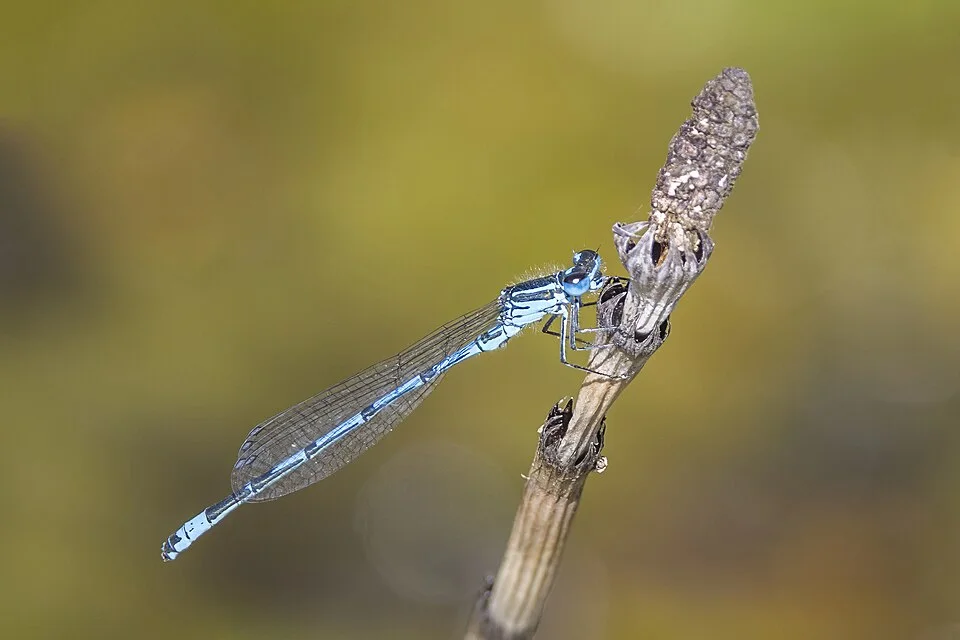
Irish and Variable Damselflies, Marsh Fritillaries and a rich dragonfly assemblage make this compact peatland particularly rewarding in warm, still weather; Snipe, Kestrels, Cuckoos and winter Whooper Swans add year-round birding interest.
Decide if the visit fits.
Last checked 18 October 2026.
Opening and charges information · checked .
Stay nearby →Reserve overview
Irish and Variable Damselflies, Marsh Fritillaries and a rich dragonfly assemblage make this compact peatland particularly rewarding in warm, still weather; Snipe, Kestrels, Cuckoos and winter Whooper Swans add year-round birding interest.
Eight checks for a smoother visit.
Conditions change: check the operator and transport notices before travelling.
January: January usually suits a short daylight walk rather than an early start: the reserve opens at 9.30am. Watch Blackbird, Robin and Blue Tit from the entrance trees, then scan from the boardwalk for Buzzard. Passing Whooper Swans may be heard overhead; do not expect a resident swan spectacle.
February: In February, listen for Wren and Robin from the entrance trees and mown-path edge. The boardwalk offers an open sky view for Kestrel or Buzzard. Wet ground between wooden sections can slow the walk considerably, so the presence of a boardwalk does not make the entire circuit firm or accessible.
March: March typically brings more Meadow Pipit activity over open ground beside the boardwalk, with Chaffinch and Great Tit around the entrance trees. A Snipe may remain concealed along wet edges. Watch from the path and let birds emerge; walking into soft ground to produce a flight view is inappropriate.
April: April usually introduces Willow Warbler and Blackcap song to the mown-path and boundary-hedge section. Reed Bunting and Meadow Pipit are useful birds to learn from the boardwalk. Choose a calm period for listening, stop clear of other walkers and avoid playback or following birds into breeding cover.
May: May is our choice for a mixed listening and watching visit: Willow Warbler along the mown-path edge, Blackcap near the entrance trees and Reed Bunting by the open peat-pool circuit. Swallow may feed overhead. Spring arrival varies; the dated group reports establish occurrence rather than a guaranteed checklist.
June: In June, give Reed Bunting and Meadow Pipit time from the boardwalk before looking for Willow Warbler along the boundary vegetation. Swallow and House Martin typically feed above open habitat. Keep looking up between insect observations, and leave every pool edge and patch of tall grass undisturbed.
July: July can combine birdwatching with the reserve’s better-known insects. The actual July 2025 group visit recorded Reed Bunting, Willow Warbler and Meadow Pipit along the circuit, then Blackbird, Blue Tit and Blackcap by entrance trees. Those are worthwhile targets without borrowing birds from the group’s subsequent Portmore stop.
August: August usually rewards patient observation rather than reliance on spring song. Try the mown pathway for Willow Warbler and Reed Bunting, with Swallow or House Martin above the boardwalk. A warm calm visit may be especially good for insects, while heavy rain makes the unboarded sections less comfortable.
September: September typically brings quieter vegetation and departing Swallows or House Martins over the boardwalk. Check the mown-path edge for Goldcrest and Redpoll, and watch Meadow Pipit over open ground. These are broad seasonal suggestions from verified reserve birds, not a claim that passage peaks have been measured here.
October: In October, use the entrance trees for Blackbird, Robin and Wren, then the boardwalk for a broad Buzzard or Kestrel scan. Listen for passing Whooper Swans where conditions permit. Keep the walk within the published opening period and return before the car park closes at 5pm.
November: November usually calls for waterproof boots and a modest circuit. Watch Blue Tit and Great Tit near the entrance, with Snipe a concealed wet-ground possibility from the mown path. Never leave the route to search drains; deep water and soft edges are part of the reason access is controlled.
December: December is best treated as a short winter nature walk. Robin and Wren can be watched from the trail start and Buzzard scanned from the boardwalk. Choose usable daylight within 9.30am to 5pm, with a shorter plan after rain; there are no toilets or indoor facilities to extend the visit.
Best conditions: Choose a dry, calm daylight period for listening along the hedge and inspecting birds from the boardwalk. Binoculars are normally sufficient; a scope adds little to a compact circuit with no open-water hide. Soft mown sections can remain wet after rain, so take waterproof footwear and shorten the visit if footing deteriorates. Warm still summer weather also helps with insects, but bring protection from midges and keep the return inside the parking timetable.
The RSPB's 2026 charges table, consulted on 18 October, lists adult and child admission as free for both members and non-members. Advance booking is not required for an ordinary visit. The RSPB publishes no separate parking tariff on these visitor pages. Use the designated car park opposite the entrance and cross the road carefully; roadside parking is no substitute if it is unavailable. Check the current reserve calendar and notices before leaving home, particularly after prolonged rain or if a practical access requirement could affect your visit. The boardwalk does not make the whole circuit accessible: mown stretches can be soft and muddy, and the operator lists no wheelchair or pushchair access. There are no toilets or refreshments, so arrange those needs before arrival and keep the return comfortably within the stated access times.
Access times: Reserve: RSPB current October 2026 calendar lists 9.30am–5pm daily. · Hides: No enclosed bird hide or separate hide opening is listed; the public route is boardwalk plus mown paths. · Car park: 9.30am–5pm daily, explicitly stated by the operator. · Dawn access: no. Operator opening information.
The public visit is a compact route through former peat workings, combining boardwalk and mown paths. The RSPB gives the trail length as 1,100 metres. Its pools were left by historic peat extraction and now create a varied setting for insects and wetland birds. Follow the marked route throughout: deep water and steep-sided drains make leaving it unsafe as well as damaging to wildlife habitat. Suitable waterproof footwear is important where the mown sections become muddy. Two-hour plan — an editorial suggestion: take a first slow circuit to identify the sheltered, sunlit places with most activity. Stop at safe points on the route and let passing visitors go by before settling into a longer watch. Spend the middle of the visit revisiting two or three promising pools rather than trying to see every insect. Leave the closing part for a final skyline scan and returning to your transport. A hand lens can help with subjects visible from the route, while binoculars give more space around birds. Full-day plan — an editorial suggestion: this is a place for repeated close watching, not a long-distance hike. Begin with a broad look at the different habitats, take a planned facilities and food break elsewhere, then return for the warmer part of the day if weather favours insects. Choose one resting dragonfly to study carefully, compare another pool, and spend a separate interval listening for birds. If conditions turn cold, wet or windy, shorten the reserve visit instead of forcing a full day from poor insect weather. For photographs, wait for an insect to return to a perch rather than stepping towards it. Keep tripods and bags out of the walking line. Observe egg-laying from a distance and avoid touching stems occupied by insects; a small change in position can be enough to lose the view you wanted.
Use the linked reserve map and directions with current access notices. Species are typical seasonal targets. Light and telescope advice reflects our choice of viewpoint.
Trees and scrub beside the official entrance
Cross the road carefully from the official car park; remain on the public route. No wheelchair or pushchair access is advertised.
Winter: Blackbird, Blue Tit, Robin, Wren
Spring: Blackcap, Chaffinch, Great Tit
Summer: Blackcap, Blackbird, Blue Tit
Autumn: Robin, Wren, Goldcrest
Light: either. Scope: not needed.
Open peat pools, wet vegetation and the sky above the reserve
Use the boardwalk only; pools and drains have deep water and steep sides. Whooper Swan refers to passing birds, not a guaranteed pool flock.
Winter: Buzzard, Kestrel, Whooper Swan
Spring: Meadow Pipit, Reed Bunting, Swallow
Summer: Meadow Pipit, Reed Bunting, House Martin
Autumn: Buzzard, Kestrel, Meadow Pipit
Light: either. Scope: not needed.
Wet grassland edges, willow and taller boundary vegetation
Sections between boardwalks can be boggy. Watch from the existing mown path without approaching concealed birds.
Winter: Snipe, Robin, Wren
Spring: Willow Warbler, Blackcap, Reed Bunting
Summer: Willow Warbler, Reed Bunting, Meadow Pipit
Autumn: Goldcrest, Redpoll, Blackbird
Light: either. Scope: not needed.
| Spot | Overlooks | Key species by season | Best light | Scope | Tide |
|---|---|---|---|---|---|
| Entrance trees and public trail startCross the road carefully from the official car park; remain on the public route. No wheelchair or pushchair access is advertised. | Trees and scrub beside the official entrance | Winter: Blackbird, Blue Tit, Robin, Wren Spring: Blackcap, Chaffinch, Great Tit Summer: Blackcap, Blackbird, Blue Tit Autumn: Robin, Wren, Goldcrest | either | not needed | — |
| Boardwalk through the peat-pool networkUse the boardwalk only; pools and drains have deep water and steep sides. Whooper Swan refers to passing birds, not a guaranteed pool flock. | Open peat pools, wet vegetation and the sky above the reserve | Winter: Buzzard, Kestrel, Whooper Swan Spring: Meadow Pipit, Reed Bunting, Swallow Summer: Meadow Pipit, Reed Bunting, House Martin Autumn: Buzzard, Kestrel, Meadow Pipit | either | not needed | — |
| Mown pathway and boundary hedgeSections between boardwalks can be boggy. Watch from the existing mown path without approaching concealed birds. | Wet grassland edges, willow and taller boundary vegetation | Winter: Snipe, Robin, Wren Spring: Willow Warbler, Blackcap, Reed Bunting Summer: Willow Warbler, Reed Bunting, Meadow Pipit Autumn: Goldcrest, Redpoll, Blackbird | either | not needed | — |
Month chips show typical presence or our preferred viewing season. Choose birds that suit the time of your visit.
The operator explicitly lists no wheelchair access and no pushchair access. The presence of boardwalk should therefore not be read as an accessible-route assurance. Discuss the actual surface and the assistance you need with the reserve before making a journey that depends on being able to complete the circuit. Describe your requirements in concrete terms, such as the distance you can cover, balance on narrow surfaces, or whether you need somewhere to turn around. A visitor who can manage only a short outing should plan around their own comfortable return distance, rather than treating the route's advertised length as a target. Carry essential personal equipment in a way that leaves your hands free where needed. People affected by vertigo, visual impairment or difficulty judging edges may wish to discuss the waterside setting with the team in advance. Use the RSPB's suitability information and direct advice about your circumstances when deciding whether the reserve is appropriate for the visit you want to make. An alternative nearby birdwatching visit can be planned separately if you require a reliably accessible viewing facility.
There are no toilets, baby-changing facilities or café at Montiaghs Moss, according to the RSPB. Plan a comfort stop before the reserve and carry water and food appropriate to the weather. Barbecues are not permitted at RSPB Montiaghs Moss. A small bag for packaging and other litter makes it straightforward to leave no waste behind. For a longer outing, identify somewhere suitable for your break before setting off, and keep essential medication or personal supplies with you rather than relying on a staffed facility.
Dogs are not permitted on this sensitive reserve. Arrange pet care before the visit and use a different place for a dog walk. The published facilities page does not explain assistance-dog arrangements; contact the RSPB in advance if that affects your ability to visit, so that you can plan with the team.
The visitor address is Montaighs Road, Craigavon, County Antrim, BT67 0BA. The RSPB also gives the entrance reference lift.levels.fingertip. Its transport headings currently contain no usable journey instructions, so use the destination itself when planning the final rural transfer. Translink lists Ulsterbus 53 and 53a between Lurgan, Aghalee and Lower Ballinderry. These establish a real local bus corridor, but no bus to the reserve entrance or suitable final walking connection was confirmed from the official information consulted. For many visitors, a train to Lurgan or Moira followed by a prearranged taxi will be the clearer option. Use Translink's date-specific planner for rail and bus connections, allowing time between services rather than assuming an immediate transfer. Agree both taxi journeys before committing to the reserve visit, using the Montaighs Road entrance and a definite collection point. A return arrangement is especially useful with camera equipment or after an afternoon watching insects. No taxi fare, walking time or service frequency is implied here; these depend on the journey you actually book.
Useful bases for an early start.
Booking.com links are affiliate links: we may earn a commission at no extra cost to you. How these links work.
About 6.2 miles by road, roughly 10 minutes’ drive from Moira centre; OSRM / OpenStreetMap estimate measured 18 October 2026, excluding live traffic.
Measured driving route · 2026-10-18. Map estimates exclude live traffic.
A village base for a rural transfer and nearby Portmore Lough.Find places to stay in Moira on Booking.comAbout 5.2 miles by road, roughly 10 minutes’ drive from Lurgan centre; OSRM / OpenStreetMap estimate measured 18 October 2026, excluding live traffic.
Measured driving route · 2026-10-18. Map estimates exclude live traffic.
A rail-connected town base for a prearranged taxi visit.Find places to stay in Lurgan on Booking.comAbout 12.4 miles by road, roughly 21 minutes’ drive from Lisburn centre; OSRM / OpenStreetMap estimate measured 18 October 2026, excluding live traffic.
Measured driving route · 2026-10-18. Map estimates exclude live traffic.
A city base for combining the reserve with other Northern Ireland trips.Find places to stay in Lisburn on Booking.comExplore County Antrim’s full guides and smaller birding sites
The RSPB lists 028 9265 1936 and cathryn.cochrane@rspb.org.uk for Montiaghs Moss. Contact the team for a specific access question or an organised visit, giving your date and practical requirements. The main reserve page is the source for seasonal wildlife and habitat management. It contains conflicting totals for breeding dragonfly and damselfly species, so no numerical total is repeated here. A useful personal record includes weather, the part of the trail used and whether an insect was resting, flying or laying eggs; that often makes a photograph easier to identify later.
Check NI Birds — regional sightings, unconfirmed where stated. most days; voluntary reports Reports show what has been seen, not what will be.
Follow the BTO Birders’ Code and give wildlife space.
RSPB Montiaghs Moss: Free adult and child entry; separate parking price not published.
RSPB Montiaghs Moss: Dogs are not permitted on this sensitive reserve.
RSPB Montiaghs Moss: Spring damselflies and butterflies · summer dragonflies · winter swans and raptors.
RSPB Montiaghs Moss: The operator explicitly lists no wheelchair access and no pushchair access.
RSPB Montiaghs Moss: The visitor address is Montaighs Road, Craigavon, County Antrim, BT67 0BA.
Shorter stops within 15 miles in a straight line. Use the operator’s arrival directions for the journey.
Lurgan · Urban park lake, mature woodland and grassland
Craigavon · Lakes, wet meadow and planted woodland
Flowbog Road, Belfast Hills · Unimproved meadows, rush pasture and grassland
Divis Road, Hannahstown, near Belfast · Upland heath, blanket bog and grassland
Near Derryhubbert, south-west of Lough Neagh · Raised bog, fen, woodland and orchards
Moy, near Dungannon · River and wooded estate
Milltown Row, west Belfast · Reedbeds, ponds, floodplain meadows and hedgerows
Nearby complete guides.
Stops with a purpose: use one as a contrasting habitat or weather-proof Plan B. Distances are straight-line estimates, not road journeys.