

EN 01 · National Trust reserve guide
Farne Islands
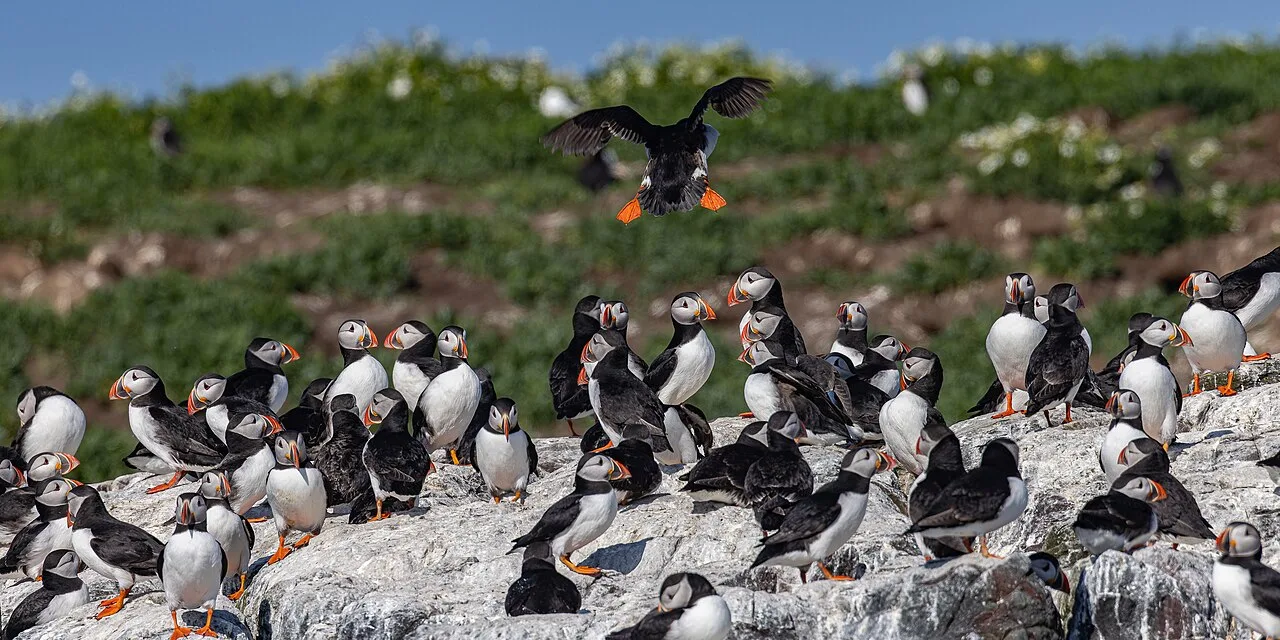
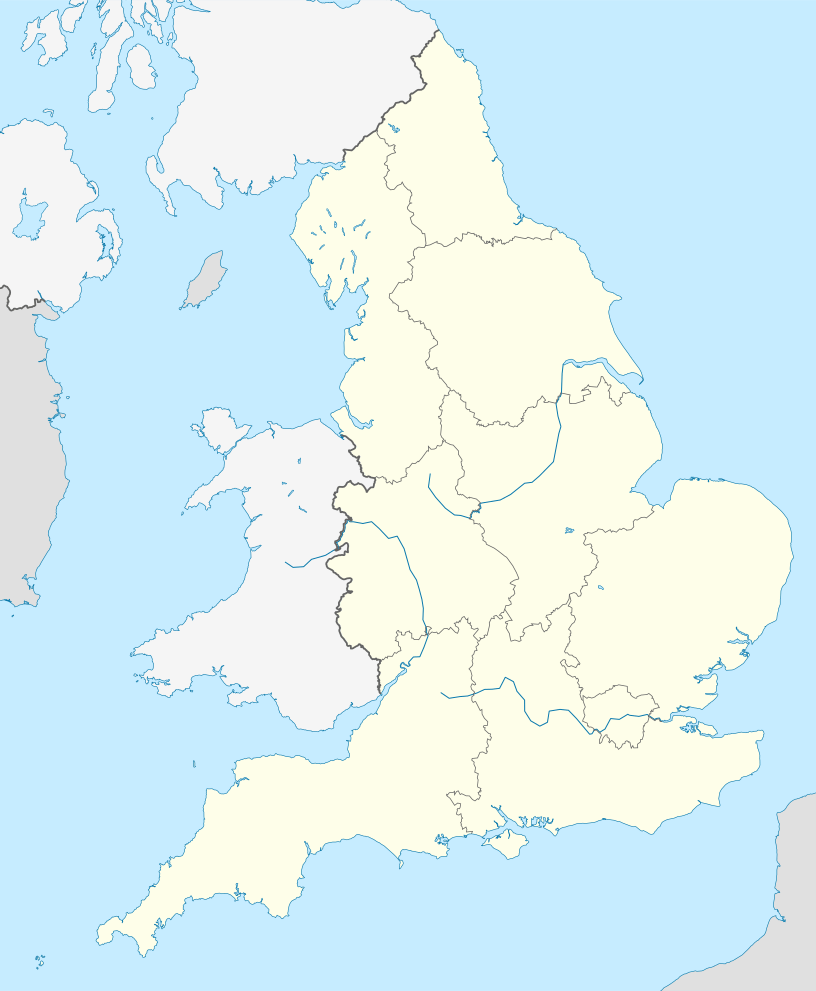
Off Seahouses, Northumberland · mainland departure NE68 7RQ
Puffins, Guillemots, Arctic Terns and Grey Seals reward a boat trip from Seahouses, with Inner Farne landing visits in season.

Decide if the visit fits.
Farne Islands at a glance
Last checked 18 October 2026.
- Open
- 2026 Inner Farne landings April–September, within booked boat shore time.More about open
- Price / parking
- Boat from £32; NT adult landing £13 off-peak / £17 May–July; members land free.More about price / parking
- Best time
- Typically May–July for the breeding seabird coloniesMore about best time
- Dogs
- Dogs, including assistance dogs, are not allowed on the islands…More about dogs
- Toilets
- Inner Farne has limited toilets and no shop; the National Trust…More about toilets
- Step-free
- The National Trust’s 25 March 2026 access statement identifies b…More about step-free
Opening and charges information · checked .
Stay nearby →On this page
Reserve overview
Reserve and habitat
Puffins, Guillemots, Arctic Terns and Grey Seals reward a boat trip from Seahouses, with Inner Farne landing visits in season.
Eight checks for a smoother visit.
Planning your visit
Conditions change: check the operator and transport notices before travelling.
Best time to visit and seasonal birds
January: Inner Farne has no ordinary public landings. Shags and Common Scoters may typically be watched from a booked winter cruise through Inner Sound when a boat operator offers one. Choose a mainland coastal outing if no suitable sailing is published.
February: The colony is outside its normal landing season. Eiders and Shags are typically the useful birds to look for on a weather-permitting cruise through Inner Sound; a summer landing reservation is a different product and gives no winter island access.
March: Guillemots typically begin returning to their cliff ledges before ordinary landing trips start. Watch from an authorised cruise through Inner Sound if available. For the island itself, plan an April–July date and the Lighthouse Cliff viewpoint rather than assuming a March landing.
April: The Jetty boardwalk can bring Eiders and returning Arctic Terns into view during a permitted landing. From Lighthouse Cliff viewpoint compare Guillemots with Shags; the Quarry viewpoint is the public place to watch returning Puffins without stepping onto burrowed ground.
May: Choose Lighthouse Cliff viewpoint for Guillemots, Kittiwakes and Razorbills, then stop beside the Central boardwalk for Sandwich Terns. Arctic Terns share the marked approach: follow the wardens’ route, keep moving where instructed and watch from a position that leaves birds room.
June: The Quarry viewpoint typically offers the most absorbing Puffin watch, while Lighthouse Cliff provides a useful comparison of auk and Kittiwake behaviour. Use binoculars for close birds; the allocated landing time is better spent at two settled stops than trying to cover every corner.
July: Start with Puffins at the Quarry viewpoint and the remaining Guillemots at Lighthouse Cliff. Departures change the colony quickly through the month, with most breeding seabirds leaving by its end. Check the latest operator report before choosing a late-July crossing.
August: Summer auk numbers are greatly reduced. Shags and Herring Gulls at Lighthouse Cliff and Eiders by the Jetty boardwalk are more realistic targets than a full Puffin colony. Turnstones typically begin returning around the rocky shores; keep to the public circuit.
September: Use the South Rocks outlook from the boardwalk for Curlew and passage waders, and compare Shags along Lighthouse Cliff. This is a quieter late-season landing rather than the May–June breeding spectacle. Fit the route to the actual boat allocation and daylight.
October: Ordinary Inner Farne landings have finished. Common Scoters and Shags are typically possible on wildlife cruises through Inner Sound when published and sea conditions permit; island bird records at this time should not be read as an invitation to land independently.
November: The islands are outside the ordinary public landing season and seal breeding adds further disturbance concerns. Look for Shags and passing Common Scoters only from the skipper’s chosen Inner Sound route. A cancelled cruise is a reason to keep the day on the mainland.
December: For a winter boat outing, Shags and Common Scoters around Inner Sound are typically better priorities than expecting summer auks ashore. Land-based views from Lighthouse Cliff and the Quarry remain unavailable to ordinary visitors; choose next year’s published landing dates for those watches.
Best conditions: Our choice is a settled, clear day for a May–June landing. Lighter winds usually make boat travel and sustained cliff watching easier; sea mist can obscure the colony. Morning light typically helps at the south- and west-facing viewpoints, but the boat allocation sets your actual watching time. A moving boat is a binocular watch, not a practical telescope platform.
Opening times, entry and facilities
Book the boat with your chosen Seahouses operator, then obtain a separate National Trust landing ticket at its harbour kiosk or trailer before sailing. Members must show their membership card there too. The Trust does not operate the boats, and a membership card covers island admission rather than the crossing. Prices and their conflicting published off-peak figures are set out together in Boat access. Northumberland County Council’s coastal parking page checked on 18 October 2026 lists Station Yard, Seahouses, at one hour free, two hours £5.50, three hours £7 and all day £10.50. Choose a payment period that covers ticket collection and the walk as well as the sailing. Harbour parking is a separate location with limited space; do not assume its tariff or availability matches Station Yard. National Trust membership does not make these mainland car parks free.
Access times: Reserve: Ordinary Inner Farne landing visits April–September, during the booked boat’s allotted shore time; weather can cancel access. · Hides: No bird hides; the public boardwalk and viewpoints are available only within an authorised landing visit. · Car park: Mainland pay-and-display car parks in Seahouses; their individual opening or locking times are not stated by the island operator. · Dawn access: no. Operator opening information.
Trails, hides and visit length
The National Trust describes a signed Inner Farne walk linking the jetty, chapel and lighthouse area. Make the island landing the centre of the outing rather than an opportunity to roam freely across nesting ground. Rangers may adjust the available path to protect birds or respond to conditions, so choose the walk from the instructions given for that visit. A short physical distance can fill the landing comfortably when you stop to watch flight lines and compare species. Our two-hour plan is for visitors choosing a non-landing cruise of a suitable advertised duration. Collect the required boat ticket, use the cruise to compare cliff ledges with birds resting on the water, and finish with a harbour watch. A standard landing trip needs a longer allowance: do not book a three-hour product and expect it to fit into two hours including parking. The useful planning unit is the actual boat product, not the length of the island path. For a full-day plan, arrive in Seahouses with time to collect both tickets, take an Inner Farne landing trip and walk the open visitor circuit at a patient pace. Alternate looking out to sea with close observation from the path; return to the pickup point when the crew requires. After returning, take a meal break and a mainland coastal walk suited to the remaining weather and daylight. Avoid adding a second island landing unless the operator explicitly offers it. These are our editorial suggestions, not additional hours of access attached to a boat ticket.
Where to watch
Use the linked reserve map and directions with current access notices. Species are typical seasonal targets. Light and telescope advice reflects our choice of viewpoint.
Jetty boardwalkSpring · Summer · Autumn
Landing shore and the adjacent water
Follow the landing briefing; keep the narrow approach clear for other passengers.
Spring: Eider, Arctic Tern, Oystercatcher
Summer: Arctic Tern, Eider
Autumn: Shag, Oystercatcher
Light: either. Scope: not needed.
Chapel courtyard pathSpring · Summer
The public cobbled route and open island ground
Stay on the authorised boardwalk during the allocated landing visit.
Spring: Arctic Tern, Pied Wagtail
Summer: Arctic Tern, Pied Wagtail
Light: either. Scope: not needed.
Central boardwalkSpring · Summer · Autumn
The island meadow, pond outlook and tern area beside the marked route
Stay on the authorised boardwalk during the allocated landing visit.
Spring: Sandwich Tern, Black-headed Gull, Mallard
Summer: Sandwich Tern, Common Tern, Black-headed Gull
Autumn: Teal, Mallard
Light: either. Scope: not needed.
Lighthouse Cliff viewpointSpring · Summer · Autumn
Cliff ledges and sea south of the lighthouse
Stay on the authorised boardwalk during the allocated landing visit.
Spring: Guillemot, Kittiwake, Shag, Fulmar
Summer: Guillemot, Kittiwake, Razorbill, Shag
Autumn: Shag, Herring Gull
Light: morning. Scope: useful.
Quarry viewpointSpring · Summer · Autumn
The marked Puffin-watching route, rock face and sea towards the mainland
Stay on the authorised boardwalk during the allocated landing visit.
Spring: Puffin, Herring Gull
Summer: Puffin, Lesser Black-backed Gull, Great Black-backed Gull
Autumn: Herring Gull, Great Black-backed Gull
Light: morning. Scope: not needed.
South Rocks outlook from the boardwalkSpring · Summer · Autumn
Rocky foreshore below the public island circuit
Stay on the authorised boardwalk during the allocated landing visit.
Spring: Oystercatcher, Ringed Plover, Rock Pipit
Summer: Oystercatcher, Ringed Plover, Rock Pipit
Autumn: Curlew, Dunlin, Turnstone
Light: either. Scope: useful.
Tide: Exposed rocks give more feeding ground on a falling tide; watch from the boardwalk and leave resting groups undisturbed.
Churn foreshore outlookSpring · Summer · Autumn
Rock pools and rocky shore seen from the final boardwalk section
Stay on the authorised boardwalk during the allocated landing visit.
Spring: Eider, Teal, Rock Pipit
Summer: Eider, Rock Pipit
Autumn: Teal, Curlew
Light: either. Scope: useful.
Tide: Keep well back from spray and the blowhole; rising water and swell matter more than a birding timetable.
Boat route through Inner SoundWinter · Spring · Summer · Autumn
Open water and island edges along the skipper’s authorised wildlife cruise
Boat-only viewing; the skipper chooses the route, sea conditions and safe viewing distance.
Winter: Common Scoter, Shag
Spring: Common Scoter, Guillemot, Razorbill
Summer: Puffin, Guillemot, Razorbill
Autumn: Common Scoter, Turnstone, Curlew
Light: either. Scope: not needed.
Tide: The skipper chooses a safe route; no shore crossing or self-guided access between islands.
| Spot | Overlooks | Key species by season | Best light | Scope | Tide |
|---|---|---|---|---|---|
| Jetty boardwalkFollow the landing briefing; keep the narrow approach clear for other passengers. | Landing shore and the adjacent water | Spring: Eider, Arctic Tern, Oystercatcher Summer: Arctic Tern, Eider Autumn: Shag, Oystercatcher | either | not needed | — |
| Chapel courtyard pathStay on the authorised boardwalk during the allocated landing visit. | The public cobbled route and open island ground | Spring: Arctic Tern, Pied Wagtail Summer: Arctic Tern, Pied Wagtail | either | not needed | — |
| Central boardwalkStay on the authorised boardwalk during the allocated landing visit. | The island meadow, pond outlook and tern area beside the marked route | Spring: Sandwich Tern, Black-headed Gull, Mallard Summer: Sandwich Tern, Common Tern, Black-headed Gull Autumn: Teal, Mallard | either | not needed | — |
| Lighthouse Cliff viewpointStay on the authorised boardwalk during the allocated landing visit. | Cliff ledges and sea south of the lighthouse | Spring: Guillemot, Kittiwake, Shag, Fulmar Summer: Guillemot, Kittiwake, Razorbill, Shag Autumn: Shag, Herring Gull | morning | useful | — |
| Quarry viewpointStay on the authorised boardwalk during the allocated landing visit. | The marked Puffin-watching route, rock face and sea towards the mainland | Spring: Puffin, Herring Gull Summer: Puffin, Lesser Black-backed Gull, Great Black-backed Gull Autumn: Herring Gull, Great Black-backed Gull | morning | not needed | — |
| South Rocks outlook from the boardwalkStay on the authorised boardwalk during the allocated landing visit. | Rocky foreshore below the public island circuit | Spring: Oystercatcher, Ringed Plover, Rock Pipit Summer: Oystercatcher, Ringed Plover, Rock Pipit Autumn: Curlew, Dunlin, Turnstone | either | useful | Exposed rocks give more feeding ground on a falling tide; watch from the boardwalk and leave resting groups undisturbed. |
| Churn foreshore outlookStay on the authorised boardwalk during the allocated landing visit. | Rock pools and rocky shore seen from the final boardwalk section | Spring: Eider, Teal, Rock Pipit Summer: Eider, Rock Pipit Autumn: Teal, Curlew | either | useful | Keep well back from spray and the blowhole; rising water and swell matter more than a birding timetable. |
| Boat route through Inner SoundBoat-only viewing; the skipper chooses the route, sea conditions and safe viewing distance. | Open water and island edges along the skipper’s authorised wildlife cruise | Winter: Common Scoter, Shag Spring: Common Scoter, Guillemot, Razorbill Summer: Puffin, Guillemot, Razorbill Autumn: Common Scoter, Turnstone, Curlew | either | not needed | The skipper chooses a safe route; no shore crossing or self-guided access between islands. |
Target species
Month chips show typical presence or our preferred viewing season. Choose birds that suit the time of your visit.
Headline birds
- AprMayJunJul
- AprMayJunJul
- AprMayJunJul
- AprMayJunJul
Regular birds
- AprMayJunJul
- JanFebMarAprMayJunJulAugSepOctNovDec
- AprMayJunJulAug
- JanFebMarAprMayJunJulAugSepOctNovDec
- AprMayJunJul
- MayJunJul
- Black-headed GullCentral boardwalkCentral boardwalkAprMayJunJul
- Herring GullQuarry viewpointQuarry viewpointJanFebMarAprMayJunJulAugSepOctNovDec
- Lesser Black-backed GullQuarry viewpointQuarry viewpointAprMayJunJulAug
- Great Black-backed GullQuarry viewpointQuarry viewpointJanFebMarAprMayJunJulAugSepOctNovDec
- JanFebMarAprMayJunJulAugSepOctNovDec
- AprMayJunJulAugSep
- JanFebMarAprMayJunJulAugSepOctNovDec
- Pied WagtailChapel courtyard pathChapel courtyard pathAprMayJunJulAugSep
- AprMayJunJulAugSep
- AprAugSep
- JanFebMarAprMayJunJulAugSepOctNovDec
- JanFebMarAprAugSepOctNovDec
- AprAugSep
- JanFebMarAprJulAugSepOctNovDec
Tide planning
Choose a landing by the boat operator’s timetable. A falling tide usually exposes more rocky feeding ground, but colony viewing from the marked circuit needs no published minimum tide height. The skipper decides safe landing and cruise conditions; never walk between the islands.
UKHO EasyTide: North Sunderland (Northumberland) · RNLI tide safety
Boat access and landing
Operator: Independent Seahouses operators, including Billy Shiel’s, Serenity and Golden Gate.
Booking opens: Advance booking is recommended; no single 2027 opening date is announced by the National Trust. Season: Inner Farne’s published 2026 landing season is April–September. A 2027 Staple Island reopening is not confirmed; do not buy an island holiday on the assumption it will reopen. Fares: Billy Shiel’s advertises its 2026 Inner Farne trip from £32, excluding the separate island fee; landing fee: National Trust tariff displayed in October 2026: adult £13 / child (5–17) £6.50 in April, August and September; adult £17 / child £8.50 in May–July. Members and under-fives land free. The boat company still displays a conflicting off-peak adult £11.35; obtain the Trust’s current harbour-kiosk price before payment.
Time ashore: Billy Shiel’s describes one hour on Inner Farne within a 2½–3-hour trip. A boat circuit does not include unlimited island access. Landing access: Follow the crew to the designated jetty and ranger-approved route; see Accessibility for boarding and path constraints. Weather policy: Landing is at the skipper’s discretion. Billy Shiel’s may substitute a non-landing cruise if landing is unsafe; read the conditions for the precise product before paying. National Trust landing-ticket refunds are handled separately at its harbour point
Accessibility and step-free routes
The National Trust’s 25 March 2026 access statement identifies boat boarding and disembarkation steps without a handrail; the number and arrangement depend on the tide. Discuss the exact vessel and boarding point with the boat company, including balance, transfer and assistance needs. A vessel described as having wheelchair access does not establish that a landing on Inner Farne is possible for that passenger. On the island, the statement describes a two-metre-wide boardwalk without a handrail, gaps between slats, slippery or uneven surfaces and relatively steep sections between the jetty, chapel and lighthouse. It gives an approximate 600-metre circuit. There is no accessible toilet on Inner Farne. Those details belong in the decision about whether to land, rather than being discovered after the boat has left Seahouses. National Trust staff can assist visitors at ground level outside the harbour admission point. Book any required help with the boat operator and discuss a non-landing trip if transfers or the island route are unsuitable. Leave extra time for a steady return to the pickup point; the availability of seating on shore does not remove the demands of the transfer.
Visitor facilities
Inner Farne has limited toilets and no shop; the National Trust shop is in Seahouses. Bring drinking water, food and a small bag for taking rubbish back. Some boats have toilets, but provision varies by vessel, so establish that before choosing a longer cruise. Seahouses also has public toilets by the main visitor car park. A mainland meal after returning is easier to arrange than relying on refreshments during the island landing.
Dog rules
Dogs, including assistance dogs, are not allowed on the islands under the National Trust’s colony-protection rules. Boat-company policies differ for non-landing cruises and waiting aboard. Confirm the exact arrangement with the company before booking; do not assume that a dog-friendly vessel makes its landing trip suitable.
Public transport and getting there
Seahouses harbour is the boat departure point. The National Trust identifies Alnmouth and Berwick as the more useful rail gateways; Chathill has a limited service and no Sunday trains in its published visitor advice. Plan the station-to-harbour connection against the operator’s ticket-collection time as well as the sailing. A fast mainline arrival is of little use if the coastal bus misses the check-in. Arriva’s X18 serves Seahouses on the Newcastle–Berwick coastal corridor, and its current operator timetable is the source to use for the chosen travel date. The National Trust also lists service 418 between Alnwick and Berwick, but confirm the current operator schedule before using that alternative. For early departures or an unsuitable Sunday connection, arrange a taxi from the rail station. Save a return option after disembarkation, allowing for weather-related changes rather than booking the last possible connection.
Useful bases for an early start.
Where to stay
Booking.com links are affiliate links: we may earn a commission at no extra cost to you. How these links work.
- 01
Seahouses
About 0.1 miles by road, roughly 0.7 minutes’ drive from Seahouses OS Open Names settlement centre (near NE68 7SJ) to Seahouses RNLI lifeboat station, harbour-side road endpoint. OSRM / OpenStreetMap estimate measured 18 October 2026, excluding traffic, parking and check-in. For a central Seahouses stay, walking is more practical than this very short road transfer.
Measured driving route · 2026-10-18. Map estimates exclude live traffic.
Staying in the boat departure villageFind places to stay in Seahouses on Booking.com - 02
Bamburgh
About 3.2 miles by road, roughly 6.0 minutes’ drive from Bamburgh OS Open Names settlement centre to Seahouses RNLI lifeboat station, harbour-side road endpoint. OSRM / OpenStreetMap estimate measured 18 October 2026, excluding traffic, parking and check-in.
Measured driving route · 2026-10-18. Map estimates exclude live traffic.
A nearby coastal base north of the harbourFind places to stay in Bamburgh on Booking.com - 03
Beadnell
About 2.3 miles by road, roughly 4.8 minutes’ drive from Beadnell OS Open Names settlement centre to Seahouses RNLI lifeboat station, harbour-side road endpoint. OSRM / OpenStreetMap estimate measured 18 October 2026, excluding traffic, parking and check-in.
Measured driving route · 2026-10-18. Map estimates exclude live traffic.
A nearby coastal base south of SeahousesFind places to stay in Beadnell on Booking.com
Explore Northumberland’s full guides and smaller birding sites
Official sightings, safety and contact
Contact the National Trust at farneislands@nationaltrust.org.uk for island access and conservation restrictions. Address boat bookings, vessel facilities, boarding assistance and cancellations to the company selling your chosen trip. Keep its confirmation available offline so that a different boat hut does not send you to the wrong vessel. For a group, agree the sailing arrangement before choosing mainland accommodation; for a mobility-dependent visit, describe your needs rather than asking only whether the trip is accessible.
Recent bird sightings
Check National Trust Farne Islands monitoring — 2026 tern report. annual monitoring reports; this is not a daily sightings feed Reports show what has been seen, not what will be.
- National Trust Farne Islands monitoring — 2026 tern reportoperator · updated annual monitoring reports; this is not a daily sightings feed
- Northumberland and Tyneside Bird Club — public bird reportscounty club or recorder · updated irregular; countywide reports and reposts
Birding sources
- National Trust visitor seasons and access
- National Trust official boardwalk and viewpoint map
- National Trust landing and boat guidance
- National Trust 2026 tern monitoring report
- National Trust 2025 seabird monitoring report
- Farne ranger systematic report 2020 in Northumbrian Naturalist
- County club official social accounts
- Northumberland and Tyneside Bird Club reports
- UKHO official tide-station catalogue
Follow the BTO Birders’ Code and give wildlife space.
Questions visitors ask
Is Farne Islands free to visit?
Farne Islands: Boat from £32; NT adult landing £13 off-peak / £17 May–July; members land free.
Can I take my dog to Farne Islands?
Farne Islands: Dogs, including assistance dogs, are not allowed on the islands under the National Trust’s colony-protection rules.
When is the best time to visit Farne Islands?
Farne Islands: Typically May–July for the breeding seabird colonies.
Is Farne Islands accessible for wheelchairs?
Farne Islands: A vessel described as having wheelchair access does not establish that a landing on Inner Farne is possible for that passenger.
How do I get to Farne Islands without a car?
Farne Islands: Seahouses harbour is the boat departure point.
Best months for this reserve
Nearby complete guides.
Bird reserves
Stops with a purpose: use one as a contrasting habitat or weather-proof Plan B. Distances are straight-line estimates, not road journeys.
- About 7 miles away · A useful habitat changeLindisfarne National Nature ReserveWinter wildfowl · spring breeding birds · autumn migration
- About 44 miles away · A useful habitat changeKielder Water ospreysTypically April–August for ospreys · reservoir walks year-round
- About 50 miles away · A useful habitat changeWWT WashingtonSpring heronry and breeding waders · autumn migration · winter Curlew roost