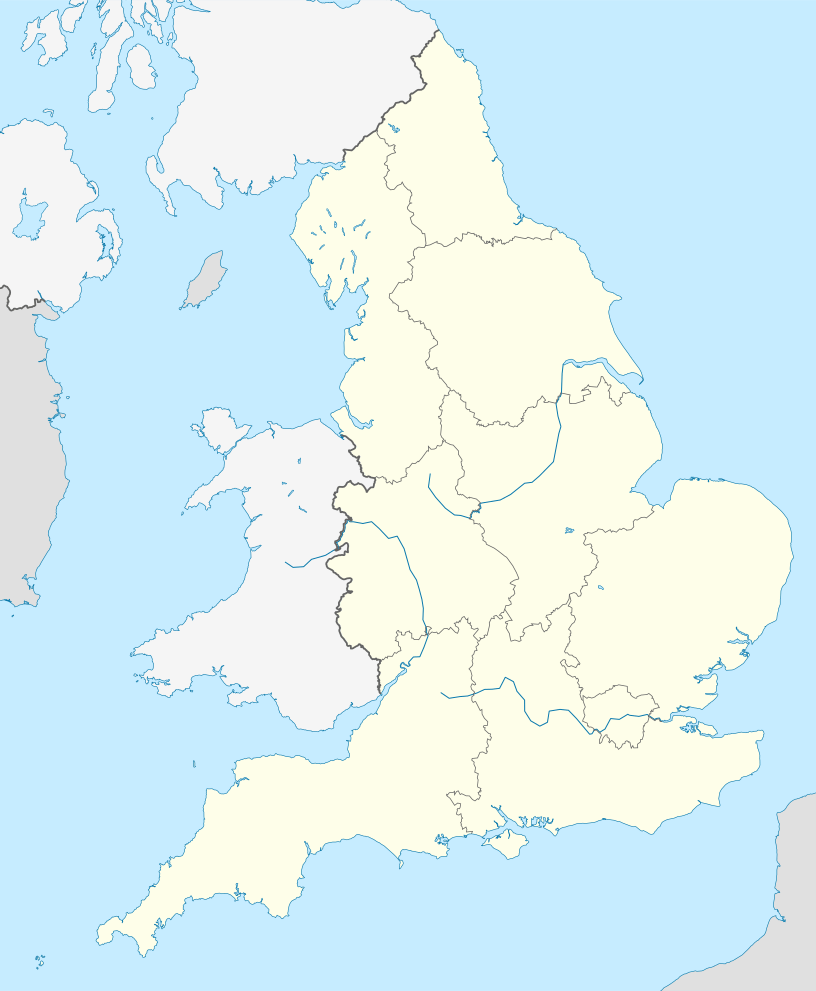
Short entry4.7 miles away
Rainton Meadows
Houghton-le-Spring, Sunderland · Lakes, wetland, grassland and restored woodland
 the ai birderBirding near me
The AI Birder · one-page field sheet
Pattinson, Washington, Tyne and Wear, England · NE38 8LE · NE38 8LE

Current planning alert (2026-10-09): Washington is closed on Wednesdays and Thursdays during September and October, except October half-term. From November to January it opens Friday–Sunday, with the published Christmas-holiday exceptions.
Curlew · Kingfisher · Willow Tit · Bullfinch · Treecreeper · Great Spotted Woodpecker
Northumbrian Water Hide · Paddy Fleming Hide · Diageo Hide · Vic Robins Hide · Hawthorn Wood Hide · Lagoon View Hide · River viewpoint · Window on the Wear 1 · Window on the Wear 2 · The Lookout · Hollowood Reedbed shelter · Lagoon meadow viewpoint
Check current access, hide closures and operator notices before travelling. Seasonal birds are possibilities, not promised sightings. Keep to authorised routes and give wildlife space.
Opening and charges checked 2026-10-18. Operator: https://www.wwt.org.uk/wetland-centres/washington
Full guide and current source links: https://aibirder.co.uk/reserves/wwt-washington
EN 13 · WWT reserve guide
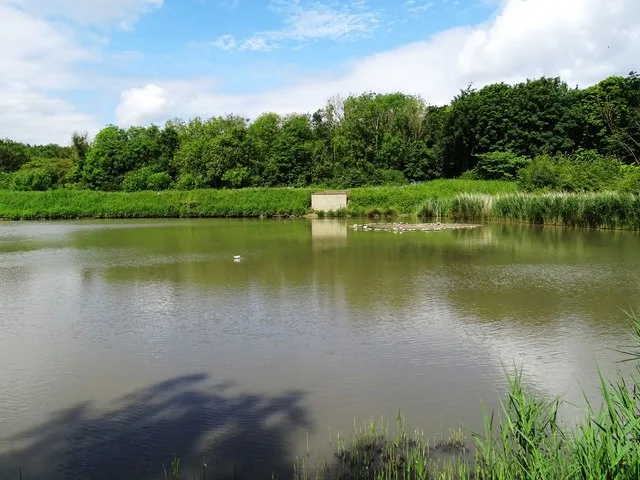
Pattinson, Washington, Tyne and Wear, England · NE38 8LE
Wader Lake supports breeding Avocets and Common Terns, a busy Grey Heron colony and one of the UK's largest inland freshwater Curlew roosts, while woodland hides add Willow Tits, woodpeckers and winter finches.
Decide if the visit fits.
Last checked 18 October 2026.
Washington is closed on Wednesdays and Thursdays during September and October, except October half-term. From November to January it opens Friday–Sunday, with the published Christmas-holiday exceptions.
Opening and charges information · checked .
Stay nearby →Reserve overview
Wader Lake supports breeding Avocets and Common Terns, a busy Grey Heron colony and one of the UK's largest inland freshwater Curlew roosts, while woodland hides add Willow Tits, woodpeckers and winter finches.
Eight checks for a smoother visit.
Conditions change: check the operator and transport notices before travelling.
January: Typically give Hawthorn Wood Hide a patient winter watch for Bullfinch and Treecreeper, then try Paddy Fleming Hide for Teal. January now has restricted opening days: confirm the actual date before travelling to a closed centre.
February: Usually compare Bullfinch and Great Spotted Woodpecker from Hawthorn Wood Hide with Curlew from Paddy Fleming Hide. The seasonal opening table has February exceptions around half-term, so use the operator calendar rather than assuming a daily admission.
March: Typically Lapwing and Oystercatcher become conspicuous from Northumbrian Water Hide, with Avocet possible from Paddy Fleming Hide. Watch through the windows without following birds towards the breeding islands or meadow.
April: Usually combine Avocet from Paddy Fleming Hide with Common Tern from Diageo Hide as arrivals build. A quiet morning and a change of viewing angle are more useful than expecting every seasonal target on one visit.
May: Typically watch Common Tern from Diageo Hide and Avocet from Vic Robins Hide. The four Wader Lake hides view the same shifting bird population; choose a comfortable angle instead of treating each as a guaranteed species stop.
June: Usually the lake deserves time for Common Tern and Grey Heron from Diageo Hide, followed by Great Spotted Woodpecker at Hawthorn Wood Hide. No nest location beyond official public hides is supplied.
July: Typically try Lagoon View Hide for Kingfisher and Little Egret, then watch Willow Tit at Hawthorn Wood Hide. These are feeding and fly-past opportunities; do not inspect riverbanks or enter cover searching for a nest.
August: Usually passage adds variety to Wader Lake: Greenshank from Diageo Hide and Black-tailed Godwit from Paddy Fleming Hide. Actual August2026 reports support this seasonal interest without promising that a reported group remains.
September: Typically give Lagoon View Hide a long quiet watch for Kingfisher, adding Teal and Snipe from Paddy Fleming Hide. Check the tide as well as water levels; river and lagoon views change over a visit.
October: Usually combine Kingfisher from Window on the Wear2 with Redshank from Lagoon View Hide. October2026 operator reports also show how quickly small waders change; rare visitors are not promoted to routine targets.
November: Typically Curlew becomes the main open-water spectacle from Paddy Fleming Hide while Bullfinch rewards Hawthorn Wood Hide. November–January currently opens Friday–Sunday only, with stated holiday exceptions; ordinary dusk access must not be assumed.
December: Usually choose a comfortable inner circuit: Bullfinch and Long-tailed Tit from Hawthorn Wood Hide, then Teal from Northumbrian Water Hide. Leave enough time for the4.30pm closing rather than waiting beyond admission hours for a roost.
Best conditions: Our choice is a calm day combining Wader Lake with a quiet woodland watch, adding the tidal lagoon when the operator recommends it. A telescope helps distant river birds; binoculars are enough at the feeding stations. Light and scope ratings are editorial. Use a different hide if glare obscures the lake, and leave before closing rather than waiting outside permitted hours.
2026 prices checked 18 October: advance online tickets without the optional Gift Aid addition are adult £11.07, junior aged 3–17 £7.20, concession or young adult aged 18–24 £9.90 and a two-adult/two-child family £31.05. On-the-day equivalents are £12.30, £8, £11 and £34.50. Under-threes and carers assisting a disabled visitor enter free. Advance online prices require booking before midnight the previous day. There is no visitor parking charge at WWT Washington. Opening hours are 10am–5.30pm April–October and 10am–4.30pm November–March, with last entry an hour before closing. Seasonal days are crucial: March–August opens daily; September–October and February normally close Wednesday–Thursday, with half-term exceptions; November–January normally opens Friday–Sunday, plus 27 December–3 January, and closes Christmas Day and Boxing Day. Check WWT's dated operating information before travel, particularly around school holidays. A paid activity or event can have its own booking arrangements, so read the specific ticket rather than assuming general admission includes it.
Access times: Reserve: April–October10am–5.30pm, last entry4.30pm; November–March10am–4.30pm, last entry3.30pm. Seasonal opening DAYS also apply; see linked table. September–October and February normally Monday,Tuesday,Friday–Sunday; November–January normally Friday–Sunday; March–August daily. Half-term and stated winter-holiday exceptions apply. · Hides: During reserve visitor hours unless WWT explicitly advertises different access; no general dawn or after-closing roost access. · Car park: Use the visitor car park during the open visit; no separate public overnight or dawn entitlement was verified. · Dawn access: no. Operator opening information.
Wader Lake is the main open-water birdwatching area, with the Northumbrian Water, Paddy Fleming, Diageo and Vic Robins hides shown on the current map. Walk to a viewpoint, settle and study the different feeding zones before moving to another angle. Birds at the far edge may be easier to identify from a second hide than through higher magnification from the first. Hawthorn Wood hide and The Lookout switch the emphasis to woodland birds. The river viewpoint and Lagoon View hide add the Wear and saline-lagoon landscape, while the reedbeds and ponds reward slower observation between the headline stops. Keep the main map to hand: the collection exhibits, woodland and wild-bird reserve provide different experiences, and walking straight to every attraction can crowd out time in a hide. Two-hour plan, editorial suggestion: devote the first hour to one Wader Lake hide, with enough time to distinguish herons, ducks and waders by behaviour. Spend the next half-hour at Hawthorn Wood, then use the remaining time to retrace the most promising area and leave comfortably. This gives two complementary habitats without turning the outing into a hurried circuit. Full-day plan, editorial suggestion: begin at the lake, explore the river viewpoint and lagoon sector when conditions suit, then break for lunch. Spend the afternoon in woodland and at the ponds before returning to the lake to compare activity with the morning. In the colder months, arrange the sequence so the final legal viewing period coincides with the seasonal roost interest. In summer, use the warmer spell for dragonflies and flowering meadows. Neither plan depends on a rare bird or a wildlife count: the attraction is watching several connected habitats at a measured pace.
Use the linked reserve map and directions with current access notices. Species are typical seasonal targets. Light and telescope advice reflects our choice of viewpoint.
Wader Lake and its open-water edges
Official Wader Lake hide; keep to signed paths and check daily closures.
Winter: Curlew, Teal, Redshank, Snipe, Shoveler
Spring: Avocet, Lapwing, Oystercatcher
Summer: Avocet, Common Tern, Grey Heron
Autumn: Lapwing, Teal, Redshank, Black-tailed Godwit, Greenshank
Light: either. Scope: useful.
Wader Lake mud and islands
One of four official lake hides; choose the angle that avoids glare.
Winter: Curlew, Teal, Redshank, Snipe, Shoveler
Spring: Avocet, Lapwing, Oystercatcher
Summer: Avocet, Common Tern, Grey Heron
Autumn: Lapwing, Teal, Redshank, Black-tailed Godwit, Greenshank
Light: either. Scope: useful.
Wader Lake and adjoining meadow
Use the mapped public hide; no access across the islands or meadow.
Winter: Curlew, Teal, Redshank, Snipe, Shoveler
Spring: Avocet, Lapwing, Oystercatcher
Summer: Avocet, Common Tern, Grey Heron
Autumn: Lapwing, Teal, Redshank, Black-tailed Godwit, Greenshank
Light: either. Scope: useful.
Wader Lake from its eastern-side hide
Map-confirmed hide; birds move around the lake, so a sighting from one hide does not fix their location.
Winter: Curlew, Teal, Redshank, Snipe, Shoveler
Spring: Avocet, Lapwing, Oystercatcher
Summer: Avocet, Common Tern, Grey Heron
Autumn: Lapwing, Teal, Redshank, Black-tailed Godwit, Greenshank
Light: either. Scope: useful.
Woodland feeding station
WWT describes this hide as fully accessible; use the main mapped approach.
Winter: Bullfinch, Great Spotted Woodpecker, Treecreeper, Long-tailed Tit, Coal Tit
Spring: Bullfinch, Great Spotted Woodpecker
Summer: Great Spotted Woodpecker, Willow Tit
Autumn: Bullfinch, Long-tailed Tit
Light: either. Scope: not needed.
Saline lagoon and river-side reed edge
Use the official enclosed hide; never enter the lagoon or investigate a kingfisher bank.
Winter: Redshank, Kingfisher
Spring: Little Egret, Grey Heron
Summer: Little Egret, Lapwing
Autumn: Kingfisher, Redshank, Little Egret
Light: either. Scope: useful.
Tide: The tidal Wear affects the lagoon; use operator advice on the day, not a guessed local lag.
River Wear from the mapped public viewpoint
Official viewpoint; riverbank gradient and closures must be assessed from current signs.
Winter: Teal, Tufted Duck
Spring: Grey Heron, Little Egret
Summer: Little Egret, Cormorant
Autumn: Cormorant, Little Egret
Light: either. Scope: essential.
Tide: Scan the changing river edge while keeping back from the bank.
River Wear through the first mapped viewing window
Mapped river window; river-wide reports support a public scanning choice rather than a fixed perching bird.
Winter: Teal
Summer: Little Egret
Autumn: Cormorant
Light: either. Scope: useful.
River Wear through the second viewing window
The operator identifies this window as a Kingfisher opportunity; stay behind the viewing point.
Winter: Kingfisher
Spring: Kingfisher
Summer: Kingfisher
Autumn: Kingfisher
Light: either. Scope: useful.
Lookout feeding station and adjoining woodland
Mapped shelter and official feeding station; do not follow birds into nesting cover.
Winter: Willow Tit
Summer: Willow Tit
Autumn: Willow Tit
Light: either. Scope: not needed.
The mapped Hollowood reedbed shelter
Official map confirms this shelter. Reviewed species records did not distinguish this reedbed from the site’s other reedbed; no invented bird association is supplied.
Light: either. Scope: useful.
Lagoon meadow grass and muddy feeding ground
Operator-described meadow viewpoint; use the marked public approach and avoid disturbing feeding birds.
Winter: Curlew
Autumn: Curlew
Light: either. Scope: useful.
| Spot | Overlooks | Key species by season | Best light | Scope | Tide |
|---|---|---|---|---|---|
| Northumbrian Water HideOfficial Wader Lake hide; keep to signed paths and check daily closures. | Wader Lake and its open-water edges | Winter: Curlew, Teal, Redshank, Snipe, Shoveler Spring: Avocet, Lapwing, Oystercatcher Summer: Avocet, Common Tern, Grey Heron Autumn: Lapwing, Teal, Redshank, Black-tailed Godwit, Greenshank | either | useful | — |
| Paddy Fleming HideOne of four official lake hides; choose the angle that avoids glare. | Wader Lake mud and islands | Winter: Curlew, Teal, Redshank, Snipe, Shoveler Spring: Avocet, Lapwing, Oystercatcher Summer: Avocet, Common Tern, Grey Heron Autumn: Lapwing, Teal, Redshank, Black-tailed Godwit, Greenshank | either | useful | — |
| Diageo HideUse the mapped public hide; no access across the islands or meadow. | Wader Lake and adjoining meadow | Winter: Curlew, Teal, Redshank, Snipe, Shoveler Spring: Avocet, Lapwing, Oystercatcher Summer: Avocet, Common Tern, Grey Heron Autumn: Lapwing, Teal, Redshank, Black-tailed Godwit, Greenshank | either | useful | — |
| Vic Robins HideMap-confirmed hide; birds move around the lake, so a sighting from one hide does not fix their location. | Wader Lake from its eastern-side hide | Winter: Curlew, Teal, Redshank, Snipe, Shoveler Spring: Avocet, Lapwing, Oystercatcher Summer: Avocet, Common Tern, Grey Heron Autumn: Lapwing, Teal, Redshank, Black-tailed Godwit, Greenshank | either | useful | — |
| Hawthorn Wood HideWWT describes this hide as fully accessible; use the main mapped approach. | Woodland feeding station | Winter: Bullfinch, Great Spotted Woodpecker, Treecreeper, Long-tailed Tit, Coal Tit Spring: Bullfinch, Great Spotted Woodpecker Summer: Great Spotted Woodpecker, Willow Tit Autumn: Bullfinch, Long-tailed Tit | either | not needed | — |
| Lagoon View HideUse the official enclosed hide; never enter the lagoon or investigate a kingfisher bank. | Saline lagoon and river-side reed edge | Winter: Redshank, Kingfisher Spring: Little Egret, Grey Heron Summer: Little Egret, Lapwing Autumn: Kingfisher, Redshank, Little Egret | either | useful | The tidal Wear affects the lagoon; use operator advice on the day, not a guessed local lag. |
| River viewpointOfficial viewpoint; riverbank gradient and closures must be assessed from current signs. | River Wear from the mapped public viewpoint | Winter: Teal, Tufted Duck Spring: Grey Heron, Little Egret Summer: Little Egret, Cormorant Autumn: Cormorant, Little Egret | either | essential | Scan the changing river edge while keeping back from the bank. |
| Window on the Wear 1Mapped river window; river-wide reports support a public scanning choice rather than a fixed perching bird. | River Wear through the first mapped viewing window | Winter: Teal Summer: Little Egret Autumn: Cormorant | either | useful | — |
| Window on the Wear 2The operator identifies this window as a Kingfisher opportunity; stay behind the viewing point. | River Wear through the second viewing window | Winter: Kingfisher Spring: Kingfisher Summer: Kingfisher Autumn: Kingfisher | either | useful | — |
| The LookoutMapped shelter and official feeding station; do not follow birds into nesting cover. | Lookout feeding station and adjoining woodland | Winter: Willow Tit Summer: Willow Tit Autumn: Willow Tit | either | not needed | — |
| Hollowood Reedbed shelterOfficial map confirms this shelter. Reviewed species records did not distinguish this reedbed from the site’s other reedbed; no invented bird association is supplied. | The mapped Hollowood reedbed shelter | — | either | useful | — |
| Lagoon meadow viewpointOperator-described meadow viewpoint; use the marked public approach and avoid disturbing feeding birds. | Lagoon meadow grass and muddy feeding ground | Winter: Curlew Autumn: Curlew | either | useful | — |
Month chips show typical presence or our preferred viewing season. Choose birds that suit the time of your visit.
WWT’s dated reports explicitly record high-tide arrivals on Wader Lake and the lagoon. Check the Sunderland prediction with staff and use official hides; no exact upstream lag or arrival interval is supplied. The operator mentions a5m lagoon-flooding threshold without identifying its datum or prediction port, so that number is not used to plan a visit here.
Season: Typically autumn and winter for Curlew using Wader Lake.. Arrival time: Watch during the published admission period; do not assume a dusk roost can be watched after the centre closes. Ask WWT about any separately advertised late event.. Choose a permitted open day and use the visitor car park. Normal admission and any separately advertised event booking govern access; no annual roost event or count is invented.
The site occupies a slope, with tarmac on the inner paths; WWT's admissions team can help identify routes that avoid the steeper gradients. Most reserve hides have step-free entry, and Hawthorn Wood hide has a large viewing window intended for mobility-aid users. Some wider-reserve routes include tension gates, which can require assistance. Six designated accessible parking bays are available, and vehicles can use the road to the left of the footpath to drop visitors beside the main building. A manual wheelchair and three mobility scooters are available to borrow without a hire charge, with advance telephone booking requested. Accessible toilets include one on the reserve between the otter exhibit and Northumbrian Water hide; the centre also provides low-height baby changing. Read the detailed accessibility statement and visual guide for the route you intend to follow, rather than treating step-free hide entry as proof of an entirely level approach. If using a scooter, describe its turning and range requirements before choosing a full circuit. Allow energy for the uphill return and let rest stops shape the length of the visit, especially if paths are wet or windy.
Waterside Café offers refreshments and hot food, with indoor space for a break between watches; the visitor centre also has a gift shop. WWT publishes café closing at 5pm in summer and 4pm in winter, with hot food finishing at 3pm, on centre operating days. There are picnic opportunities, play areas and collection exhibits alongside the wild reserve. Bring binoculars for comparing birds across the water and a telescope if you prefer extended lake watches. Keep bags away from paths and leave the hide benches available for people watching wildlife.
Pet dogs and other pets are excluded from the centre. Trained assistance dogs are welcomed on leads and under control, but cannot enter the Close Encounters and Ganderland walk-through exhibits. Handlers may be redirected if an animal's behaviour is affected. Plan the permitted route beforehand and arrange care for pets elsewhere; WWT specifically asks visitors never to leave dogs in parked cars during a visit.
Go North East publishes routes 8 and 81 through Waterview Park, the government-building stop area identified by WWT for access to the centre. From there, follow the short lane approach described in the operator's directions. Consult the service timetable for your particular weekday or weekend and check the direction of the return stop; do not assume every journey on the route follows the same branch. Sunderland provides a rail and Metro arrival option, followed by the appropriate bus connection towards Waterview Park. Newcastle and Gateshead also offer interchange choices, so use the journey planner to compare the complete trip rather than selecting a station solely for a fast train. Leave margin between the last hide session and your bus departure. Cyclists can use the Coast to Coast route and River Wear trail, and WWT provides cycle racks. If a taxi is the better final leg, reserve the return collection for the visitor entrance at Pattinson, giving NE38 8LE and the centre name. A town-centre Washington drop-off still leaves a separate journey to the reserve.
Useful bases for an early start.
Booking.com links are affiliate links: we may earn a commission at no extra cost to you. How these links work.
About 2.7 miles by road, roughly 6 minutes' drive from the measured central base to WWT Washington; OSRM/OpenStreetMap estimate measured 18 October 2026, excluding traffic and parking.
Measured driving route · 2026-10-18. Map estimates exclude live traffic.
A local base that keeps the first and last viewing periods easy to reach.Find places to stay in Washington on Booking.comAbout 5.9 miles by road, roughly 12 minutes' drive from the measured central base to WWT Washington; OSRM/OpenStreetMap estimate measured 18 October 2026, excluding traffic and parking.
Measured driving route · 2026-10-18. Map estimates exclude live traffic.
Rail and Metro arrivals, with a planned bus connection to Waterview Park.Find places to stay in Sunderland on Booking.comAbout 9.7 miles by road, roughly 20 minutes' drive from the measured central base to WWT Washington; OSRM/OpenStreetMap estimate measured 18 October 2026, excluding traffic and parking.
Measured driving route · 2026-10-18. Map estimates exclude live traffic.
A city stay with regional transport links and a separate wetland day.Find places to stay in Newcastle on Booking.comExplore Tyne and Wear’s full guides and smaller birding sites
Telephone 0191 4165454 or email info.washington@wwt.org.uk for visit enquiries. For equipment hire, a group outing or a specific access requirement, make contact before purchasing travel so the team can match the arrangement to an open day. WWT publishes a dated wildlife sightings page, useful for deciding whether to begin with the lake, woodland or another open area. The current map should guide the route if older articles use a previous hide name. For a winter roost outing, enquire about any separately advertised extended-access event and its finishing time; a seasonal description of dusk arrivals does not itself extend the ordinary admission day.
Check WWT Washington: dated warden sightings. most open days Reports show what has been seen, not what will be.
Follow the BTO Birders’ Code and give wildlife space.
WWT Washington: Adult £11.07 advance/£12.30 on day without Gift Aid; visitor parking free.
WWT Washington: Pet dogs and other pets are excluded from the centre.
WWT Washington: Spring heronry and breeding waders · autumn migration · winter Curlew roost.
WWT Washington: Most reserve hides have step-free entry, and Hawthorn Wood hide has a large viewing window intended for mobility-aid users.
WWT Washington: Go North East publishes routes 8 and 81 through Waterview Park, the government-building stop area identified by WWT for access to the centre.
Shorter stops within 15 miles in a straight line. Use the operator’s arrival directions for the journey.
Houghton-le-Spring, Sunderland · Lakes, wetland, grassland and restored woodland
Coast between South Shields and Whitburn · Sea cliffs, coastal grassland, rocky shore and coastal wetland
Rising Sun Country Park, Benton · Local nature reserve ponds, reedbeds, woodland and grassland
Blaydon, Gateshead · Spring-fed pond, wet margins, willow scrub and grassland
Between Wide Open and Dudley, North Tyneside · Grassland, scrub, reedbed, woodland and restored colliery slopes
Mainland coast opposite St Mary’s Island, Whitley Bay · Rocky shore, coastal wetland, grassland and intertidal margins
North of Holywell village, approached from East Grange · Pond, grassland, reedmace, woodland and scrub
Brunswick Village, Newcastle upon Tyne · Subsidence lake, reedbed, waterside trees and scrub
Nearby complete guides.
Stops with a purpose: use one as a contrasting habitat or weather-proof Plan B. Distances are straight-line estimates, not road journeys.