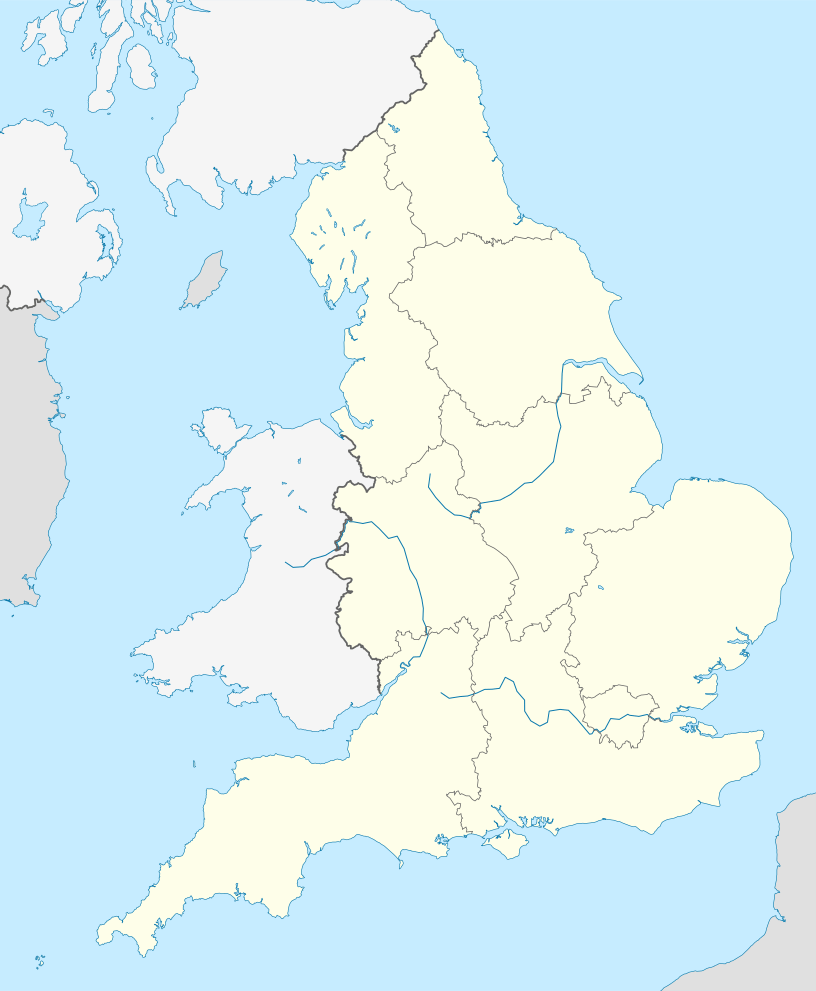
Short entry3.5 miles away
Teesmouth: North Gare and Seaton Common
North Gare, south of Seaton Carew · Dunes, grazing marsh and coastal edge
 the ai birderBirding near me
The AI Birder · one-page field sheet
Haverton Hill, Teesside, England · TS2 1TU · TS2 1TU

Water Rail · Gadwall · Tufted Duck
Saltholme Pools Hide · Wildlife Watchpoint · Paddy's Pool Hide · Phil Stead Hide · Visitor centre viewing gallery · Haverton Viewpoint · Jubilee Mound · Dragonfly Path viewing screens
Check current access, hide closures and operator notices before travelling. Seasonal birds are possibilities, not promised sightings. Keep to authorised routes and give wildlife space.
Opening and charges checked 2026-10-18. Operator: https://www.rspb.org.uk/days-out/reserves/saltholme
Full guide and current source links: https://aibirder.co.uk/reserves/rspb-saltholme
EN 28 · RSPB reserve guide
Haverton Hill, Teesside, England · TS2 1TU
Common Terns, Avocets, Wigeon and wetland raptors
Decide if the visit fits.
Last checked 18 October 2026.
Opening and charges information · checked .
Stay nearby →Reserve overview
Common Terns, Avocets, Wigeon and wetland raptors
Eight checks for a smoother visit.
Conditions change: check the operator and transport notices before travelling.
January: Typically winter duck and grassland watching is the stronger plan. Compare Saltholme Pools Hide for Wigeon, Teal and Pochard with Paddy's Pool for Lapwing or Golden Plover. Take a scope for the farther birds and keep a shorter circuit if wind makes the exposed paths uncomfortable.
February: Use the main gallery for an overview before choosing a sheltered hide. Gadwall and Tufted Duck are established local birds, while the pools can add winter Teal or Pintail. A published dawn observation elsewhere does not create access here before the operator's gates open.
March: Water Rail is a patient reedbed aim from the Wildlife Watchpoint habitat, while resident ducks remain useful from the gallery. Spring arrivals are still weather-dependent. Check the welcome desk before adding any seasonal trail, and avoid interpreting a species name on a trail as an assurance of a bird.
April: Actual April operator observations support Little and Great White Egrets at Wildlife Watchpoint, Pintail at Paddy's, and Ruff or Little Ringed Plover at Saltholme Pools. This is a choice of verified public views, not a promise to repeat the reported day. Stay on the marked routes between hides.
May: Typically Common Tern and Sand Martin watching strengthens from the main gallery, while Avocet is an operator-supported summer aim at Saltholme Pools. Listen for reedbed warblers from permitted paths. The official facilities supply the appropriate public view; no breeding island or reedbed approach is part of the plan.
June: Use Saltholme Pools Hide for Avocet and the main gallery for Common Tern or Great Crested Grebe. Wildlife Watchpoint adds a reedbed listening option for Reed and Sedge Warblers. Give birds room to carry on naturally and keep camera equipment inside the public viewing space.
July: Summer watching can centre on the main gallery's Common Tern activity and the reedbed views at Wildlife Watchpoint. Choose a quiet spell for Reed Warbler and a wider scan for the resident ducks. The rough seasonal Wilderness Trail is an optional walking choice, subject to signs and conditions.
August: Typically return waders make Saltholme Pools Hide worth a longer scan. Ruff, Dunlin and Black-tailed Godwit are supported autumn aims in the county guide, but water level determines which feeding margins are available. Start with the obvious birds and work steadily across the view rather than chasing a reported rarity.
September: Compare Saltholme Pools Hide and the Dragonfly Path screens for changing water-edge views. Black-tailed Godwit, Ruff or Dunlin can make an autumn watch rewarding, without any promise of their presence on a particular day. Use the main gallery as a sheltered fallback when visibility deteriorates.
October: Resident Gadwall and Tufted Duck provide a sensible starting point from the gallery while autumn changes unfold. The county guide describes passage swans and geese as brief visitors, so no flock is promised. A longer watch is useful only while the weather, light and closing time allow it.
November: Typically the winter focus returns to Wigeon, Teal and grassland flocks. Saltholme Pools and Paddy's Pool offer complementary views, with the gallery a useful first assessment. Facilities have shorter winter hours; check the actual calendar rather than extending the October timetable into every month.
December: A compact winter route can use the gallery, Saltholme Pools and Paddy's Pool for ducks, Lapwing and Golden Plover. Respect the current car-park times even though an older county article mentions early Phil Stead access. Watch concealed Water Rail habitat patiently from public facilities, without seeking private resting places.
Best conditions: Typically calmer weather favours reedbed listening and steadier distant duck views. Start with the gallery in poor weather, then choose a sheltered hide and the safe public window with light behind or to one side. Scope advice is editorial; no off-path approach improves the plan. Ask about the seasonal grass route before using it.
Saltholme gives you several useful decisions within a manageable visit. Start with the gallery to assess the Main Lake, then choose between the reedbed feel of Wildlife Watchpoint, the island and grassland view at Paddy’s Pool, and the broader wet margins at Saltholme Pools Hide. The best route is the one that fits your target and the day’s conditions. A winter duck watch and a summer tern visit need different amounts of time at each window. The full public-view inventory is included, but bird lists are left blank where a precise association could not be verified. Ask about current sightings and the seasonal grass route before setting out. Do not treat a map line as assurance of a firm path: the Wilderness Trail has stiles and can be boggy. Ordinary opening hours also matter, because an older report about early hide access is not current permission to enter before the car park opens.
Access times: Reserve: Current 19 October 2026 calendar 09:30–17:00. Visitor facilities close 16:00 from 1 November to 31 March; confirm the exact reserve date before travel. · Hides: Core hides within current reserve access. Older county claim of Phil Stead early opening is not current permission; confirm with RSPB. · Car park: Current calendar 09:30–17:00; no overnight parking. Do not park on road, verges or gateways. · Dawn access: no. Operator opening information.
Use the current RSPB map to build a walk around Main Lake, Paddy’s Pool and the hides, rather than trying to cover every corner. Its Lake Walk is 1.3km, the Kestrel Trail 750m and Wildflower Walk 1.2km. These are mapped route lengths, not a promise of how long birdwatching takes. The facilities page still calls Lake Walk 0.7 miles, whereas the newer map gives 0.8 mile; follow the map when comparing route choices. The Dragonfly Path leads towards Saltholme Pools Hide and its wide wetland outlook. Wildlife Watchpoint and Paddy’s Pool Hide add closer, contrasting views. The seasonal Wilderness Trail is a separate choice for visitors wanting wet grassland; its condition and opening should be settled before leaving the main route. Keep to signed public paths and allow birds to come into view instead of approaching nest islands or reedbeds. Two-hour plan — our suggested route: spend the first part of your visit on Main Lake, then take the Lake Walk with an unhurried stop at Paddy’s Pool Hide. If the winter ducks or terns are active, give them the remaining time. On a second visit, swap part of the loop for Saltholme Pools Hide rather than rushing both. Full-day plan — our suggestion: watch the Main Lake and Paddy’s Pool in the morning, take a lunch break, then devote a sustained session to Saltholme Pools Hide. Add Kestrel Trail or Wildflower Walk according to the season. Finish by returning to the most productive water view: a second visit often reveals a feeding flock or bird behaviour missed earlier. Pack binoculars, a warm layer and enough patience for the pools to change through the day.
Use the linked reserve map and directions with current access notices. Species are typical seasonal targets. Light and telescope advice reflects our choice of viewpoint.
Saltholme West and Back pools, wet margins and open water
Main path includes push-button electric gate; upper viewing level is not assumed step-free.
Spring: Ruff, Little Ringed Plover, Redshank
Summer: Avocet
Autumn: Black-tailed Godwit, Ruff, Dunlin
Winter: Wigeon, Teal, Pochard, Pintail
Light: either. Scope: useful.
Small pool and reedbeds
Spring: Grey Heron, Little Egret, Great White Egret
Summer: Reed Warbler, Sedge Warbler
Winter: Water Rail
Light: either. Scope: useful.
Pool, island and fenced wet grassland
Spring: Black-headed Gull, Pintail
Summer: Black-headed Gull
Winter: Lapwing, Golden Plover, Wigeon
Light: either. Scope: useful.
Small pond on the north side of the car park
Official mapped hide. Older county guide mentions early access; current 09:30 car-park calendar takes precedence unless operator confirms otherwise.
Light: either. Scope: useful.
Main Lake and public tern/Sand Martin viewing area
First-floor public view; operator provides lift or stairs.
Spring: Sand Martin
Summer: Common Tern, Great Crested Grebe
Winter: Gadwall, Tufted Duck
Light: either. Scope: useful.
Haverton Hole reedbed and pools
Mapped public viewpoint; no off-path reedbed access and no unsourced specific bird-season pairing.
Light: either. Scope: useful.
Meadow and reedbed on Kestrel Trail
Official map text names this mound. No private resting-site directions supplied.
Light: either. Scope: useful.
Saltholme pools from public screens along Dragonfly Path
Use screens on the permitted path; do not use roadside verges as parking.
Winter: Teal, Wigeon
Summer: Avocet
Light: either. Scope: useful.
| Spot | Overlooks | Key species by season | Best light | Scope | Tide |
|---|---|---|---|---|---|
| Saltholme Pools HideMain path includes push-button electric gate; upper viewing level is not assumed step-free. | Saltholme West and Back pools, wet margins and open water | Spring: Ruff, Little Ringed Plover, Redshank Summer: Avocet Autumn: Black-tailed Godwit, Ruff, Dunlin Winter: Wigeon, Teal, Pochard, Pintail | either | useful | — |
| Wildlife Watchpoint | Small pool and reedbeds | Spring: Grey Heron, Little Egret, Great White Egret Summer: Reed Warbler, Sedge Warbler Winter: Water Rail | either | useful | — |
| Paddy's Pool Hide | Pool, island and fenced wet grassland | Spring: Black-headed Gull, Pintail Summer: Black-headed Gull Winter: Lapwing, Golden Plover, Wigeon | either | useful | — |
| Phil Stead HideOfficial mapped hide. Older county guide mentions early access; current 09:30 car-park calendar takes precedence unless operator confirms otherwise. | Small pond on the north side of the car park | — | either | useful | — |
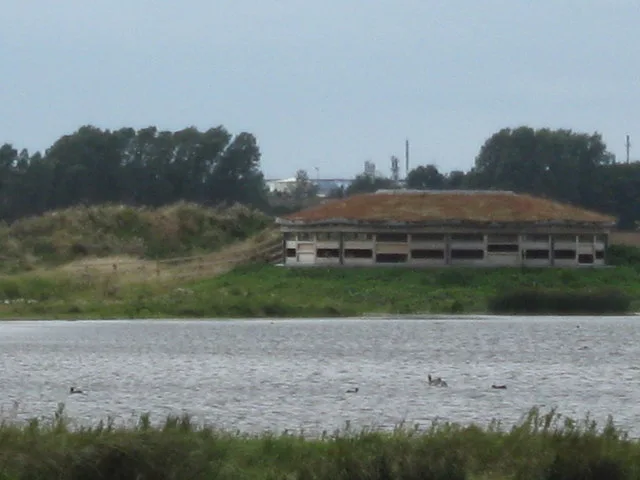
| Visitor centre viewing galleryFirst-floor public view; operator provides lift or stairs. | Main Lake and public tern/Sand Martin viewing area | Spring: Sand Martin Summer: Common Tern, Great Crested Grebe Winter: Gadwall, Tufted Duck | either | useful | — |
| Haverton ViewpointMapped public viewpoint; no off-path reedbed access and no unsourced specific bird-season pairing. | Haverton Hole reedbed and pools | — | either | useful | — |
| Jubilee MoundOfficial map text names this mound. No private resting-site directions supplied. | Meadow and reedbed on Kestrel Trail | — | either | useful | — |
| Dragonfly Path viewing screensUse screens on the permitted path; do not use roadside verges as parking. | Saltholme pools from public screens along Dragonfly Path | Winter: Teal, Wigeon Summer: Avocet | either | useful | — |
Month chips show typical presence or our preferred viewing season. Choose birds that suit the time of your visit.
Freshwater pools are not an intertidal-flat route. If combining with Greatham Creek or Teesmouth, consult River Tees Entrance tides for that separate coastal visit; no reserve-specific height threshold verified.
Saltholme’s access guide describes level access from the car park to the entrance, with a permanent ramp. Seven designated Blue Badge spaces are listed on the facilities page, about 40m from the visitor centre, with a tarmac surface; the main parking area is bound gravel. A drop-off is possible beside the building. The reception has a lowered desk and hearing loop, and powered doors connect the centre with the reserve. Three hides are described as level with double doors; another has a ramp and sliding door. Some viewing windows extend to floor level and seating is provided. Most signed trails use firm bound gravel, but the Wilderness Trail has uneven grass and stiles and needs a separate assessment. The Wildflower viewpoint has a slope and steps, while the Dragonfly route includes a push-button electric gate. The café is upstairs with a lift as an alternative to the stairway. Accessible toilets are provided on both floors. The access guide also lists mobility scooters: contact the reserve in advance to discuss availability and suitability for your proposed route, particularly if transferring from a wheelchair. Match the detailed access map to your own needs rather than assuming all paths share one surface.
The visitor centre combines a shop with a café overlooking the reserve, so it is possible to pause indoors while still watching the water. There are toilets, baby-changing facilities, a walled garden and a play area. Bring a picnic for the designated picnic area near the playground; indoor café seating is reserved for customers buying food or drink. Binocular hire and organised activities are offered separately. Choose an official guided event if you would value help identifying unfamiliar wetland birds.
Pet dogs are not allowed on the nature reserve. Assistance dogs are welcome throughout, with the current trail map specifying short leads on reserve paths. Make a different walking arrangement for a pet dog before planning a family visit; the wetland trails are managed for wildlife.
The useful bus is Stagecoach North East service 1, linking Middlesbrough and Hartlepool High Tunstall via Seaton Carew. Both the RSPB directions and Stagecoach’s route page identify this service. The reserve stop is outside the entrance on Seaton Carew Road; there is then a pedestrian approach to the visitor centre. Plan the outbound and return journeys using the operator’s timetable for the exact weekday rather than relying on an old frequency quoted in an access leaflet. Middlesbrough is the RSPB’s suggested rail gateway, with the number 1 providing the onward connection from the town’s bus station. If a bus connection does not fit your day, arrange a taxi for both legs. Drivers should use the A178 entrance and ignore any satnav route crossing the Middlesbrough Transporter Bridge: the operator explicitly says that route is unavailable. Cyclists can reach the centre on the reserve cycle track from Port Clarence during public hours; bicycle racks are provided.
Useful bases for an early start.
Booking.com links are affiliate links: we may earn a commission at no extra cost to you. How these links work.
About 6.7 miles by road, roughly 14 minutes’ drive from the town-centre map point (OSRM estimate measured 18 October 2026; traffic excluded).
Measured driving route · 18 October 2026. Map estimates exclude live traffic.
A rail gateway and an easy town base.Find places to stay in Middlesbrough on Booking.comAbout 6.6 miles by road, roughly 13 minutes’ drive from the town-centre map point (OSRM estimate measured 18 October 2026; traffic excluded).
Measured driving route · 18 October 2026. Map estimates exclude live traffic.
Combining the wetland day with the coast.Find places to stay in Hartlepool on Booking.comAbout 6.4 miles by road, roughly 14 minutes’ drive from the town-centre map point (OSRM estimate measured 18 October 2026; traffic excluded).
Measured driving route · 18 October 2026. Map estimates exclude live traffic.
A separate Tees-side town base for a wider trip.Find places to stay in Stockton-on-Tees on Booking.comExplore County Durham’s full guides and smaller birding sites
Contact RSPB Saltholme at saltholme@rspb.org.uk or 01642 546625. Give the team your intended date and the specific help you need, such as a suitable scooter route or arrangements for a group. Use the RSPB events listings for bookable activities, since these can have their own tickets and meeting instructions. The official address is Saltholme, Seaton Carew Road, Middlesbrough, TS2 1TU. Wildlife reports can help you choose a hide, while the current trail map helps you choose a manageable day.
Check RSPB Saltholme local observations: April 2026 visit. dated trip observations: 20 April 2026 Reports show what has been seen, not what will be.
Follow the BTO Birders’ Code and give wildlife space.
RSPB Saltholme: Non-member adult £7, child £3.50, student £4.50; members free; parking tariff not stated.
RSPB Saltholme: Pet dogs are not allowed on the nature reserve.
RSPB Saltholme: Winter wildfowl; spring and summer terns and Avocets.
RSPB Saltholme: Saltholme’s access guide describes level access from the car park to the entrance, with a permanent ramp.
RSPB Saltholme: The useful bus is Stagecoach North East service 1, linking Middlesbrough and Hartlepool High Tunstall via Seaton Carew.
Shorter stops within 15 miles in a straight line. Use the operator’s arrival directions for the journey.
North Gare, south of Seaton Carew · Dunes, grazing marsh and coastal edge
Hartlepool Headland, around St Hilda’s Church and the seafront · Coastal rocks, harbour, sea and migrant shelter
Nearby complete guides.
Stops with a purpose: use one as a contrasting habitat or weather-proof Plan B. Distances are straight-line estimates, not road journeys.