

SC 51 · RSPB reserve guide
RSPB Fetlar
Fetlar, Shetland, Scotland · ZE2 9DJ
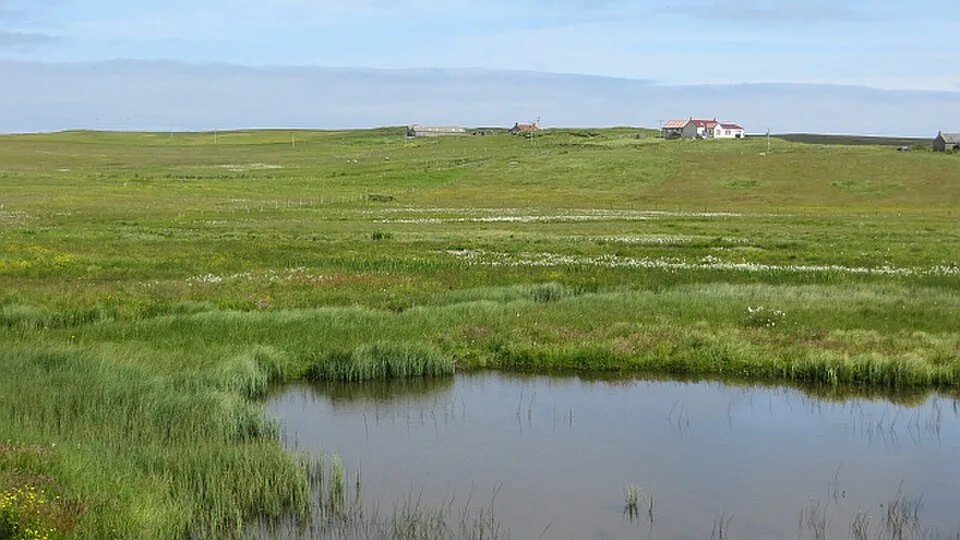
Patient watching from the official Mires of Funzie hide is the right way to enjoy this sensitive island reserve.

Decide if the visit fits.
RSPB Fetlar at a glance
Last checked 18 October 2026.
- Open
- Reserve and hide open 24 hours (October calendar).More about open
- Price / parking
- Free entry; see operator for parking.More about price / parking
- Best time
- Late spring and summer · official-hide phalarope watchingMore about best time
- Dogs
- The RSPB welcomes assistance dogs and other dogs under close con…More about dogs
- Toilets
- The reserve itself is not a café destination, and the RSPB direc…More about toilets
- Step-free
- The RSPB describes the improved approach track to the Mires of F…More about step-free
Opening and charges information · checked .
Stay nearby →On this page
Reserve overview
Fetlar reserve and habitat
Patient watching from the official Mires of Funzie hide is the right way to enjoy this sensitive island reserve.
Eight checks for a smoother visit.
Planning your visit to Fetlar
Conditions change: check the operator and transport notices before travelling.
Fetlar best time to visit and seasonal birds
January: typically look for Wren from Signed Funzie hide approach. Use public paths only and follow the current seasonal signs. Phalaropes and Whimbrels are sensitive unlocated targets; observe solely through official viewing arrangements without approaching breeding habitat. February: typically look for Starling from Signed Funzie hide approach. Use public paths only and follow the current seasonal signs. Phalaropes and Whimbrels are sensitive unlocated targets; observe solely through official viewing arrangements without approaching breeding habitat. March: typically look for Skylark from Signed Funzie hide approach. Use public paths only and follow the current seasonal signs. Phalaropes and Whimbrels are sensitive unlocated targets; observe solely through official viewing arrangements without approaching breeding habitat. April: typically look for Lapwing from Loch of Funzie public roadside view. Use public paths only and follow the current seasonal signs. Phalaropes and Whimbrels are sensitive unlocated targets; observe solely through official viewing arrangements without approaching breeding habitat. May: typically look for Snipe from Mires of Funzie Hide. Use public paths only and follow the current seasonal signs. Phalaropes and Whimbrels are sensitive unlocated targets; observe solely through official viewing arrangements without approaching breeding habitat. June: typically look for Redshank from Mires of Funzie Hide. Use public paths only and follow the current seasonal signs. Phalaropes and Whimbrels are sensitive unlocated targets; observe solely through official viewing arrangements without approaching breeding habitat. July: typically look for Dunlin from Mires of Funzie Hide. Use public paths only and follow the current seasonal signs. Phalaropes and Whimbrels are sensitive unlocated targets; observe solely through official viewing arrangements without approaching breeding habitat. August: typically look for Meadow Pipit from Signed Funzie hide approach. Use public paths only and follow the current seasonal signs. Phalaropes and Whimbrels are sensitive unlocated targets; observe solely through official viewing arrangements without approaching breeding habitat. September: typically look for Golden Plover from Loch of Funzie public roadside view. Use public paths only and follow the current seasonal signs. Phalaropes and Whimbrels are sensitive unlocated targets; observe solely through official viewing arrangements without approaching breeding habitat. October: typically look for Snipe from Mires of Funzie Hide. Use public paths only and follow the current seasonal signs. Phalaropes and Whimbrels are sensitive unlocated targets; observe solely through official viewing arrangements without approaching breeding habitat. November: typically look for Wren from Signed Funzie hide approach. Use public paths only and follow the current seasonal signs. Phalaropes and Whimbrels are sensitive unlocated targets; observe solely through official viewing arrangements without approaching breeding habitat. December: typically look for Starling from Signed Funzie hide approach. Use public paths only and follow the current seasonal signs. Phalaropes and Whimbrels are sensitive unlocated targets; observe solely through official viewing arrangements without approaching breeding habitat.
Best conditions: Usually choose calm, clear weather for settled pool watching, and keep the visit inside a comfortable ferry connection. Strong wind makes small birds hard to follow and does not justify entering the mire. Observe sensitive birds only from the operator’s official hide/viewpoint or an operator-led event; never seek breeding pools or territories.
Fetlar opening times, entry and facilities
Admission, checked 18 October 2026: the RSPB lists free adult and child entry for members and non-members. Ferry travel has its own timetable and charges. Use the council’s current fare information for each crossing and keep the return sailing separate from your decision about the hide session. The official visitor approach is the signed hide track near Loch of Funzie. Use the published car park and roadside Blue Badge provision as directed, keeping passing places and private access clear. Plan the watch in daylight and leave enough time for the ferry return. Check the RSPB's current notices and the council service information before leaving your base, since weather or local work can change the practical day. The seasonal Houbie viewpoint and Funzie hide have specific access conditions described below; an ordinary admission listing is not a promise that every facility is available in winter.
Access times: Reserve: October 2026 calendar lists reserve 24 hours; follow seasonal restrictions and signs, especially away from visitor routes. · Hides: Facilities page lists Mires of Funzie hide April–October and Houbie roadside viewpoint May–August. October calendar says hide24hours. Confirm access outside the published season; no winter hide-opening promise. · Car park: Official Funzie car park and two roadside BlueBadge places provided; no independent gate timetable stated. Ferry-terminal facilities are separate. · Dawn access: partly. Operator opening information.
Fetlar trails, hides and visit length
Make the Mires of Funzie hide your main birdwatching destination. Enter quietly, keep movements small near the viewing openings and spend the first few minutes simply watching the pattern of activity over the pools. A phalarope can be easy to miss while you are adjusting equipment, but the answer is a patient repeat scan from the hide, not a closer approach. Share space with other visitors and offer a useful description of an ordinary bird as readily as an unusual one. The reserve's wider coast and public roads can add variety, but do not use informal paths or a reported bird location to enter the mire. Two-hour plan, editorial suggestion: walk the signed approach slowly, settle into the hide and divide your watch between open water, vegetation edges and birds passing overhead. Pause away from the windows before another complete scan. Leave quietly along the same official route, checking that no equipment or litter remains behind. Full-day plan, editorial suggestion: build the visit around a morning hide session, a pre-planned food and toilet break and a second shorter watch later. Overnight visitors can fit that around a gentle public-coast outing without pressing against a ferry deadline. Day visitors should let the return sailing determine the last session and build in enough margin for the drive to Hamars Ness. Keep sensitive observations private and tell the RSPB through its official contact route if something needs attention. A considerate visit leaves the next observer the same calm birds and undisturbed pools. Use the hide to practise watching a habitat rather than searching only for a name. Follow the edge between open water and vegetation, note where birds disappear, and give that patch time before scanning again. Write down the features you actually saw while they are fresh, including uncertainty, instead of forcing a brief view into the expected species. If another visitor arrives, share the viewing space and help them understand the general pool layout without pointing out sensitive nesting activity. The best outcome is a relaxed session in which birds continue behaving normally.
Where to watch at Fetlar
Use the linked reserve map and directions with current access notices. Species are typical seasonal targets. Light and telescope advice reflects our choice of viewpoint.
Mires of Funzie HideWinter · Spring · Summer · Autumn
Mire pools and wet grassland
April–October in facilities inventory; October calendar says 24 hours. Improved track, accessible handle, cattle possible.
Winter: Snipe
Spring: Lapwing, Redshank, Snipe
Summer: Dunlin, Redshank, Snipe
Autumn: Snipe, Golden Plover
Light: either. Scope: useful.
Signed Funzie hide approachWinter · Spring · Summer · Autumn
Moorland and grassland beside the public access track
Stay on signed improved pedestrian track; no access to nesting mire.
Winter: Wren, Starling
Spring: Skylark, Meadow Pipit, Wheatear
Summer: Skylark, Meadow Pipit, Wheatear
Autumn: Wren, Starling, Meadow Pipit
Light: either. Scope: not needed.
Loch of Funzie public roadside viewWinter · Spring · Summer · Autumn
Loch and nearby open wet ground
Use established public roadside view, keeping road and passing places clear; no approach to bird territories.
Winter: Snipe, Curlew
Spring: Oystercatcher, Ringed Plover, Curlew, Red-throated Diver
Summer: Oystercatcher, Lapwing, Redshank, Red-throated Diver
Autumn: Curlew, Golden Plover
Light: either. Scope: useful.
Mires of Houbie official seasonal roadside viewpoint
Managed mire from the official public viewpoint
Official seasonal roadside viewpoint May–August; do not obstruct the road or step into the mire.
Light: either. Scope: useful.
| Spot | Overlooks | Key species by season | Best light | Scope | Tide |
|---|---|---|---|---|---|
| Mires of Funzie HideApril–October in facilities inventory; October calendar says 24 hours. Improved track, accessible handle, cattle possible. | Mire pools and wet grassland | Winter: Snipe Spring: Lapwing, Redshank, Snipe Summer: Dunlin, Redshank, Snipe Autumn: Snipe, Golden Plover | either | useful | — |
| Signed Funzie hide approachStay on signed improved pedestrian track; no access to nesting mire. | Moorland and grassland beside the public access track | Winter: Wren, Starling Spring: Skylark, Meadow Pipit, Wheatear Summer: Skylark, Meadow Pipit, Wheatear Autumn: Wren, Starling, Meadow Pipit | either | not needed | — |
| Loch of Funzie public roadside viewUse established public roadside view, keeping road and passing places clear; no approach to bird territories. | Loch and nearby open wet ground | Winter: Snipe, Curlew Spring: Oystercatcher, Ringed Plover, Curlew, Red-throated Diver Summer: Oystercatcher, Lapwing, Redshank, Red-throated Diver Autumn: Curlew, Golden Plover | either | useful | — |
| Mires of Houbie official seasonal roadside viewpointOfficial seasonal roadside viewpoint May–August; do not obstruct the road or step into the mire. | Managed mire from the official public viewpoint | — | either | useful | — |
Target species at Fetlar
Month chips show typical presence or our preferred viewing season. Choose birds that suit the time of your visit.
Headline birds
- Red-necked PhalaropeFollow the operator’s sensitive-species advice.MayJunJulAug
- AprMayJunJulAug
- WhimbrelFollow the operator’s sensitive-species advice.AprMayJunJulAug
Regular birds
- AprMayJunJulAugSep
- AprMayJunJulAug
- AprMayJunJulAug
- MarAprMayJunJulAug
- MarAprMayJunJulAugSepOct
- JanFebMarAprMayJunJulAugSepOctNovDec
- MarAprMayJunJulAugSep
- AprMayJunJulAug
- MarAprMayJunJulAugSep
- MarAprMayJunJulAugSepOct
- AprMayJunJulAugSep
- JanFebMarAprMayJunJulAugSepOctNovDec
- JanFebMarAprMayJunJulAugSepOctNovDec
Tide planning
Funzie hide and Houbie roadside viewpoint do not require a tidal crossing. Mid Yell is a nearby UKHO station on neighbouring Yell, giving regional context only. Do not infer safe shore access, local heights or ferry operation from it; follow council sailing information and remain off remote breeding shores.
Fetlar accessibility and step-free routes
The RSPB describes the improved approach track to the Mires of Funzie hide as suitable for wheelchairs and pushchairs. It also identifies roadside Blue Badge parking beside the hide-track entrance, with the main car park farther away. These details make the official hide a more realistic option than attempting natural mire or coastal ground. Before travelling, ask about the current track surface, hide entrance and viewing height if any of these are essential to your visit. Suitability for a pushchair does not establish that every chair or scooter can turn, fit or use the viewing openings comfortably. The nearest toilets identified by the RSPB are at the Hamars Ness ferry terminal, several miles away, so arrange a comfort stop around the journey. Wind and rain may still make the approach tiring or cold even if it is short. Keep bags and tripods out of the access line inside the hide and allow another visitor to reach a suitable viewing space without needing to move into an awkward position.
Fetlar visitor facilities
Bring lunch, water and a warm layer for a still hide session. The reserve itself is not a café destination, and the RSPB directs visitors to Hamars Ness for toilets. Use the Fetlar community visitor information to establish current shop, food and accommodation options before the crossing, especially outside summer. A small flask can make a patient session more comfortable. Keep snacks sealed and take all waste with you, including fruit peel and other food that might attract animals around the hide.
Fetlar dog rules
The RSPB welcomes assistance dogs and other dogs under close control, preferably on a short lead, with particular care during 1 April–15 August. Prevent any approach into the mire or towards a bird showing alarm. Consider whether a long, quiet hide session suits your dog before making the island journey.
Fetlar public transport and getting there
Fetlar is reached by Shetland Islands Council's inter-island ferry network. A journey from Mainland usually involves the Toft–Ulsta crossing to Yell and a further sailing from the northern-isles network to Hamars Ness on Fetlar; select the specific routing shown in the council timetable for your date. Do not assume every boat from Gutcher serves Fetlar or that all island connections share the same reservation. Official Shetland visitor information describes a Fetlar bus connection between Funzie and Hamars Ness, but its actual operating days and ferry links need checking before relying on it. A car-free stay can work with a confirmed local transfer and an overnight booking. The mainland-base road measurements below stop at Toft and deliberately exclude sea crossings, Yell's road transfer and the onward drive on Fetlar. Choose an island stay if you want a more relaxed hide visit.
Useful bases for an early start.
Where to stay near Fetlar
Booking.com links are affiliate links: we may earn a commission at no extra cost to you. How these links work.
- 01
Lerwick
About 27.9 miles by road, roughly 44 minutes’ drive to Toft mainland departure for Yell and Fetlar; OSRM/OpenStreetMap estimate measured 18 October 2026. After the road journey from Lerwick, add check-in, the sea crossings and onward island travel for RSPB Fetlar.
Measured driving route · 2026-10-18. Map estimates exclude live traffic.
A range of accommodation and services before the ferry journey.Find places to stay in Lerwick on Booking.com - 02
Brae
About 9.4 miles by road, roughly 17 minutes’ drive to Toft mainland departure for Yell and Fetlar; OSRM/OpenStreetMap estimate measured 18 October 2026. After the road journey from Brae, add check-in, the sea crossings and onward island travel for RSPB Fetlar.
Measured driving route · 2026-10-18. Map estimates exclude live traffic.
A northern Mainland base for a wider Shetland itinerary.Find places to stay in Brae on Booking.com - 03
Scalloway
About 27.4 miles by road, roughly 43 minutes’ drive to Toft mainland departure for Yell and Fetlar; OSRM/OpenStreetMap estimate measured 18 October 2026. After the road journey from Scalloway, add check-in, the sea crossings and onward island travel for RSPB Fetlar.
Measured driving route · 2026-10-18. Map estimates exclude live traffic.
A west-side Mainland base with a measured road leg to departure.Find places to stay in Scalloway on Booking.com
Explore Shetland’s full guides and smaller birding sites
Fetlar official sightings, safety and contact
For reserve questions contact the RSPB at fetlar@rspb.org.uk or 01950 460800. Ask practical hide-access questions before travelling and include your date and mobility requirements. The council handles ferry reservations and service changes, while accommodation or local-transfer questions belong with the relevant Fetlar provider. Send sensitive bird observations privately to the reserve team. Keep photographs and public reports free of directions to breeding birds beyond the official visitor hide.
Fetlar recent bird sightings
Check Shetland Bird Club regional dated observations. archive with latest visible section June 2025; not a verified October 2026 live feed Reports show what has been seen, not what will be.
- Shetland Bird Club regional dated observationscounty club or recorder · updated archive with latest visible section June 2025; not a verified October 2026 live feed
Birding sources
- RSPB official Funzie and Houbie public viewing places
- RSPB seasonal viewpoint and hide/access inventory
- RSPB October 2026 calendar
- RSPB entrance/hide location map
- Fetlar Community Association bird account, co-authored Malcolm Smith RSPB and BrydonThomason
- Shetland Bird Club actual regional observations
- UKHO EasyTide named prediction station
Follow the BTO Birders’ Code and give wildlife space.
Questions visitors ask
Is RSPB Fetlar free to visit?
RSPB Fetlar: Free entry; see operator for parking.
Can I take my dog to RSPB Fetlar?
RSPB Fetlar: The RSPB welcomes assistance dogs and other dogs under close control, preferably on a short lead, with particular care during 1 April–15 August.
When is the best time to visit RSPB Fetlar?
RSPB Fetlar: Late spring and summer · official-hide phalarope watching.
Is RSPB Fetlar accessible for wheelchairs?
RSPB Fetlar: The RSPB describes the improved approach track to the Mires of Funzie hide as suitable for wheelchairs and pushchairs.
How do I get to RSPB Fetlar without a car?
RSPB Fetlar: Fetlar is reached by Shetland Islands Council's inter-island ferry network.
Best months for this reserve
Nearby complete guides.
Bird reserves near Fetlar
Stops with a purpose: use one as a contrasting habitat or weather-proof Plan B. Distances are straight-line estimates, not road journeys.
- About 16 miles away · A useful habitat changeHermaness National Nature ReserveSeabird colonies in late spring and summer
- About 43 miles away · A useful habitat changeRSPB MousaSpring and autumn passage; seasonal breeding and winter birds
- About 48 miles away · A useful habitat changeRSPB Loch of SpiggieSpring and autumn passage; seasonal breeding and winter birds