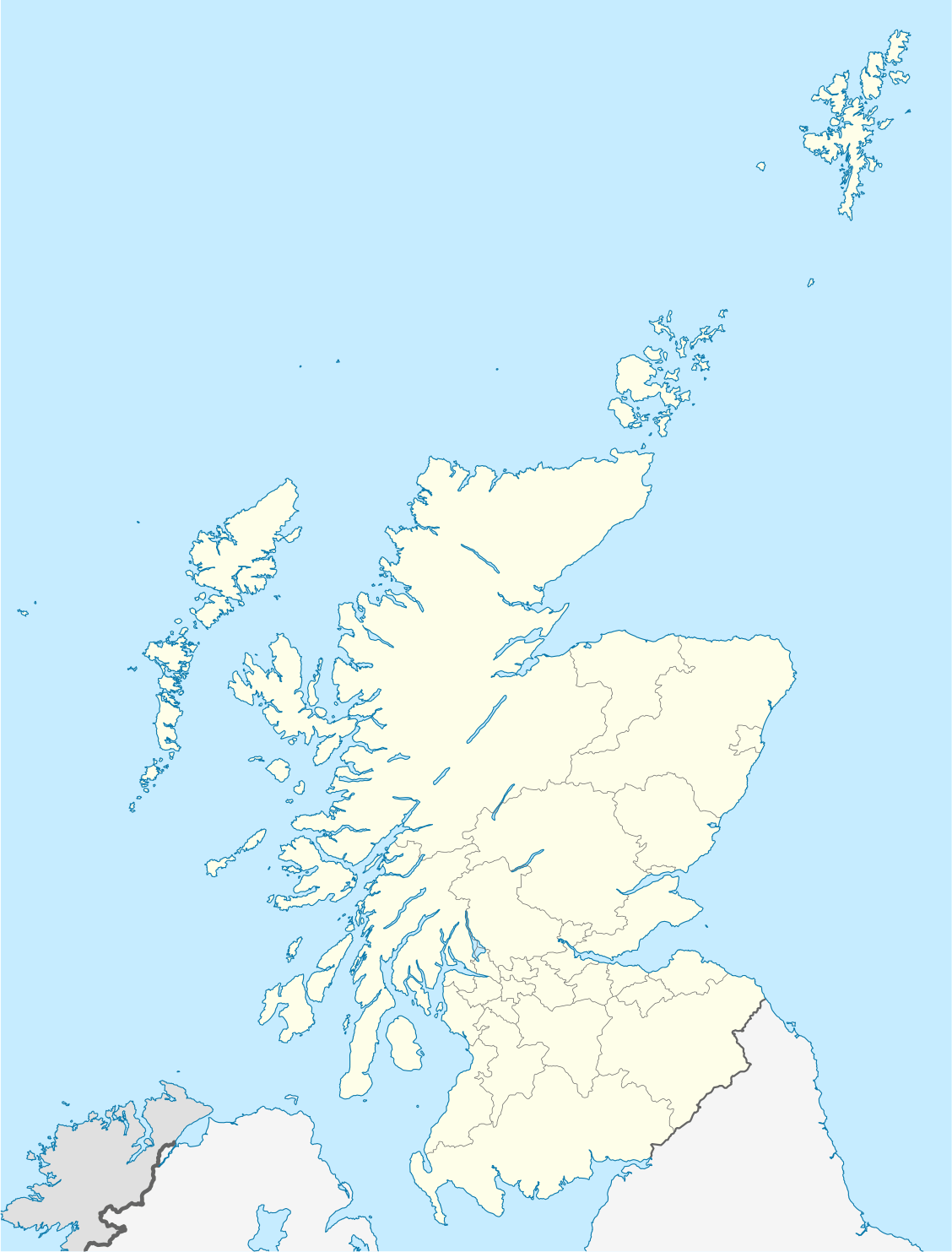
Short entry4.4 miles away
Pool of Virkie
Eastshore, north of Sumburgh Airport, South Mainland · Tidal pool, mudflats and coastal shore
 the ai birderBirding near me
The AI Birder · one-page field sheet
Skelberry, South Mainland, Shetland · ZE2 9JE

Whooper Swan · Teal · Wigeon · Slavonian Grebe
North-shore hide · Safe public-road views
Check current access, hide closures and operator notices before travelling. Seasonal birds are possibilities, not promised sightings. Keep to authorised routes and give wildlife space.
Opening and charges checked 2026-10-25. Operator: https://www.rspb.org.uk/days-out/reserves/loch-of-spiggie
Full guide and current source links: https://aibirder.co.uk/reserves/rspb-loch-of-spiggie
SC 38 · RSPB reserve guide
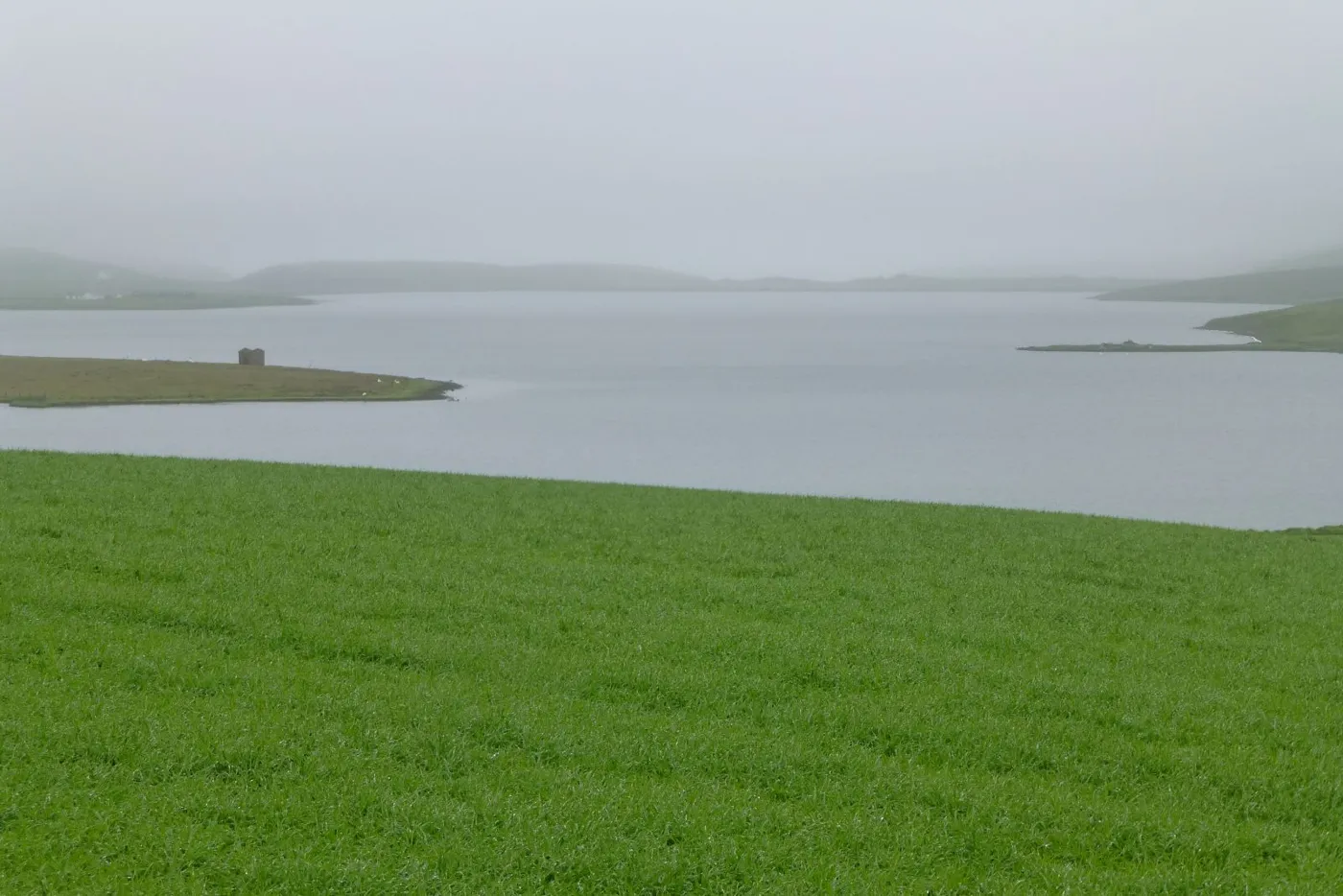
Skelberry, South Mainland, Shetland
Whooper swans, Wigeon, Arctic terns, Teal
Decide if the visit fits.
Last checked 18 October 2026.
Opening and charges information · checked .
Stay nearby →Reserve overview
Whooper swans, Wigeon, Arctic terns, Teal
Eight checks for a smoother visit.
Conditions change: check the operator and transport notices before travelling.
January: Start in the north-shore hide with the broad winter wildfowl view, then work carefully through Teal and Wigeon around the larger Whooper Swans. The warden also highlights Slavonian Grebe. Give a diving bird time to resurface rather than moving repeatedly between roadside positions or approaching the restricted shore.
February: A settled watch from the north-shore hide is more useful than trying to circle the loch. Typically winter ducks and swans remain the main interest, with Slavonian Grebe worth a careful search. Choose a safe scope position and keep the accessible viewing bay free when another visitor needs it.
March: March can still reward the north-shore hide's open-water view for Whooper Swan and winter ducks, while the seasonal balance begins to change. Identify birds actually present before planning a second stop. A public road view is optional, and only suitable where you can remain clear of passing traffic.
April: Typically spring brings a stronger wader element around the adjacent marshy ground. Look from safe public-road views for Lapwing, Curlew, Oystercatcher and Redshank, without entering fields or margins. Return to the north-shore hide for Tufted Duck and Mallard when a quieter, sheltered assessment is preferable.
May: Use the north-shore hide to compare swimming Tufted Duck with Mallard and any visiting Arctic Terns. The operator's summer account also mentions Great Skua bathing on the loch. Watch that behaviour from the public facility rather than seeking closer shore access, which is explicitly prohibited here.
June: Typically June offers two complementary watches: the north-shore hide for ducks, terns and occasional bathing Great Skua, and safe public-road views across the marshes for waders. Keep the itinerary simple. Passing places belong to road users, so a good bird never justifies blocking the single-track route.
July: Spend time with Arctic Tern movement and the open-water duck flock from the north-shore hide. Curlew and Redshank may also be part of the adjacent marshland scene from safe road views. Remain within those established options rather than turning the summer bird interest into an unofficial lakeside walk.
August: The north-shore hide is the sensible base for a late-summer comparison of Mallard, Tufted Duck and any remaining tern activity. Great Skua is an operator-described seasonal possibility, not an appointment. A second viewing angle only helps if a legal, unobstructive roadside position is actually available.
September: September is a changeover month, so begin with what is visible from the north-shore hide rather than assuming the winter flock has arrived. The operator places returning Teal, Wigeon and Whooper Swan in its autumn story. Their timing varies, and an early visit should keep expectations flexible.
October: Typically autumn restores the wildfowl emphasis, with Whooper Swan, Teal and Wigeon the useful starting points from the north-shore hide. The warden's Slavonian Grebe description adds a reason to examine diving birds carefully. Do not import unusual regional sightings into a guaranteed reserve checklist.
November: Use the available daylight for a systematic north-shore hide scan, identifying the familiar ducks before looking for Slavonian Grebe. Winter birdwatching here works through patience and a steady optical view. The restricted shore remains closed to visitors even if a bird seems much easier to see from it.
December: A December visit suits the north-shore hide's sheltered freshwater view for Whooper Swans and winter ducks. Actually read historical club entries support Spiggie grebe interest, but old counts are not a forecast. Finish while your return journey remains comfortable and leave the road and passing places entirely clear.
Best conditions: Typically lighter wind improves distant duck and grebe identification; the hide is preferable to an exposed roadside watch in poor weather. A scope is useful across the loch. Choose the available public window with the least glare, without approaching the shore. Roadside views are secondary and must never block passing traffic.
Our choice is to make the northern hide the centre of the visit and let the birds dictate whether another view is needed. The RSPB provides a ramp and a wheelchair viewing bay, with a small parking area outside. Those useful features do not create a public route around the water: the operator explicitly prohibits access to the loch shore. A second angle can sometimes be found from the public road, but the lane is single track and its passing places must stay available for traffic. If you cannot stop without obstructing other people, remain with the hide view. Use a telescope to work through the ducks and allow diving birds time to return to the surface. Swans, grebes and waders make different demands on attention, so a deliberate scan is usually more productive than repeated short stops. The existing practical guide retains the separately checked travel and admission information.
Access times: Reserve: RSPB opening calendar reviewed 19 October 2026 lists the nature reserve as accessible 24 hours. Daylight and safe weather remain the practical visiting limits. · Hides: One northern hide; ramped access and wheelchair bay. No separate published clock verified. · Car park: Small parking area outside north hide; no separate gate-hours published in the pages read. · Dawn access: yes. Operator opening information.
Loch of Spiggie is best approached as a hide watch and a sequence of careful public-road views, not as a lakeside walking circuit. The RSPB explicitly prohibits access to the loch shore because of disturbance. Use the hide at the northern end and observe any roadside stopping restrictions. Passing places on the single-track road must remain available to road users; leave immediately if your position prevents traffic moving freely. Two-hour plan: begin in the north hide with a broad scan to establish where the wildfowl are concentrated. Identify the obvious larger birds first, then work systematically through the ducks. Spend some time watching feeding methods and flock movements, rather than counting a distant group once and moving on. If another safe public viewpoint is available without obstructing traffic, use it for a different angle before returning to the hide. Otherwise remain with the first view; the birds, light and weather can all change while you sit. Full-day plan: make Spiggie the principal freshwater stop in a South Mainland Shetland day. Allow a long morning session here, take a break in an appropriate public place, and return later to compare the birds and light. Pair it with a separate official coastal visitor site rather than attempting an unofficial walk through the marshes or fields. The adjacent Loch of Brow is part of the reserve landscape, but that does not create a general permission to enter its shore. Keep every stop within the operator's viewing guidance and protect access for the people who live and work beside the lochs. When ducks are distant, compare their proportions and feeding actions before relying on colour. A bird diving repeatedly needs a different identification approach from one grazing near the surface. Discuss uncertain identifications quietly with companions and leave room for others to use the viewing windows.
Use the linked reserve map and directions with current access notices. Species are typical seasonal targets. Light and telescope advice reflects our choice of viewpoint.
Freshwater loch, open water and wet margins
Ramped hide with wheelchair bay and parking outside; no shore access.
Winter: Whooper Swan, Teal, Wigeon, Slavonian Grebe
Spring: Tufted Duck, Mallard, Arctic Tern
Summer: Tufted Duck, Mallard, Great Skua, Arctic Tern
Autumn: Whooper Swan, Teal, Wigeon
Light: either. Scope: useful.
Loch and adjacent marshy ground from permitted roadside positions
Single-track road: never occupy a passing place or obstruct traffic; no loch-shore access.
Spring: Lapwing, Curlew, Snipe, Oystercatcher, Redshank
Summer: Lapwing, Curlew, Oystercatcher, Redshank
Light: either. Scope: useful.
| Spot | Overlooks | Key species by season | Best light | Scope | Tide |
|---|---|---|---|---|---|
| North-shore hideRamped hide with wheelchair bay and parking outside; no shore access. | Freshwater loch, open water and wet margins | Winter: Whooper Swan, Teal, Wigeon, Slavonian Grebe Spring: Tufted Duck, Mallard, Arctic Tern Summer: Tufted Duck, Mallard, Great Skua, Arctic Tern Autumn: Whooper Swan, Teal, Wigeon | either | useful | — |
| Safe public-road viewsSingle-track road: never occupy a passing place or obstruct traffic; no loch-shore access. | Loch and adjacent marshy ground from permitted roadside positions | Spring: Lapwing, Curlew, Snipe, Oystercatcher, Redshank Summer: Lapwing, Curlew, Oystercatcher, Redshank | either | useful | — |
Month chips show typical presence or our preferred viewing season. Choose birds that suit the time of your visit.
The northern hide has ramped access, a dedicated wheelchair viewing bay and parking outside, according to the RSPB. These are useful specific features for a relatively short visit. The operator also describes the hide as pushchair accessible. Assess the vehicle-to-hide transfer and current ramp surface for your own needs; assistance with a heavy telescope or wheelchair should be planned before reaching the small parking area. Much of the reserve can be seen from the public road, which may make a vehicle-based visit possible for someone who cannot walk far. However, the surrounding road is single track with passing places. A convenient view is not a reason to occupy a space needed by traffic, and a roadside transfer may be unsuitable where there is insufficient room. Choose the hide as the main accessible destination and treat other stops as optional. Do not seek a flatter route along the shore: wildlife sensitivity prevents shore access, regardless of whether the ground appears physically manageable. Contact the Shetland team if you need precise information about the current entrance or viewing arrangement.
There are no toilets, baby-changing facilities, café, shop or visitor centre at the reserve. The RSPB points visitors towards public toilets beside the shop car park at Bigton and towards food supplies in the Dunrossness area. Bring refreshments for a long hide watch, together with a warm layer that can be put on without disturbing other visitors. Keep aisles and the wheelchair viewing bay clear of bags and optical equipment.
Follow RSPB Scotland's short-lead guidance during the ground-nesting period, 1 April to 15 August, and wherever livestock are present. Clean up after dogs and prevent them approaching birds or the loch margin. Visitors with assistance dogs are welcome at RSPB Loch of Spiggie. Keeping a pet settled and quiet is particularly important in the shared hide.
The operator's directions place the loch off the B9122 near Scousburgh. A car-free approach can use ZetTrans's South Mainland bus network: service 6 links Lerwick and Sumburgh Airport on daytime Monday–Saturday journeys, with 6S the Sunday service. The RSPB suggests leaving the airport-bound bus at Robin's Brae and walking west towards the reserve. Confirm that stop and the return service against the current timetable; this is a substantial rural walk rather than a bus delivered to the hide door. A pre-booked taxi can be more practical if the lane approach or weather is unsuitable. Shetland's mainland connections are Loganair flights to Sumburgh and NorthLink ferries to Lerwick. The old reserve travel text still mentions Flybe and a Thurso ferry; use the current transport operators' routes instead of repeating those obsolete connections.
Useful bases for an early start.
Booking.com links are affiliate links: we may earn a commission at no extra cost to you. How these links work.
About 19.9 miles by road, roughly 33 minutes’ drive to the reserve approach (OSRM, measured 18 October 2026; estimate without live traffic).
Measured driving route · 18 October 2026. Map estimates exclude live traffic.
A base in Lerwick suits a longer break that includes RSPB Loch of Spiggie.Find places to stay in Lerwick on Booking.comAbout 20.0 miles by road, roughly 33 minutes’ drive to the reserve approach (OSRM, measured 18 October 2026; estimate without live traffic).
Measured driving route · 18 October 2026. Map estimates exclude live traffic.
A base in Scalloway suits a longer break that includes RSPB Loch of Spiggie.Find places to stay in Scalloway on Booking.comAbout 5.9 miles by road, roughly 11 minutes’ drive to the reserve approach (OSRM, measured 18 October 2026; estimate without live traffic).
Measured driving route · 18 October 2026. Map estimates exclude live traffic.
A base in Sumburgh suits a longer break that includes RSPB Loch of Spiggie.Find places to stay in Sumburgh on Booking.comExplore Shetland’s full guides and smaller birding sites
Contact RSPB Shetland at shetland@rspb.org.uk or 01950 460800 for reserve and hide advice. Their official Loch of Spiggie pages distinguish the public viewpoints from the protected shoreline. Explain whether you intend a wheelchair visit, a group watch or a bus-and-walk journey so that any question is specific. Transport bookings and cancellations should be checked with ZetTrans, Loganair or NorthLink as appropriate. Share sightings without encouraging people onto the loch's restricted margins.
Check RSPB Shetland warden seasonal observations. undated seasonal account; no live-report claim Reports show what has been seen, not what will be.
Follow the BTO Birders’ Code and give wildlife space.
RSPB Loch of Spiggie: Free entry; see operator for parking.
RSPB Loch of Spiggie: Follow RSPB Scotland's short-lead guidance during the ground-nesting period, 1 April to 15 August, and wherever livestock are present.
RSPB Loch of Spiggie: Spring and autumn passage; seasonal breeding and winter birds.
RSPB Loch of Spiggie: The northern hide has ramped access, a dedicated wheelchair viewing bay and parking outside, according to the RSPB.
RSPB Loch of Spiggie: The operator's directions place the loch off the B9122 near Scousburgh.
Shorter stops within 15 miles in a straight line. Use the operator’s arrival directions for the journey.
Eastshore, north of Sumburgh Airport, South Mainland · Tidal pool, mudflats and coastal shore
Nearby complete guides.
Stops with a purpose: use one as a contrasting habitat or weather-proof Plan B. Distances are straight-line estimates, not road journeys.