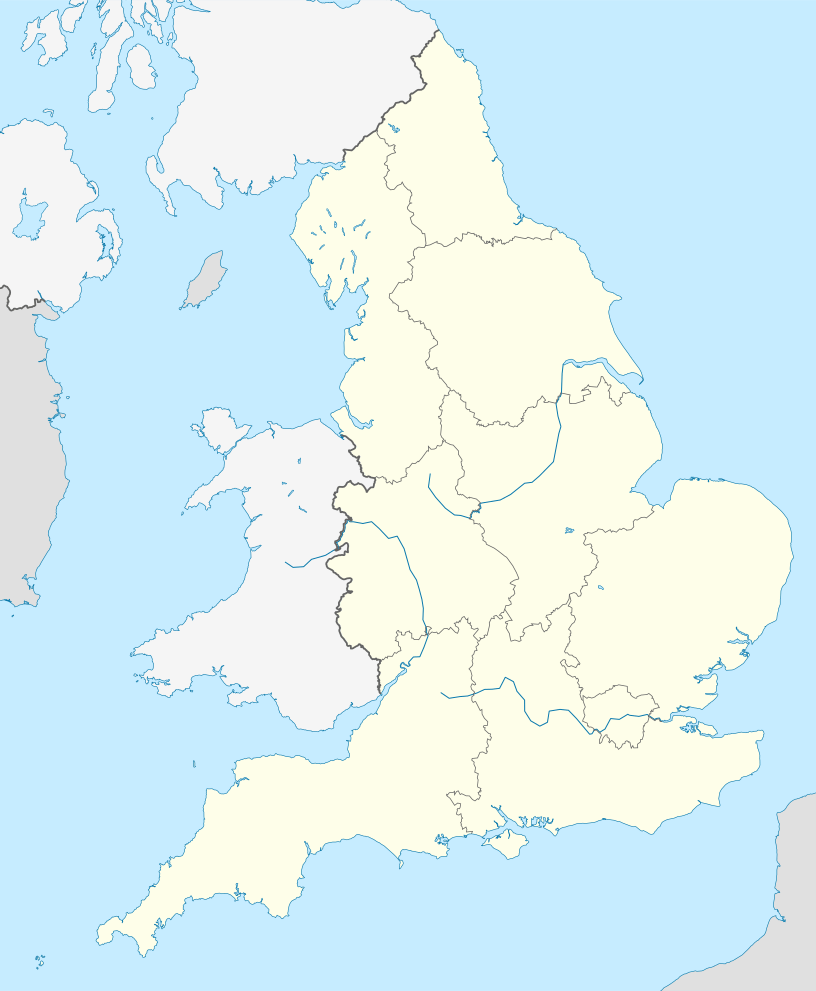

Short entry4.0 miles away
Chaddesley Woods National Nature Reserve
North of Woodcote Green, near Bromsgrove · Ancient oak woodland, planted woodland, scrub and glades
 the ai birderBirding near me
The AI Birder · one-page field sheet
Wychbold, Worcestershire · B61 7ER

Water Rail · Black-headed Gull · Lapwing · Green Sandpiper · Curlew · Snipe
Avocet Hide · Cuckoo Hide · Hen Brook Hide · Lapwing Hide · Hobby Hide · Joyce & Arthur Jacobs Hide · Water Rail Hide
Check current access, hide closures and operator notices before travelling. Seasonal birds are possibilities, not promised sightings. Keep to authorised routes and give wildlife space.
Opening and charges checked 2026-10-19. Operator: https://www.worcswildlifetrust.co.uk/nature-reserves/upton-warren
Full guide and current source links: https://aibirder.co.uk/reserves/upton-warren
EN 104 · Worcestershire Wildlife Trust reserve guide
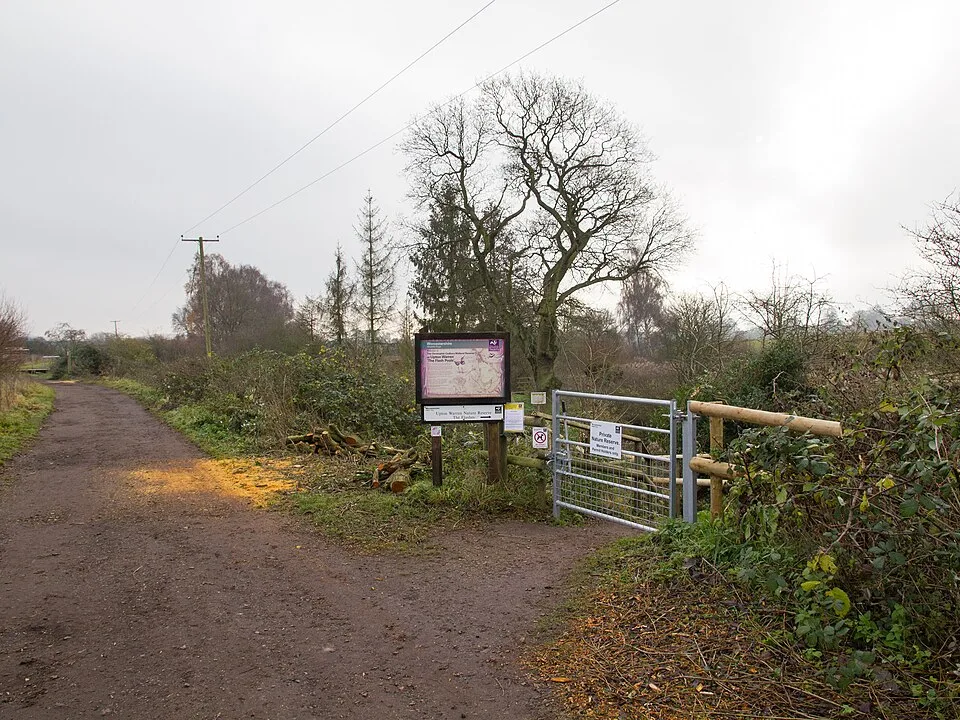
Wychbold, Worcestershire
A compact inland wader reserve with contrasting freshwater and saline pools.
Decide if the visit fits.
Last checked 18 October 2026.
Opening and charges information · checked .
Stay nearby →Reserve overview
A compact inland wader reserve with contrasting freshwater and saline pools.
Eight checks for a smoother visit.
Conditions change: check the operator and transport notices before travelling.
January: Water Rail is usually worth looking for from Water Rail Hide. Wait quietly at the official reed-edge view; listening is useful and approaching vegetation rarely improves the encounter. Conditions at the Flashes change; a seasonal target cannot guarantee an encounter. February: Kingfisher is usually worth looking for from Joyce & Arthur Jacobs Hide. A sheltered watch on freshwater can be productive in cold weather, provided ice and work-party activity allow normal access. Conditions at the Flashes change; a seasonal target cannot guarantee an encounter. March: Lapwing is usually worth looking for from Lapwing Hide. Compare the freshwater Moors with the saline Flashes, treating them as separate entrances with different opening arrangements. Conditions at the Flashes change; a seasonal target cannot guarantee an encounter. April: Little Ringed Plover is usually worth looking for from Cuckoo Hide. Spring arrival dates vary; do not enter breeding margins or leave the permit paths to improve a photograph. Conditions at the Flashes change; a seasonal target cannot guarantee an encounter. May: Common Tern is usually worth looking for from Lapwing Hide. Watch feeding flights over open water without trying to locate nests or entering islands and private sailing facilities. Conditions at the Flashes change; a seasonal target cannot guarantee an encounter. June: Avocet is usually worth looking for from Avocet Hide. The official hide provides a managed view of the saline pools. Current work notices and water levels can change what is visible. Conditions at the Flashes change; a seasonal target cannot guarantee an encounter. July: Common Sandpiper is usually worth looking for from Cuckoo Hide. Returning passage birds depend on suitable margins, so compare both Flashes hides instead of assuming the nearest pool will hold them. Conditions at the Flashes change; a seasonal target cannot guarantee an encounter. August: Green Sandpiper is usually worth looking for from Cuckoo Hide. The operator identifies passage sandpipers as a seasonal feature. Give settled birds space and avoid sudden movement at hide windows. Conditions at the Flashes change; a seasonal target cannot guarantee an encounter. September: Greenshank is usually worth looking for from Cuckoo Hide. Some waders stop briefly and others linger. Read the actual locality and date of a report before choosing which entrance to use. Conditions at the Flashes change; a seasonal target cannot guarantee an encounter. October: Shoveler is usually worth looking for from Joyce & Arthur Jacobs Hide. This is an inland brine-fed wetland; sea tides have no role in timing the saline pools or planning the permit route. Conditions at the Flashes change; a seasonal target cannot guarantee an encounter. November: Teal is usually worth looking for from Hobby Hide. Use the North Moors freshwater view within permitted access and ask about muddy or accessible approaches if mobility affects your plan. Conditions at the Flashes change; a seasonal target cannot guarantee an encounter. December: Snipe is usually worth looking for from Water Rail Hide. The Moors and Flashes have different winter gate arrangements, so do not carry one car park’s closing time over to the other. Conditions at the Flashes change; a seasonal target cannot guarantee an encounter.
Best conditions: Usually favour calm weather for reedbed listening and a stable scope view over distant mud margins. The Flashes are inland saline pools formed through brine-related subsidence, not a tidal estuary: plan around water levels, access hours and habitat-management notices rather than a sea tide. Tuesday work parties can cause temporary disturbance. The planned week-of 12 October 2026 work was delayed on the live notice, with no replacement date confirmed.
Worcestershire Wildlife Trust’s visitor information checked 19 October 2026 gives a £5 day permit for non-members, available online or from advertised local outlets and on-site volunteers. Wildlife Trust members should carry their membership card; the operator excludes Norfolk Wildlife Trust membership from this reciprocal entry arrangement. The Moors and The Flashes have separate entrances and car parks, so choose the correct part before navigating: the published postcodes are B61 7ET and B61 7ER respectively. Parking is included for members and day-permit holders. Keep your permit or membership evidence available and stay on the marked visitor paths. Dogs are not permitted on the reserve. Groups and school visits need arrangements with the Trust; organised groups should contact it at least two weeks ahead. Current habitat work may affect the viewing experience even when the reserve remains open.
Access times: Reserve: The Moors dawn–dusk. The Flashes April–September 09:00–16:30; October–March 10:30–15:00, reflecting Aztec Adventure core hours; daily noticeboard may specify longer access. · Hides: Use hides within the relevant Moors/Flashes access. No independent late-night or unstaffed Flashes opening is implied. · Car park: The Moors car park is open at all times, but reserve access is dawn–dusk. Separate Flashes parking April–September09:00–16:30, October–March10:30–15:00; check the daily gate notice. · Dawn access: partly. Operator opening information.
Our two-hour plan is deliberately modest: choose either the Flashes or the Moors and give its hides proper time. On the Flashes side, sit down before scanning the nearest pool edge, then work farther across the water. Compare the waders’ legs, bill length and feeding rhythm; watching the same bird for several minutes makes identification much easier than repeatedly lifting binoculars at the whole flock. Return along the provided route with time to clear the vehicle gate. For a full day, use the morning for the Moors and plan the Flashes around its shorter access window, adjusting the order in winter if necessary. Treat the two areas as separate visits and follow the current entrance information when transferring. The Moors offers freshwater pools and reed margins, making a useful contrast with the Flashes’ saline water. A session watching reed-edge movement can be as productive as staring across the centre of a pool. At each hide, leave a quiet interval before opening another window or adjusting a tripod. Hides work best when visitors keep movement and conversation restrained. Take your lunch away from viewing slots and leave room for other birdwatchers, especially on a busy migration day. The reserve’s close scale makes it tempting to pursue a bird as it disappears, but the correct response is to wait at an authorised viewpoint or move to another provided hide. Do not enter marginal vegetation, fields or the pool edges. In spring and summer, anxious calling and repeated circling are reasons to move away from that section of path. A family visit can be built around two observable behaviours—feeding and resting—rather than a list of rare species. Keep an eye on the time even during an exciting watch, because being locked inside creates difficulties for both visitors and the volunteers who may have to return.
Use the linked reserve map and directions with current access notices. Species are typical seasonal targets. Light and telescope advice reflects our choice of viewpoint.
Second Flash saline water and wet margins
Flashes permit path; steps on the separate approach marked on map. Follow current Aztec gate times.
Winter: Curlew, Snipe
Spring: Avocet, Little Ringed Plover
Summer: Avocet, Oystercatcher, Black-headed Gull
Autumn: Lapwing, Shoveler, Teal
Light: either. Scope: useful.
First Flash saline pools and margins
Flashes path, not a connection across the private sailing lake.
Winter: Curlew, Snipe
Spring: Black-tailed Godwit, Little Ringed Plover
Summer: Avocet, Oystercatcher
Autumn: Green Sandpiper, Common Sandpiper, Greenshank
Light: either. Scope: useful.
HenBrook wetland at northern end of Flashes visitor route
Flashes approach near brook; current water levels determine visible feeding margins.
Winter: Snipe, Curlew
Spring: Black-tailed Godwit
Summer: Black-headed Gull
Autumn: Green Sandpiper, Lapwing
Light: either. Scope: useful.
Moors Pool and Amy’s Marsh
Moors permit route; map does not mark this hide wheelchair accessible.
Winter: Snipe, Teal
Spring: Lapwing, Common Tern
Summer: Common Tern, Black-headed Gull
Autumn: Lapwing, Shoveler
Light: either. Scope: useful.
North Moors freshwater pool
Map marks wheelchair-accessible hide; seek operator details about the entire approach.
Winter: Teal, Kingfisher
Spring: Cetti's Warbler, Reed Warbler
Summer: Common Tern, Reed Warbler
Autumn: Teal, Shoveler
Light: either. Scope: useful.
Western Moors Pool, reeds and open water
Map marks wheelchair-accessible hide, separate from Water Rail Hide immediately north.
Winter: Kingfisher, Teal
Spring: Reed Warbler, Sedge Warbler
Summer: Common Tern, Black-headed Gull
Autumn: Shoveler, Lapwing
Light: either. Scope: useful.
Moors Pool reed edge and channels
Operator’s recommended official Water Rail view; map marks wheelchair access. Remain inside hide/public path.
Winter: Water Rail, Snipe, Kingfisher
Spring: Cetti's Warbler, Reed Warbler
Summer: Sedge Warbler, Reed Warbler
Autumn: Water Rail, Teal
Light: either. Scope: useful.
| Spot | Overlooks | Key species by season | Best light | Scope | Tide |
|---|---|---|---|---|---|
| Avocet HideFlashes permit path; steps on the separate approach marked on map. Follow current Aztec gate times. | Second Flash saline water and wet margins | Winter: Curlew, Snipe Spring: Avocet, Little Ringed Plover Summer: Avocet, Oystercatcher, Black-headed Gull Autumn: Lapwing, Shoveler, Teal | either | useful | — |
| Cuckoo HideFlashes path, not a connection across the private sailing lake. | First Flash saline pools and margins | Winter: Curlew, Snipe Spring: Black-tailed Godwit, Little Ringed Plover Summer: Avocet, Oystercatcher Autumn: Green Sandpiper, Common Sandpiper, Greenshank | either | useful | — |
| Hen Brook HideFlashes approach near brook; current water levels determine visible feeding margins. | HenBrook wetland at northern end of Flashes visitor route | Winter: Snipe, Curlew Spring: Black-tailed Godwit Summer: Black-headed Gull Autumn: Green Sandpiper, Lapwing | either | useful | — |
| Lapwing HideMoors permit route; map does not mark this hide wheelchair accessible. | Moors Pool and Amy’s Marsh | Winter: Snipe, Teal Spring: Lapwing, Common Tern Summer: Common Tern, Black-headed Gull Autumn: Lapwing, Shoveler | either | useful | — |
| Hobby HideMap marks wheelchair-accessible hide; seek operator details about the entire approach. | North Moors freshwater pool | Winter: Teal, Kingfisher Spring: Cetti's Warbler, Reed Warbler Summer: Common Tern, Reed Warbler Autumn: Teal, Shoveler | either | useful | — |
| Joyce & Arthur Jacobs HideMap marks wheelchair-accessible hide, separate from Water Rail Hide immediately north. | Western Moors Pool, reeds and open water | Winter: Kingfisher, Teal Spring: Reed Warbler, Sedge Warbler Summer: Common Tern, Black-headed Gull Autumn: Shoveler, Lapwing | either | useful | — |
| Water Rail HideOperator’s recommended official Water Rail view; map marks wheelchair access. Remain inside hide/public path. | Moors Pool reed edge and channels | Winter: Water Rail, Snipe, Kingfisher Spring: Cetti's Warbler, Reed Warbler Summer: Sedge Warbler, Reed Warbler Autumn: Water Rail, Teal | either | useful | — |
Month chips show typical presence or our preferred viewing season. Choose birds that suit the time of your visit.
Access differs substantially between the two parts of Upton Warren. The Trust identifies wheelchair access to Hobby Hide and two Moors hides along a stoned track through a padlocked barrier. Arrange the access details with the Trust before travel. At the Flashes, steps lead to the boardwalk and hide, so it is unsuitable to describe the entire reserve as step-free. Boardwalks, bridges and paths can become muddy or slippery in wet conditions. Choose the Moors for the most realistic wheelchair-based first visit, subject to confirming the gate and the particular viewing position you need. If transferring from a vehicle or arranging a companion’s support, explain that in advance so the route fits the equipment and assistance available. A short stay at one comfortable hide may offer better birdwatching than an ambitious attempt to cover both areas. Visitors using walking sticks or a rollator should also consider the stoned surface and any narrow boardwalk, not just the nominal distance. Establish toilet availability and the route to it before selecting a full-day plan.
The Trust lists hides, toilets and refreshments for the reserve, with the Boatshack mentioned as a day-permit seller. Treat café availability as a separate part of the plan and bring a drink and lunch for extended hide sessions. Binoculars are sufficient for much of the watching, while a scope can help with more distant waders. Carry kit in a compact bag so it does not obstruct benches or hide entrances. Download the Trust’s reserve leaflet to understand the separate Moors and Flashes entrances before setting off.
The Trust’s published rule is no dogs on the reserve. If you need to visit with an assistance dog, contact the Trust beforehand to establish the appropriate arrangements. Do not assume that a quiet pet on a lead is an exception, and avoid a plan that leaves a dog waiting in a car.
Bromsgrove is a useful rail gateway for a pre-booked taxi to Upton Warren, with train information available from West Midlands Railway and National Rail. Tell the driver whether you need the Moors or Flashes entrance and give the matching postcode, rather than simply requesting the village. Agree the return pickup before entering the hides, particularly if a short winter opening window is part of your plan. Droitwich Spa can be another rail-and-taxi starting point to compare according to your journey. Choose a bus only when its current timetable and the final pedestrian approach suit the entrance you need. Allow a margin for the shorter winter window at the Flashes. Drivers should read the Trust’s separate entrance instructions before leaving. The three stay-base journeys below start from the Moors access area and use OSRM road measurements dated 18 October 2026, excluding congestion and stops.
Useful bases for an early start.
Booking.com links are affiliate links: we may earn a commission at no extra cost to you. How these links work.
About 2.8 miles by road, roughly 7 minutes’ drive from the visitor entrance; OSRM estimate measured 18 October 2026, excluding traffic.
Measured driving route · 2026-10-18. Map estimates exclude live traffic.
A town base north of the wetlandFind places to stay in Bromsgrove on Booking.comAbout 3.8 miles by road, roughly 8 minutes’ drive from the visitor entrance; OSRM estimate measured 18 October 2026, excluding traffic.
Measured driving route · 2026-10-18. Map estimates exclude live traffic.
Rail connections south of the reserveFind places to stay in Droitwich Spa on Booking.comAbout 12.6 miles by road, roughly 20 minutes’ drive from the visitor entrance; OSRM estimate measured 18 October 2026, excluding traffic.
Measured driving route · 2026-10-18. Map estimates exclude live traffic.
A wider Worcestershire birding breakFind places to stay in Worcester on Booking.comExplore Worcestershire’s full guides and smaller birding sites
Worcestershire Wildlife Trust’s contact is 01905 754919 or enquiries@worcestershirewildlifetrust.org. Use its official Upton Warren page for permits, visitor notices and the downloadable leaflet. Contact the Trust about the padlocked mobility-access barrier before travelling, and include the hide or side of the reserve you want to use. Group bookings go through the Trust’s arrangements rather than an informal assumption that a large party can arrive at a small hide.
Check West Midland Bird Club 2019 actual regional bird notes. fixed Summer 2019 newsletter; February–April 2019 observations, not current sightings Reports show what has been seen, not what will be.
Follow the BTO Birders’ Code and give wildlife space.
Upton Warren: Non-member day permit £5 incl parking; eligible Wildlife Trust members free.
Upton Warren: The Trust’s published rule is no dogs on the reserve.
Upton Warren: Spring and autumn waders; summer breeding birds; winter ducks and snipe.
Upton Warren: The Trust identifies wheelchair access to Hobby Hide and two Moors hides along a stoned track through a padlocked barrier.
Upton Warren: Bromsgrove is a useful rail gateway for a pre-booked taxi to Upton Warren, with train information available from West Midlands Railway and National Rail.
Shorter stops within 15 miles in a straight line. Use the operator’s arrival directions for the journey.
North of Woodcote Green, near Bromsgrove · Ancient oak woodland, planted woodland, scrub and glades
Moors Lane, south of Feckenham village · Fen peat, pools, wet scrapes, reedbeds and grazed meadows
Grafton Flyford, reached on foot from Grafton church · Ancient broadleaved woodland, coppice, glades and scrub
Reserve entrance between Sinton Green and Monkwood Green · Ancient woodland, coppice, sunny rides and adjoining meadows
Public permissive path reached from Blackstone car park, Bewdley · Restoring farmland, meadow, seed-rich vegetation and future heathland
Callow Hill visitor arrival, west of Bewdley · Ancient oak woodland, stream valleys, grassland and old orchards
Besford Bridge Road, Pershore · Ancient woodland, rides and orchard
Nearby complete guides.
Stops with a purpose: use one as a contrasting habitat or weather-proof Plan B. Distances are straight-line estimates, not road journeys.