Short entry5.1 miles away
Hesketh Out Marsh
Hesketh Bank · Saltmarsh, lagoons and estuary
 the ai birderBirding near me
The AI Birder · one-page field sheet
Southport, Merseyside, England · PR9 9PJ · PR9 9PJ

Pink-footed Goose · Black-tailed Godwit · Wigeon · Teal · Shoveler · Pintail
Sandgrounders’ Hide · Nel’s Hide · Junction Pool Viewpoint · Halfway Viewpoint · Fairclough’s Viewpoint
Check current access, hide closures and operator notices before travelling. Seasonal birds are possibilities, not promised sightings. Keep to authorised routes and give wildlife space.
Opening and charges checked 2026-10-18. Operator: https://www.rspb.org.uk/days-out/reserves/marshside
Full guide and current source links: https://aibirder.co.uk/reserves/rspb-marshside
EN 43 · RSPB reserve guide
Southport, Merseyside, England · PR9 9PJ
Pink-footed Goose, Wigeon, Avocet, Lapwing
Decide if the visit fits.
Last checked 18 October 2026.
Opening and charges information · checked .
Stay nearby →Reserve overview
Pink-footed Goose, Wigeon, Avocet, Lapwing
Eight checks for a smoother visit.
Conditions change: check the operator and transport notices before travelling.
January: begin at Sandgrounders’ Hide for Wigeon, Pintail and Golden Plover, then compare the closer wet margins from Nel’s Hide for Black-tailed Godwit. Fairclough’s Viewpoint adds a wide Pink-footed Goose watch. February: Halfway Viewpoint usually offers Teal and Pintail without a long trail commitment. Peregrine over the outer marsh can disturb flocks, but watch from Fairclough’s Viewpoint rather than pursuing a hunting bird. March: returning Avocets change the balance of a visit. Start at Sandgrounders’ Hide and Nel’s Hide, looking also for Lapwing and Redshank on the wet grassland. April: Junction Pool Viewpoint and Halfway Viewpoint usually reward comparison of Avocet, Redshank and passing Ruff. Stay behind screens and avoid drawing birds towards the route with calls. May: use Nel’s Hide for Avocet and Shoveler on the pools and Sandgrounders’ Hide for Black-headed Gull. Watching from the established hides protects breeding birds without turning a visit into a search for nests. June: Lapwing and Redshank remain worthwhile from Junction Pool Viewpoint. Fairclough’s Viewpoint offers a broader Little Egret watch; bright glare makes a sheltered pool session more rewarding than distant scanning. July: compare Sandgrounders’ Hide and Halfway Viewpoint for Shoveler and returning Black-tailed Godwit. The best margin varies with water management and recent rain, rather than a fixed seat. August: returning Ruff and Black-tailed Godwit usually make Halfway Viewpoint and Nel’s Hide useful. Check dated reports before allocating time to Spoonbill, a scarcer regular rather than a promised summer bird. September: Fairclough’s Viewpoint becomes useful for returning Pink-footed Geese; pool sessions at Sandgrounders’ Hide add Teal and godwits. A rising tide can change the wider estuary view without changing every freshwater pool. October: Wigeon and Pintail usually build on the marsh, watched from Sandgrounders’ Hide and Halfway Viewpoint. Scan from Fairclough’s Viewpoint for Pink-footed Geese while keeping well clear of the tidal marsh. November: the shorter gate hours make a compact Sandgrounders’ Hide and Nel’s Hide circuit sensible. Expect winter opportunities for Wigeon, Snipe and Black-tailed Godwit, with no guarantee of any individual reported bird. December: use Junction Pool Viewpoint for Teal, then settle at Sandgrounders’ Hide for Wigeon and Golden Plover. In poor visibility leave the distant saltmarsh scan from Fairclough’s Viewpoint for a clearer day.
Best conditions: Usually choose afternoon light for the freshwater pools and morning light for the westward estuary view. In strong wind or rain use the two enclosed hides. Fog can hide distant goose and raptor activity; a scope helps with the wide saltmarsh, but it is not an excuse to leave public routes.
Prices checked on 18 October 2026: entry is free for adults and children. Non-members pay £1.50 for parking up to two hours or £3 for longer stays; RSPB members and Blue Badge holders park free. The official charges page says to use the car-park ticket machine, and normal visits do not need advance booking. Overnight parking and camping are prohibited. The viewing screens and platform are described as open at all times, but that does not extend parking hours. Check current RSPB notices and weather before setting off, then build your visit around the facilities and access you actually need.
Access times: Reserve: Outdoor reserve routes open at all times; tidal routes depend on safe conditions. · Hides: October calendar: 08:30–17:00. Seasonal winter visiting window is 08:30–16:00 from 1 November to 1 March; check the dated calendar for hide changes. · Car park: 08:30–17:00 from 2 March to 31 October; 08:30–16:00 from 1 November to 1 March, locked outside these times. · Dawn access: partly. Operator opening information.
Sandgrounders’ and Nel’s hides form the core of a Marshside visit, with viewing screens and a raised platform adding different angles across the wetlands. Spend time watching a single patch of water: the behaviour of Wigeon, the way an Avocet sweeps its bill and the movement of smaller waders can make a much richer visit than a rapid list of species. The operator also describes Sutton’s Trail, Rimmer’s Trail and Redshank Road. The first two are longer rough walks; Redshank Road crosses tidal marsh. Choose a hide-based day unless you have planned the appropriate route and conditions. Tide tables are essential before using the tidal section, and a route that looks dry on arrival is not evidence that it will remain safe for your return. Remain on authorised paths and never follow birds across creeks or onto soft mud. Two-hour plan — our suggestion: begin with a careful scan from Sandgrounders’, continue to Nel’s, then return to the most active viewpoint. Concentrate on one or two groups of birds and leave time to cross Marine Drive safely. This is a complete birding visit without adding a long trail. Full-day plan — our recommendation: spend the morning between both hides and the viewing screens, carrying lunch and a drink for a longer session. If weather, footing and your abilities suit, add one of the signed inland or marsh-edge walks after consulting the route information. Finish by comparing the freshwater birds with the estuary view from a public viewpoint. A second watch at Sandgrounders’ usually reveals a changed scene as birds shift between feeding and resting. Do not force a tidal walk into the day simply because you have more time.
Use the linked reserve map and directions with current access notices. Species are typical seasonal targets. Light and telescope advice reflects our choice of viewpoint.
Freshwater pools, islands and wet grassland
Level surfaced approach and step-free hide; car park is locked outside seasonal hours.
Winter: Wigeon, Pintail, Shoveler, Teal, Golden Plover
Spring: Avocet, Lapwing, Redshank
Summer: Avocet, Black-headed Gull
Autumn: Black-tailed Godwit, Ruff
Light: afternoon. Scope: useful.
Tide: Freshwater pools can be productive at any tide; compare with the estuary.
Nel’s Pool and adjacent freshwater grazing marsh
Level surfaced approach and step-free entrance.
Winter: Black-tailed Godwit, Wigeon, Snipe
Spring: Avocet, Redshank, Lapwing
Summer: Avocet, Shoveler
Autumn: Ruff, Black-tailed Godwit
Light: afternoon. Scope: useful.
Tide: Pool water levels matter as well as tide; watch from the hide.
Junction Pool and its wet margins
Use the official viewpoint on the reserve perimeter.
Winter: Teal, Wigeon, Snipe
Spring: Avocet, Redshank
Summer: Lapwing, Redshank
Autumn: Black-tailed Godwit, Ruff
Light: afternoon. Scope: useful.
Tide: An alternative freshwater view when tidal marsh birds are distant.
Halfway Pool and Rimmer’s Marsh
Remain behind the screen and keep the path clear.
Winter: Pintail, Teal, Black-tailed Godwit
Spring: Ruff, Avocet, Redshank
Summer: Lapwing, Shoveler
Autumn: Black-tailed Godwit, Ruff
Light: afternoon. Scope: useful.
Tide: Freshwater margins do not expose and cover on each sea tide.
Saltmarsh, outer estuary and flights over the marsh
Watch only from the mapped public viewpoint; no access into the old sandworks.
Winter: Pink-footed Goose, Peregrine, Curlew
Spring: Redshank, Little Egret
Summer: Redshank, Little Egret
Autumn: Pink-footed Goose, Little Egret
Light: morning. Scope: essential.
Tide: Use the rising tide to compare bird movement from the public viewpoint; do not enter the marsh.
| Spot | Overlooks | Key species by season | Best light | Scope | Tide |
|---|---|---|---|---|---|
| Sandgrounders’ HideLevel surfaced approach and step-free hide; car park is locked outside seasonal hours. | Freshwater pools, islands and wet grassland | Winter: Wigeon, Pintail, Shoveler, Teal, Golden Plover Spring: Avocet, Lapwing, Redshank Summer: Avocet, Black-headed Gull Autumn: Black-tailed Godwit, Ruff | afternoon | useful | Freshwater pools can be productive at any tide; compare with the estuary. |
| Nel’s HideLevel surfaced approach and step-free entrance. | Nel’s Pool and adjacent freshwater grazing marsh | Winter: Black-tailed Godwit, Wigeon, Snipe Spring: Avocet, Redshank, Lapwing Summer: Avocet, Shoveler Autumn: Ruff, Black-tailed Godwit | afternoon | useful | Pool water levels matter as well as tide; watch from the hide. |
| Junction Pool ViewpointUse the official viewpoint on the reserve perimeter. | Junction Pool and its wet margins | Winter: Teal, Wigeon, Snipe Spring: Avocet, Redshank Summer: Lapwing, Redshank Autumn: Black-tailed Godwit, Ruff | afternoon | useful | An alternative freshwater view when tidal marsh birds are distant. |
| Halfway ViewpointRemain behind the screen and keep the path clear. | Halfway Pool and Rimmer’s Marsh | Winter: Pintail, Teal, Black-tailed Godwit Spring: Ruff, Avocet, Redshank Summer: Lapwing, Shoveler Autumn: Black-tailed Godwit, Ruff | afternoon | useful | Freshwater margins do not expose and cover on each sea tide. |
| Fairclough’s ViewpointWatch only from the mapped public viewpoint; no access into the old sandworks. | Saltmarsh, outer estuary and flights over the marsh | Winter: Pink-footed Goose, Peregrine, Curlew Spring: Redshank, Little Egret Summer: Redshank, Little Egret Autumn: Pink-footed Goose, Little Egret | morning | essential | Use the rising tide to compare bird movement from the public viewpoint; do not enter the marsh. |
Month chips show typical presence or our preferred viewing season. Choose birds that suit the time of your visit.
Watch the freshwater pools at any tide, then compare the outer marsh as water rises from Fairclough’s Viewpoint. Redshank Road crosses tidal marsh: check the Southport prediction and weather before setting out, and remain on the safe landward viewpoints if water threatens the route. No minimum height or fixed two-hour window is claimed.
Season: Typically autumn and winter, when Pink-footed Geese and winter wildfowl use the reserve.. Arrival time: Watch flights from Fairclough’s Viewpoint or the other signed public viewpoints in daylight; no fixed dusk time or tide-height threshold is published here.. Ordinary independent viewing needs no special spectacle booking. The car park and hides have seasonal closing times; do not plan a late flight watch that leaves a car locked in.
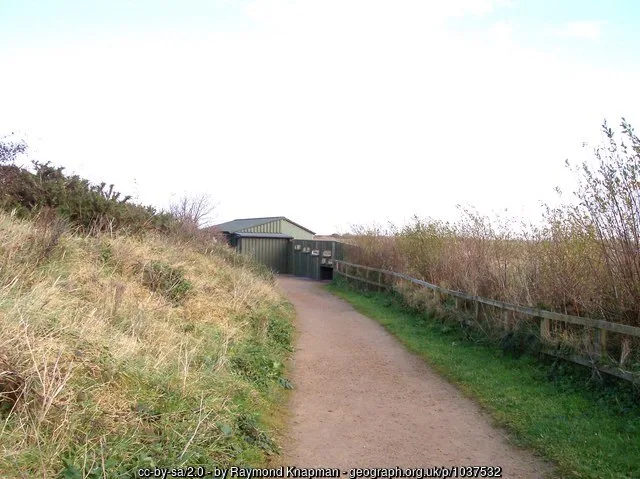
The hide approaches are surfaced and level, at least 2m wide with passing places. The RSPB gives 300m from the car park to Sandgrounders’ and 560m to Nel’s. Hide entrances are level with 1m-wide doors, movable seating and space for wheelchair users. Two viewing screens have low slots, and the raised platform has a ramp with handrails on both sides. An adjustable telescope is available at Sandgrounders’ when staff or volunteers are present. The parking surface is uneven and spaces are unmarked. Reaching the reserve involves the toucan crossing over Marine Drive; take care over this transition rather than treating the road as part of a continuous quiet trail. The longer walks have a different character: Sutton’s includes a stile, Rimmer’s has narrow entrances, a kissing gate and road crossings, while Redshank Road is uneven tidal ground. A portable accessible toilet is provided outside Sandgrounders’. There is no running water or electricity, so visitors needing particular personal-care arrangements should contact the team before choosing a full-day visit. Plan the length and surface of the return route as carefully as the outward walk, especially if you are considering leaving the surfaced hide paths.
Bring your own refreshments: Marshside has no café or shop, and the RSPB directs visitors to the suburb or Southport for food. RSPB Marshside does not provide baby-changing facilities. Sandgrounders’ provides identification displays, a map, seasonal wildlife information and tide details, and volunteers may be available to help. Bicycle racks are provided outside that hide. A bag for food packaging is useful on a long session so nothing is left where birds could eat it or it could blow across the marsh.
Dogs must stay on leads on the reserve, and only assistance dogs can enter the hides. Choose an outdoor route if bringing a pet, and keep it away from feeding flocks and nesting birds. Assistance dogs are welcome throughout under the operator’s published rules.
Arriva service 44 provides the useful local connection through Marshside between Southport and Crossens. The RSPB directs visitors to the Elswick Road junction, followed by a walk north along Marshside Road towards the reserve. Arriva’s current route page names service 44 as Crossens–Formby via Southport. Use that timetable for the day and direction you need; the RSPB’s older fifteen-minute frequency should not replace the operator’s current schedule. Southport railway station is the natural rail gateway. From the town, combine the local bus with the walking approach, or choose a longer walk along Marine Lake and the coast route described by the reserve. Allow time for the final street section and road crossing, especially with children or mobility equipment. Cyclists can approach using the wide path beside Marine Drive. Drivers should follow the coastal road north from Southport to the reserve’s small car park, keeping road verges and access points clear.
Useful bases for an early start.
Booking.com links are affiliate links: we may earn a commission at no extra cost to you. How these links work.
About 3.2 miles by road, roughly 9 minutes’ drive from the town-centre map point (OSRM estimate measured 18 October 2026, without live traffic).
Measured driving route · 18 October 2026. Map estimates exclude live traffic.
Southport is the closest of these three town bases for RSPB Marshside.Find places to stay in Southport on Booking.comAbout 11.0 miles by road, roughly 21 minutes’ drive from the town-centre map point (OSRM estimate measured 18 October 2026, without live traffic).
Measured driving route · 18 October 2026. Map estimates exclude live traffic.
A base in Formby suits a longer break that includes RSPB Marshside.Find places to stay in Formby on Booking.comAbout 11.1 miles by road, roughly 25 minutes’ drive from the town-centre map point (OSRM estimate measured 18 October 2026, without live traffic).
Measured driving route · 18 October 2026. Map estimates exclude live traffic.
A base in Ormskirk suits a longer break that includes RSPB Marshside.Find places to stay in Ormskirk on Booking.comExplore Merseyside’s full guides and smaller birding sites
Contact the RSPB Ribble reserves team at Ribble.reserves@rspb.org.uk or 01704 211690. Give your intended date and explain whether you need help with a hide visit, group access or a tidal route. Coaches and buses cannot use the ordinary reserve car park, so organisers should discuss an appropriate arrangement in advance. The published visitor postcode is PR9 9PJ. Use official tide information alongside the reserve’s route advice, and keep a return-travel plan available when visiting without a car.
Check RSPB Wirral group Marshside report, 22 November 2025. individual dated field-trip report; not a live feed Reports show what has been seen, not what will be.
Follow the BTO Birders’ Code and give wildlife space.
RSPB Marshside: Free entry; non-member parking £1.50 up to 2h / £3 longer; members and Blue Badge holders free.
RSPB Marshside: Dogs must stay on leads on the reserve, and only assistance dogs can enter the hides.
RSPB Marshside: Winter geese and wildfowl; spring nesting waders.
RSPB Marshside: The hide approaches are surfaced and level, at least 2m wide with passing places.
RSPB Marshside: Arriva service 44 provides the useful local connection through Marshside between Southport and Crossens.
Shorter stops within 15 miles in a straight line. Use the operator’s arrival directions for the journey.
Hesketh Bank · Saltmarsh, lagoons and estuary
Holmeswood Road, near Rufford · Lakes · reedbed · woodland · wet meadow
Montagu Road approach from Freshfield station, Formby, Sefton · Lowland dune heath, acidic grassland, scrub, birch and pine woodland
Lunt Road, Thornton, Sefton · Wet grassland, reedbeds, pools, ponds and flood-storage wetland
Nearby complete guides.
Stops with a purpose: use one as a contrasting habitat or weather-proof Plan B. Distances are straight-line estimates, not road journeys.