

SC 10 · RSPB reserve guide
RSPB Loch Gruinart
Aoradh, Bridgend, Isle of Islay, Argyll and Bute, Scotland · PA44 7PP
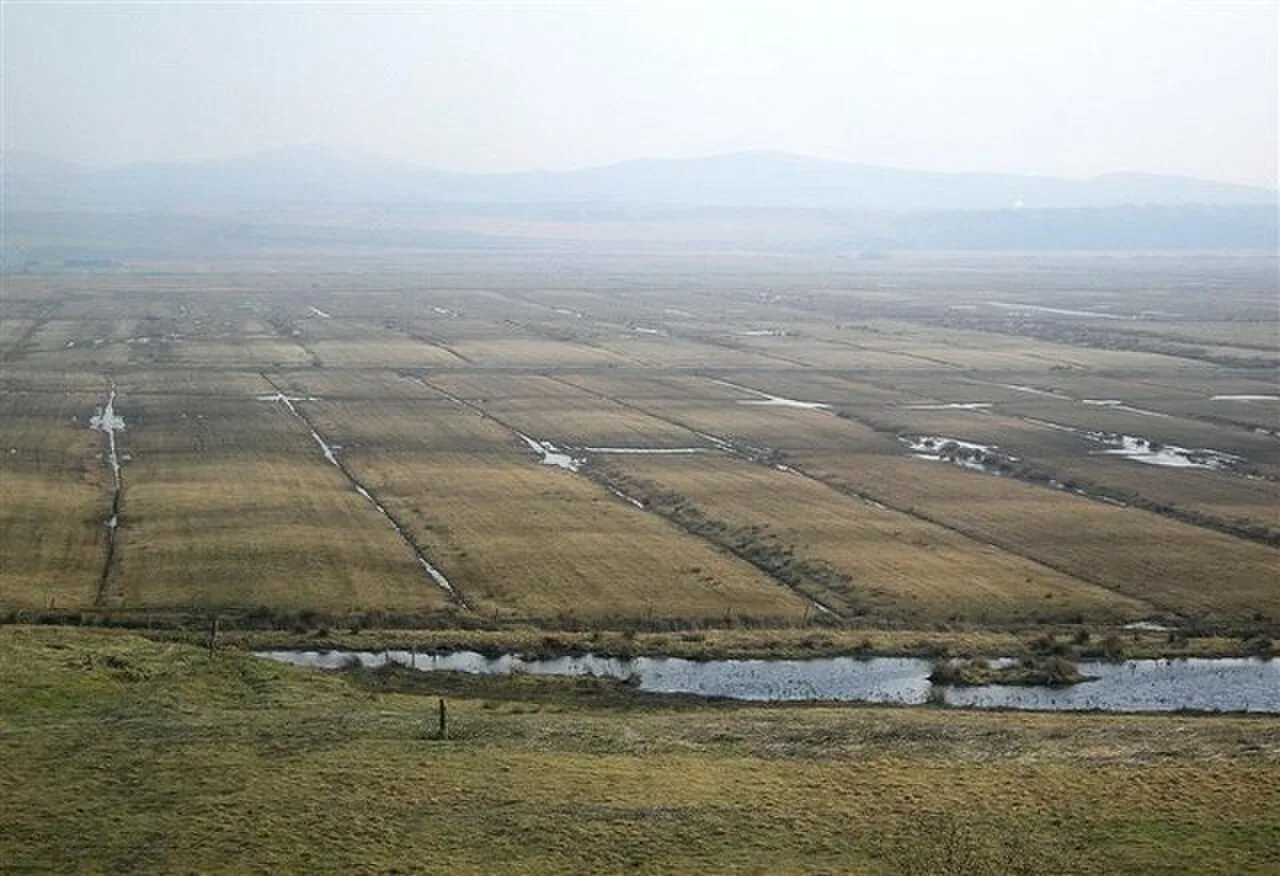
Greenland Barnacle and Greenland White-fronted Geese fill the fields from autumn, while spring brings calling Corncrakes, breeding Lapwings and Redshanks; Hen Harriers, Choughs and Otters can reward patient watching across the wider reserve.

Decide if the visit fits.
RSPB Loch Gruinart at a glance
Last checked 18 October 2026.
Port Ellen is closed for harbour redevelopment, with reopening expected in 2029. CalMac’s Kennacraig ferries use Port Askaig; check the route and onward island connection before travelling.
- Open
- Reserve open 24 hours; centre 10am–5pm (October calendar).More about open
- Price / parking
- Free entry; see operator for parking.More about price / parking
- Best time
- Autumn goose arrival · winter wildfowl and raptors · spring Corn…More about best time
- Dogs
- Dogs are welcome under close control on the outdoor routes, with…More about dogs
- Toilets
- General toilets are beside the building, with cycle racks availa…More about toilets
- Step-free
- The access arrangements for RSPB Loch Gruinart were checked on 1…More about step-free
Opening and charges information · checked .
Stay nearby →On this page
Reserve overview
Loch Gruinart reserve and habitat
Greenland Barnacle and Greenland White-fronted Geese fill the fields from autumn, while spring brings calling Corncrakes, breeding Lapwings and Redshanks; Hen Harriers, Choughs and Otters can reward patient watching across the wider reserve.
Eight checks for a smoother visit.
Planning your visit to Loch Gruinart
Conditions change: check the operator and transport notices before travelling.
Loch Gruinart best time to visit and seasonal birds
January: typically look for Barnacle Goose and Lapwing from South Hide (Taigh Deas). Settle in the official hide and scan feeding fields without following a flock. Keep any dawn plan separate from centre hours, and ask about independent hide or vehicle access where it is not published. February: typically look for White-fronted Goose and Teal from North Hide (Taigh Tuath). Use binoculars for near water and a scope for distant flats. Stay within the public hide and signed approach rather than trying to identify a difficult goose by walking towards the flock. March: typically look for Lapwing and Shoveler from South Hide (Taigh Deas). Start with a slow wetland scan and compare the nearer pools before moving on. A bird reported elsewhere on Islay should never be silently attributed to the reserve or to this particular hide. April: typically look for Cuckoo and Skylark from Moorland Trail viewpoint. Listen from the official Moorland Trail viewpoint in calm weather. The map recommends spring listening here; keep all protected breeding territories, remote habitat and farm ground out of the route. May: typically look for Sedge Warbler and Whitethroat from Woodland Trail viewing platform. Listen from the Woodland Trail platform and the further signed viewing area. These are habitat-based public-route recommendations, without directing anyone to a calling Corncrake or a specific patch of breeding cover. June: typically look for Lapwing from South Hide (Taigh Deas) and listen for Cuckoo from the Moorland Trail viewpoint. Use South Hide for the wetland watch and the Moorland Trail for a separate Cuckoo listen. Take binoculars and accept distant views, especially where approaching a bird would mean leaving the trail. July: typically look for Skylark from the Moorland Trail viewpoint and Whitethroat from the Woodland Trail further viewing area. Check the open moorland from the official viewpoint, adding Woodland Trail cover for Whitethroat. Quiet pauses help, but declining song means a summer visit need not reproduce the spring experience. August: typically look for Lapwing from South Hide (Taigh Deas) and Redpoll from the Woodland Trail further viewing area. Give the hide time and add a woodland-edge pause for Redpoll. Seasonal movement and vegetation change the views, so do not use an old report as an exact schedule or a direction to a nest. September: typically look for Pintail and Teal from North Hide (Taigh Tuath). The current Argyll Bird Club feed documents September Pintail at Loch Gruinart. Scan the managed pools without assuming their water levels follow the tidal loch in precisely the same way. October: typically look for Barnacle Goose and White-fronted Goose from South Hide (Taigh Deas). Typical winter arrivals vary with weather. Compare South Hide with North Hide only when the public approaches are open, leaving settled birds undisturbed instead of pursuing the largest flock. November: typically look for Shoveler and Pintail from North Hide (Taigh Tuath). Choose manageable wind and clear visibility for duck identification. The two hides provide an alternative to an exposed moorland walk; their public status does not establish unlimited vehicle or centre access. December: typically look for Barnacle Goose from South Hide (Taigh Deas) and Redpoll from the Woodland Trail further viewing area. Combine a wetland hide session with a separate Woodland Trail listen. Respect working-farm access and single-track traffic, and never occupy a passing place for a prolonged roadside scope watch.
Best conditions: Our choice is calm, clear daylight for the wetland hides, with a separate Woodland or Moorland Trail pause if footing and weather suit. A scope helps distant goose identification; binoculars suit nearby pools and scrub. Moorland and boardwalk sections can be wet, and a strong crosswind makes exposed watching less useful. Watch only from public facilities and keep farm access clear.
Loch Gruinart opening times, entry and facilities
Admission and opening information checked on 18 October 2026. The RSPB lists free ordinary admission for adults, children and seniors, with no advance booking required. Its calendar gives reserve access around the clock and visitor-centre and toilet hours of 10:00–17:00; the facilities page excludes Christmas and New Year from the centre’s normal opening. Use the current date selector when planning a holiday visit. There is parking in the Aoradh farmyard and a separate hide-and-trail car park. A separate parking tariff was not published in the RSPB pages checked, so confirm any charge with the team before travelling if it affects the visit. Check the reserve notices, weather and ferry arrangements before setting off. Keep the working farm access clear and use designated parking rather than leaving a vehicle in a passing place.
Access times: Reserve: October 2026 calendar lists nature reserve open 24 hours; use signed public trails within the working farm. · Hides: Two public hides verified; independent daily hide unlocking hours not published. Visitor Centre viewing area is upstairs and normally available 10am–5pm, except Christmas and New Year. · Car park: Two operator-listed car parks; independent gate hours not verified. Arrange closer South Hide vehicle access for mobility needs with staff. · Dawn access: partly. Operator opening information.
Loch Gruinart trails, hides and visit length
Two signposted routes start at the hide car park. The Woodland Trail is about one mile, while the Moorland Trail is about 1.25 miles; the linked map rounds these slightly differently to 0.9 and 1.3 miles. Allow time for birdwatching beyond the route’s walking estimate. Woodland, wet fields and moorland show different parts of the reserve, so choose a combination suited to the season instead of trying to cover distance quickly. South Hide, also named Taigh Deas on the map, is about 300 metres from the hide car park. North Hide, Taigh Tuath, is around 800 metres away. These give a sustained look over wetland habitat without approaching feeding or nesting birds. A second hide can reveal birds concealed by vegetation from the first, while a repeated visit later in the day can show how the fields are being used. Two-hour plan: begin with one long wetland watch, visit a second viewpoint if time allows and return via a short woodland section. In winter, spend most of the time comparing goose flocks and ducks; in late spring, include several quiet listening pauses along the permitted path for Corncrakes. Listen where the route already provides a view rather than moving into cover to pursue a call. Full-day plan: combine both wetland hides with the Woodland Trail, taking a packed lunch and leaving the Moorland Trail as an additional option when conditions and energy allow. The open route offers broader landscape views and a chance to watch hunting birds, while the more sheltered woodland changes the pace. Revisit a useful hide as light or bird activity changes. Keep gates as instructed, give livestock room and stay alert to farm vehicles. Single-track roadside watching should never occupy a passing place: use a proper parking area and walk to a permitted viewpoint instead.
Where to watch at Loch Gruinart
Use the linked reserve map and directions with current access notices. Species are typical seasonal targets. Light and telescope advice reflects our choice of viewpoint.
South Hide (Taigh Deas)Winter · Spring · Summer · Autumn
Managed wetland, pools and grazed flats
Operator allows closer vehicle access for visitors with mobility difficulties; arrange this rather than driving past public parking independently.
Winter: Barnacle Goose, Lapwing
Spring: Barnacle Goose, Lapwing
Summer: Lapwing
Autumn: Barnacle Goose, Lapwing
Light: either. Scope: useful.
North Hide (Taigh Tuath)Winter · Spring · Autumn
Wetland pools and surrounding flats
Step at entrance; longer approach from hide car park.
Winter: White-fronted Goose, Shoveler, Teal, Pintail
Spring: White-fronted Goose, Shoveler, Teal, Pintail
Autumn: White-fronted Goose, Shoveler, Teal, Pintail
Light: either. Scope: useful.
Woodland Trail viewing platformSpring · Summer · Autumn
Reserve landscape from the lower Woodland Trail
Level concrete platform with handrails and supported benches; steps and narrow sections occur farther on.
Spring: Sedge Warbler
Summer: Sedge Warbler
Autumn: Sedge Warbler
Light: either. Scope: useful.
Woodland Trail further viewing areaWinter · Spring · Summer · Autumn
Woodland-edge landscape from the signed trail
Separate operator-listed viewing area; benches have no back or arm support.
Winter: Redpoll
Spring: Whitethroat, Redpoll
Summer: Whitethroat, Redpoll
Autumn: Whitethroat, Redpoll
Light: either. Scope: not needed.
Moorland Trail viewpointSpring · Summer · Autumn
Open moorland and wider reserve panorama
Mixed boardwalk, gravel and natural surfaces; not a wheelchair-accessible route.
Spring: Skylark, Cuckoo
Summer: Skylark, Cuckoo
Autumn: Skylark
Light: either. Scope: useful.
Visitor Centre upstairs viewing area
Reserve landscape and loch from the centre
Access via stairways only; centre normally 10am–5pm except Christmas/New Year.
Light: either. Scope: useful.
Tide: Compare the tidal loch landscape with managed pools; no single optimum state verified.
Public roadside views beside the reserve
Loch Gruinart tidal margins and reserve fields
Roadside views only where lawful and safe without obstructing traffic; passing places must remain available for vehicles.
Light: either. Scope: essential.
Tide: Exposed feeding margins change with tide; do not walk onto mud or seek a shore crossing.
| Spot | Overlooks | Key species by season | Best light | Scope | Tide |
|---|---|---|---|---|---|
| South Hide (Taigh Deas)Operator allows closer vehicle access for visitors with mobility difficulties; arrange this rather than driving past public parking independently. | Managed wetland, pools and grazed flats | Winter: Barnacle Goose, Lapwing Spring: Barnacle Goose, Lapwing Summer: Lapwing Autumn: Barnacle Goose, Lapwing | either | useful | — |
| North Hide (Taigh Tuath)Step at entrance; longer approach from hide car park. | Wetland pools and surrounding flats | Winter: White-fronted Goose, Shoveler, Teal, Pintail Spring: White-fronted Goose, Shoveler, Teal, Pintail Autumn: White-fronted Goose, Shoveler, Teal, Pintail | either | useful | — |
| Woodland Trail viewing platformLevel concrete platform with handrails and supported benches; steps and narrow sections occur farther on. | Reserve landscape from the lower Woodland Trail | Spring: Sedge Warbler Summer: Sedge Warbler Autumn: Sedge Warbler | either | useful | — |
| Woodland Trail further viewing areaSeparate operator-listed viewing area; benches have no back or arm support. | Woodland-edge landscape from the signed trail | Winter: Redpoll Spring: Whitethroat, Redpoll Summer: Whitethroat, Redpoll Autumn: Whitethroat, Redpoll | either | not needed | — |
| Moorland Trail viewpointMixed boardwalk, gravel and natural surfaces; not a wheelchair-accessible route. | Open moorland and wider reserve panorama | Spring: Skylark, Cuckoo Summer: Skylark, Cuckoo Autumn: Skylark | either | useful | — |
| Visitor Centre upstairs viewing areaAccess via stairways only; centre normally 10am–5pm except Christmas/New Year. | Reserve landscape and loch from the centre | — | either | useful | Compare the tidal loch landscape with managed pools; no single optimum state verified. |
| Public roadside views beside the reserveRoadside views only where lawful and safe without obstructing traffic; passing places must remain available for vehicles. | Loch Gruinart tidal margins and reserve fields | — | either | essential | Exposed feeding margins change with tide; do not walk onto mud or seek a shore crossing. |
Target species at Loch Gruinart
Month chips show typical presence or our preferred viewing season. Choose birds that suit the time of your visit.
Headline birds
- JanFebMarAprOctNovDec
- JanFebMarAprOctNovDec
- JanFebMarAprMayJunJulAugSepOctNovDec
- CorncrakeFollow the operator’s sensitive-species advice.MayJunJul
- Hen HarrierFollow the operator’s sensitive-species advice.JanFebMarAprMayJunJulAugSepOctNovDec
Regular birds
- JanFebMarAprSepOctNovDec
- JanFebMarAprSepOctNovDec
- JanFebMarAprSepOctNovDec
- AprMayJunJulAugSep
- AprMayJunJulAugSep
- MarAprMayJunJulAugSep
- JanFebMarAprMayJunJulAugSepOctNovDec
- AprMayJunJul
Tide planning
Use official public viewing positions to compare the tidal loch with managed wetland pools. Check Ardnave Point predictions for tidal context, but do not treat the freshwater/saline management areas as following an identical tide cycle. No numeric threshold, fixed optimum or public mudflat crossing is verified.
UKHO EasyTide: Ardnave Point — nearby Islay UKHO reference · RNLI tide safety
Loch Gruinart accessibility and step-free routes
The access arrangements for RSPB Loch Gruinart were checked on 18 October 2026. A level Blue Badge bay is provided at the visitor centre. Rolled-stone surfaces occur in the parking areas, and closer vehicle access towards South Hide can be arranged for visitors with mobility difficulties. Discuss that arrangement directly before relying on it; access to North Hide is different and includes a step. A level concrete viewing platform with handrails is near the hide car park, providing a short viewing option. Beyond it, the Woodland Trail has width restrictions and stepped boardwalk sections. The Moorland Trail uses a mixture of boardwalk, gravel and natural grass and is not described as wheelchair-suitable. Choose the point you need to reach rather than treating the entire trail as one access category. The visitor-centre upper viewing area is reached by stairs. An adapted toilet is beside the building, but the RSPB warns that its layout may be difficult for some wheelchair users. Send the team your turning-space, transfer and viewing-height requirements before travelling. Some benches have back and arm support, while others are simpler seats, so plan rest stops around the facilities that suit your party.
Loch Gruinart visitor facilities
The visitor centre provides information, local printed material and a children’s activity corner. General toilets are beside the building, with cycle racks available. Bring drinks and a packed lunch; visitors can use benches along the Woodland Trail for a picnic, although there is no designated picnic area. Take all litter away and keep food secure while walking through grazing areas. Use the centre’s map to identify the public routes before leaving the farmyard. Barbecues are prohibited on the reserve because of fire risk.
Loch Gruinart dog rules
Dogs are welcome under close control on the outdoor routes, with livestock present throughout the year. The trail map asks handlers to use leads. Pet dogs are excluded from the hides; assistance dogs are welcome throughout. Arrange a companion or a suitable alternative when a hide watch is part of a dog-walking visit.
Loch Gruinart public transport and getting there
Island travel checked on 18 October 2026. CalMac’s Kennacraig–Islay service currently uses Port Askaig while Port Ellen is closed for redevelopment. The summer 2026 timetable ends on 18 October; the published winter timetable runs 19 October 2026–25 March 2027 and is open for booking. Reserve a place even as a foot passenger, and check the booked port and sailing carefully. Vehicle check-in closes 30 minutes before departure and foot-passenger check-in ten minutes beforehand. CalMac’s displayed summer-2026 fare table gives adult passenger singles at £9 and returns at £18; child equivalents are £4.50 and £9. A car costs £45.40 single or £90.80 return, excluding occupants. These are the explicitly labelled summer fares, not an assumed winter quote; use the booking system for the actual journey total. On Islay, council-listed services 450 and 451 link the principal villages and ferry area. They do not reach the reserve: the RSPB identifies a three-mile final walk from the A847 junction or six miles from Bridgend. Book a taxi or arrange a cycle connection if those rural walks are unsuitable. The council’s current bus calendar covers February 2026–January 2027, with day and school-period variations. Stay-base estimates are road journeys on Islay, excluding the mainland drive and ferry.
Useful bases for an early start.
Where to stay near Loch Gruinart
Booking.com links are affiliate links: we may earn a commission at no extra cost to you. How these links work.
- 01
Bridgend
About 6.7 miles by road, roughly 11 minutes’ drive to the reserve on Islay; ferry travel is additional. OSRM measured the Bridgend journey for RSPB Loch Gruinart on 18 October 2026; the estimate excludes live traffic.
Measured driving route · 2026-10-18. Map estimates exclude live traffic.
A central Islay base for exploring the island.Find places to stay in Bridgend on Booking.com - 02
Bowmore
About 9.5 miles by road, roughly 16 minutes’ drive to the reserve on Islay; ferry travel is additional. OSRM measured the Bowmore journey for RSPB Loch Gruinart on 18 October 2026; the estimate excludes live traffic.
Measured driving route · 2026-10-18. Map estimates exclude live traffic.
A village base with onward island travel options.Find places to stay in Bowmore on Booking.com - 03
Port Charlotte
About 8.8 miles by road, roughly 16 minutes’ drive to the reserve on Islay; ferry travel is additional. OSRM measured the Port Charlotte journey for RSPB Loch Gruinart on 18 October 2026; the estimate excludes live traffic.
Measured driving route · 2026-10-18. Map estimates exclude live traffic.
A western Islay coastal base.Find places to stay in Port Charlotte on Booking.com
Explore Argyll and Bute’s full guides and smaller birding sites
Loch Gruinart official sightings, safety and contact
Contact Loch Gruinart on 01496 850505 or loch.gruinart@rspb.org.uk. The address is Loch Gruinart, Bridgend, Isle of Islay, Argyll and Bute, PA44 7PP. Use the official RSPB Islay account for reserve news and contact the team for route-specific access or organised visits. A useful wildlife report includes a named hide, approximate time and direction of view. Keep farm lanes, gates and handling areas available for the people working the land while you watch.
Loch Gruinart recent bird sightings
Check RSPB Glasgow actual Loch Gruinart visit. dated spring 2023 archive Reports show what has been seen, not what will be.
- RSPB Glasgow actual Loch Gruinart visitoperator · updated dated spring 2023 archive
- Argyll Bird Club recent local sightingscounty club or recorder · updated frequent regional submissions; current2026 reports
Birding sources
- RSPB current local species and two trails
- RSPB full hide, platform, trail and centre inventory
- RSPB October 2026 opening calendar
- RSPB current-linked map: Taigh Deas/Tuath and viewing symbols
- RSPB actual spring 2023 Gruinart reserve observations; Ardnave/Indaal excluded
- Argyll Bird Club actual 2026 sightings including September Gruinart Pintail
Follow the BTO Birders’ Code and give wildlife space.
Questions visitors ask
Is RSPB Loch Gruinart free to visit?
RSPB Loch Gruinart: Free entry; see operator for parking.
Can I take my dog to RSPB Loch Gruinart?
RSPB Loch Gruinart: Dogs are welcome under close control on the outdoor routes, with livestock present throughout the year.
When is the best time to visit RSPB Loch Gruinart?
RSPB Loch Gruinart: Autumn goose arrival · winter wildfowl and raptors · spring Corncrakes and breeding waders.
Is RSPB Loch Gruinart accessible for wheelchairs?
RSPB Loch Gruinart: A level Blue Badge bay is provided at the visitor centre.
How do I get to RSPB Loch Gruinart without a car?
RSPB Loch Gruinart: Island travel checked on 18 October 2026.
Best months for this reserve
Nearby complete guides.
Bird reserves near Loch Gruinart
Stops with a purpose: use one as a contrasting habitat or weather-proof Plan B. Distances are straight-line estimates, not road journeys.
- About 16 miles away · A familiar habitatRSPB The OaSeasonal wildlife throughout the year
- About 47 miles away · A familiar habitatLunga and the Treshnish IslesSpring and summer for the widest choice of wildlife trips
- About 56 miles away · A useful habitat changeRSPB CollSeasonal wildlife throughout the year