

SC 34 · RSPB reserve guide
RSPB The Oa
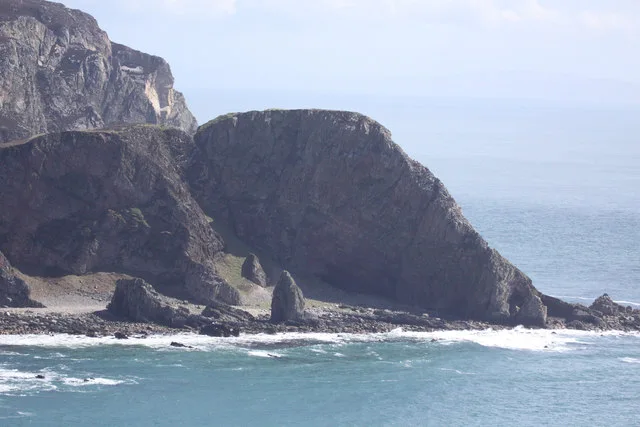
Lower Killeyan, Isle of Islay
Golden eagles over the open landscape and winter twite flocks
Decide if the visit fits.
RSPB The Oa at a glance
Last checked 18 October 2026.
- Open
- Reserve open 24 hours (October calendar).More about open
- Price / parking
- Free entry; see operator for parking.More about price / parking
- Best time
- Seasonal wildlife throughout the yearMore about best time
- Dogs
- RSPB Scotland asks for dogs on short leads during the ground-nes…More about dogs
- Toilets
- The operator identifies Port Ellen as the nearest toilet provisi…More about toilets
- Step-free
- The RSPB describes most paths as natural and unimproved, with so…More about step-free
Opening and charges information · checked .
Stay nearby →On this page
Reserve overview
The Oa reserve and habitat
Golden eagles over the open landscape and winter twite flocks
Eight checks for a smoother visit.
Planning your visit to The Oa
Conditions change: check the operator and transport notices before travelling.
The Oa best time to visit and seasonal birds
January: typically look for Twite from Car-park feeding station. Watch without blocking access or approaching the feeding area. In wet, windy weather a brief sheltered watch can be a better decision than pressing on to the monument. February: typically look for Linnet and Twite from Car-park feeding station. Compare bills and flock behaviour through binoculars. The station was documented in January 2026; check current reports because feeding provision and the birds using it can change. March: typically look for Curlew and Lapwing from American Monument trail. Listen before walking farther and keep to the marked route. Displaying birds should be watched from the path, without crossing pasture for a closer photograph. April: typically look for Wheatear and Common Sandpiper from American Monument trail. Treat returning migrants as possibilities rather than a deadline. Binoculars and patient pauses are more useful than moving between field edges looking for a reported individual. May: typically look for Whinchat and Whitethroat from American Monument trail. Choose a calm morning when calls carry. View adjacent habitat from the public route and leave fence lines, damp cover and any alarm-calling birds undisturbed. June: typically look for Fulmar from Circular clifftop trail via American Monument. Watch flight from a safe path position. Strong gusts and low cloud are reasons to shorten the walk; no bird justifies approaching an unprotected edge or occupied ledge. July: typically look for Sedge Warbler and Snipe from American Monument trail. Listen across suitable cover without entering it. Song and display can be more informative than a close view, and the absence of either does not prove absence of the bird. August: typically look for Wheatear and Whinchat from American Monument trail. Late-summer movement varies with weather. Work the visible grassland slowly from the waymarked route rather than assuming a spring territory will still hold the same birds. September: typically look for Linnet from Car-park feeding station. Use a slow flock scan to establish common birds first. Keep a safe return margin for deteriorating weather; the official circuit is exposed and has no enclosed hide. October: typically look for Barnacle Goose and White-fronted Goose from American Monument trail. Winter arrivals vary. Scan fields from the trail with a scope if useful, without following flocks or stopping where farm access would be obstructed. November: typically look for Twite from Car-park feeding station. Check the latest Islay reports before choosing the length of the visit. Winter flocks are mobile, so a report establishes an opportunity rather than an appointment with the birds. December: typically look for White-fronted Goose and Barnacle Goose from American Monument trail. Plan a daylight circuit in a manageable forecast. Watch settled feeding birds at a distance and keep enough time to return without rushing over wet natural surfaces.
Best conditions: Our choice is a clear, light-wind morning with time for slow grassland scans. Fog, strong gusts and wet natural surfaces can make the exposed clifftop circuit unsuitable. Use binoculars for nearby songbirds and a scope for distant geese from the path; no raptor nest or Chough breeding-site directions are supplied.
The Oa opening times, entry and facilities
The Oa's RSPB admission table checked on 18 October 2026 gives free entry for adults and children, both members and non-members. Its current calendar shows the nature reserve open 24 hours. The visitor car park at Lower Killeyan is the published arrival point, with 18 spaces on rolled stone and no lighting. No separate parking tariff was stated on the official visitor pages examined. The charges page contains generic wording about paying at a visitor centre, while the facilities page explicitly says that there is no visitor centre or staff based on site. Plan this as an outdoor reserve visit. Look at the operator's current notices and Islay weather before setting out, particularly if the day depends on a ferry connection. The official route and any temporary signs take precedence over a longer walk suggested by an unsourced map.
Access times: Reserve: October 2026 RSPB opening calendar lists reserve open 24 hours; use the waymarked public paths. · Hides: No enclosed hide or shelter and no formal viewpoint. Trails and monument are outdoors. · Car park: Operator lists an unlit car park but no separate vehicle-gate hours were verified. · Dawn access: partly. Operator opening information.
The Oa trails, hides and visit length
The reserve's signed walking route leads through open farmland and coastal habitat towards the American Monument. This is a place to move slowly between broad views rather than to expect a sequence of enclosed hides. Keep the route underfoot and scan outward, allowing the landform and weather to determine where a comfortable watch is possible. The arable areas are particularly useful for watching winter finches from the public route. Pause well before the flock is likely to flush, and let feeding birds come back into view. On the coastal part, look for choughs working the turf and watch the wider sky for eagles. Never leave the trail to inspect a possible nest site or follow a bird carrying prey. Two-hour plan: make a steady outing on the signed trail with one concentrated farmland watch and one open-sky watch. If walking progress or wind reduces the available time, turn back without treating the monument as compulsory. A quiet half-hour with twite can be more rewarding than reaching a distant landmark in a rush. Full-day plan: devote the morning to the Oa's walk and a patient raptor watch, with a proper meal break before deciding whether to repeat a short section in different light. For a wider Islay birding day, pair it with RSPB Loch Gruinart using that guide's own access and timing advice. Allow for the cross-island journey rather than treating the two reserves as adjacent walks. Stay within official visitor areas at both sites, especially around sensitive birds.
Where to watch at The Oa
Use the linked reserve map and directions with current access notices. Species are typical seasonal targets. Light and telescope advice reflects our choice of viewpoint.
American Monument trailWinter · Spring · Summer · Autumn
Grazed grassland, moorland and farm fields seen from the public trail
Natural paths, soft ground and boardwalk sections; no enclosed shelter.
Winter: Buzzard, Barnacle Goose, White-fronted Goose, Chough
Spring: Wheatear, Whinchat, Whitethroat, Buzzard, Barnacle Goose, White-fronted Goose, Cuckoo, Sedge Warbler, Common Sandpiper, Curlew, Lapwing, Redshank, Snipe, Chough
Summer: Wheatear, Whinchat, Whitethroat, Buzzard, Cuckoo, Sedge Warbler, Common Sandpiper, Curlew, Lapwing, Redshank, Snipe, Chough
Autumn: Wheatear, Whitethroat, Buzzard, Barnacle Goose, White-fronted Goose, Chough
Light: either. Scope: useful.
Circular clifftop trail via American MonumentWinter · Spring · Summer · Autumn
Coastal cliffs, open grassland and sky
Unprotected coastal setting: stay on the waymarked path and away from cliff edges.
Winter: Golden Eagle
Spring: Fulmar, Golden Eagle
Summer: Fulmar, Golden Eagle
Autumn: Fulmar, Golden Eagle
Light: either. Scope: useful.
Tide: Clifftop route, not a shore route; weather and safe footing determine the walk.
Car-park feeding stationWinter · Spring · Summer · Autumn
Operator feeding station and adjacent farm habitat
Feeding station recorded in January 2026; provision can change. Do not approach buildings or fields.
Winter: Twite, Linnet
Spring: Twite, Linnet
Summer: Twite, Linnet
Autumn: Twite, Linnet
Light: either. Scope: not needed.
American Monument mapped viewpoint
Public clifftop panorama at the monument
Viewpoint symbol on operator trail map, not a promise of a constructed or sheltered facility. Stay on the waymarked route.
Light: either. Scope: useful.
Clifftop trail mapped viewpoint
Coastal grassland and sea from the waymarked circuit
Viewpoint symbol on operator trail map, not a promise of a constructed or sheltered facility. Stay on the waymarked route.
Light: either. Scope: useful.
| Spot | Overlooks | Key species by season | Best light | Scope | Tide |
|---|---|---|---|---|---|
| American Monument trailNatural paths, soft ground and boardwalk sections; no enclosed shelter. | Grazed grassland, moorland and farm fields seen from the public trail | Winter: Buzzard, Barnacle Goose, White-fronted Goose, Chough Spring: Wheatear, Whinchat, Whitethroat, Buzzard, Barnacle Goose, White-fronted Goose, Cuckoo, Sedge Warbler, Common Sandpiper, Curlew, Lapwing, Redshank, Snipe, Chough Summer: Wheatear, Whinchat, Whitethroat, Buzzard, Cuckoo, Sedge Warbler, Common Sandpiper, Curlew, Lapwing, Redshank, Snipe, Chough Autumn: Wheatear, Whitethroat, Buzzard, Barnacle Goose, White-fronted Goose, Chough | either | useful | — |
| Circular clifftop trail via American MonumentUnprotected coastal setting: stay on the waymarked path and away from cliff edges. | Coastal cliffs, open grassland and sky | Winter: Golden Eagle Spring: Fulmar, Golden Eagle Summer: Fulmar, Golden Eagle Autumn: Fulmar, Golden Eagle | either | useful | Clifftop route, not a shore route; weather and safe footing determine the walk. |
| Car-park feeding stationFeeding station recorded in January 2026; provision can change. Do not approach buildings or fields. | Operator feeding station and adjacent farm habitat | Winter: Twite, Linnet Spring: Twite, Linnet Summer: Twite, Linnet Autumn: Twite, Linnet | either | not needed | — |
| American Monument mapped viewpointViewpoint symbol on operator trail map, not a promise of a constructed or sheltered facility. Stay on the waymarked route. | Public clifftop panorama at the monument | — | either | useful | — |
| Clifftop trail mapped viewpointViewpoint symbol on operator trail map, not a promise of a constructed or sheltered facility. Stay on the waymarked route. | Coastal grassland and sea from the waymarked circuit | — | either | useful | — |
Target species at The Oa
Month chips show typical presence or our preferred viewing season. Choose birds that suit the time of your visit.
Headline birds
- JanFebMarAprMayJunJulAugSepOctNovDec
- JanFebMarAprOctNovDec
- JanFebMarAprOctNovDec
- Golden EagleCircular clifftop trail via American MonumentCircular clifftop trail via American MonumentJanFebMarAprMayJunJulAugSepOctNovDec
- JanFebMarAprMayJunJulAugSepOctNovDec
Regular birds
- JanFebMarAprMayJunJulAugSepOctNovDec
- AprMayJunJulAugSep
- MayJunJulAug
- MayJunJulAugSep
- MarAprMayJunJulAugSep
- JanFebMarAprMayJunJulAugSepOctNovDec
- AprMayJunJul
- Sedge WarblerAmerican Monument trailAmerican Monument trailMayJunJulAug
- AprMayJunJulAug
- MarAprMayJunJul
- MarAprMayJunJul
- MarAprMayJunJul
- MarAprMayJunJul
Tide planning
The waymarked clifftop walk does not require an intertidal crossing. Choose safe weather and footing rather than a claimed ideal tide, and do not descend to the shore to follow birds.
UKHO EasyTide: Orsay — nearby Islay UKHO reference; local coastal timing can differ · RNLI tide safety
The Oa accessibility and step-free routes
The RSPB describes most paths as natural and unimproved, with soft ground, short boardwalk sections and some moderate gradients. These surfaces can change substantially after rain. Visitors with an off-road or all-terrain powered wheelchair are asked to contact the reserve directly about available routes; the published description does not support a blanket statement that the full walk is wheelchair accessible. Consider whether a shorter out-and-back and stationary farmland watch would suit better than the entire coastal route. Discuss the car-park surface, the first part of the route and any gates or narrow sections with the team before travelling. A person who can manage a firm track may still find wet grass or a cross-slope difficult, so describe the equipment and assistance available rather than asking only whether the reserve is accessible. There is little protection from wind on an open coastal peninsula. Carry clothing that remains comfortable during a seated watch, and set a conservative turning point if fatigue is a concern. For visitors arriving by ferry, request boarding assistance from the operator separately; that does not answer questions about the reserve terrain. No on-site accessible toilet is provided.
The Oa visitor facilities
There is no visitor centre, café, shop or staffed reception at the reserve. Bring your own meal and drinking water, and take all litter back to your accommodation. A picnic area is listed by the RSPB, but should not be treated as shelter from rough weather. The operator identifies Port Ellen as the nearest toilet provision, around four miles away. Plan those stops before the final approach. Barbecues are prohibited because fire would threaten the grassland, moor and wildlife.
The Oa dog rules
RSPB Scotland asks for dogs on short leads during the ground-nesting season, 1 April to 15 August, and wherever livestock are present. Clean up after your dog and keep it away from feeding bird flocks and cliff edges. Assistance dogs are welcome throughout the reserve, in line with the operator's published policy.
The Oa public transport and getting there
CalMac's Islay service links Kennacraig with Port Ellen or Port Askaig. Choose the actual sailing and island terminal when planning a car-free trip; arriving at the other end of Islay changes the onward journey. Reserve the crossing and consult service status before travelling to the port. Argyll and Bute Council lists Islay Coaches routes 450 and 451, both serving Port Ellen as part of the island network. The RSPB identifies Port Ellen as the nearest bus stop to the reserve, so neither route should be presented as a bus to the Oa car park. Arrange the remaining road transfer and return collection in advance. The final approach is on minor roads towards Lower Killeyan. The nearby stay routes below finish at the official reserve arrival point on Islay, excluding any ferry crossing. If combining the Oa with Loch Gruinart, allow a separate road journey and use the return sailing as a firm constraint on the day's plan.
Useful bases for an early start.
Where to stay near The Oa
Booking.com links are affiliate links: we may earn a commission at no extra cost to you. How these links work.
- 01
Port Ellen
About 6.5 miles by road, roughly 16 minutes’ drive to the stated arrival point (OSRM, measured 18 October 2026; estimate without live traffic).
Measured driving route · 18 October 2026. Map estimates exclude live traffic.
A stay in Port Ellen with time for the wider areaFind places to stay in Port Ellen on Booking.com - 02
Bowmore
About 15.9 miles by road, roughly 30 minutes’ drive to the stated arrival point (OSRM, measured 18 October 2026; estimate without live traffic).
Measured driving route · 18 October 2026. Map estimates exclude live traffic.
A stay in Bowmore with time for the wider areaFind places to stay in Bowmore on Booking.com - 03
Port Charlotte
About 24.6 miles by road, roughly 47 minutes’ drive to the stated arrival point (OSRM, measured 18 October 2026; estimate without live traffic).
Measured driving route · 18 October 2026. Map estimates exclude live traffic.
A stay in Port Charlotte with time for the wider areaFind places to stay in Port Charlotte on Booking.com
Explore Argyll and Bute’s full guides and smaller birding sites
The Oa official sightings, safety and contact
The reserve lists the.oa@rspb.org.uk and 01496 300118 for visitor enquiries. Use those details for current trail conditions, group plans and the suitability of a particular mobility aid. CalMac handles ferry bookings, while Islay Coaches and the council provide island bus information. Report sensitive wildlife concerns to the reserve team without circulating nest locations. The official visitor pages linked here give the starting point for checking practical arrangements before a longer Islay journey.
The Oa recent bird sightings
Check RSPB Glasgow actual Oa visit report. dated spring 2023 archive Reports show what has been seen, not what will be.
- RSPB Glasgow actual Oa visit reportoperator · updated dated spring 2023 archive
- Islay regional bird sightingscounty club or recorder · updated frequent regional reports; linked January 2026 archive
Birding sources
- RSPB current reserve habitats and species
- RSPB two waymarked trails and absence of formal viewpoints
- RSPB October 2026 reserve access calendar
- RSPB reserve warden David Dinsley: local seasonal birds, guest article
- RSPB actual spring 2023 Oa visit; other Islay stops excluded
- Islay regional bird reports: actual January 2026 Oa feeding station
- Argyll Bird Report 2023: selected Oa reserve systematic entries
- RSPB current-linked Gruinart and Oa trail map; two Oa viewpoint symbols
Follow the BTO Birders’ Code and give wildlife space.
Questions visitors ask
Is RSPB The Oa free to visit?
RSPB The Oa: Free entry; see operator for parking.
Can I take my dog to RSPB The Oa?
RSPB The Oa: RSPB Scotland asks for dogs on short leads during the ground-nesting season, 1 April to 15 August, and wherever livestock are present.
When is the best time to visit RSPB The Oa?
RSPB The Oa: Seasonal wildlife throughout the year.
Is RSPB The Oa accessible for wheelchairs?
RSPB The Oa: Visitors with an off-road or all-terrain powered wheelchair are asked to contact the reserve directly about available routes; the published description does not support a blanket statement that the full walk is wheelchair accessible.
How do I get to RSPB The Oa without a car?
RSPB The Oa: CalMac's Islay service links Kennacraig with Port Ellen or Port Askaig.
Best months for this reserve
Nearby complete guides.
Bird reserves near The Oa
Stops with a purpose: use one as a contrasting habitat or weather-proof Plan B. Distances are straight-line estimates, not road journeys.
- About 16 miles away · A useful habitat changeRSPB Loch GruinartAutumn goose arrival · winter wildfowl and raptors · spring Corncrakes and breeding waders
- About 62 miles away · A useful habitat changeLunga and the Treshnish IslesSpring and summer for the widest choice of wildlife trips
- About 67 miles away · A useful habitat changeRSPB LochwinnochWinter · spring