
Short entry7.1 miles away
Glen Moss
Kilmacolm (0 mi / 0 km) · Marshland, woodland, wet heath and sheltered pools
 the ai birderBirding near me
The AI Birder · one-page field sheet
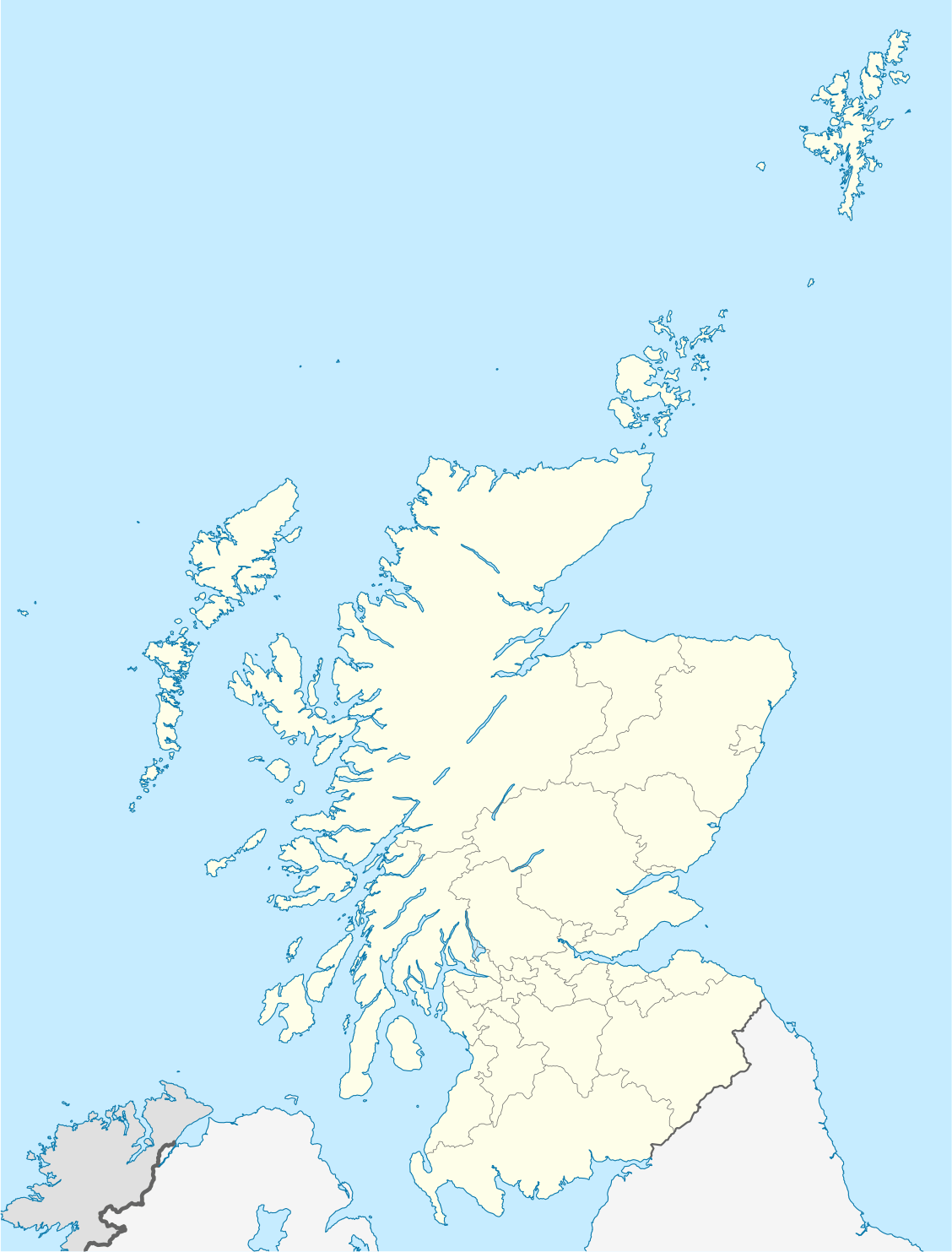
Lochwinnoch, Renfrewshire, Scotland · PA12 4JF · PA12 4JF

Mute Swan · Coot · Nuthatch · Great Spotted Woodpecker
Fen Hide · Channel Hide · Aird Meadow Trail · Aird Meadow Trail feeding-station screen · Second viewing screen (follow current signs) · Aird Meadow Hide — closure unresolved · Woodland boardwalk viewing area
Check current access, hide closures and operator notices before travelling. Seasonal birds are possibilities, not promised sightings. Keep to authorised routes and give wildlife space.
Opening and charges checked 2026-10-25. Operator: https://www.rspb.org.uk/days-out/reserves/lochwinnoch
Full guide and current source links: https://aibirder.co.uk/reserves/rspb-lochwinnoch
SC 05 · RSPB reserve guide
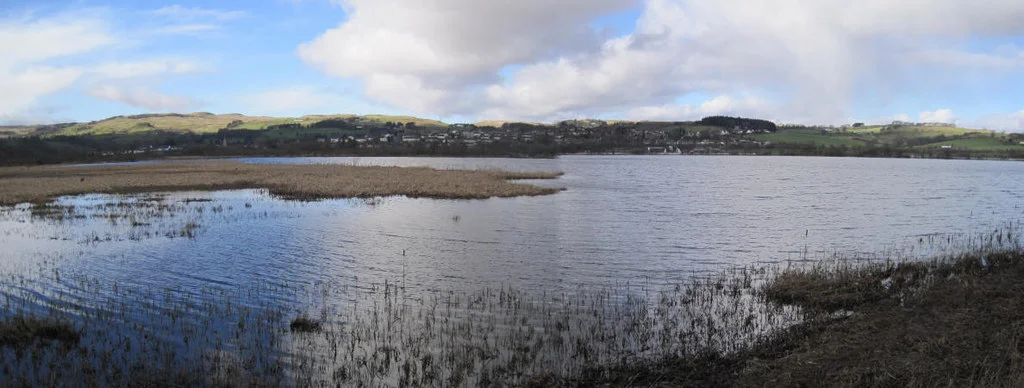
Lochwinnoch, Renfrewshire, Scotland · PA12 4JF
Winter brings Whooper Swans, Wigeon, Goldeneye and other wildfowl; spring is the time for Great Crested Grebe courtship displays and active woodland birds.
Decide if the visit fits.
Last checked 18 October 2026.
Opening and charges information · checked .
Stay nearby →Reserve overview
Winter brings Whooper Swans, Wigeon, Goldeneye and other wildfowl; spring is the time for Great Crested Grebe courtship displays and active woodland birds.
Eight checks for a smoother visit.
Conditions change: check the operator and transport notices before travelling.
January: Typically begin with Aird Meadow Trail public views for Wigeon, Goldeneye and Whooper Swan. Keep the circuit short if surfaces are icy or flooded; the latest reviewed guide does not confirm that the old Aird Meadow Hide reopened.
February: Winter ducks usually remain useful from the open Aird Meadow Trail views, with Mute Swan and Coot providing identification practice. The feeding-station screen adds a Nuthatch possibility without requiring a long exposed watch beside the water.
March: Typically look for Great Crested Grebes and Lapwings from permitted Aird Meadow Trail viewpoints as spring develops. The Woodland boardwalk viewing area offers Great Spotted Woodpecker as a contrasting target when water glare makes a telescope watch awkward.
April: Little Ringed Plovers and Black-tailed Godwits are typically spring possibilities on the scrape, watched from open Aird Meadow Trail viewpoints. They have genuine county records here; stay on the public route and never approach occupied breeding ground.
May: Typically compare Little Ringed Plover, Redshank and Black-tailed Godwit from the Aird Meadow Trail scrape views. ActualMay2026county records support these targets, but migrant stays vary and an earlier observation is not a promise of a repeat sighting.
June: Lapwing, Shoveler and Black-headed Gull usually make the Aird Meadow Trail worth a patient summer watch. Look at feeding adults from the public viewpoint; do not inspect nests, follow broods or leave the signed route for photographs.
July: Typically watch Great Crested Grebes and Coot from the Aird Meadow Trail, then pause on the Woodland boardwalk viewing area for Nuthatch or Great Spotted Woodpecker. Vegetation can conceal birds, so listening and waiting often work better than chasing movement.
August: Black-tailed Godwits are typically passage possibilities from the Aird Meadow Trail scrape views, with Mute Swan and Coot as resident alternatives. Check actual county reports before travelling specifically for a migrant, and expect water levels to change its feeding opportunities.
September: Typically combine a Black-tailed Godwit check from the open Aird Meadow Trail views with Great Spotted Woodpecker along the Woodland boardwalk viewing area. A short careful circuit can be more useful than repeatedly scanning the same distant water in poor light.
October: Wigeon and Goldeneye usually become more relevant as autumn progresses; scan the open water from Aird Meadow Trail viewpoints. Try the feeding-station screen for Nuthatch, allowing other visitors room and leaving birds free to approach food without pressure.
November: Typically favour Wigeon, Goldeneye and Whooper Swan from the permitted Aird Meadow Trail views. The trails are flood-prone, so check current conditions before committing to the full circuit; a24-hour reserve listing does not override a signed closure.
December: Winter usually rewards a patient wildfowl session from the Aird Meadow Trail, especially for Wigeon and Goldeneye. Add Nuthatch from the feeding-station screen if conditions allow, and finish with enough daylight to negotiate wet paths safely rather than relying on indoor facilities.
Best conditions: Our choice is a calm early public-trail watch over Aird Meadow, followed by the feeding-station screen and woodland boardwalk. Typically reduced wind makes duck identification and woodland listening easier. Current operator notes that all trails can flood; check conditions and obey closures. Fen and Channel Hides are official facilities, but separate bird assemblages were not invented for them. Light and scope advice is editorial.
Prices checked 18 October 2026: reserve admission is free for adults and children. Non-member car parking costs £4.50 for up to six hours; RSPB members and Blue Badge holders park free. A shop-only stop under thirty minutes is also free. The machine takes contactless card payments and parking charges apply at all times. The October opening calendar lists reserve, hides and car park open around the clock, toilets 10:00–17:00, and visitor centre and shop 10:00–16:00. The facilities page still gives 9.30am–5pm, which conflicts with the calendar; confirm the day’s hours if you need the centre. A longer birding day may exceed the published six-hour parking period: clarify the applicable arrangement rather than assuming the quoted price covers unlimited parking. Groups of ten or more should use the operator's booking route.
Access times: Reserve: Open24hours on the October2026 RSPB calendar, subject to flooding and local closures. · Hides: Calendar lists hides open24hours. This generic listing does not confirm reopening of Aird Meadow Hide; the latest reviewed access guide explicitly closes it. · Car park: Open24hours on the current calendar. Visitor centre10:00–16:00; toilets10:00–17:00. · Dawn access: yes. Operator opening information.
The reserve has three partly signposted walking options: two routes of 400 metres and a main trail of 1.5 kilometres. Two seated hides and two screens give several ways to watch the wetlands, and the woodland makes the return walk part of the birding rather than dead time between viewpoints. Obtain the current trail information at the visitor centre and choose a route by conditions as well as distance. The same hide can be productive on two visits because birds shift between shelter, feeding areas and open water. Two-hour plan: spend the first part of the visit at a hide, building a picture of which ducks are present and where grebes are moving. Follow one short trail at an unhurried pace, pausing at the screen, then return to the centre with enough time to compare notes and identify an uncertain bird. In spring, leave an uninterrupted spell for watching courtship rather than checking every viewpoint. Full-day plan: make the main trail your morning walk, stopping repeatedly for wetland views and woodland sounds. Return to the visitor hub for lunch, then revisit the best hide under different light or take the second short route. This is a place for repeated observation rather than accumulating miles. In winter, check ducks methodically from one end of the water to the other and return to any difficult group after a break. Keep voices low inside hides and share viewing positions considerately. Do not walk beyond marked access into wet vegetation to obtain a closer image; distance is part of the wetland watching experience.
Use the linked reserve map and directions with current access notices. Species are typical seasonal targets. Light and telescope advice reflects our choice of viewpoint.
Fen and wetland from the current accessible public hide
Named in the16July2025RSPB access guide: level approach,750mm doorway and low windows. Separate species attribution was not verified.
Light: either. Scope: useful.
Channel and wetland from the current accessible public hide
Named in the16July2025access guide; level route, movable benches and low windows. No bird is promised at the channel.
Light: either. Scope: useful.
Aird Meadow open water and scrape from permitted public trail views
About1530m in the access guide. Current operator warns trails can flood. Watch from open signed viewpoints, not the closed old hide.
Winter: Whooper Swan, Wigeon, Goldeneye, Mute Swan, Coot
Spring: Little Ringed Plover, Black-tailed Godwit, Redshank, Shoveler, Lapwing
Summer: Lapwing, Shoveler, Black-headed Gull
Autumn: Wigeon, Goldeneye, Black-tailed Godwit
Light: either. Scope: useful.
Public feeding station along Aird Meadow Trail
SOC2022outing explicitly identifies this screen and feeding station. Use the current signed screen; do not enter feeding or maintenance areas.
Winter: Nuthatch
Spring: Nuthatch
Summer: Nuthatch
Autumn: Nuthatch
Light: either. Scope: not needed.
The second public screen listed by RSPB
Current operator lists two screens but does not give both proper names or individual bird records; follow current signs.
Light: either. Scope: useful.
Former Aird Meadow Hide position; do not plan access
The latest reviewed operator access guide,16July2025, says CLOSED and scheduled for replacement later2025. That plan is not proof it reopened; obtain current confirmation.
Light: either. Scope: useful.
Broadleaved woodland along the permitted boardwalk
RSPB2023visitor account identifies these birds from the boardwalk. Current access guide describes passing/viewing areas; trails may flood.
Winter: Nuthatch, Great Spotted Woodpecker
Spring: Nuthatch, Great Spotted Woodpecker
Summer: Nuthatch, Great Spotted Woodpecker
Autumn: Nuthatch, Great Spotted Woodpecker
Light: either. Scope: not needed.
| Spot | Overlooks | Key species by season | Best light | Scope | Tide |
|---|---|---|---|---|---|
| Fen HideNamed in the16July2025RSPB access guide: level approach,750mm doorway and low windows. Separate species attribution was not verified. | Fen and wetland from the current accessible public hide | — | either | useful | — |
| Channel HideNamed in the16July2025access guide; level route, movable benches and low windows. No bird is promised at the channel. | Channel and wetland from the current accessible public hide | — | either | useful | — |
| Aird Meadow TrailAbout1530m in the access guide. Current operator warns trails can flood. Watch from open signed viewpoints, not the closed old hide. | Aird Meadow open water and scrape from permitted public trail views | Winter: Whooper Swan, Wigeon, Goldeneye, Mute Swan, Coot Spring: Little Ringed Plover, Black-tailed Godwit, Redshank, Shoveler, Lapwing Summer: Lapwing, Shoveler, Black-headed Gull Autumn: Wigeon, Goldeneye, Black-tailed Godwit | either | useful | — |
| Aird Meadow Trail feeding-station screenSOC2022outing explicitly identifies this screen and feeding station. Use the current signed screen; do not enter feeding or maintenance areas. | Public feeding station along Aird Meadow Trail | Winter: Nuthatch Spring: Nuthatch Summer: Nuthatch Autumn: Nuthatch | either | not needed | — |
| Second viewing screen (follow current signs)Current operator lists two screens but does not give both proper names or individual bird records; follow current signs. | The second public screen listed by RSPB | — | either | useful | — |
| Aird Meadow Hide — closure unresolvedThe latest reviewed operator access guide,16July2025, says CLOSED and scheduled for replacement later2025. That plan is not proof it reopened; obtain current confirmation. | Former Aird Meadow Hide position; do not plan access | — | either | useful | — |
| Woodland boardwalk viewing areaRSPB2023visitor account identifies these birds from the boardwalk. Current access guide describes passing/viewing areas; trails may flood. | Broadleaved woodland along the permitted boardwalk | Winter: Nuthatch, Great Spotted Woodpecker Spring: Nuthatch, Great Spotted Woodpecker Summer: Nuthatch, Great Spotted Woodpecker Autumn: Nuthatch, Great Spotted Woodpecker | either | not needed | — |
Month chips show typical presence or our preferred viewing season. Choose birds that suit the time of your visit.
RSPB describes the main walking route as an all-access trail. The trails are flat with no significant inclines, with a boardwalk section and passing places; access to the main trail is through a gate, while the walking routes themselves have no steps or stiles. All routes are liable to flooding after heavy rain, so their usual design does not establish whether a particular day's outing is possible. The gravel car park can develop uneven potholes, with three Blue Badge spaces approximately twenty metres from the visitor centre. There is no formal drop-off point or lighting. The centre has level access, manual outward-opening doors, a low information counter and a hearing loop. A wheelchair is available on request, and staff can assist with items that are difficult to reach. The accessible toilet is about five metres from the centre entrance. Two picnic tables each include one wheelchair space. Consult the linked detailed access guide and describe any equipment or assistance you need before travelling. If water covers the intended trail, choose an agreed alternative rather than attempting to judge hidden depth from the path edge.
The visitor shop provides refreshments and stocks wildlife books, bird food and optical equipment; it is useful for seeking help with binocular choices as well as general reserve information. There are ordinary toilets, baby changing, bicycle racks and four picnic tables where visitors may eat their own food. A natural play area adds an option for families. Binocular hire starts at £7 per day on the published October 2026 information, with last hire at 15:00 and equipment returned fifteen minutes before centre closure. Bring lunch if you want to remain focused on the reserve for the day.
Dogs are allowed on footpaths under the Scottish Outdoor Access Code, with RSPB asking owners to keep them at heel or on a lead to protect wildlife. Well-behaved dogs may enter the visitor centre, and assistance dogs are welcome throughout. Keep dogs away from feeding flocks and nesting cover; a short lead is the practical choice beside busy viewing areas.
Lochwinnoch railway station is about 400 metres southeast of the visitor centre according to RSPB, making rail a practical approach without a rural bus interchange. Use ScotRail's Ayrshire timetable for a train that actually calls at Lochwinnoch; the operator's published timetable includes Glasgow Central and Paisley Gilmour Street connections. Check engineering work and the final return departure for your date. McGill's route 307/307A runs between Johnstone and Lochwinnoch via Howwood, with Lochwinnoch Railway Station listed as a stop, offering another connection to the station-side approach. This is preferable to assuming that a bus serving the village stops beside the reserve. McGill's 904 is the Paisley–Largs service, but its nearest suitable stop and onward walk should be confirmed for your intended journey. National Cycle Route 7 runs through the reserve beside the A737. Drivers use the A760 Largs Road off the A737, reached from the M8 at Junction 28A.
Useful bases for an early start.
Booking.com links are affiliate links: we may earn a commission at no extra cost to you. How these links work.
About 0.8 miles by road, roughly 2 minutes’ drive from the mapped centre to the visitor-centre entrance; OSRM/OpenStreetMap estimate measured 18 October 2026, excluding live traffic.
Measured driving route · 2026-10-18. Map estimates exclude live traffic.
Making the village and reserve the focus of the break.Find places to stay in Lochwinnoch on Booking.comAbout 10.5 miles by road, roughly 16 minutes’ drive from the mapped centre to the visitor-centre entrance; OSRM/OpenStreetMap estimate measured 18 October 2026, excluding live traffic.
Measured driving route · 2026-10-18. Map estimates exclude live traffic.
A town base with a direct rail corridor towards the reserve.Find places to stay in Paisley on Booking.comAbout 17.6 miles by road, roughly 24 minutes’ drive from the mapped centre to the visitor-centre entrance; OSRM/OpenStreetMap estimate measured 18 October 2026, excluding live traffic.
Measured driving route · 2026-10-18. Map estimates exclude live traffic.
A city stay combined with the train approach.Find places to stay in Glasgow on Booking.comExplore Glasgow and the Clyde’s full guides and smaller birding sites
For reserve advice call 01505 842663 or email lochwinnoch@rspb.org.uk. Check the operator's opening calendar and rail or bus updates before setting out, particularly after heavy rain when trail usability is the key uncertainty. Specify the route you hope to use when asking about access, rather than simply whether the reserve is open. The two official centre-hours listings differed during this review, as explained in Entry. Use the reserve’s opening calendar and access information to plan around wet conditions.
Check SOC Clyde: actualMay2026Lochwinnoch scrape reports. completed monthly archive Reports show what has been seen, not what will be.
Follow the BTO Birders’ Code and give wildlife space.
RSPB Lochwinnoch: Free entry; non-member parking £4.50 up to 6 hours; first 30 minutes/members/Blue Badge free.
RSPB Lochwinnoch: Dogs are allowed on footpaths under the Scottish Outdoor Access Code, with RSPB asking owners to keep them at heel or on a lead to protect wildlife.
RSPB Lochwinnoch: Winter · spring.
RSPB Lochwinnoch: The centre has level access, manual outward-opening doors, a low information counter and a hearing loop.
RSPB Lochwinnoch: Lochwinnoch railway station is about 400 metres southeast of the visitor centre according to RSPB, making rail a practical approach without a rural bus interchange.
Shorter stops within 15 miles in a straight line. Use the operator’s arrival directions for the journey.
Kilmacolm (0 mi / 0 km) · Marshland, woodland, wet heath and sheltered pools
Burnfoot promontory, southern Fairlie · Tidal bay, burn mouths, mudflats and shore
Kilwinning (1 mi / 1.6 km) · Mature birch, ash and willow woodland
Between Irvine and Kilwinning · River floodplain, shallow pools, pasture and scrub
West Car Park and Stevenston Point, Stevenston · Coastal point, rocky shore and open sea
Portencross public car park, west of West Kilbride · Rocky shore, raised beach, scrub and wooded escarpment
Irvine (3 mi / 4.8 km) · Coastal grassland, marsh, pond and mixed woodland
Reserve car park behind the paper mill, Meadowhead Road, Irvine · Regenerating woodland, grassland, former mossland and wetland
Nearby complete guides.
Stops with a purpose: use one as a contrasting habitat or weather-proof Plan B. Distances are straight-line estimates, not road journeys.