
Short entry2.7 miles away
Rhiwledyn Nature Reserve
Little Orme, Llandudno · Limestone grassland, scrub and coastal cliffs
 the ai birderBirding near me
The AI Birder · one-page field sheet
Llandudno Junction, North Wales · LL31 9XZ · LL31 9XZ

Gadwall · Wigeon · Tufted Duck · Shelduck · Mallard · Great Crested Grebe
Tal-y-Fan Hide · Carneddau Hide · Benarth Hide · The LookOut · Vardre Viewpoint · Boardwalk Viewpoint · Garden Bird Viewpoint · Foel Fras Viewing Screen · Ynys Viewing Screen · Y Maes viewing mound
Check current access, hide closures and operator notices before travelling. Seasonal birds are possibilities, not promised sightings. Keep to authorised routes and give wildlife space.
Opening and charges checked 2026-10-25. Operator: https://www.rspb.org.uk/days-out/reserves/conwy
Full guide and current source links: https://aibirder.co.uk/reserves/rspb-conwy
WA 04 · RSPB reserve guide
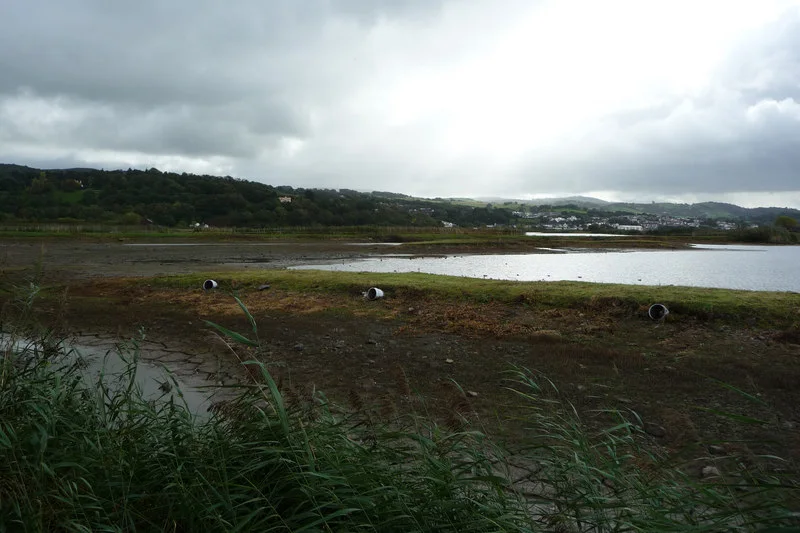
Llandudno Junction, North Wales · LL31 9XZ
High tide pushes Curlews, Redshanks and other waders onto the lagoon islands, while late winter afternoons can bring vast Starling murmurations over the reedbeds.
Decide if the visit fits.
Last checked 9 October 2026.
Opening and charges information · checked .
Stay nearby →Reserve overview
High tide pushes Curlews, Redshanks and other waders onto the lagoon islands, while late winter afternoons can bring vast Starling murmurations over the reedbeds.
Eight checks for a smoother visit.
Conditions change: check the operator and transport notices before travelling.
January: typically look for Wigeon from Carneddau Hide. Use the sheltered hide for a steady comparison of ducks rather than trying to identify distant silhouettes in poor light. Reserve access being listed all day does not mean the hides or car park are open at dawn. February: typically look for Gadwall from Tal-y-Fan Hide. Work across Deep Lagoon slowly, checking bill shape and feeding behaviour. Choose a window with manageable glare, and allow enough time to return before the published hide-closing time rather than relying on shop hours. March: typically look for Lapwing from Carneddau Hide. Look over open lagoon margins from the authorised hide. Birds move as water levels and disturbance change; do not leave the public route to follow a flock that has disappeared behind vegetation. April: typically look for Blackcap and Sedge Warbler from Boardwalk Viewpoint. Listen quietly from the Blue Tit Trail boardwalk before scanning the reeds. Early song can be easier than a prolonged search, but returning migrants do not keep to an exact calendar date. May: typically look for Whitethroat from Boardwalk Viewpoint. The operator group’s May 2026 visit confirms local spring interest. Watch from the route and keep nesting cover private; an identification by song can be enough without approaching a repeatedly calling bird. June: typically look for Shelduck from The LookOut. Use The LookOut as a comfortable base for comparing familiar wildfowl. The accessible outer trail is a better choice than the Ganol section for visitors needing to avoid its more difficult surfaces. July: typically look for Great Crested Grebe from Tal-y-Fan Hide. Spend time following feeding and resting behaviour rather than moving repeatedly between hides. Keep a generous distance from any breeding activity and leave family groups to move without directing other visitors closer. August: typically look for Greenshank from Ynys Viewing Screen. Give passage waders a careful structural comparison and check the actual latest report before making them the day’s sole objective. Water management and weather can change which lagoon edge is useful. September: typically look for Black-tailed Godwit from Foel Fras Viewing Screen. Use a scope if distance demands it and compare the available lagoon and estuary views. Stay within the screen and public path; no bird on tidal ground justifies stepping onto the mud. October: typically look for Dunlin from Foel Fras Viewing Screen. Read current operator reports for context, then work through the common birds first. A report from the previous week is evidence of occurrence rather than a promise that a flock will be in the same place. November: typically look for Teal from The LookOut. A short lagoon session can suit a day of poor weather and limited light. Check the different hide, toilet and car-park closing times before choosing how far around the reserve to walk. December: typically look for Blue Tit from Garden Bird Viewpoint. Start with the garden if the estuary is too windy for useful viewing, then choose a sheltered lagoon hide. Even common birds reward patient watching, and an abbreviated safe visit is preferable to rushing a final circuit.
Best conditions: Our choice is a calm morning for reed-edge song or a sheltered lagoon watch in unsettled weather. Check glare at each window and use a scope for distant waders. The Ganol trail is not the step-free option; use the mapped outer route and check current surface advice.
No advance booking is needed for an ordinary visit. The current non-member charge is £6 per adult, £3 per child or student, and £15 for two adults with up to three children. RSPB members, ages 16–24 and carers enter free. Entry to the shop is free; the operator also describes the estuary dog walk as having no parking charge. The October calendar lists the reserve as open 24 hours, but the car park and toilets are 09:00–17:00 and the car park is locked at the end of that period. Visitor centre and shop are 09:30–17:00, hides 09:30–16:30, and café 09:30–16:00. Reserve access and staffed facilities are therefore different things. Plan an evening roost visit with the published gates and hide times in mind, particularly if arriving by car.
Access times: Reserve: October 2026 RSPB calendar lists reserve open 24 hours; access restrictions and internal facility hours still apply. · Hides: Hides 9.30am–4.30pm. Visitor centre/shop 9.30am–5pm; cafe 9.30am–4pm. Outdoor access does not imply dawn access to hides. · Car park: Car park and toilets 9am–5pm. · Dawn access: partly. Operator opening information.
The Blue Tit Trail is the short introduction: about a third of a mile through the reedbed boardwalk and wildlife garden. The Redshank Trail incorporates it in an almost one-mile route over Bridge Pond to lagoon hides. The Grey Heron Trail extends the visit to about two miles, adding saltmarsh and estuary views. The official map names Tal-y-Fan, Carneddau and Benarth hides, Vardre Viewpoint, Foel Fras and Ynys screens, and the Boardwalk and Garden Bird viewpoints. Two-hour plan: take the Blue Tit boardwalk slowly, listening in the reedbed, then follow the Redshank route to the lagoon hides. Give one hide a sustained watch rather than spending every minute walking. Choose the side with birds and useful light; if high tide falls during the visit, make that the central lagoon stop. Return through the garden with time for birds on the feeders. This makes a satisfying short visit without committing to the estuary circuit. Full-day plan: start with the lagoon hides, then take the outer Grey Heron Trail towards Vardre for an estuary comparison. Return for lunch before a second, slower lagoon watch timed to high tide. Use the garden and Bridge Pond for a change of habitat, then the reedbed outlook if a winter Starling watch is the aim. The inner Ganol route is not the wheelchair alternative to the outer circuit. Birds, tide and light determine the order; these plans are editorial suggestions, not guided walks or timed events.
Use the linked reserve map and directions with current access notices. Species are typical seasonal targets. Light and telescope advice reflects our choice of viewpoint.
Deep Lagoon
At Conwy, stay on the signed visitor circuit and follow the reserve team’s notices.
Winter: Gadwall, Great Crested Grebe
Spring: Gadwall, Great Crested Grebe
Summer: Gadwall, Great Crested Grebe
Autumn: Gadwall, Great Crested Grebe
Light: either. Scope: useful.
Deep Lagoon
At Conwy, stay on the signed visitor circuit and follow the reserve team’s notices.
Winter: Wigeon, Lapwing
Spring: Wigeon, Lapwing
Summer: Lapwing
Autumn: Wigeon, Lapwing
Light: either. Scope: useful.
Deep Lagoon
At Conwy, stay on the signed visitor circuit and follow the reserve team’s notices.
Winter: Tufted Duck, Little Grebe
Spring: Tufted Duck, Little Grebe
Summer: Tufted Duck, Little Grebe
Autumn: Tufted Duck, Little Grebe
Light: either. Scope: useful.
Shallow Lagoon
At Conwy, stay on the signed visitor circuit and follow the reserve team’s notices.
Winter: Shelduck, Teal, Greylag Goose
Spring: Shelduck, Teal, Greylag Goose
Summer: Shelduck, Greylag Goose
Autumn: Shelduck, Teal, Greylag Goose
Light: either. Scope: useful.
Deep Lagoon and reed margins
At Conwy, stay on the signed visitor circuit and follow the reserve team’s notices.
Winter: Mallard, Grey Heron
Spring: Mallard, Grey Heron
Summer: Mallard, Grey Heron
Autumn: Mallard, Grey Heron
Light: either. Scope: useful.
Reedbed and lagoon margins along Blue Tit Trail
At Conwy, stay on the signed visitor circuit and follow the reserve team’s notices.
Spring: Sedge Warbler, Blackcap, Whitethroat
Summer: Sedge Warbler, Blackcap, Whitethroat
Autumn: Sedge Warbler, Blackcap, Whitethroat
Light: either. Scope: useful.
Garden and feeders
At Conwy, stay on the signed visitor circuit and follow the reserve team’s notices.
Winter: Blue Tit
Spring: Blue Tit
Summer: Blue Tit
Autumn: Blue Tit
Light: either. Scope: useful.
Deep Lagoon and estuary-side habitat
At Conwy, stay on the signed visitor circuit and follow the reserve team’s notices.
Winter: Black-tailed Godwit, Dunlin
Spring: Black-tailed Godwit, Dunlin
Summer: Black-tailed Godwit
Autumn: Black-tailed Godwit, Dunlin
Light: either. Scope: useful.
Deep Lagoon and estuary-side habitat
At Conwy, stay on the signed visitor circuit and follow the reserve team’s notices.
Winter: Redshank
Spring: Redshank
Summer: Greenshank, Redshank
Autumn: Greenshank, Redshank
Light: either. Scope: useful.
Reserve landscape from the visitor-hub mound
At Conwy, stay on the signed visitor circuit and follow the reserve team’s notices.
Light: either. Scope: useful.
| Spot | Overlooks | Key species by season | Best light | Scope | Tide |
|---|---|---|---|---|---|
| Tal-y-Fan HideAt Conwy, stay on the signed visitor circuit and follow the reserve team’s notices. | Deep Lagoon | Winter: Gadwall, Great Crested Grebe Spring: Gadwall, Great Crested Grebe Summer: Gadwall, Great Crested Grebe Autumn: Gadwall, Great Crested Grebe | either | useful | — |
| Carneddau HideAt Conwy, stay on the signed visitor circuit and follow the reserve team’s notices. | Deep Lagoon | Winter: Wigeon, Lapwing Spring: Wigeon, Lapwing Summer: Lapwing Autumn: Wigeon, Lapwing | either | useful | — |
| Benarth HideAt Conwy, stay on the signed visitor circuit and follow the reserve team’s notices. | Deep Lagoon | Winter: Tufted Duck, Little Grebe Spring: Tufted Duck, Little Grebe Summer: Tufted Duck, Little Grebe Autumn: Tufted Duck, Little Grebe | either | useful | — |
| The LookOutAt Conwy, stay on the signed visitor circuit and follow the reserve team’s notices. | Shallow Lagoon | Winter: Shelduck, Teal, Greylag Goose Spring: Shelduck, Teal, Greylag Goose Summer: Shelduck, Greylag Goose Autumn: Shelduck, Teal, Greylag Goose | either | useful | — |
| Vardre ViewpointAt Conwy, stay on the signed visitor circuit and follow the reserve team’s notices. | Deep Lagoon and reed margins | Winter: Mallard, Grey Heron Spring: Mallard, Grey Heron Summer: Mallard, Grey Heron Autumn: Mallard, Grey Heron | either | useful | — |
| Boardwalk ViewpointAt Conwy, stay on the signed visitor circuit and follow the reserve team’s notices. | Reedbed and lagoon margins along Blue Tit Trail | Spring: Sedge Warbler, Blackcap, Whitethroat Summer: Sedge Warbler, Blackcap, Whitethroat Autumn: Sedge Warbler, Blackcap, Whitethroat | either | useful | — |
| Garden Bird ViewpointAt Conwy, stay on the signed visitor circuit and follow the reserve team’s notices. | Garden and feeders | Winter: Blue Tit Spring: Blue Tit Summer: Blue Tit Autumn: Blue Tit | either | useful | — |
| Foel Fras Viewing ScreenAt Conwy, stay on the signed visitor circuit and follow the reserve team’s notices. | Deep Lagoon and estuary-side habitat | Winter: Black-tailed Godwit, Dunlin Spring: Black-tailed Godwit, Dunlin Summer: Black-tailed Godwit Autumn: Black-tailed Godwit, Dunlin | either | useful | — |
| Ynys Viewing ScreenAt Conwy, stay on the signed visitor circuit and follow the reserve team’s notices. | Deep Lagoon and estuary-side habitat | Winter: Redshank Spring: Redshank Summer: Greenshank, Redshank Autumn: Greenshank, Redshank | either | useful | — |
| Y Maes viewing moundAt Conwy, stay on the signed visitor circuit and follow the reserve team’s notices. | Reserve landscape from the visitor-hub mound | — | either | useful | — |
Month chips show typical presence or our preferred viewing season. Choose birds that suit the time of your visit.
Compare exposed feeding habitat with birds displaced by rising water where visible from the authorised public route. No optimum tide height or local correction has been verified; boat landings and safe access depend on the operator and weather, not a predicted tide alone.
The main trails are mostly flat, with rolled slate and boardwalk surfaces, gates into grazed areas and benches along the way. Lagoon screens have viewing slots at different heights. Eight Blue Badge spaces have a tarmac surface; the rest of the parking area is gravel. A drop-off point is provided outside the shop entrance. The visitor centre has a ramp as well as three steps. Its manual doors are heavy and open outwards; inside, the floor is level and there is a lowered counter and hearing induction loop. The café is on one level and reached along a tarmac path. Two accessible toilets sit beside it, and picnic tables have wheelchair spaces. Two manual wheelchairs and two mobility scooters are available; reserve a scooter by telephone before travelling. Most routes suit pushchairs, but the Ganol Trail does not suit prams or wheelchairs. On the Grey Heron circuit use the outer route, allowing for muddy or uneven sections and puddles. Grass in the play area can soften after prolonged rain, and the sandpit is not wheelchair accessible. Match the chosen circuit to the published access map and the user's equipment.
Waterside café provides refreshments and has vegetarian, vegan and dietary options; discuss particular allergens directly with staff. The shop sells optics, bird books and nature gifts, and the reserve offers binocular hire. Picnic tables lie between the centre and café, while Y Maes provides natural play and a sandpit. Baby changing is available, including in an accessible toilet. Bicycle parking is provided and locks can be borrowed. Take litter home: the reserve does not provide public litter bins.
Only assistance dogs can enter the nature reserve, café and playspace. Other dogs may enter the shop on a lead. For a dog walk use the separate estuary route heading north from the car park, keeping the dog on a lead; it is not the lagoon birding circuit.
Llandudno Junction is the useful rail arrival, served on the North Wales coast line. The RSPB's direct signed walk is about half a mile: leave the station left onto Conway Road, use the footpath access to the Ffordd 6G bridge, and continue south past Tesco and the cinema towards the A55 roundabout and signed reserve entrance. This is a station-to-reserve walk, not an invitation to cross the A55 carriageway. Current Arriva route 27 links Old Colwyn, Colwyn Bay, Llandudno Junction station, Tesco and Conwy; the displayed daytime pattern is roughly hourly. Tesco is the nearest bus stop named by the reserve. Route 25 connects Eglwysbach, Junction station and Llandudno, with a roughly two-hourly daytime pattern. The RSPB's older directions give a different end-point description for 27, so use the current operator route when planning. Staying in Junction makes the railway walk simpler; from Conwy or Llandudno choose the bus or a rail connection. The official directions also describe a longer estuary walk, but the direct paved route is the clearer arrival option.
Useful bases for an early start.
Booking.com links are affiliate links: we may earn a commission at no extra cost to you. How these links work.
About 0.7 miles by road, roughly 5 minutes’ drive from Llandudno Junction to the visitor arrival point. Check the final approach to your accommodation in Llandudno Junction.
Measured driving route · 2026-10-09. Map estimates exclude live traffic.
Best for a car-free early start.Find places to stay in Llandudno Junction on Booking.comAbout 1.7 miles by road, roughly 5 minutes’ drive from Conwy to the visitor arrival point. Check the final approach to your accommodation in Conwy.
Measured driving route · 2026-10-09. Map estimates exclude live traffic.
Best for B&Bs, self-catering and a birding weekend with history attached.Find places to stay in Conwy on Booking.comAbout 4.6 miles by road, roughly 10 minutes’ drive from Llandudno to the visitor arrival point. Check the final approach to your accommodation in Llandudno.
Measured driving route · 2026-10-09. Map estimates exclude live traffic.
Best for the widest choice of hotels and guesthouses on a longer North Wales trip.Find places to stay in Llandudno on Booking.comExplore Conwy’s full guides and smaller birding sites
Contact the reserve on 01492 584091 or conwy@rspb.org.uk. The visitor address is RSPB Conwy Nature Reserve, Llandudno Junction, Conwy, LL31 9XZ; use the signed entrance south of A55 junction 18. The official reserve page carries dated sightings, and its map helps match Welsh and English hide names. For a group of twelve or more, the operator requests advance notice. Mobility-scooter reservations and particular access requirements should be arranged before the journey.
Check RSPB Conwy weekly bird sightings. weekly block; 11 October 2026 report read Reports show what has been seen, not what will be.
Follow the BTO Birders’ Code and give wildlife space.
RSPB Conwy: Non-member adult £6, child/student £3; members and ages 16–24 free; separate parking price not published.
RSPB Conwy: Only assistance dogs can enter the nature reserve, café and playspace.
RSPB Conwy: August–March · high tide.
RSPB Conwy: The visitor centre has a ramp as well as three steps.
RSPB Conwy: Llandudno Junction is the useful rail arrival, served on the North Wales coast line.
Shorter stops within 15 miles in a straight line. Use the operator’s arrival directions for the journey.
Little Orme, Llandudno · Limestone grassland, scrub and coastal cliffs
Llandudno, Conwy · Limestone headland, sea cliffs, grassland and scrub
Colwyn Bay, Conwy · Deciduous woodland and stream dingles
Old Colwyn, Conwy · River and riparian woodland
Llanfairfechan, Conwy · Ancient oak woodland, stream and pond
Abergwyngregyn · Oak woodland, river, grassland and upland slopes
Near Betws-y-Coed, Conwy · Wet heath, bog, lakes and mire
Near Llansannan, Conwy · Peat bog, wet grassland and scrub
Nearby complete guides.
Stops with a purpose: use one as a contrasting habitat or weather-proof Plan B. Distances are straight-line estimates, not road journeys.