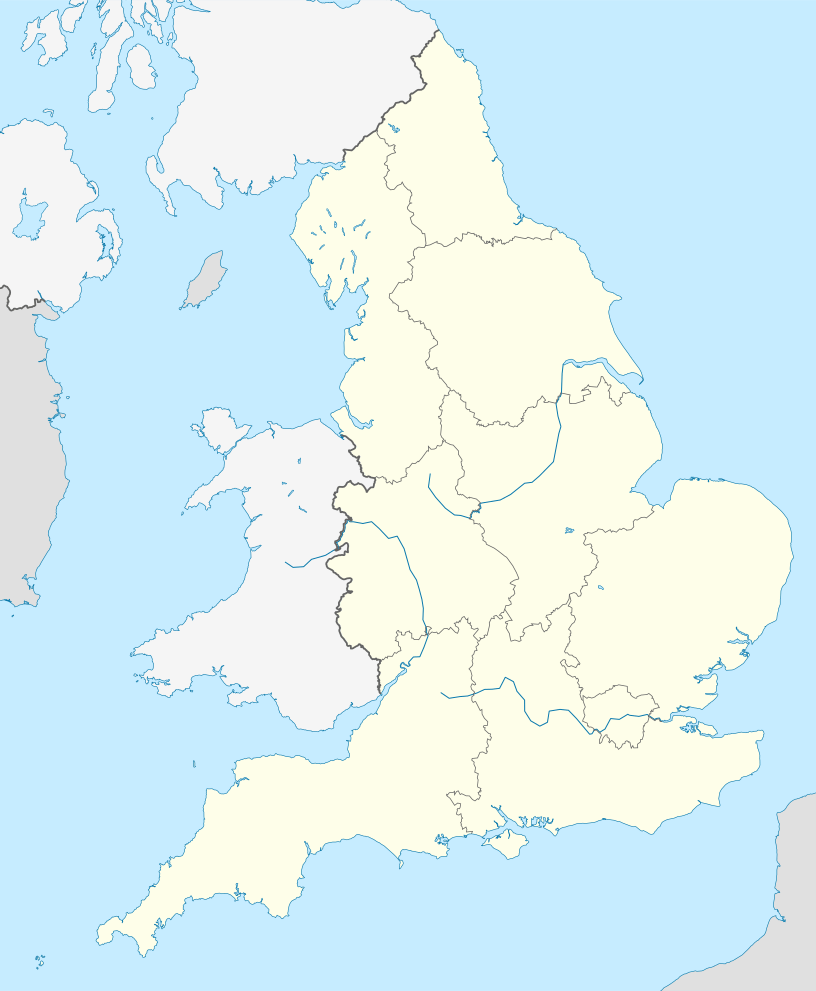
Short entry4.3 miles away
Baker's Pit
Georgia, near Penzance · Heathland · pasture · flooded clay pits
 the ai birderBirding near me
The AI Birder · one-page field sheet
Hayle, England · TR27 6JF · TR27 6JF

Wigeon · Teal · Shelduck · Oystercatcher · Curlew · Redshank
Eric Grace Memorial Hide · Carnsew Pool public path · King George V Memorial Walk · Hayle Causeway public roadside
Check current access, hide closures and operator notices before travelling. Seasonal birds are possibilities, not promised sightings. Keep to authorised routes and give wildlife space.
Opening and charges checked 2026-10-18. Operator: https://www.rspb.org.uk/days-out/reserves/hayle-estuary
Full guide and current source links: https://aibirder.co.uk/reserves/rspb-hayle-estuary
EN 77 · RSPB reserve guide
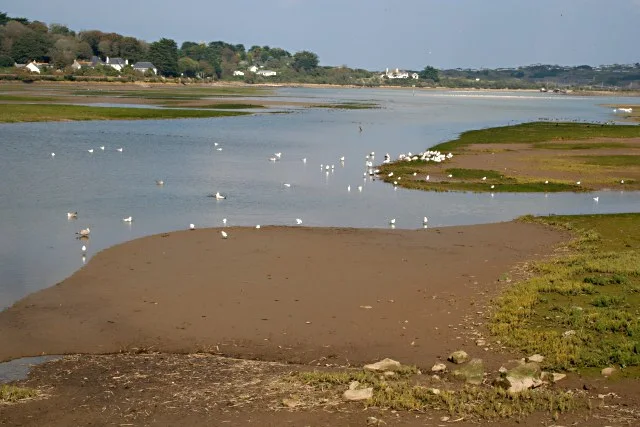
Hayle, England · TR27 6JF
Town-side tidal pools, a sheltered hide and wintering ducks and waders.
Decide if the visit fits.
Last checked 18 October 2026.
Opening and charges information · checked .
Stay nearby →Reserve overview
Town-side tidal pools, a sheltered hide and wintering ducks and waders.
Eight checks for a smoother visit.
Conditions change: check the operator and transport notices before travelling.
January: typically look for Wigeon and Teal from Hayle Causeway public roadside. A scope helps with distant flocks. Use a safe footway position and stop if traffic makes the watch distracting. February: typically look for Grey Plover and Dunlin from Hayle Causeway public roadside. Compare size and feeding action before attempting fine plumage detail in winter light. March: typically look for Bar-tailed Godwit and Greenshank from Eric Grace Memorial Hide. Use the hide to keep your outline away from settled birds as water changes. April: typically look for Black-tailed Godwit from Carnsew Pool public path. The narrow path and steps matter independently of distance; choose a route that suits the whole party. May: typically look for Shelduck from Carnsew Pool public path. Watch from the path and keep away from banks, cover and any birds attending young. June: typically look for Little Egret from King George V Memorial Walk. A patient creek watch can be more rewarding than rushing between all parts of the estuary. July: typically look for Oystercatcher and Redshank from Eric Grace Memorial Hide. Stay at the established hide and allow the birds to settle after other visitors arrive. August: typically look for Greenshank and Dunlin from Eric Grace Memorial Hide. Passage varies daily. Check the county reports before choosing which part of the complex deserves most time. September: typically look for Ringed Plover and Turnstone from Carnsew Pool public path. Use the public path; a bird beyond comfortable scope range is not a reason to approach the shore. October: typically look for Mediterranean Gull from Hayle Causeway public roadside. Work through the common gulls first and compare birds in similar light rather than judging one distant silhouette. November: typically look for Wigeon and Grey Plover from Hayle Causeway public roadside. Build the visit around daylight and safe parking; reserve access does not prove the car park is unlocked all night. December: typically look for Teal and Little Grebe from Carnsew Pool public path. Rain and wind can shorten a useful visit. Choose a compact route with a safe return rather than an exposed marathon. Carry optics where spray and rain cannot obscure the next safe view.
Best conditions: Use the tide to choose between exposed estuary feeding ground, creek and lagoon, rather than treating one hide as the whole reserve. Our choice is clear light with manageable wind and time to watch the water change. A scope is useful for distant waders. Keep to public paths, respect settled flocks and prioritise road safety at the causeway.
The RSPB's admission table, checked 18 October 2026, lists free entry for adults and children, whether members or non-members. Independent visits do not need an advance ticket. The Hayle charges page refers to payment at a visitor centre, while the facilities page says the reserve is unstaffed and has no centre. Plan your stops between its public viewing areas. Organised groups of ten or more have separate RSPB group arrangements. The October 2026 opening calendar describes the nature reserve as open 24 hours. Ryan's Field has the reserve parking area, reached from Chenhalls Road; there is no RSPB car park at Carnsew. No specific parking tariff is displayed on the reserve's checked charges page. Town car parks have their own terms and should be treated separately. Check the official reserve notices and the day's tide before travelling, especially if your main aim is a wader roost rather than a general town-and-estuary walk.
Access times: Reserve: Current RSPB calendar lists nature reserve open 24 hours; use public paths and safe roadside viewing positions. · Hides: Eric Grace Memorial Hide has open picture windows; an independent unlocking timetable is not published on the checked facilities page. · Car park: Ryan’s Field parking has a 2.1m height barrier; separate gate hours are not verified. No car parking at Carnsew. · Dawn access: partly. Operator opening information.
Hayle works best as a series of distinct waterside views rather than a single continuous reserve circuit. Ryan's Field offers a short circular walk and the Eric Grace Memorial Hide, with its open outlook towards the saltmarsh and lagoon. Carnsew Pool gives a different angle on the estuary, while Copperhouse Creek can be viewed from the public highway and King George V Memorial Walk. These routes pass through an inhabited working town: watch road junctions, respect private access and avoid blocking a pavement with a telescope. Two-hour plan, editorial suggestion: use Ryan's Field as the entire visit. Begin at the hide, make a slow circuit of the field and settle again at the original view as the water changes. This gives time to study duck plumage, compare feeding waders and notice birds arriving from the main estuary. Two concentrated watches usually offer more understanding than driving rapidly between every named pool. Full-day plan, editorial suggestion: start with Ryan's Field, then move into Hayle for lunch and a Carnsew Pool circuit if the path suits your group. Use the afternoon for Copperhouse Creek and the memorial walk, or return to the hide at a contrasting tide. Decide the sequence from the day's light, weather and water level. The RSPB's published trail lengths contain mismatched mile and kilometre conversions, so use its metric distances only as broad route descriptions and follow the actual map. Keep all exploration on public paths. Mudflats, saltmarsh and roost banks belong to the birds, and the route between town viewpoints does not require crossing them.
Use the linked reserve map and directions with current access notices. Species are typical seasonal targets. Light and telescope advice reflects our choice of viewpoint.
Ryan’s Field saltmarsh and lagoon
Step-free level access; fixed benches and open picture windows.
Winter: Oystercatcher, Curlew, Redshank, Bar-tailed Godwit, Greenshank, Kingfisher
Spring: Oystercatcher, Curlew, Redshank, Bar-tailed Godwit, Greenshank, Kingfisher
Summer: Oystercatcher, Curlew, Redshank, Greenshank, Kingfisher
Autumn: Oystercatcher, Curlew, Redshank, Bar-tailed Godwit, Greenshank, Kingfisher
Light: either. Scope: useful.
Tide: Compare the lagoon with the estuary as the tide moves; do not enter saltmarsh.
Carnsew Pool and tidal margins
Narrow uneven public path with steps; stay on the path.
Winter: Shelduck, Black-tailed Godwit, Grey Heron, Ringed Plover, Turnstone, Little Grebe
Spring: Shelduck, Black-tailed Godwit, Grey Heron, Ringed Plover, Turnstone, Little Grebe
Summer: Shelduck, Black-tailed Godwit, Grey Heron, Ringed Plover, Turnstone, Little Grebe
Autumn: Shelduck, Black-tailed Godwit, Grey Heron, Ringed Plover, Turnstone, Little Grebe
Light: either. Scope: essential.
Tide: Water and feeding edges change with the tide; keep a safe public return route.
Copperhouse Creek mudflats and channels
Public north-shore walk; use existing surfaced paths.
Winter: Little Egret
Spring: Little Egret
Summer: Little Egret
Autumn: Little Egret
Light: either. Scope: useful.
Tide: Check exposed feeding ground before it becomes covered.
Main estuary channels and mud
Busy road: use lawful public footway positions, not the road or verge as a viewing platform.
Winter: Wigeon, Teal, Dunlin, Mediterranean Gull, Grey Plover
Spring: Wigeon, Teal, Dunlin, Mediterranean Gull, Grey Plover
Summer: Dunlin, Mediterranean Gull
Autumn: Wigeon, Teal, Dunlin, Mediterranean Gull, Grey Plover
Light: either. Scope: essential.
Tide: Scan feeding birds as water rises, without following flocks towards the shore.
| Spot | Overlooks | Key species by season | Best light | Scope | Tide |
|---|---|---|---|---|---|
| Eric Grace Memorial HideStep-free level access; fixed benches and open picture windows. | Ryan’s Field saltmarsh and lagoon | Winter: Oystercatcher, Curlew, Redshank, Bar-tailed Godwit, Greenshank, Kingfisher Spring: Oystercatcher, Curlew, Redshank, Bar-tailed Godwit, Greenshank, Kingfisher Summer: Oystercatcher, Curlew, Redshank, Greenshank, Kingfisher Autumn: Oystercatcher, Curlew, Redshank, Bar-tailed Godwit, Greenshank, Kingfisher | either | useful | Compare the lagoon with the estuary as the tide moves; do not enter saltmarsh. |
| Carnsew Pool public pathNarrow uneven public path with steps; stay on the path. | Carnsew Pool and tidal margins | Winter: Shelduck, Black-tailed Godwit, Grey Heron, Ringed Plover, Turnstone, Little Grebe Spring: Shelduck, Black-tailed Godwit, Grey Heron, Ringed Plover, Turnstone, Little Grebe Summer: Shelduck, Black-tailed Godwit, Grey Heron, Ringed Plover, Turnstone, Little Grebe Autumn: Shelduck, Black-tailed Godwit, Grey Heron, Ringed Plover, Turnstone, Little Grebe | either | essential | Water and feeding edges change with the tide; keep a safe public return route. |
| King George V Memorial WalkPublic north-shore walk; use existing surfaced paths. | Copperhouse Creek mudflats and channels | Winter: Little Egret Spring: Little Egret Summer: Little Egret Autumn: Little Egret | either | useful | Check exposed feeding ground before it becomes covered. |
| Hayle Causeway public roadsideBusy road: use lawful public footway positions, not the road or verge as a viewing platform. | Main estuary channels and mud | Winter: Wigeon, Teal, Dunlin, Mediterranean Gull, Grey Plover Spring: Wigeon, Teal, Dunlin, Mediterranean Gull, Grey Plover Summer: Dunlin, Mediterranean Gull Autumn: Wigeon, Teal, Dunlin, Mediterranean Gull, Grey Plover | either | essential | Scan feeding birds as water rises, without following flocks towards the shore. |
Month chips show typical presence or our preferred viewing season. Choose birds that suit the time of your visit.
Compare the public mudflat and creek views as the tide exposes or covers feeding ground, with Ryan’s Field as an alternative from the official hide. No fixed optimum state is verified for every part of the complex; check local conditions and stay off intertidal ground.
UKHO EasyTide: St. Ives — nearby UKHO reference, local Hayle timing may differ · RNLI tide safety
Ryan's Field is the strongest starting point for a mobility-led visit. The operator describes level, surfaced ground and a wide pedestrian gate on its circular route, with supportive bench seating in the parking area. Eric Grace Memorial Hide has level, step-free access and fixed benches. The parking entrance has a 2.1-metre height barrier; the RSPB says removal for disabled access requires a week's notice. Arrange that directly before bringing a taller accessible vehicle. Conditions differ at the other estuary sections. The Carnsew public footpath is narrow and uneven with steps, making it a different proposition from the field circuit. At Copperhouse Creek the King George V Memorial Walk uses level tarmac and compact gravel. Neither the presence of a nearby road nor an overall reserve accessibility label establishes that every viewpoint is suitable for a wheelchair or walking frame. Explain the intended route and equipment when contacting the Cornwall team. In particular, ask about the viewing opening height and any recent surface damage if these determine whether you can watch comfortably for an extended session.
The reserve has no toilets, café, shop or staffed reception. Bring a drink and carry snacks for a longer hide watch, then use Hayle's town services for a proper meal or comfort stop. Keep bags clear of the fixed seating and open viewing windows so other people can share the outlook. Wind can blow food packaging into the lagoon very quickly; pack it away immediately and take all litter with you. The field and creek viewpoints are places to watch quietly rather than to play games beside resting flocks.
The RSPB permits dogs only on public footpaths and bridleways, while assistance dogs are welcome at all times. Keep a pet close beside you and prevent it approaching the water's edge or flushing roosting flocks. Check that your chosen circuit is a public route before taking it beyond the town pavements.
Hayle and St Erth provide rail options, with St Erth particularly useful for main-line connections and the St Ives branch. The reserve's own directions still mention First services 18 and 14. Cornwall's official transport network changed in February 2026, so these older recommendations should not be used as current bus numbers. Transport for Cornwall's current service 15 links Hayle, St Erth and Penzance. Consult its date-specific timetable for the exact stopping pattern and return journey, then plan the final approach to Ryan's Field from the town's pedestrian routes. Walking from Hayle station may be simpler for a fit visitor than changing buses, but allow for the urban road crossings and choose a route that uses pavements. A pre-booked station taxi remains an option if the walk or changing buses would be difficult. The wider estuary has several separate viewing areas, so choose the arrival point for the section you actually intend to visit rather than treating every town stop as equally convenient.
Useful bases for an early start.
Booking.com links are affiliate links: we may earn a commission at no extra cost to you. How these links work.
About 0.9 road miles, roughly 3 minutes by car; OSRM estimate measured 18 October 2026, excluding live traffic.
Measured driving route · 18 October 2026. Map estimates exclude live traffic.
Walkable town facilities and access to several estuary sections.Find places to stay in Hayle on Booking.comAbout 4.6 road miles, roughly 10 minutes by car; OSRM estimate measured 18 October 2026, excluding live traffic.
Measured driving route · 18 October 2026. Map estimates exclude live traffic.
A coastal stay with the St Ives branch railway nearby.Find places to stay in St Ives on Booking.comAbout 7.4 road miles, roughly 14 minutes by car; OSRM estimate measured 18 October 2026, excluding live traffic.
Measured driving route · 18 October 2026. Map estimates exclude live traffic.
Main-line rail connections and west Cornwall outings.Find places to stay in Penzance on Booking.comExplore Cornwall’s full guides and smaller birding sites
The RSPB Cornwall team can be reached at cornwall@rspb.org.uk or 01736 360624. Use the official reserve page for contacts and the separate facilities page when planning a specific route. If you require the height barrier to be removed, give the requested notice and obtain confirmation for your visiting date. Birdwatchers can help protect the estuary by reporting disturbance with a clear description of the location and activity. Avoid publicly directing people towards a sensitive roost simply because a photograph appears to show an easy approach.
Check Cornwall Birds recent sightings. usually daily county reports; dated October 2026 page Reports show what has been seen, not what will be.
Follow the BTO Birders’ Code and give wildlife space.
RSPB Hayle Estuary: Free entry; parking tariff not published.
RSPB Hayle Estuary: The RSPB permits dogs only on public footpaths and bridleways, while assistance dogs are welcome at all times.
RSPB Hayle Estuary: Birdwatching through the seasons.
RSPB Hayle Estuary: The operator describes level, surfaced ground and a wide pedestrian gate on its circular route, with supportive bench seating in the parking area.
RSPB Hayle Estuary: Hayle and St Erth provide rail options, with St Erth particularly useful for main-line connections and the St Ives branch.
Shorter stops within 15 miles in a straight line. Use the operator’s arrival directions for the journey.
Georgia, near Penzance · Heathland · pasture · flooded clay pits
Menherion, between Redruth and Falmouth · Reservoir · wetland · exposed mud · wet woodland
Nearby complete guides.
Stops with a purpose: use one as a contrasting habitat or weather-proof Plan B. Distances are straight-line estimates, not road journeys.