Short entry3.5 miles away
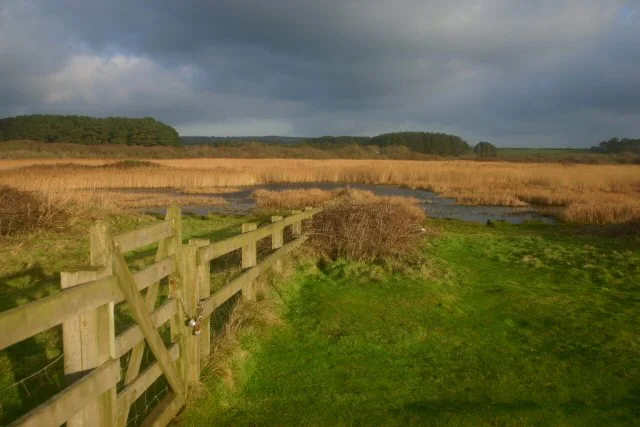
Baker's Pit
Georgia, near Penzance · Heathland · pasture · flooded clay pits
 the ai birderBirding near me
The AI Birder · one-page field sheet
Longrock, England · TR17 0AA · TR17 0AA

Starling · Little Egret · Great White Egret · Grey Heron · Teal · Moorhen
Seafront pavement viewing bay · Entrance-gate firm-path viewing area
Check current access, hide closures and operator notices before travelling. Seasonal birds are possibilities, not promised sightings. Keep to authorised routes and give wildlife space.
Opening and charges checked 2026-10-18. Operator: https://www.rspb.org.uk/days-out/reserves/marazion-marsh
Full guide and current source links: https://aibirder.co.uk/reserves/rspb-marazion-marsh
EN 78 · RSPB reserve guide
Longrock, England · TR17 0AA
Cornwall’s largest reedbed, watched from public roadside and entrance viewpoints.
Decide if the visit fits.
Last checked 18 October 2026.
Opening and charges information · checked .
Stay nearby →Reserve overview
Cornwall’s largest reedbed, watched from public roadside and entrance viewpoints.
Eight checks for a smoother visit.
Conditions change: check the operator and transport notices before travelling.
January: Use the seafront bay for the winter Bittern possibility and visible Teal or Little Egret. The January county records also support Snipe and Grey Heron, but birds can remain concealed. The entrance viewing area gives a different reed-edge angle without entering the marsh.
February: Typically winter Bittern is the specialist aim from the seafront bay. Keep scanning pool margins rather than walking into the reedbed. January county records demonstrate the winter habitat's value, but are not a February sighting promise or a reason to approach a hidden bird.
March: The winter Bittern period is ending rather than guaranteed to extend through March. Begin at the seafront bay and compare the entrance reed-edge view. Current county news is the best way to refine expectations; no March bird report has been invented for this review.
April: The April county record supports Cetti's Warbler, Little Egret and Swallow at the marsh. Try the entrance viewing area for listening, then the seafront bay for an open view. Do not use a rare singing-warbler report to promote an annual spectacle or add a new visitor path.
May: Cetti's Warbler and Swallow have verified April records, not a dated May promise. Listen from the entrance viewing area and assess the pools from the seafront bay. The operator provides no managed circuit through the marsh, so resist turning a short watch into an unofficial exploration.
June: A summer visit is a short public-view watch rather than a reedbed circuit. The entrance area gives a listening position for reed-edge birds such as the locally recorded Cetti's Warbler, without promising its presence on the day. No nest location or summer checklist is inferred from winter records.
July: Use the seafront bay to assess the pools and the entrance area for another reedbed angle. Teal and Snipe in this guide are winter/autumn evidence, not a July forecast. Keep the visit flexible and consult current Cornwall records if you need a specific target.
August: The public viewing areas remain the dependable part of the plan. Bittern is a winter target, while a legacy reference to Aquatic Warbler does not establish an annual August event. Read current county news and stay outside restricted reedbed habitat even when migration interest rises.
September: Start at the seafront bay and assess the water before checking the entrance reed edge. October records verify egrets and Teal, but should not be shifted backwards into a September guarantee. No special passage bird is promised without a current local report.
October: October county records support Great White Egret, Little Egret, Grey Heron, Teal, Moorhen, Coot and Stonechat. Compare the bay's pools with the entrance reed margin. Starling gatherings can occur in some years from October, watched only from the official public views.
November: Typically winter Bittern becomes the specialist reason to linger at the seafront bay. Starling activity varies between years and has no fixed appointment or published approach route. Keep to the pavement and entrance viewing area; do not follow birds into resting habitat.
December: A winter plan can centre on Bittern from the seafront bay with the entrance reedbed view as an alternative angle. Any Starling spectacle is variable. Separate the reserve's public access from the private car park's terms, and use daylight and safe road crossings carefully.
Best conditions: Typically a calm morning makes listening and reed-edge watching easier. The public seafront position is exposed to wind and road activity; choose a safe stance with light behind or to one side where possible. A scope helps over distant pools, while binoculars are sufficient for the entrance reed margin. Remain outside the marsh if a bird is hidden.
Marazion Marsh is a place to stop and watch carefully rather than to cover ground. Choose the seafront viewing bay when you want the broader look across pools and reeds, then compare it with the entrance viewing area if birds remain hidden. The reserve does not have a managed trail circuit, so the quality of a visit comes from patient scanning rather than finding a way into the reedbed. Winter Bittern is the specialist attraction in the operator evidence, but even a long wait can produce no view. County reports help set realistic expectations for ducks, egrets and reed-edge birds. Keep beach watching separate from the marsh checklist: a bird reported at Long Rock or Penzance is not automatically a marsh record. Private parking arrangements are also separate from reserve access. Leave room for other pavement users and finish the watch without following birds into their shelter.
Access times: Reserve: Open 24 hours according to the current RSPB calendar; use only permitted public viewing areas and footpaths. · Hides: No hide or managed trail; two operator-described public viewing areas. · Car park: No RSPB car park. Nearby private car parks have separate charges and terms; no verified gate schedule supplied. · Dawn access: partly. Operator opening information.
Marazion Marsh is principally a place for watching from the edge. The RSPB identifies its best outlook as the seafront pavement viewing bay, built into the Cornish hedge above the Sanctuary Area pools and reedbeds. A firm path from the entrance gate reaches another outlook over the front of the reeds. The operator explicitly says there are no managed nature trails, so plan around these legitimate viewpoints rather than expecting a hide circuit or a route into the sanctuary. Two-hour plan, editorial suggestion: begin at the roadside viewing bay, making a broad scan for ducks, egrets and herons before concentrating on the reed margins. Move to the entrance viewing area for a change of angle, then return to the original bay. Use the change in position to compare light and sightlines rather than repeatedly approaching the same bird. Leave the more distant reedbed undisturbed. Full-day plan, editorial suggestion: devote the morning to several unhurried watches at the reserve edge, take lunch in Marazion, and add a separate seafront walk during the afternoon. Return to the public outlook later if there is a confirmed reason for an evening watch. A whole day here should include time enjoying Mount's Bay rather than trying to force a short reserve into an all-day trail itinerary. Keep any coastal excursion on an independently checked public route. The shore and the marsh have different hazards and access arrangements; a path towards the sea does not authorise entering the reedbed. In busy periods, tuck optical equipment close to the viewing recess and leave space for pedestrians passing behind you.
Use the linked reserve map and directions with current access notices. Species are typical seasonal targets. Light and telescope advice reflects our choice of viewpoint.
Sanctuary Area pools and reedbeds inside the Cornish hedge
Official pavement bay; keep the pavement clear and do not enter the reedbed.
Winter: Bittern, Teal, Snipe, Little Egret
Spring: Little Egret, Swallow
Autumn: Great White Egret, Grey Heron, Teal, Starling
Light: either. Scope: useful.
Front of the reedbed and visible pool margins
Firm path from the entrance gate; this is a viewing area, not a managed reserve trail.
Winter: Moorhen, Mallard, Cetti's Warbler, Chiffchaff, Stonechat
Spring: Cetti's Warbler, Little Egret
Autumn: Coot, Moorhen, Stonechat
Light: either. Scope: not needed.
| Spot | Overlooks | Key species by season | Best light | Scope | Tide |
|---|---|---|---|---|---|
| Seafront pavement viewing bayOfficial pavement bay; keep the pavement clear and do not enter the reedbed. | Sanctuary Area pools and reedbeds inside the Cornish hedge | Winter: Bittern, Teal, Snipe, Little Egret Spring: Little Egret, Swallow Autumn: Great White Egret, Grey Heron, Teal, Starling | either | useful | — |
| Entrance-gate firm-path viewing areaFirm path from the entrance gate; this is a viewing area, not a managed reserve trail. | Front of the reedbed and visible pool margins | Winter: Moorhen, Mallard, Cetti's Warbler, Chiffchaff, Stonechat Spring: Cetti's Warbler, Little Egret Autumn: Coot, Moorhen, Stonechat | either | not needed | — |
Month chips show typical presence or our preferred viewing season. Choose birds that suit the time of your visit.
The reedbed and pools are not a tidal-flat visitor route. For a separate coastal watch consult Penzance (Newlyn) predictions; no marsh-specific tide threshold verified. Never infer a safe beach or causeway crossing from this reserve guide.
The firm entrance path and the seafront pavement provide the principal opportunities for a shorter visit, but the RSPB asks wheelchair users to contact the reserve directly for detailed access advice. The same request appears under its pushchair information. The operator notes nearby parking within 100 metres, yet proximity alone does not describe kerbs, road crossings, gradients or the height of the hedge at the viewing bay. Explain those requirements to the Cornwall team when choosing between the two public outlooks. If travelling with a wheelchair, mobility scooter or walking aid, establish the complete route from the specific parking bay or bus stop you intend to use. A short length of uneven pavement may matter more than the total walking distance. The viewing recess is shared with people using the seafront, so a compact position helps both comfort and circulation. There is no published comprehensive independent-access specification for every viewpoint in the checked facilities prose. Avoid interpreting the existence of a firm path as a promise of step-free access through the wider marsh, where visitor exploration is limited.
There are no reserve toilets, shop, café or reception. The RSPB points visitors to public toilets in the nearby Marazion Station car park and to food and drink businesses on the seafront and in Marazion. Carry a flask and a snack for a patient reedbed watch, and use the town for a longer break. Keep eating areas and equipment clear of the pedestrian route. Barbecues are prohibited on the reserve, and litter should leave with you rather than being tucked into the hedge or reed margins.
Dogs are allowed only on public footpaths and must be kept on a lead under the reserve's published rules. Visitors with assistance dogs are welcome at RSPB Marazion Marsh. Prevent an animal entering the reeds or pools even briefly: feeding and resting birds rely on the quiet sanctuary behind the public viewing areas.
Penzance is the nearest main-line station named by the RSPB, with its bus station close by. Transport for Cornwall's current services 2 and 2A link Penzance and Marazion on the Helston corridor. These replaced the older U4 designation during the February 2026 network changes. Use the official timetable for your date and choose the most suitable Marazion stop for the walk back towards the marsh viewpoints. The RSPB directions refer generally to buses and to Godolphin Place; current operator timetables should decide the actual stop and return departure rather than an old seasonal leaflet. Allow time for a paved seafront approach and road crossings, especially if carrying a telescope. A pre-arranged Penzance taxi is an alternative for visitors who need to minimise walking, and a confirmed return collection avoids uncertainty after an evening session. National Cycle Network Route 3 passes the reserve, according to the operator, but the birdwatching outlooks are still shared pedestrian spaces where dismounting is considerate.
Useful bases for an early start.
Booking.com links are affiliate links: we may earn a commission at no extra cost to you. How these links work.
About 0.4 road miles, roughly 1 minutes by car; OSRM estimate measured 18 October 2026, excluding live traffic.
Measured driving route · 18 October 2026. Map estimates exclude live traffic.
A nearby seafront base for short repeat watches.Find places to stay in Marazion on Booking.comAbout 3.9 road miles, roughly 8 minutes by car; OSRM estimate measured 18 October 2026, excluding live traffic.
Measured driving route · 18 October 2026. Map estimates exclude live traffic.
Main-line trains and easy connections across Mount’s Bay.Find places to stay in Penzance on Booking.comAbout 5.8 road miles, roughly 11 minutes by car; OSRM estimate measured 18 October 2026, excluding live traffic.
Measured driving route · 18 October 2026. Map estimates exclude live traffic.
Combine the reedbed with a separately planned estuary day.Find places to stay in Hayle on Booking.comExplore Cornwall’s full guides and smaller birding sites
For reserve enquiries use cornwall@rspb.org.uk or 01736 360624. Tell the team which viewing area you intend to use when asking about access, and ask about current Starling activity before making a special roost journey. The reserve's seasonal birds repay patience more than a long species target list. Bring binoculars for the pools and consider a telescope for reed-edge scanning, positioned so that other people can still pass. Report a blocked access point or disturbance directly to the operator with enough location detail to make the message useful.
Check Cornwall Bird Watching and Preservation Society latest records. most days; county-wide Reports show what has been seen, not what will be.
Follow the BTO Birders’ Code and give wildlife space.
RSPB Marazion Marsh: Free entry; no RSPB car park; nearby private parking charges separately.
RSPB Marazion Marsh: Dogs are allowed only on public footpaths and must be kept on a lead under the reserve's published rules.
RSPB Marazion Marsh: Birdwatching through the seasons.
RSPB Marazion Marsh: The firm entrance path and the seafront pavement provide the principal opportunities for a shorter visit, but the RSPB asks wheelchair users to contact the reserve directly for detailed access advice.
RSPB Marazion Marsh: Penzance is the nearest main-line station named by the RSPB, with its bus station close by.
Shorter stops within 15 miles in a straight line. Use the operator’s arrival directions for the journey.
Georgia, near Penzance · Heathland · pasture · flooded clay pits
Menherion, between Redruth and Falmouth · Reservoir · wetland · exposed mud · wet woodland
Nearby complete guides.
Stops with a purpose: use one as a contrasting habitat or weather-proof Plan B. Distances are straight-line estimates, not road journeys.